Click Related Pictures for More Audios:
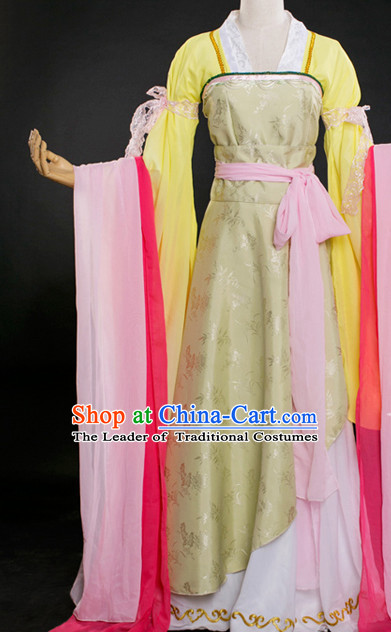
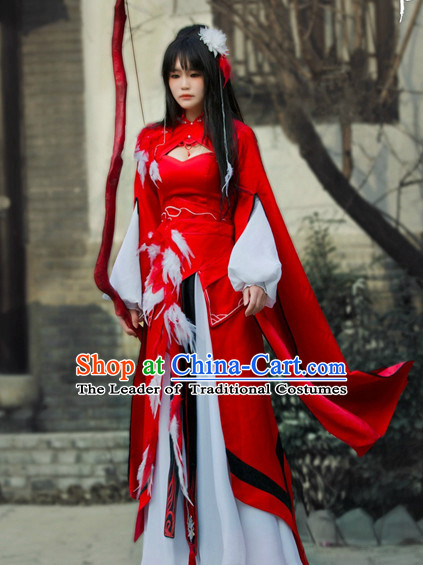
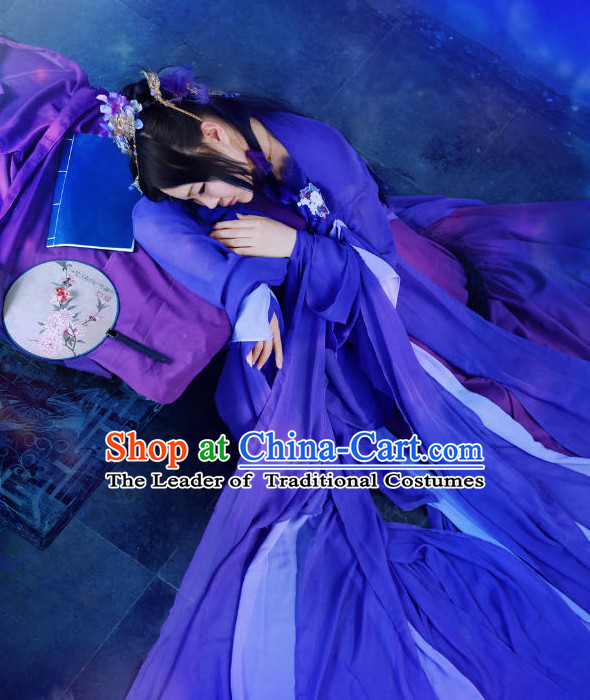
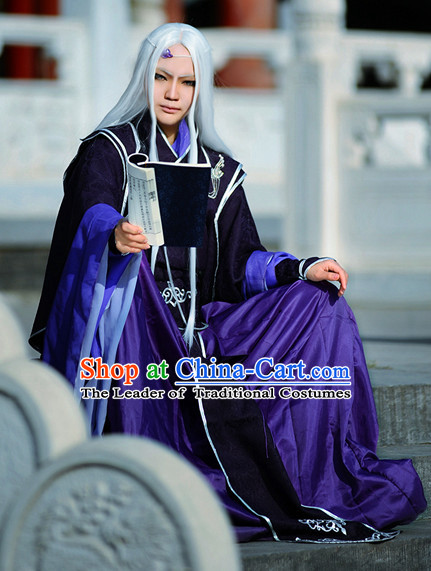
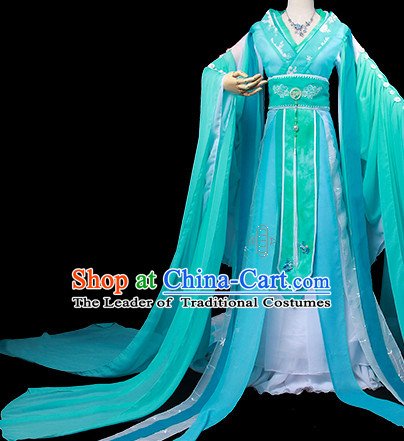
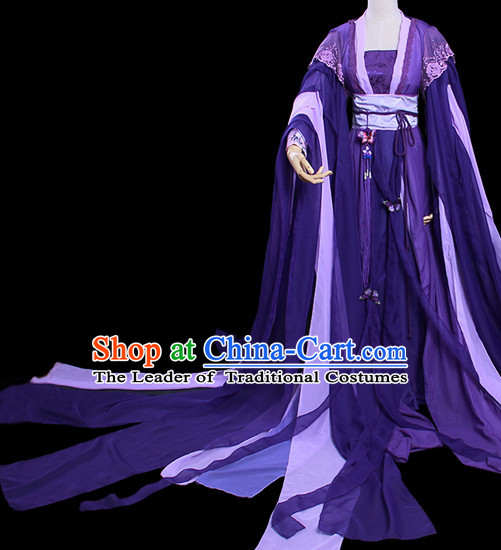
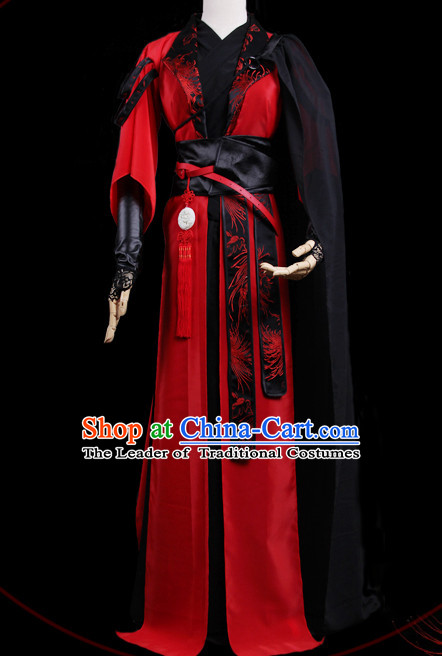
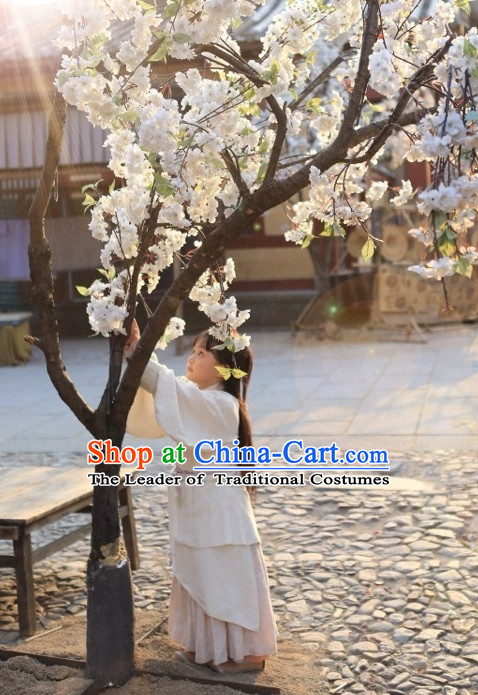
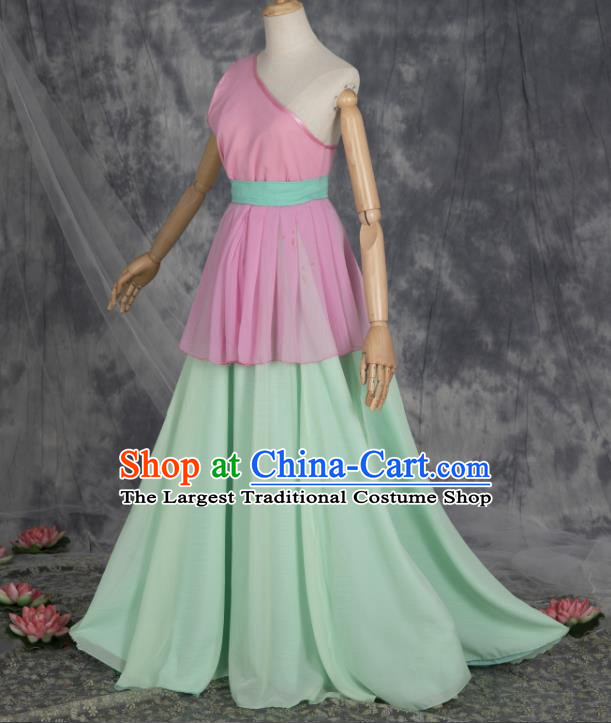
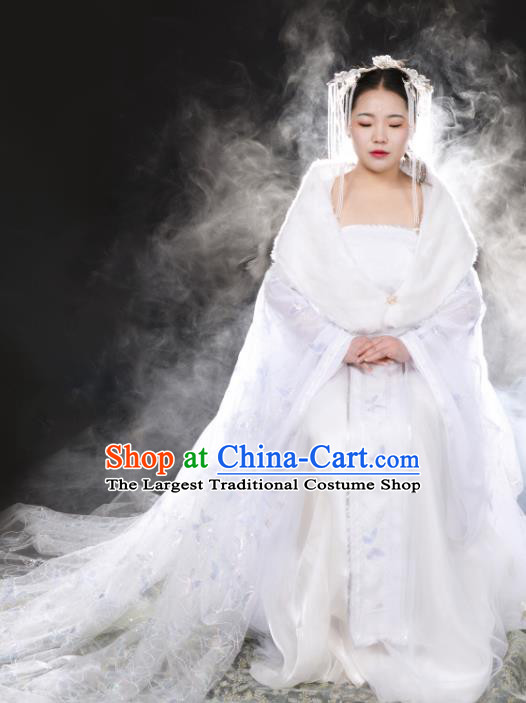
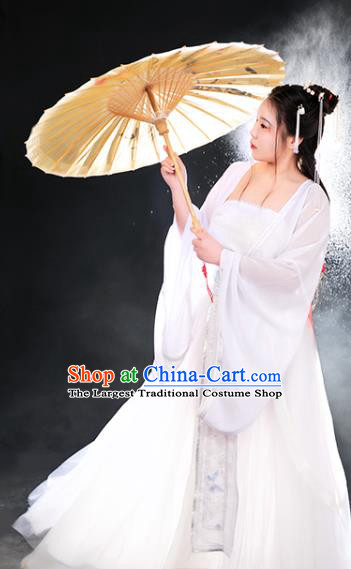
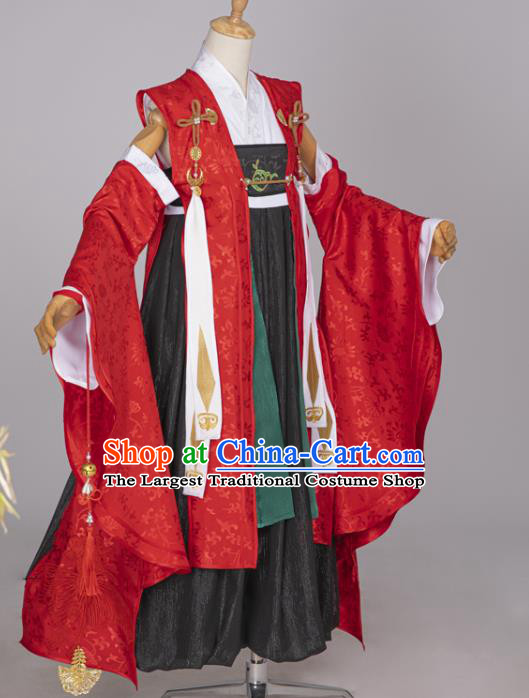
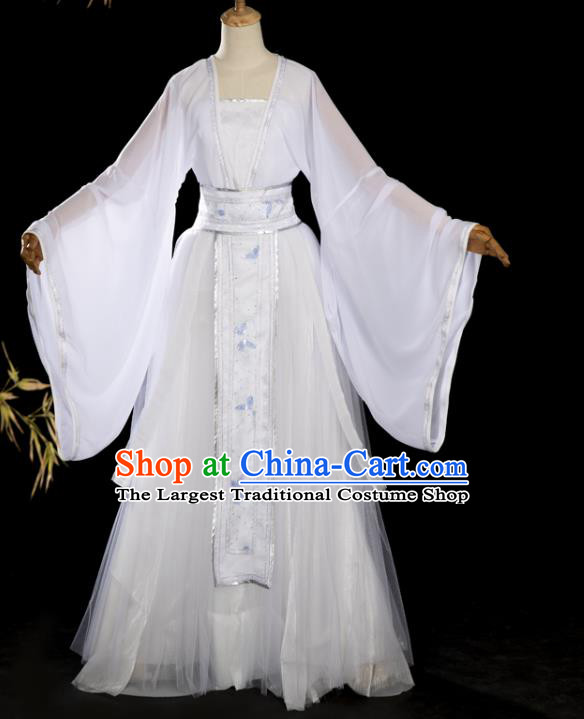
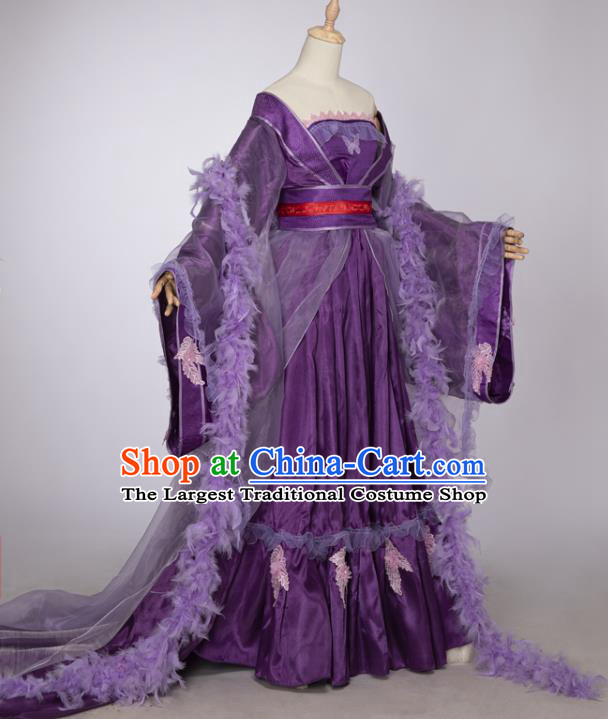
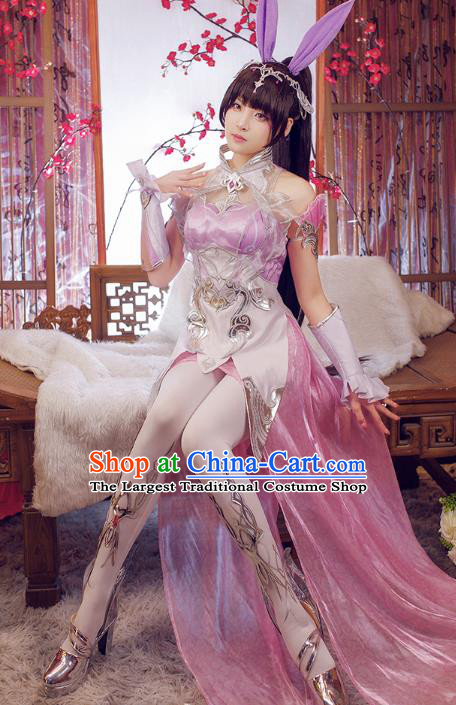
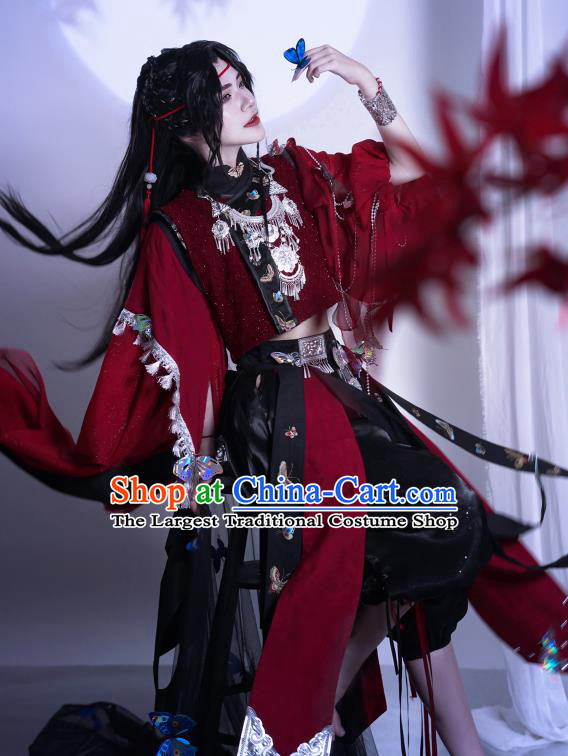
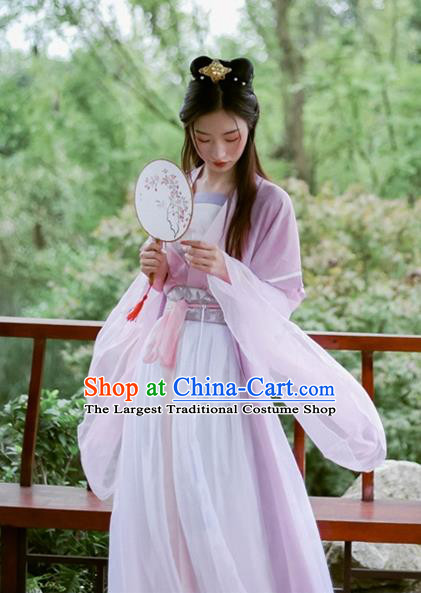
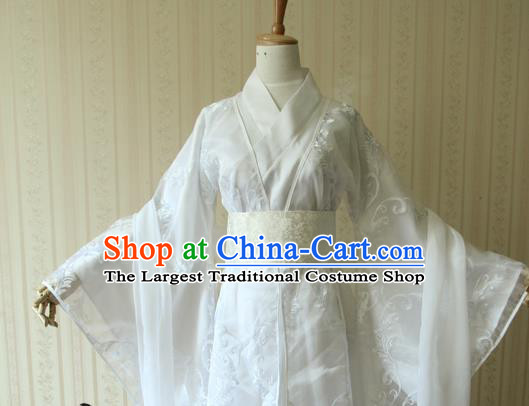
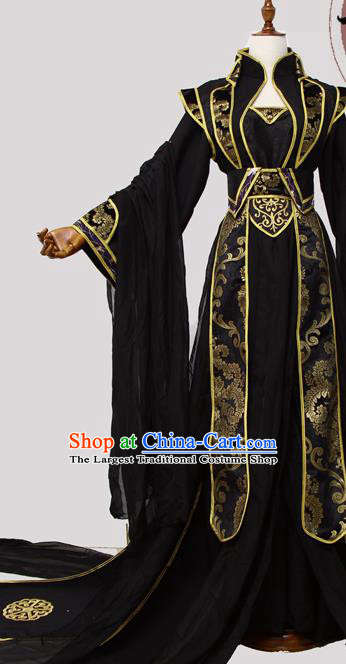
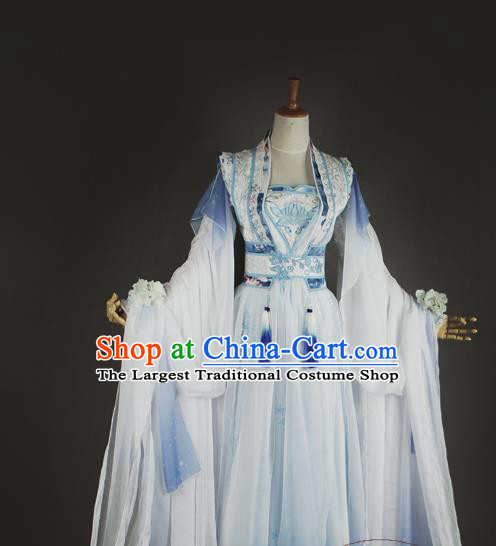
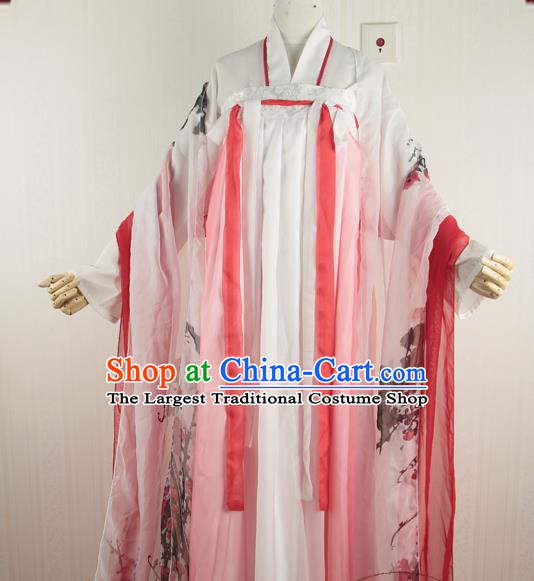
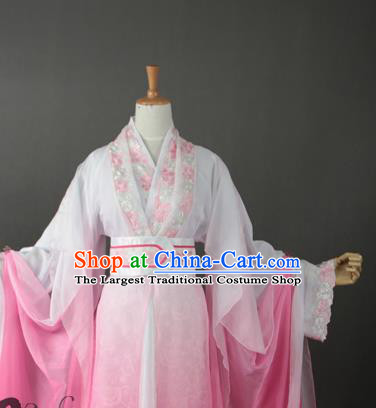
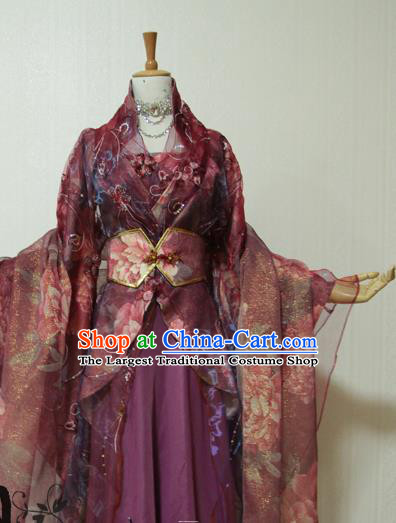
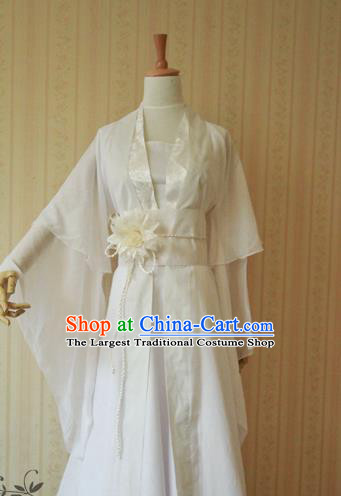
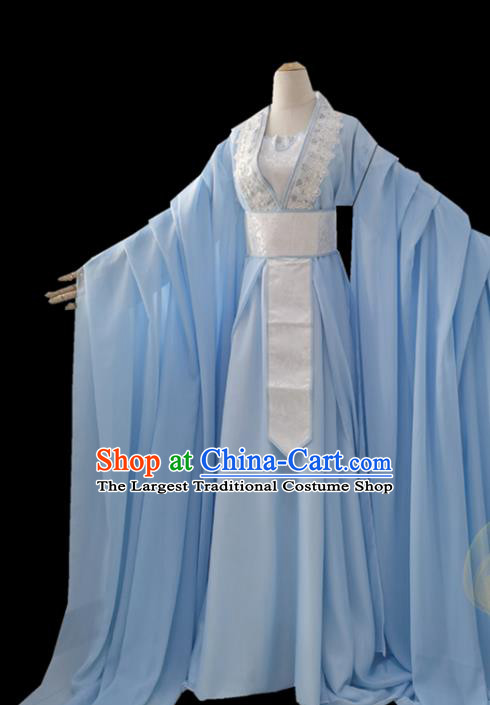
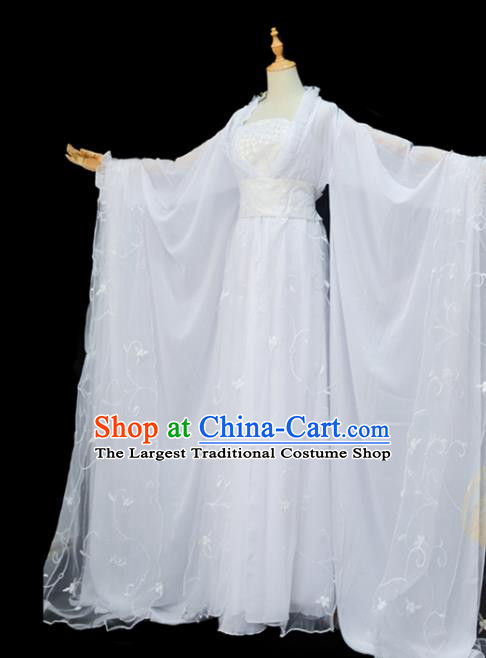
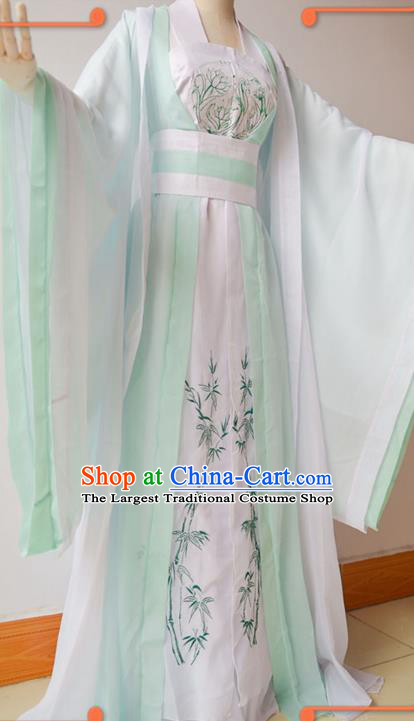
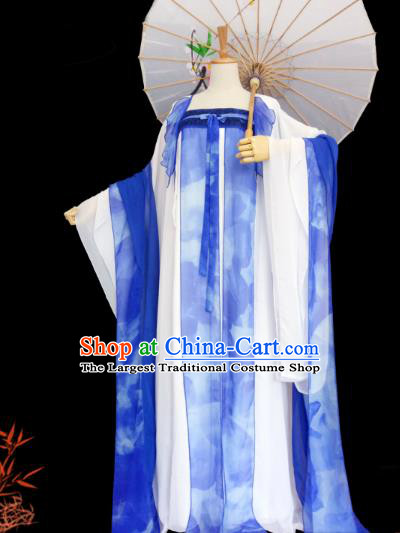
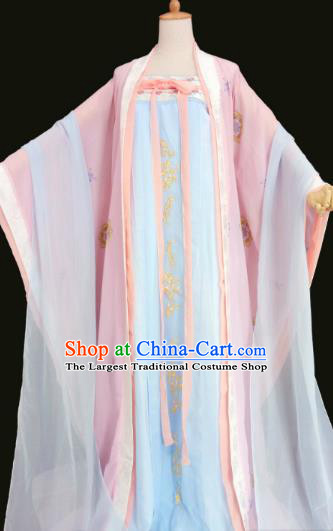
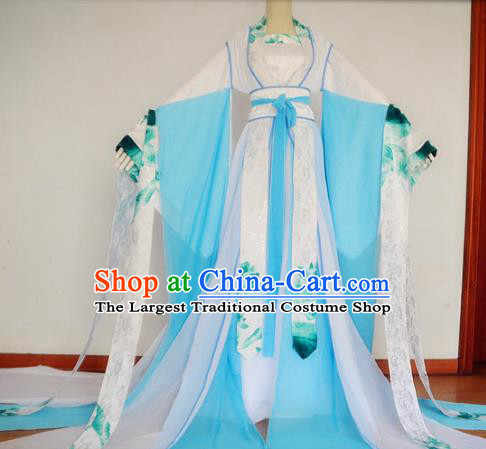
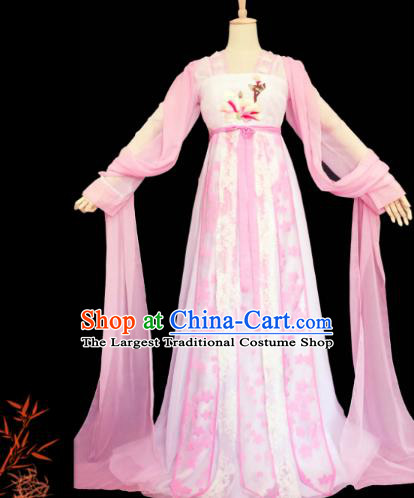
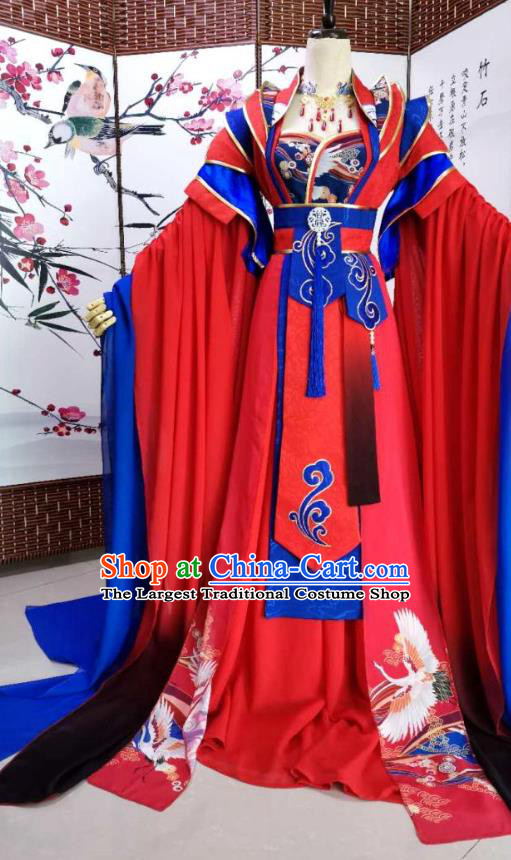
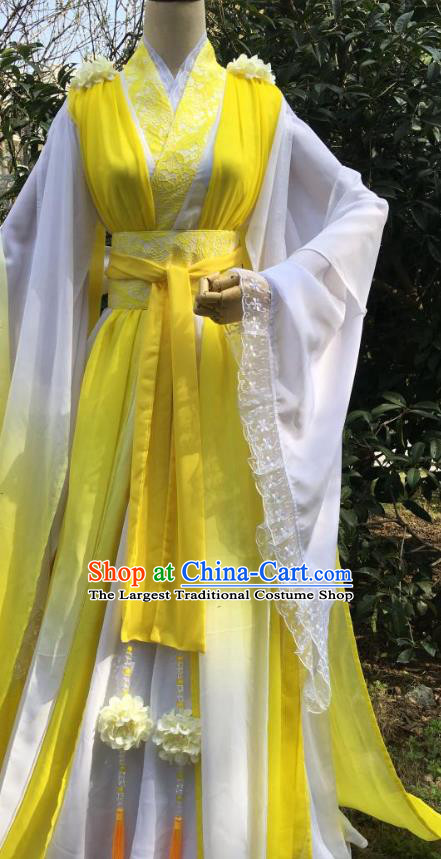
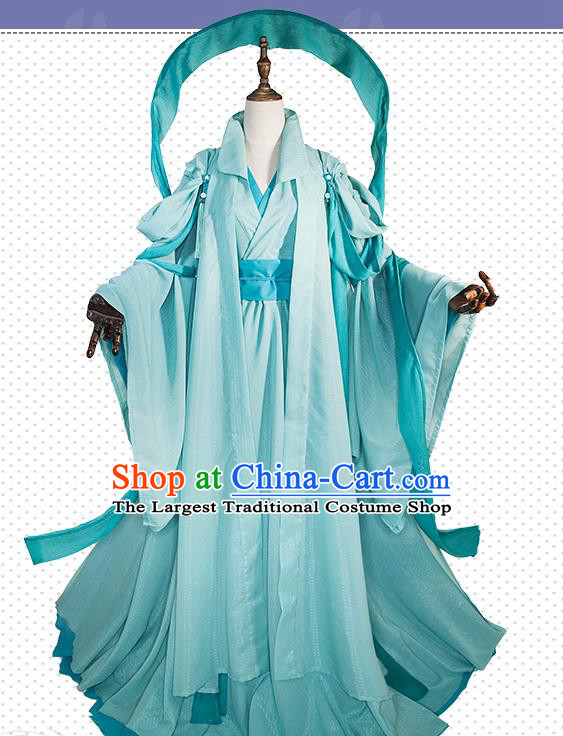
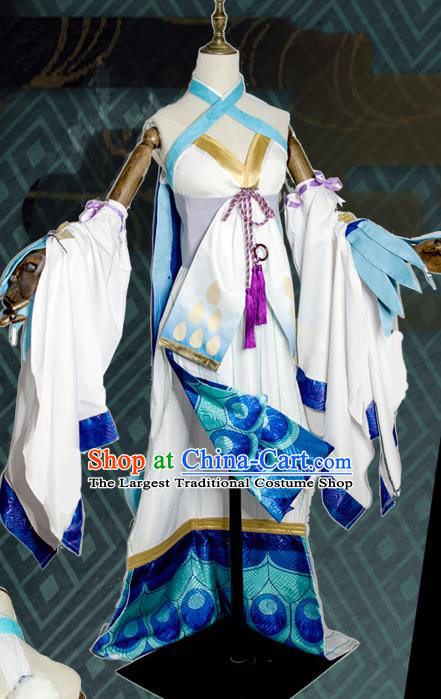
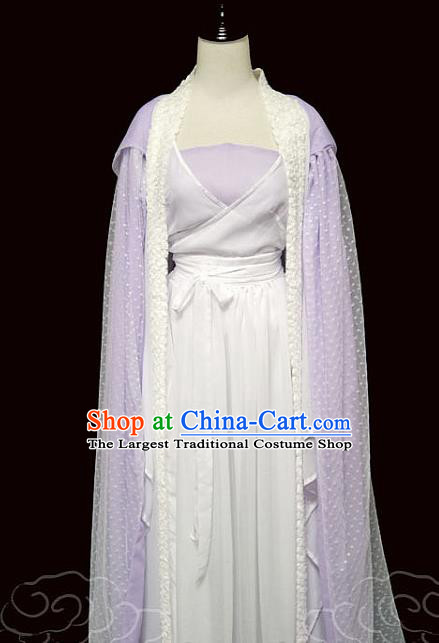
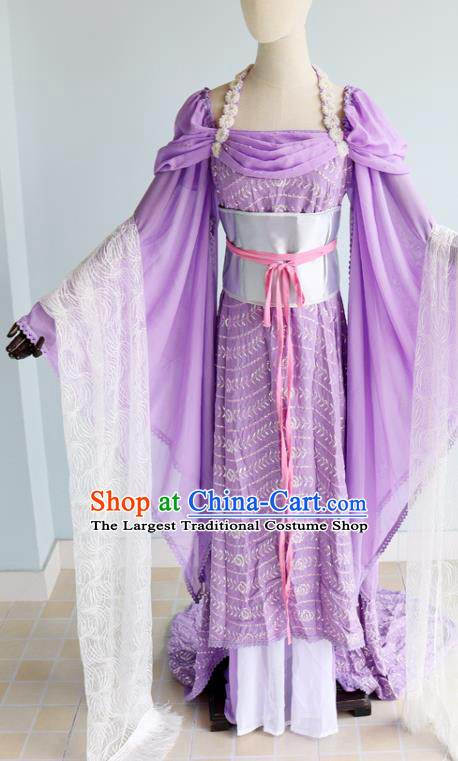
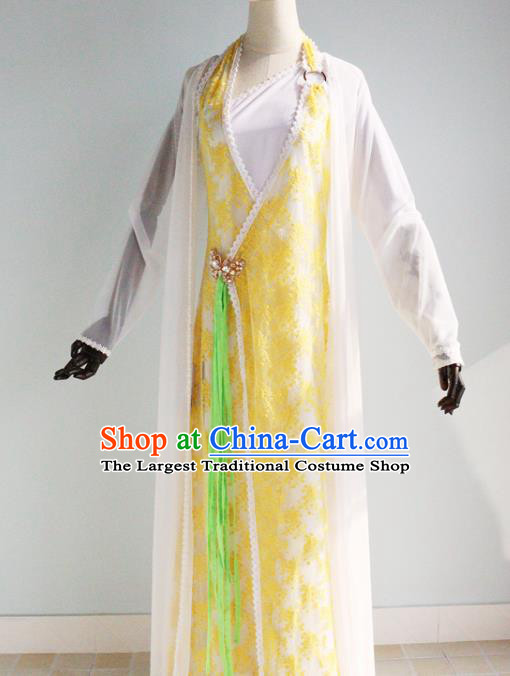
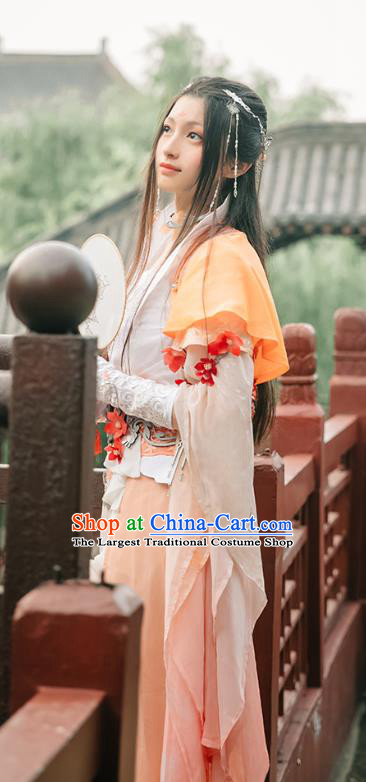
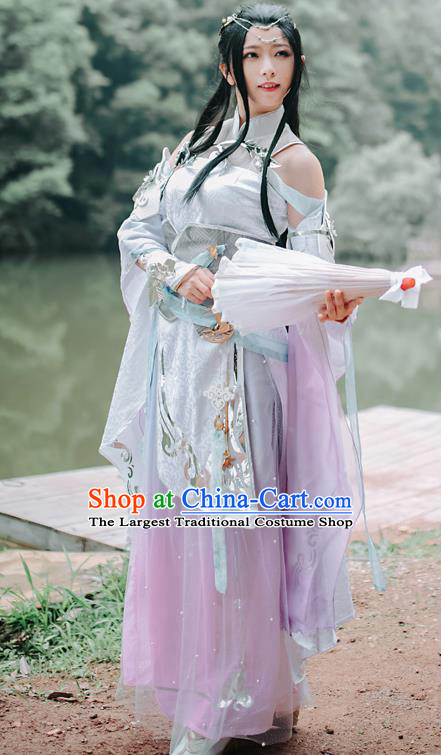
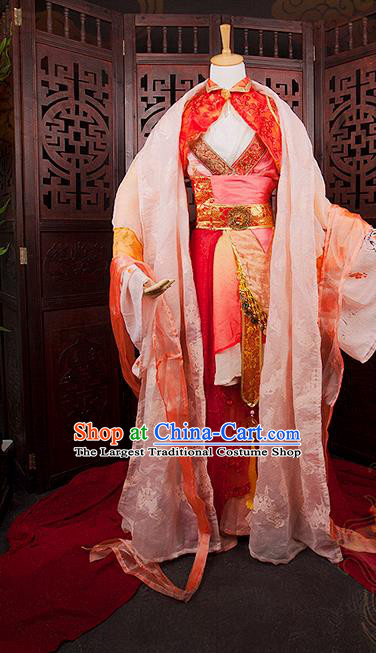
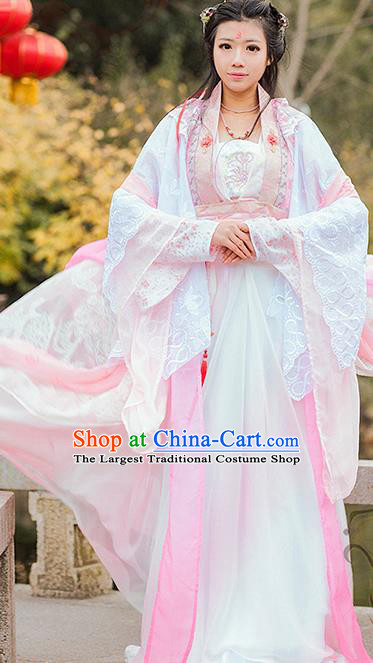
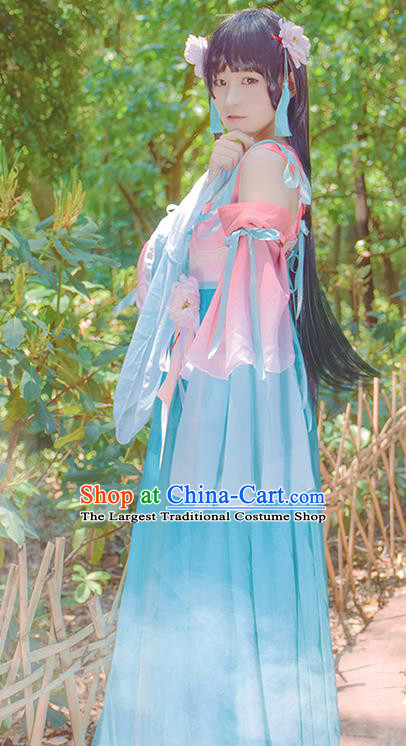
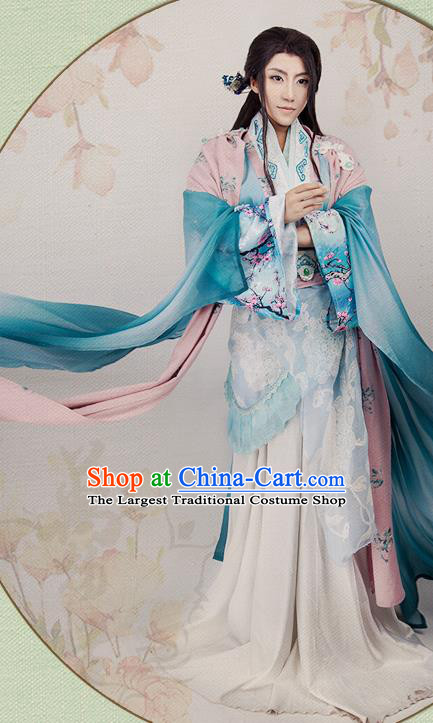
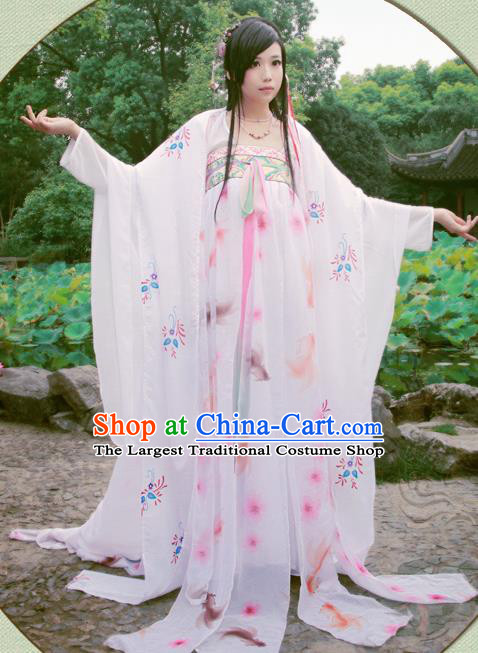
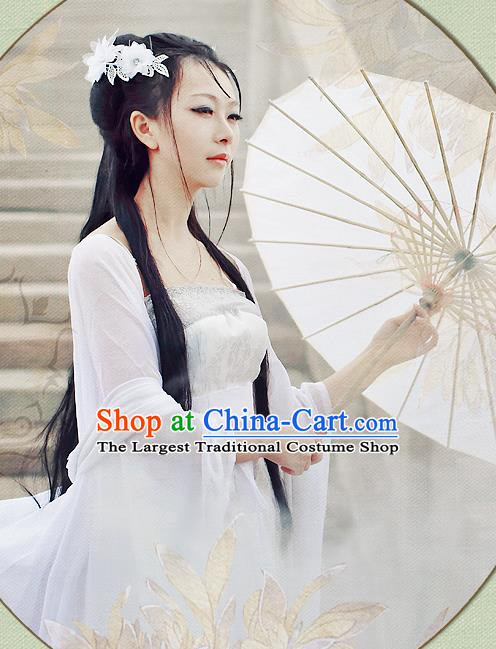
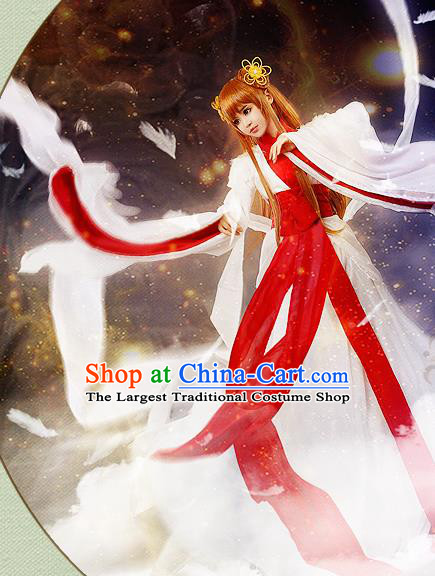
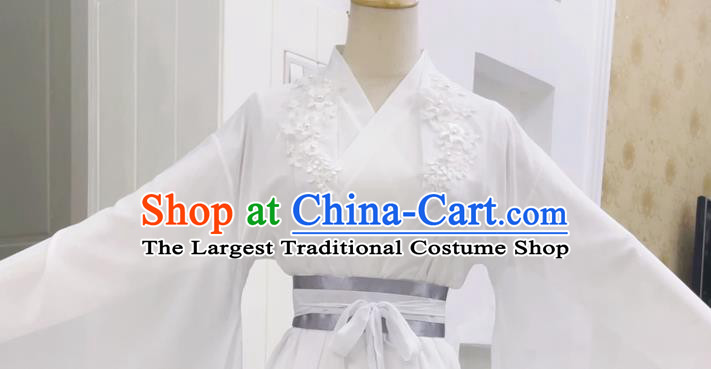
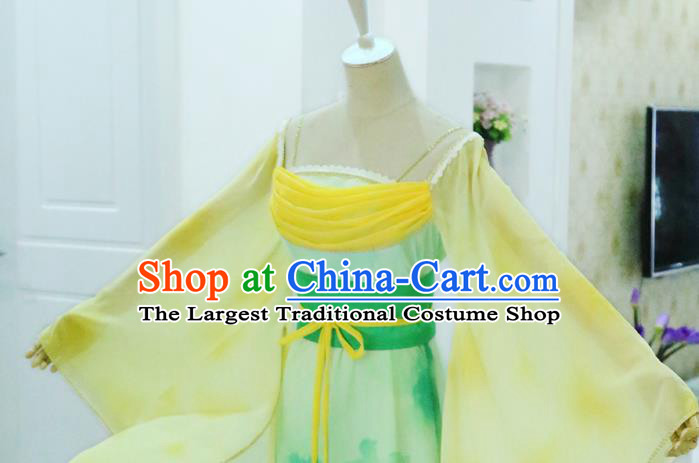
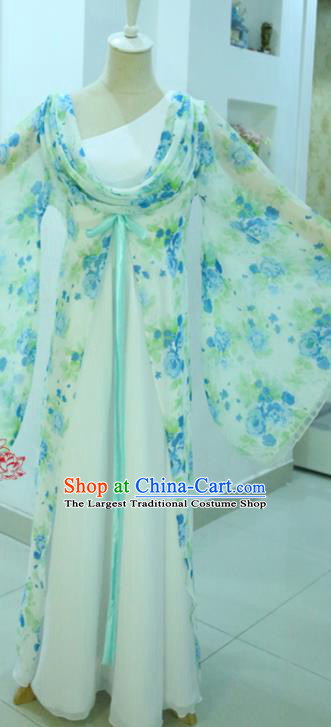
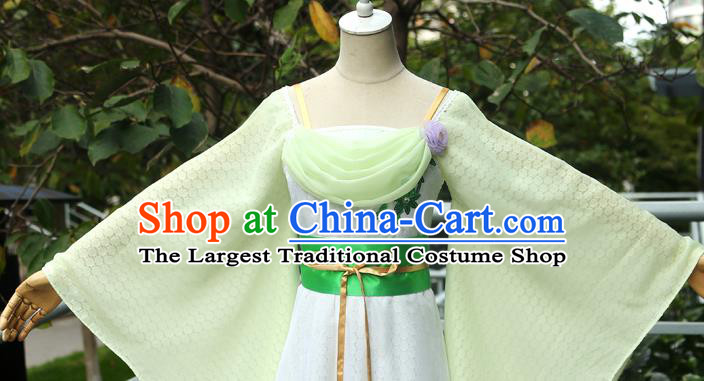
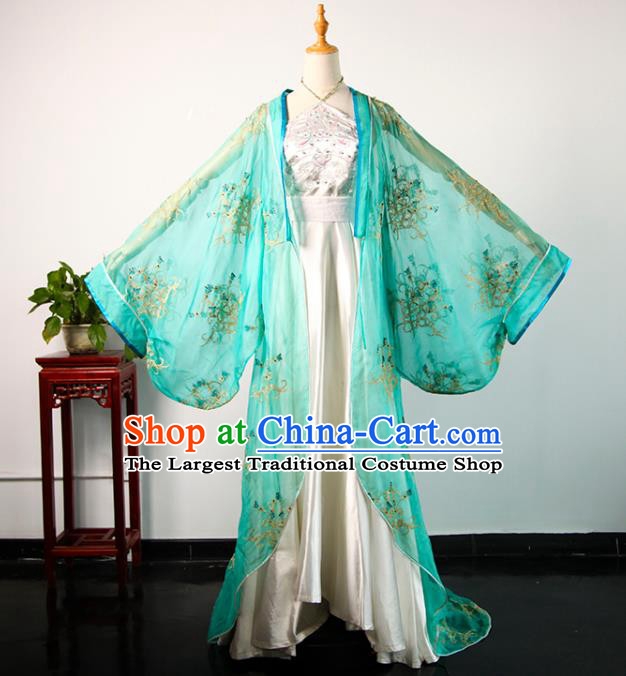
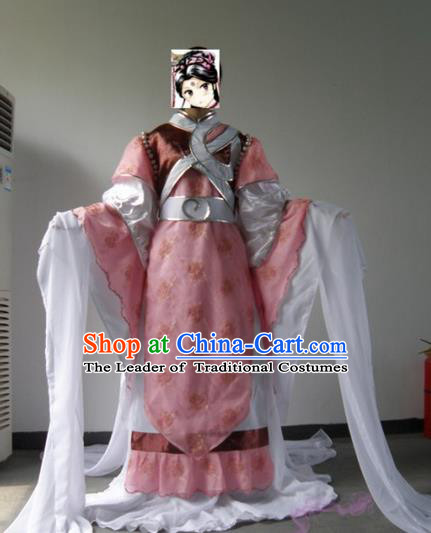
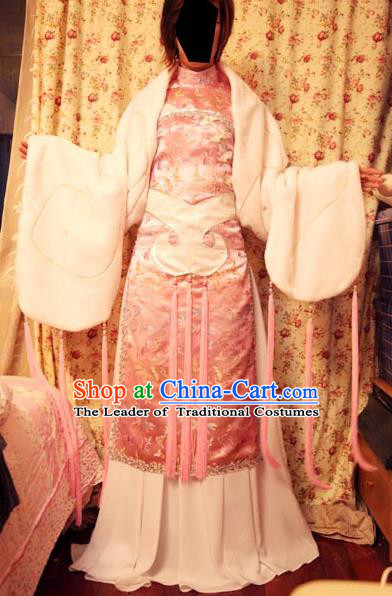
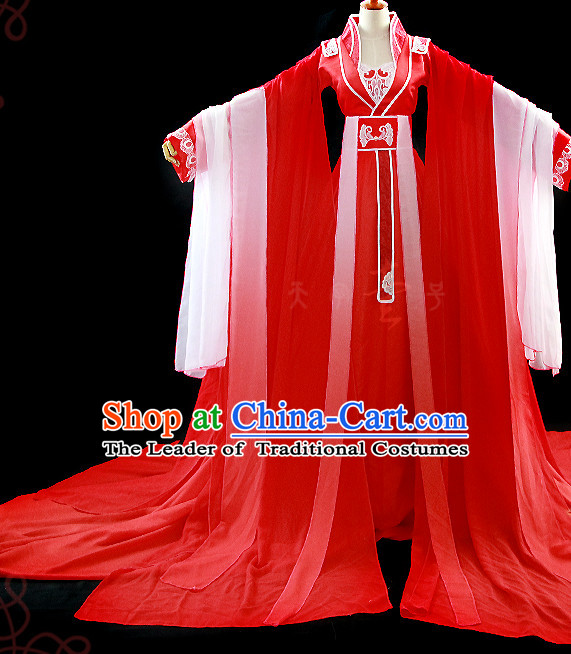
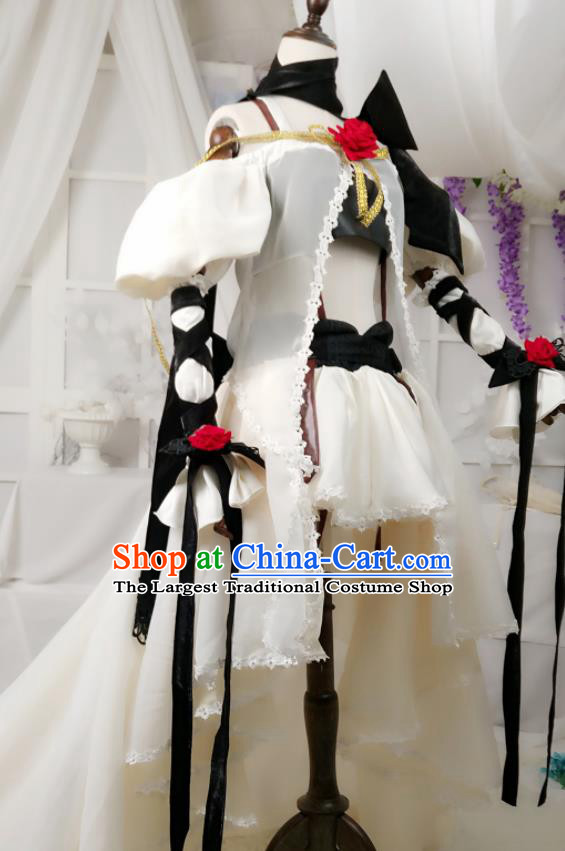
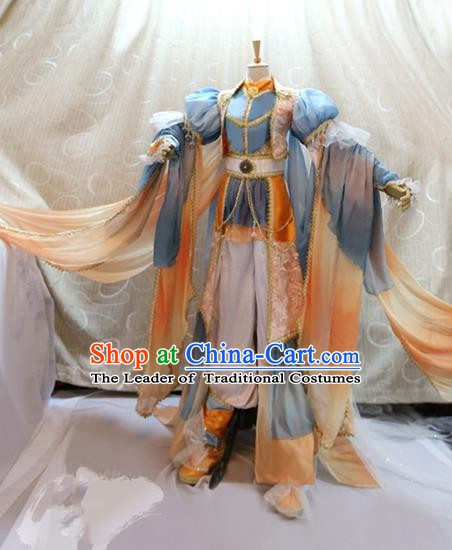
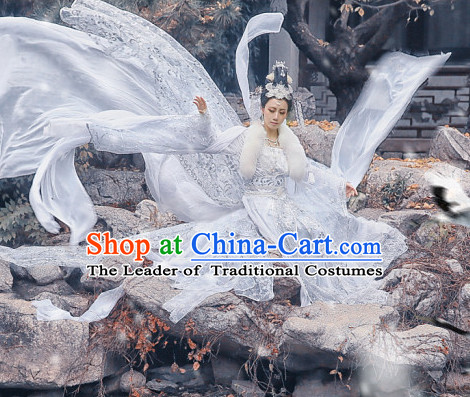
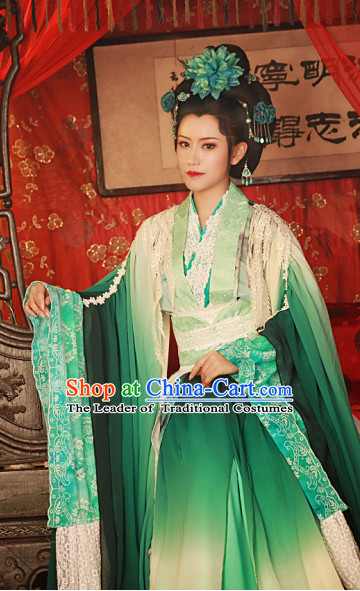
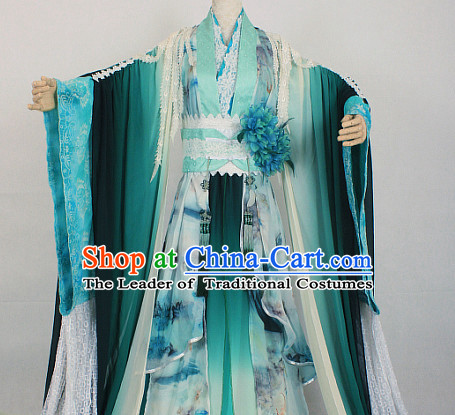
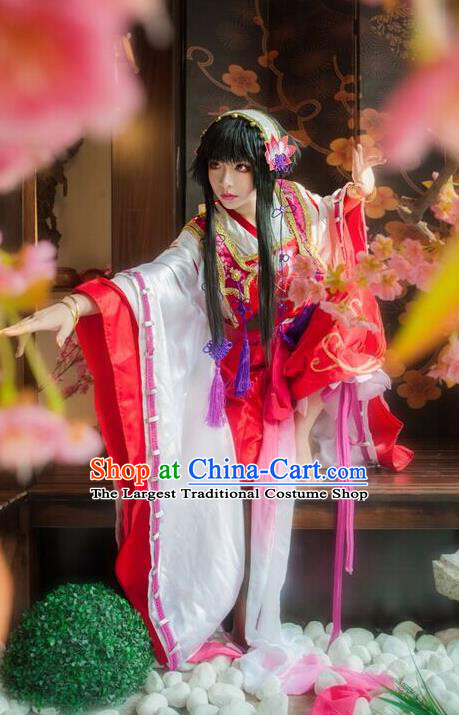
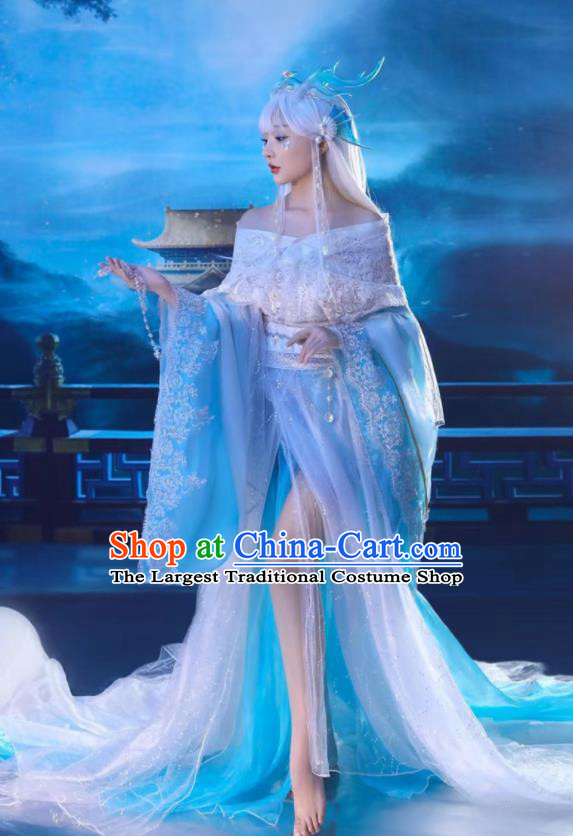
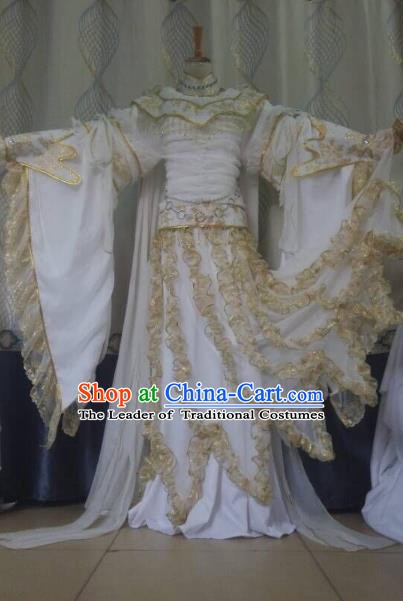
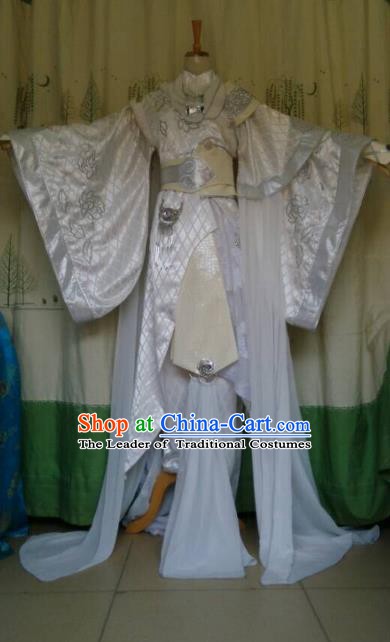
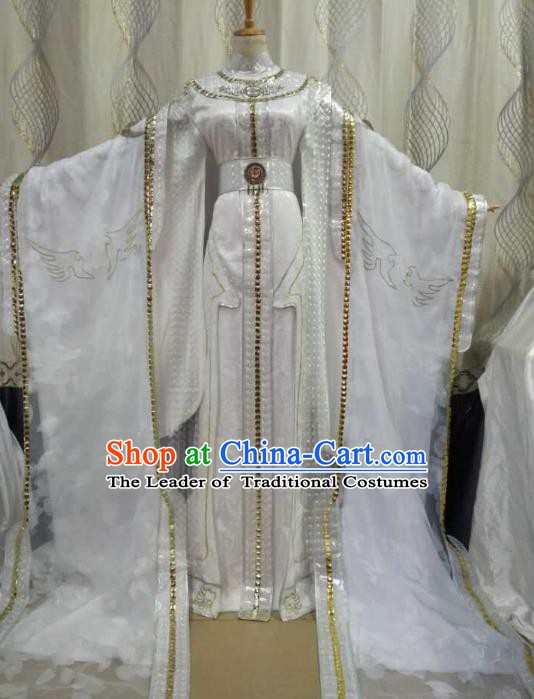
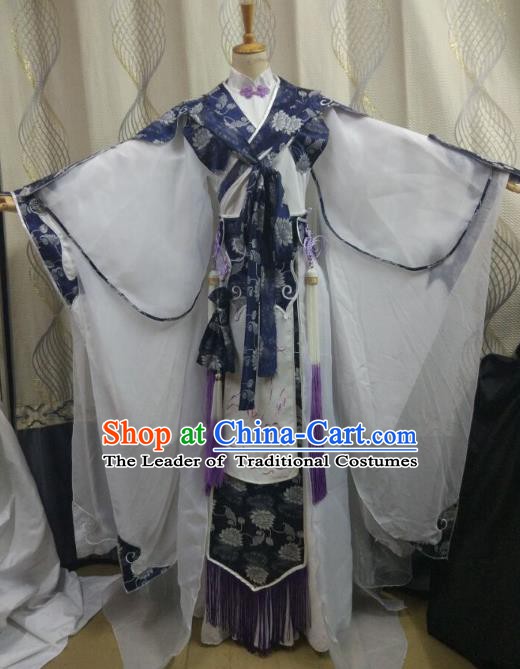
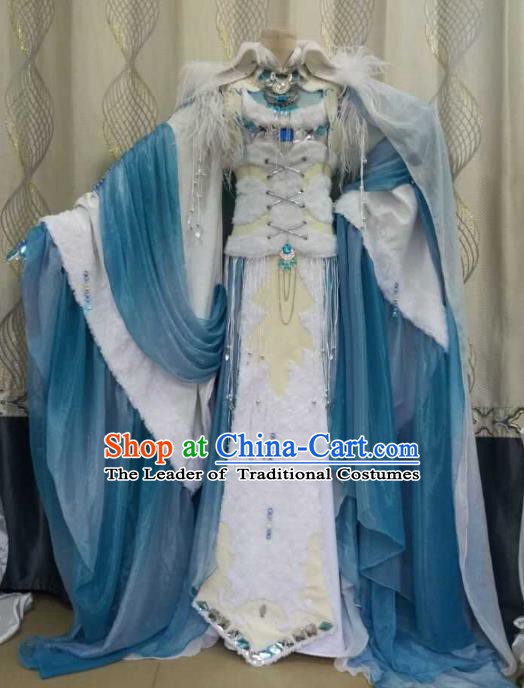
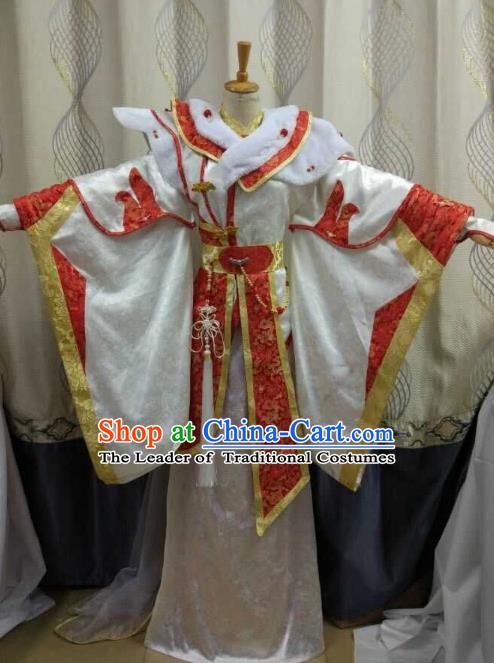
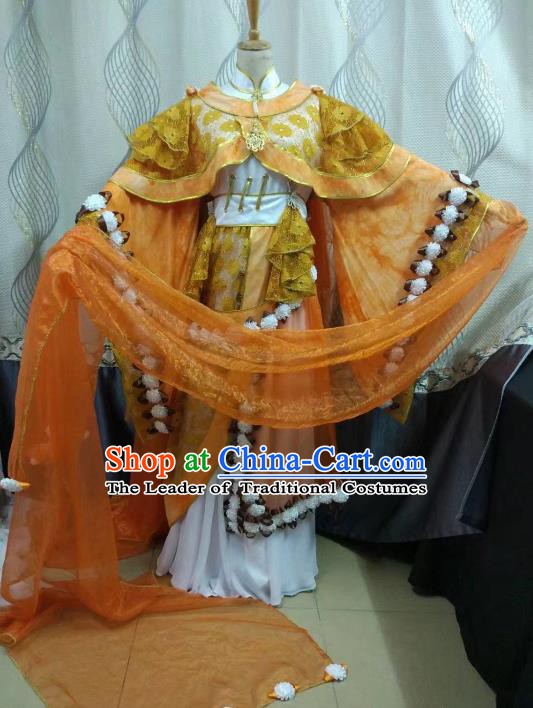
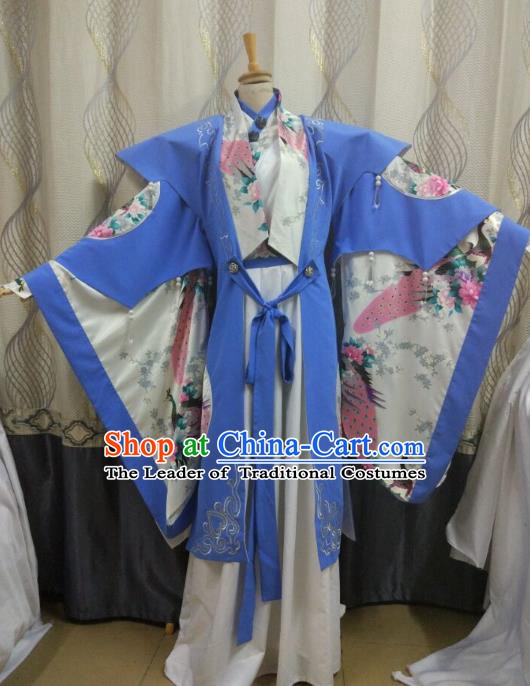
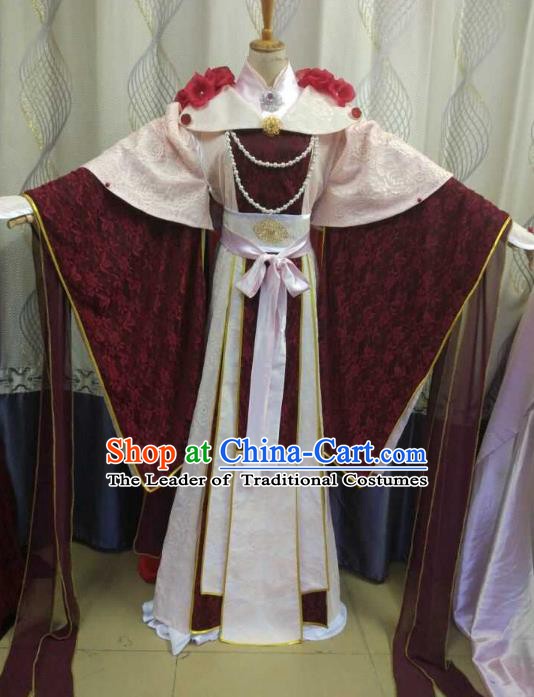
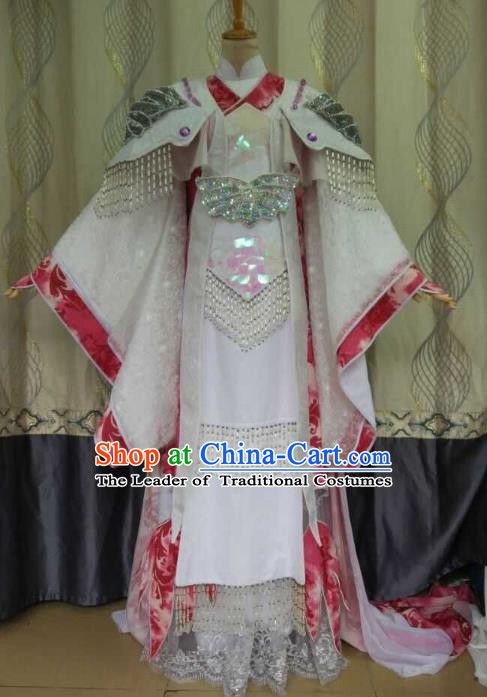
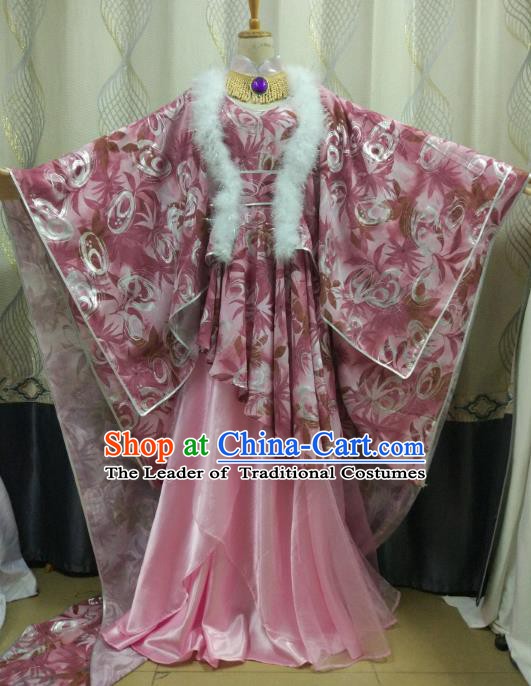
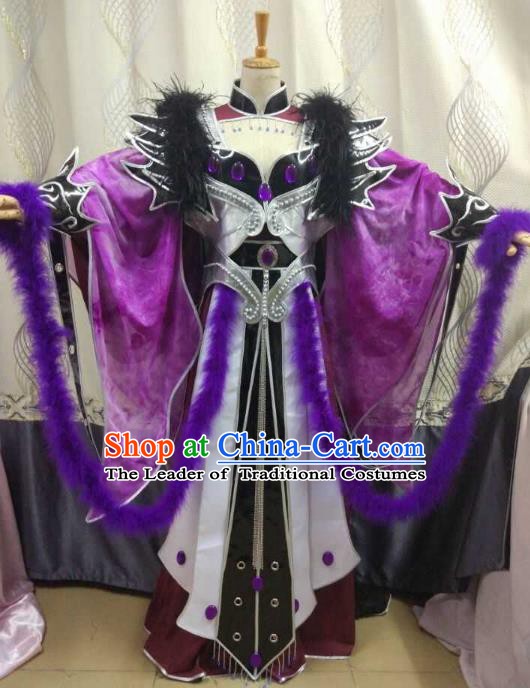
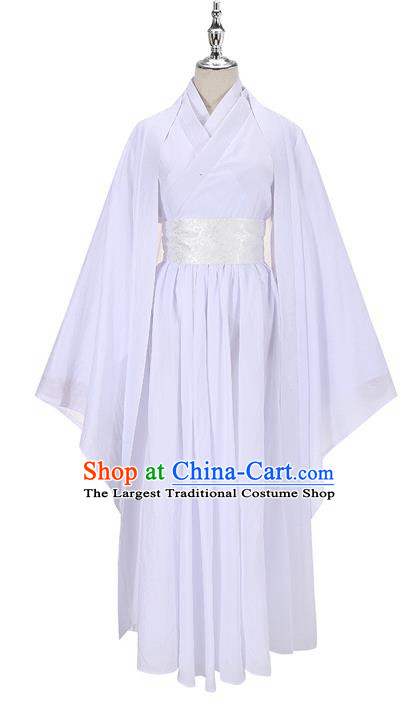
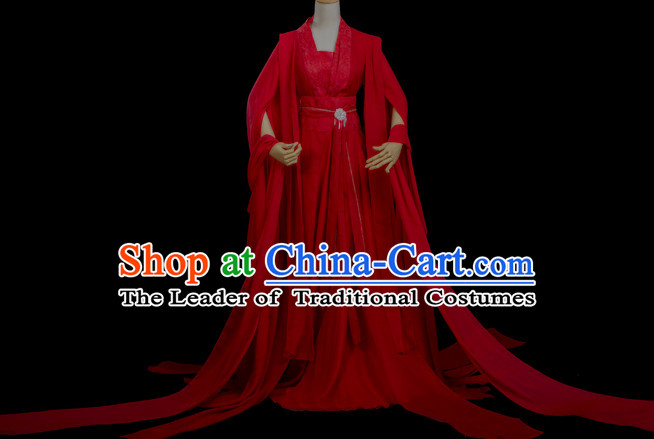
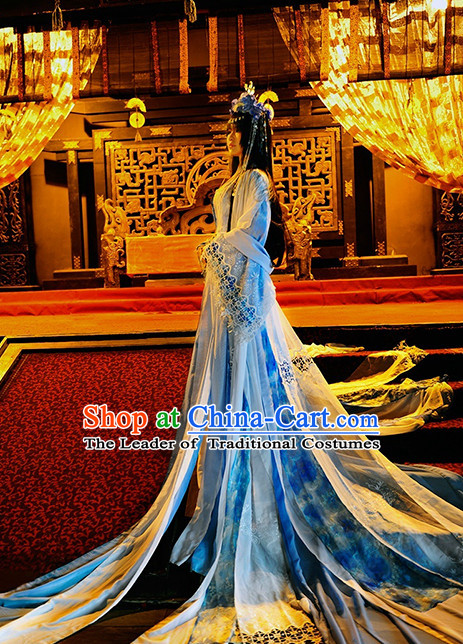
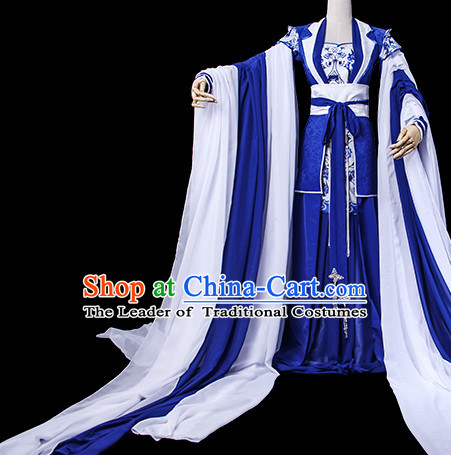
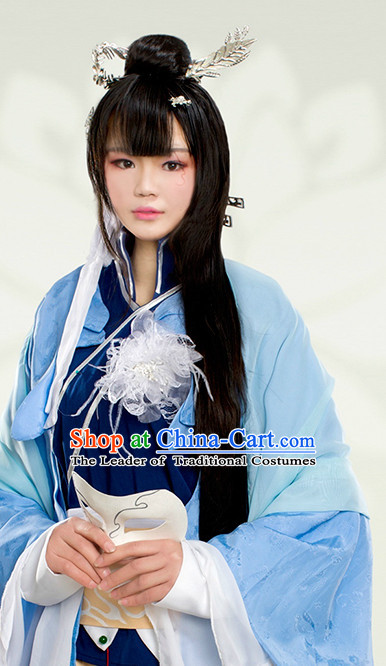
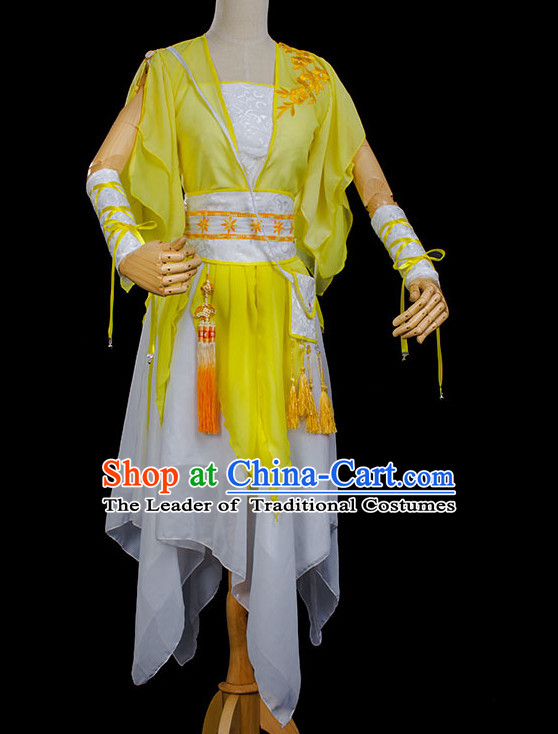
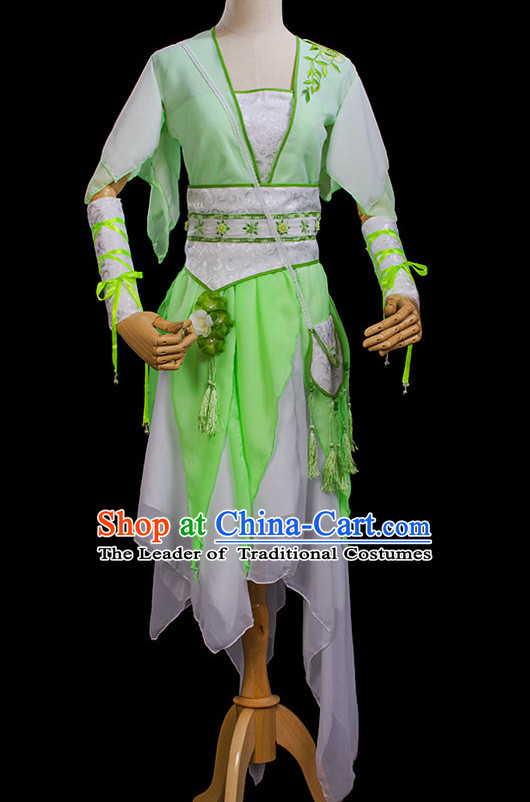
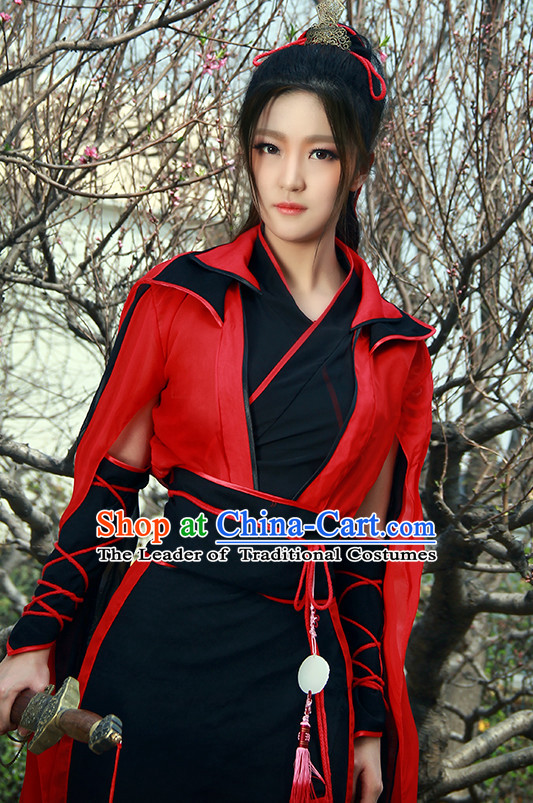
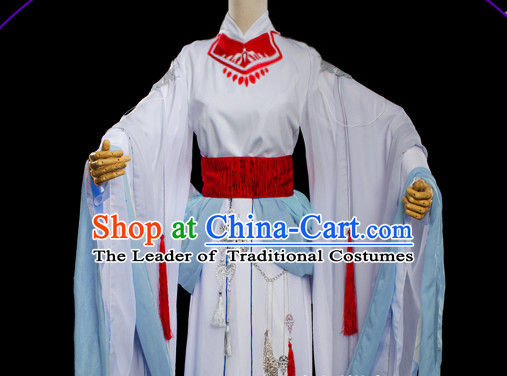
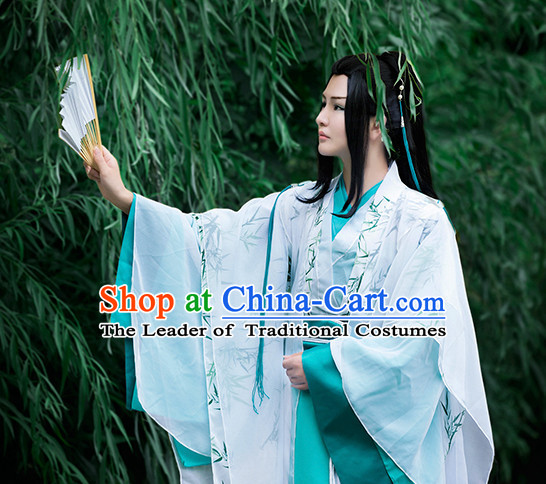
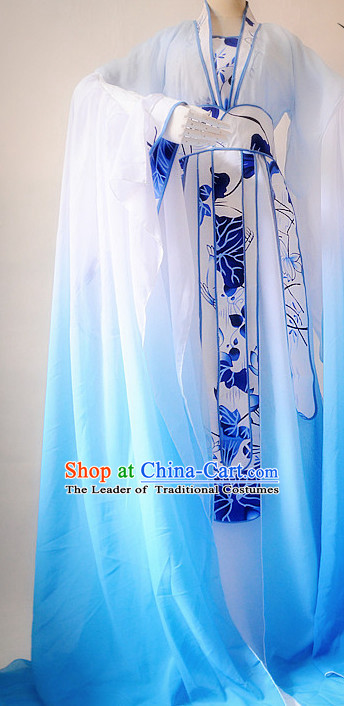
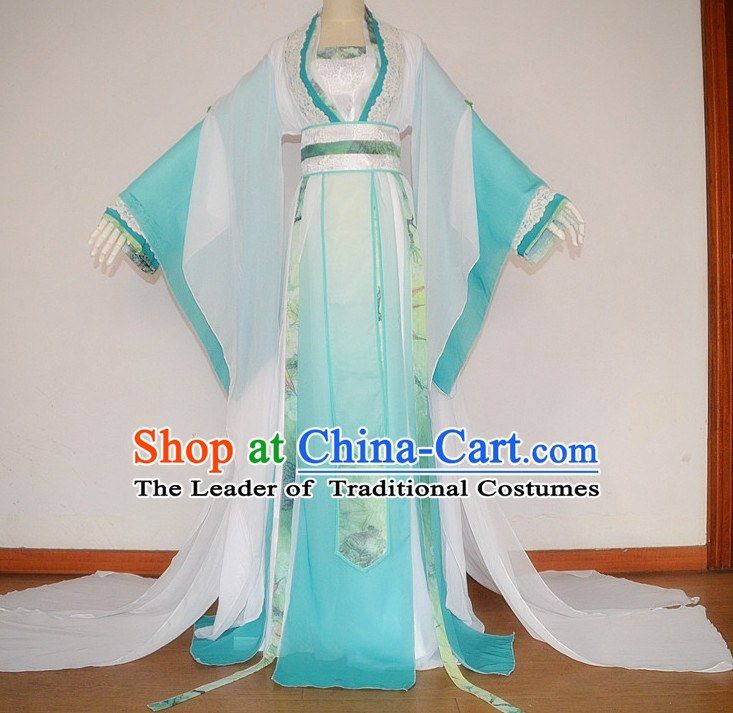
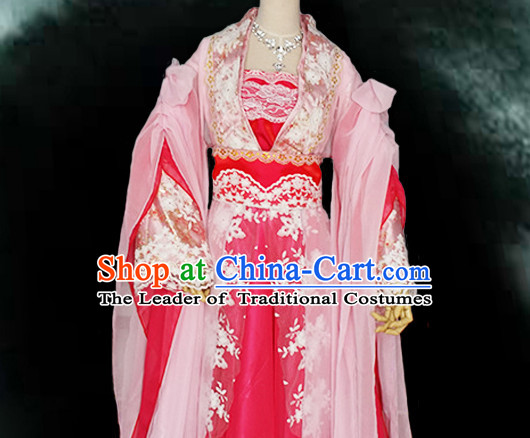
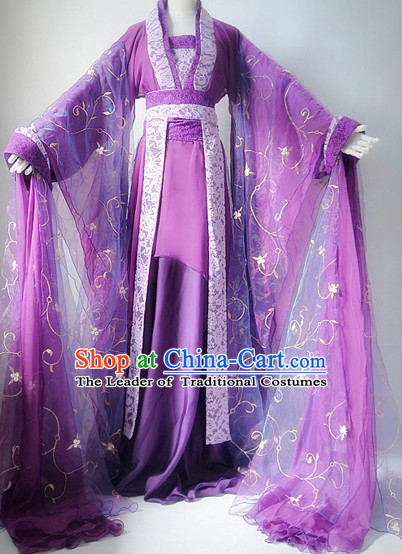
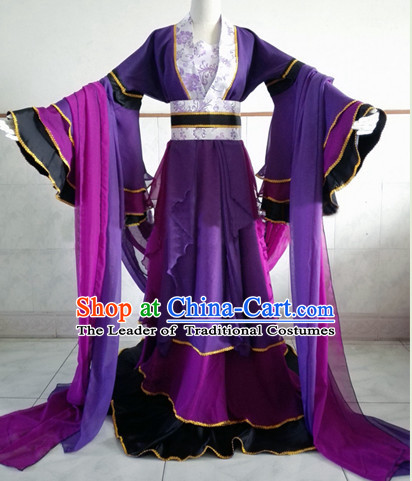
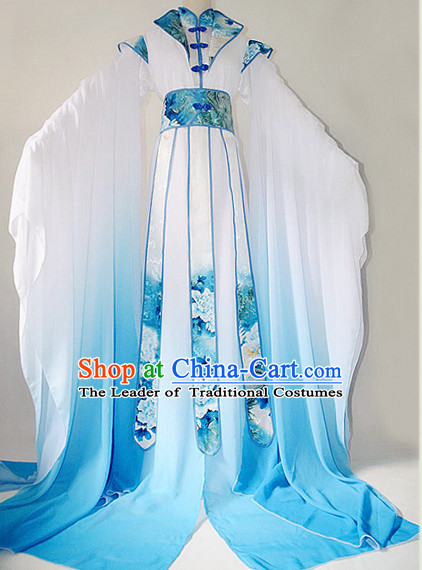
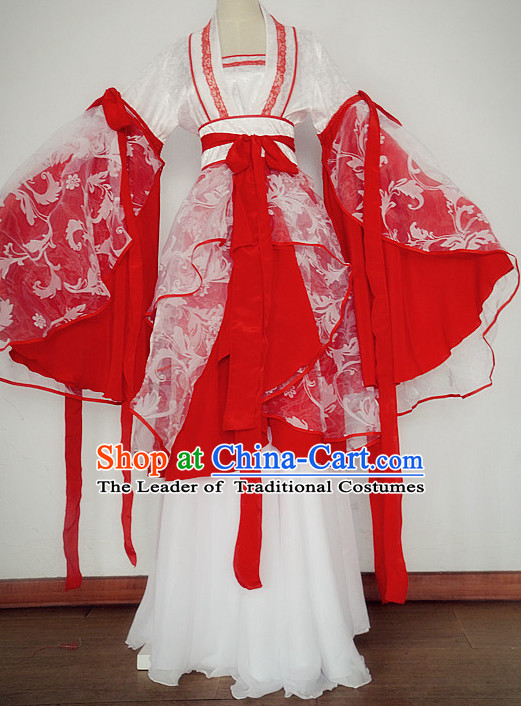
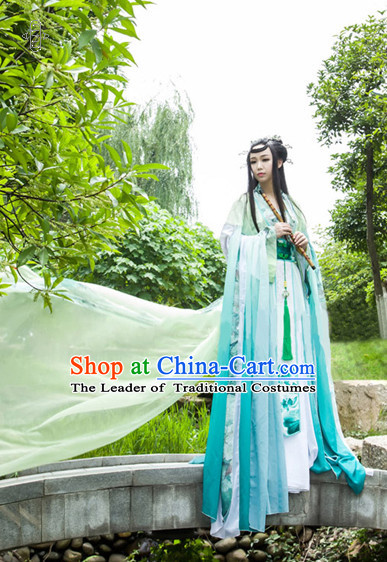
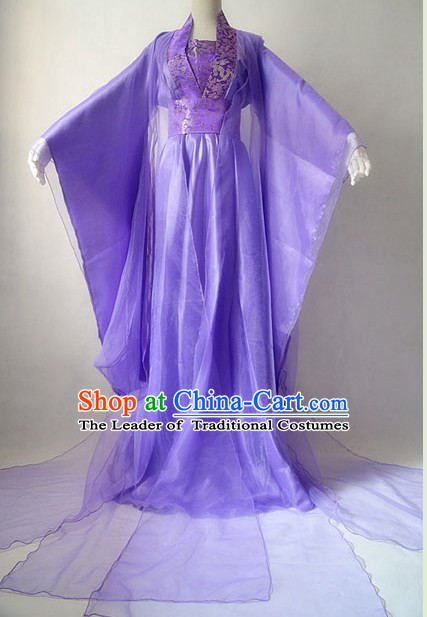
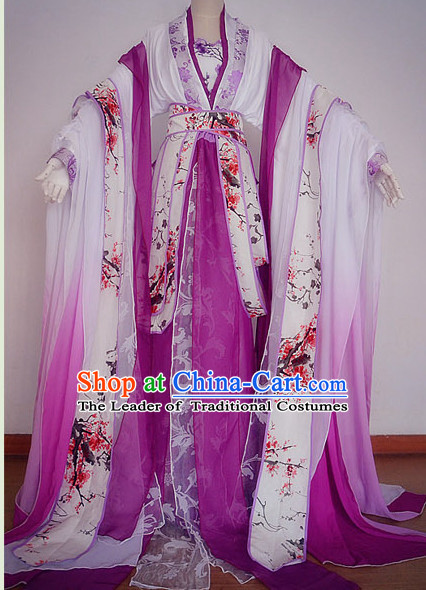
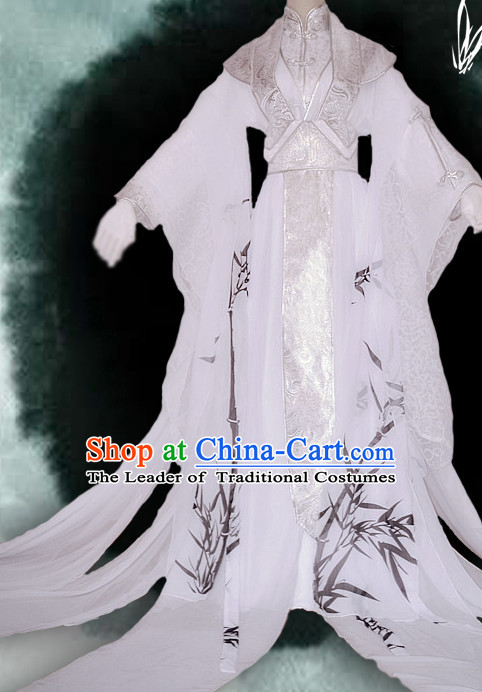
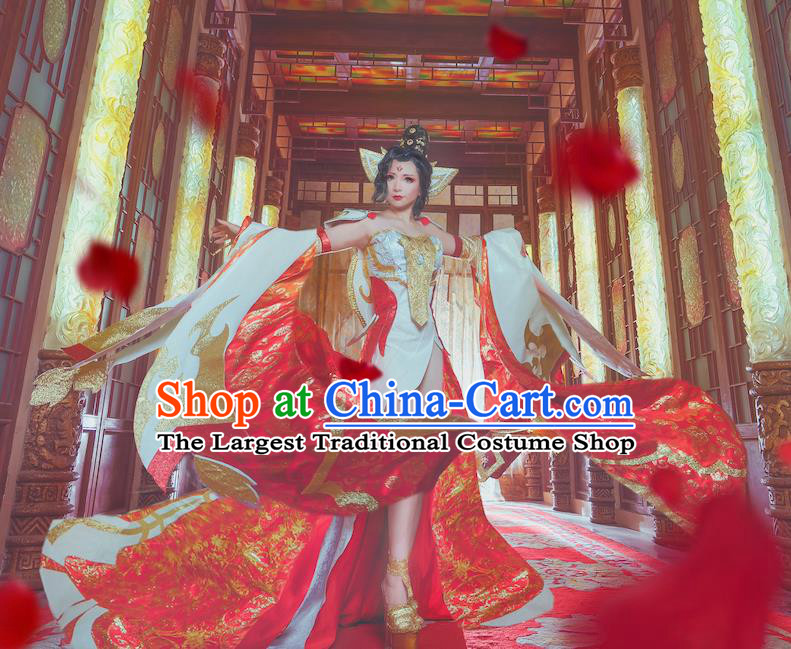
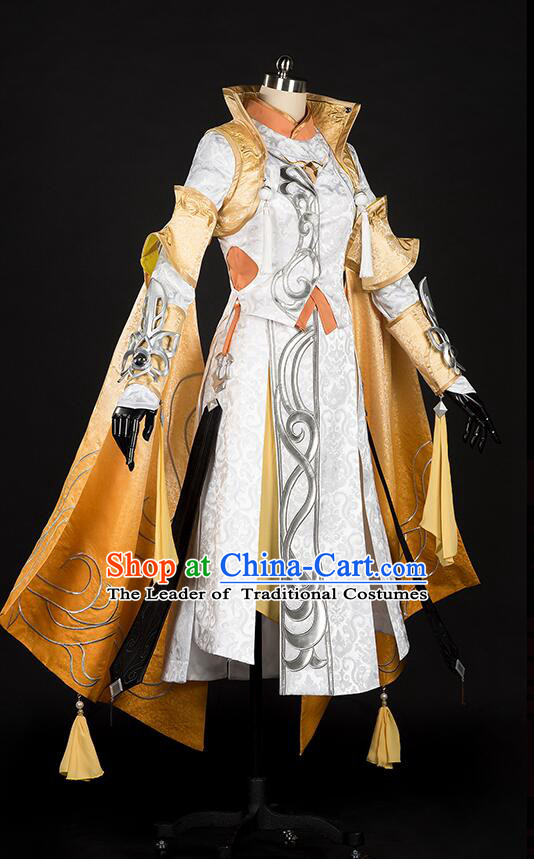
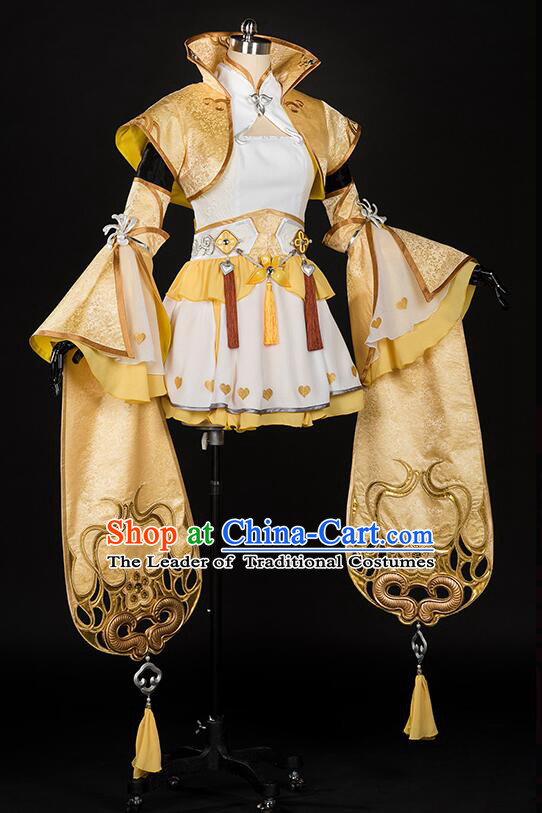
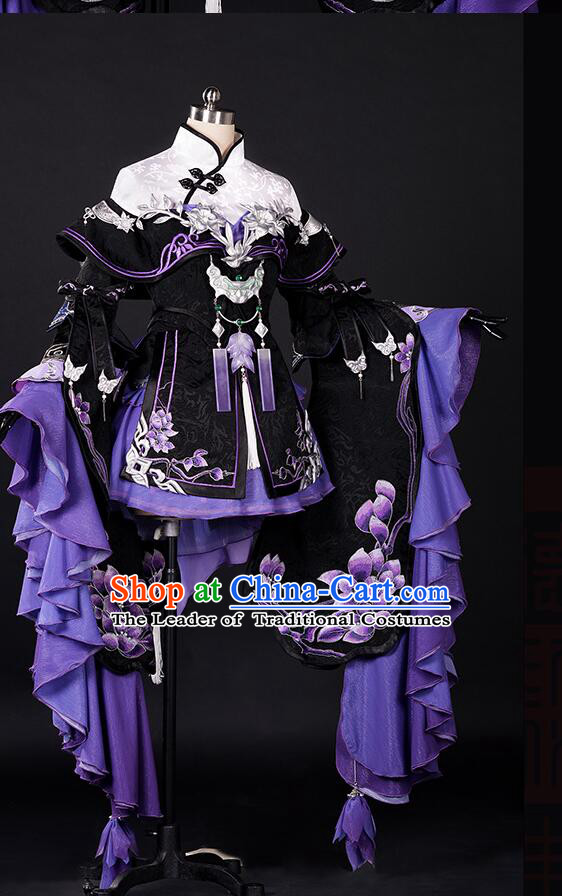
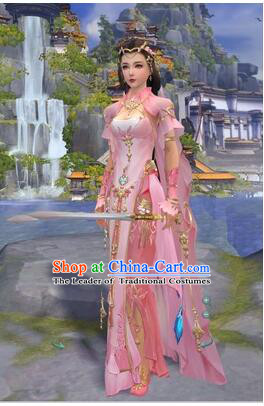
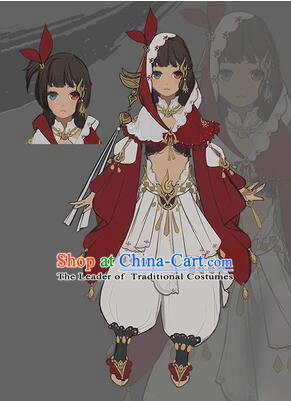
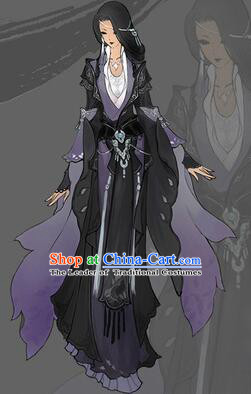
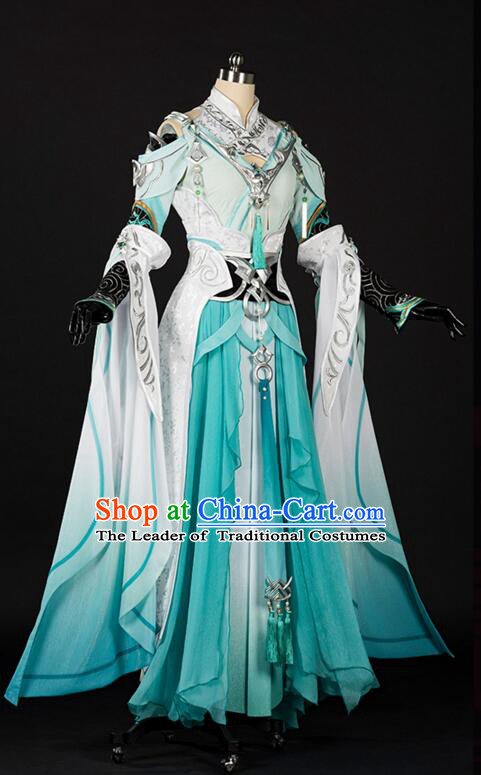
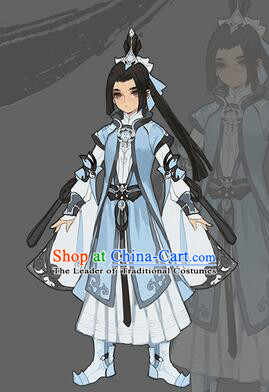
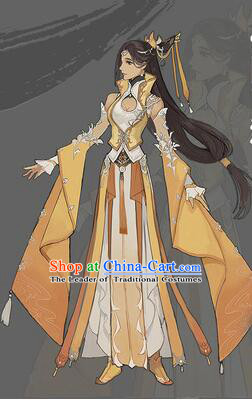
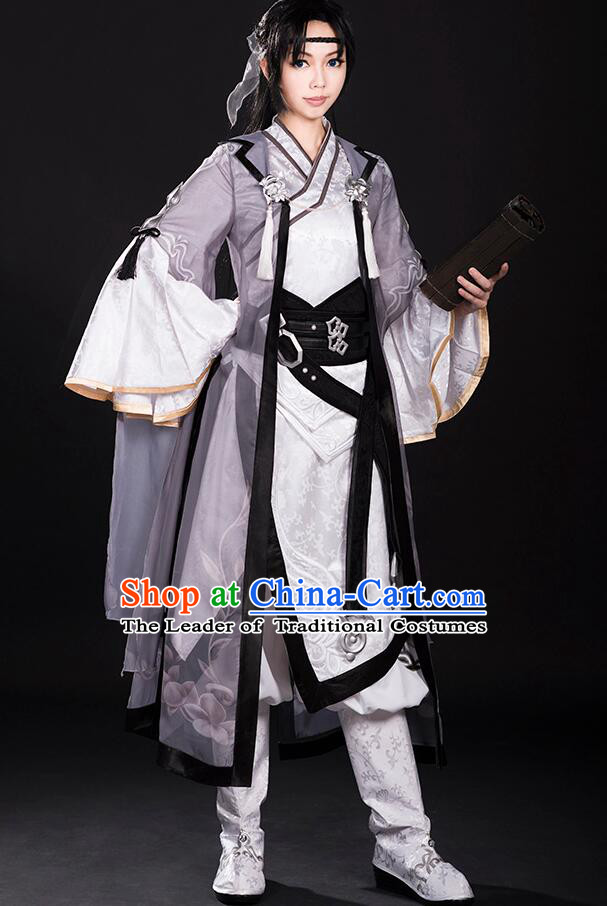
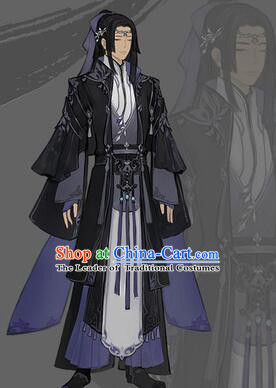
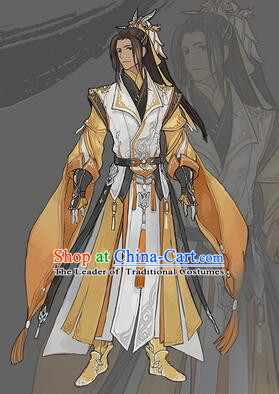
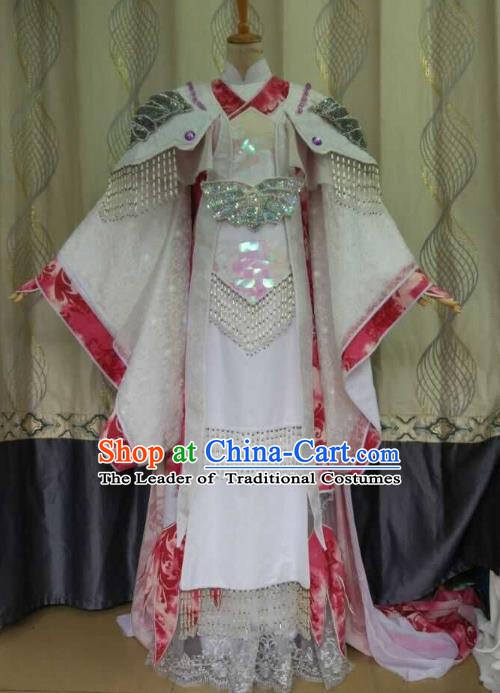
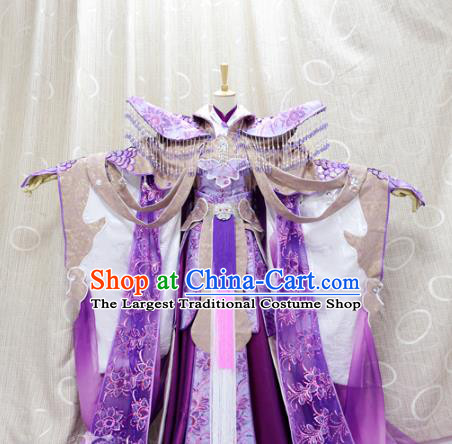
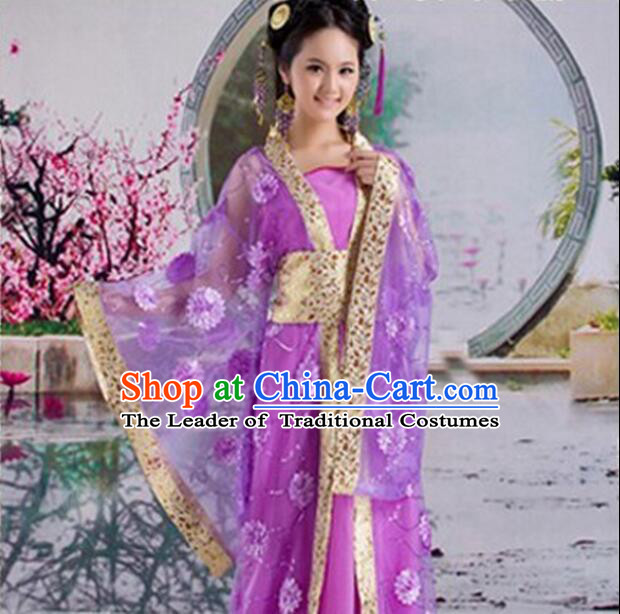
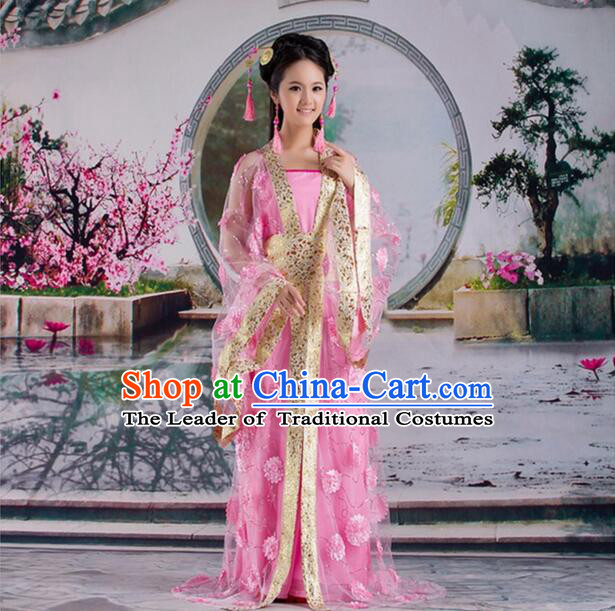
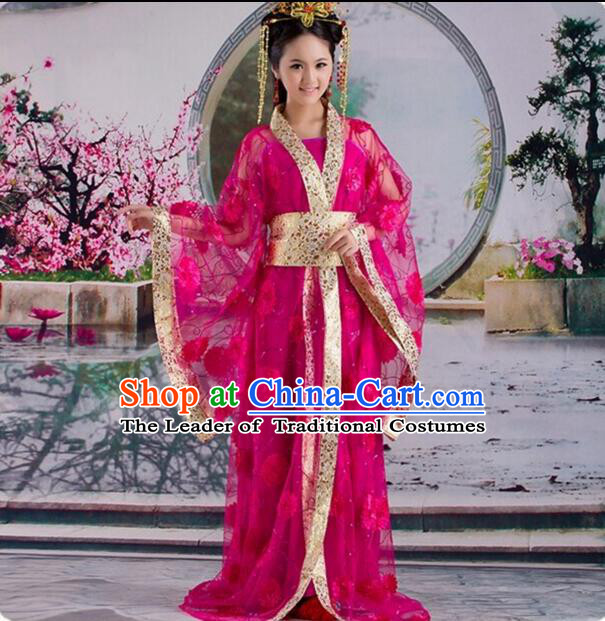
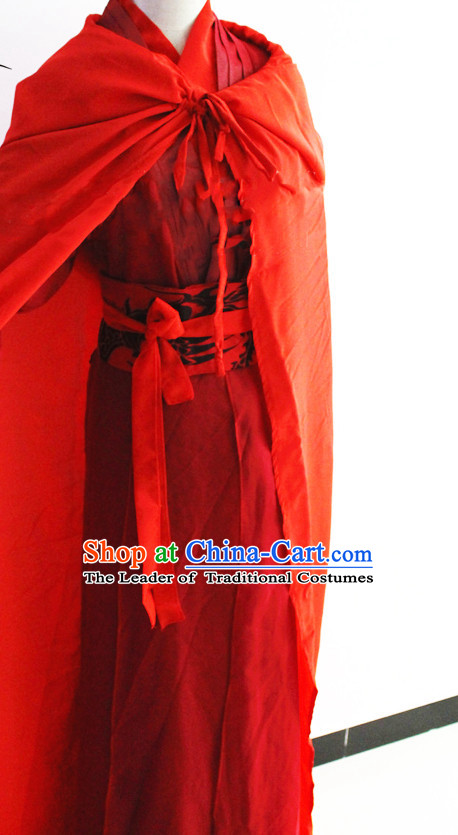
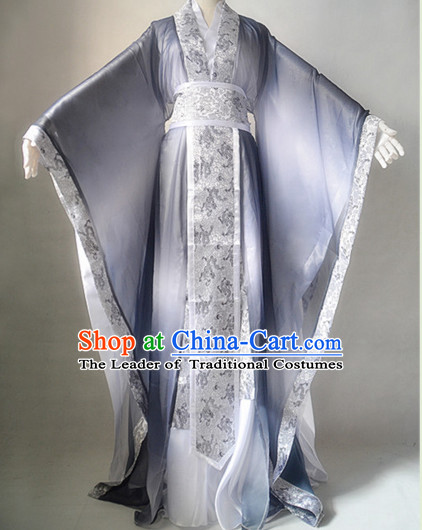
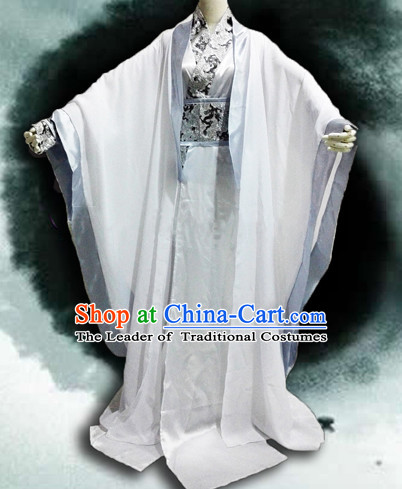
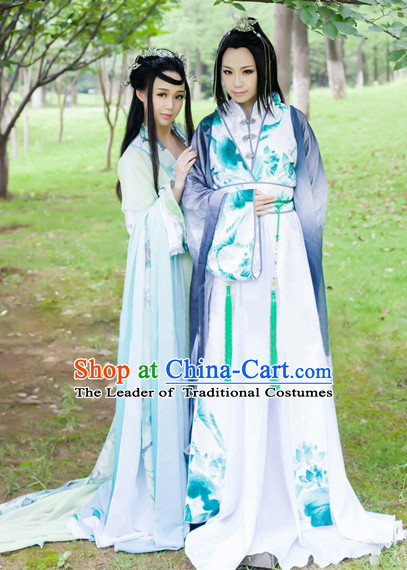
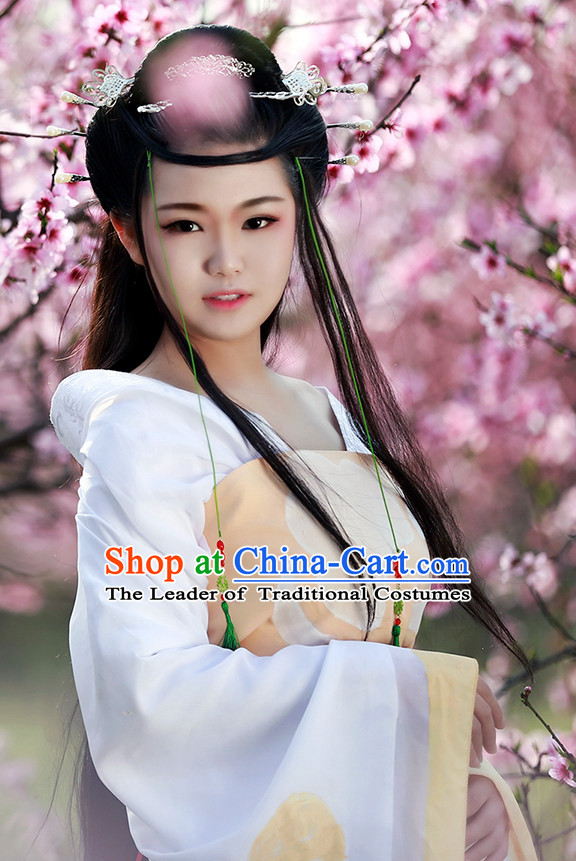
Traditional Chinese clothing is an important part of Chinese culture, carrying rich historical significance and spiritual connotations.
These garments not only possess unique aesthetic value but also reflect aspects of ancient Chinese society such as customs, religious beliefs, and political systems.
For example, Hanfu, the most representative type of traditional Chinese clothing, originated during the Han Dynasty and has undergone various changes and developments over time to form its distinctive style and characteristics.
The design of Hanfu emphasizes smooth lines and harmonious color combinations, embodying the aesthetic concepts and artistic styles of ancient Chinese culture.
Additionally, Hanfu carries abundant symbolic meanings, such as dragon robes representing imperial power and long skirts representing ordinary people.
By wearing Hanfu, individuals can better understand and appreciate the charm and depth of Chinese traditional culture.
Apart from Hanfu, traditional Chinese clothing includes Tang suit, Song suit, Ming suit, and other garments from different periods, each with its unique historical background and cultural significance.
For instance, Tang suit was worn during the Tang Dynasty and features a simple and elegant design with bright colors, reflecting the open and inclusive cultural atmosphere of that era.
In contrast, Song suit from the Song Dynasty emphasizes detail and decoration, showcasing the exquisite and delicate artistic style of that period.
By appreciating and learning about traditional Chinese clothing, we can gain a deeper understanding of and carry forward the essence of Chinese culture while also experiencing a graceful, elegant, and noble way of life.