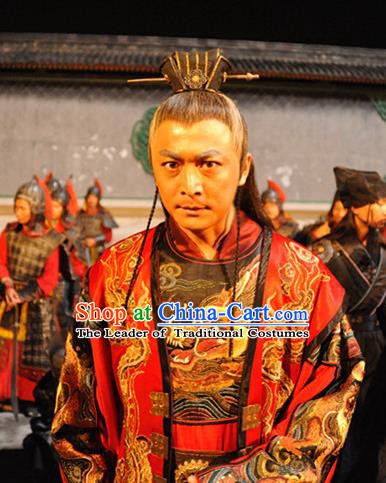
Click Related Pictures for More Audios:
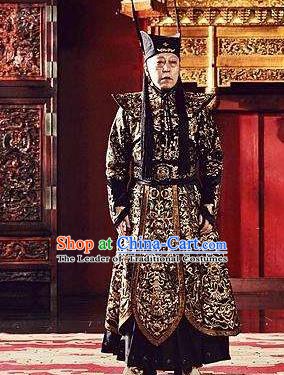
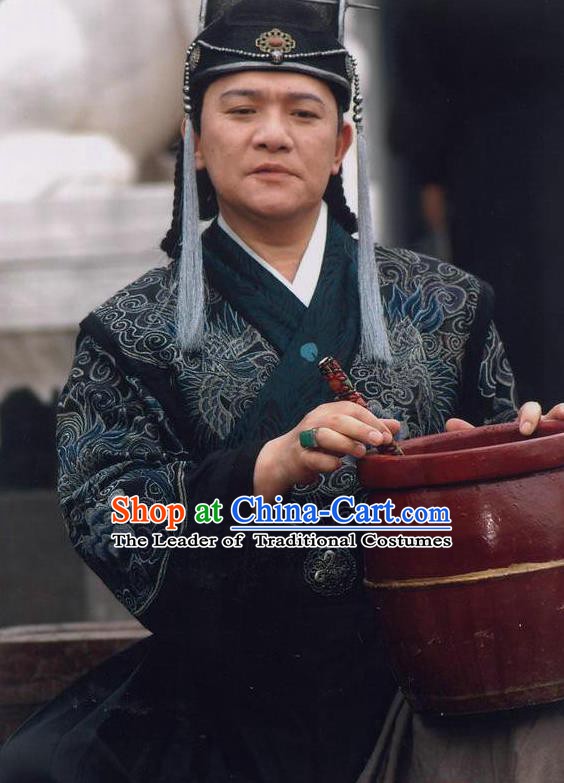
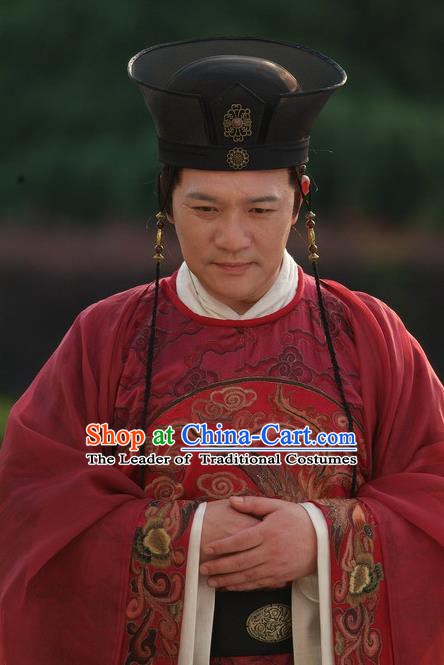
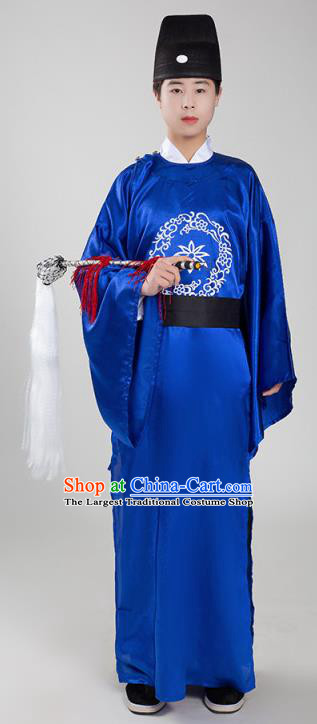
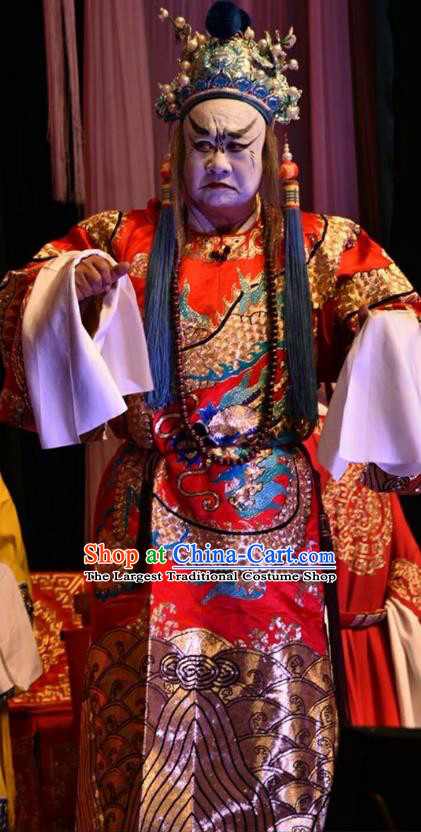
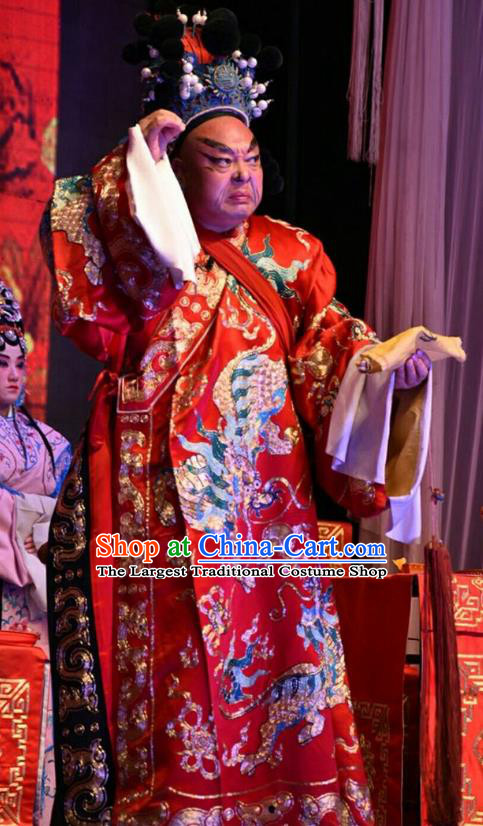
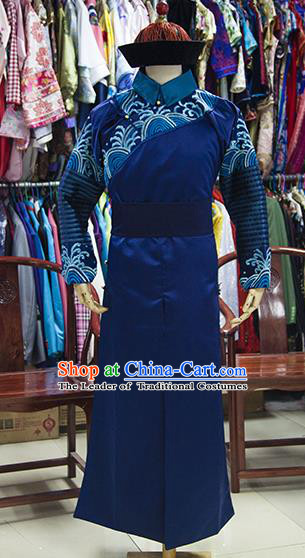
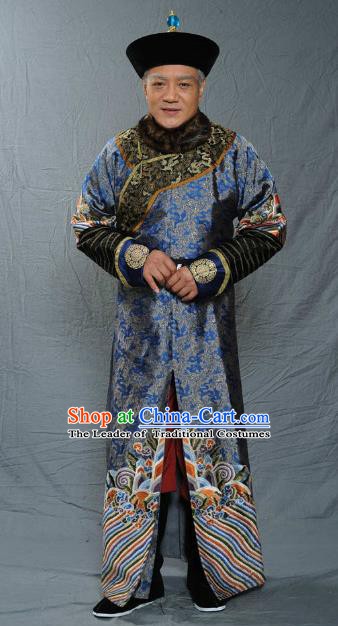
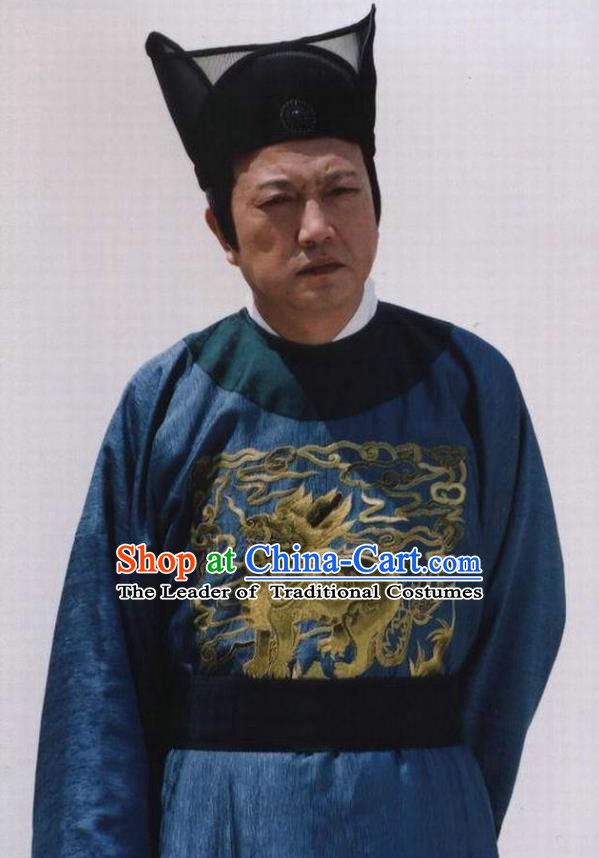
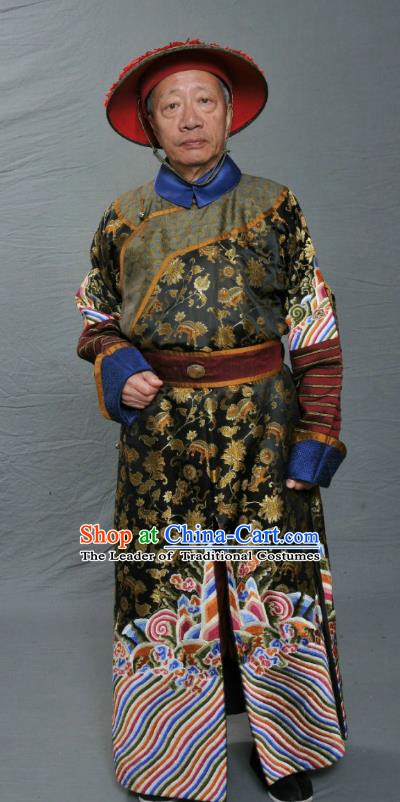
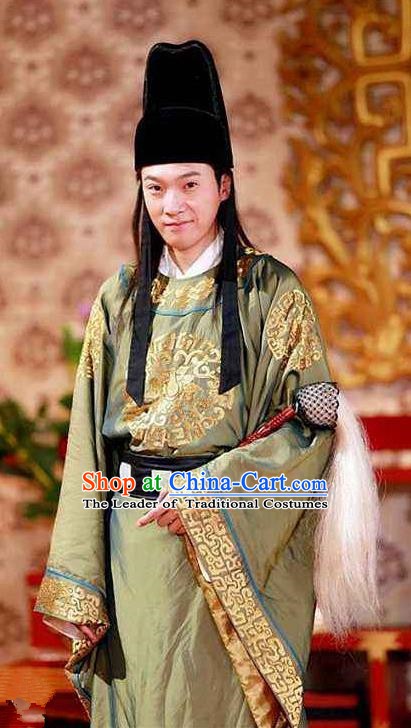
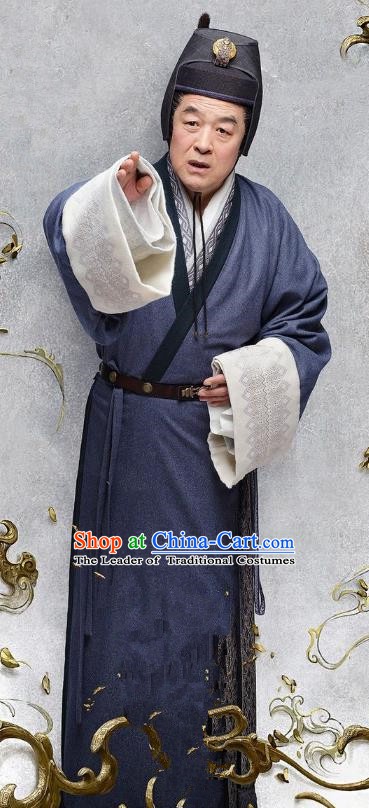
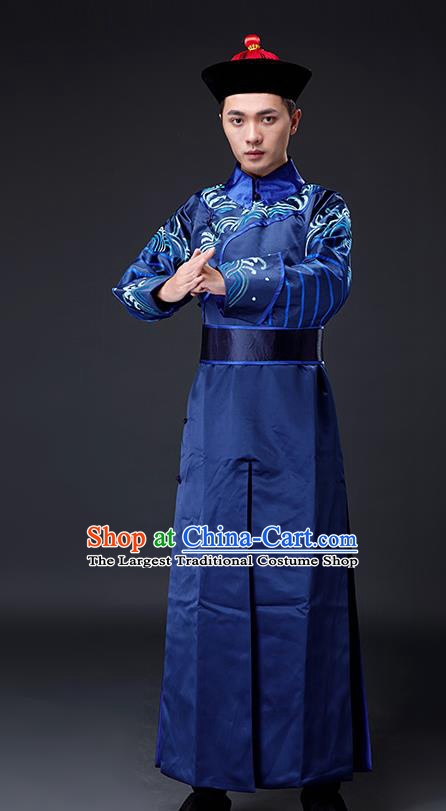
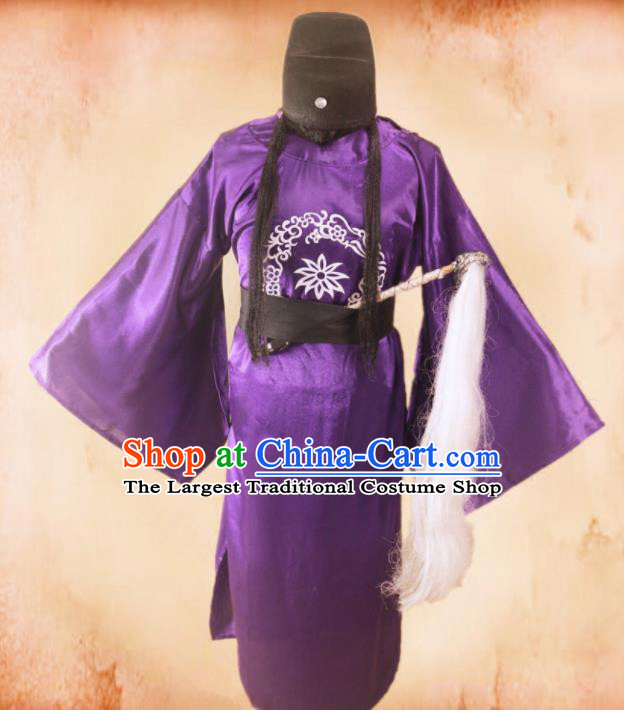
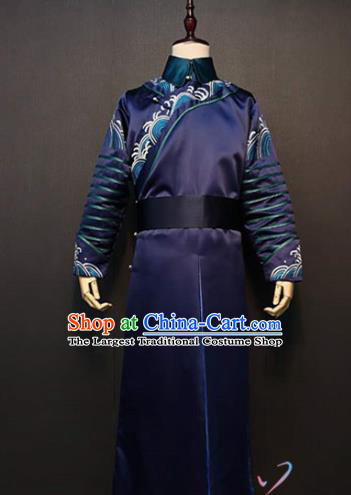
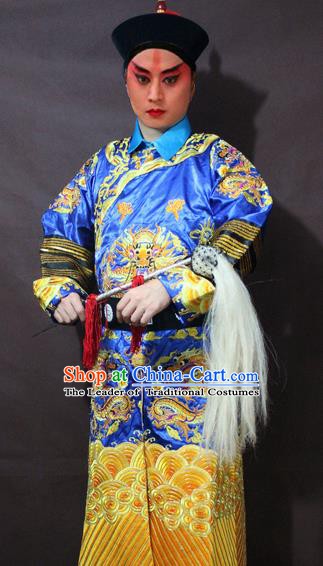
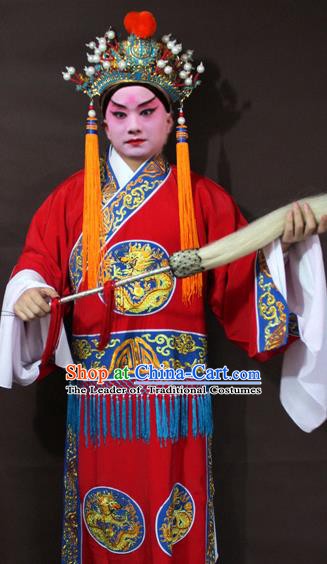
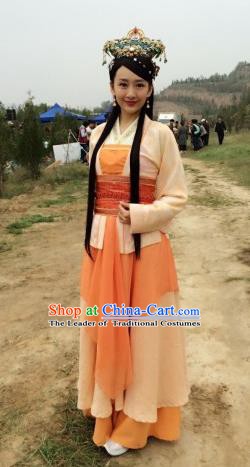
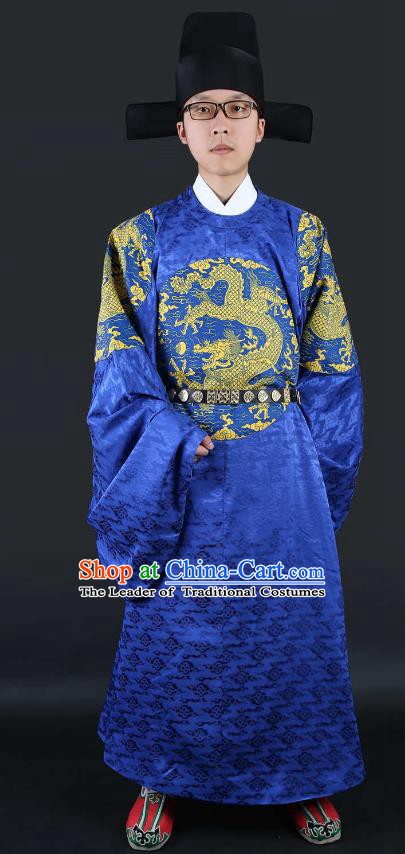
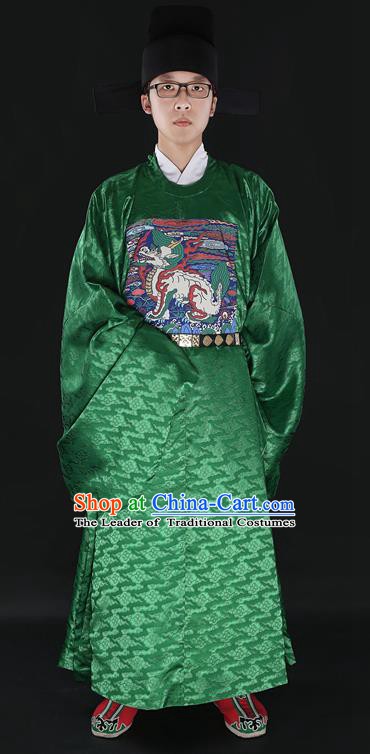
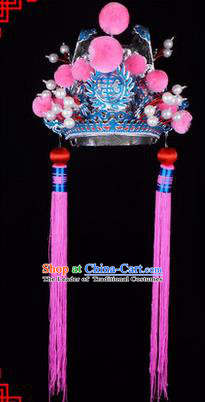
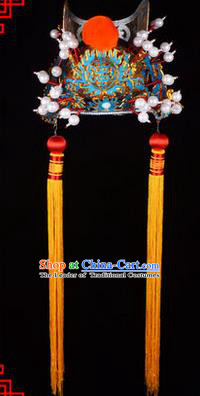
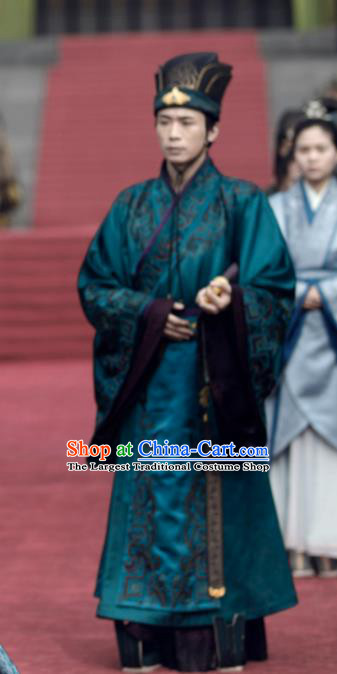
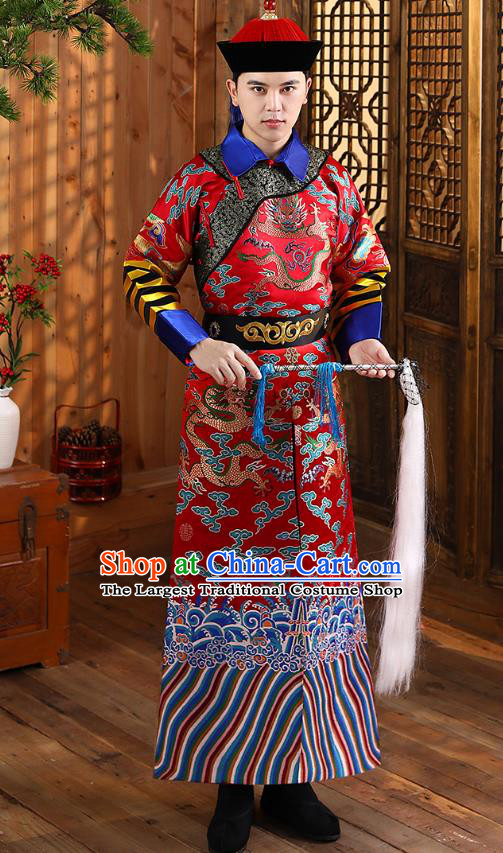
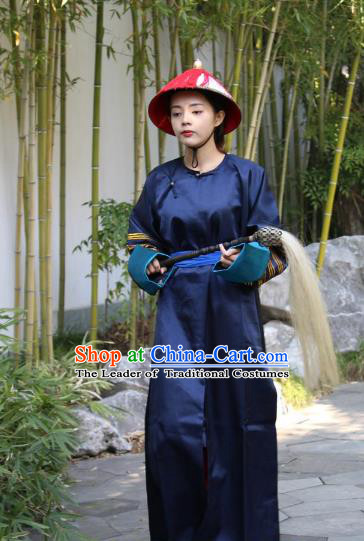
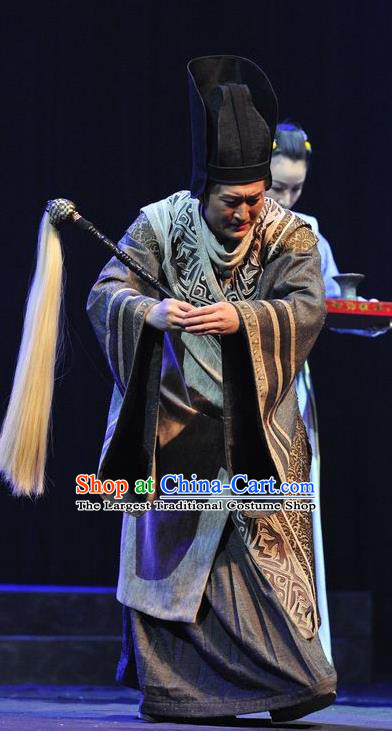
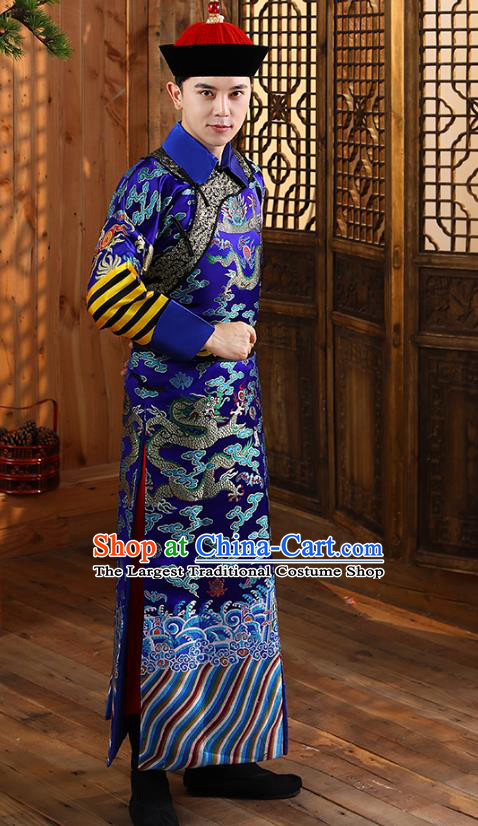
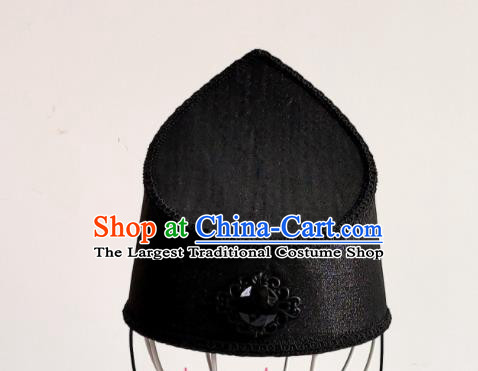
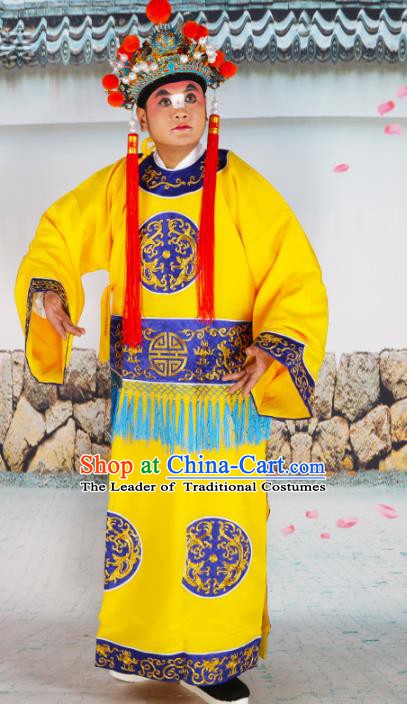
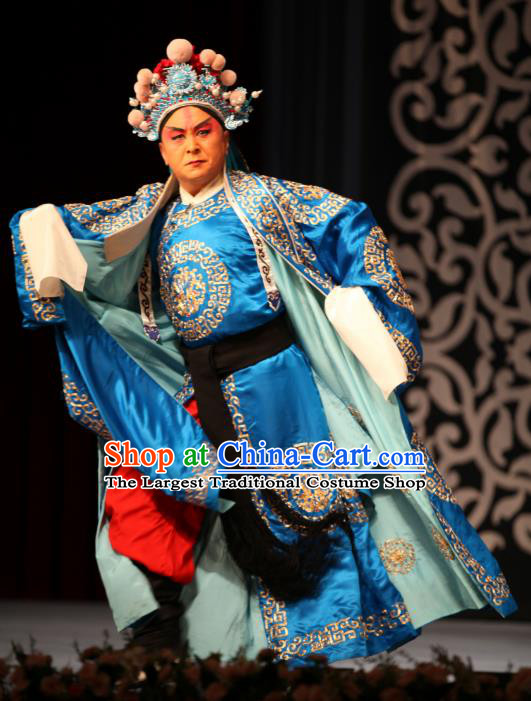
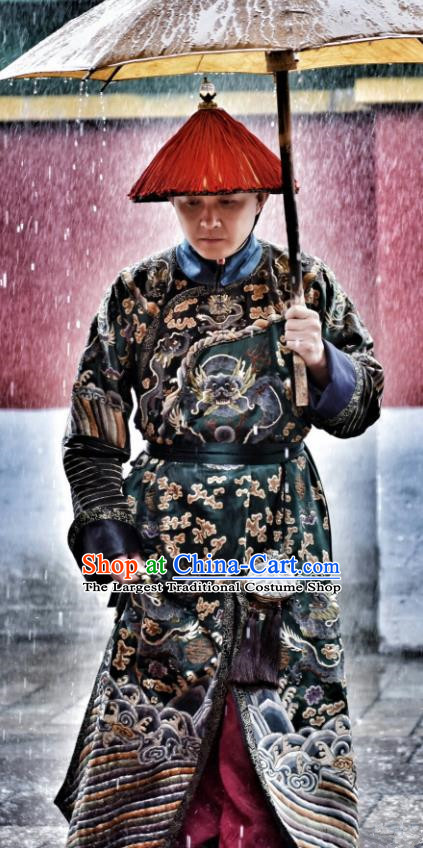
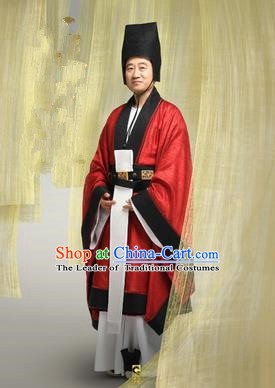
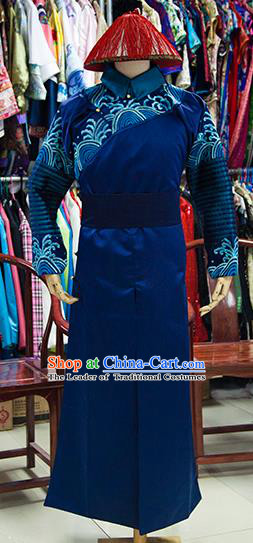
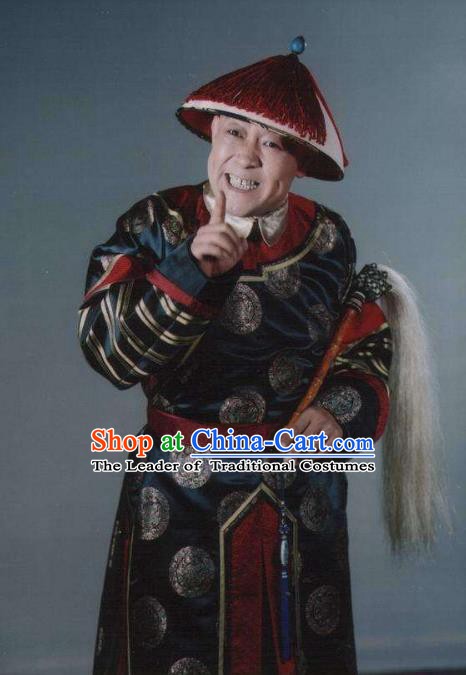
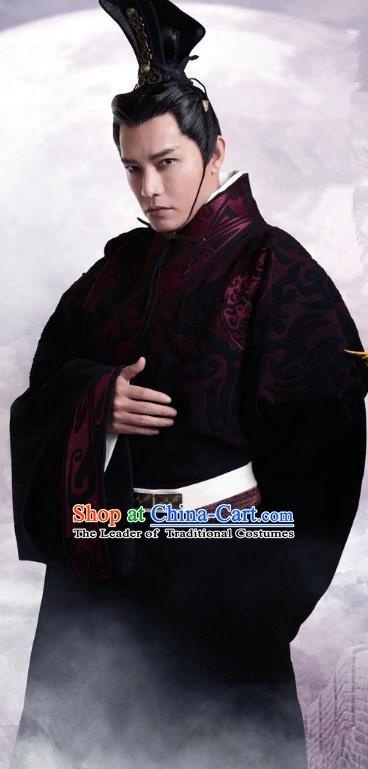
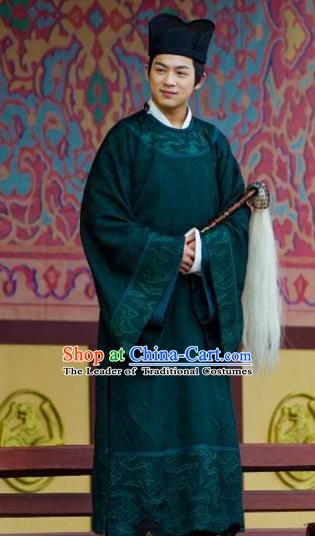
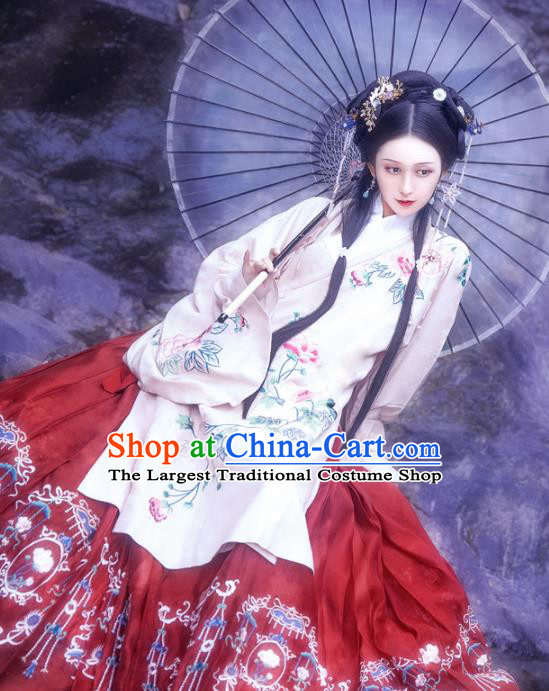
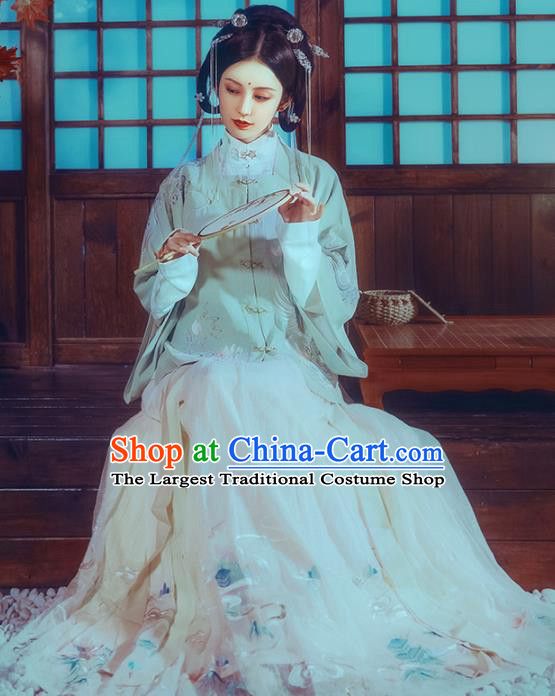
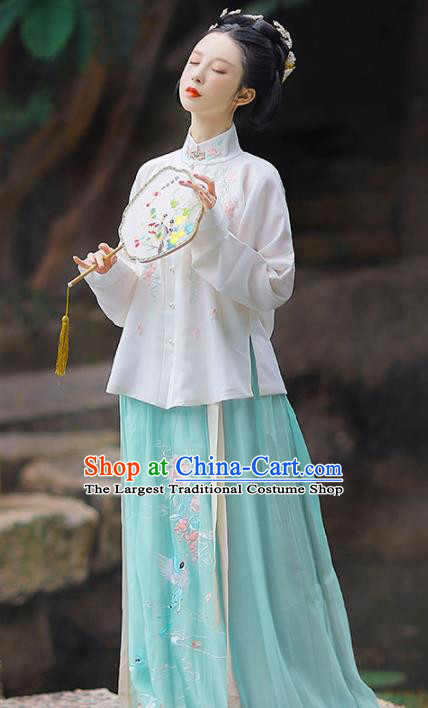
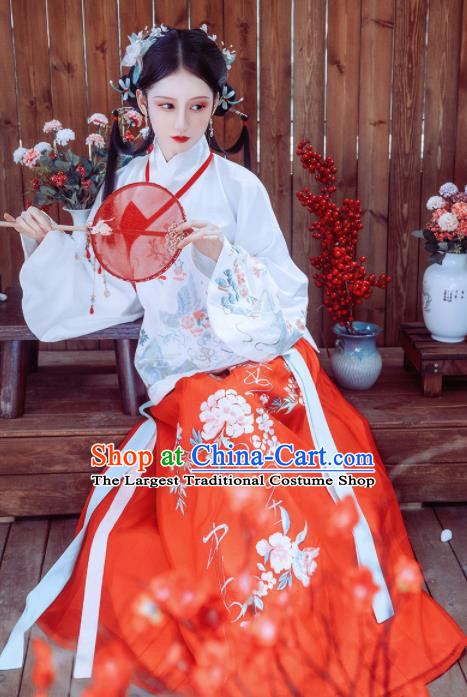
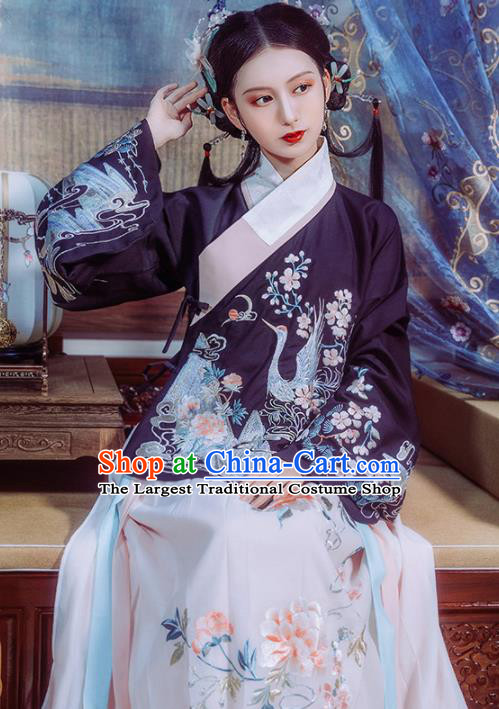
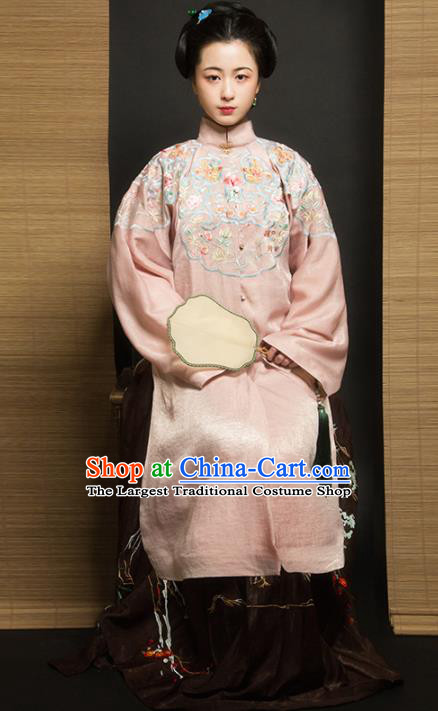
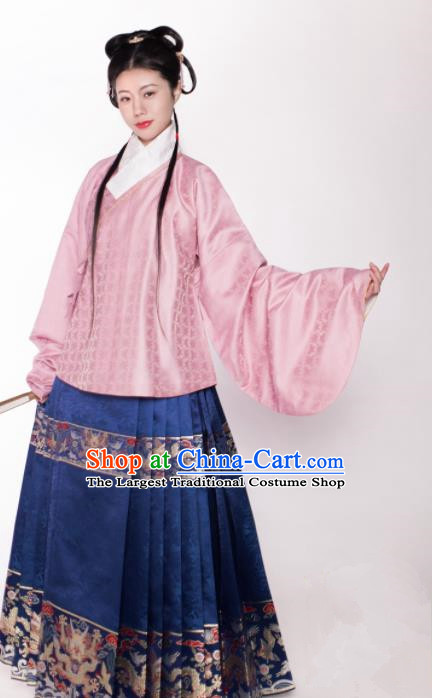
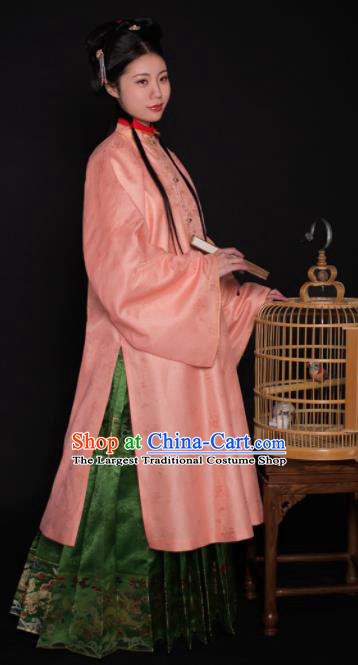
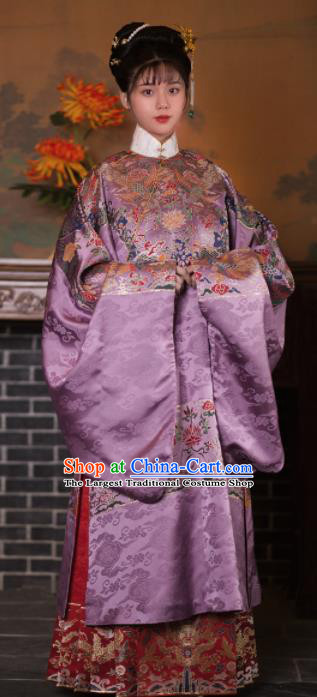
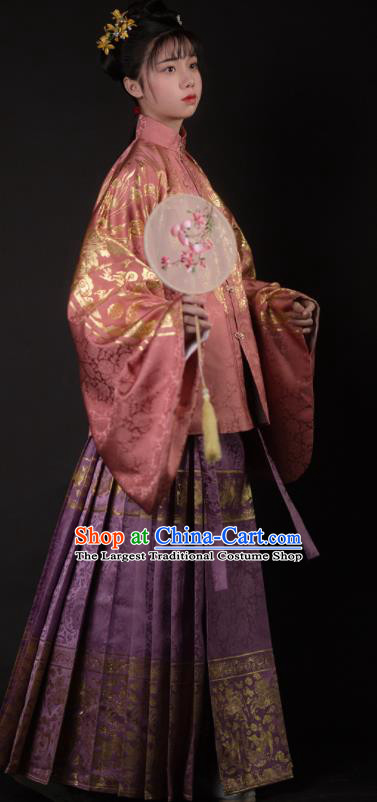
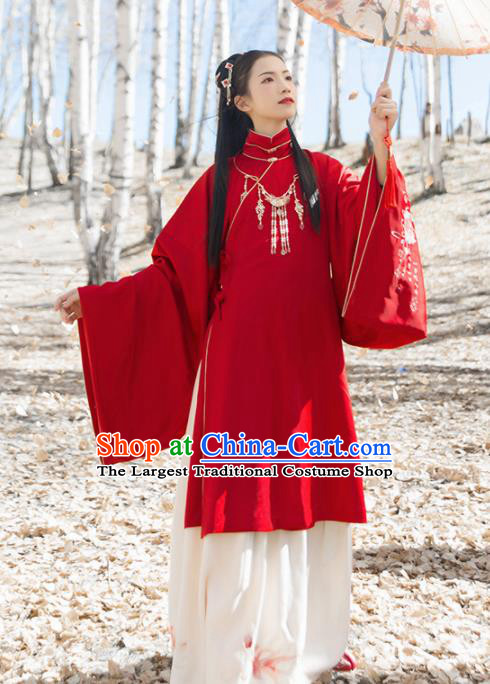
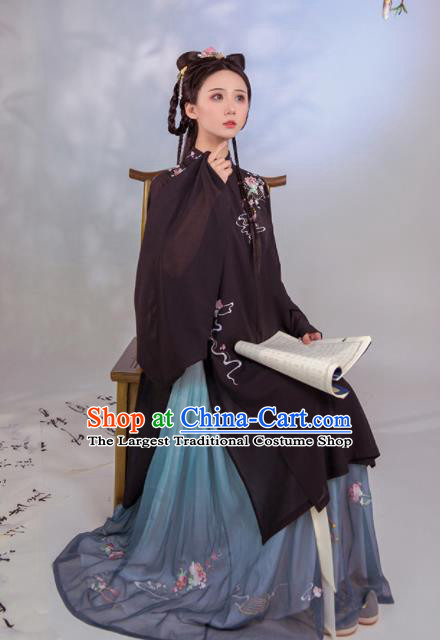
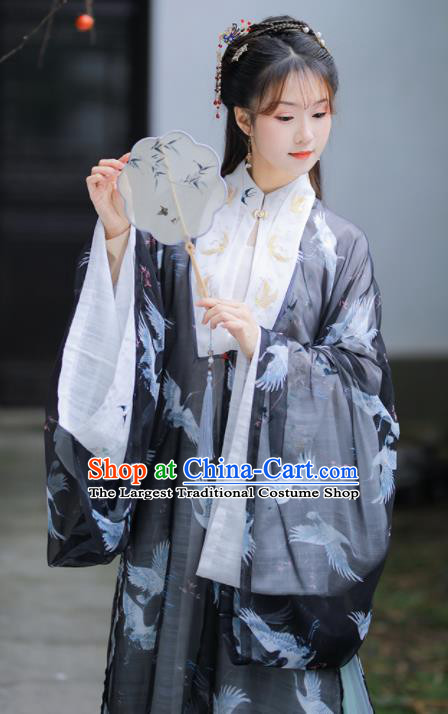
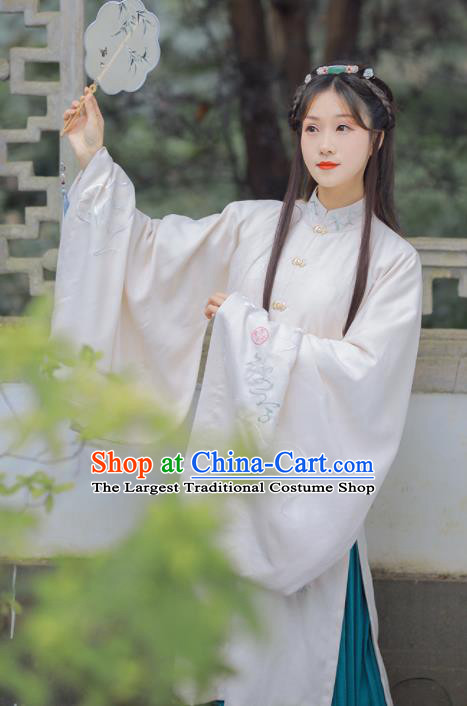
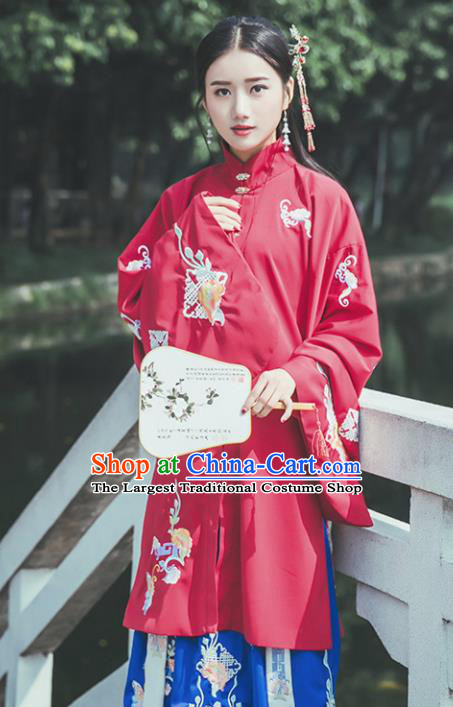
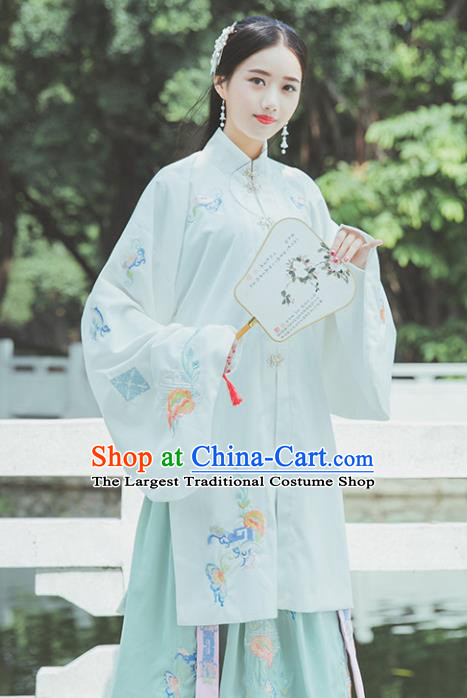
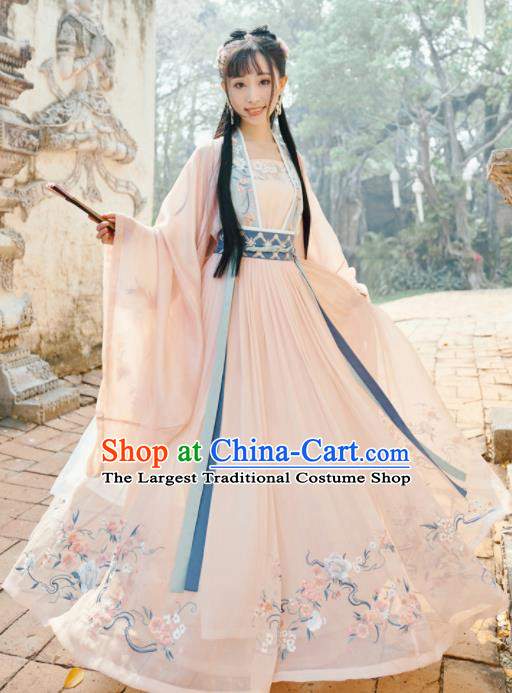
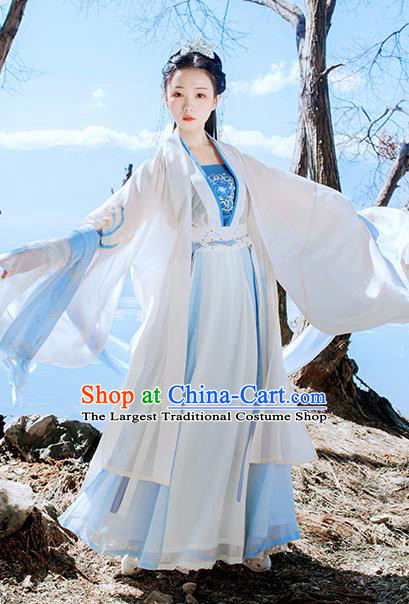
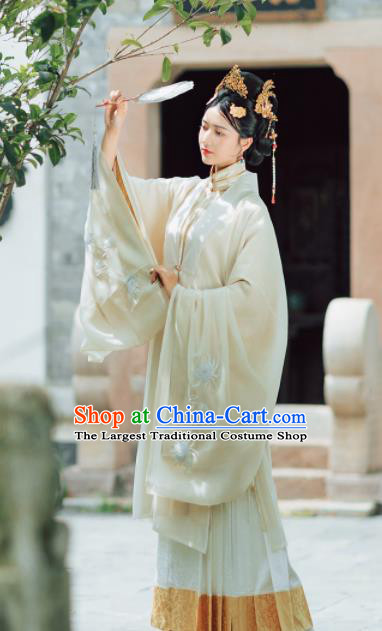
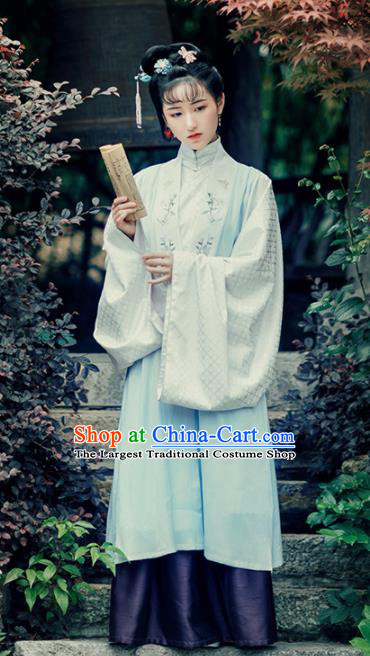
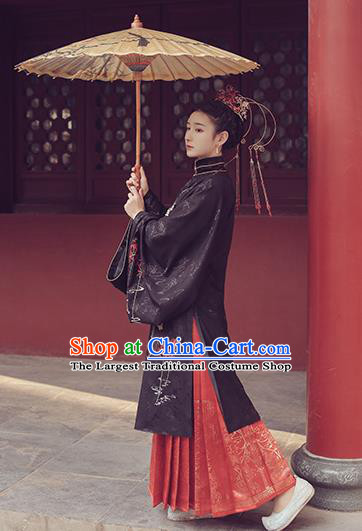
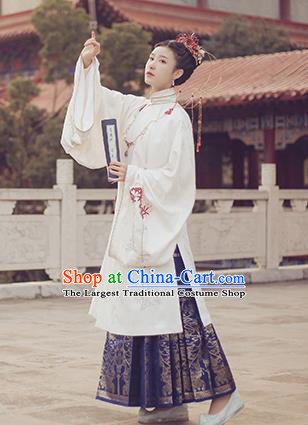
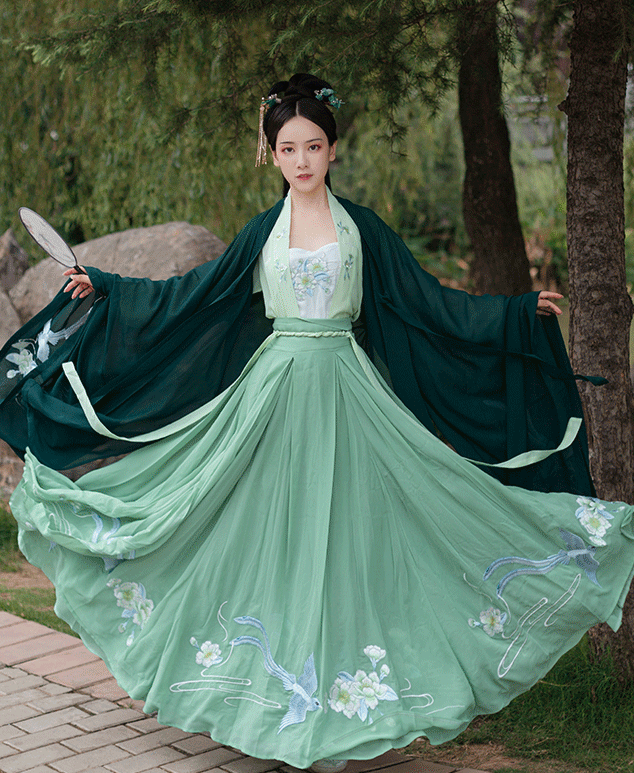
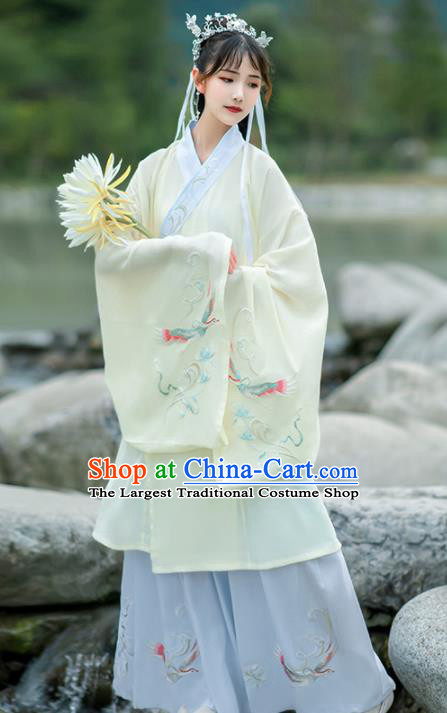
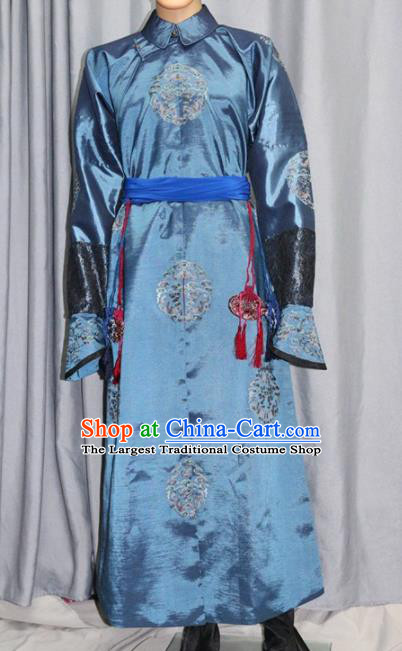
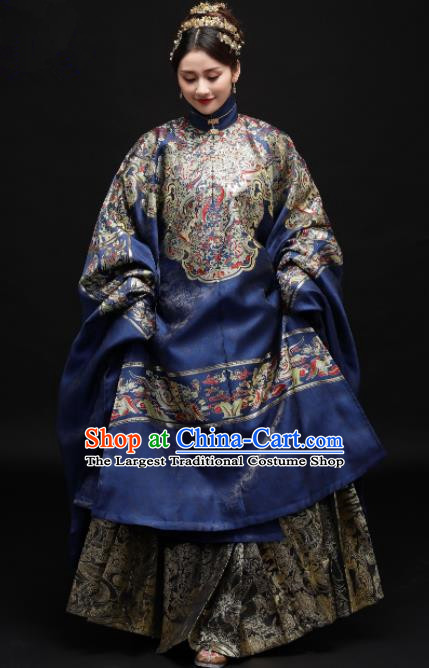
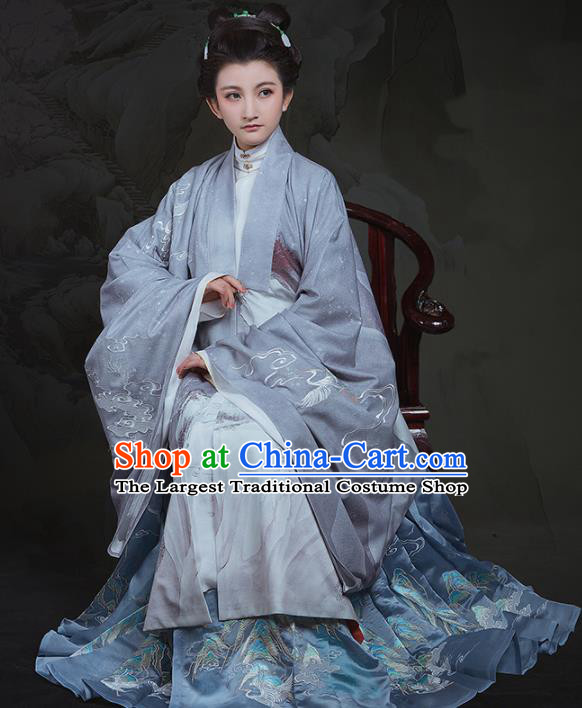
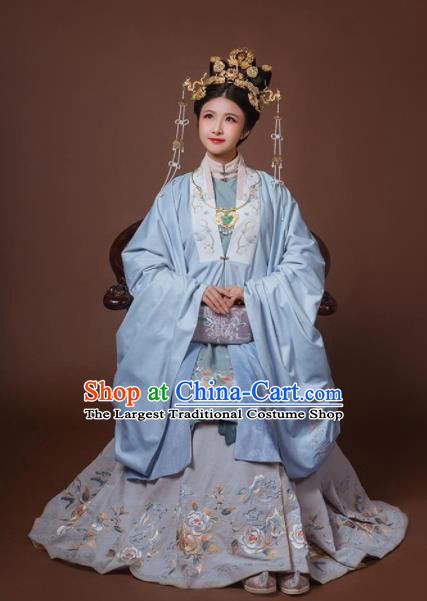
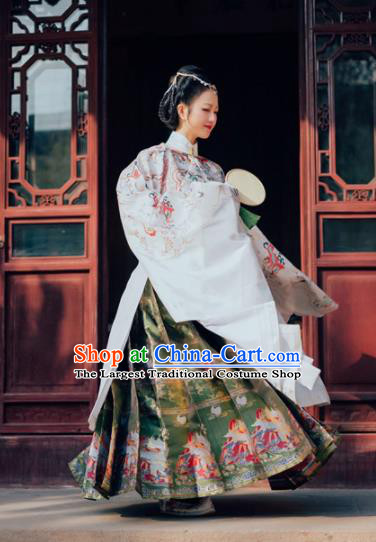
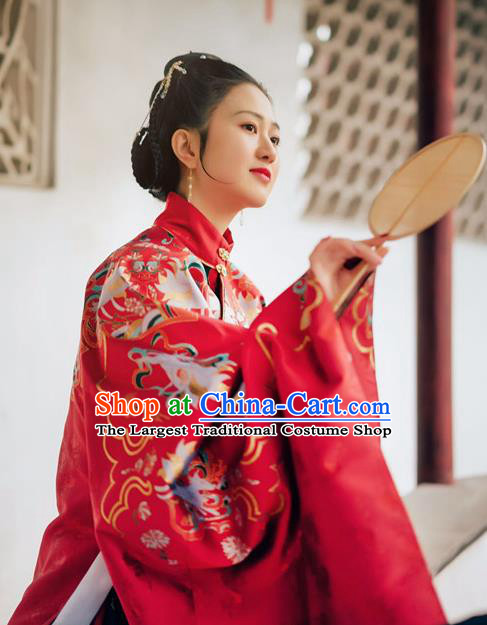
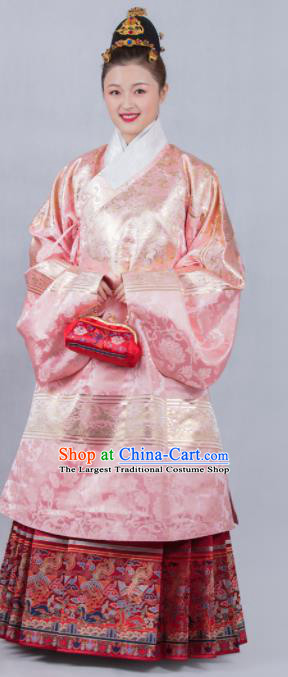
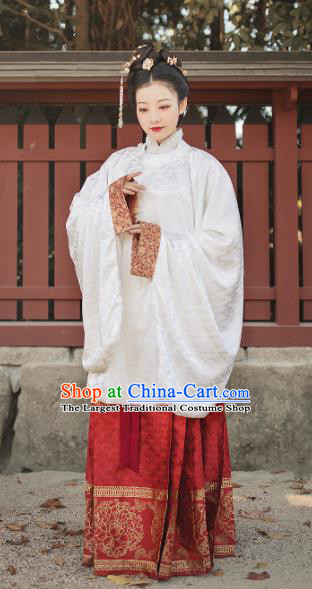
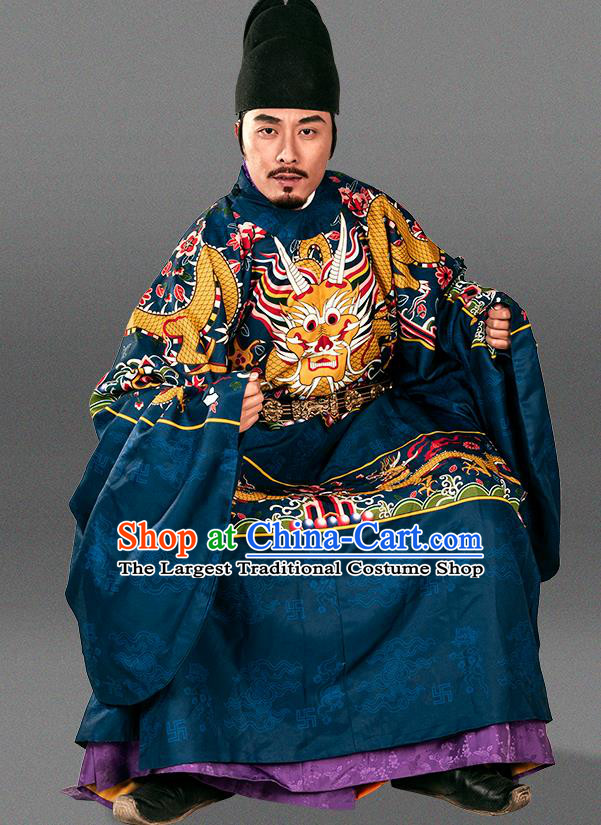
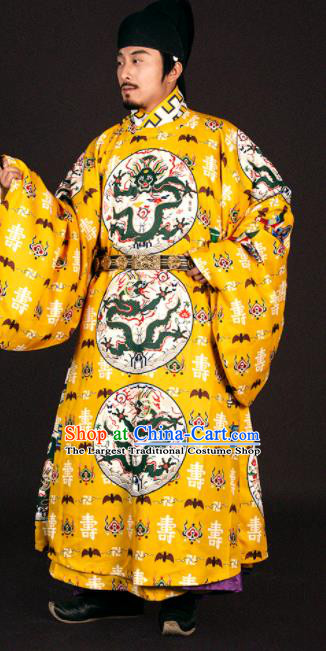
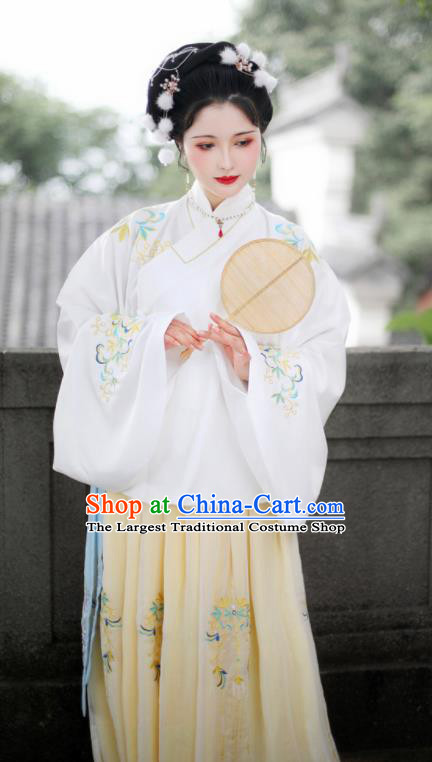
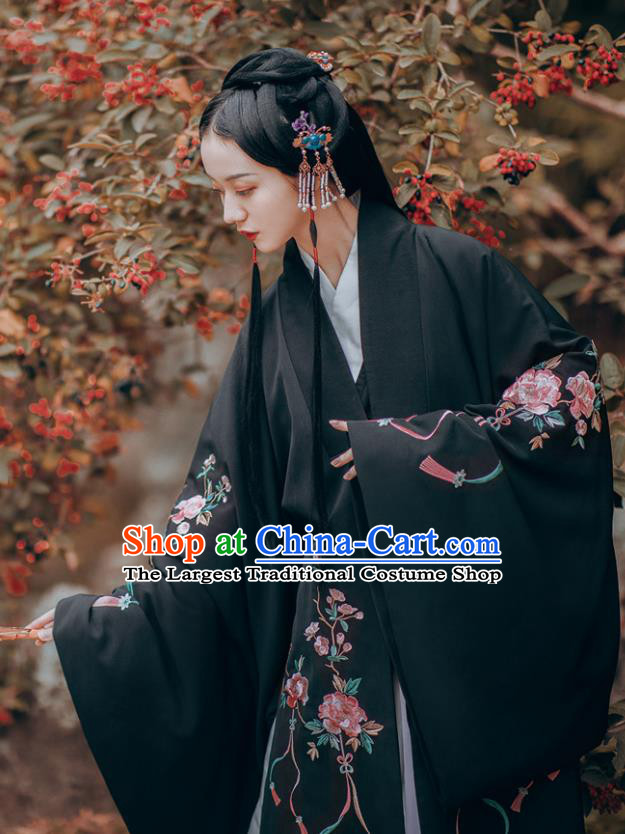
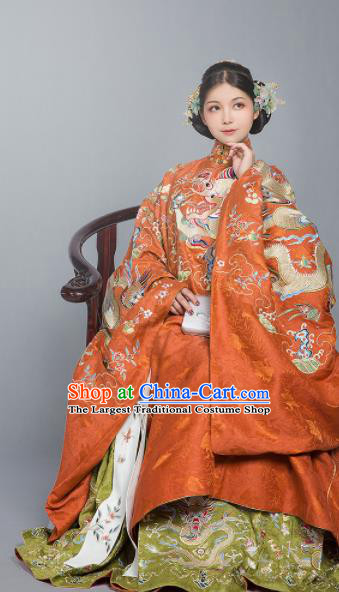
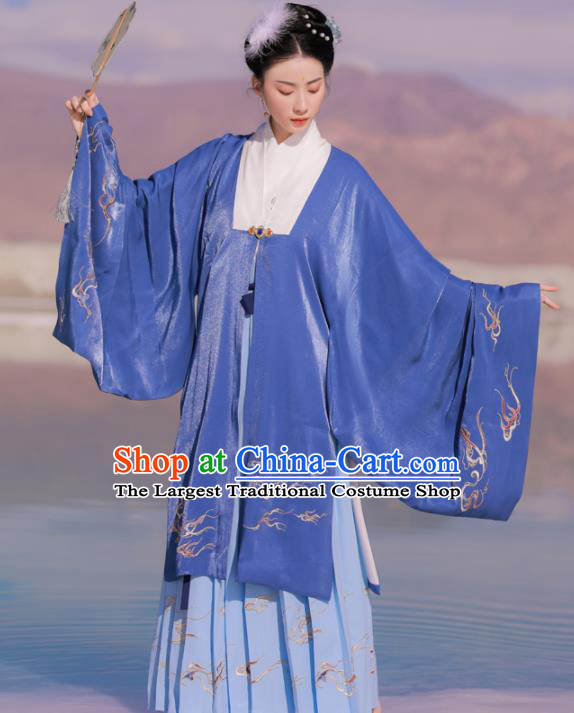
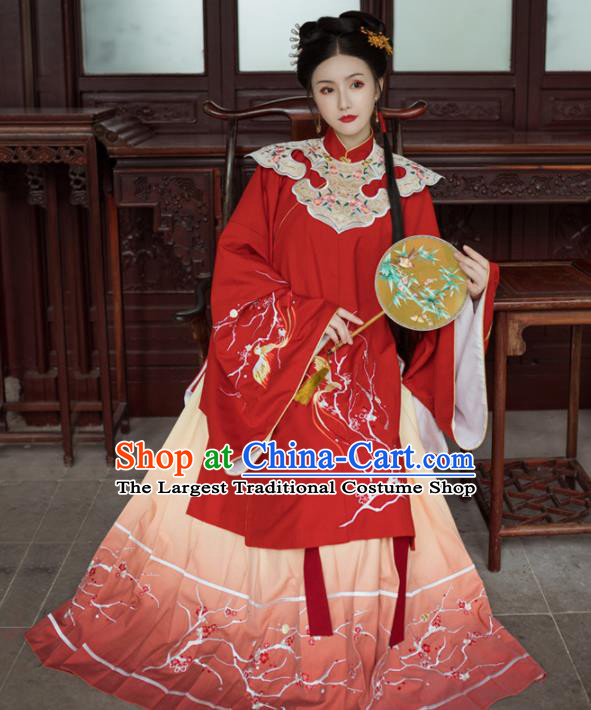
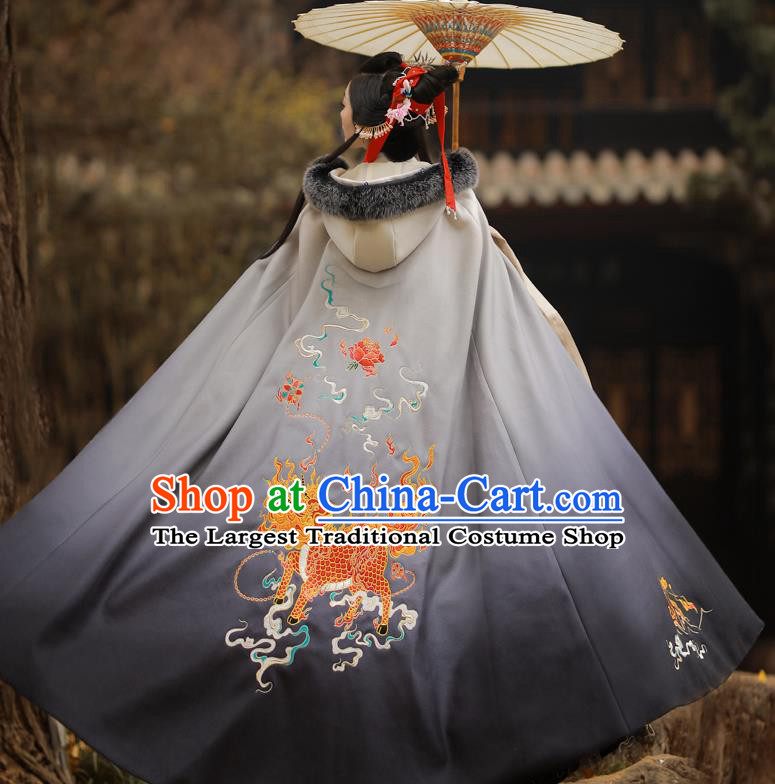
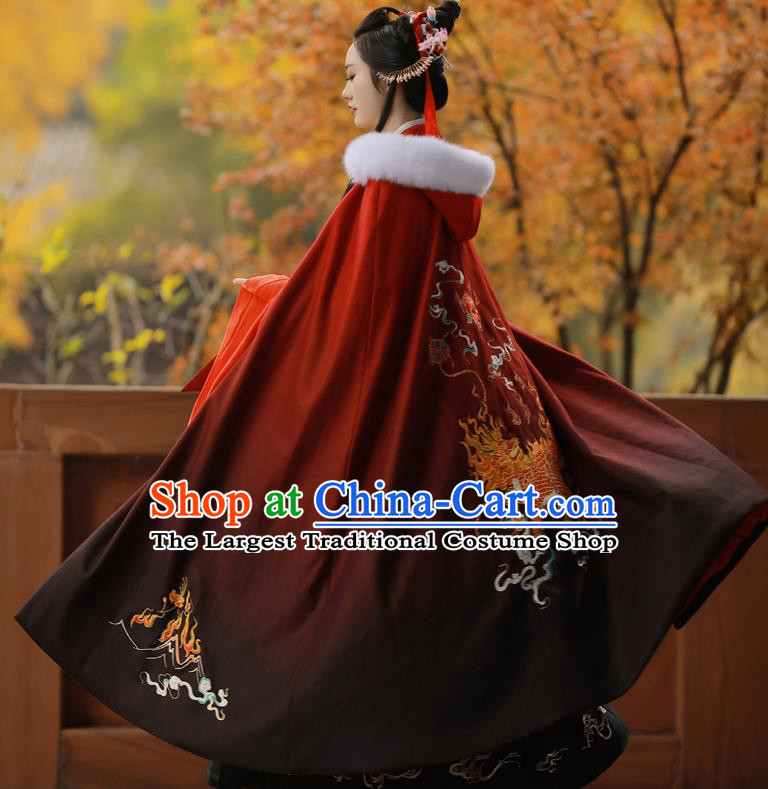
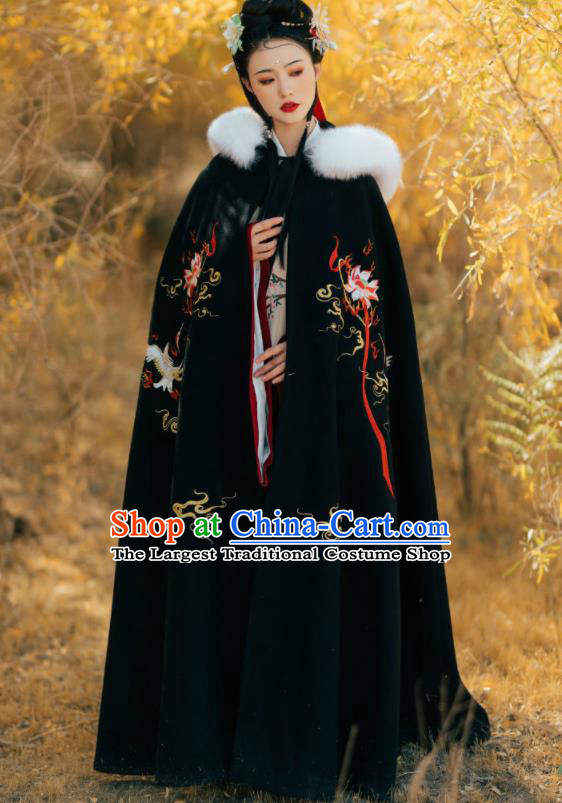
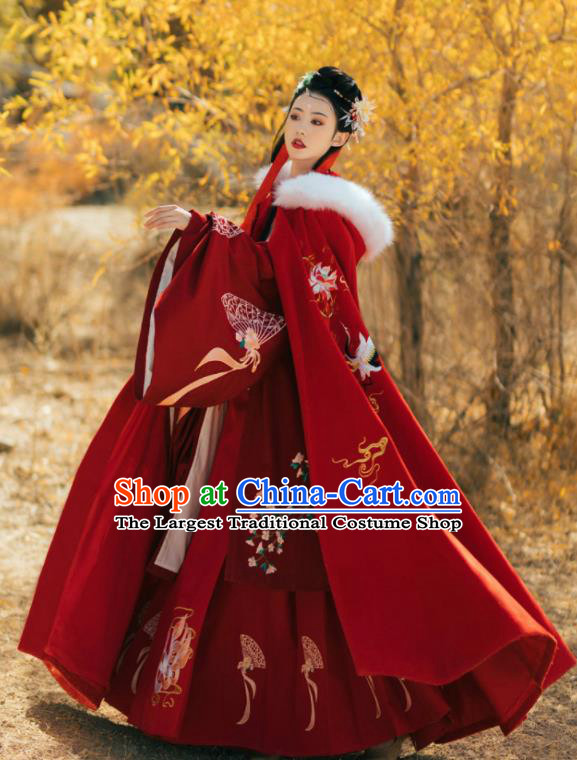
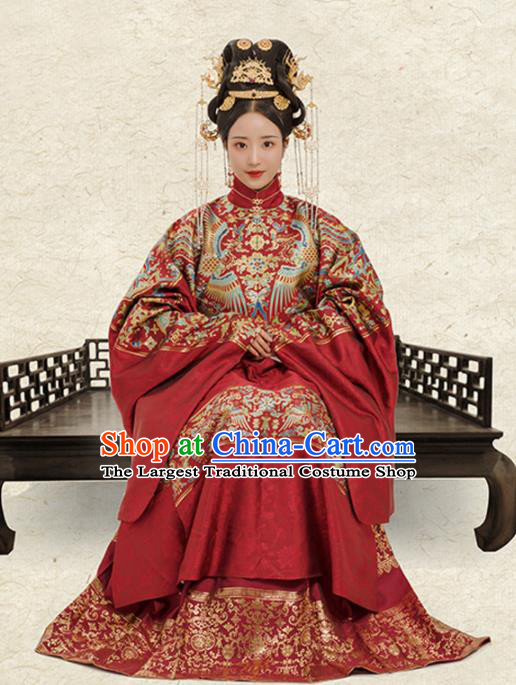
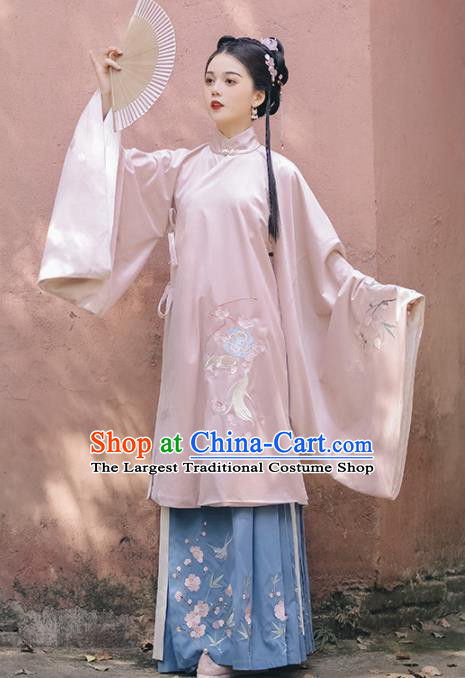
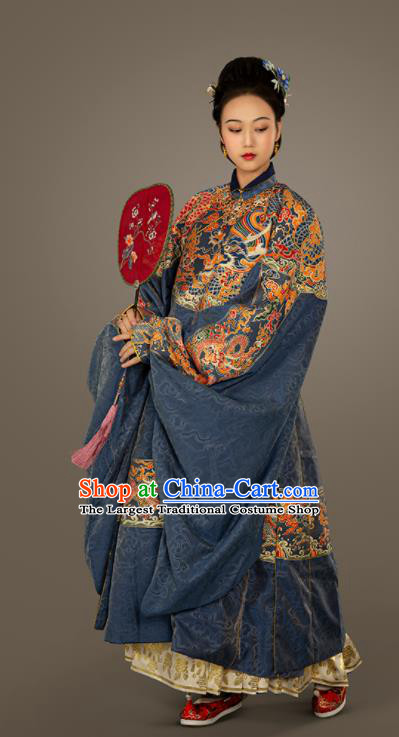
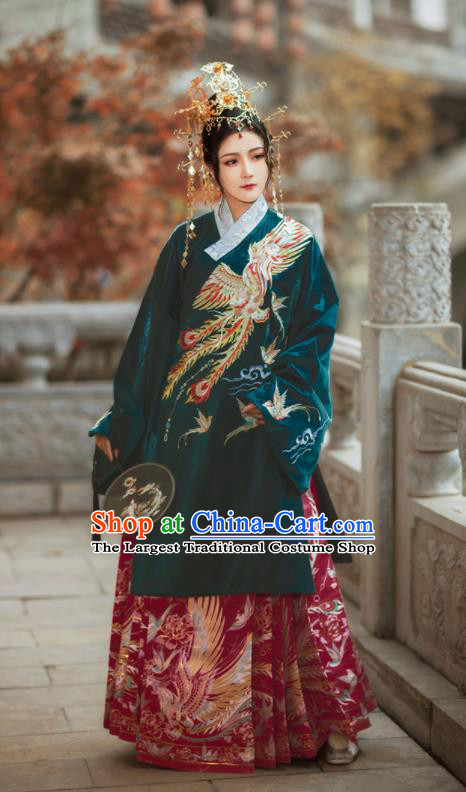
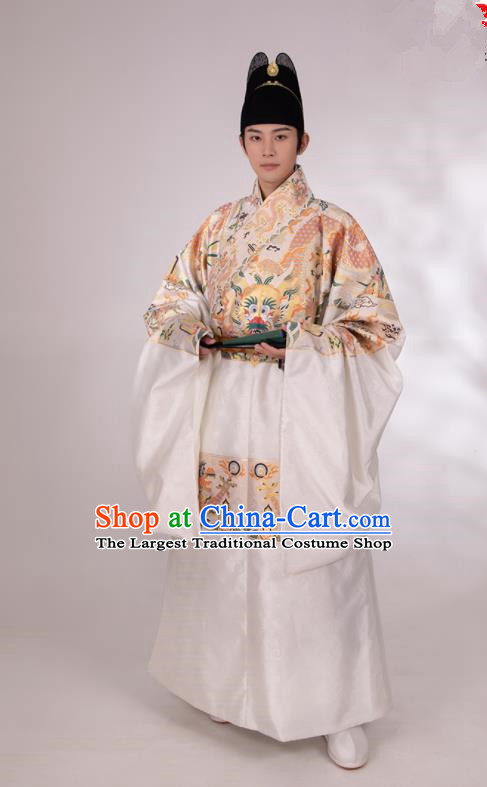
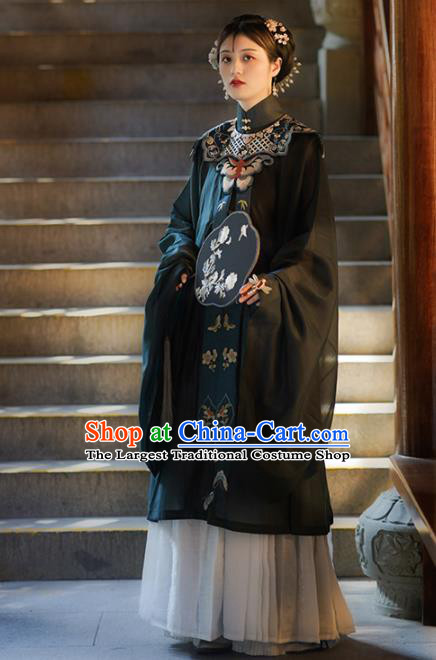
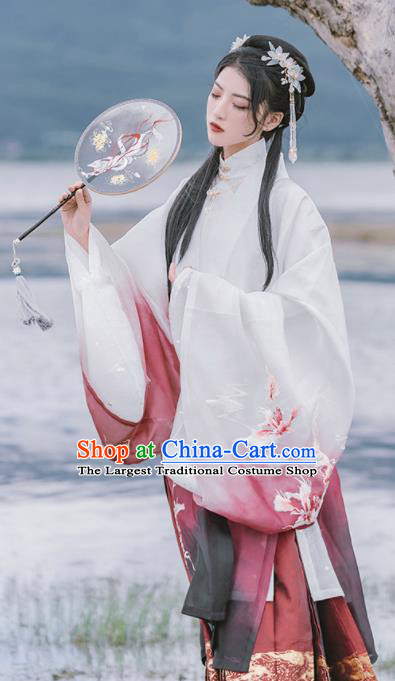
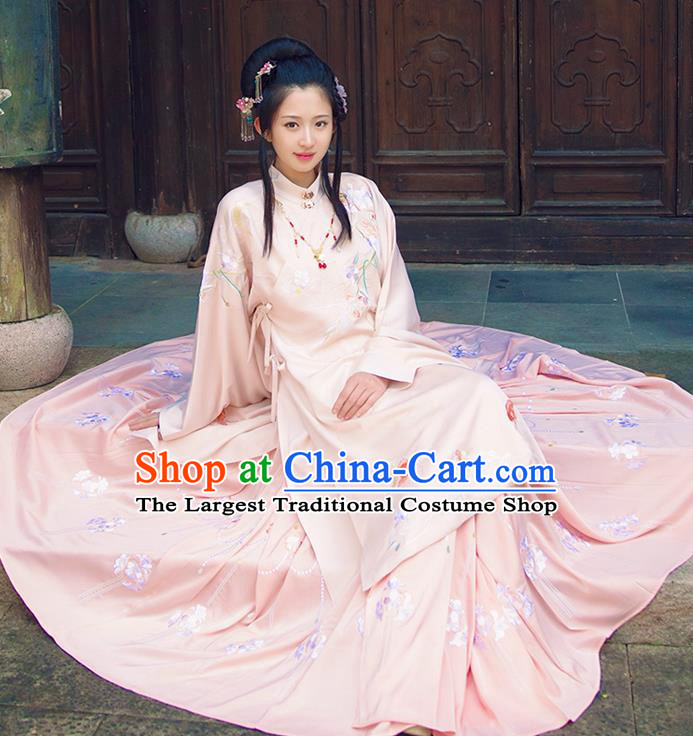
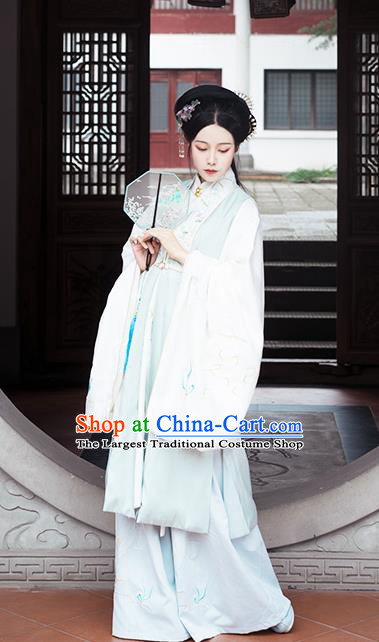
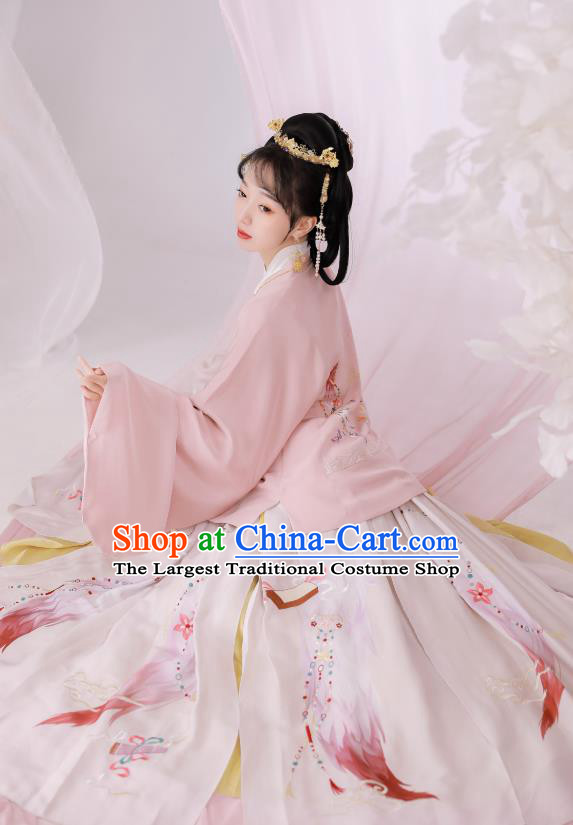
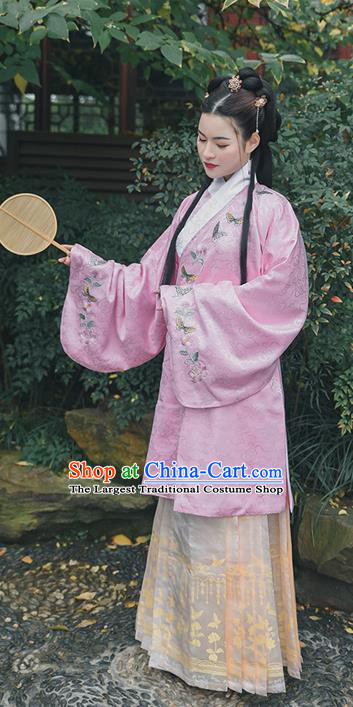
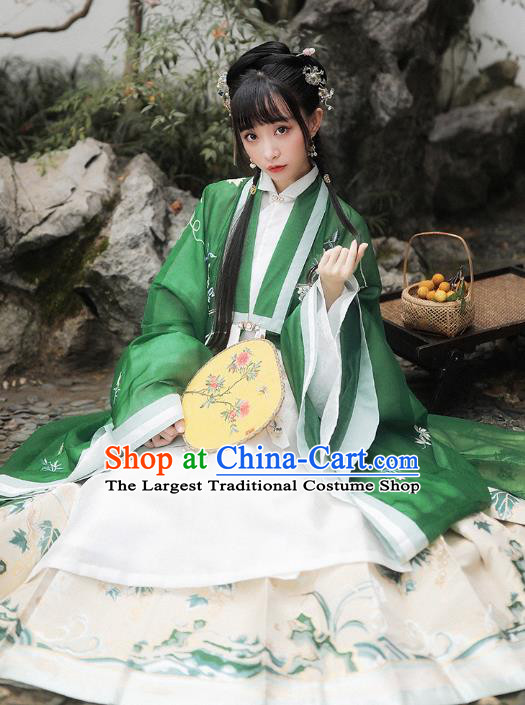
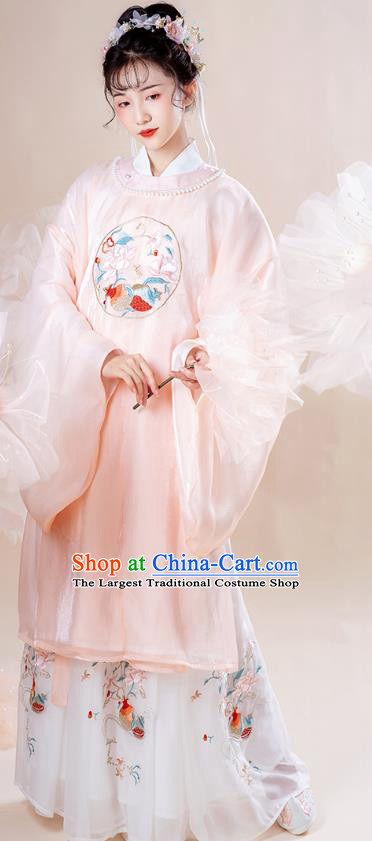
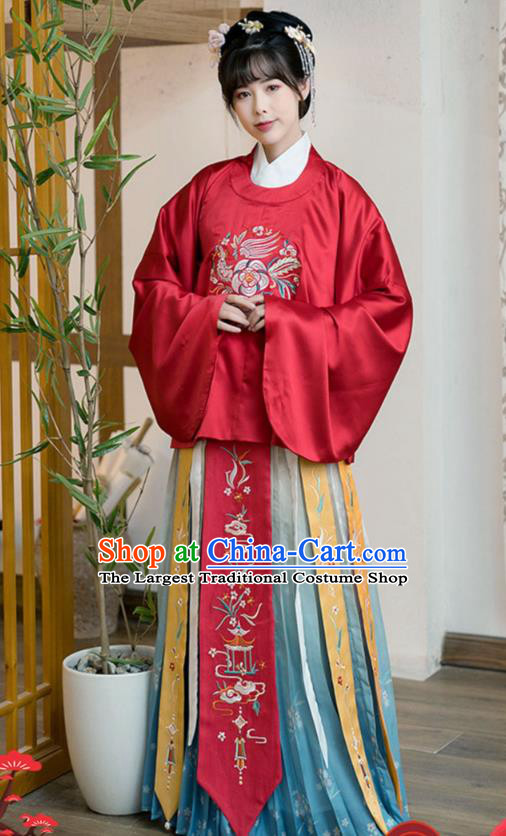
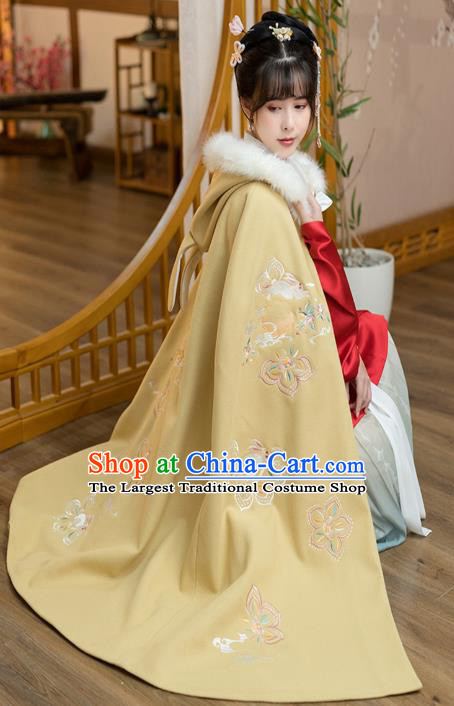
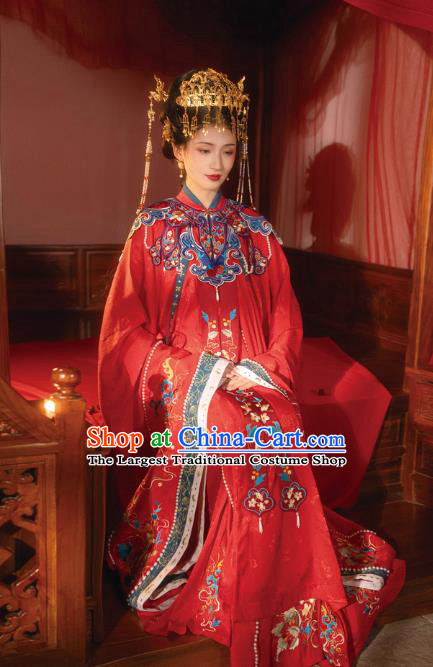
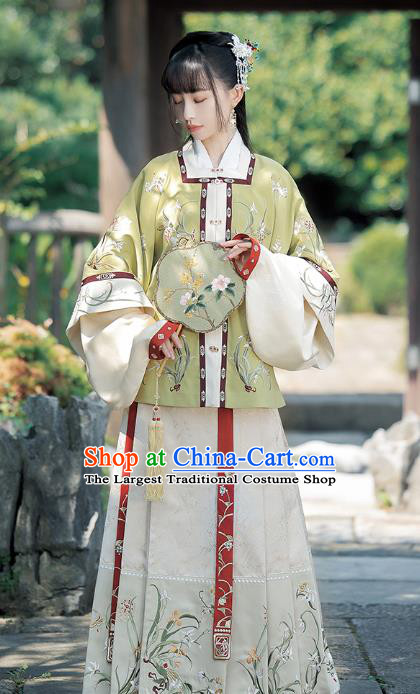
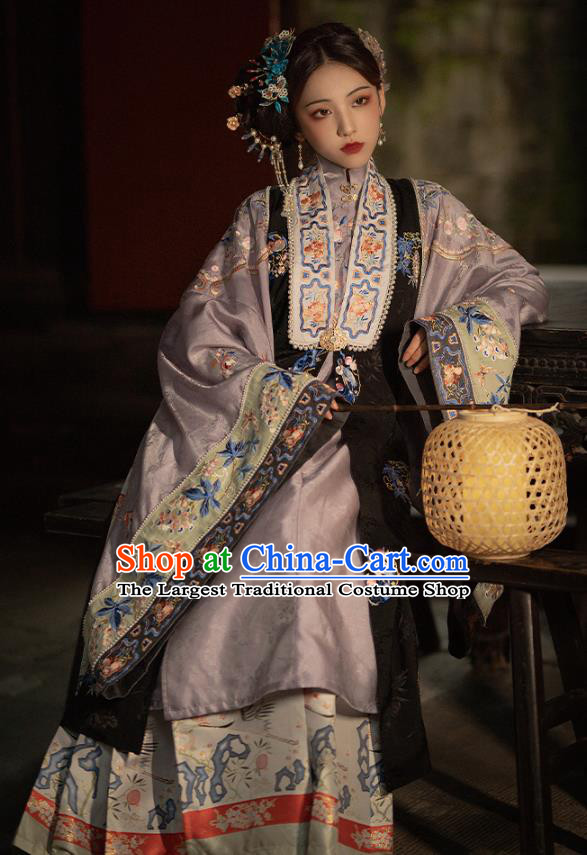
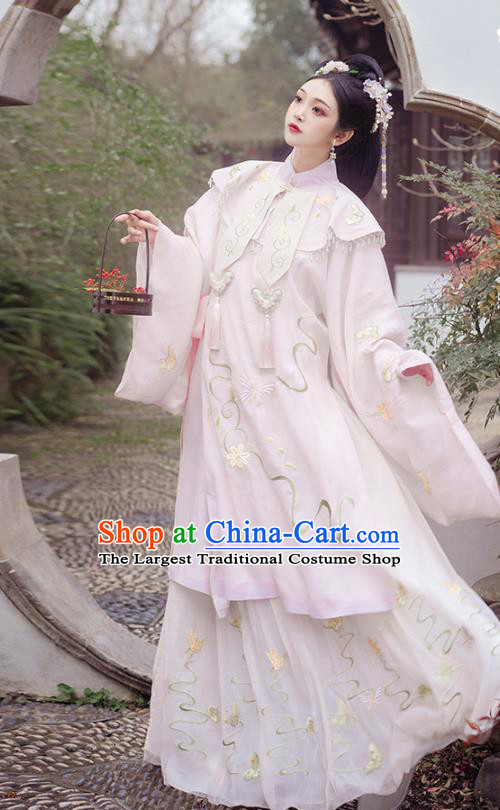
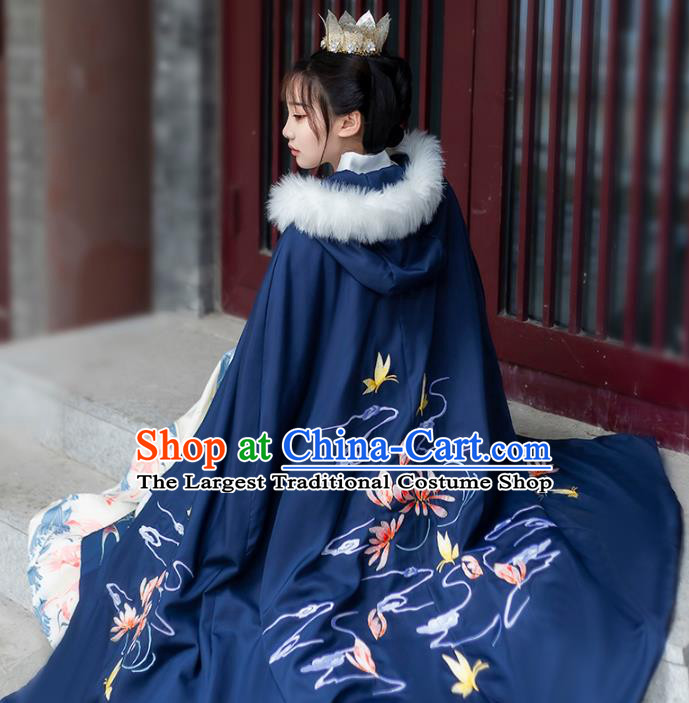
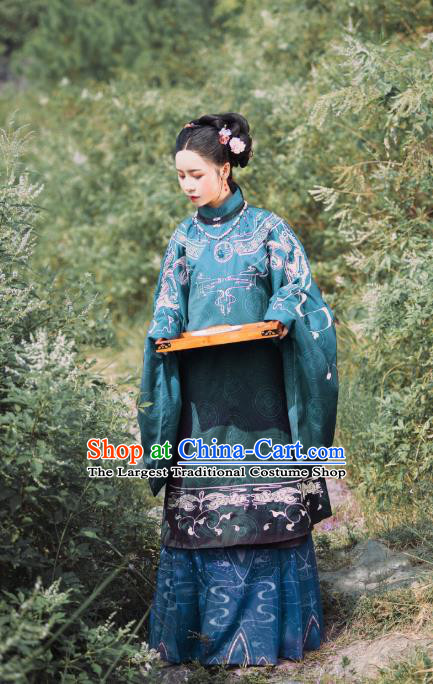
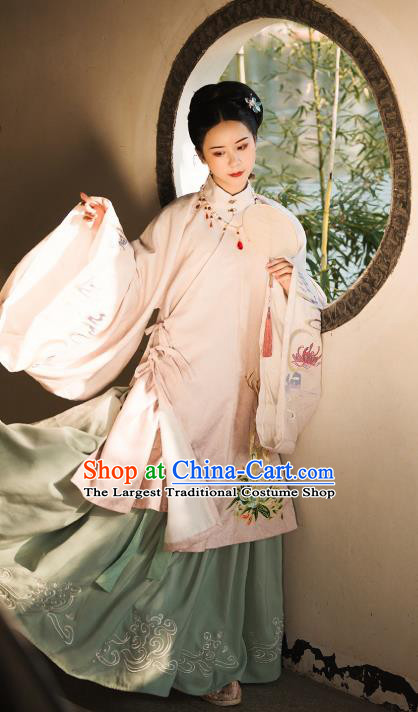
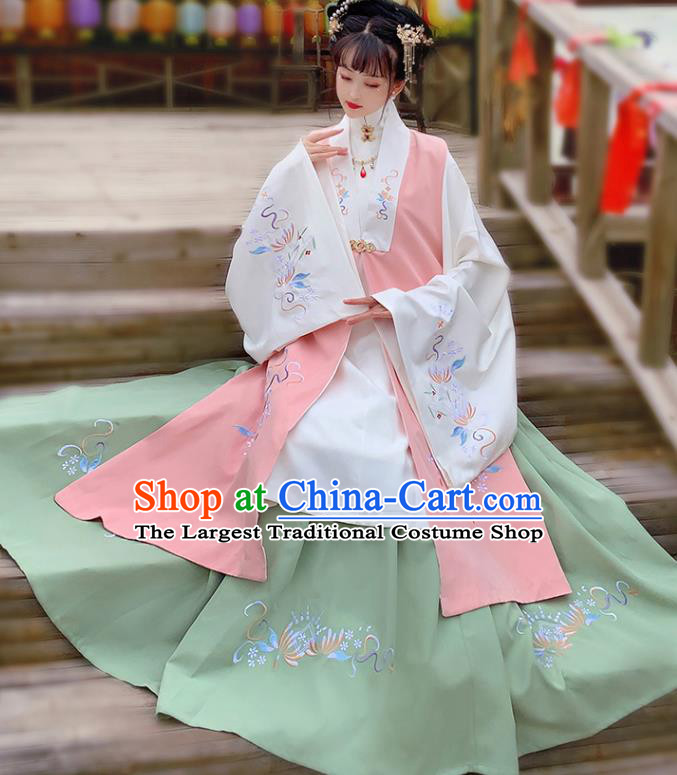
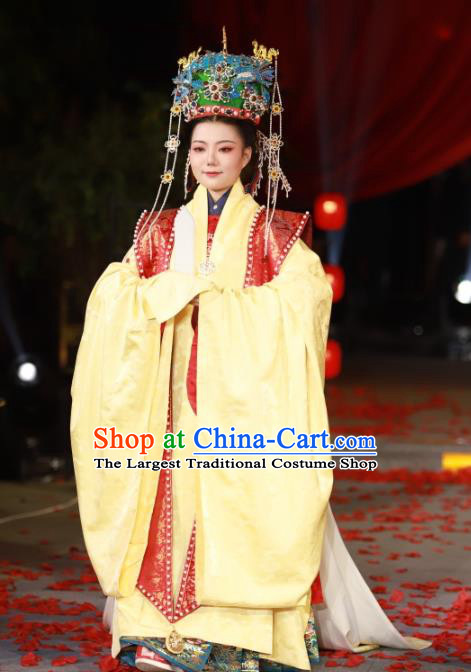
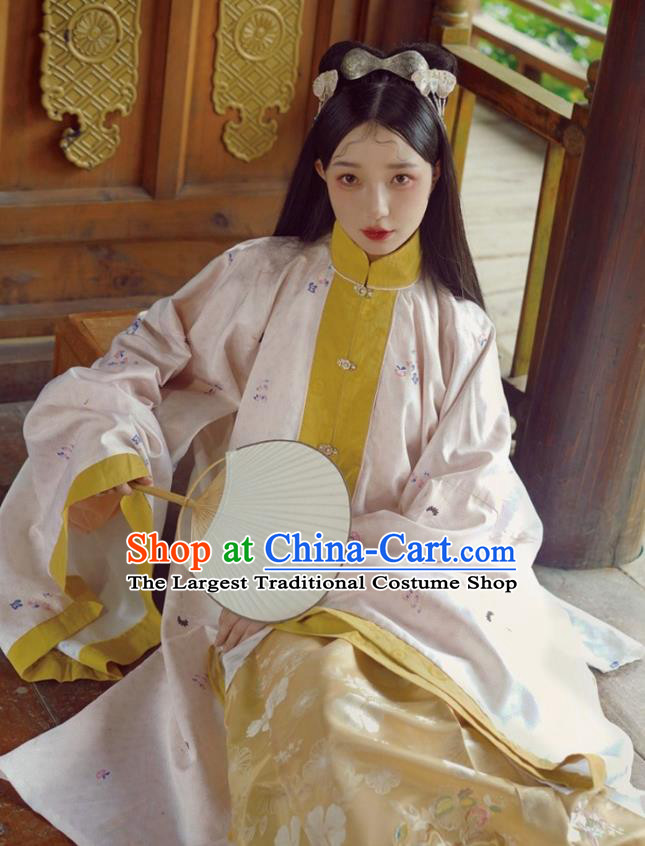
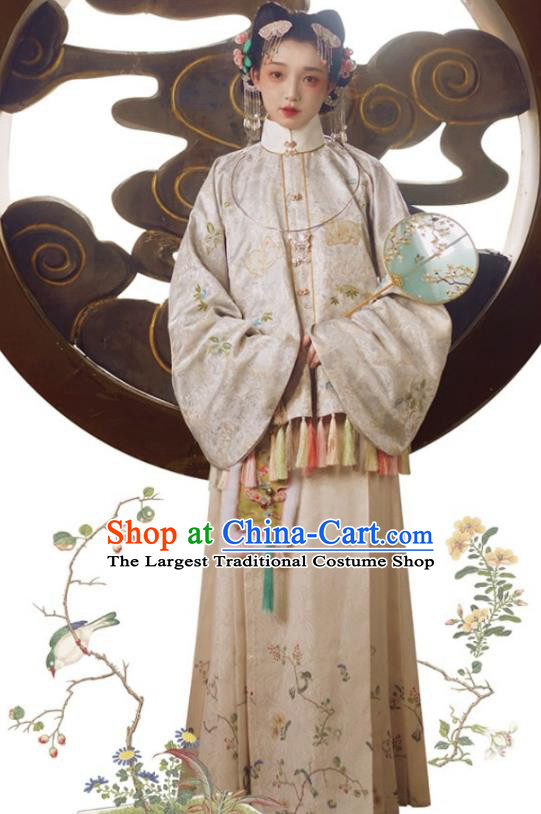
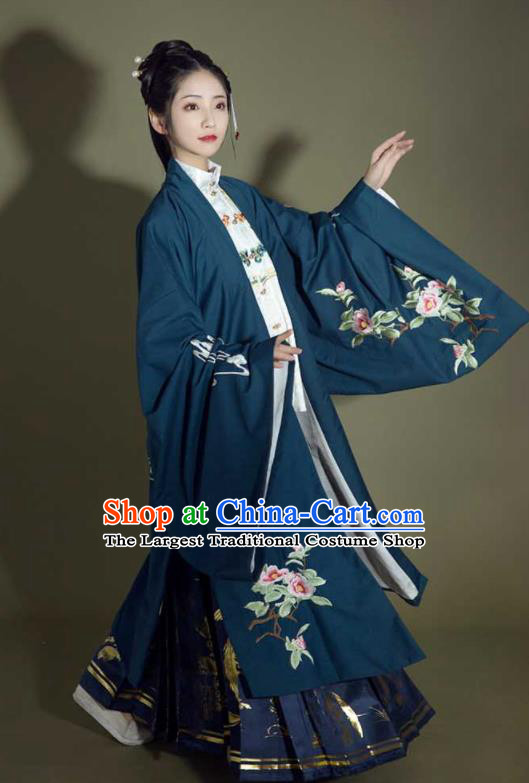
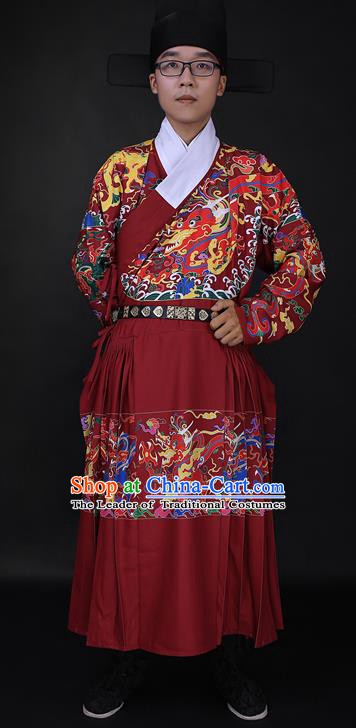
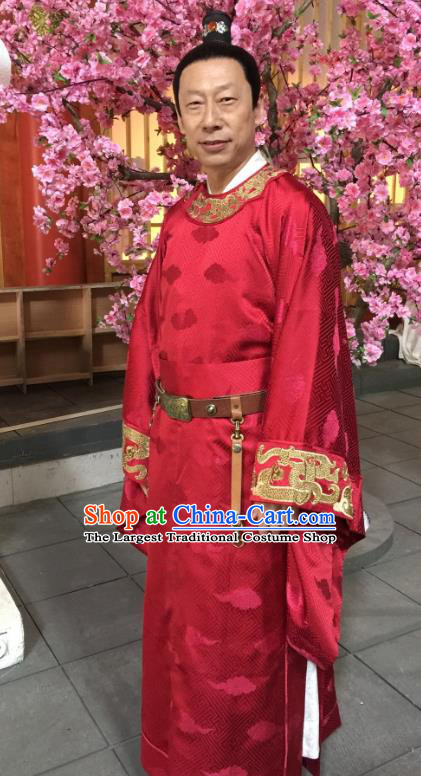
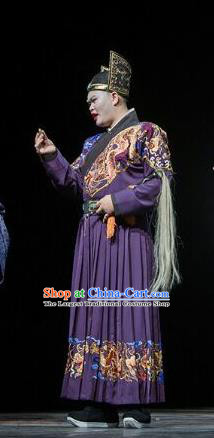
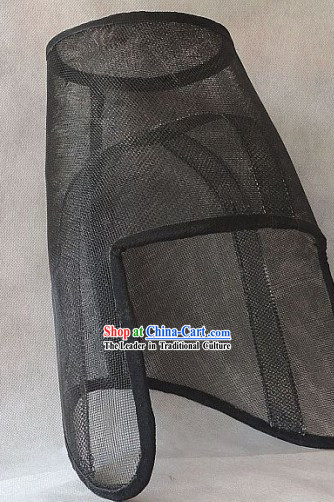
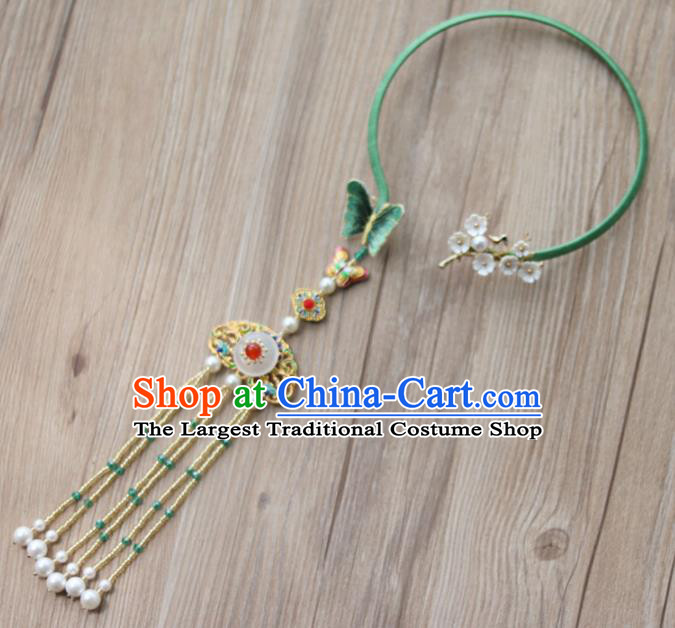
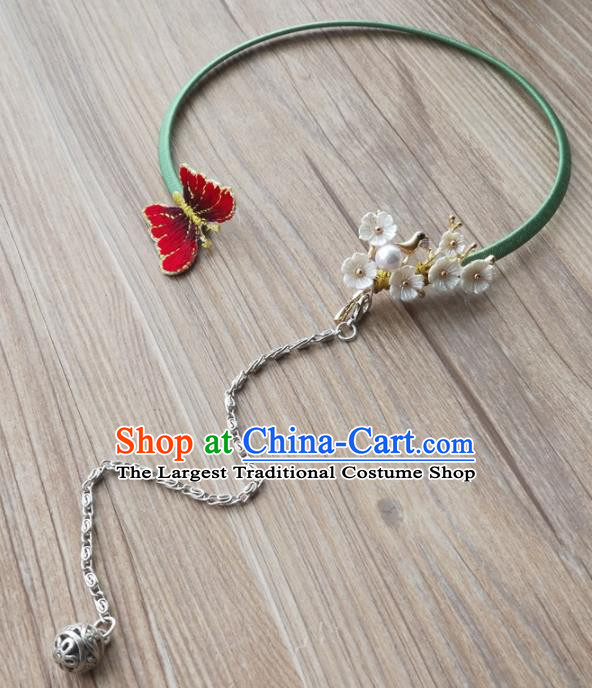
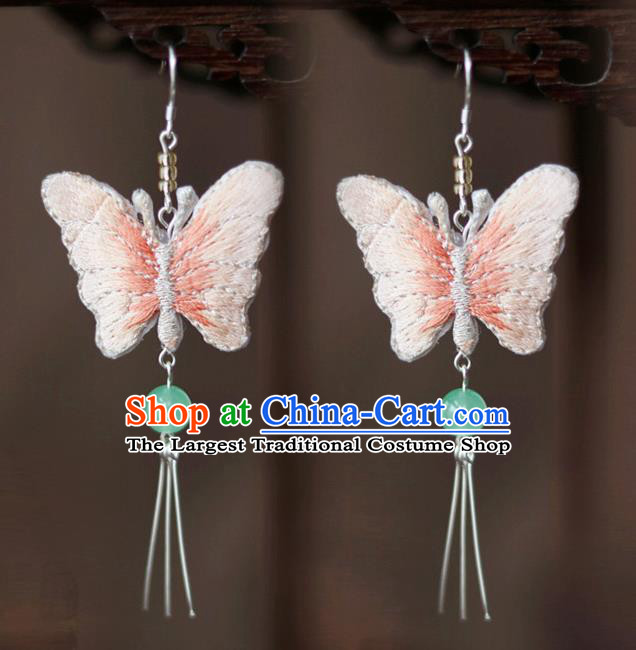
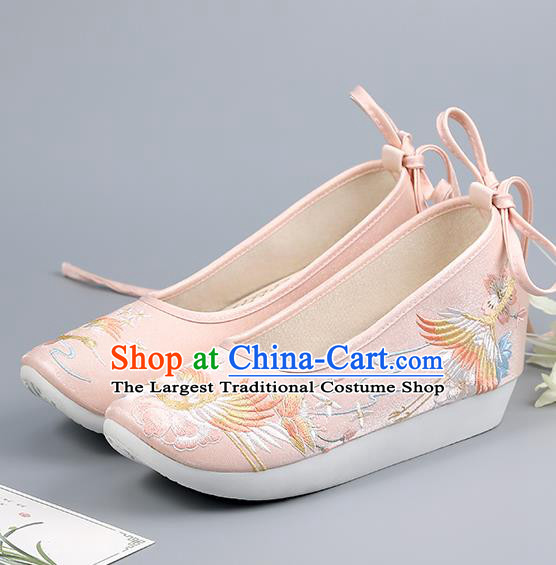
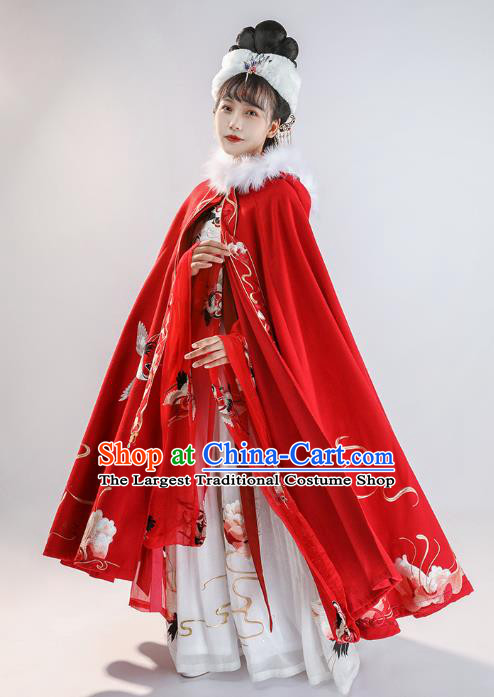
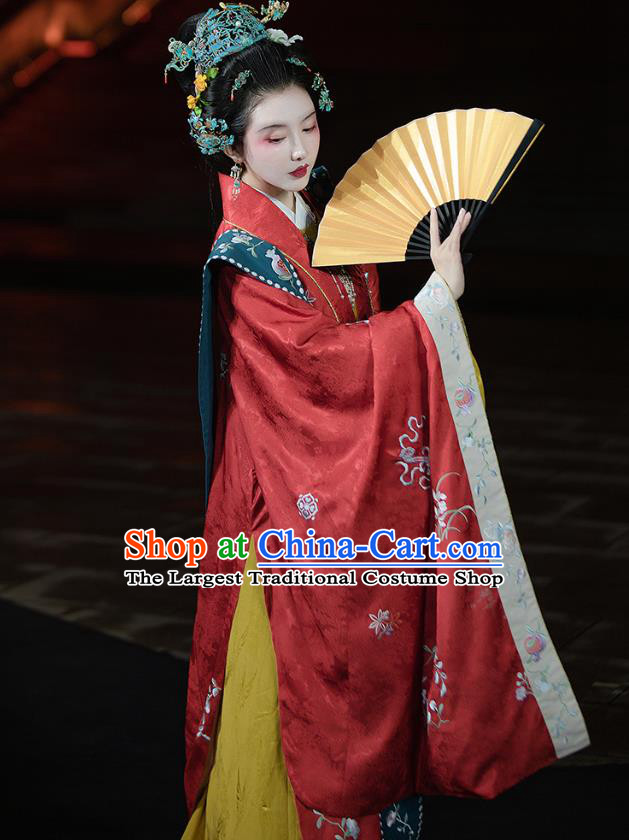
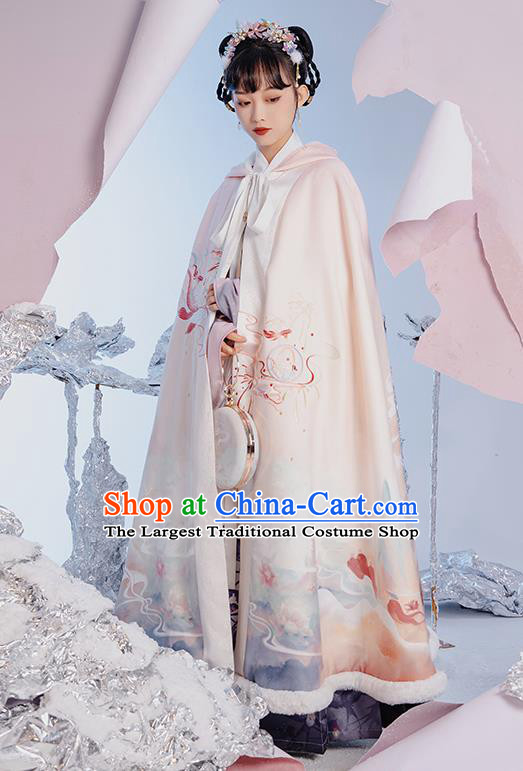
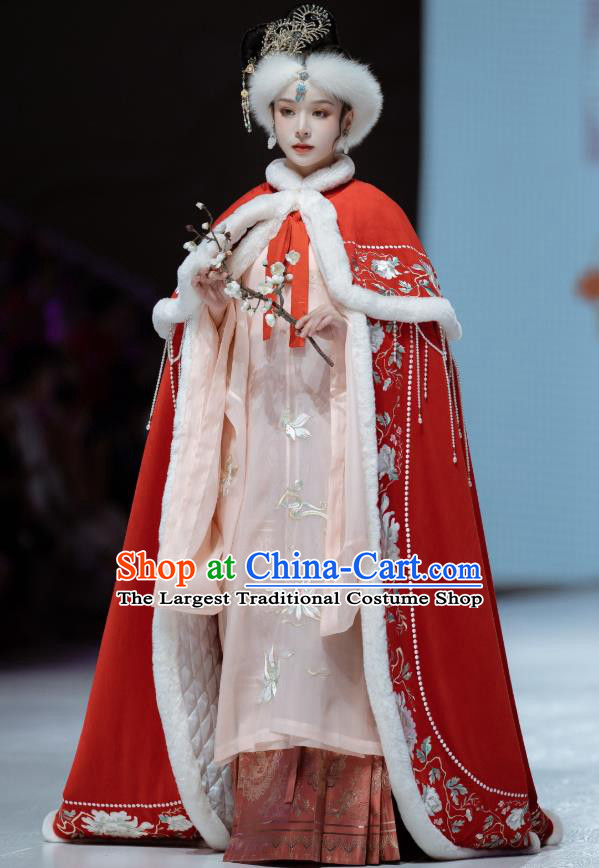
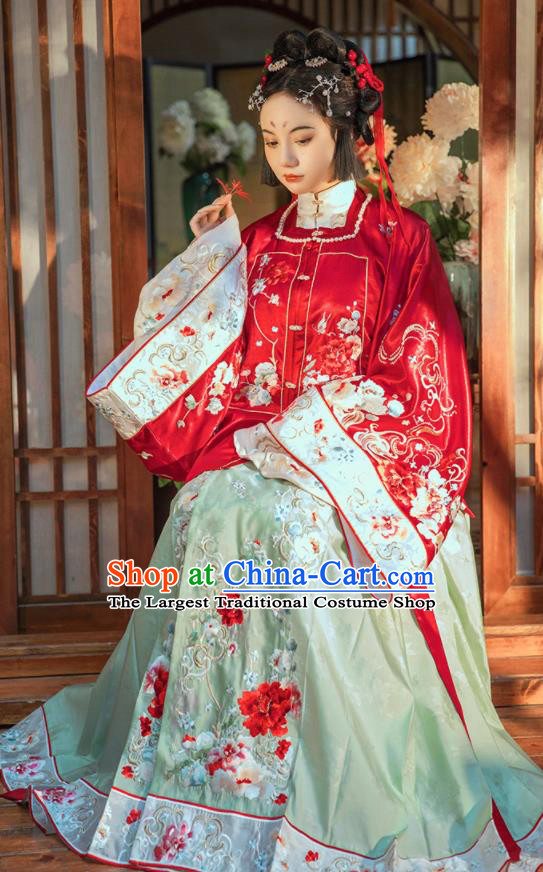
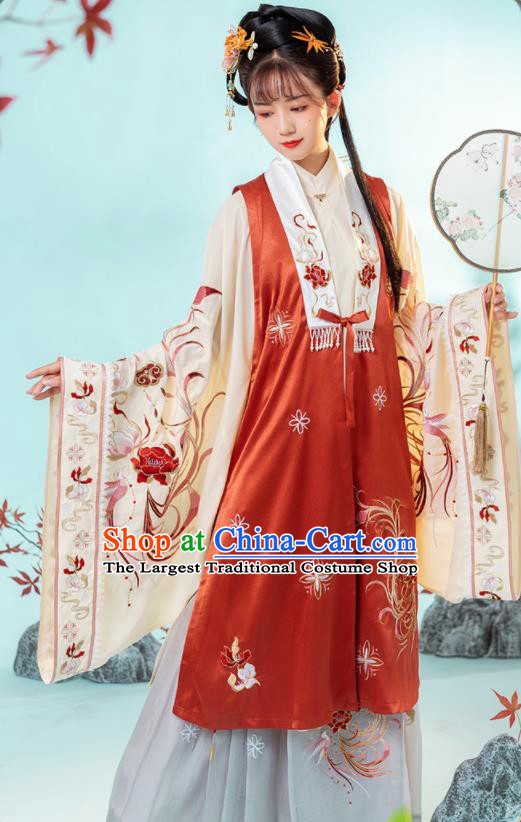
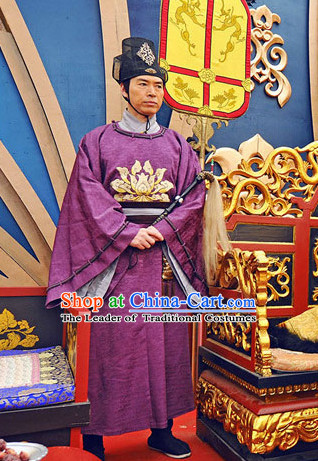
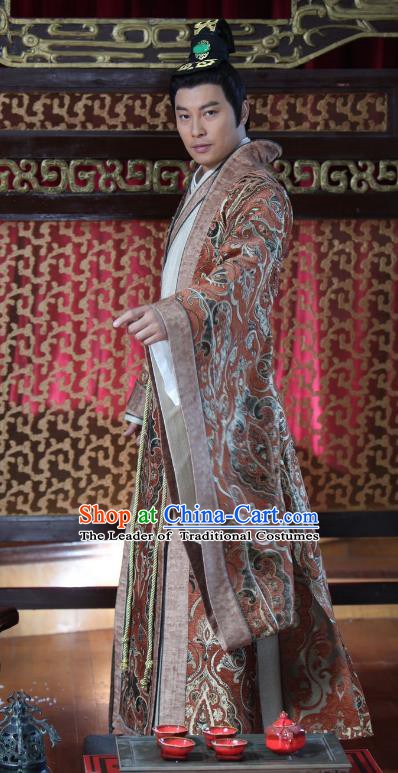
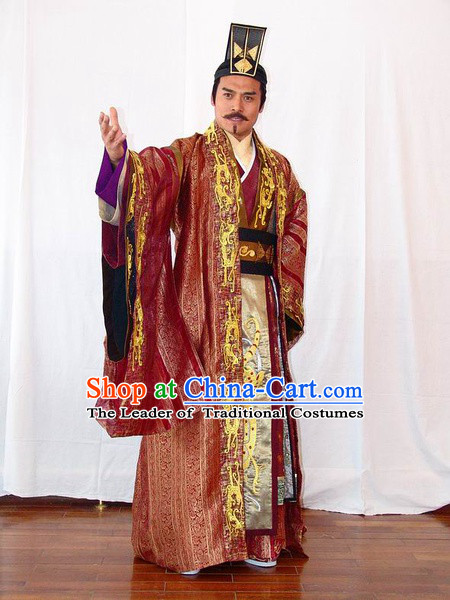
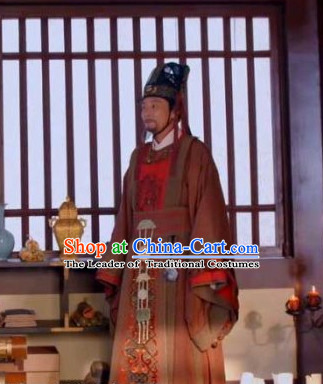
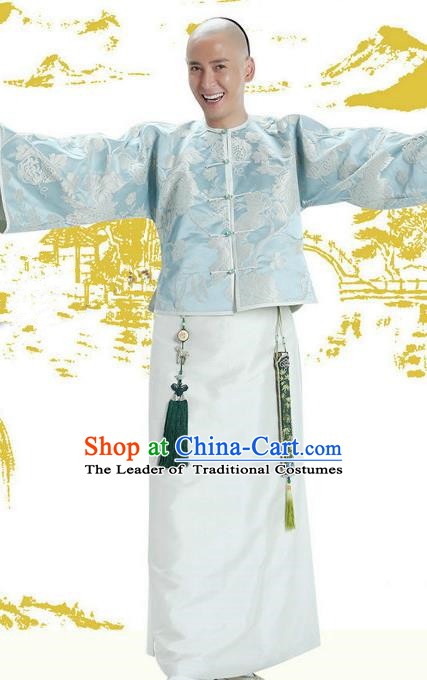
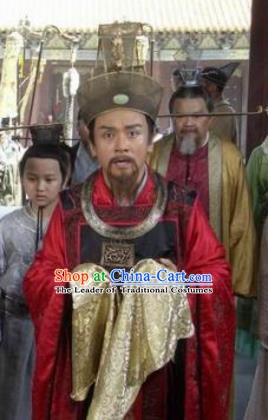
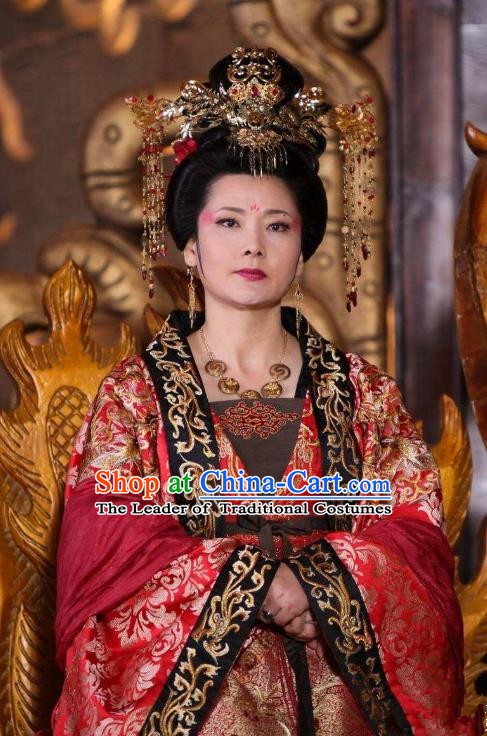
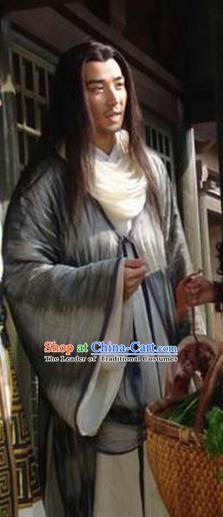
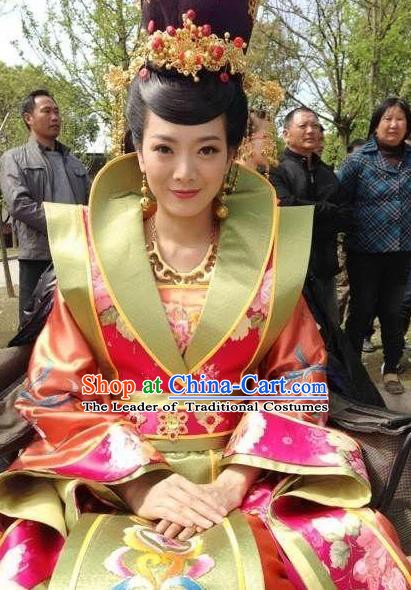
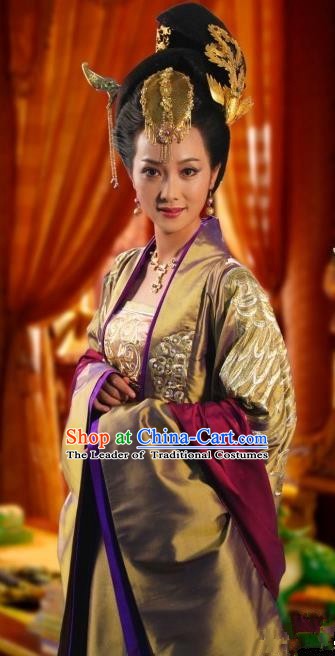
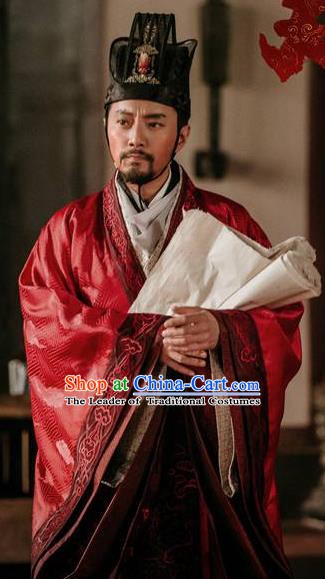
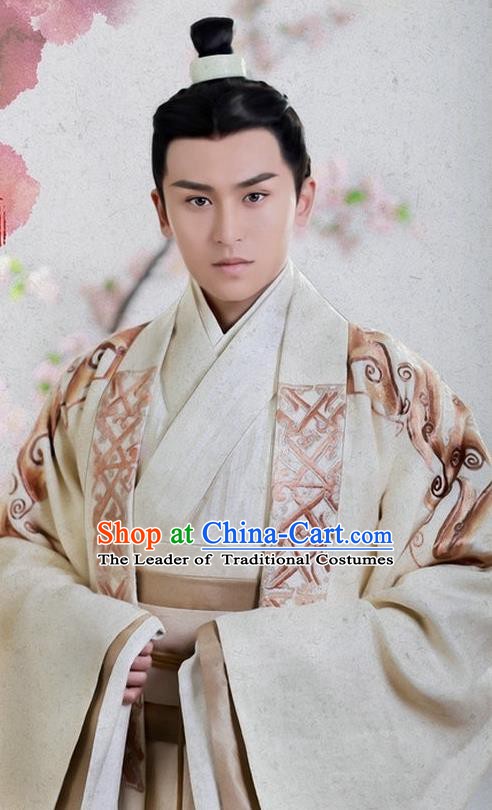
This embroidered costume of Wei Zhongxian, a court eunuch in the Ming Dynasty of China, has become a treasure of ancient Chinese costume art with its exquisite craftsmanship and unique design.
It not only demonstrates the hierarchical system of social classes at that time but also reflects the aesthetic concepts and cultural traditions of that era.
The costume is made of silk as the main material and is crafted through intricate embroidery techniques.
The embroidery patterns are diverse and include elements such as dragons, phoenixes, and flowers, all of which symbolize good fortune and happiness.
In addition, the costume is adorned with precious decorations such as pearls and gemstones, highlighting the status of the wearer.
In terms of design, the costume features a loose cut and a high collar, providing warmth while appearing solemn.
Golden fringes are added to the cuffs and collar, adding a touch of grandeur.
Overall, this costume is both practical and aesthetically pleasing, fully demonstrating the exquisite skills of ancient craftsmen and their pursuit of beauty.
Apart from its artistic value, this costume also holds historical significance.
As one of the personal bodyguards of the Ming Dynasty emperor, it witnessed the political upheavals and social changes of that era.
By studying this costume, we can gain a better understanding of the customs and aesthetic concepts of ancient Chinese society.