Click Related Pictures for More Audios:
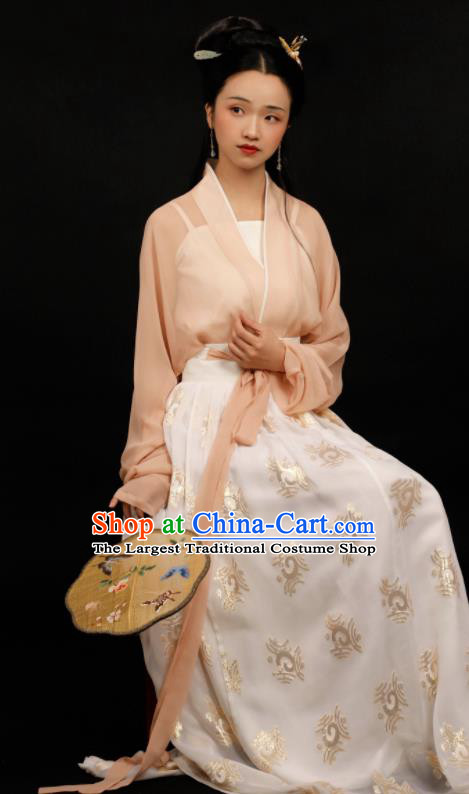
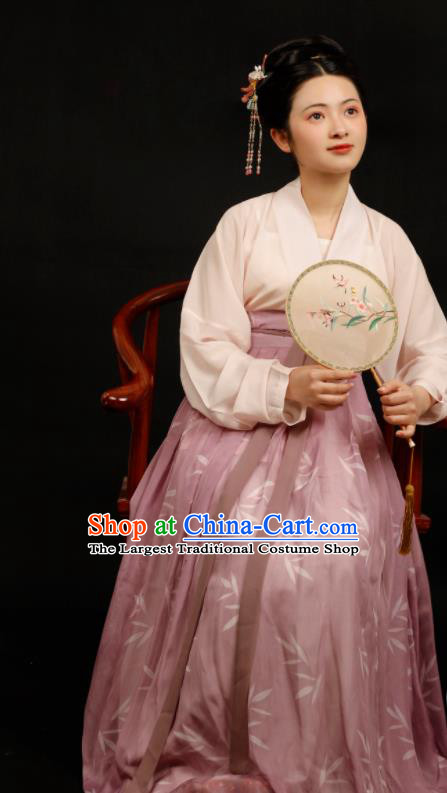
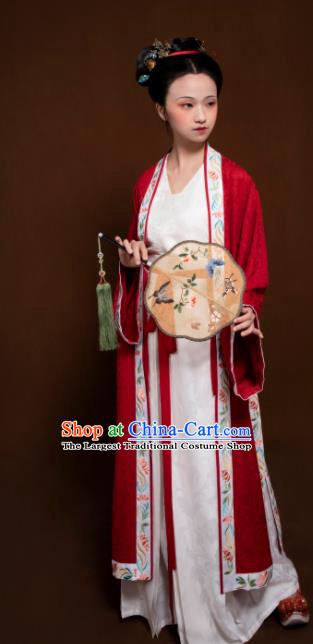
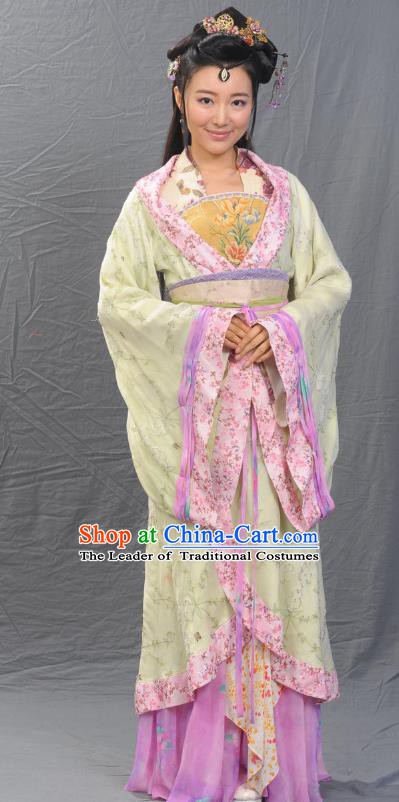
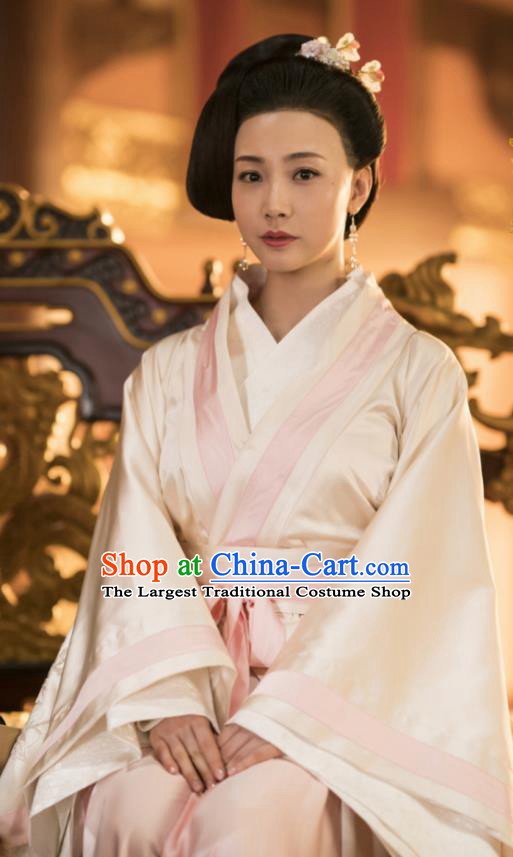
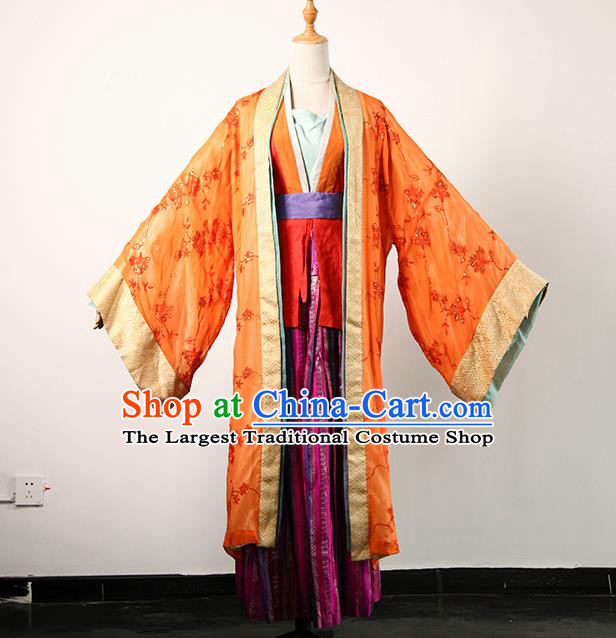
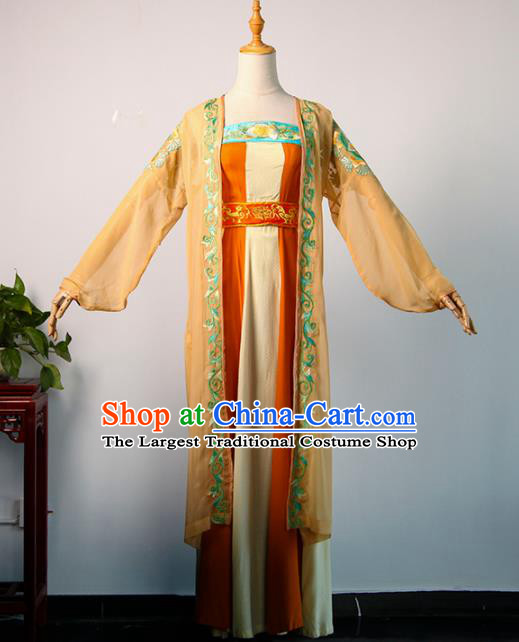
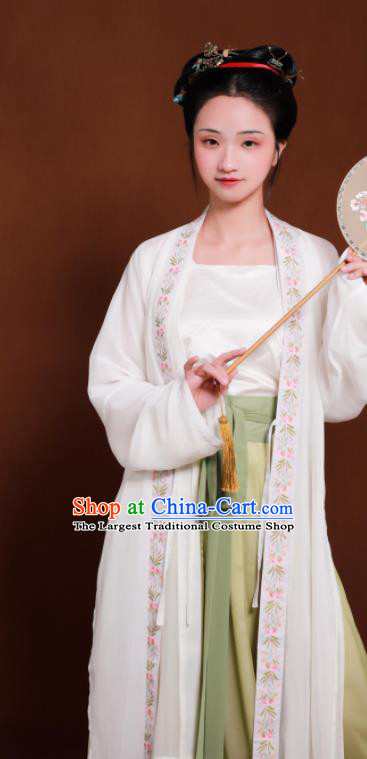
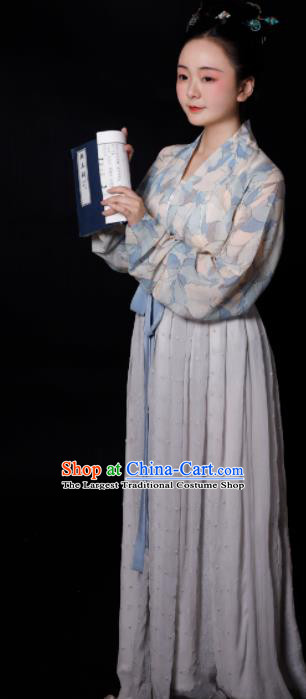
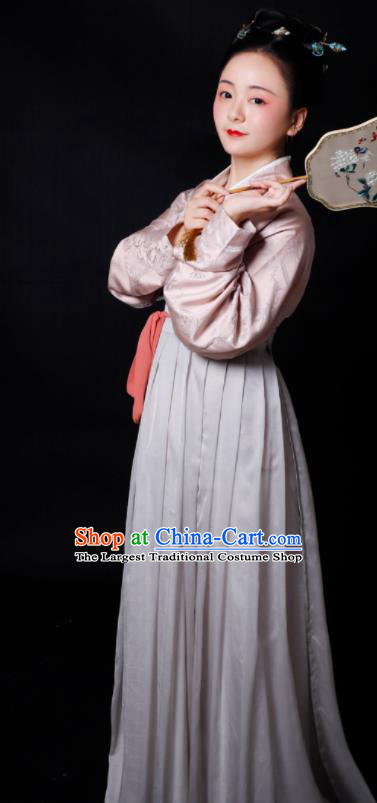
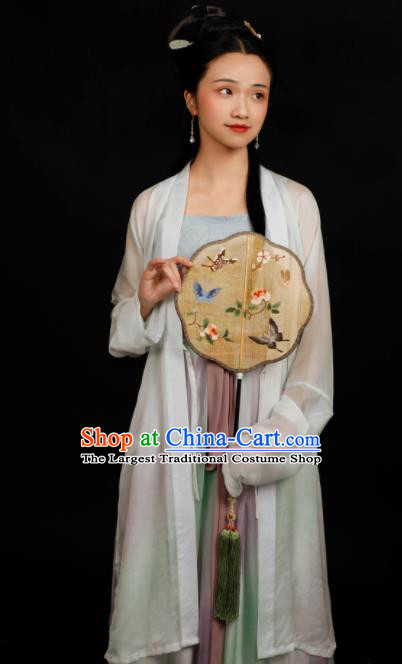
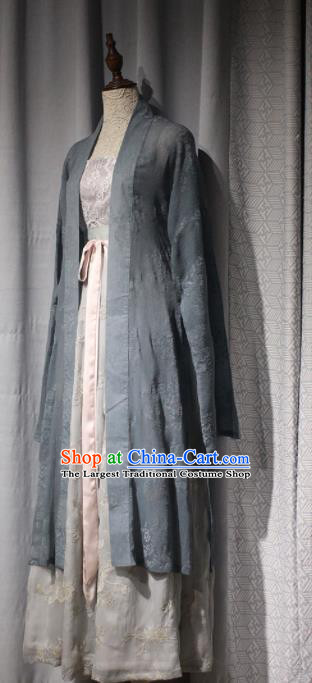
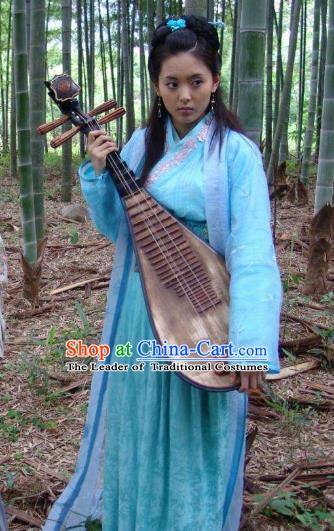
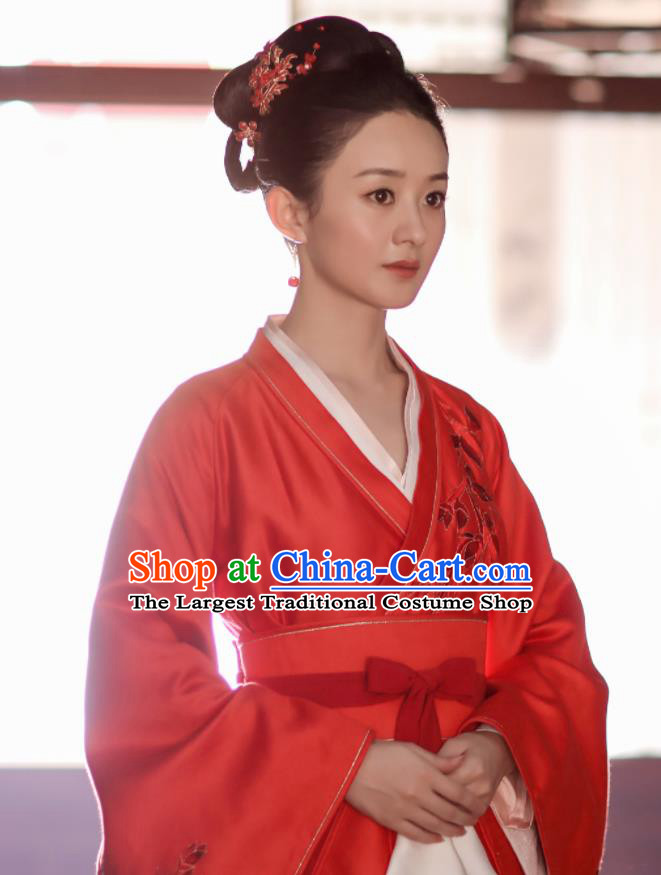
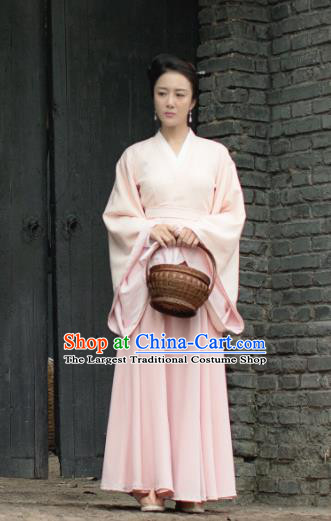
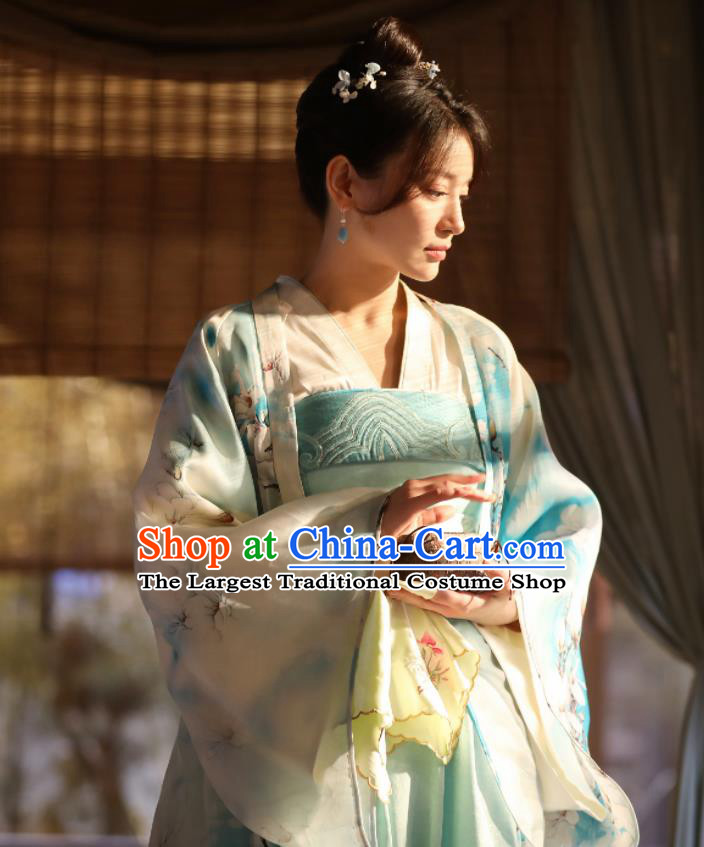
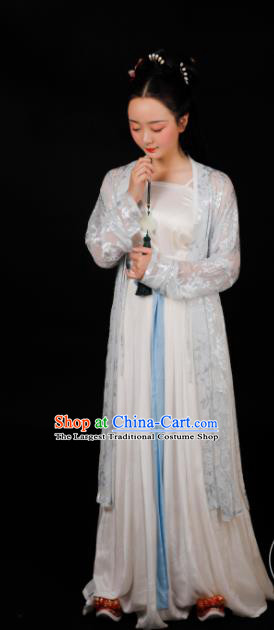
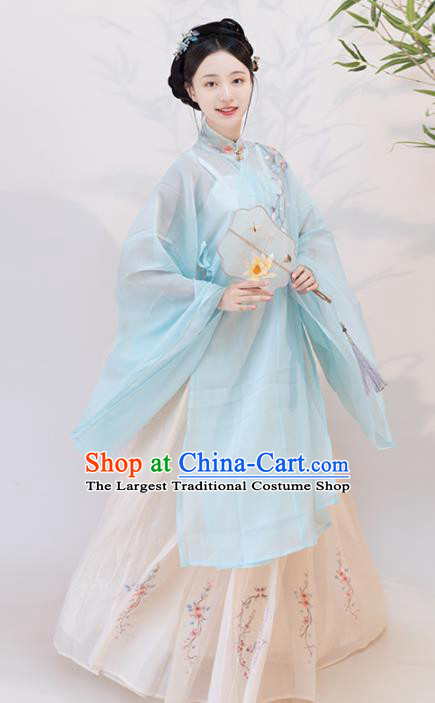
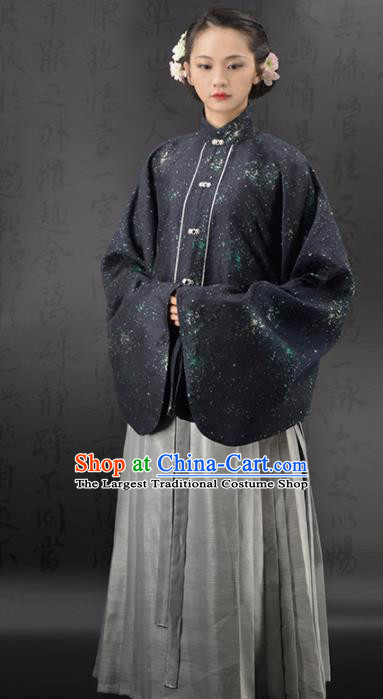
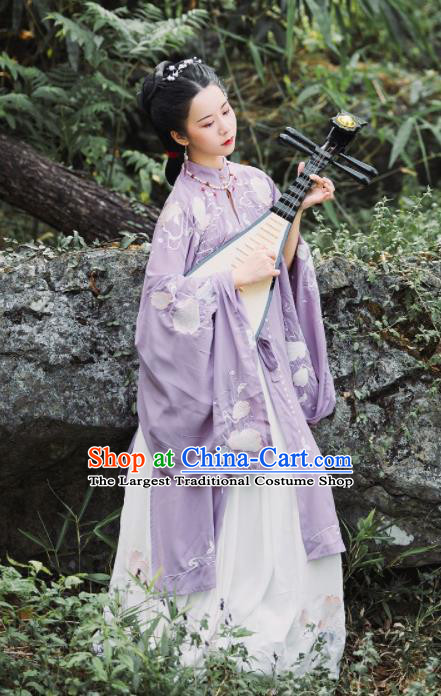
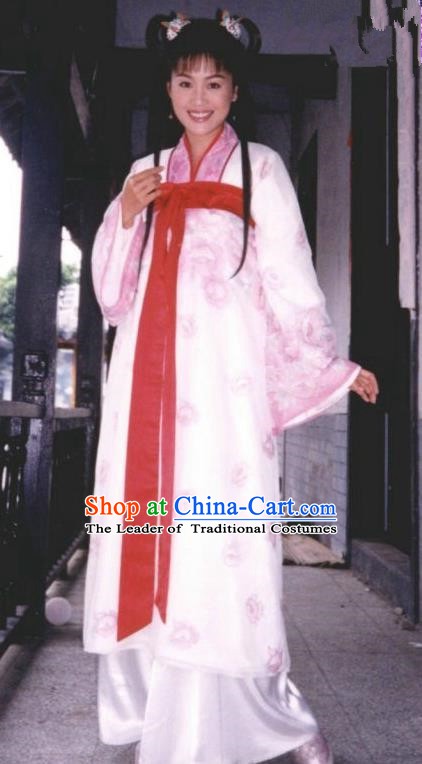
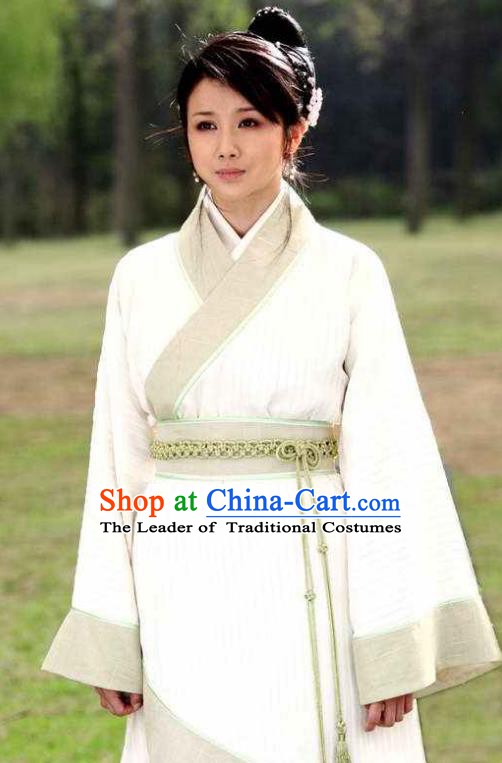
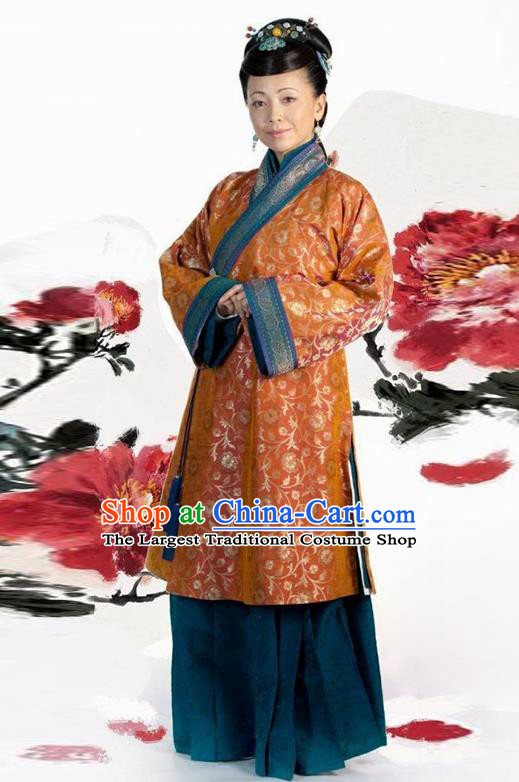
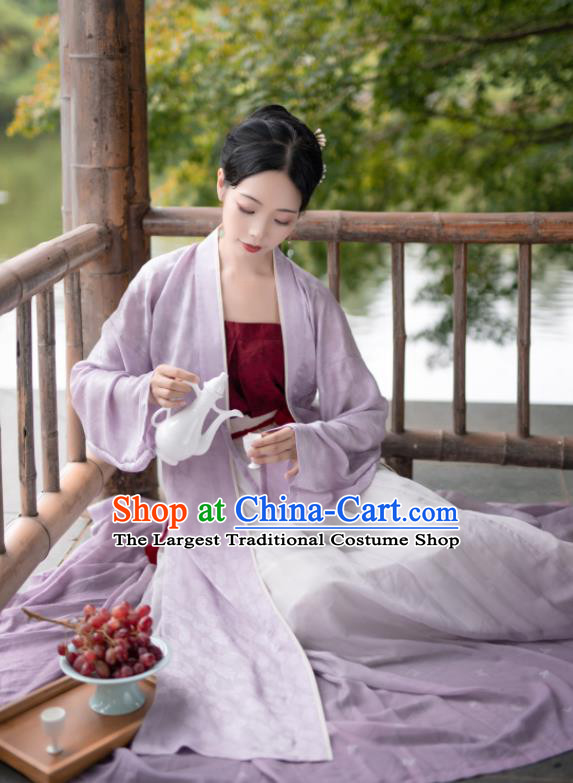
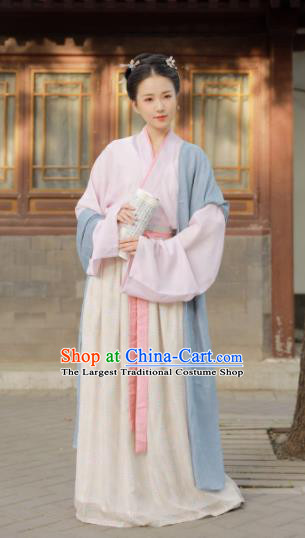
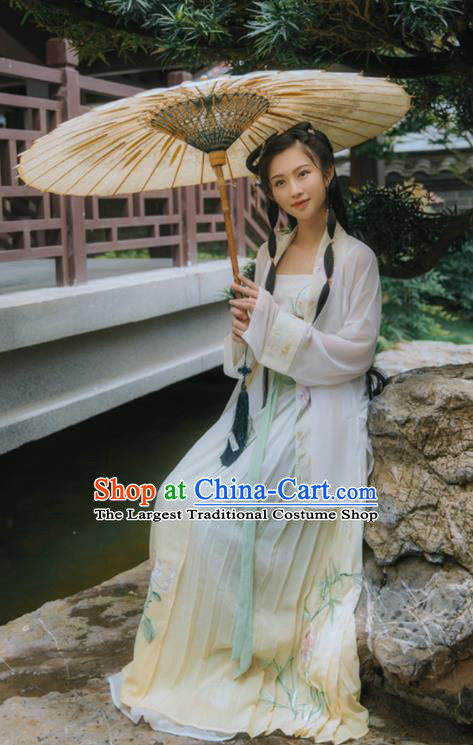
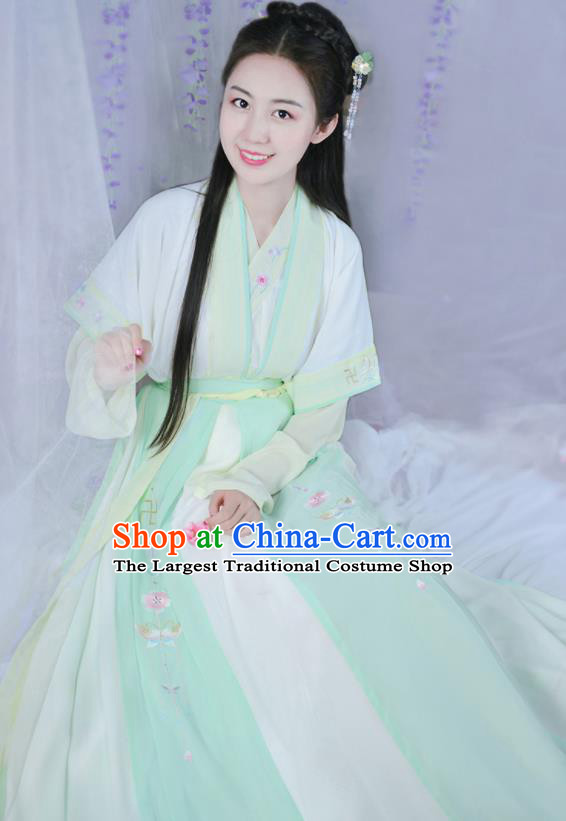
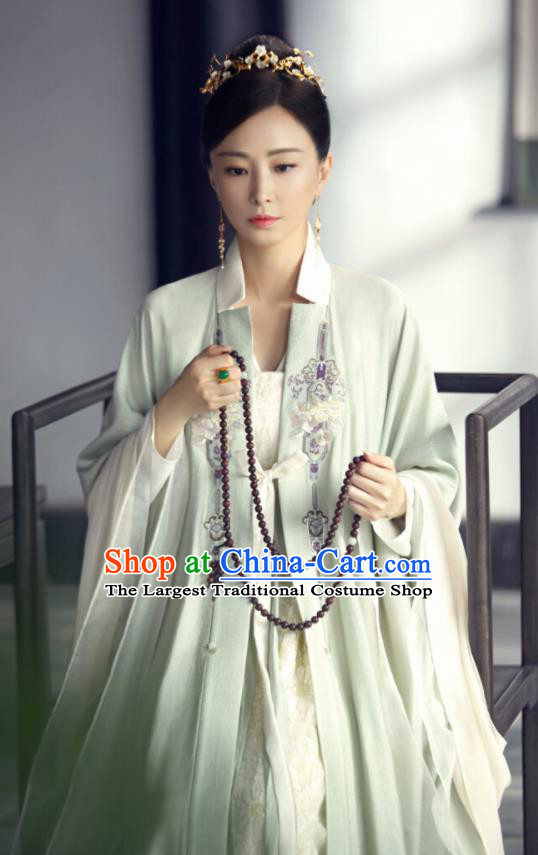
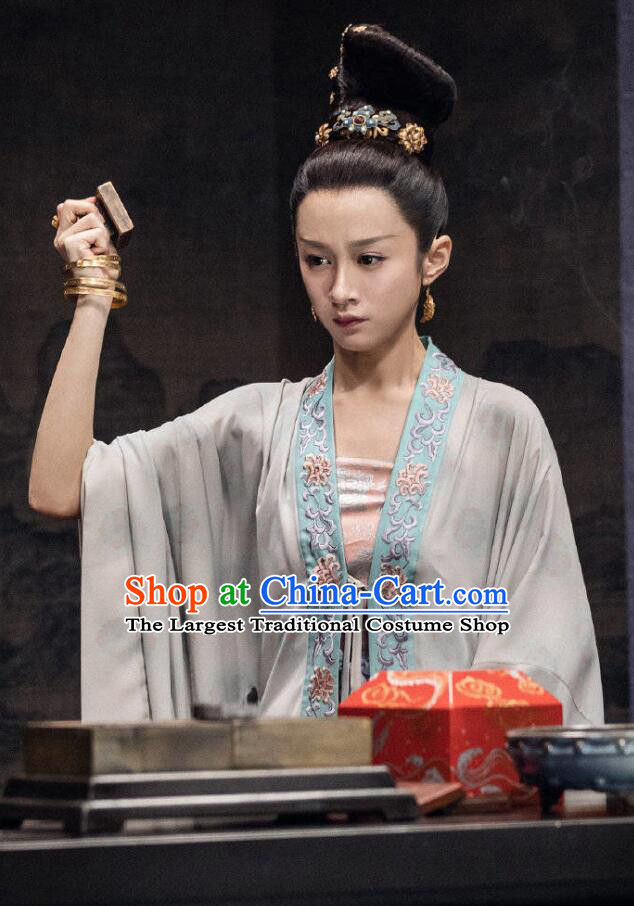
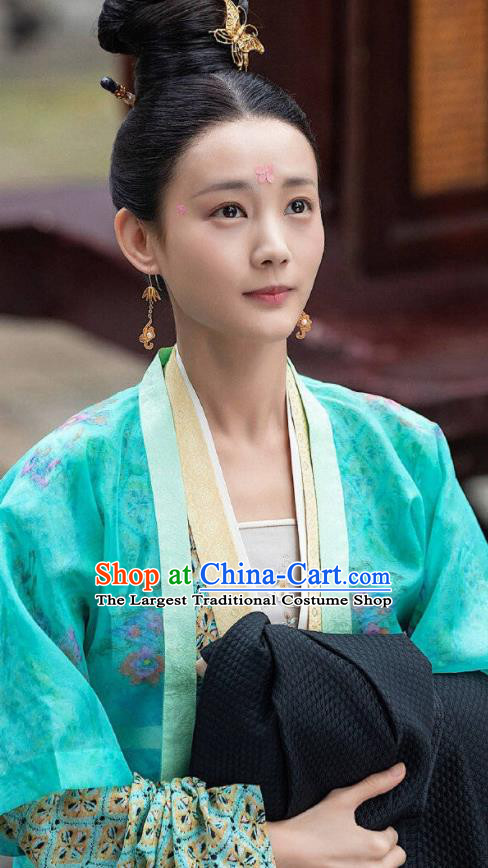
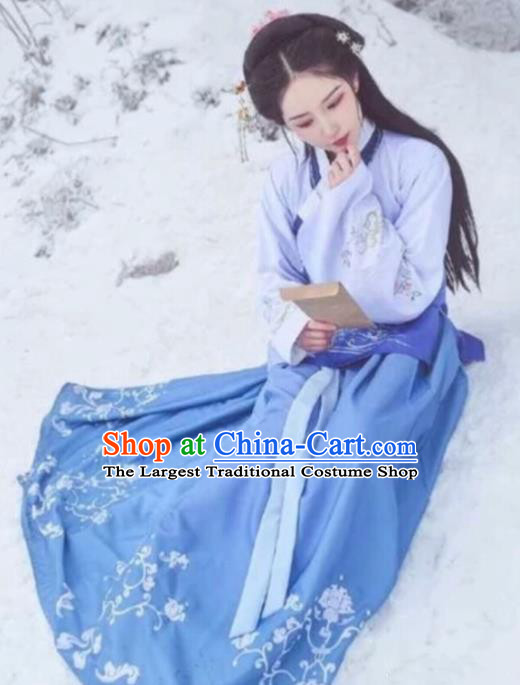
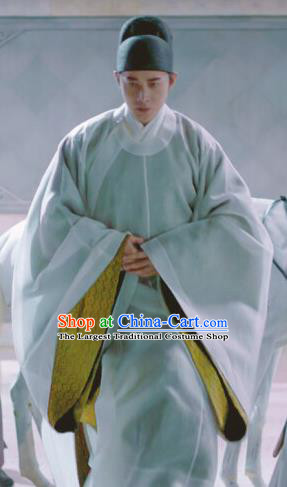
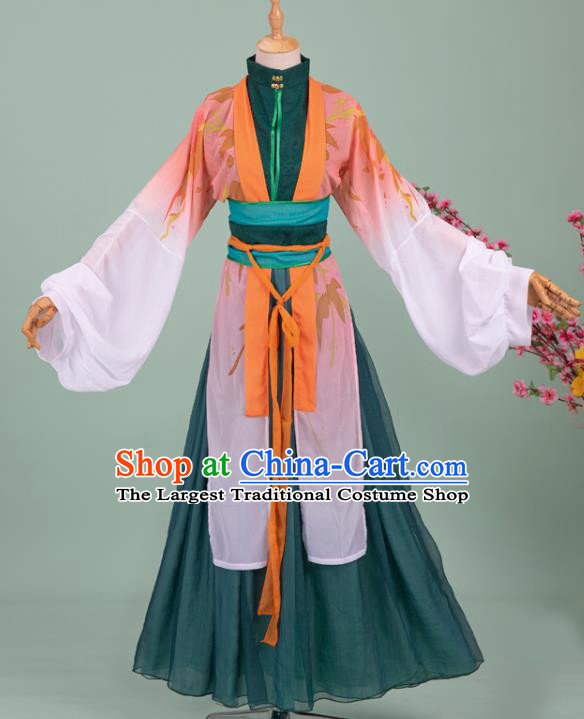
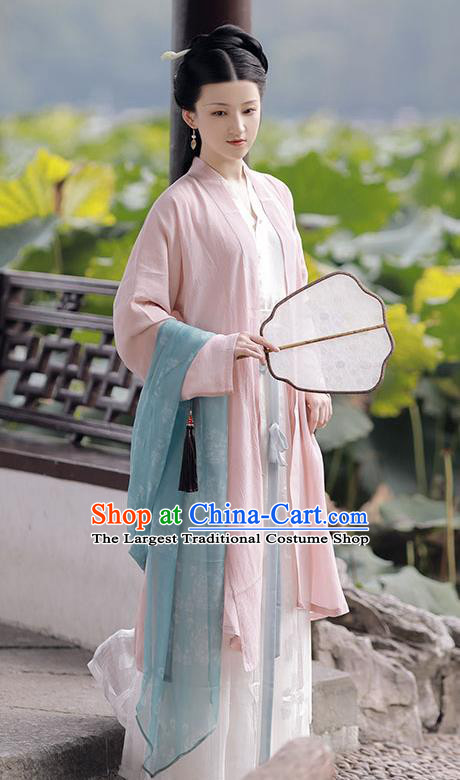
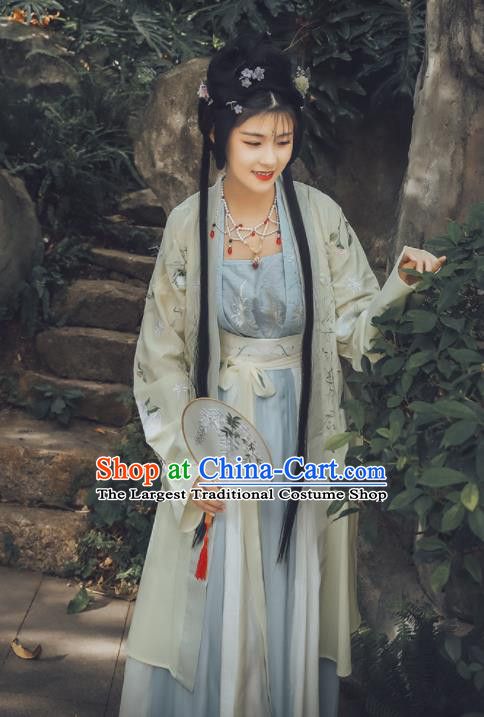
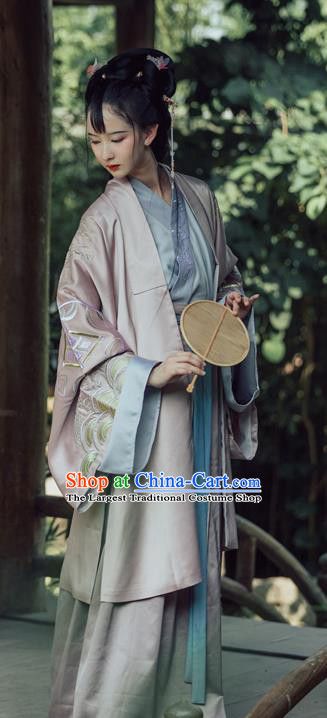
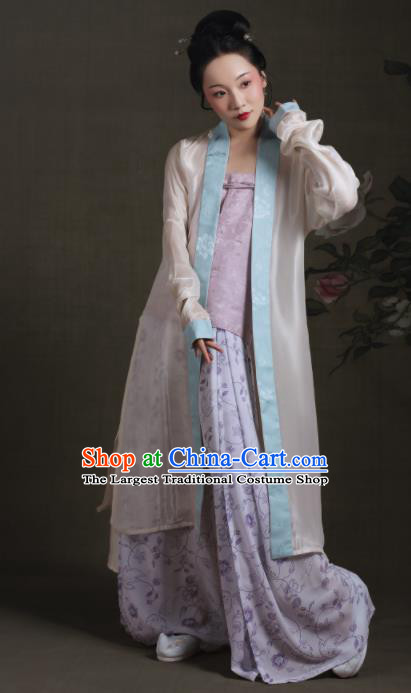
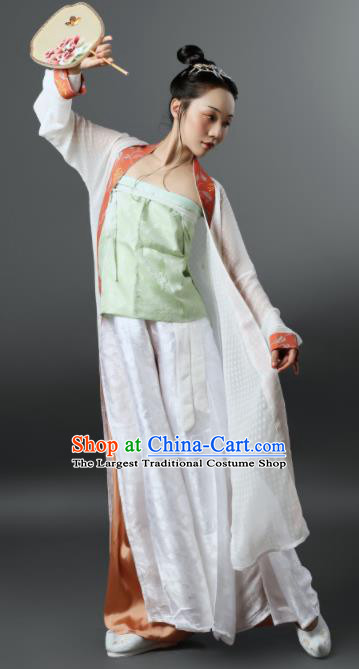
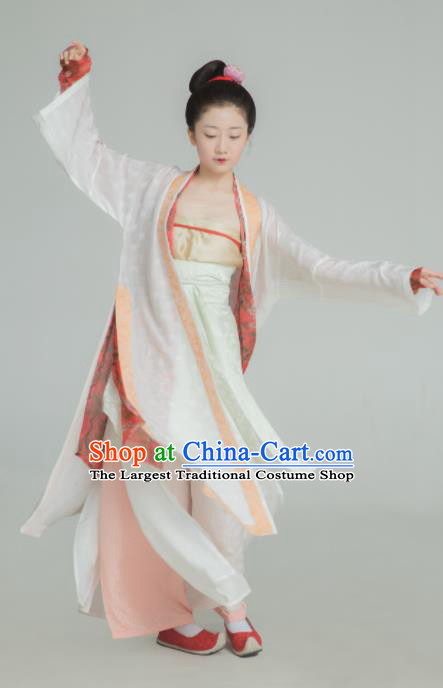
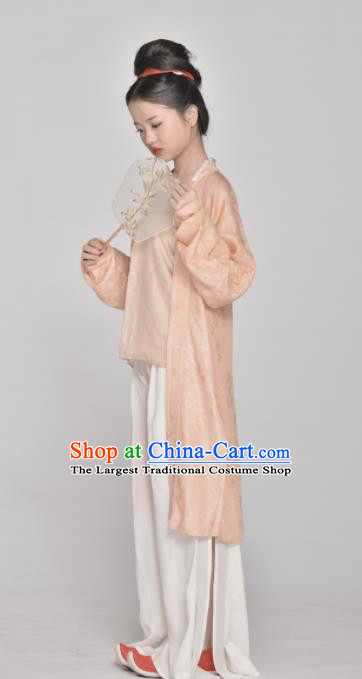
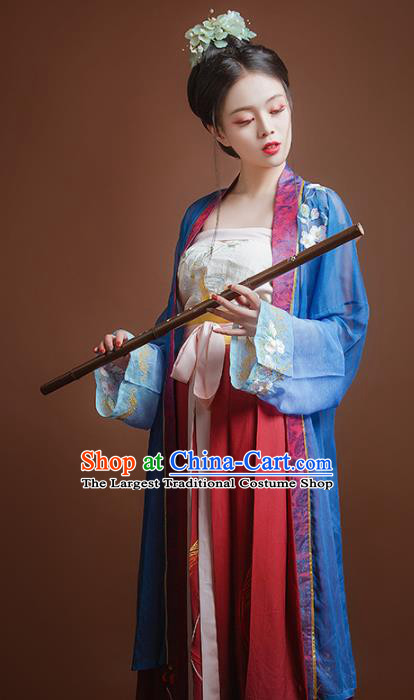
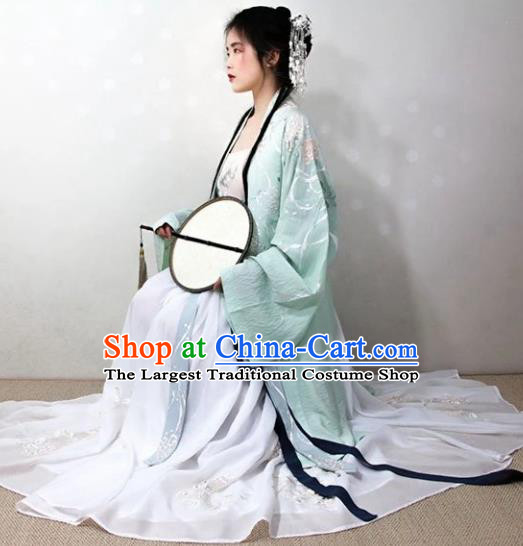
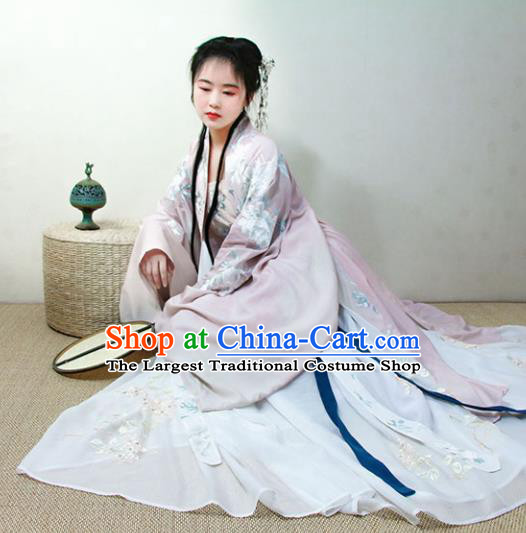
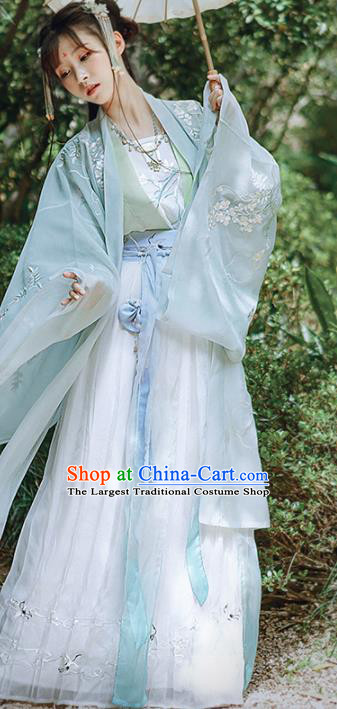
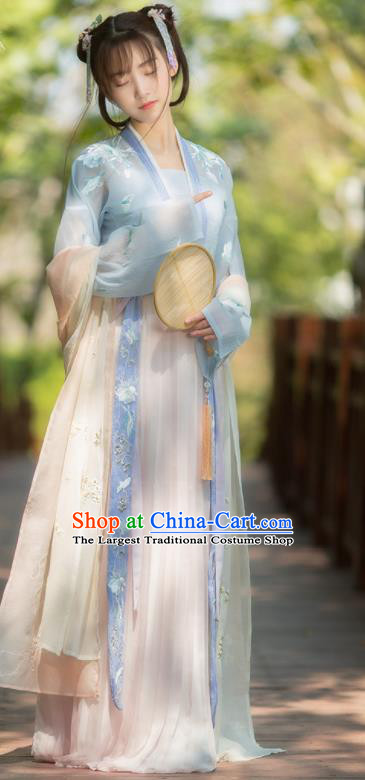
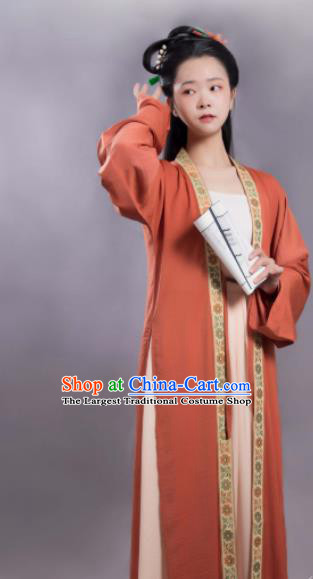
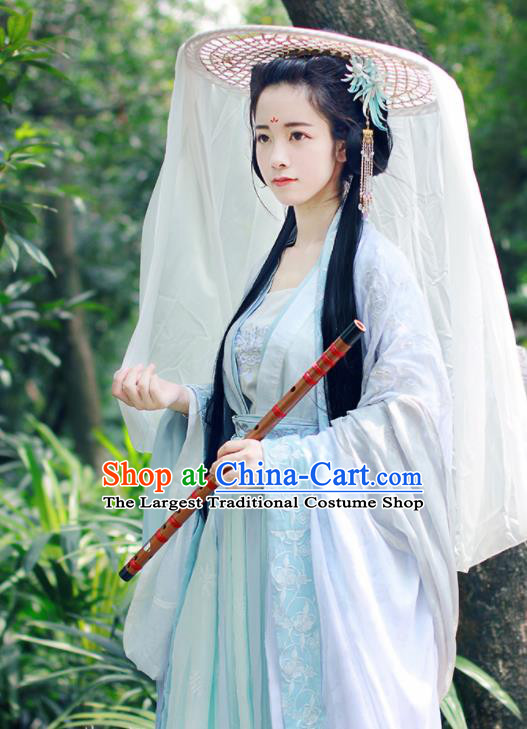
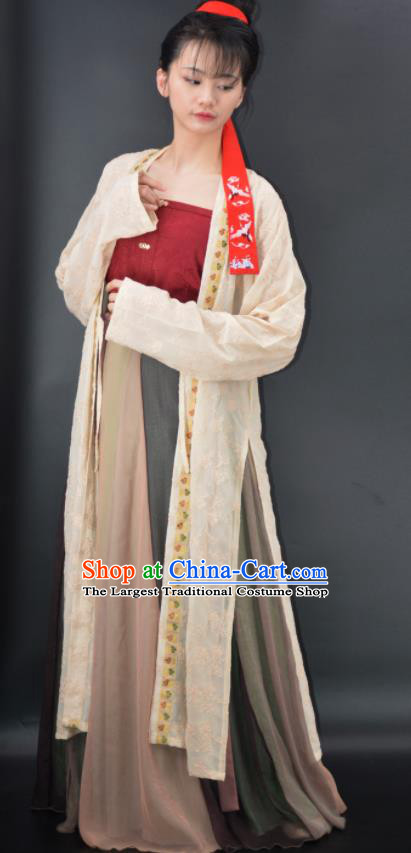
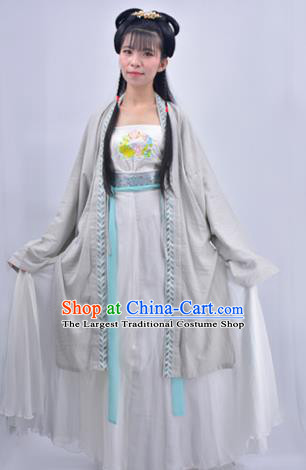
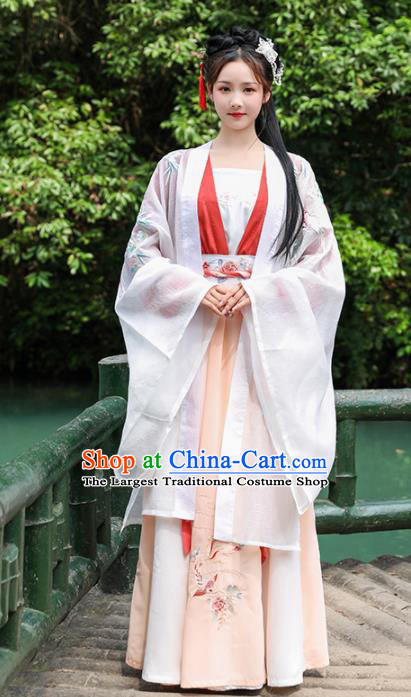
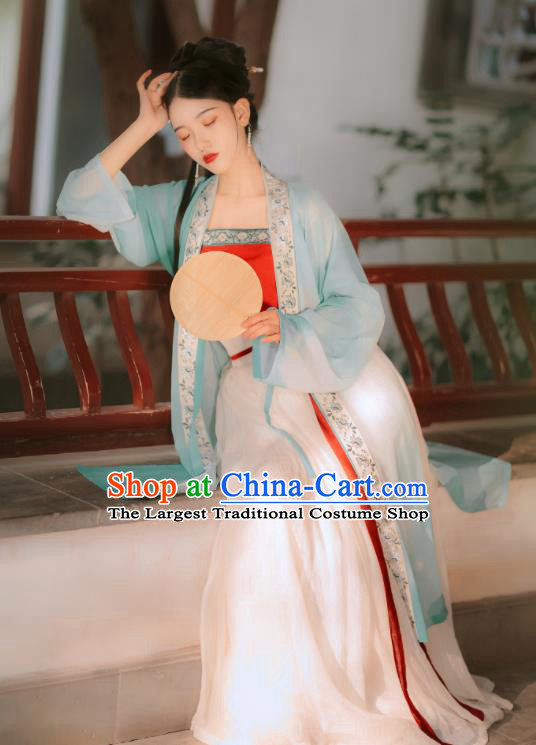
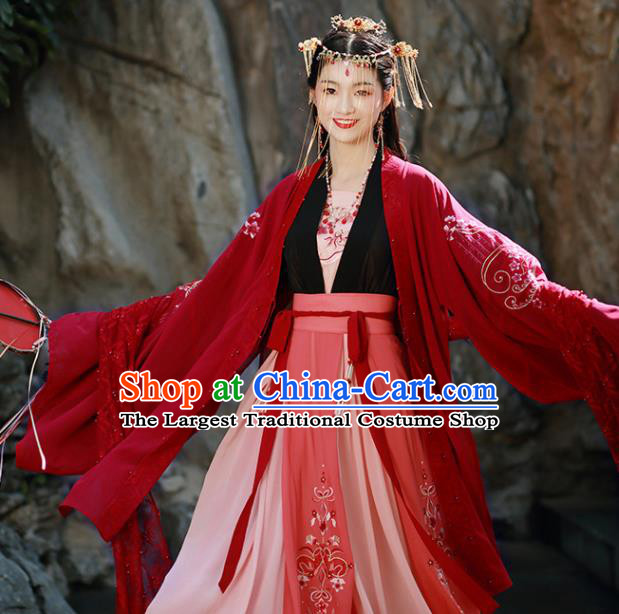
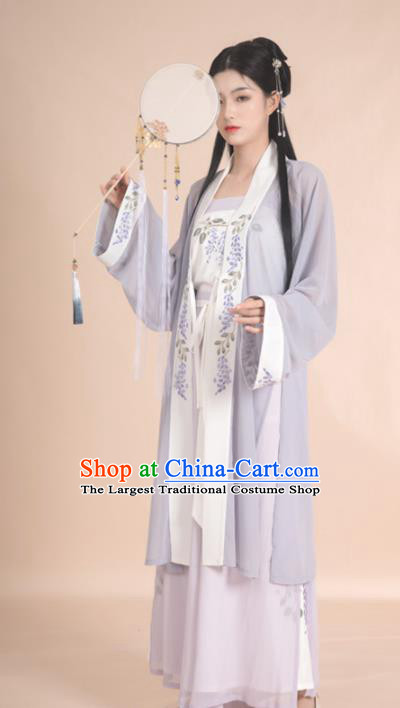
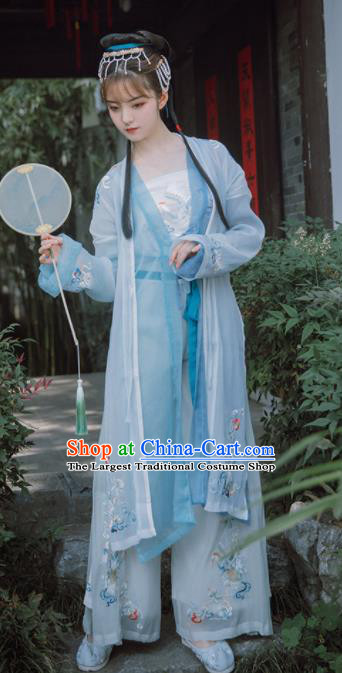
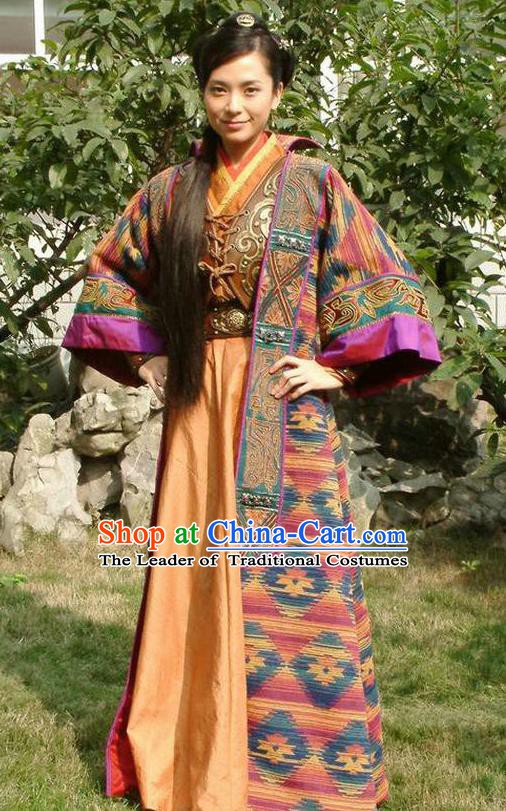
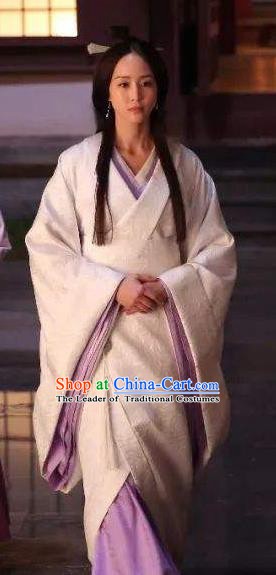
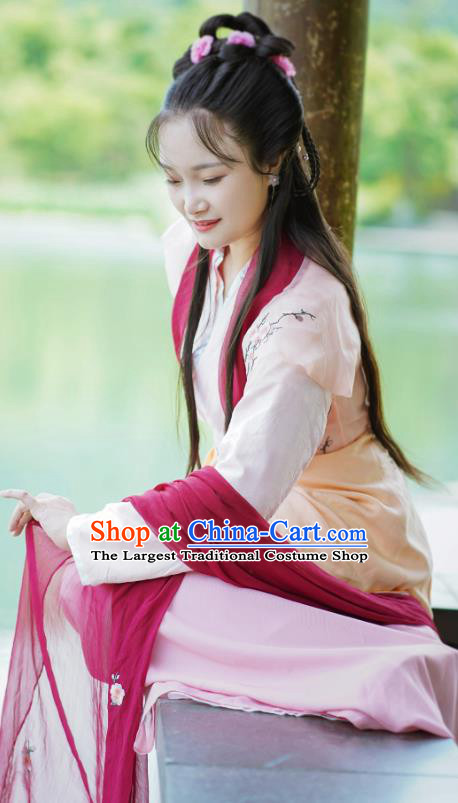
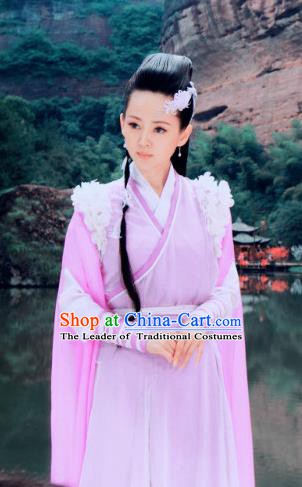
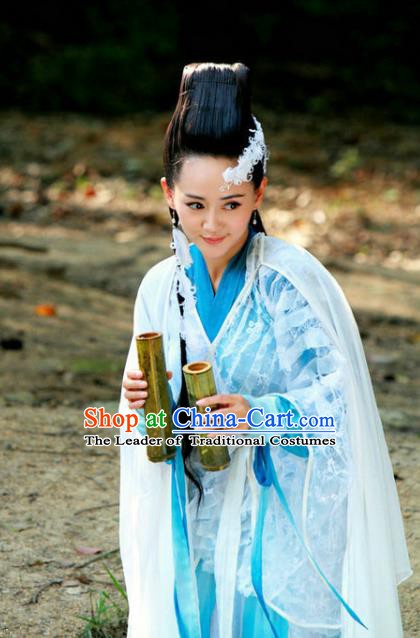
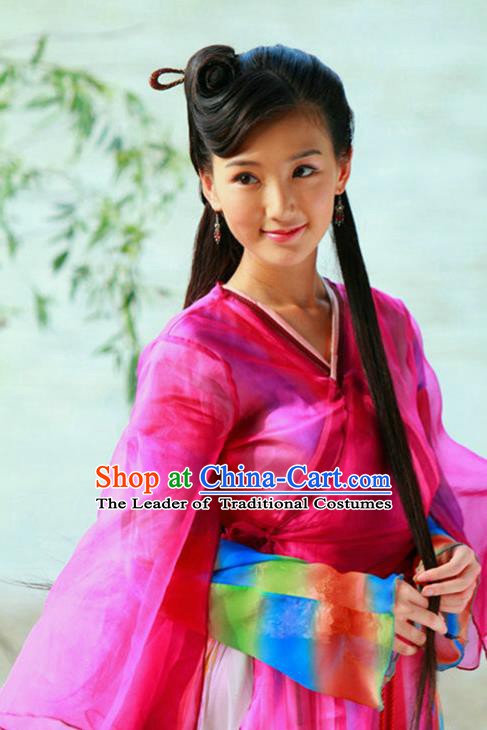
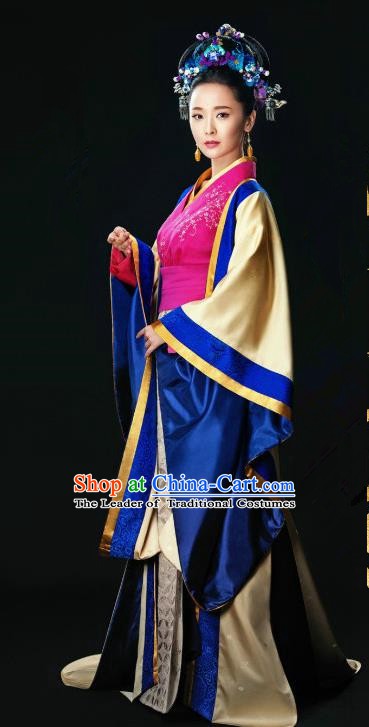
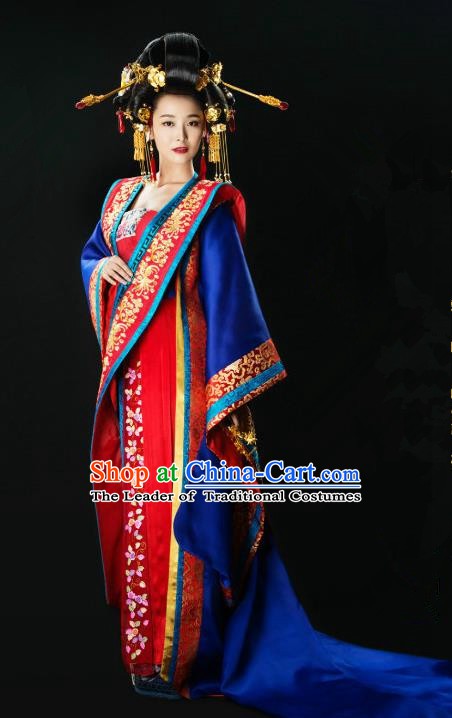
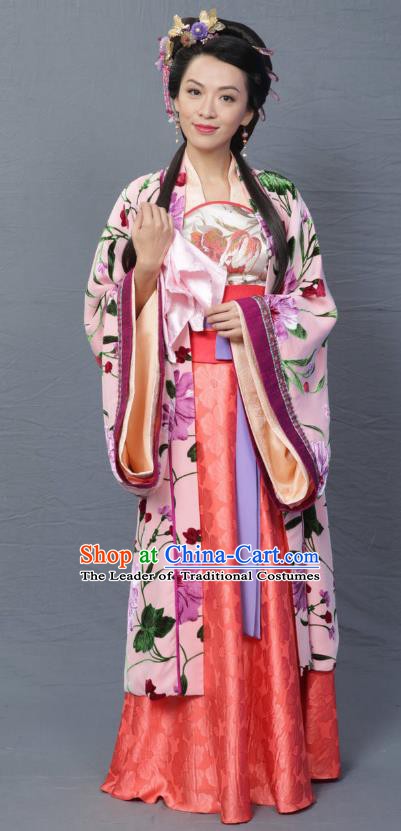
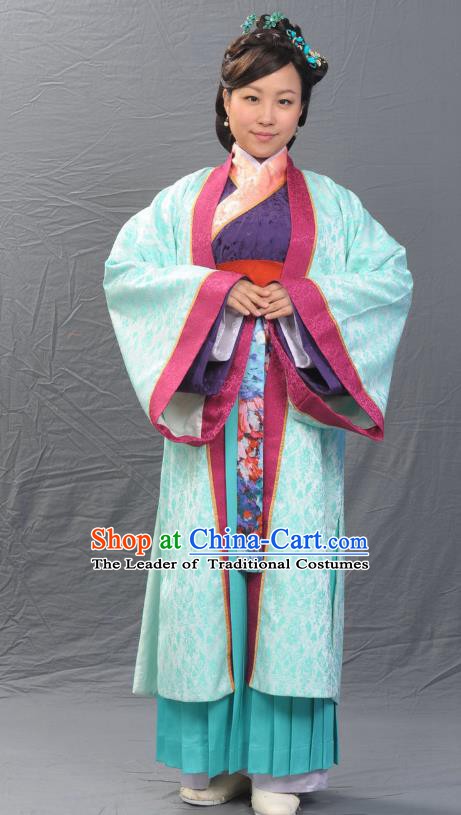
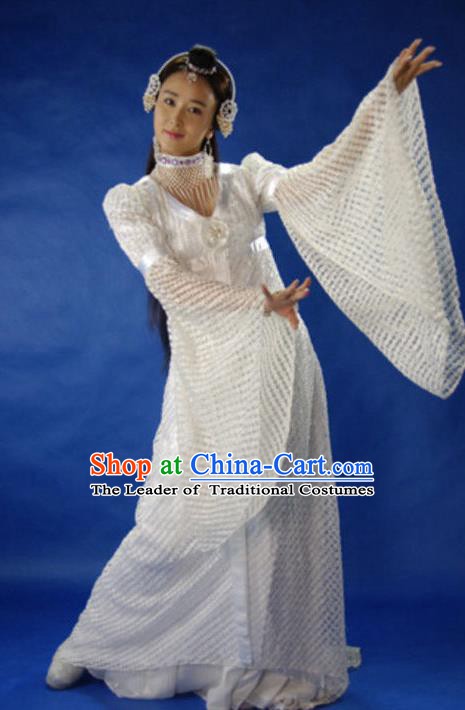
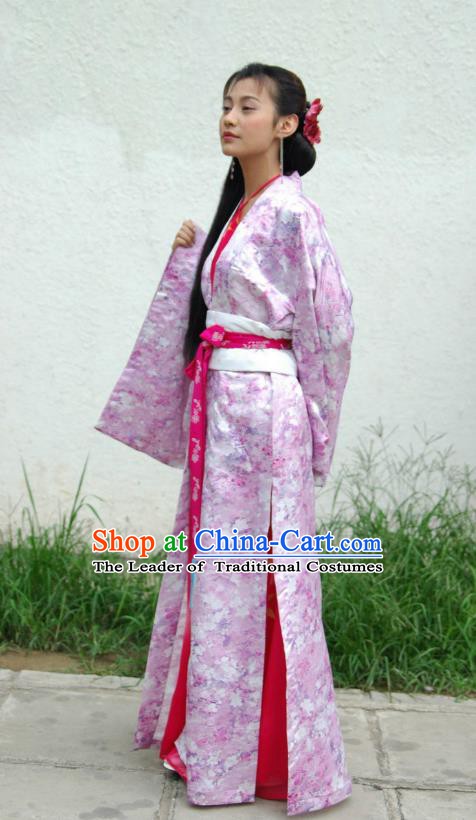
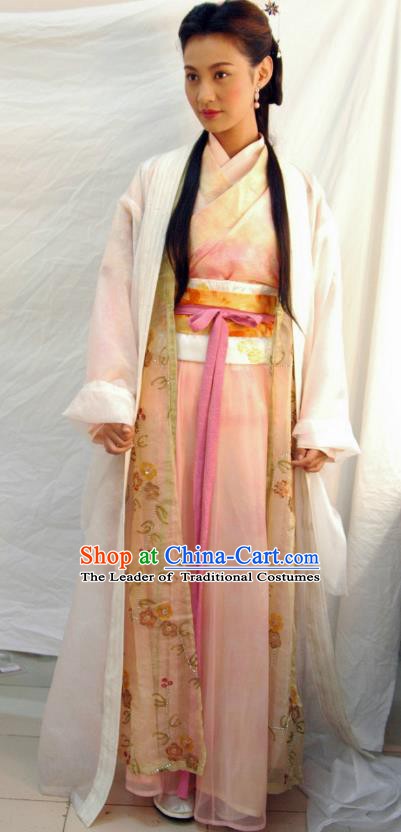
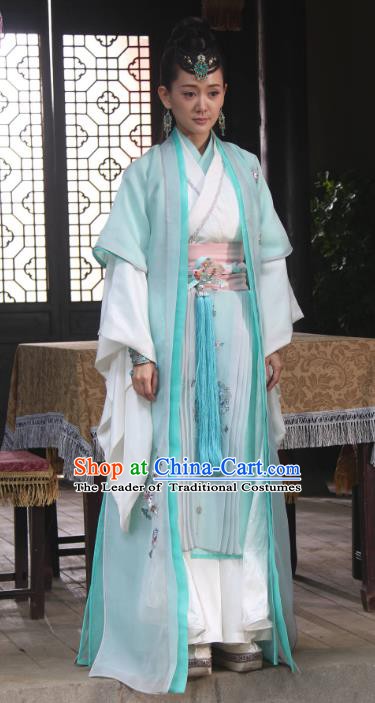
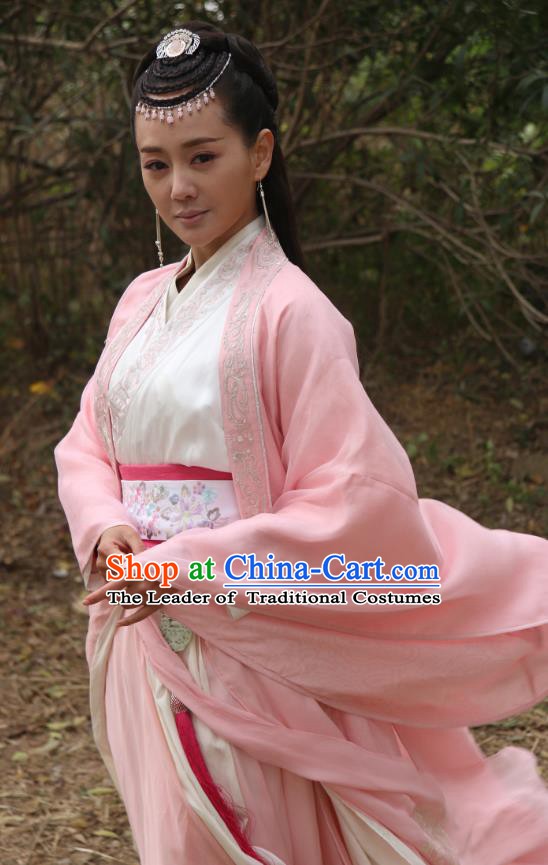
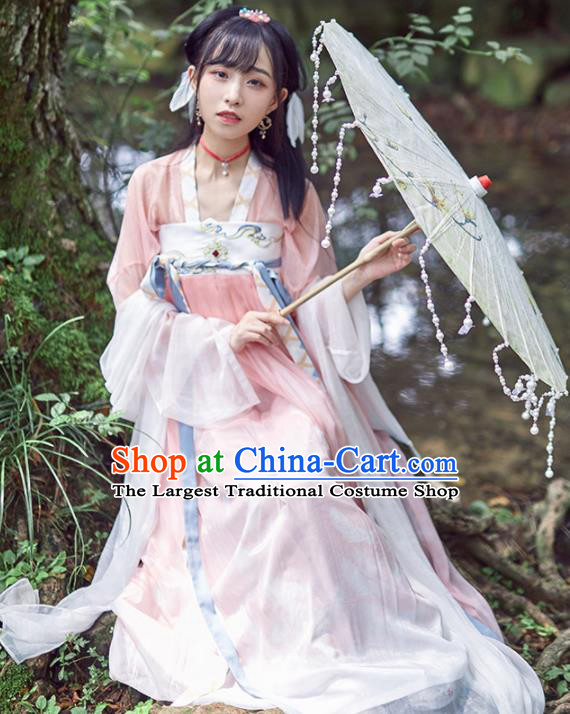
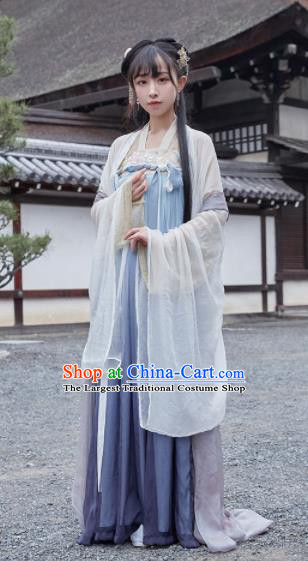
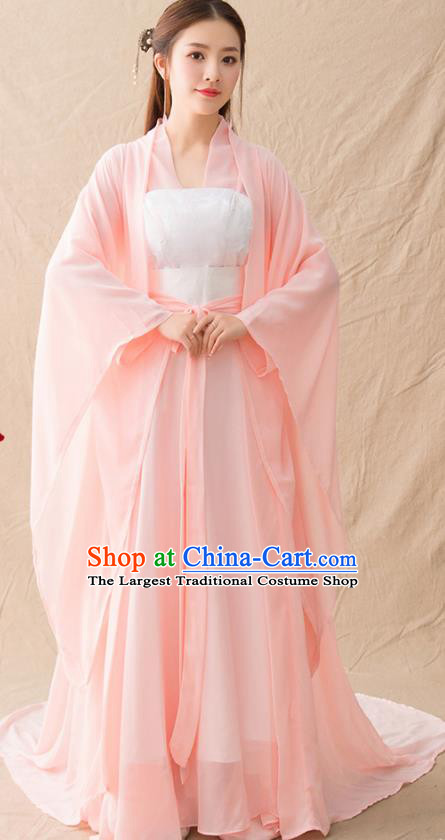
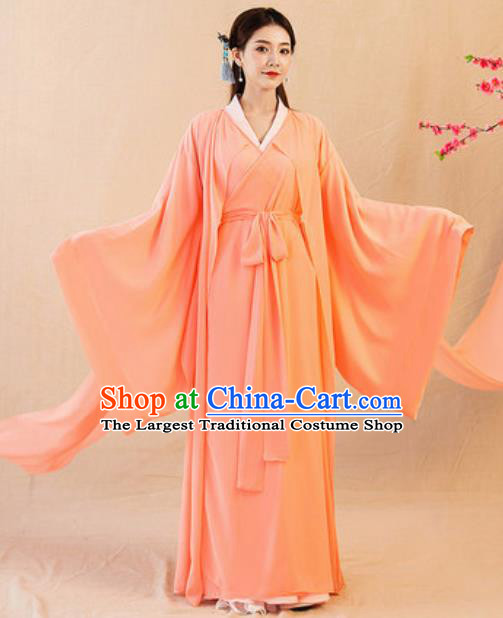
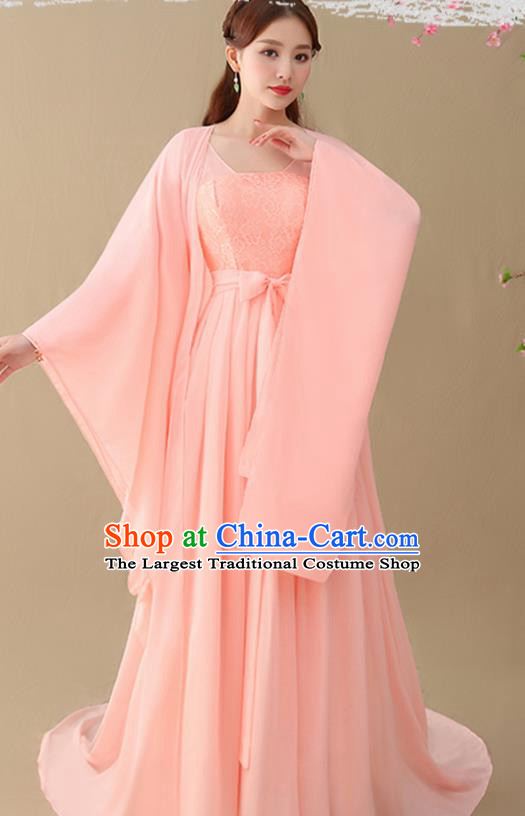
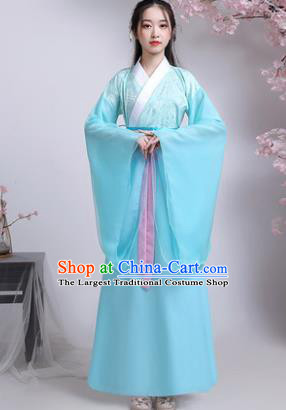
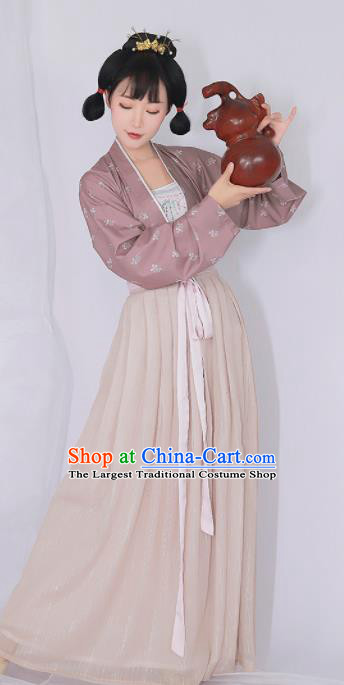
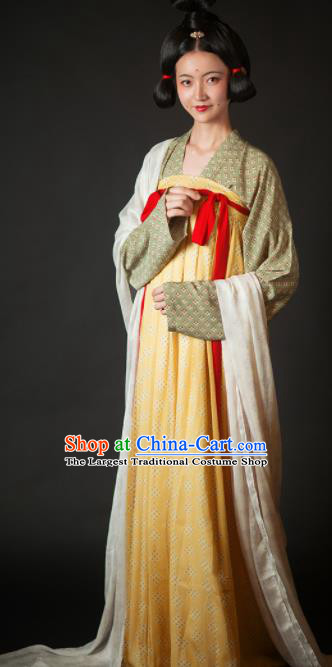
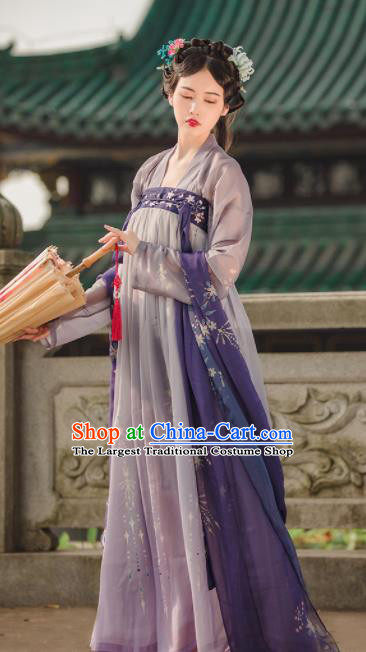
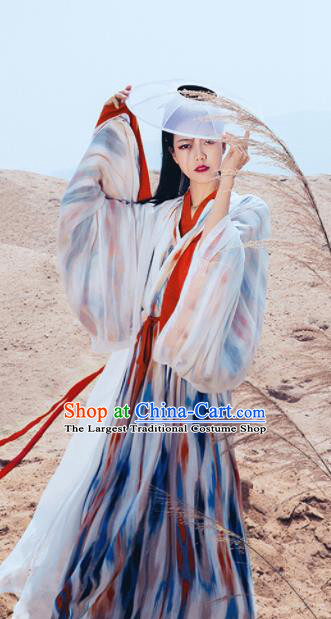
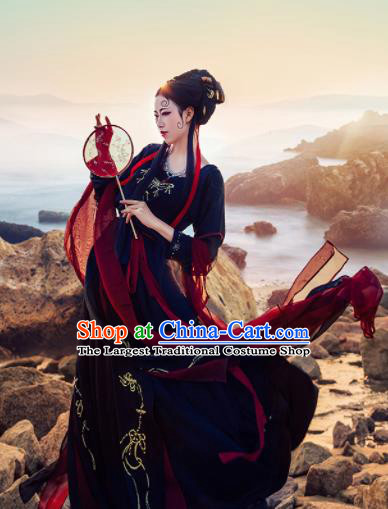
Traditional Chinese Hanfu, with its elegance, delicacy, and unique design, has become an eternal art form.
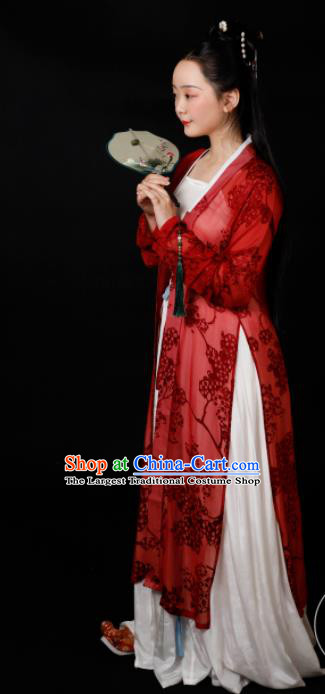
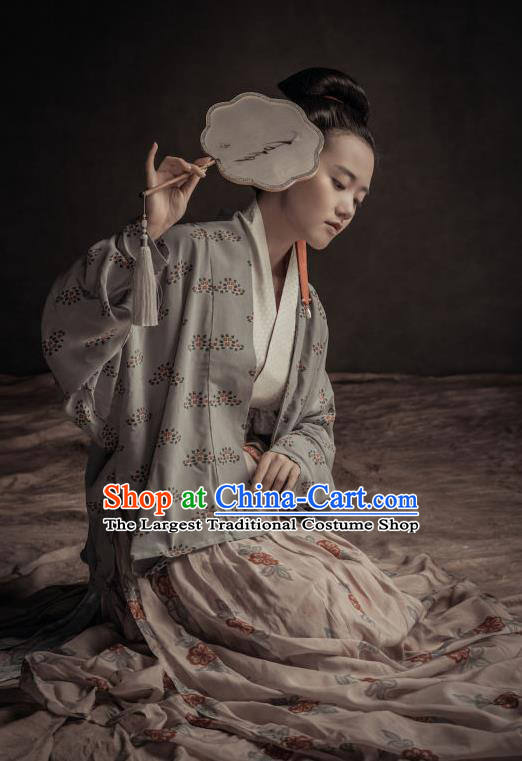
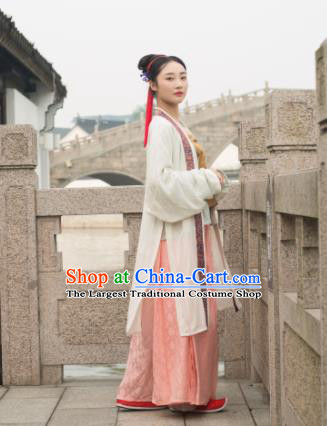
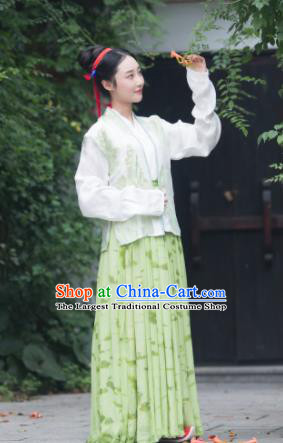
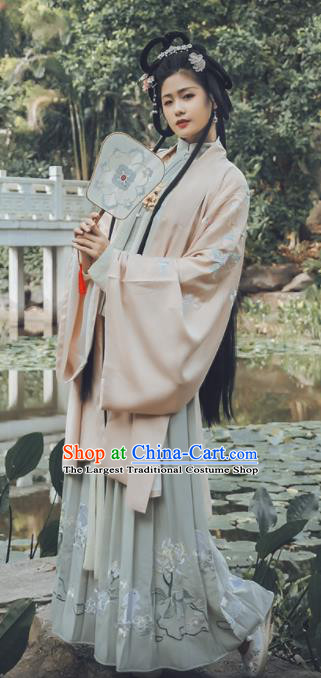
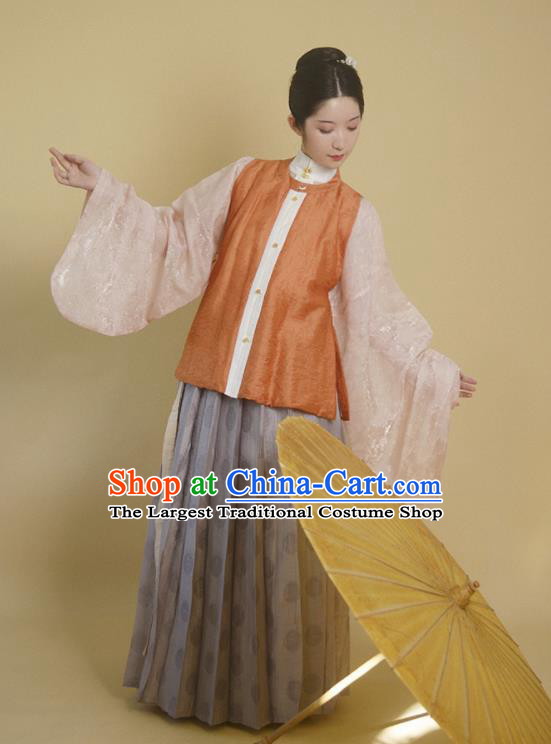
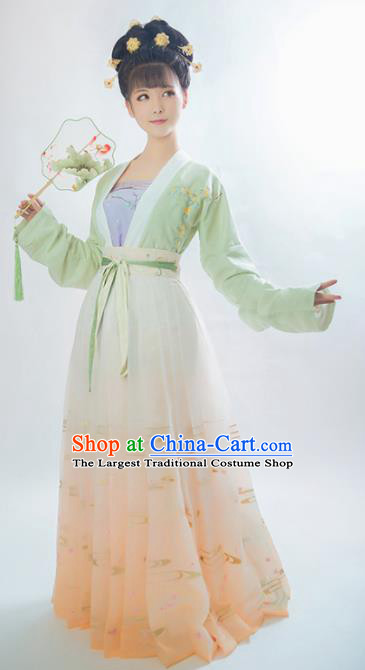
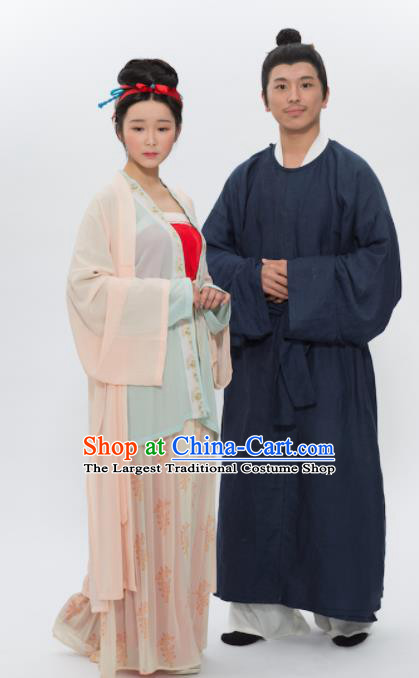
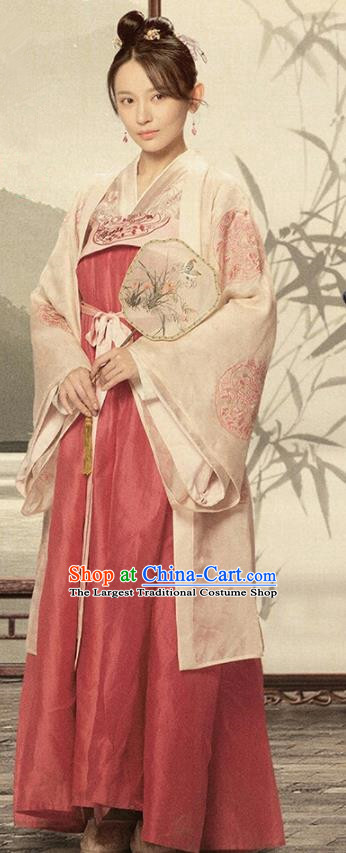
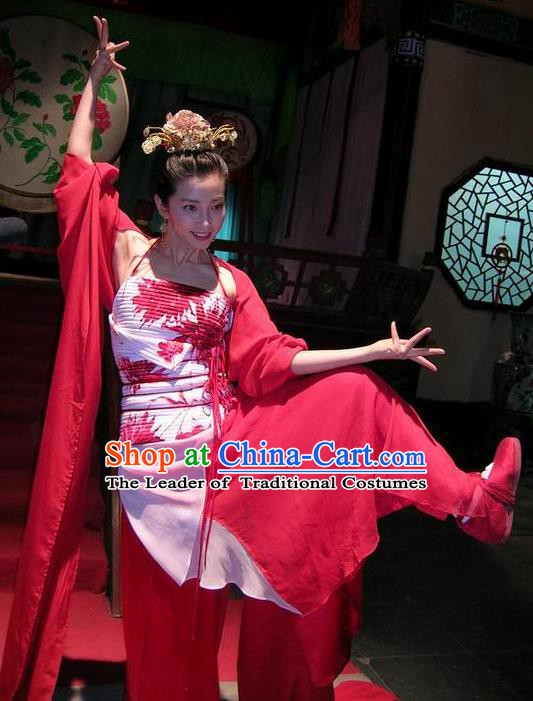
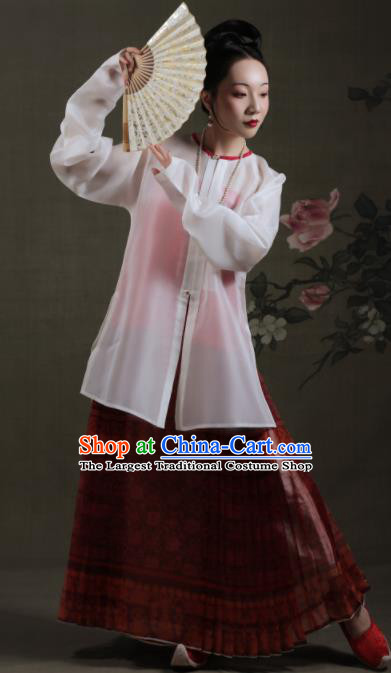
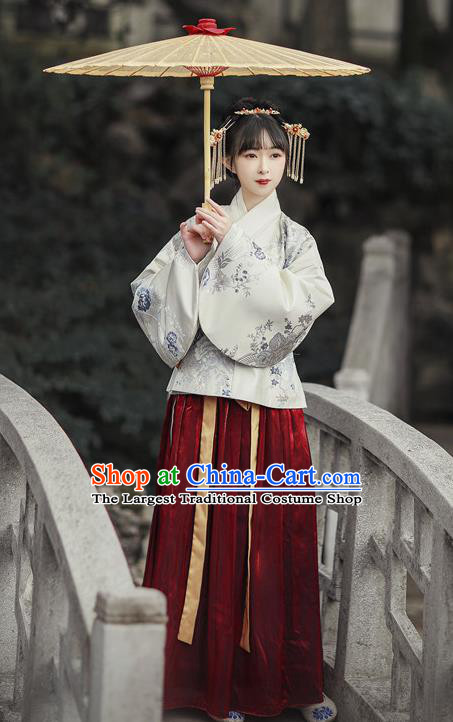
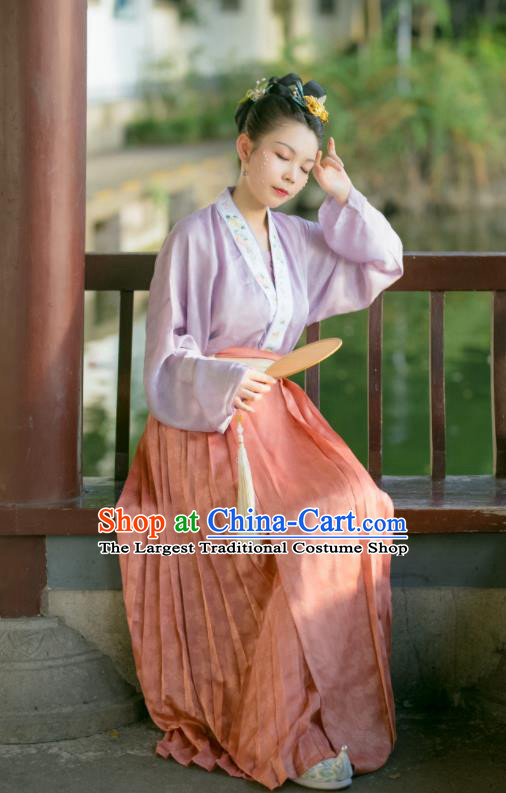
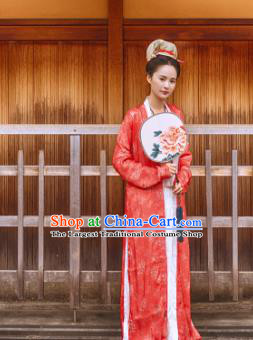
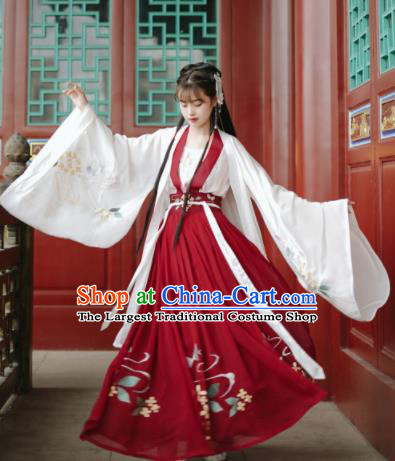
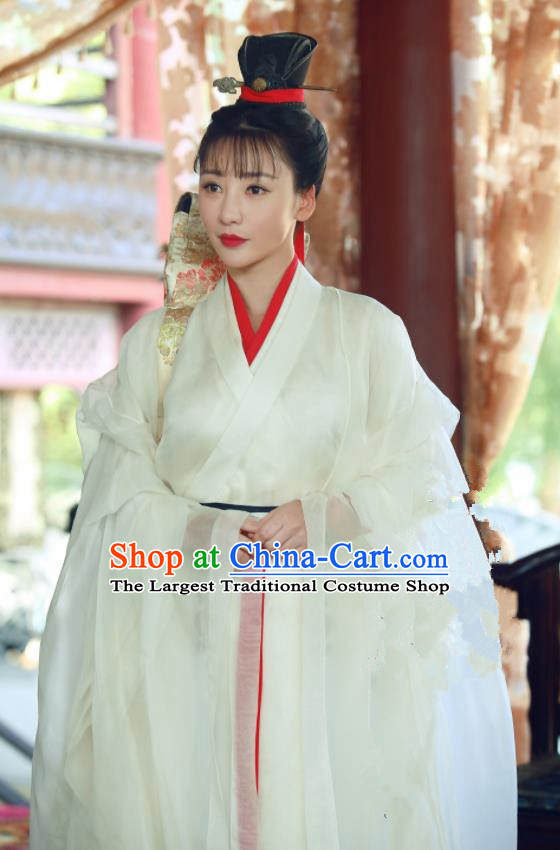
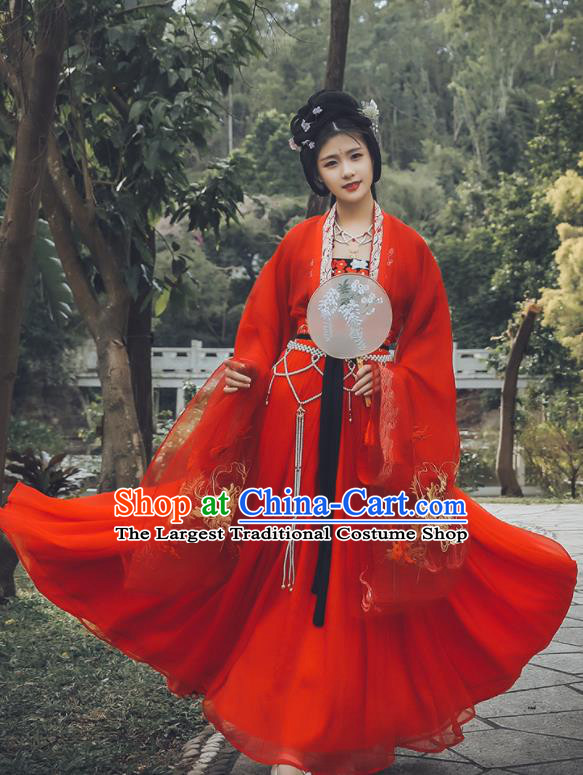
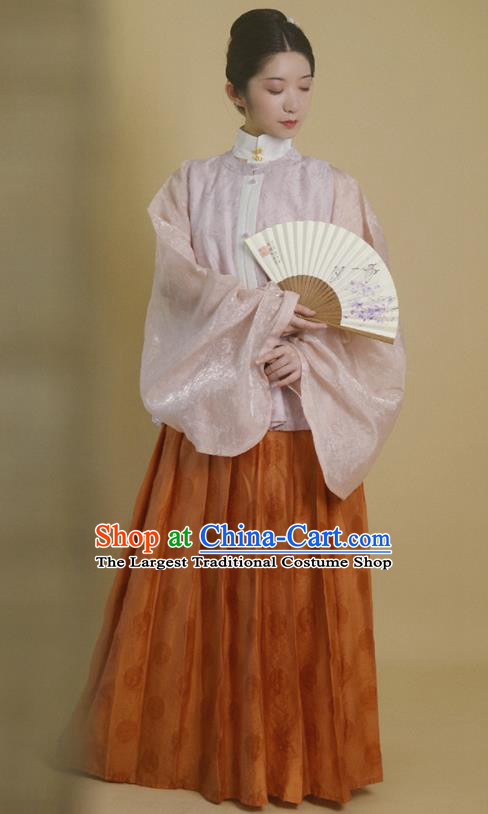
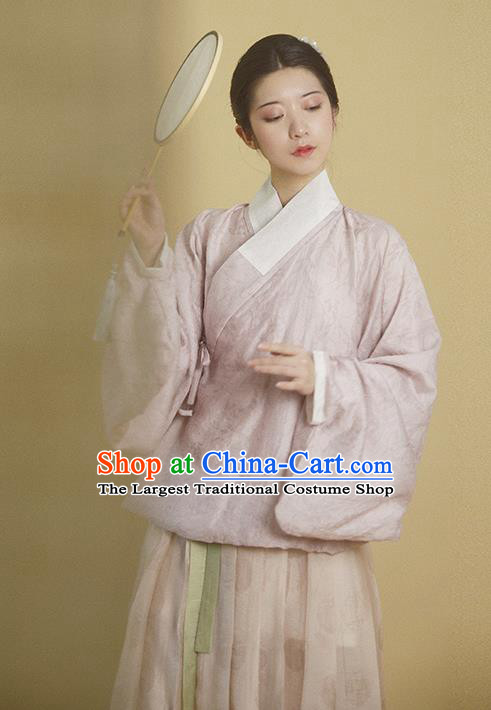
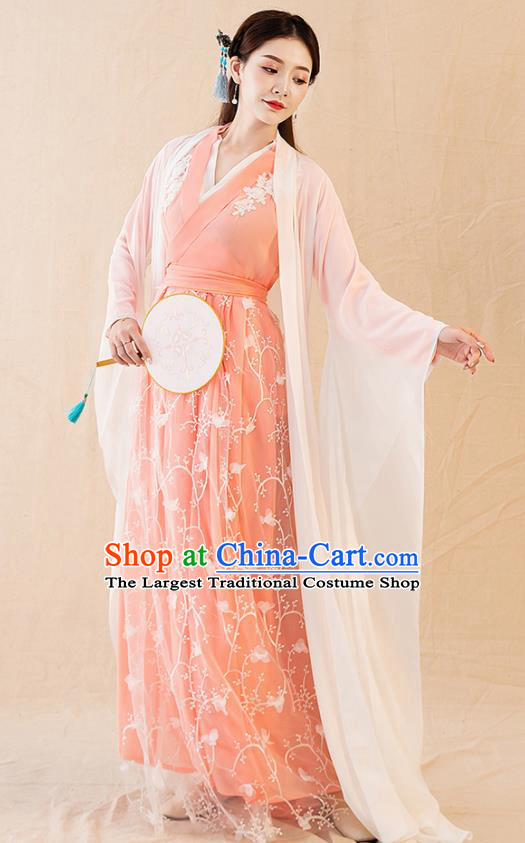
In this picture, a woman wearing a red and white skirt holds a fan, showing the image of an aristocratic maid in ancient dramas.
This Hanfu not only represents the essence of ancient Chinese culture but also reflects the hierarchical system of social classes at that time.
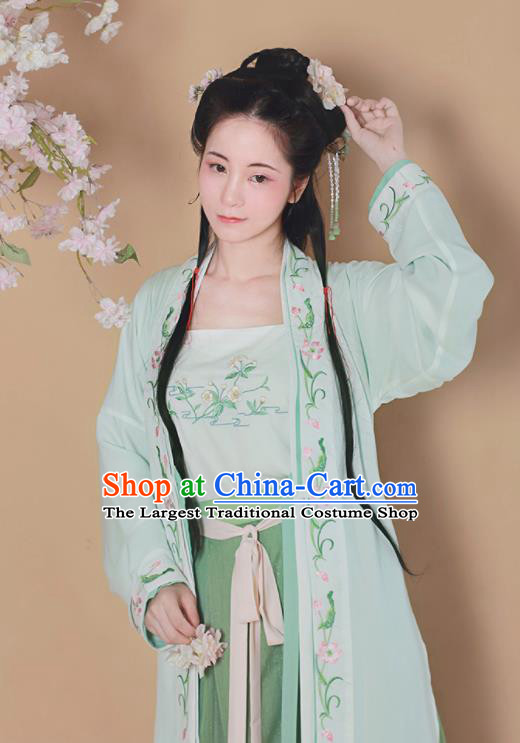
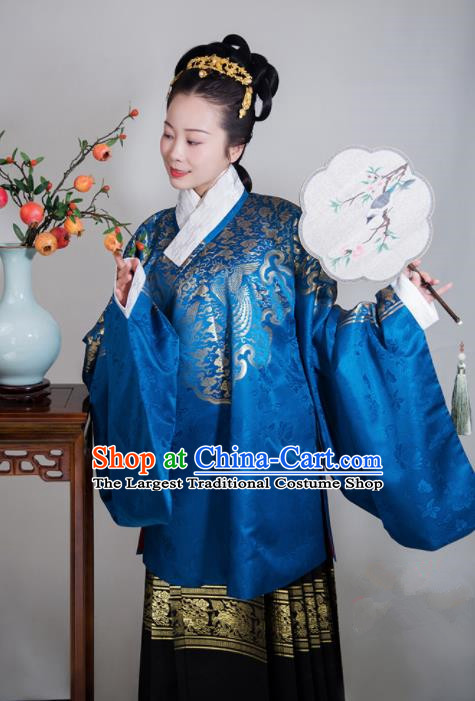
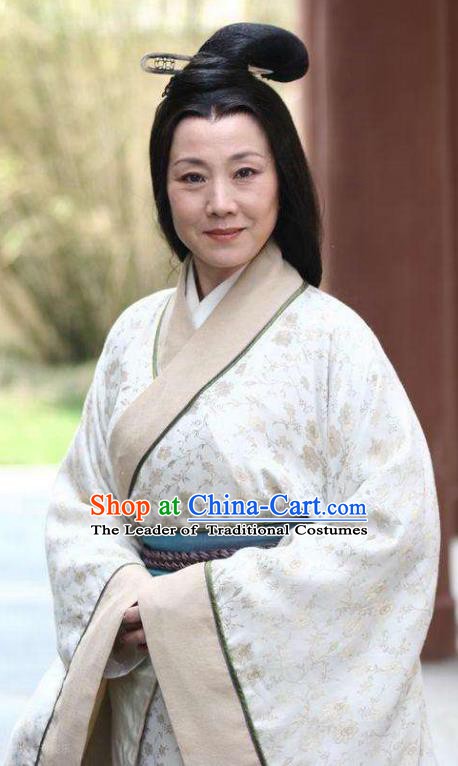
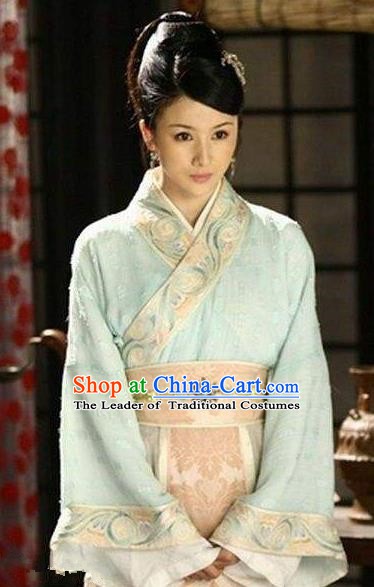
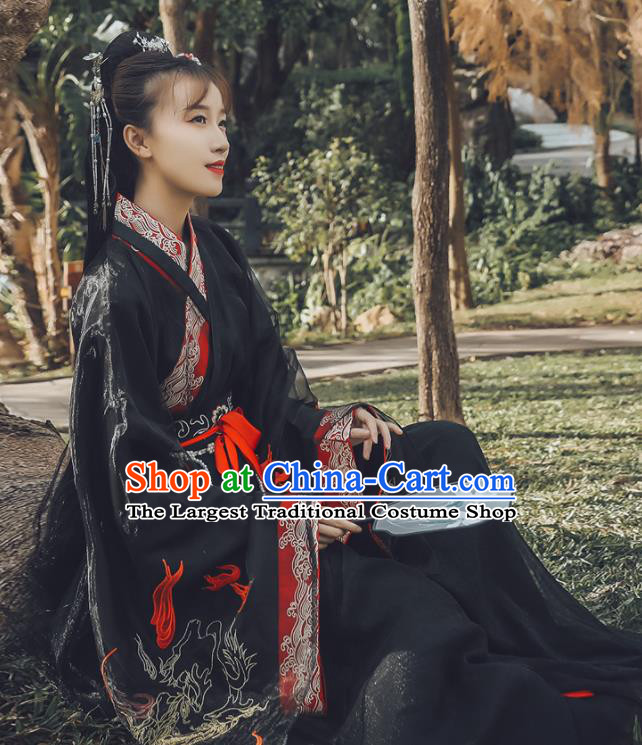
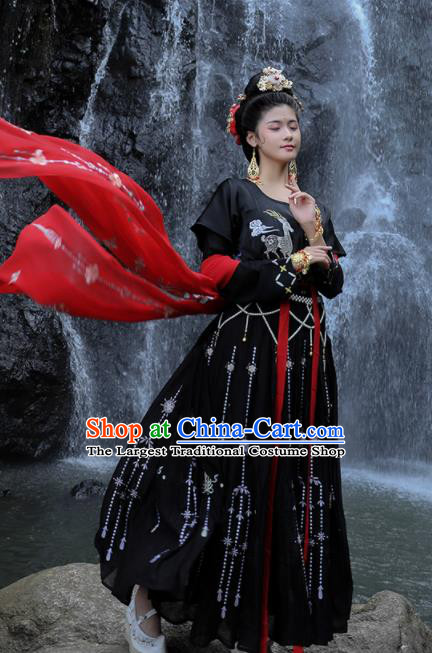
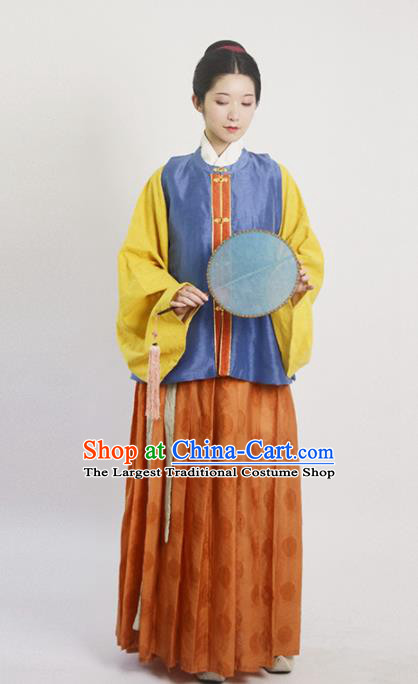
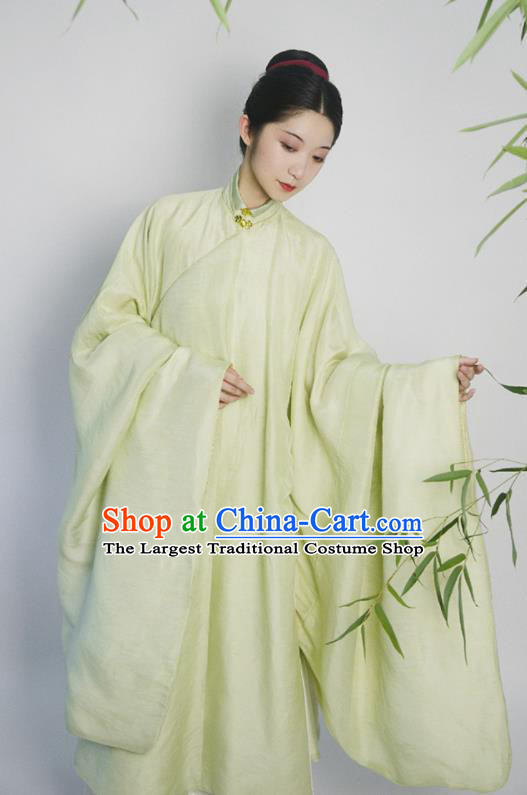
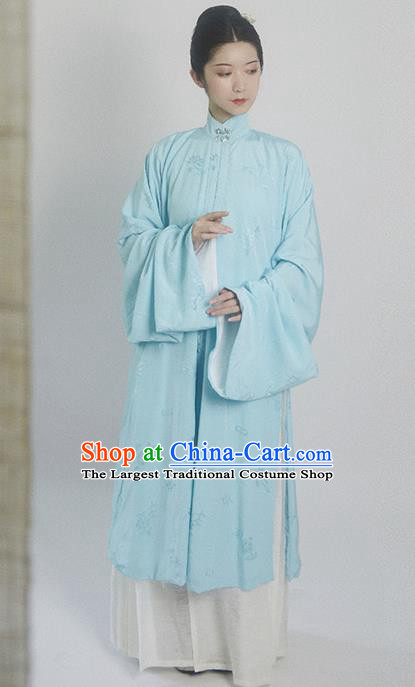
The design of Hanfu usually includes elements such as long robes, pleated skirts, and headdresses, all of which are carefully crafted and decorated.
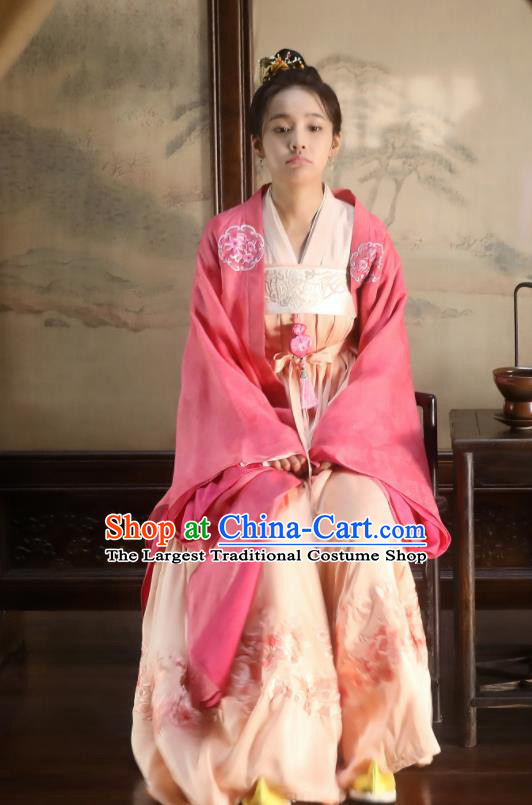
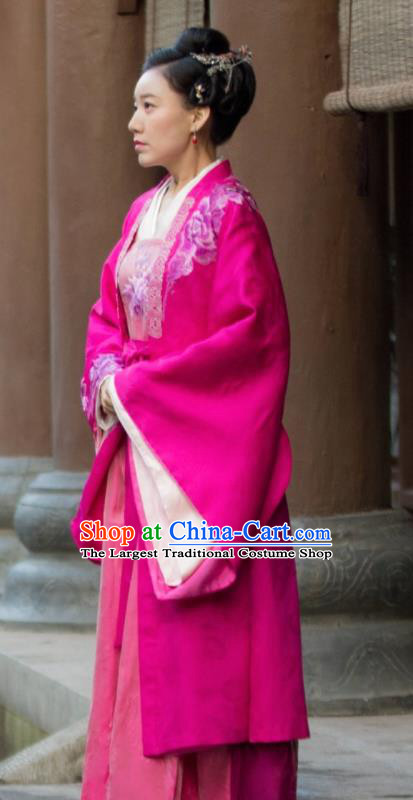
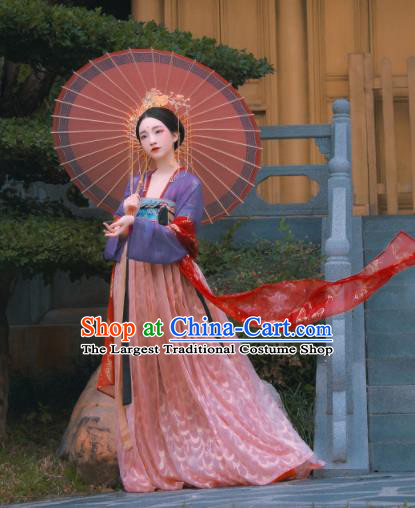
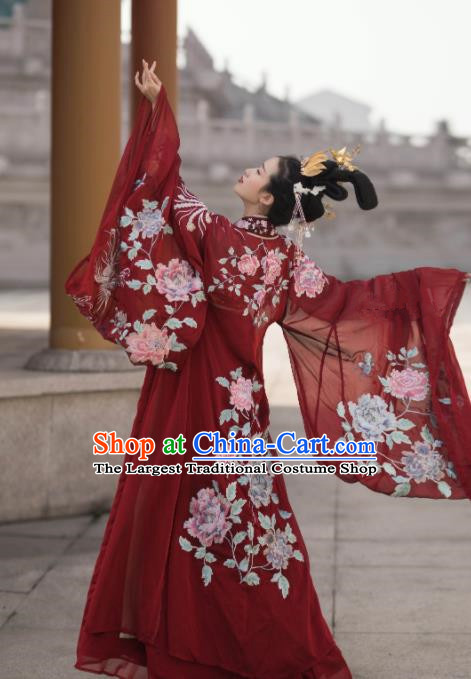
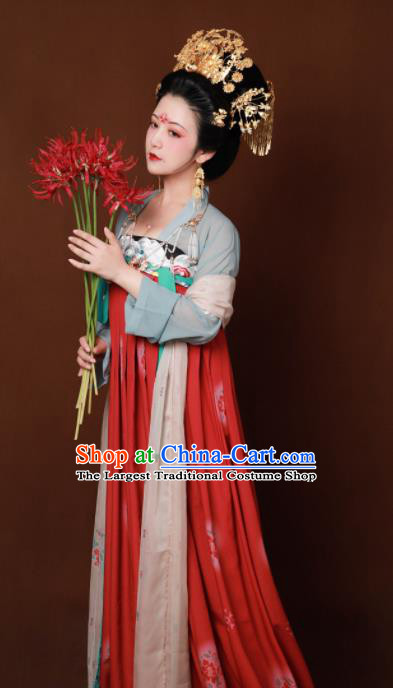
In this picture, the woman is wearing a red long robe with exquisite floral patterns, matched with a white pleated skirt.
Her hair is braided into a bun and she wears a golden headdress.
These details showcase the unique charm and exquisite craftsmanship of Hanfu.
In addition to its aesthetic value, Hanfu also carries rich historical significance.
The design and style of Hanfu have changed over different periods in Chinese history, reflecting the political, economic, and social changes of those times.
For example, during the Tang Dynasty, Hanfu was more luxurious and intricate, while during the Song Dynasty it was simpler and more elegant.
By studying the historical evolution of Hanfu, we can better understand the developmental context of ancient Chinese culture.
In conclusion, the red and white Hanfu in this picture showcases the essence and unique charm of ancient Chinese culture.
It is not only a beautiful art form but also carries rich historical significance and cultural connotations.