
Click Related Pictures for More Audios:
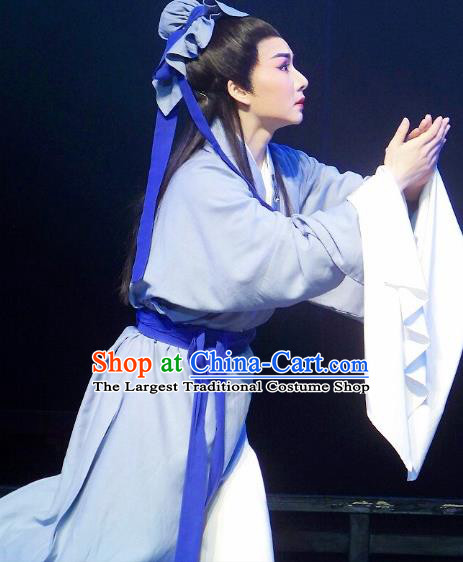
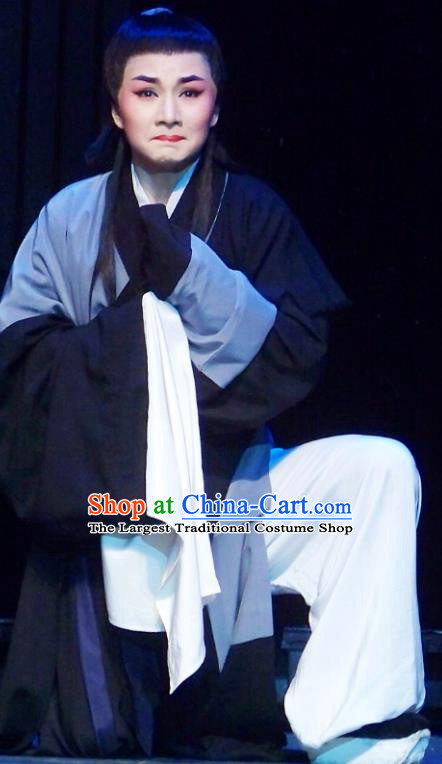
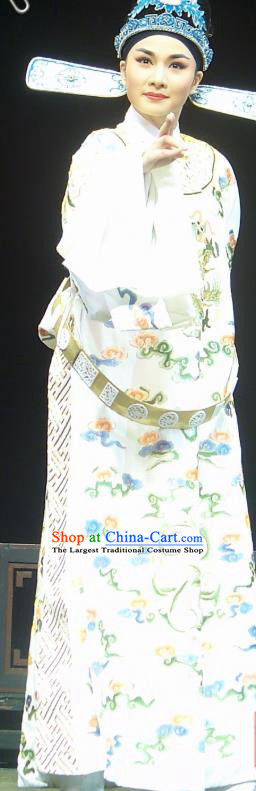
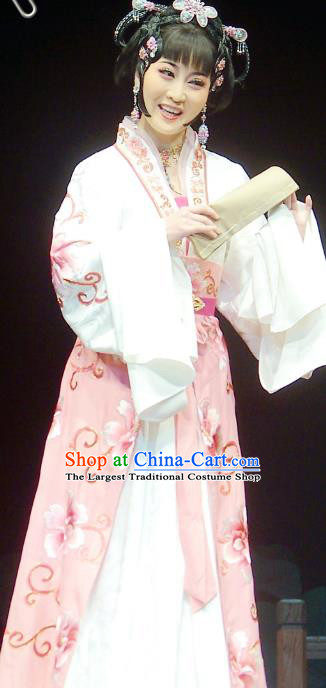
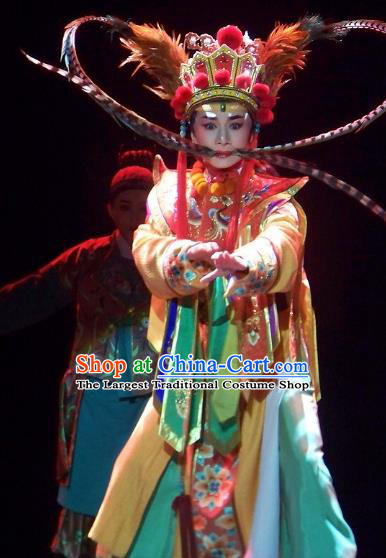
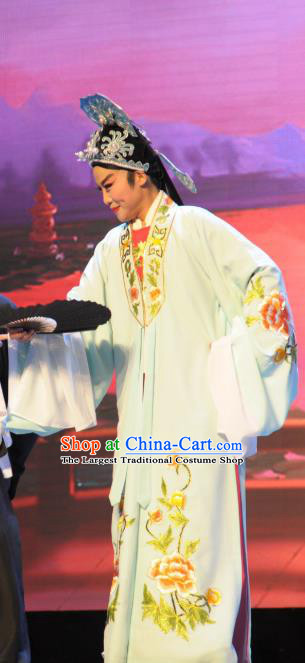
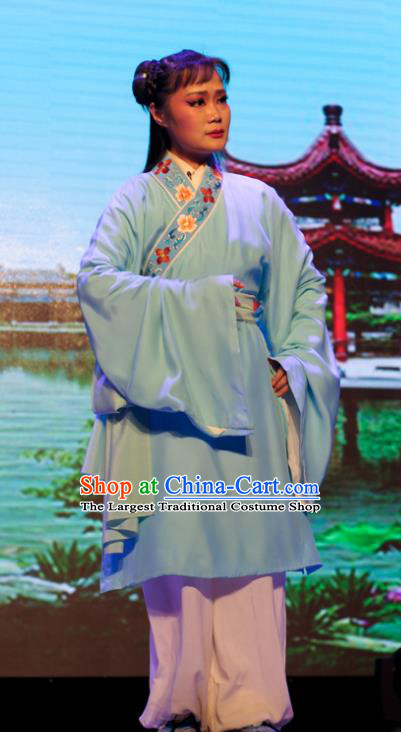
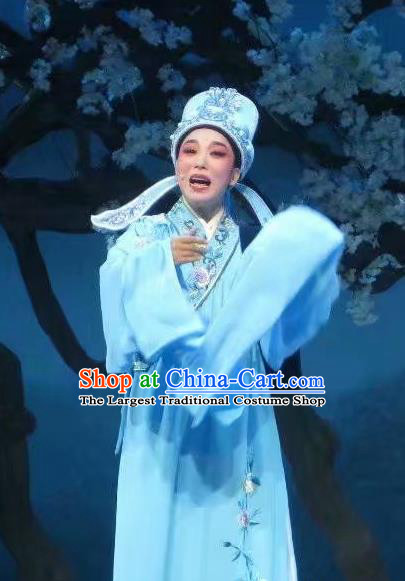
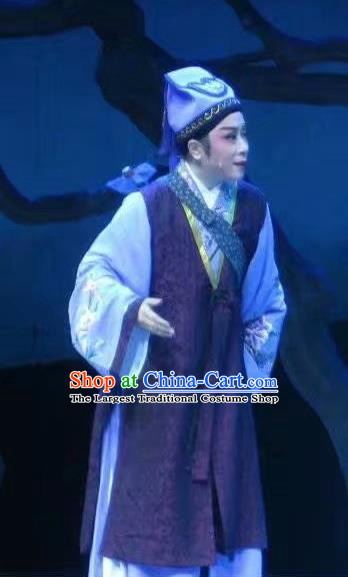
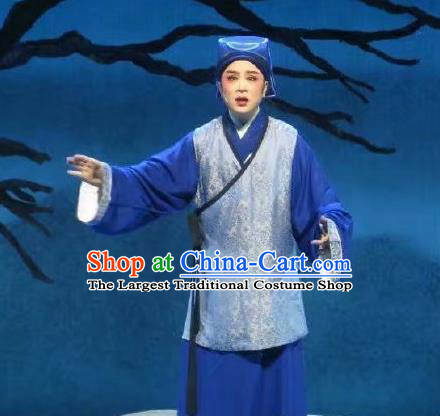
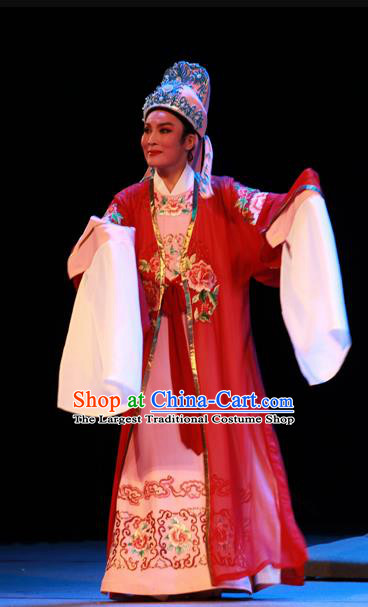
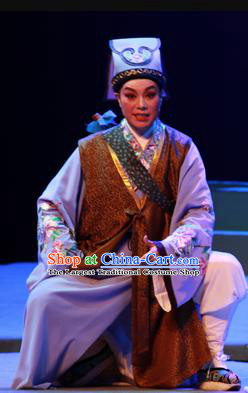
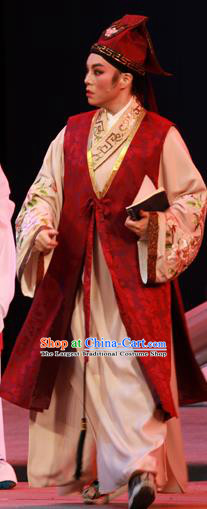
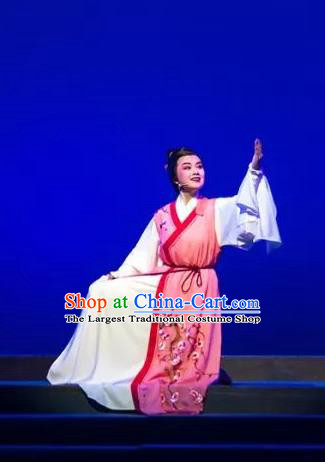
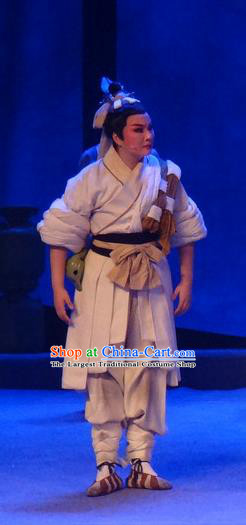
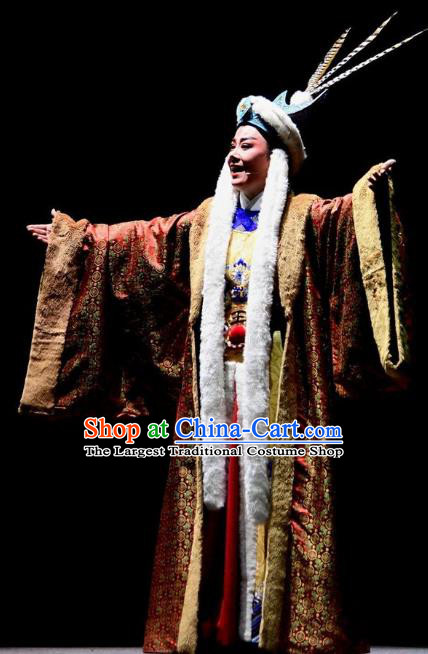
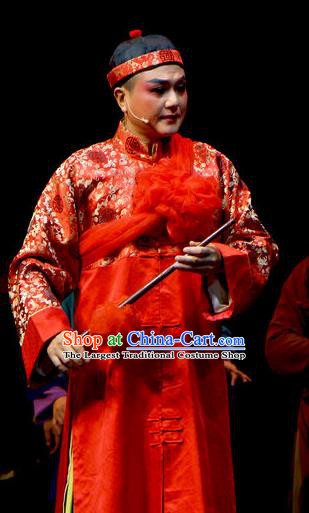
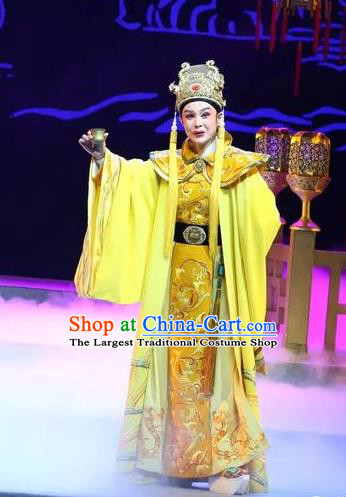
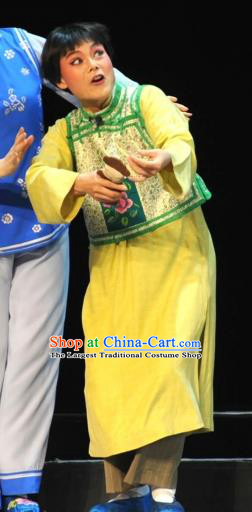
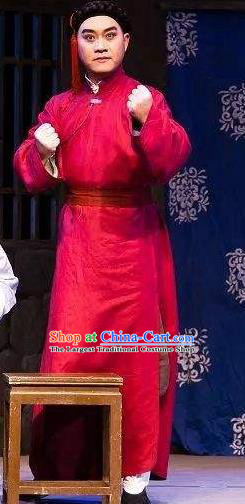
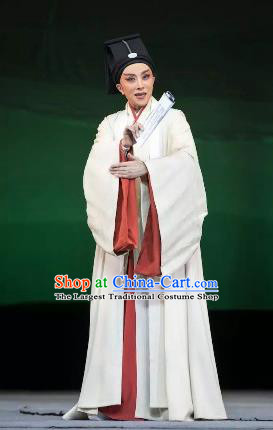
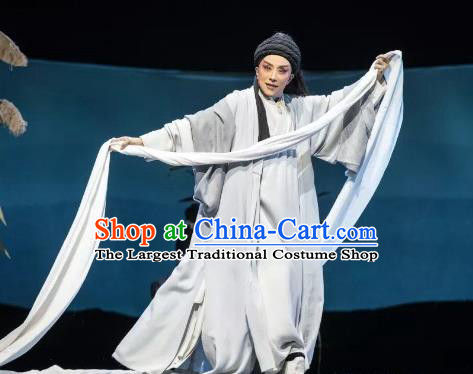
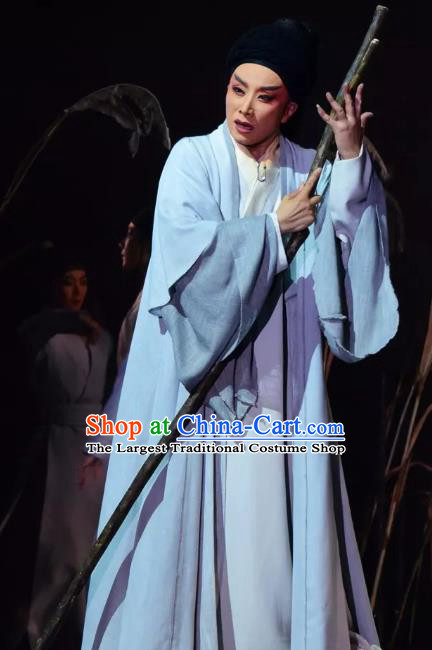
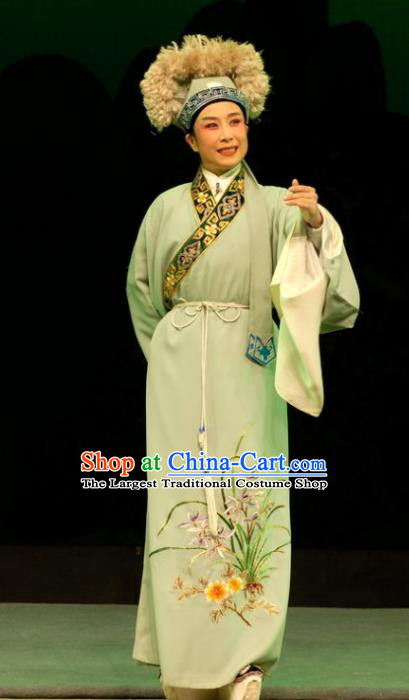
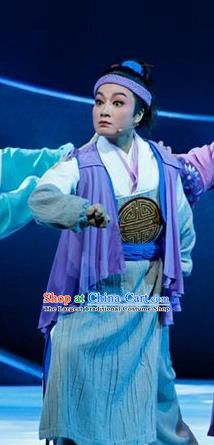
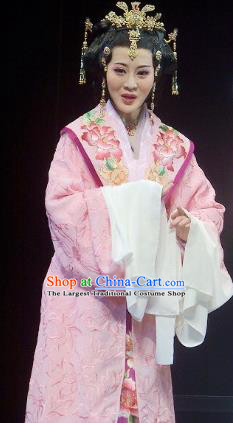
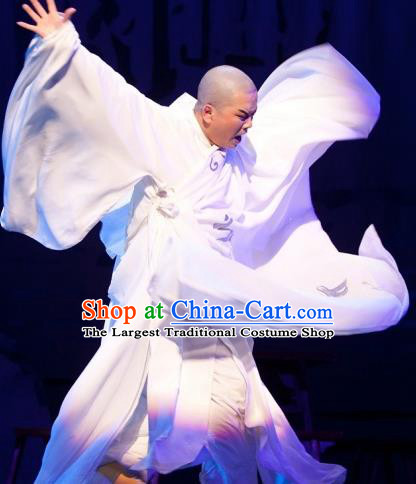
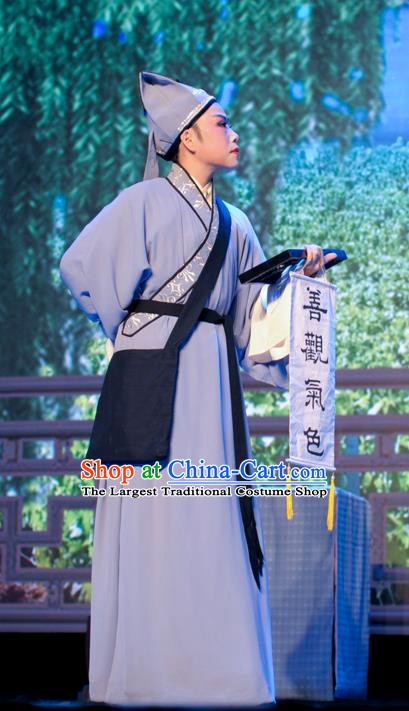
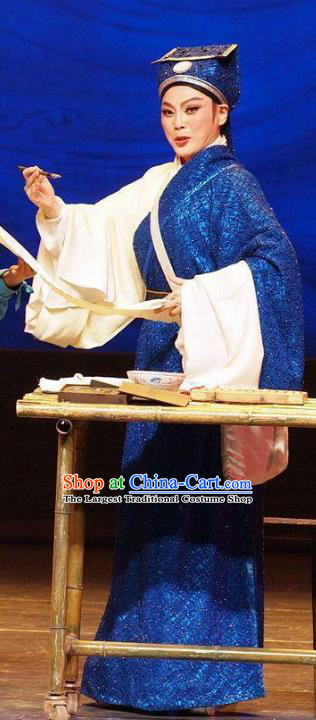
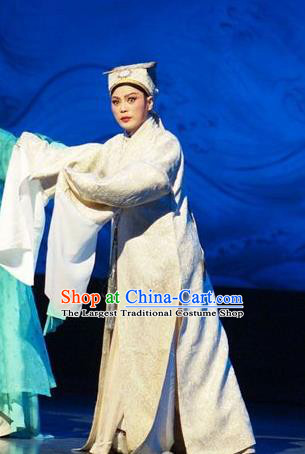
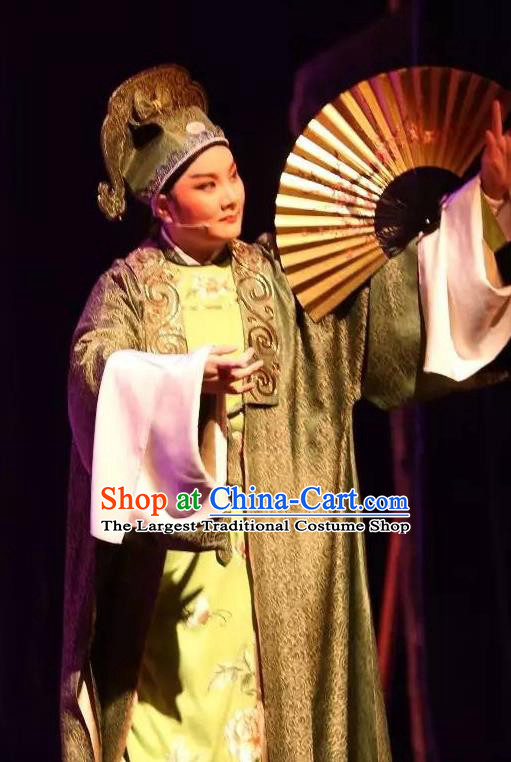
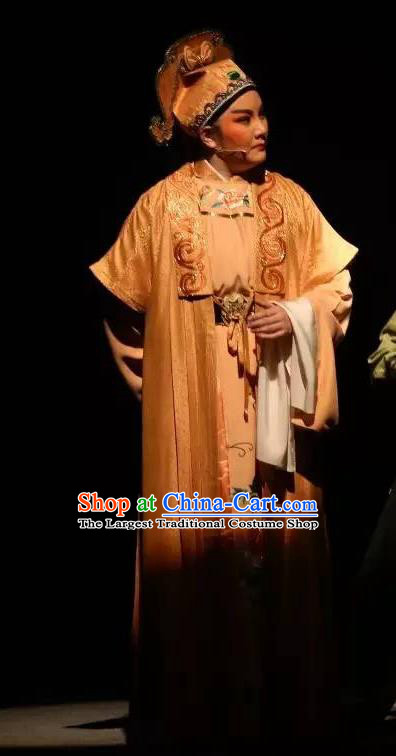
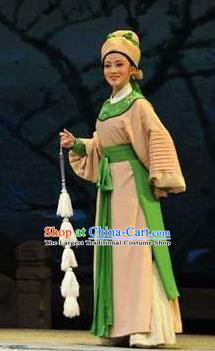
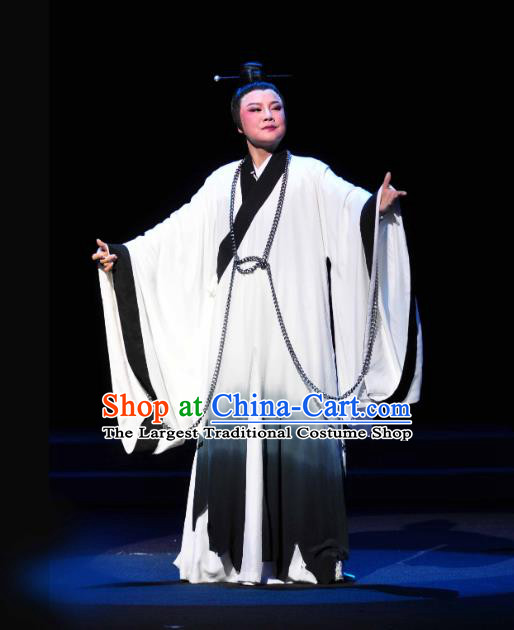
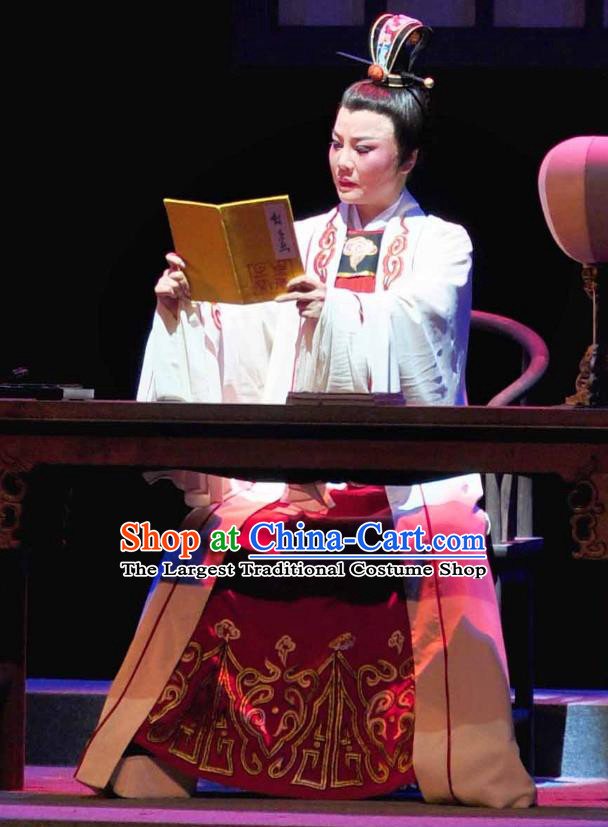
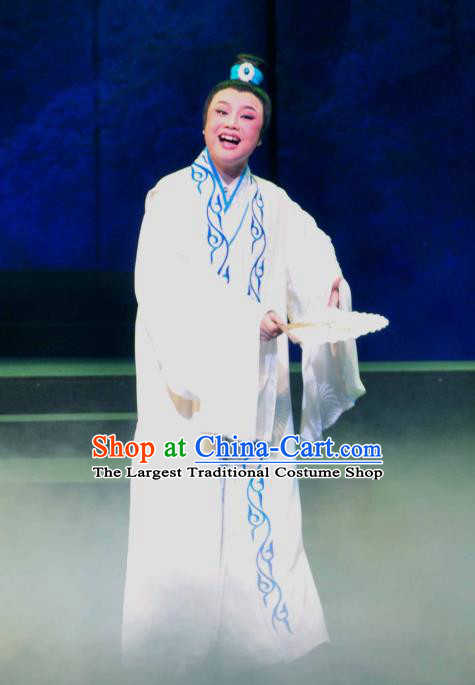
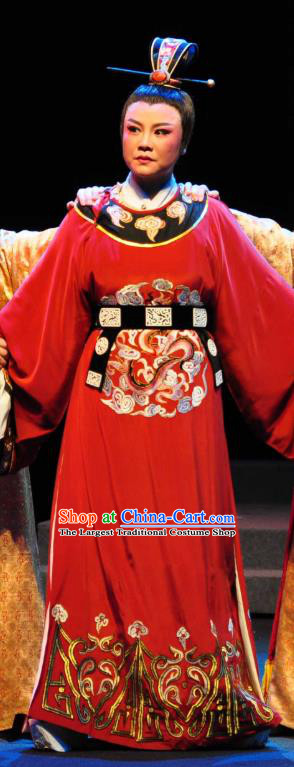
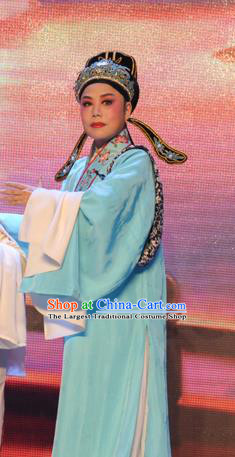
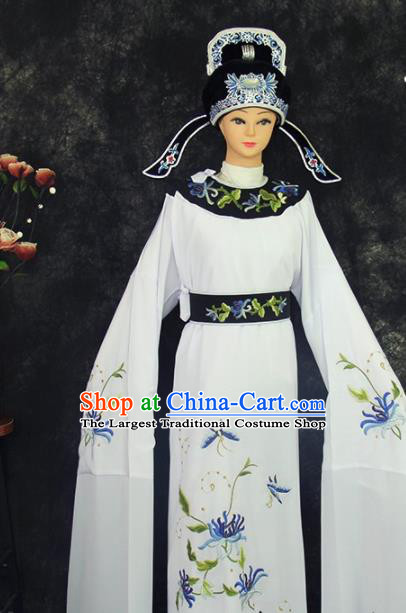
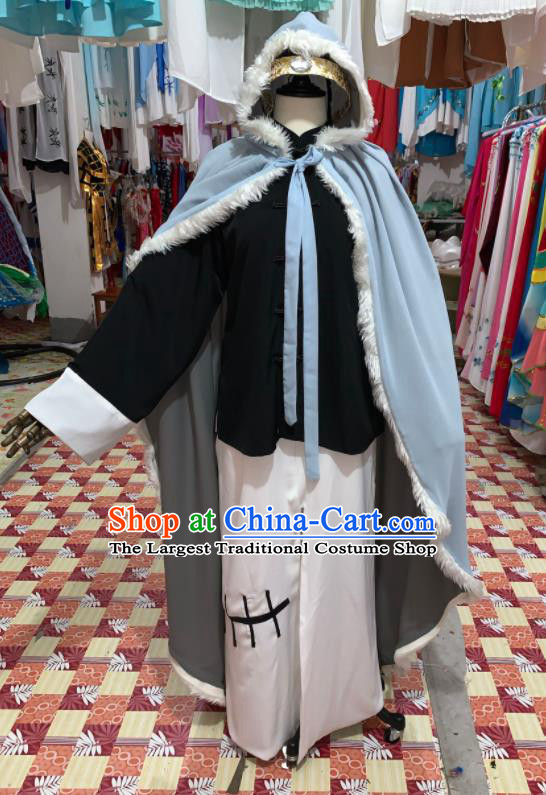
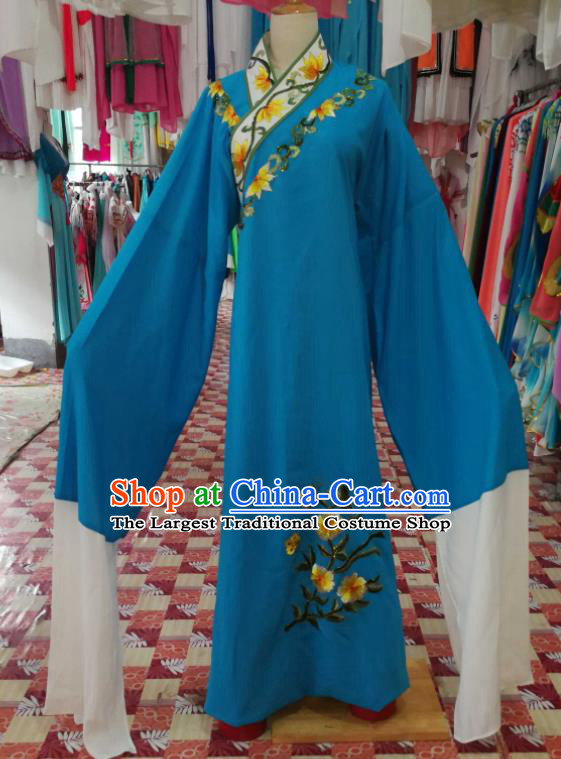
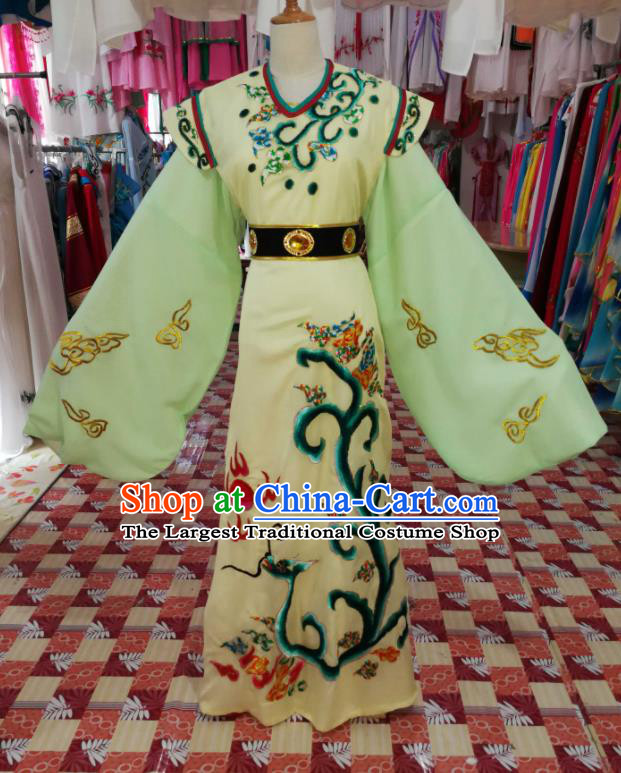
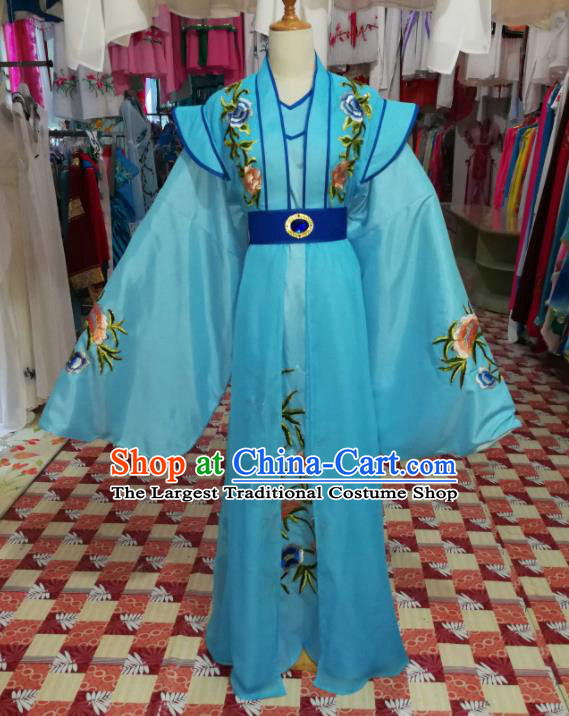
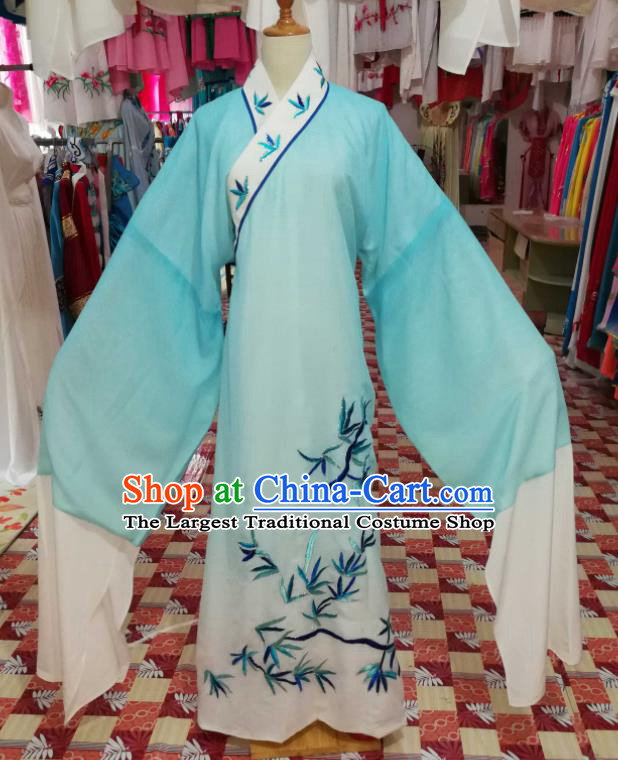
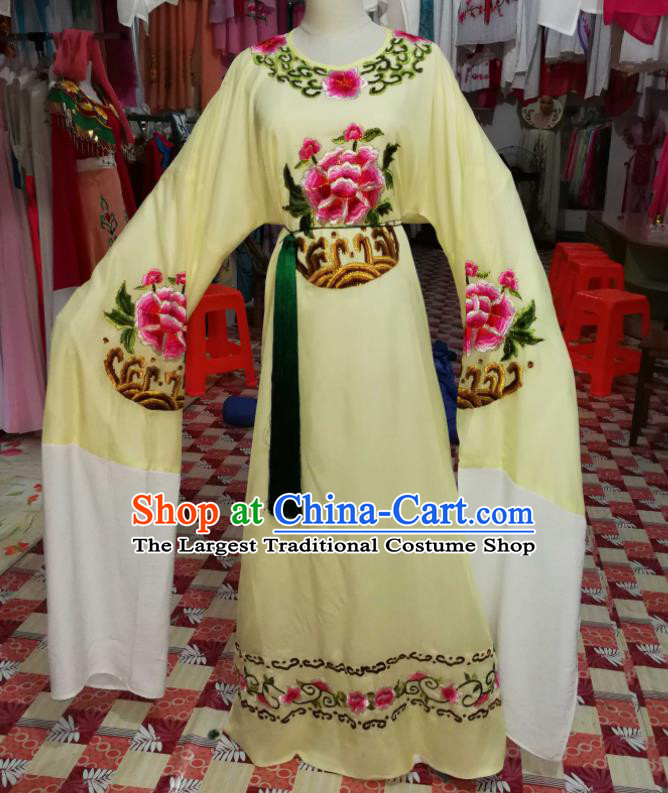
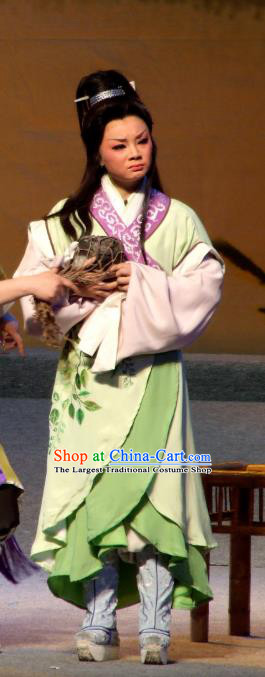
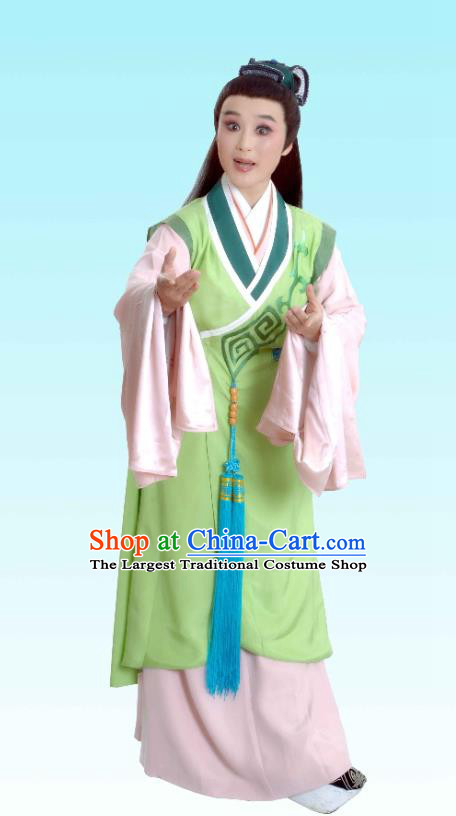
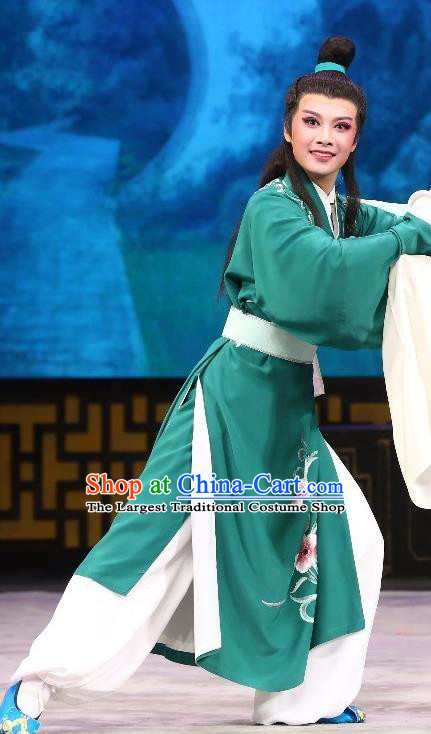
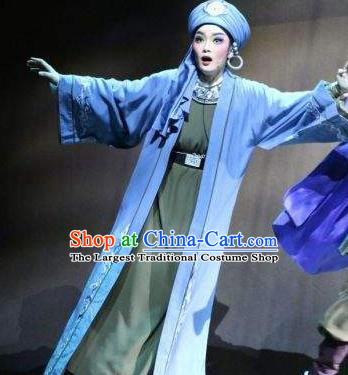
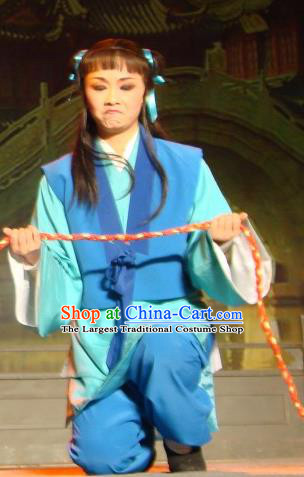
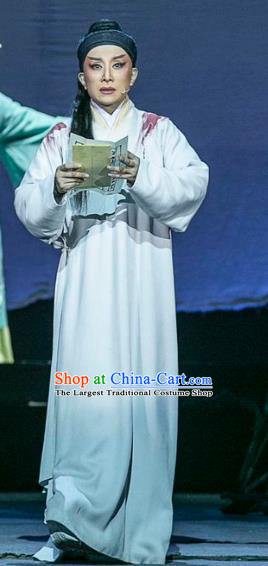
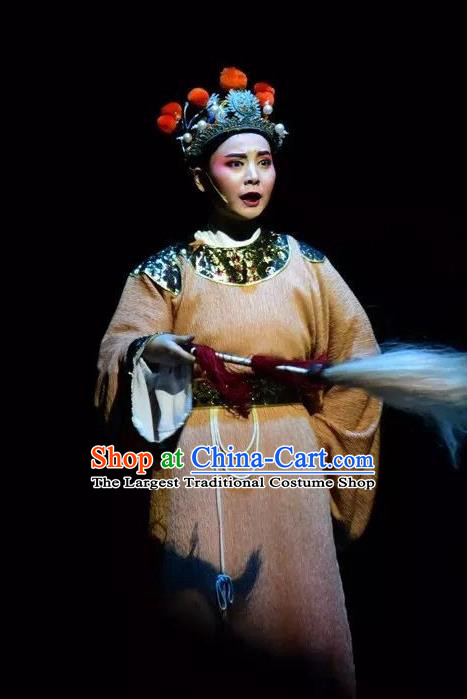
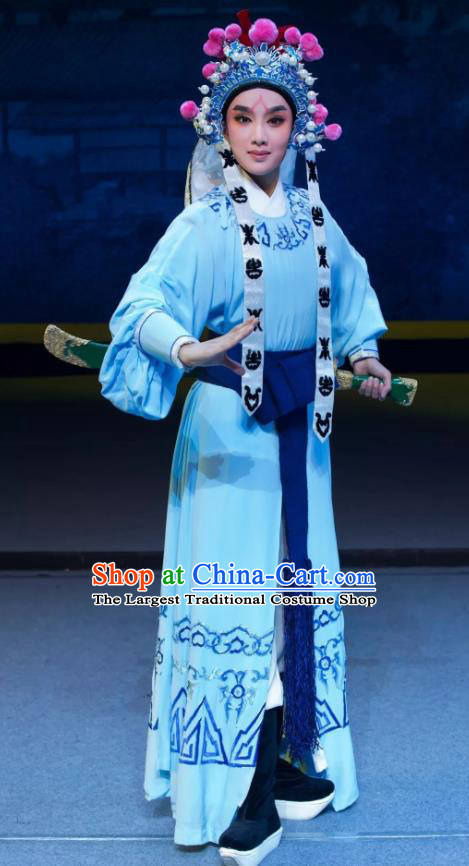
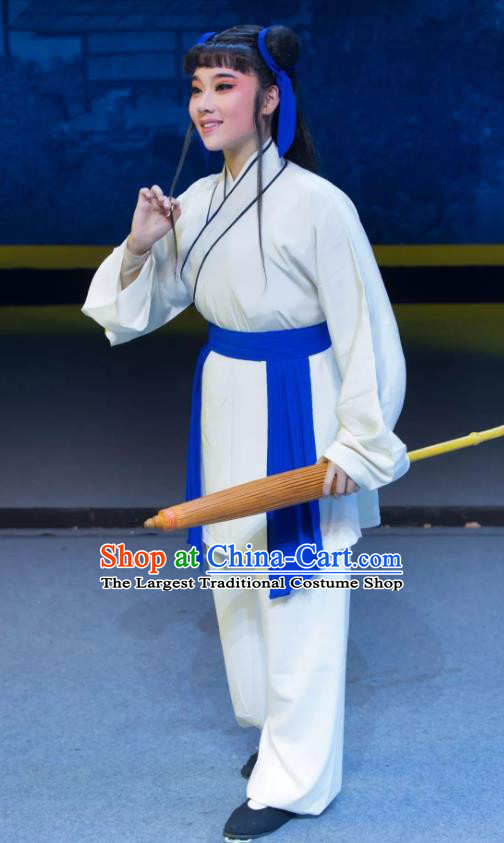
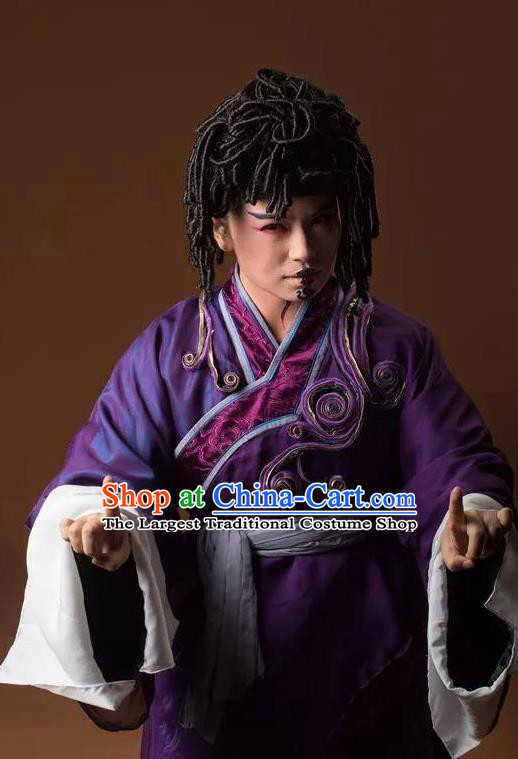
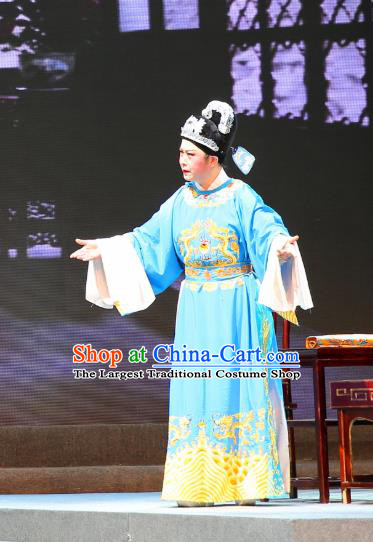
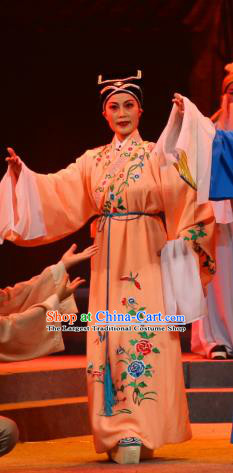
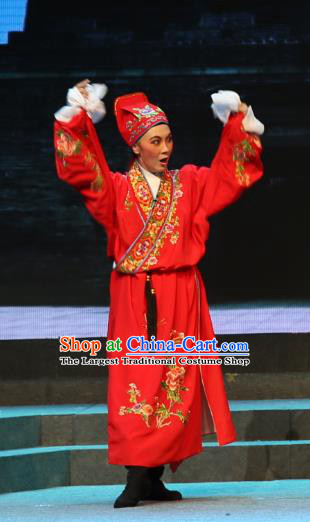
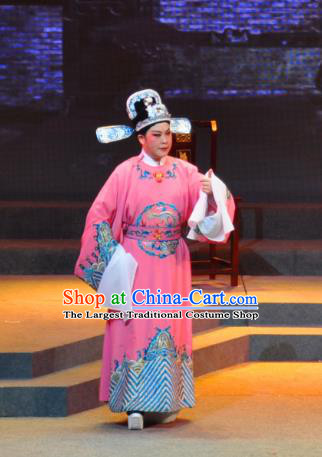
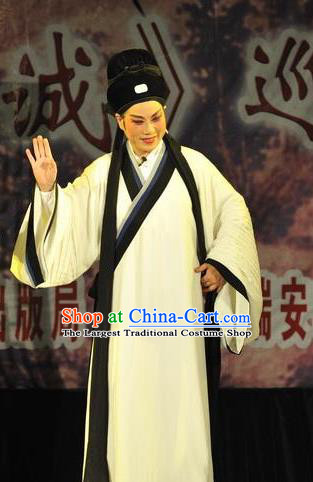
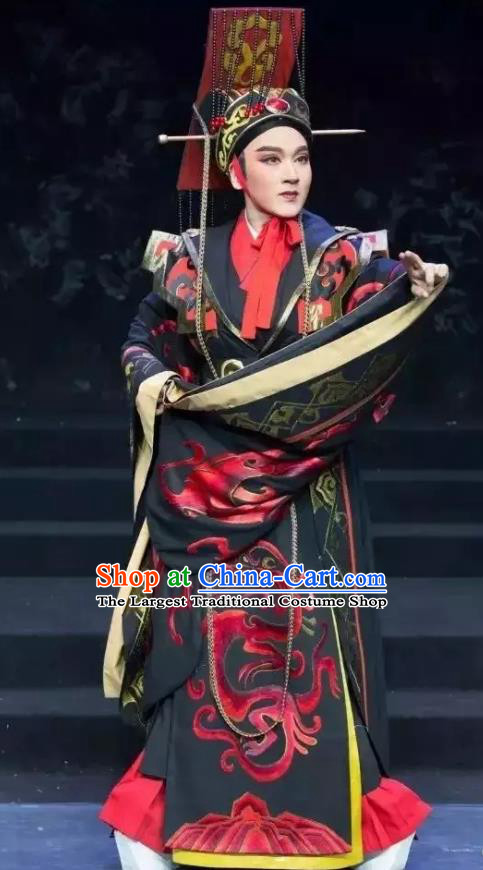
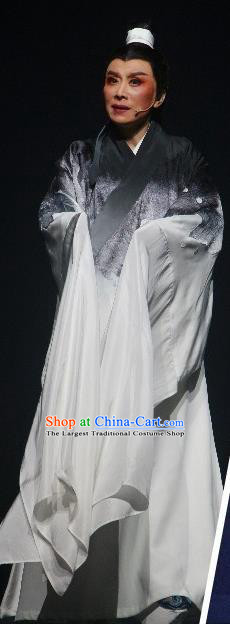
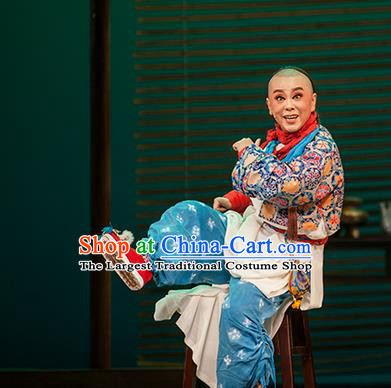
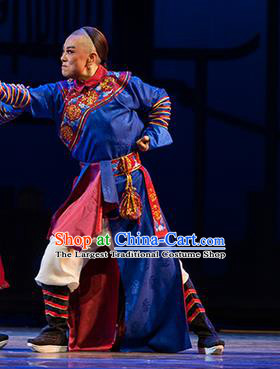
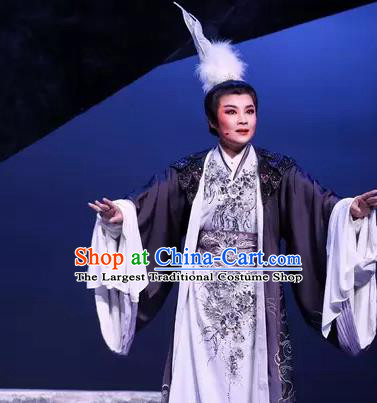
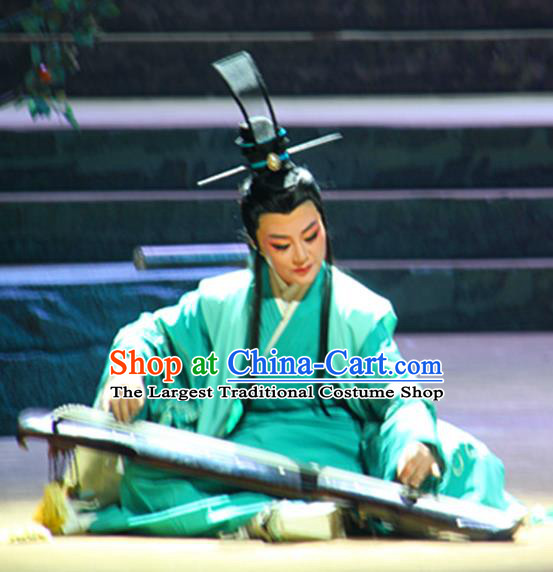
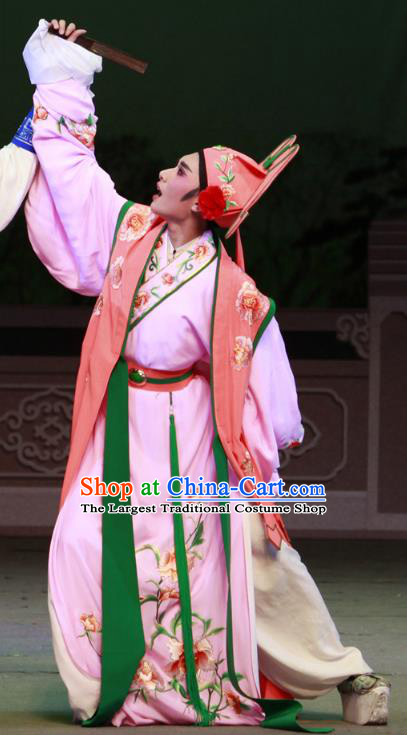
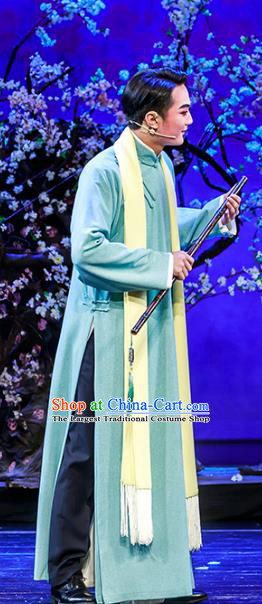
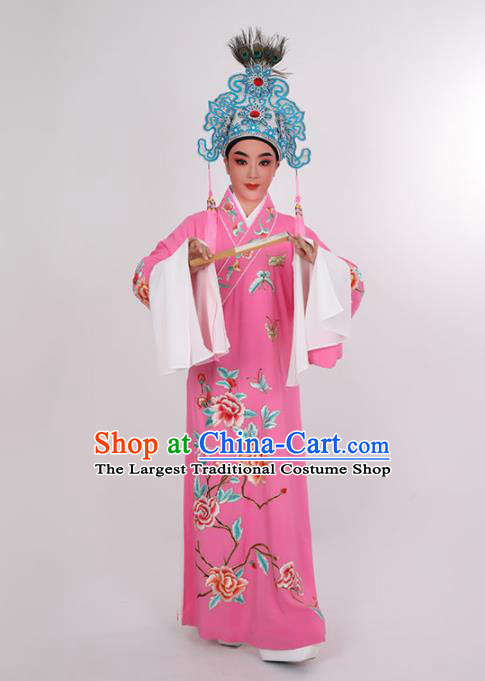
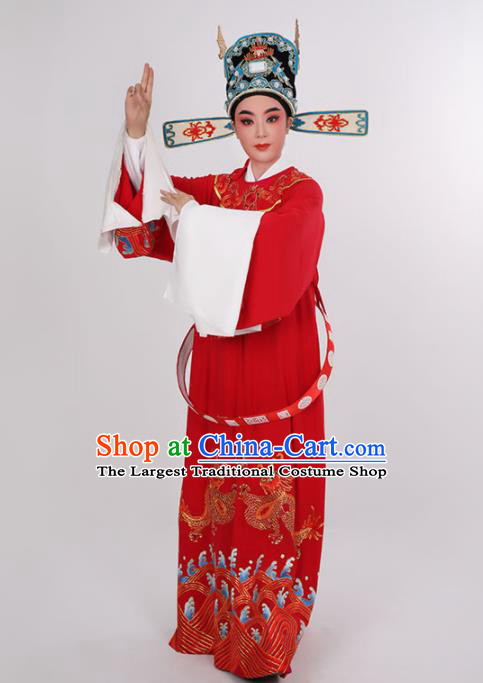
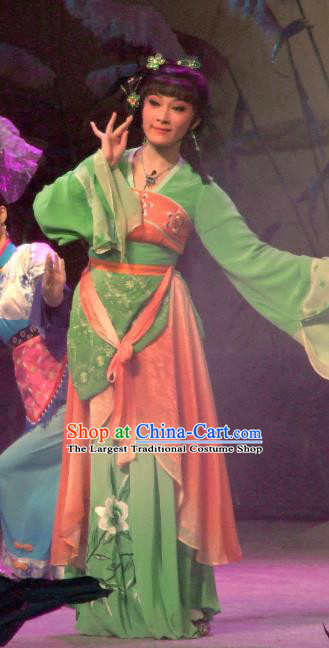
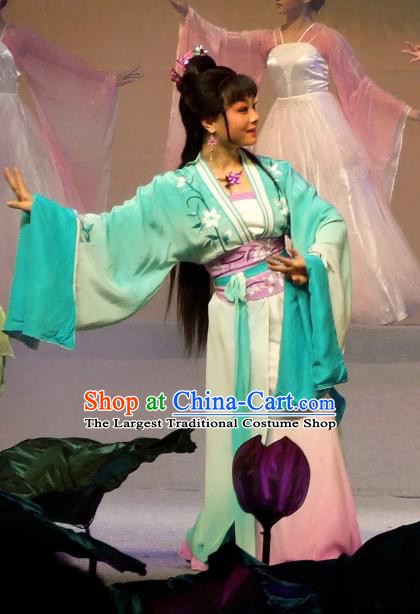
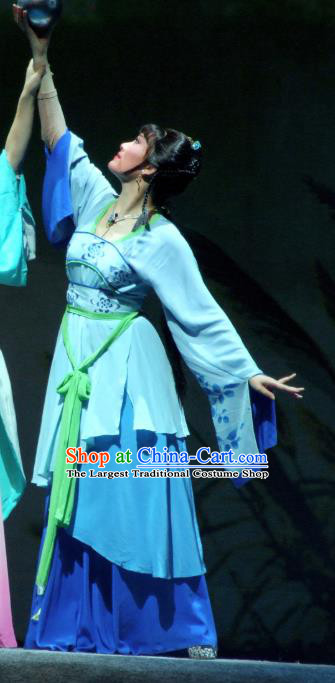
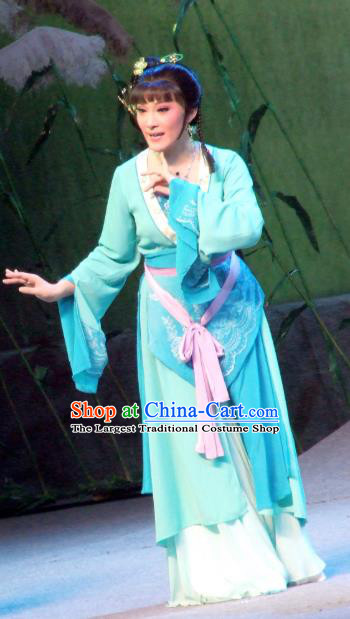
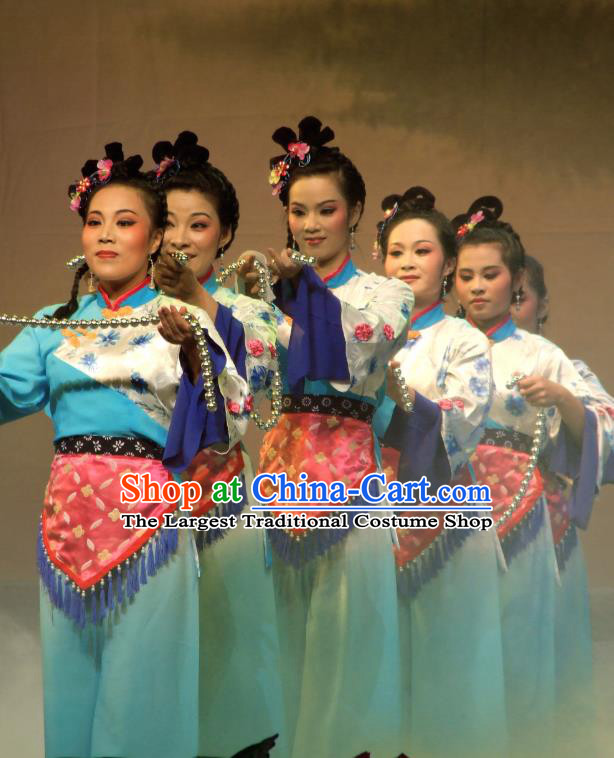
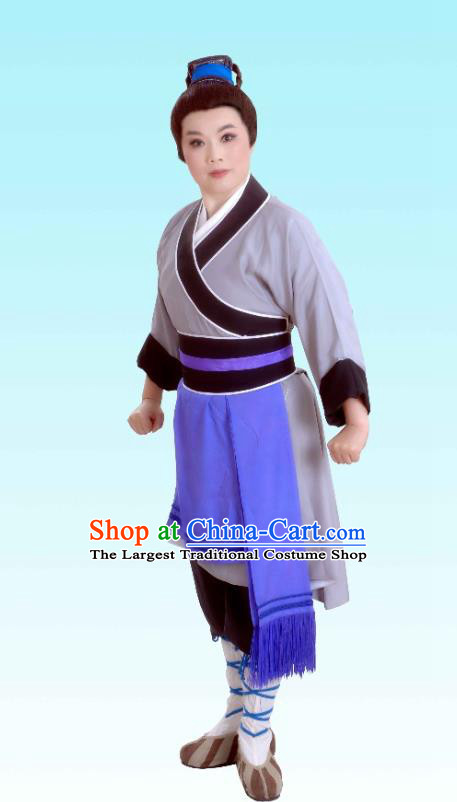
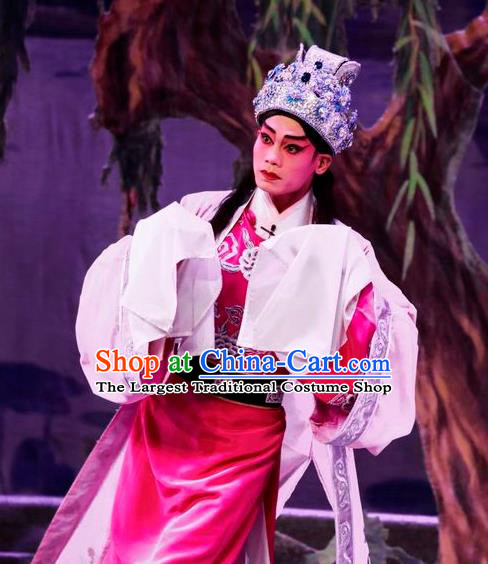
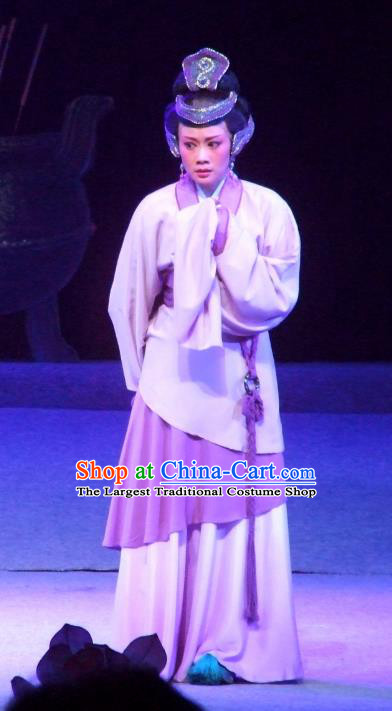
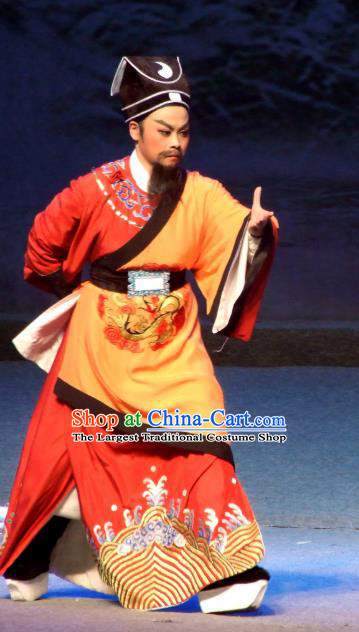
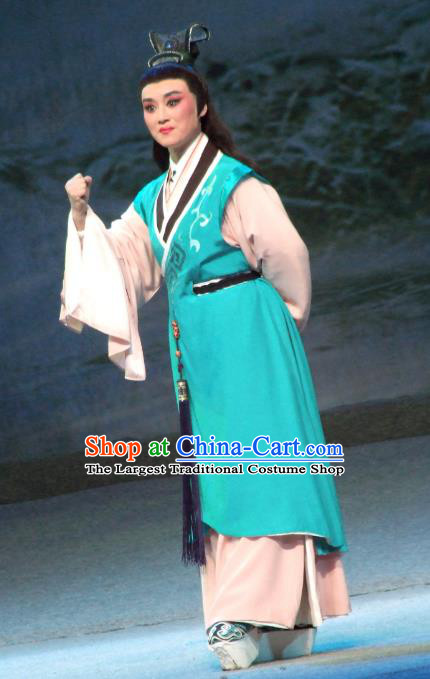
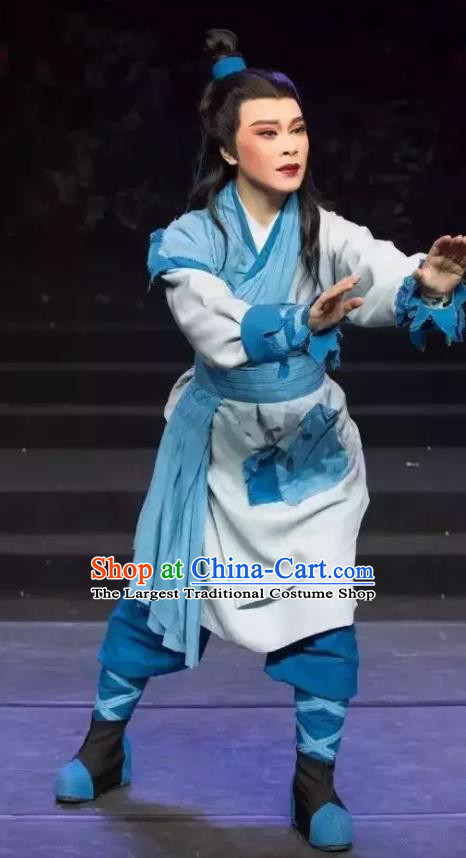
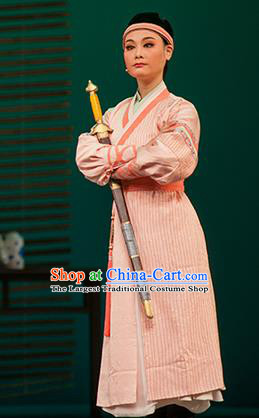
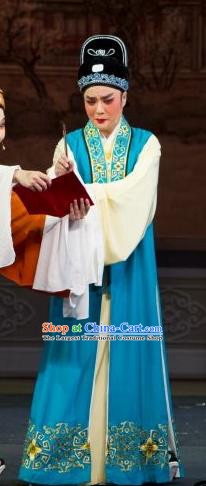
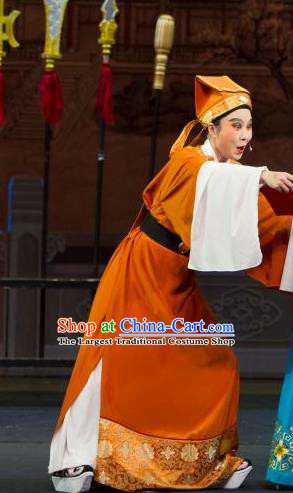
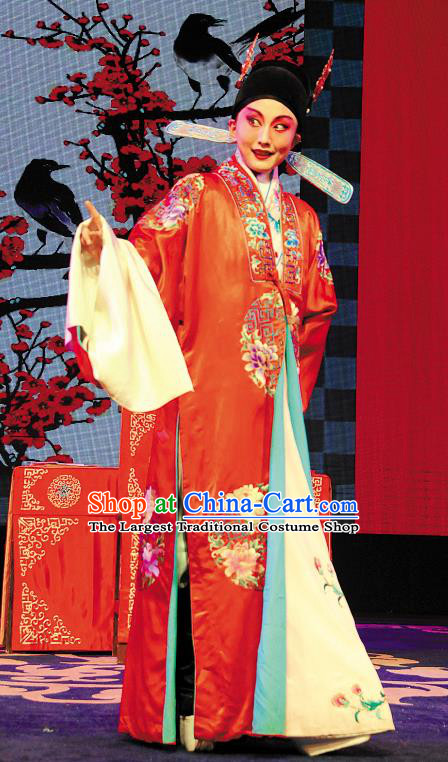
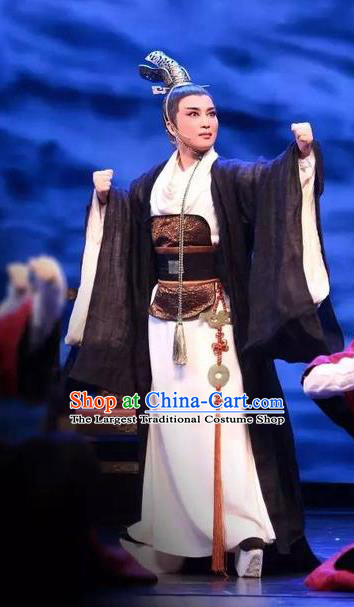
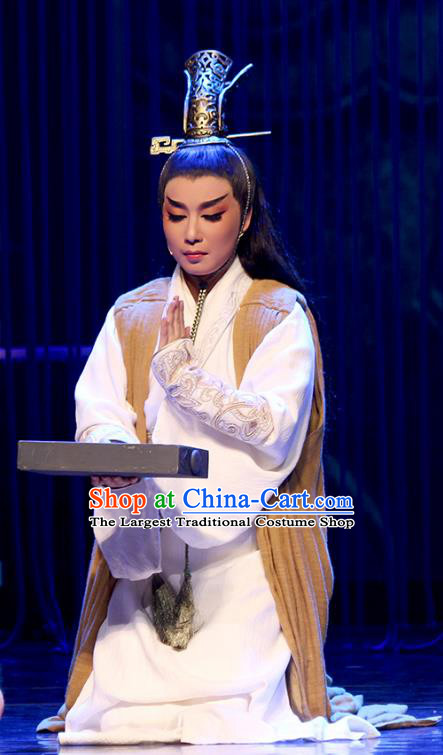
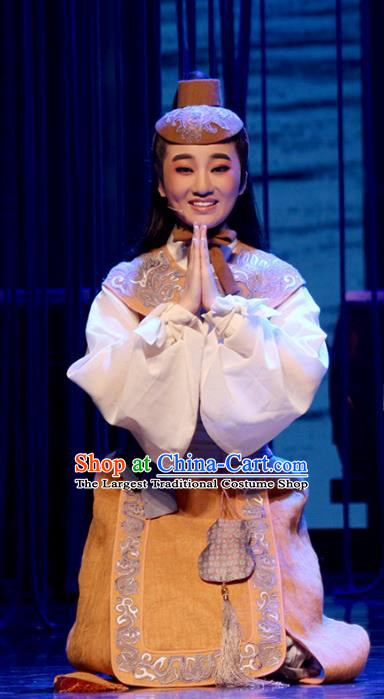
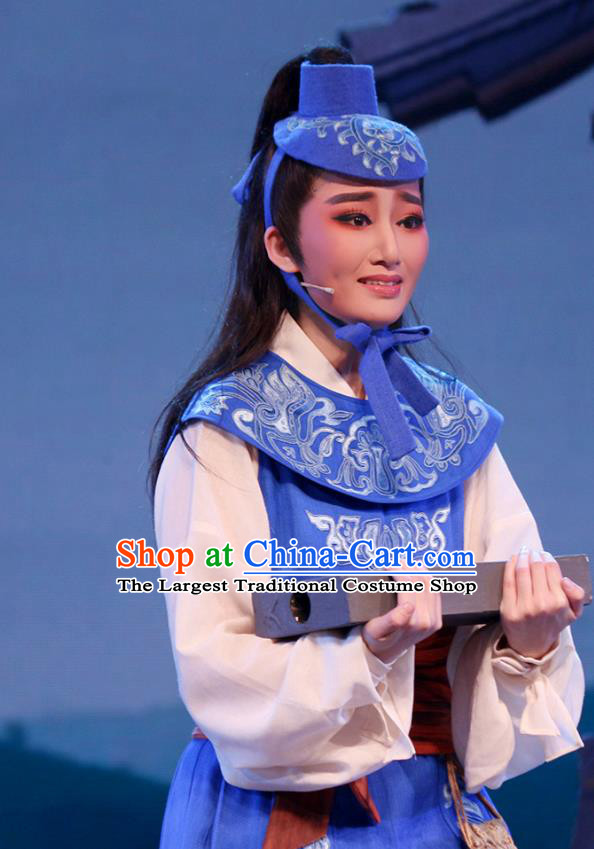
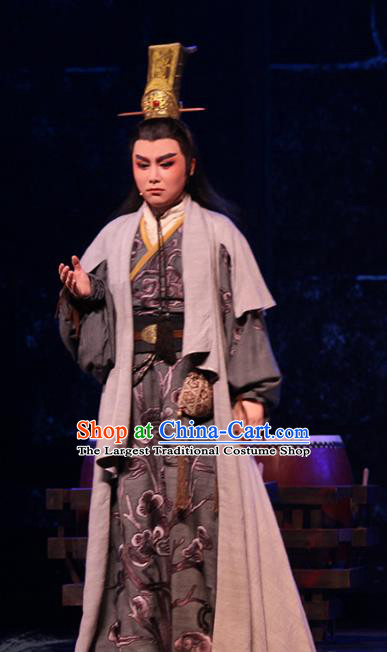
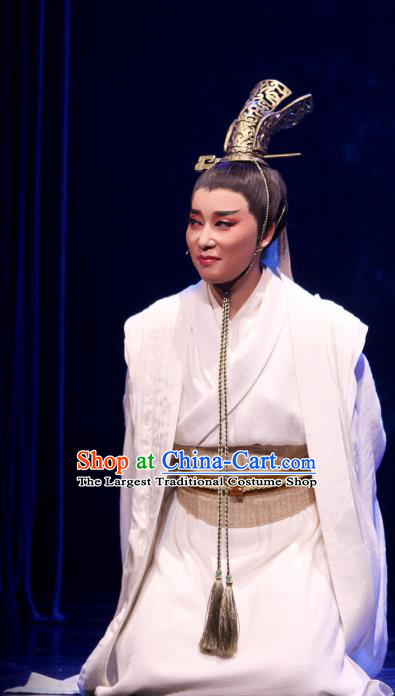
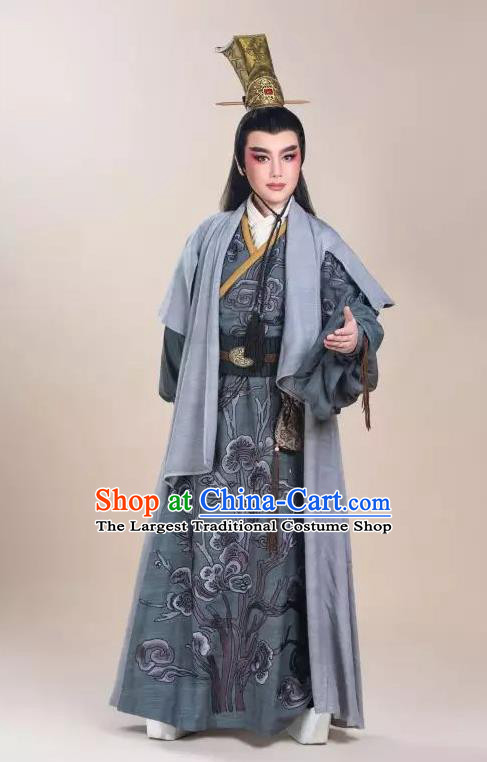
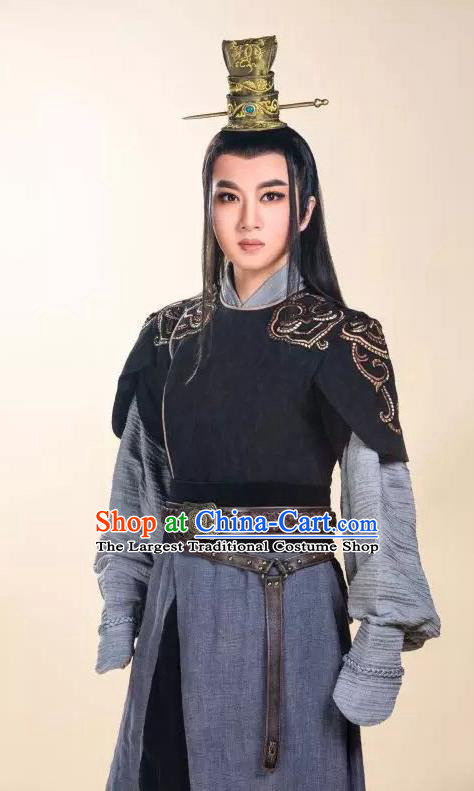
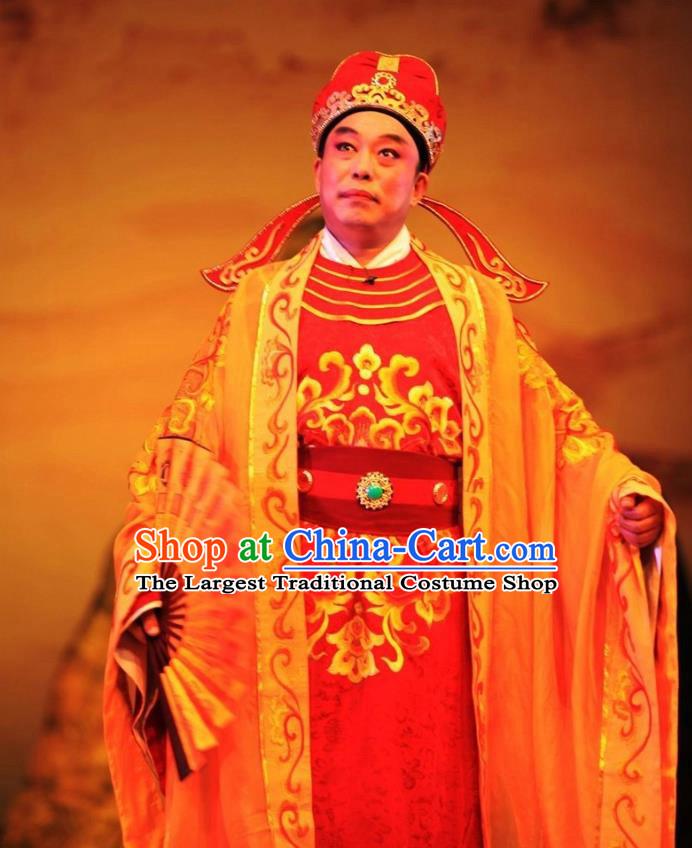
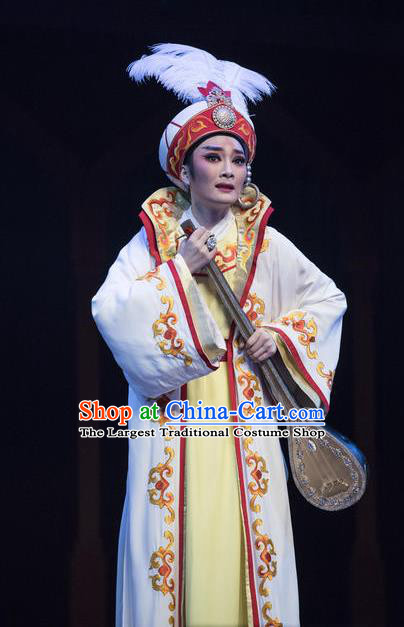
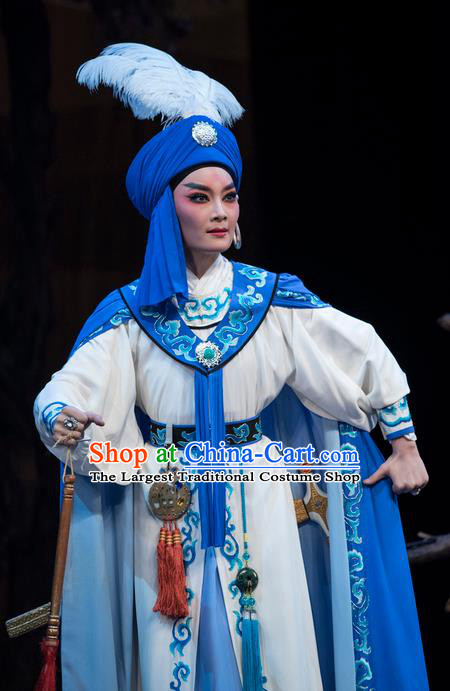
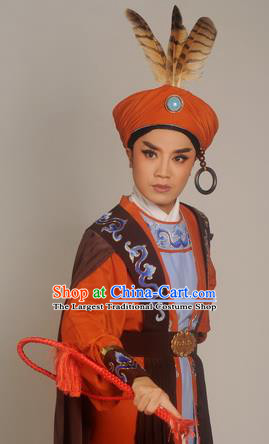
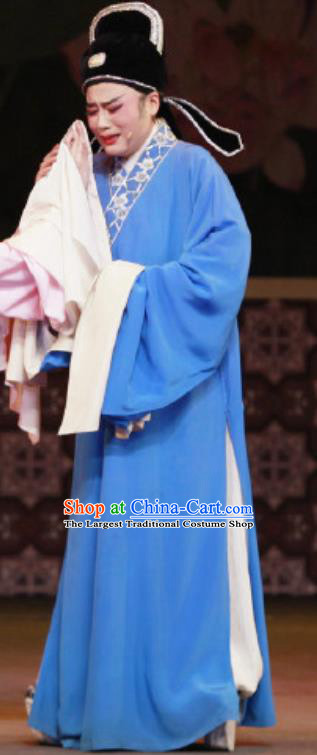
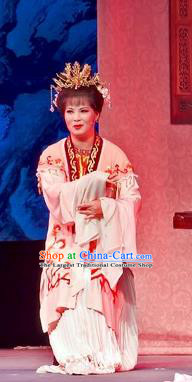
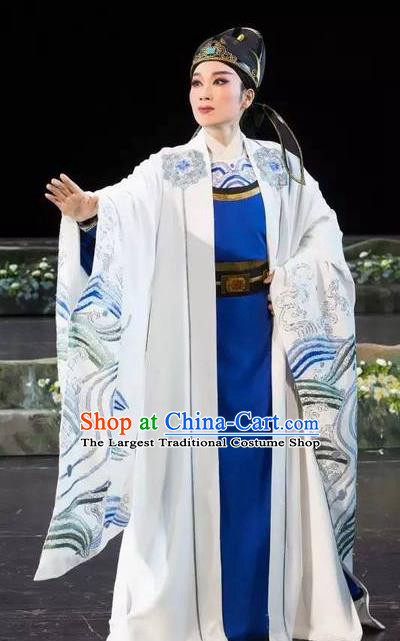
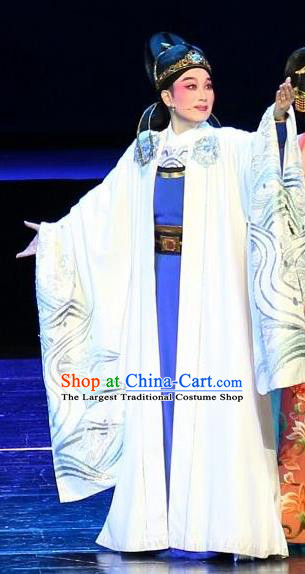
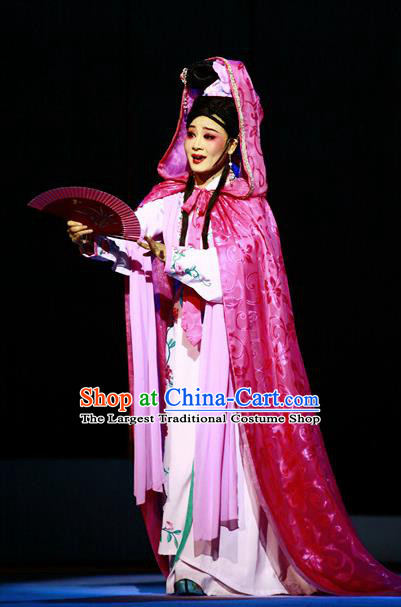
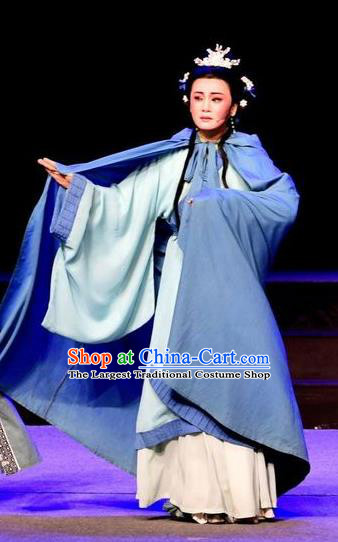
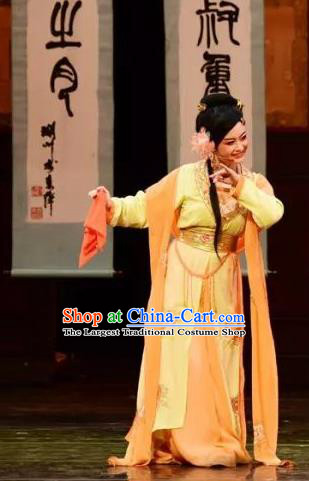
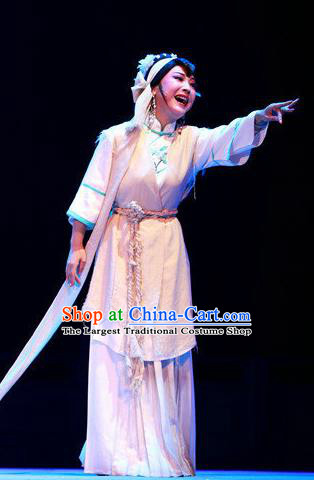
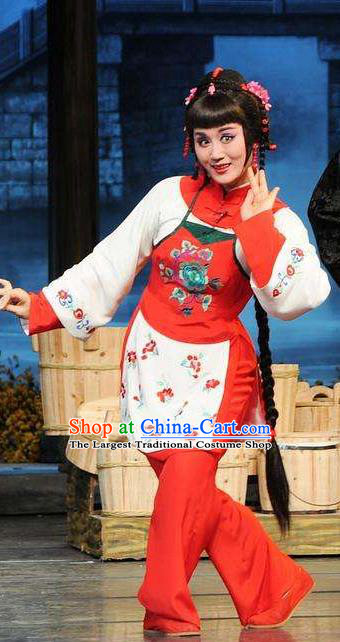
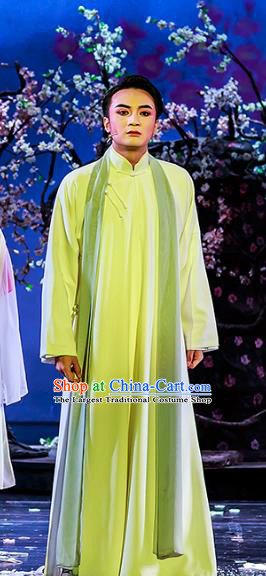
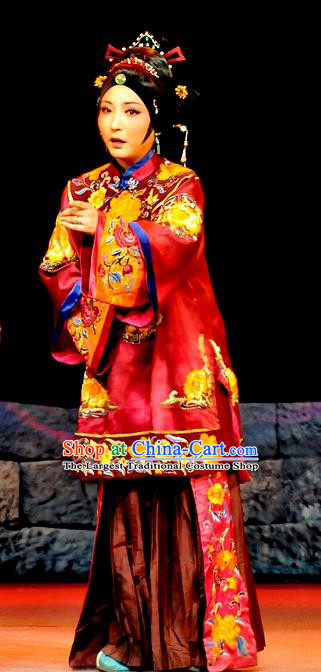
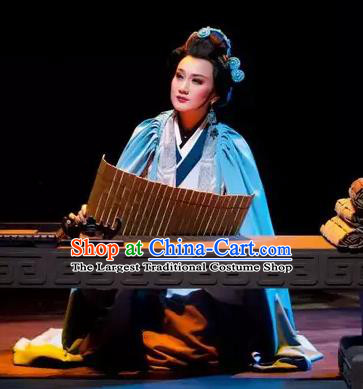
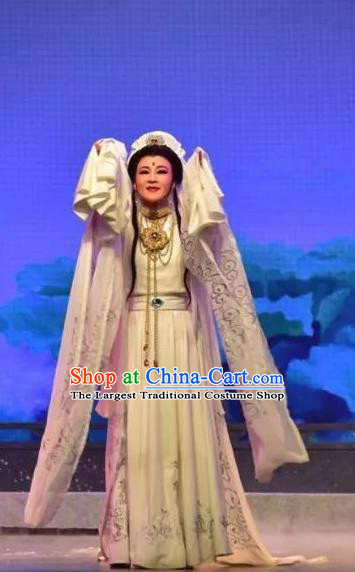
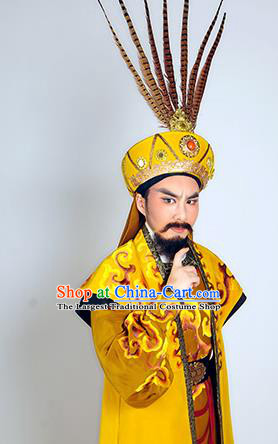
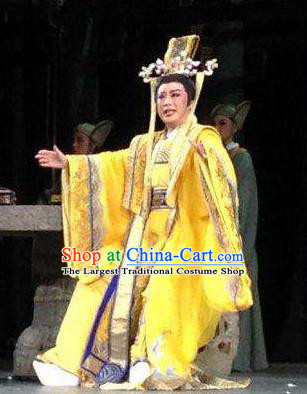
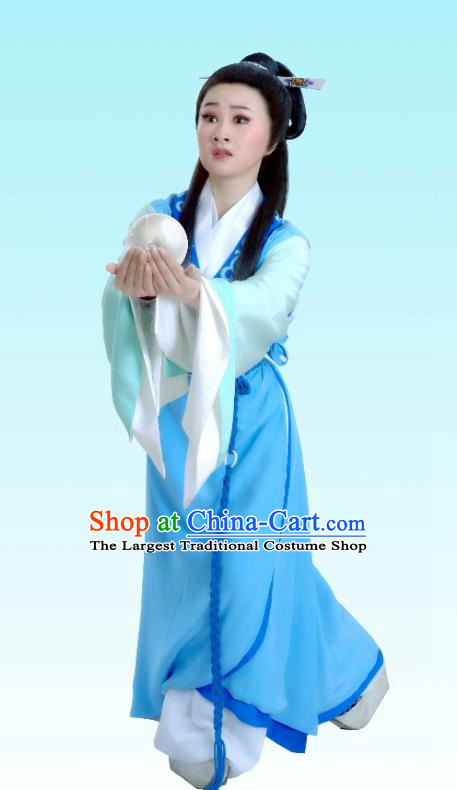
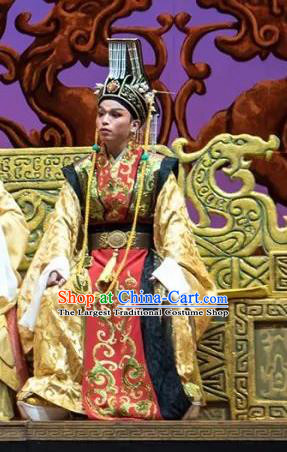
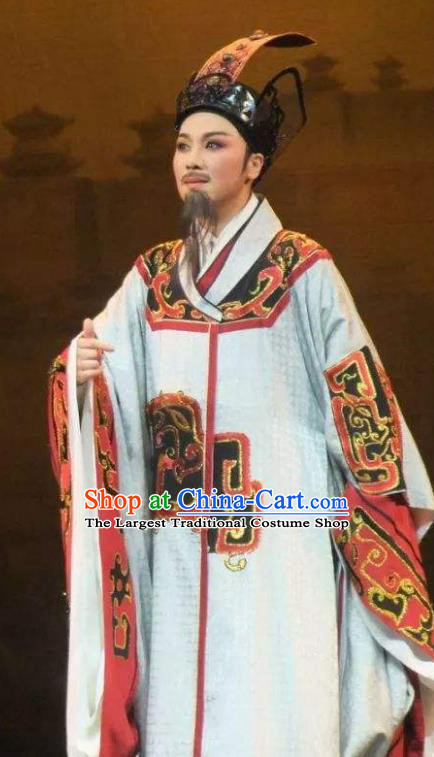
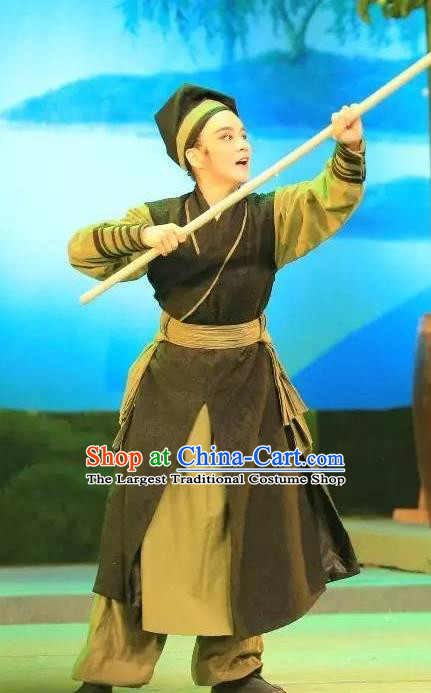
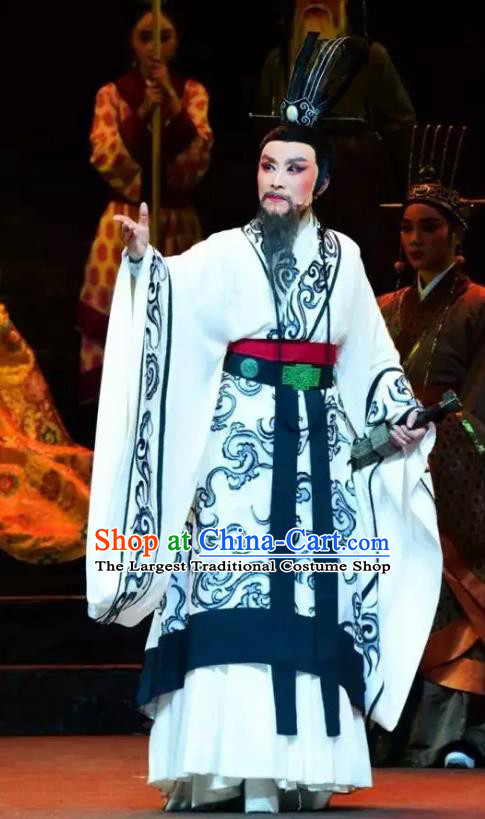
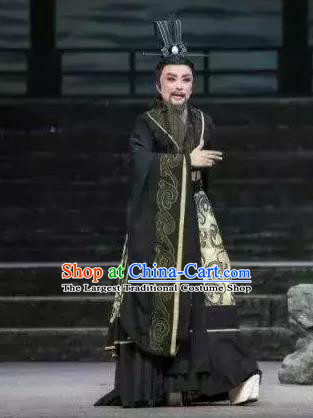
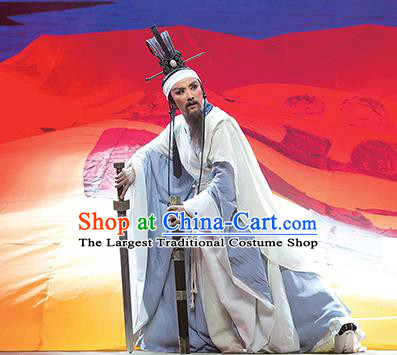
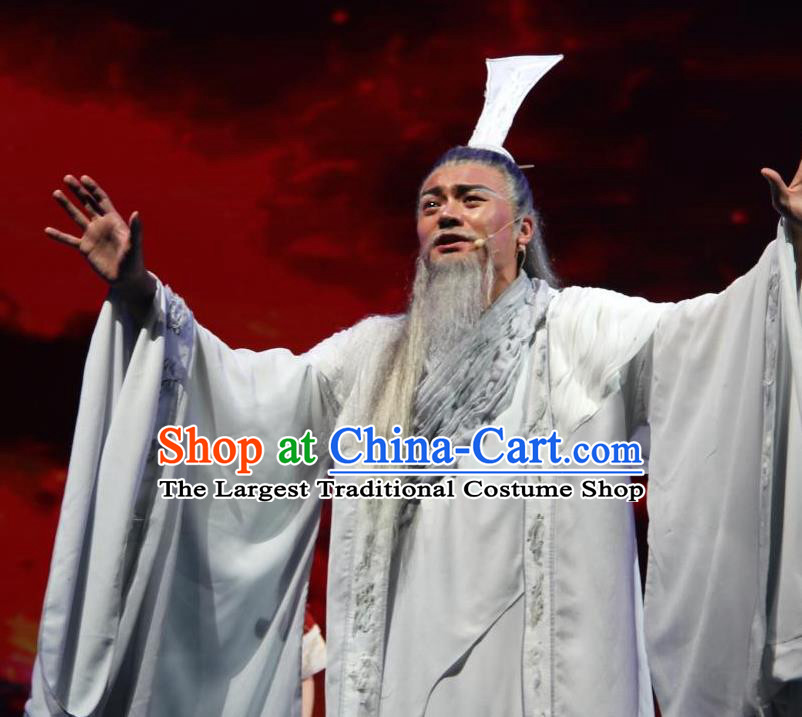
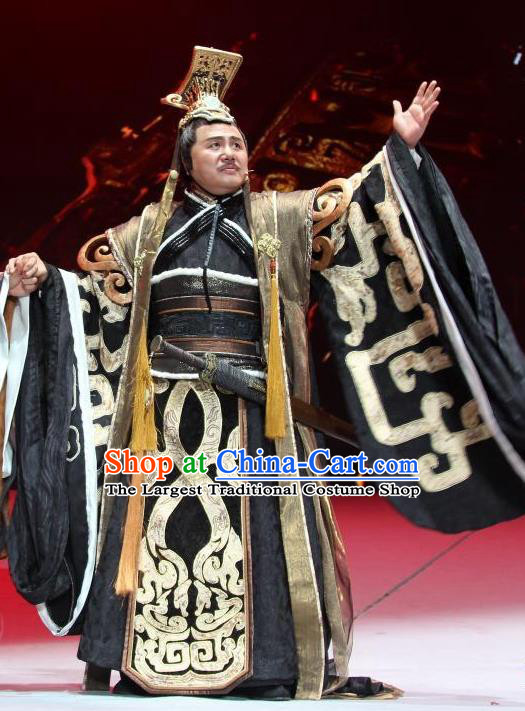
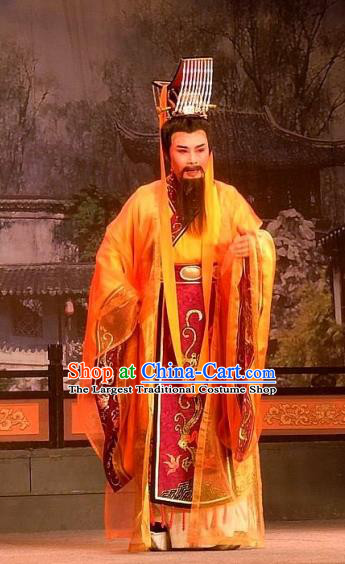
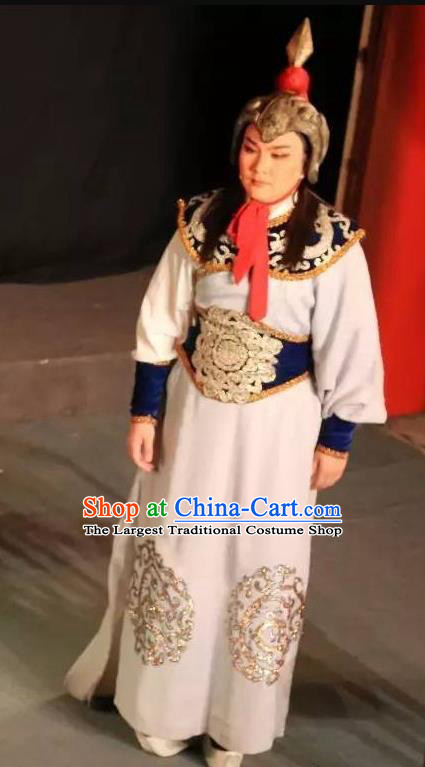
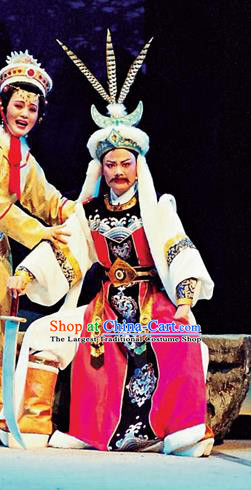
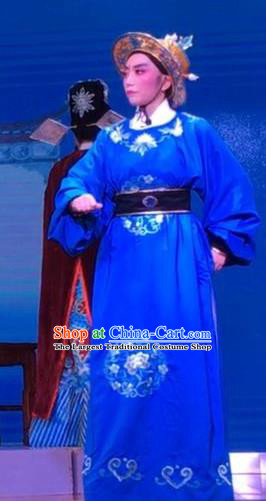
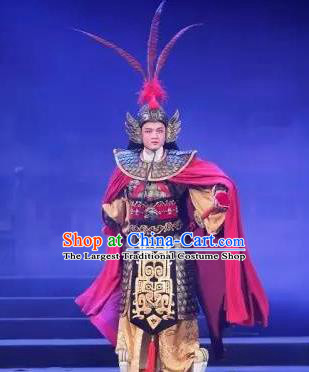
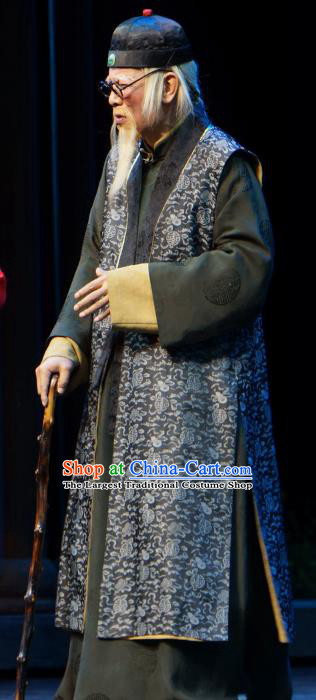
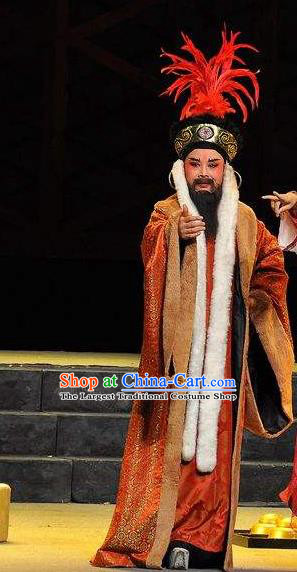
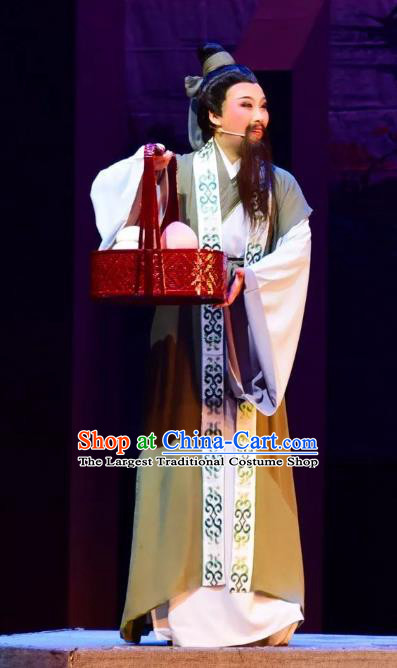
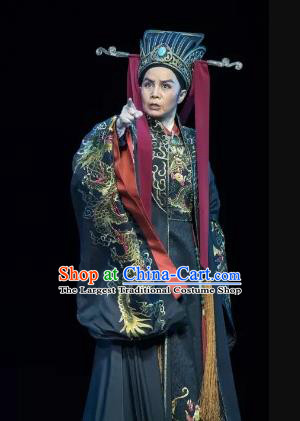
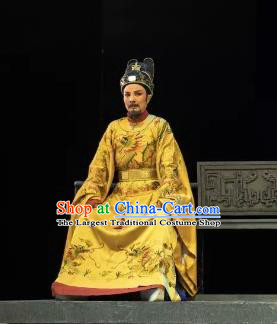
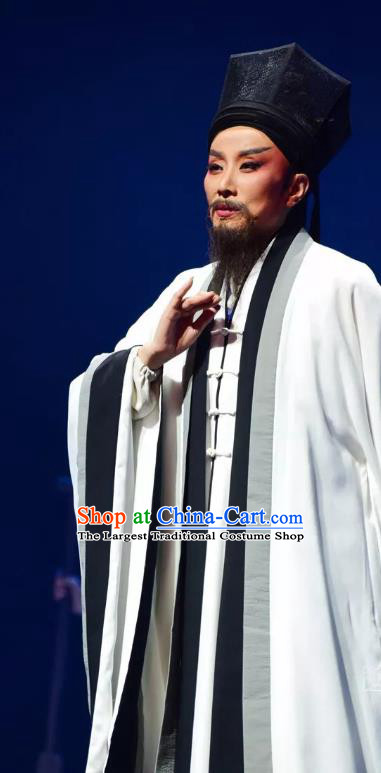
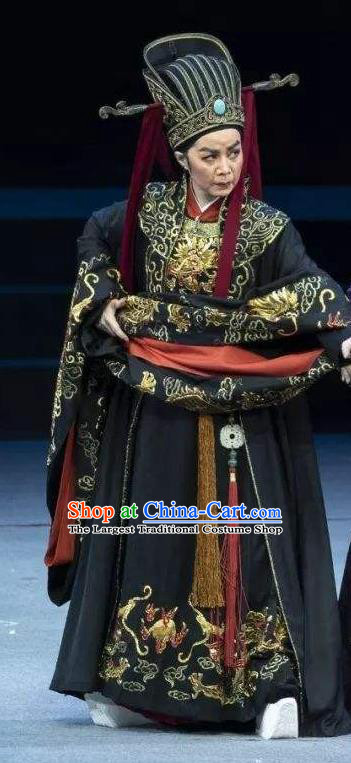
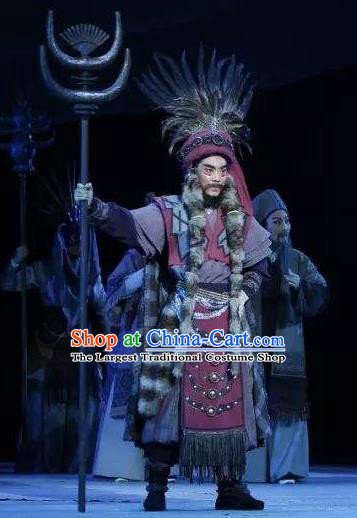
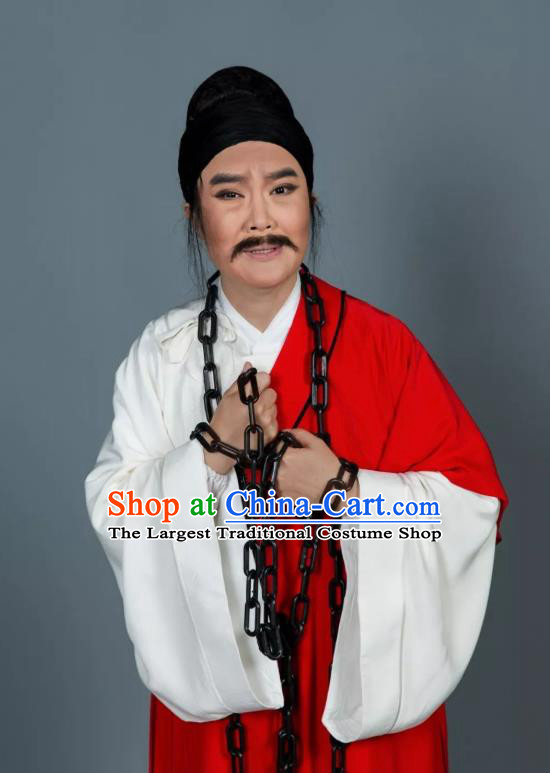
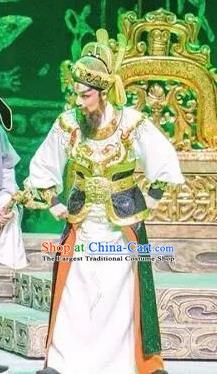
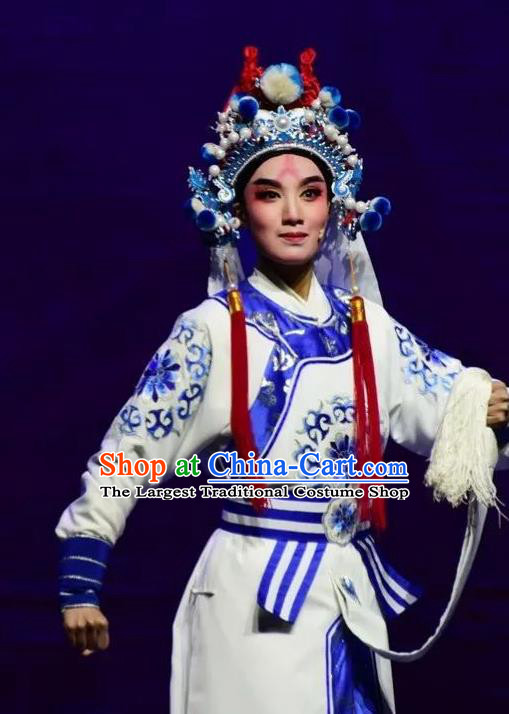
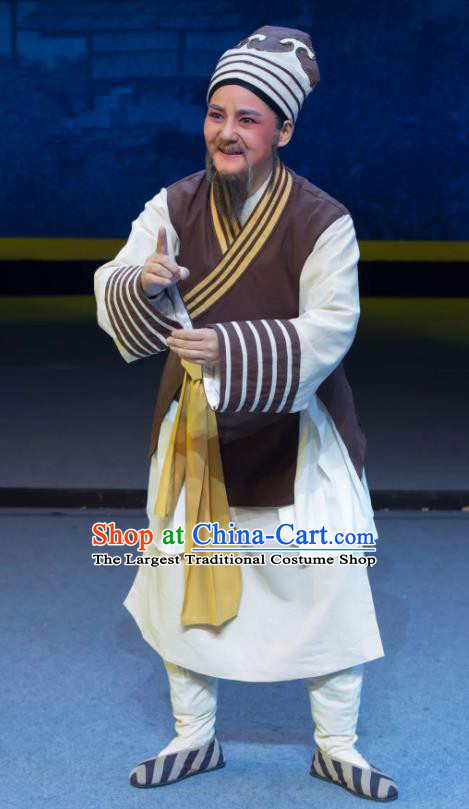
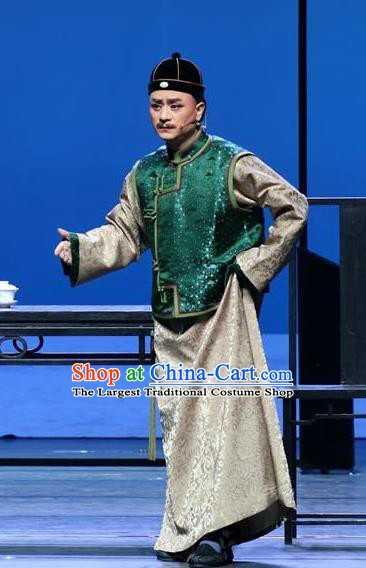
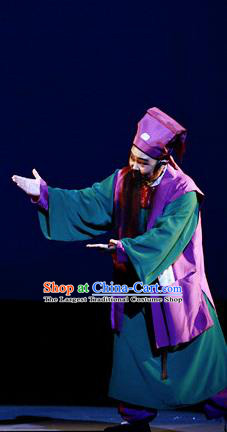
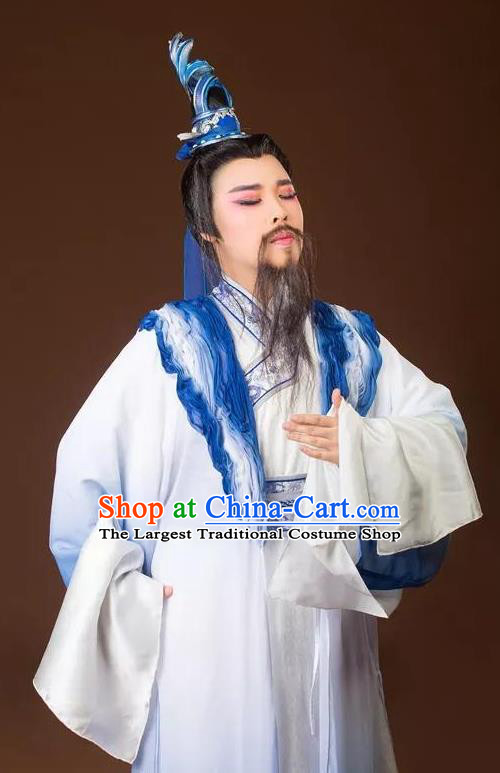
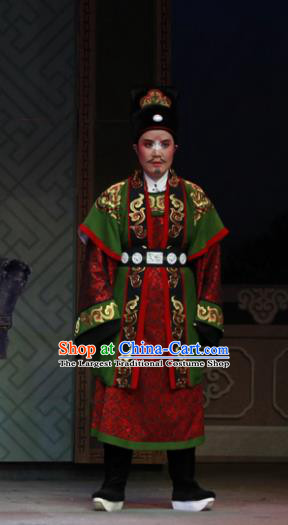
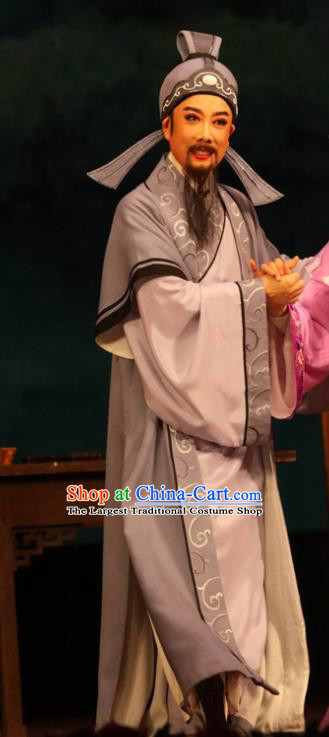
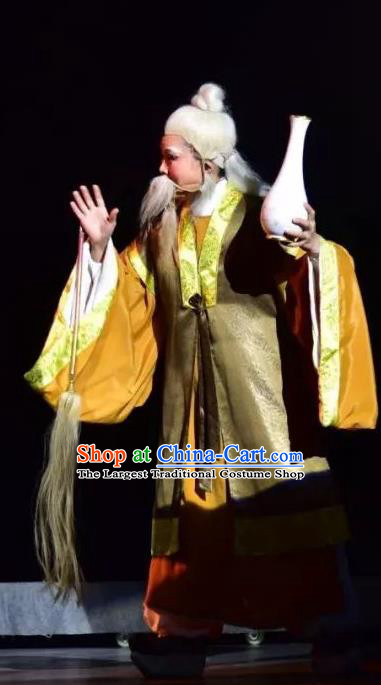
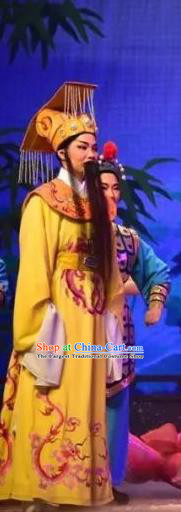
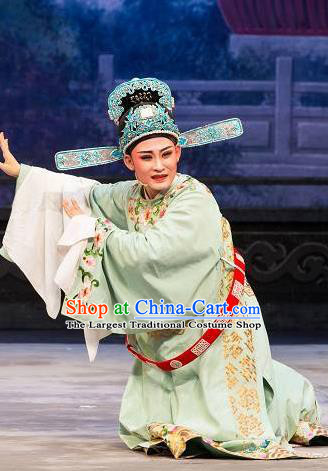
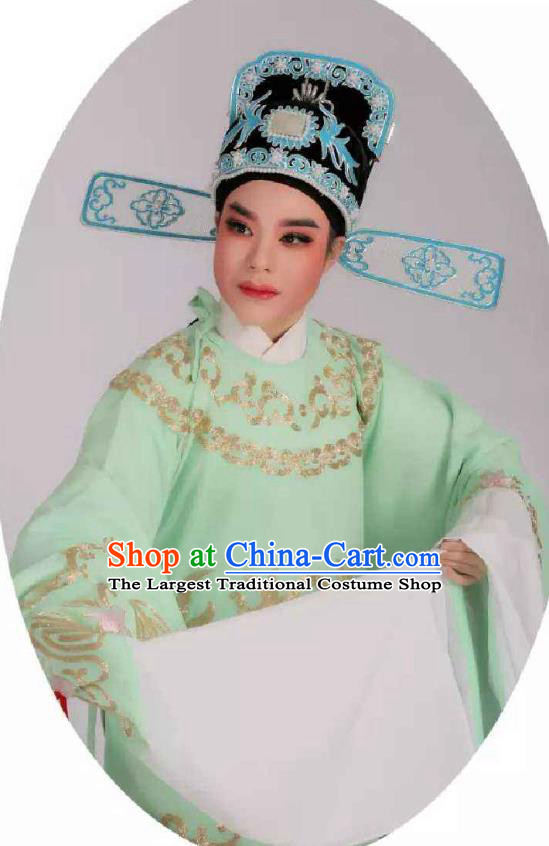
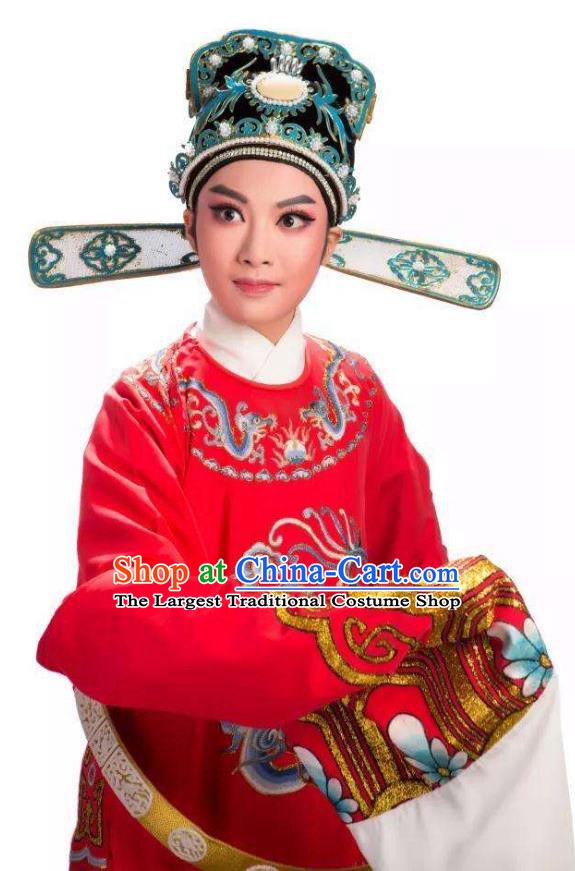
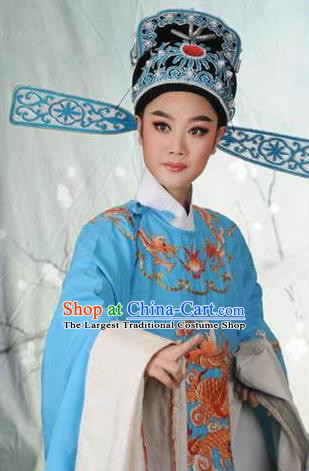
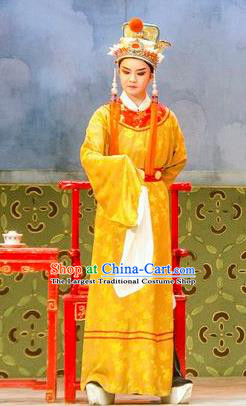
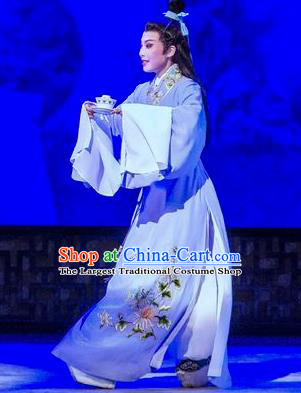
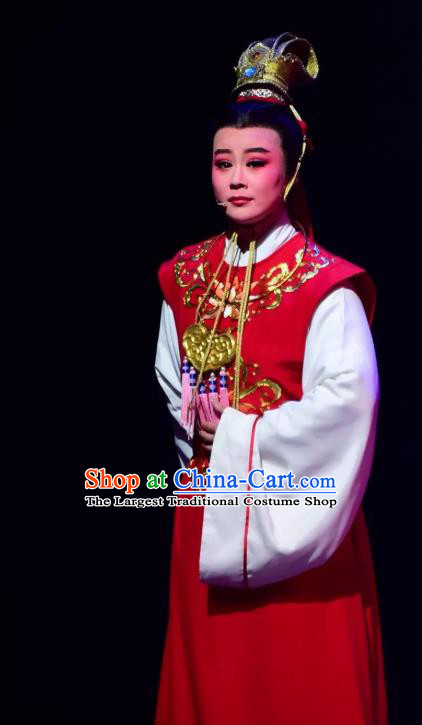
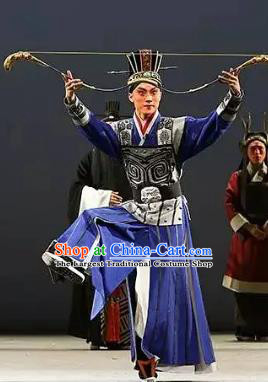
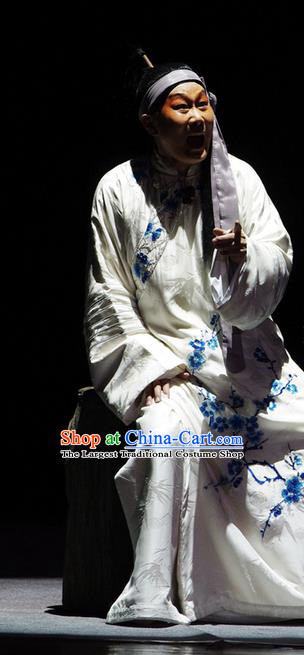
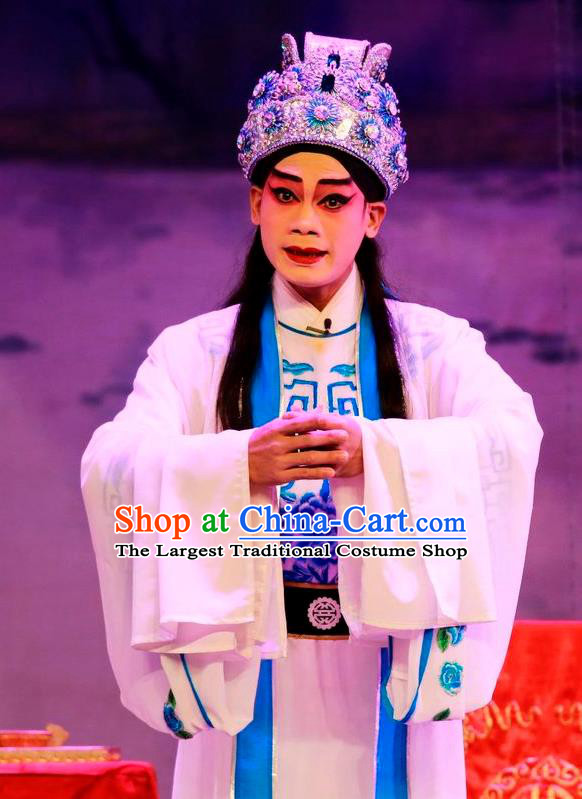
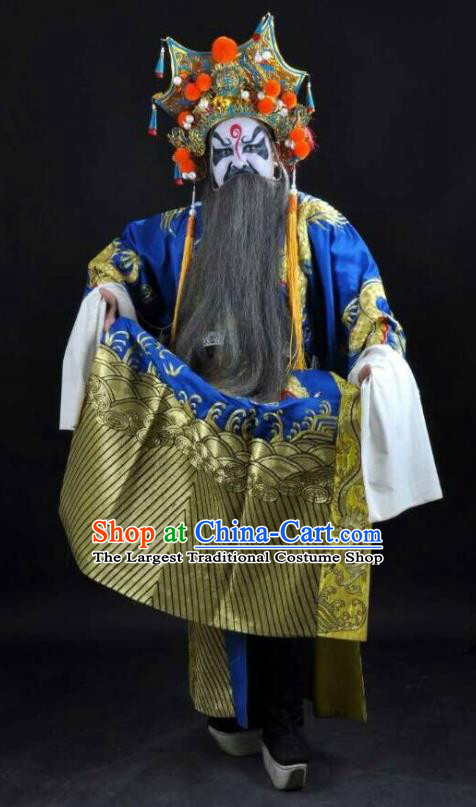
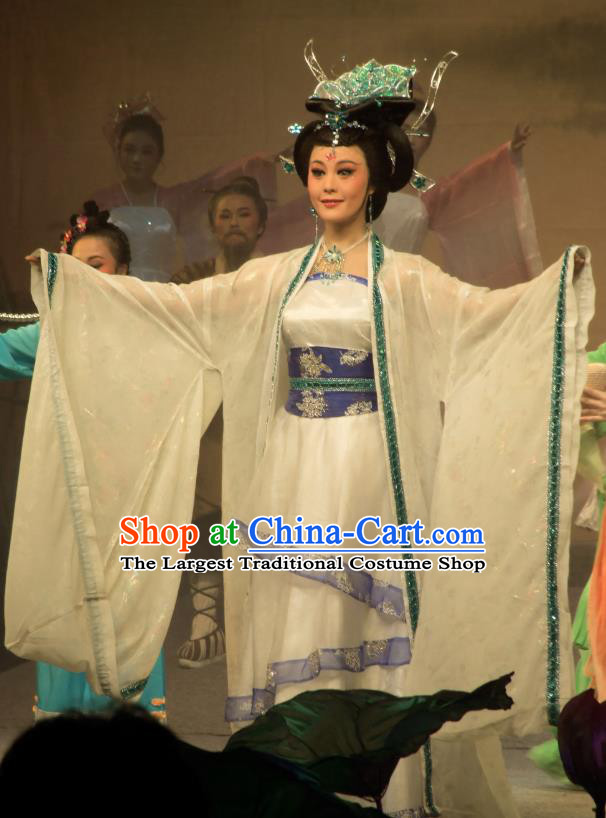
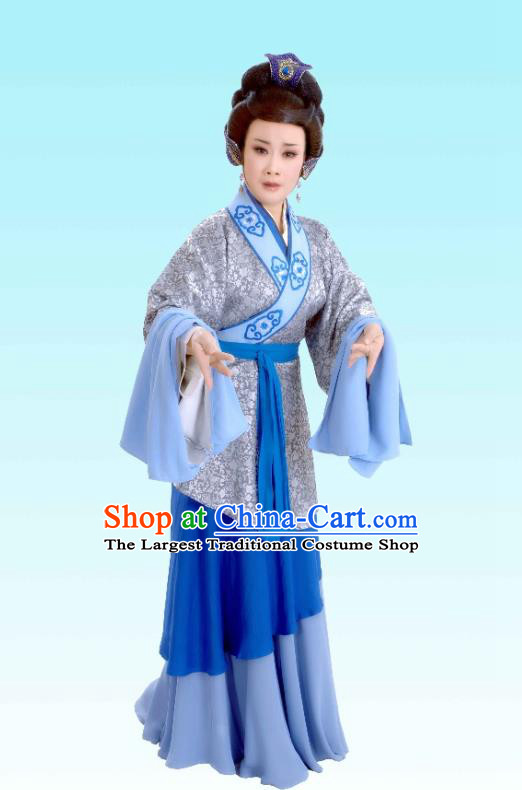
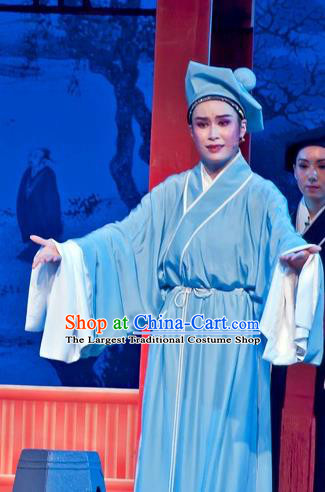
Chuan Qi Lang Zi, also known as the "Little Emperor of Heaven," is a popular Chinese Yue Opera character that has captured the hearts of audiences for generations.
The character's elaborate attire and headwear are an integral part of his identity, reflecting the rich cultural heritage and artistic traditions of China.
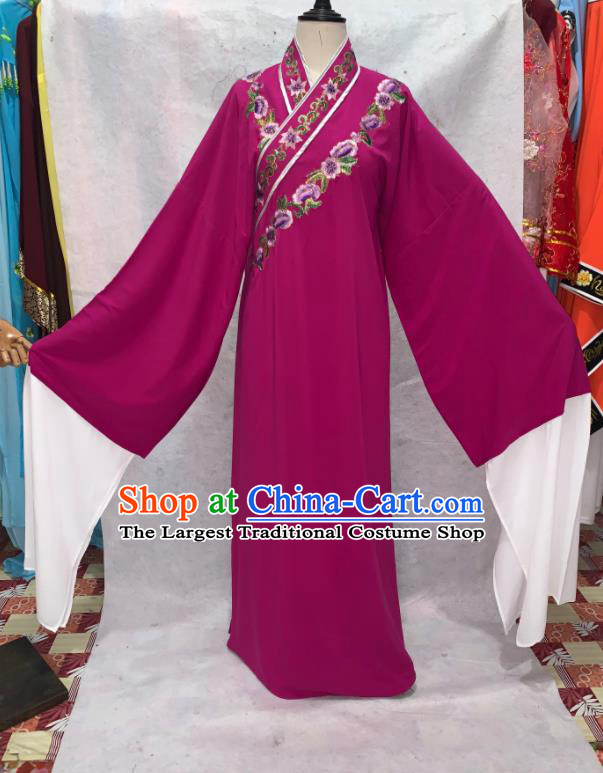
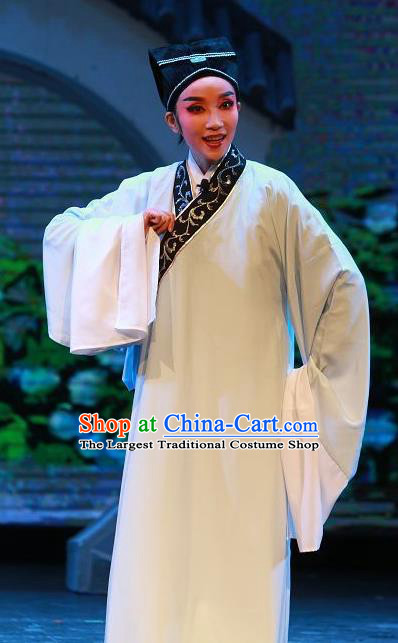
The Young Childe Wei Ying Garment and Headwear, worn by the Little Emperor in his performances, are intricately designed with vibrant colors and intricate patterns.
The garment features a long, flowing robe with a high collar and a wide sash that hangs down to the waist.
The headwear, which includes a crown and a pair of ornate earrings, adds to the character's regal appearance.
The significance of these costumes lies not only in their aesthetic appeal but also in their symbolic meaning.
They represent the power and authority of the Little Emperor, who is often portrayed as a wise and just ruler.
The intricate designs and attention to detail showcase the skill and craftsmanship of the performers who wear them, further emphasizing their importance in Chinese culture.
In addition to the costumes themselves, the music and dance associated with Chuan Qi Lang Zi are also highly valued.
The performance style is characterized by graceful movements, expressive facial expressions, and lively singing.
It combines elements of traditional Chinese opera with contemporary elements to create a unique and captivating experience for audiences.
As we look back on the history of Chuan Qi Lang Zi and its accompanying costumes and headwear, we can appreciate the depth of cultural significance they hold.
They serve as a testament to the enduring legacy of Chinese art and entertainment, inspiring future generations to continue celebrating the beauty and richness of their cultural heritage.