Click Related Pictures for More Audios:
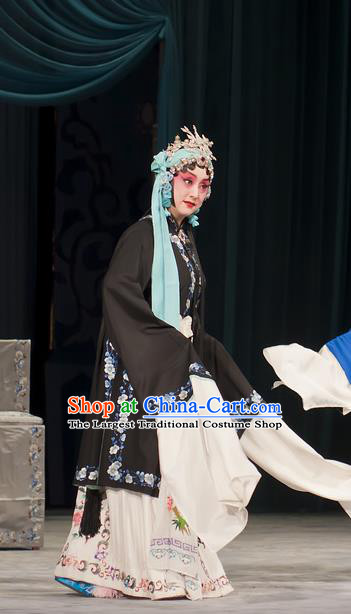
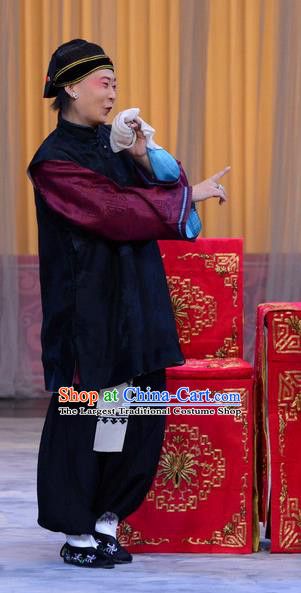
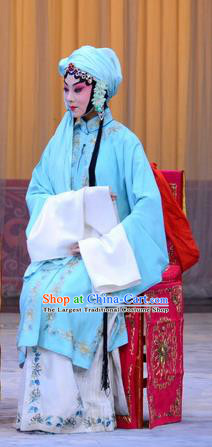
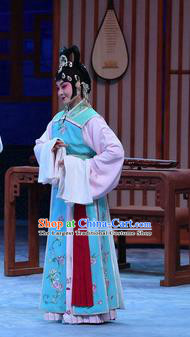
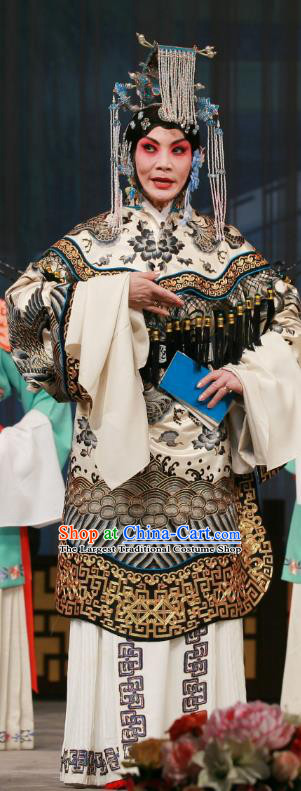
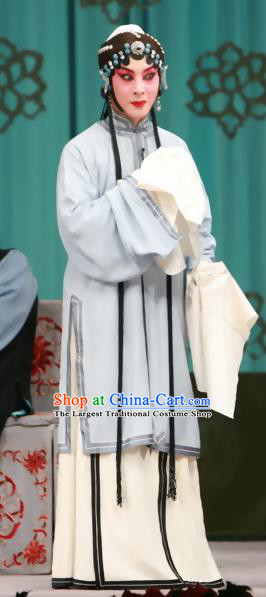
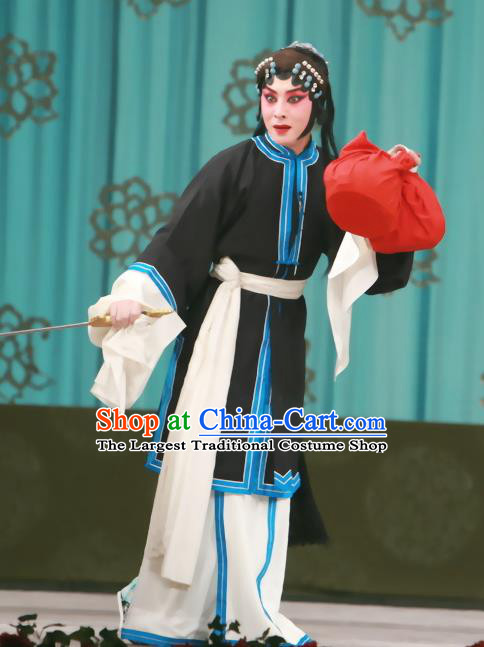
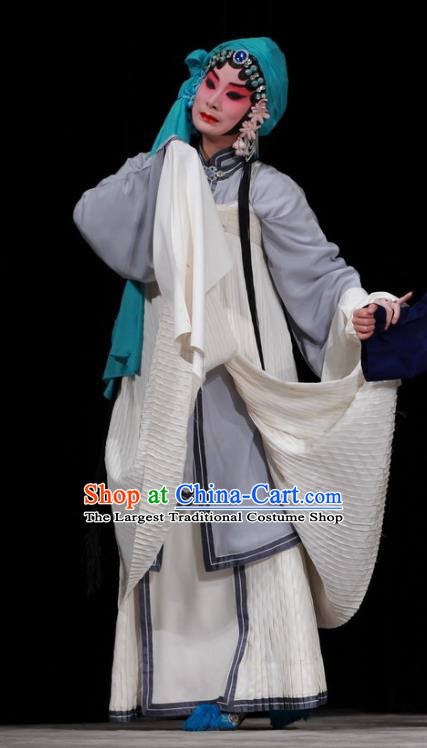
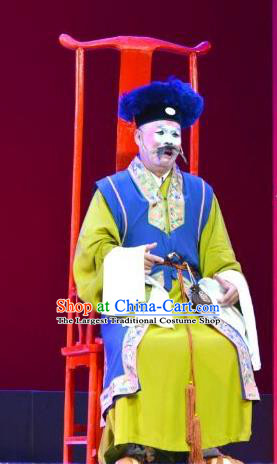
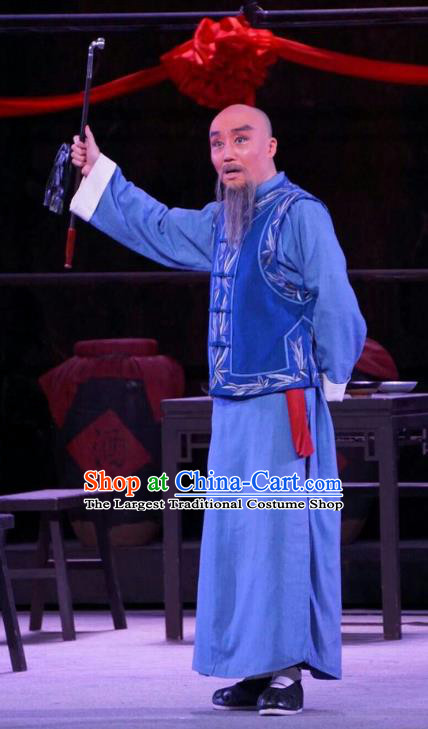
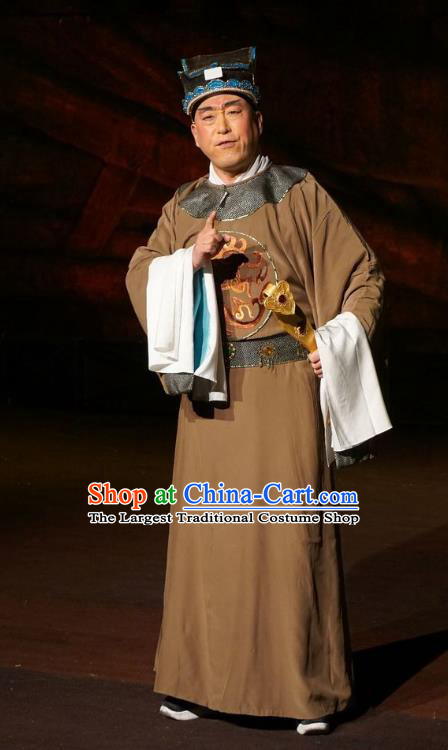
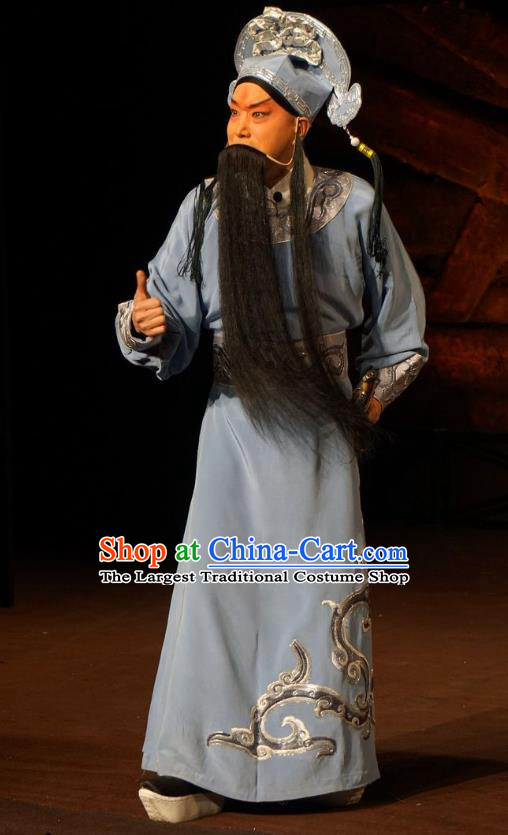
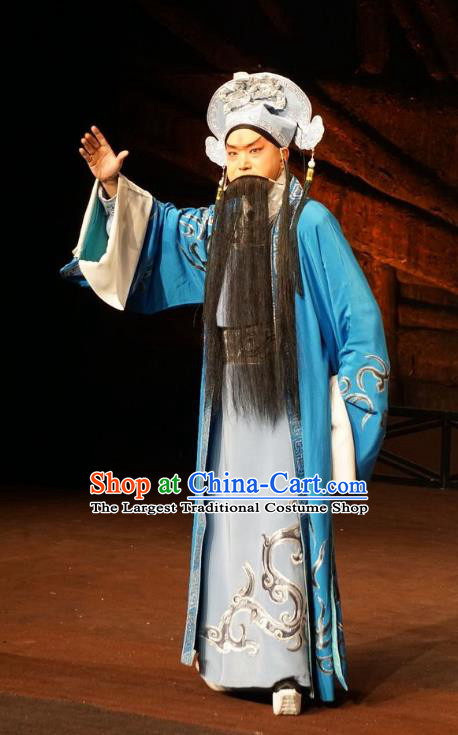
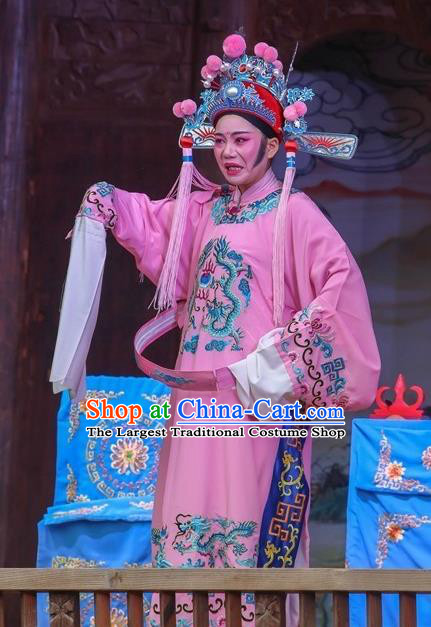
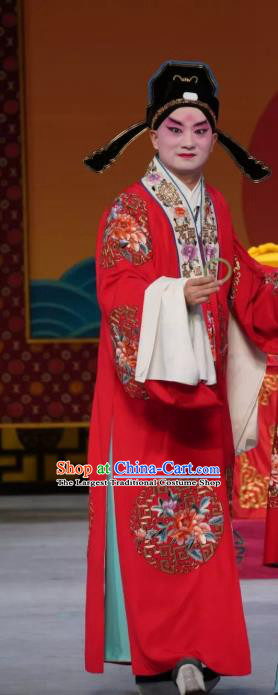
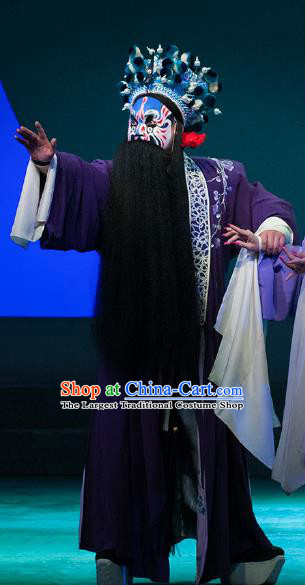
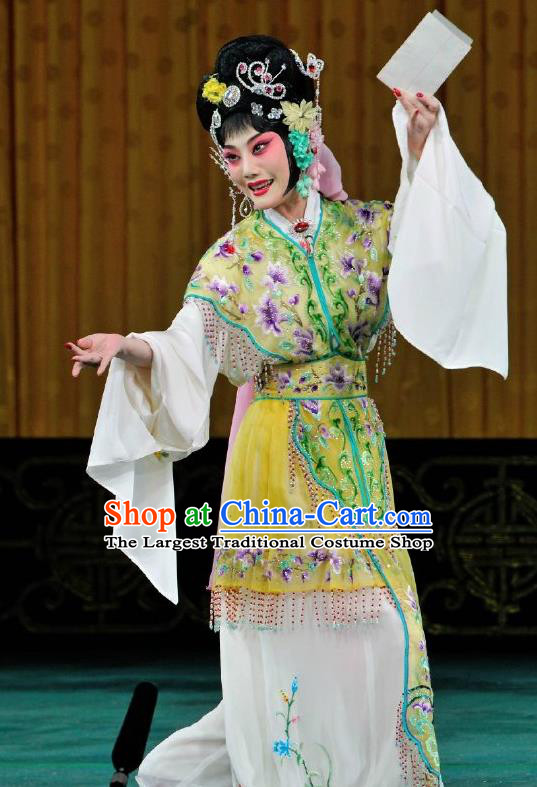
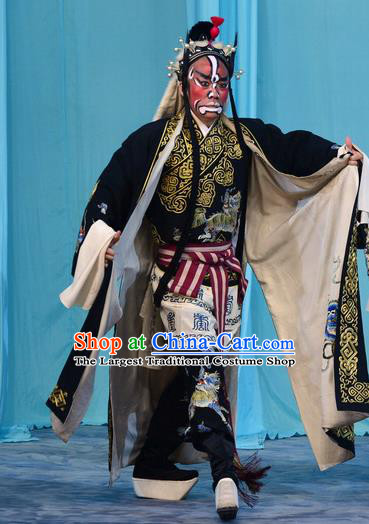
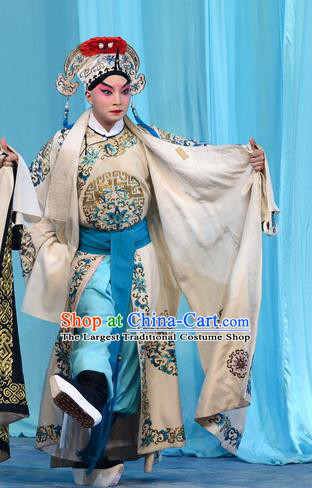
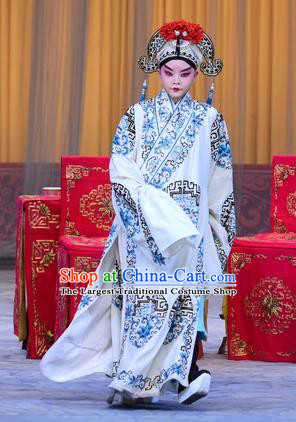
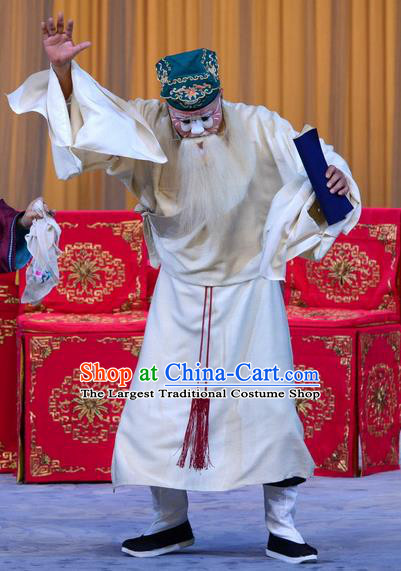
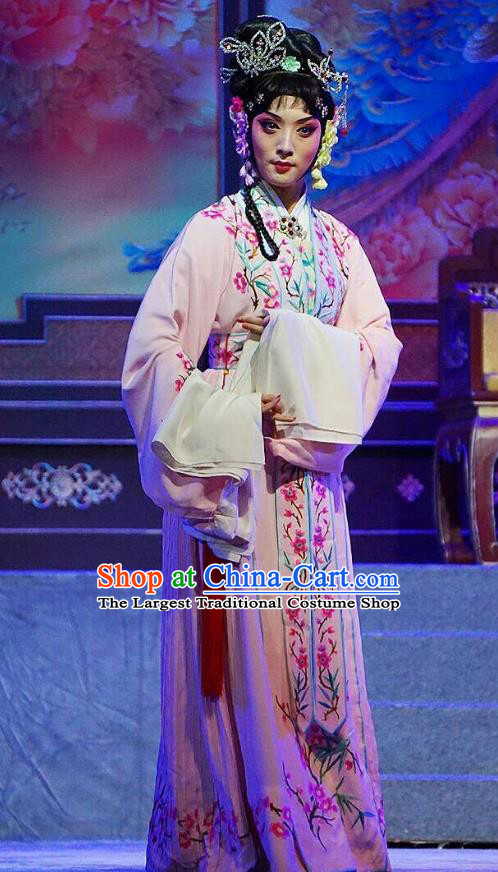
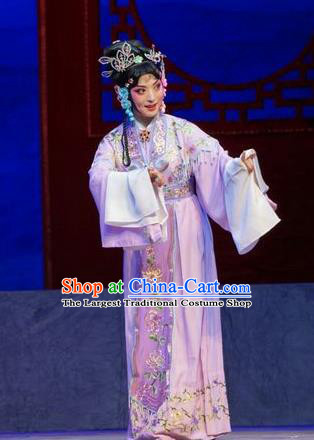
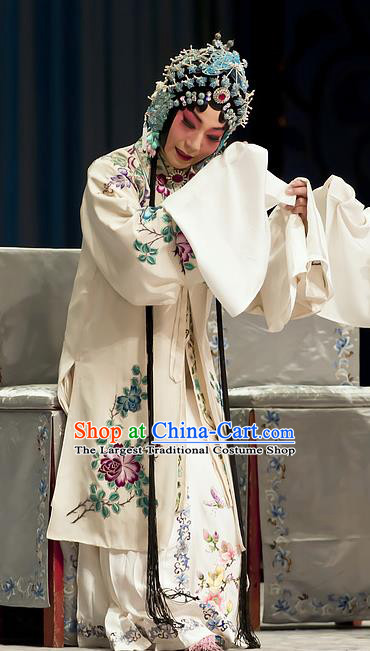
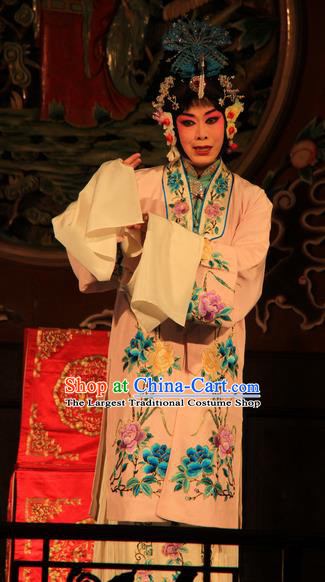
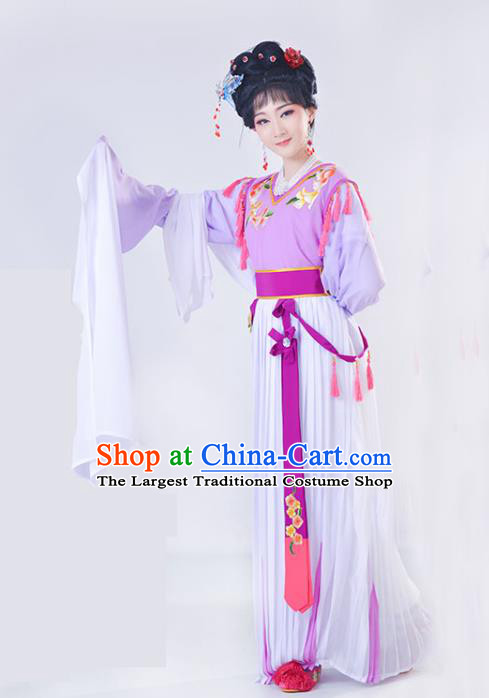
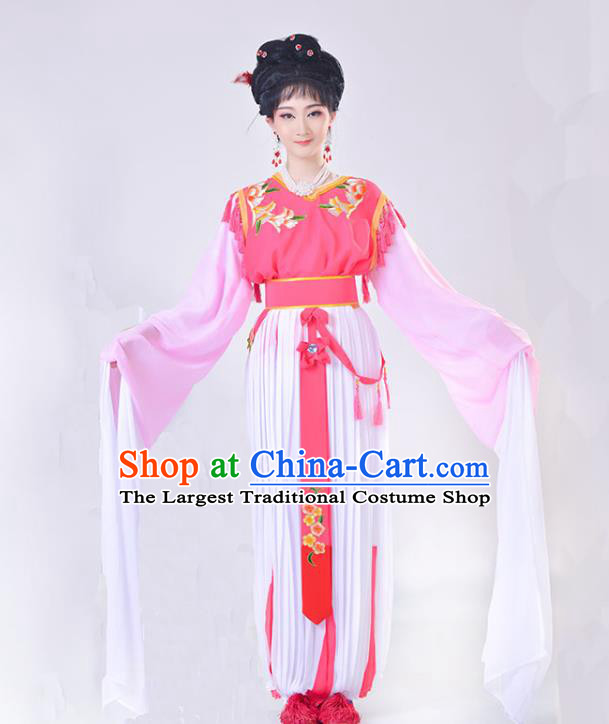
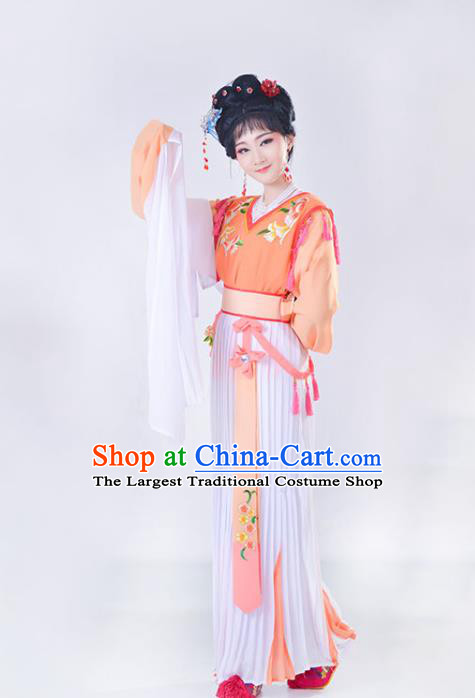
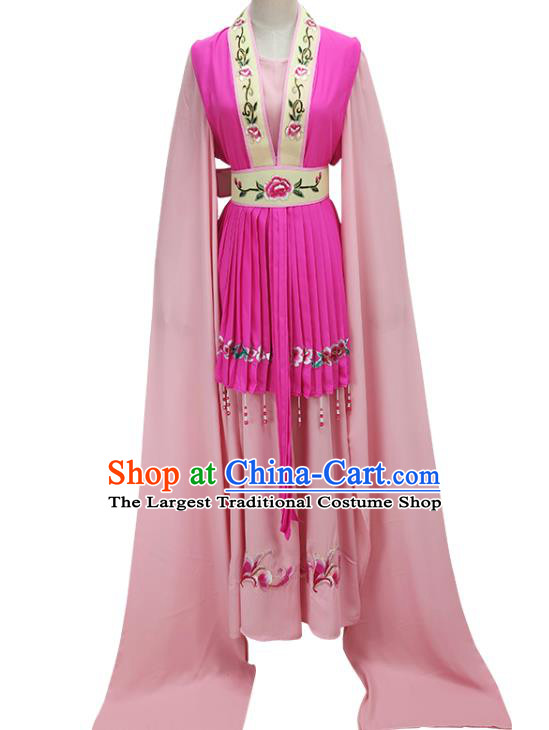
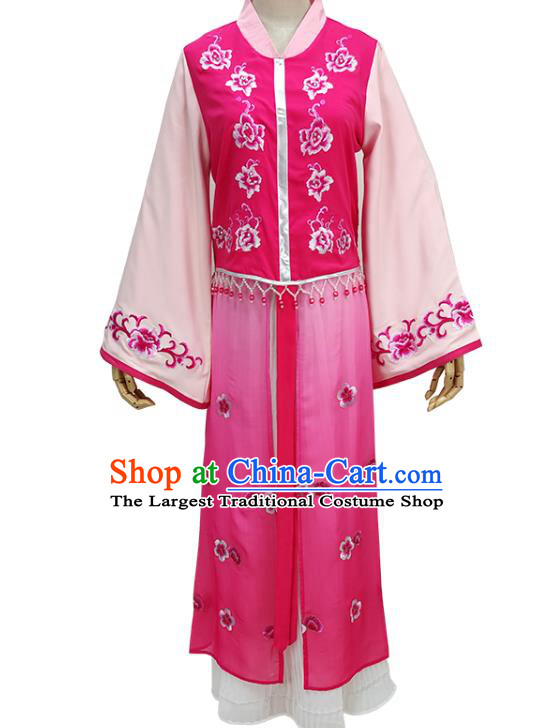
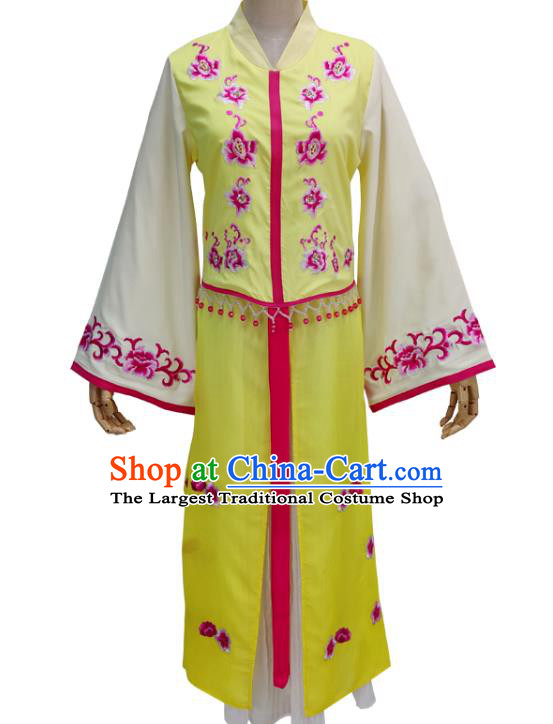
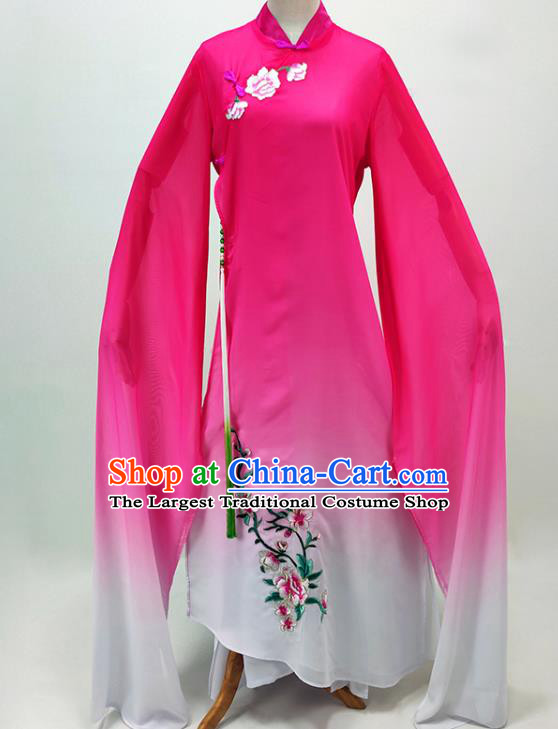
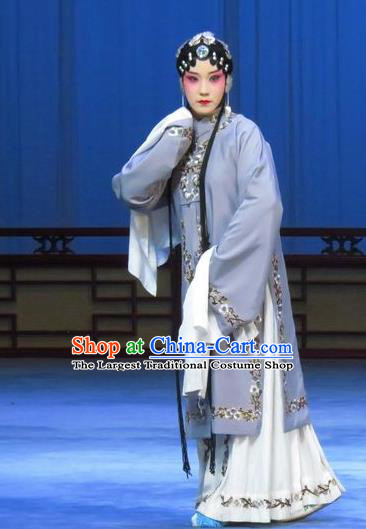
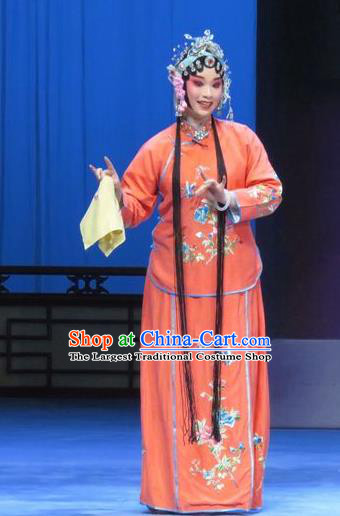
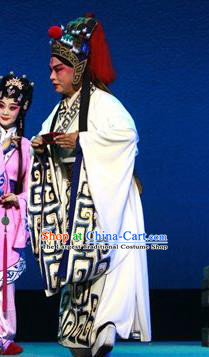
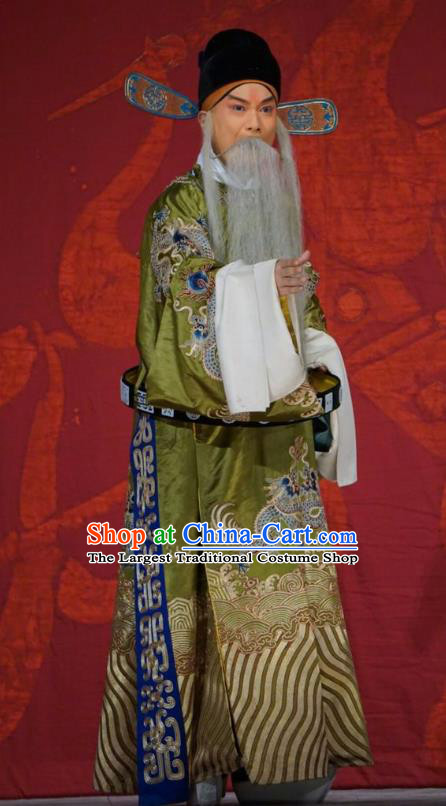
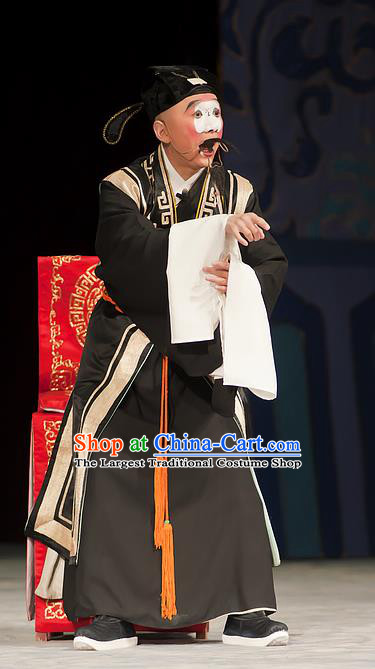
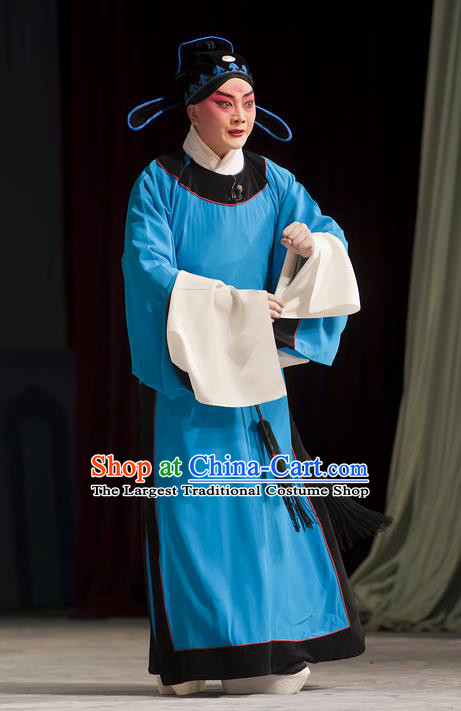
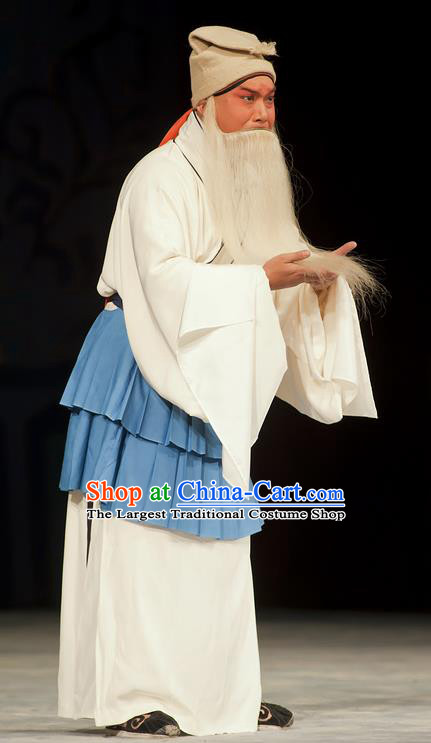
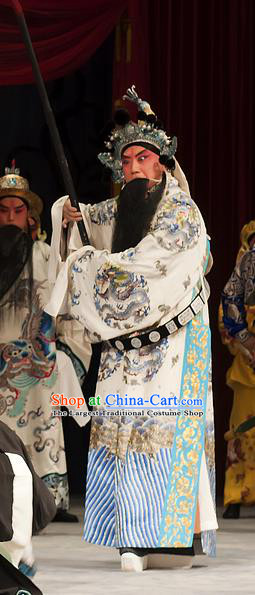
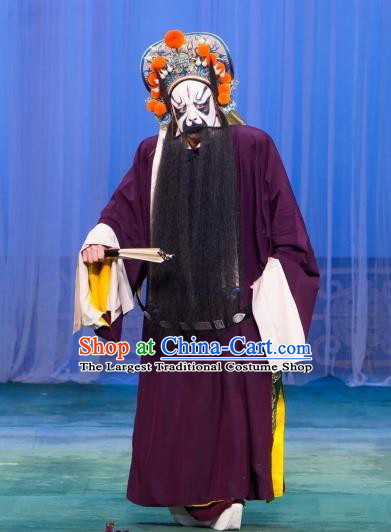
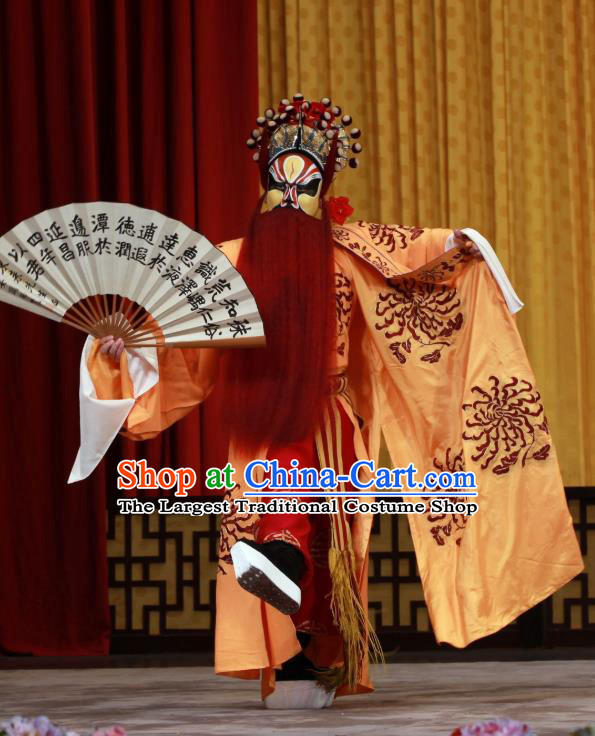
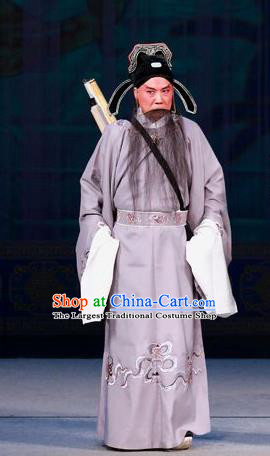
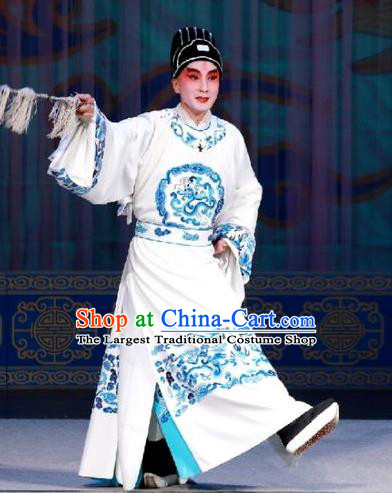
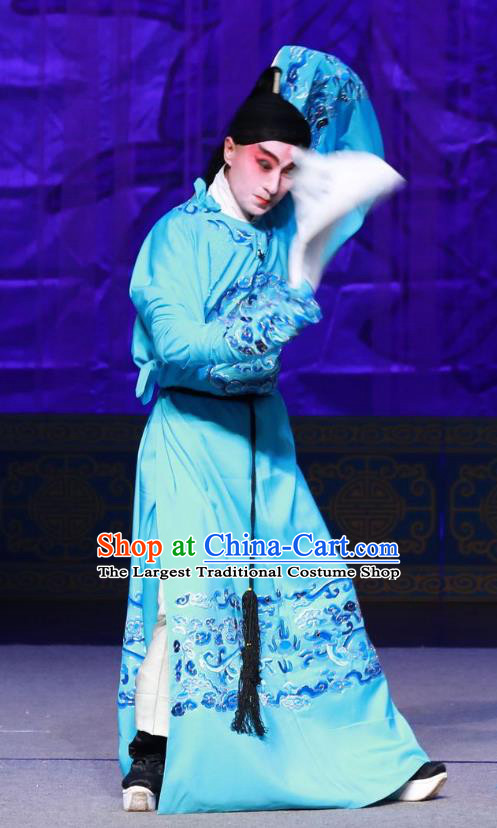
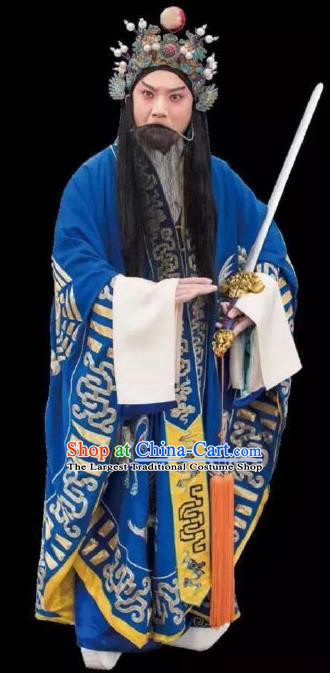
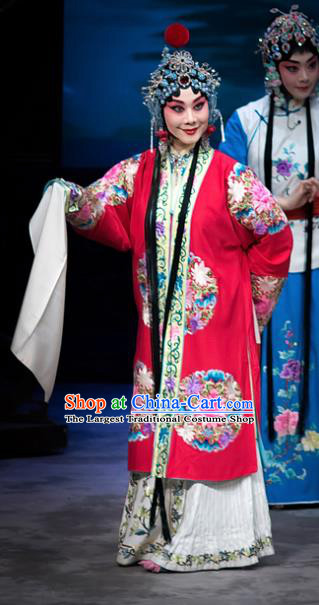
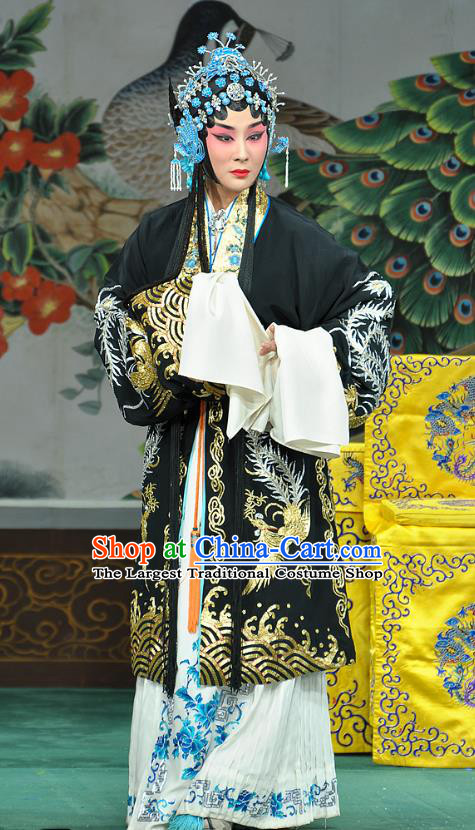
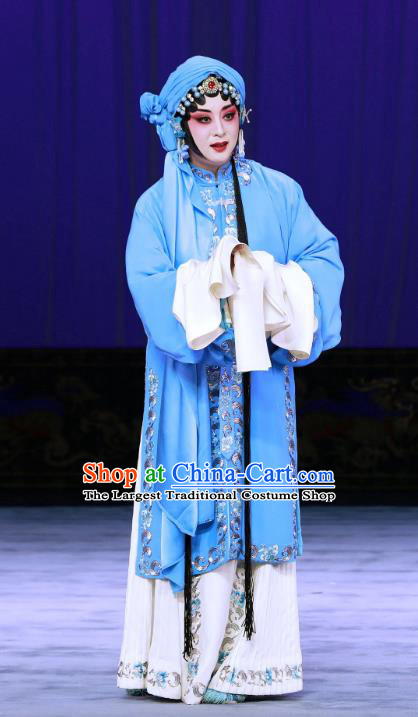
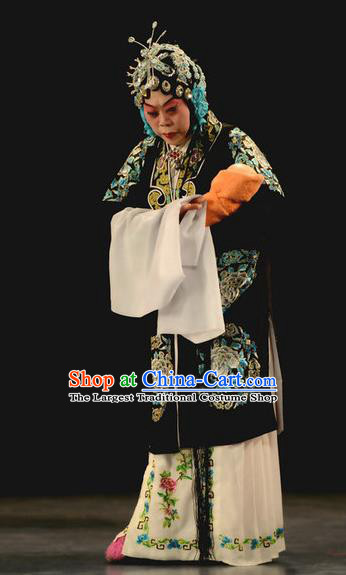
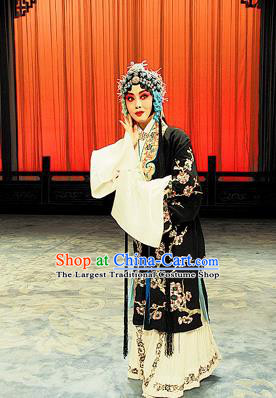
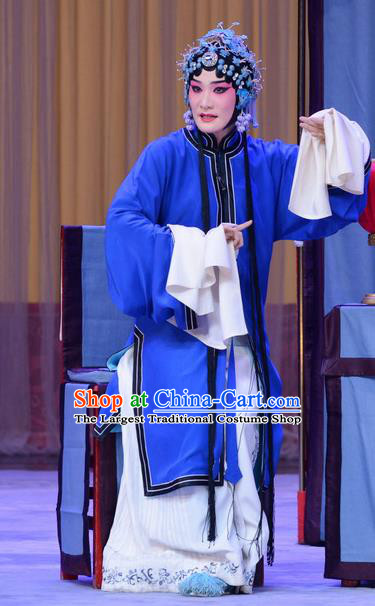
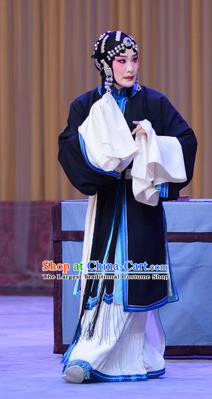
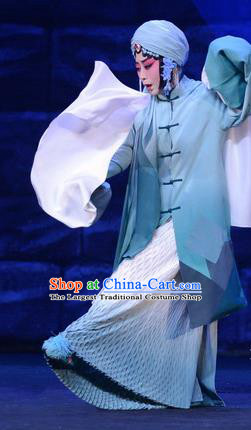
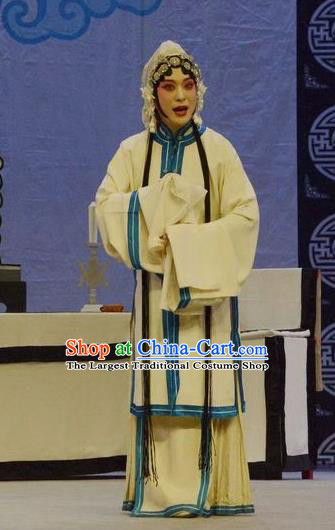
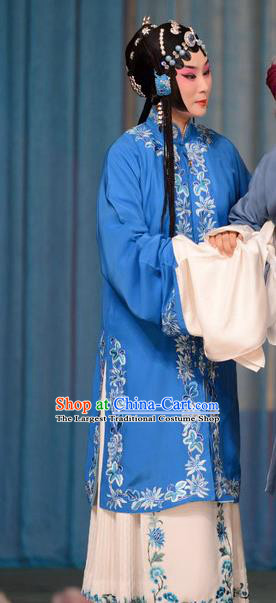
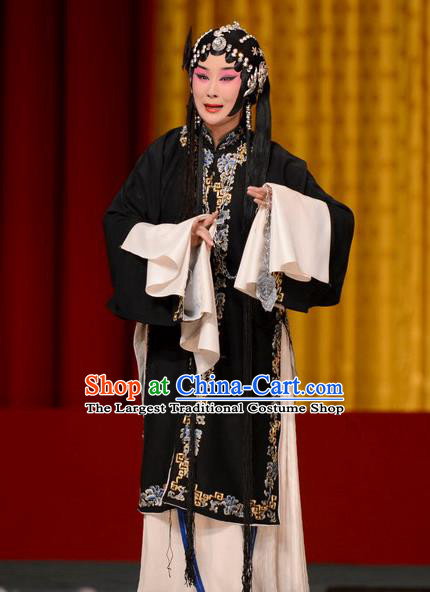
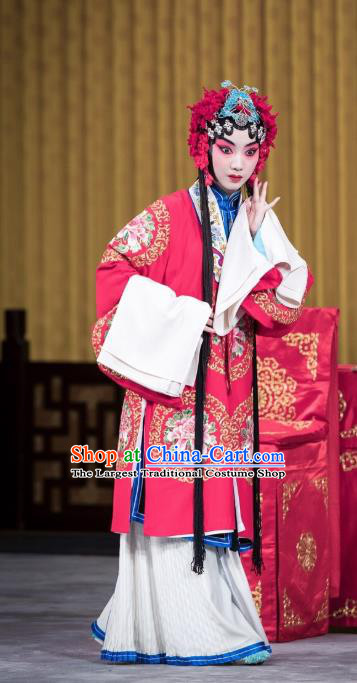
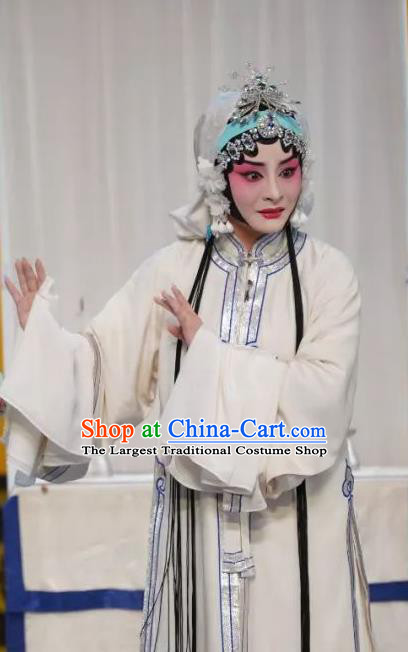
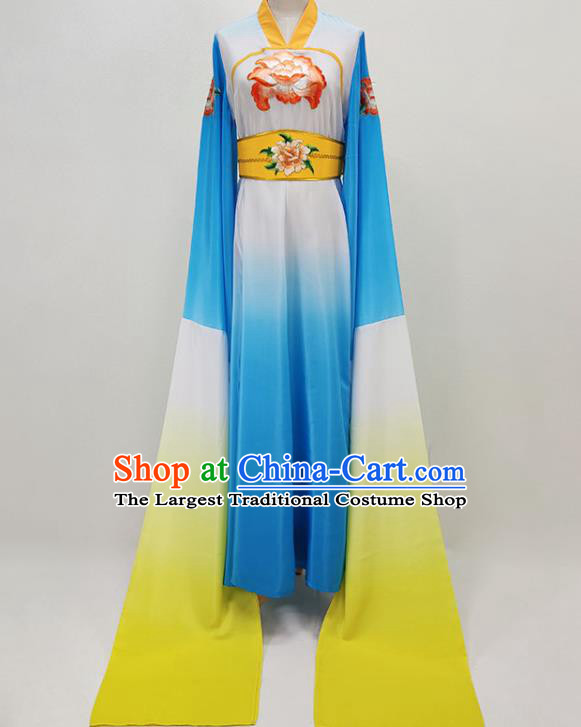
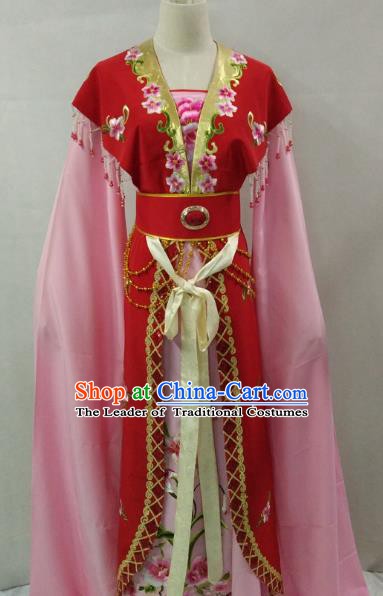
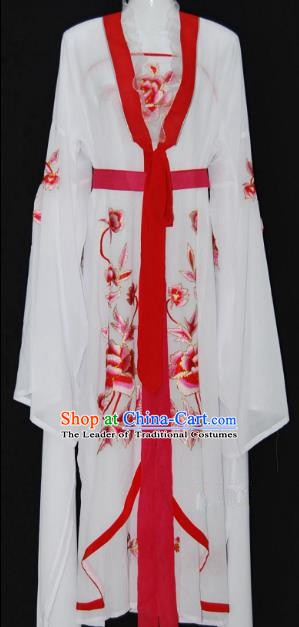
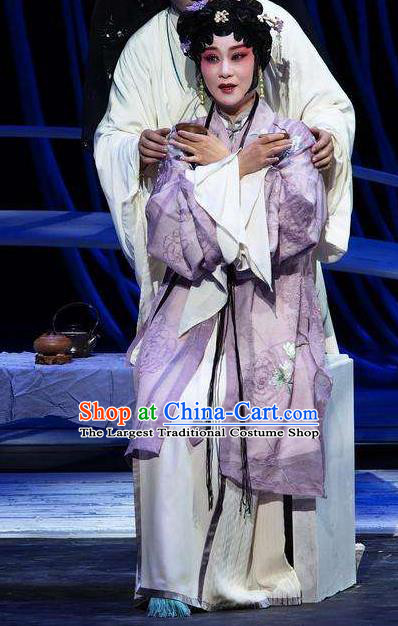
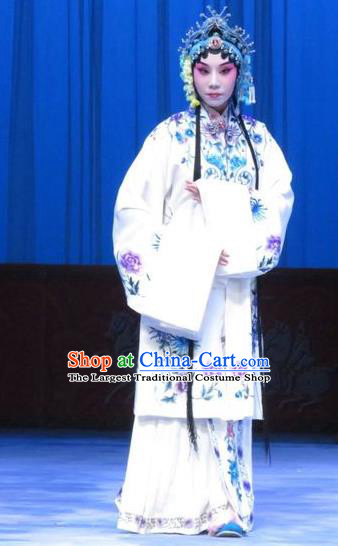
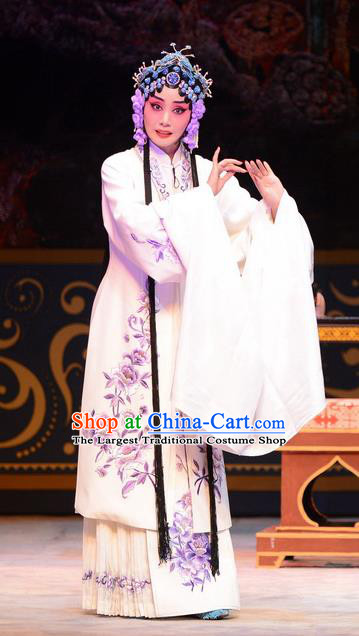
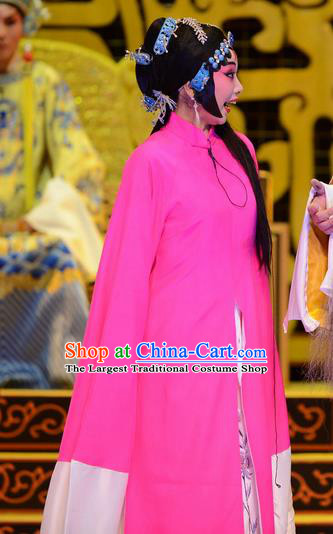
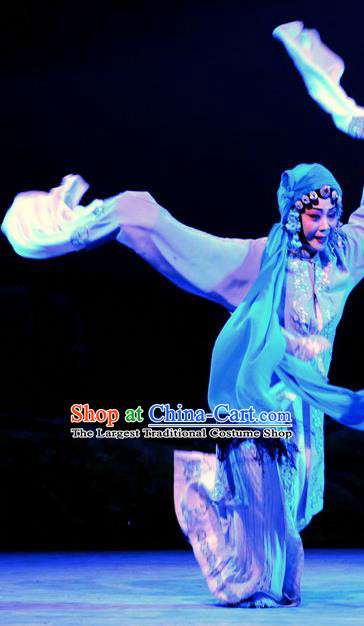
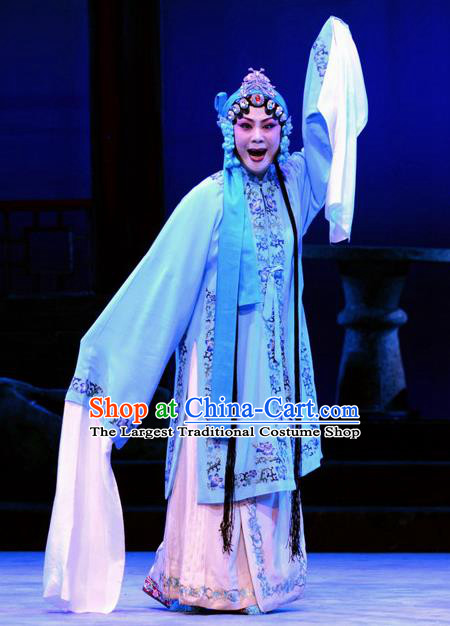
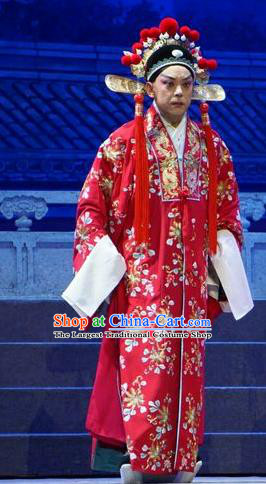
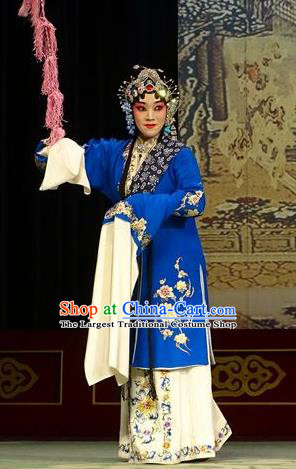
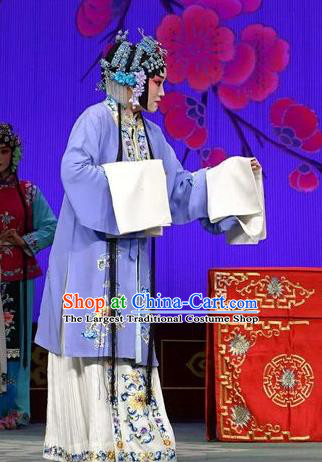
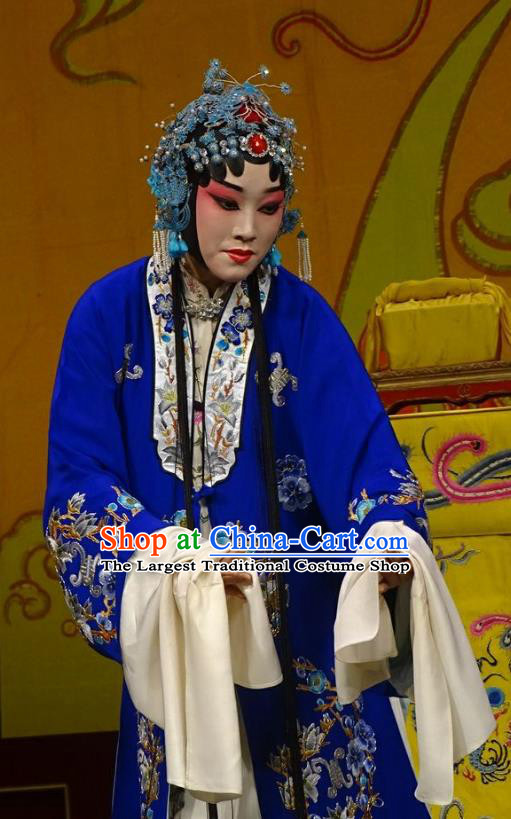
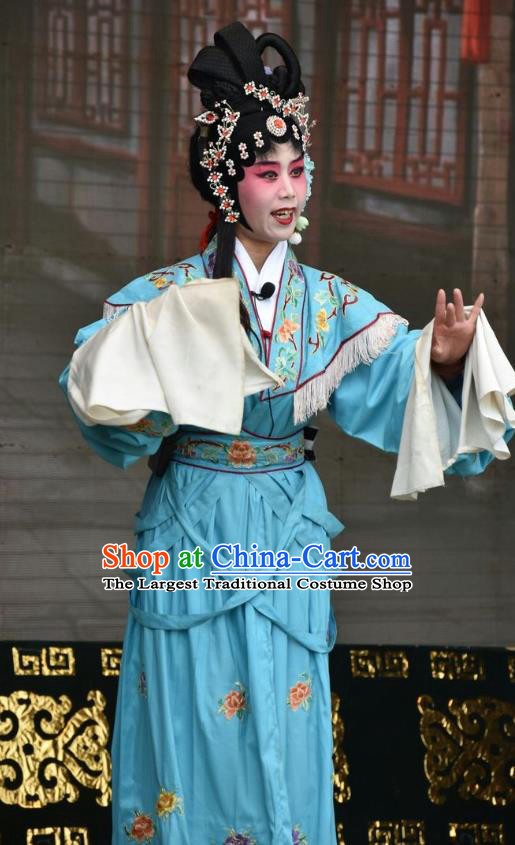
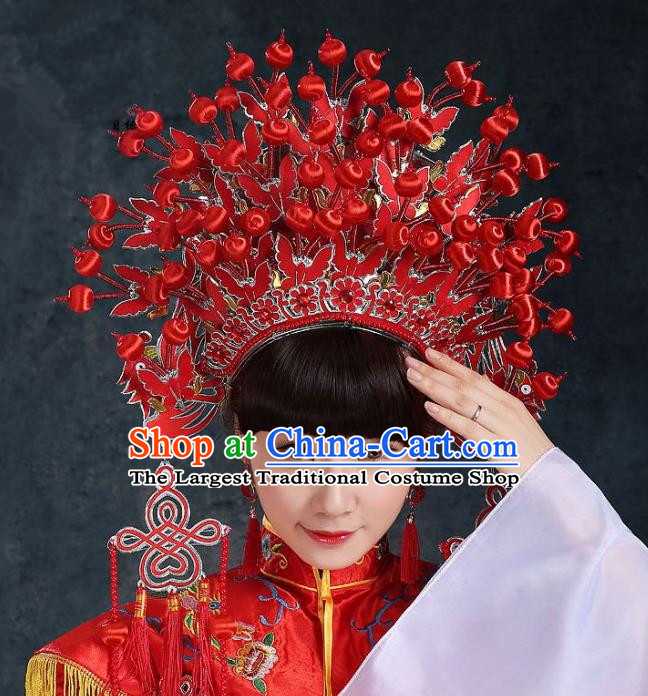
Chinese Beijing Opera, also known as Peking Opera, is a traditional Chinese art form that combines music, singing, dancing, and acrobatics.
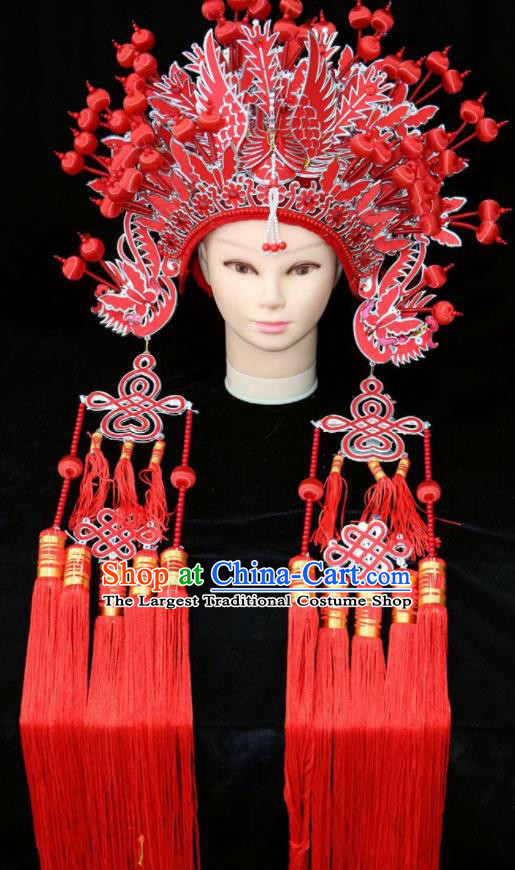
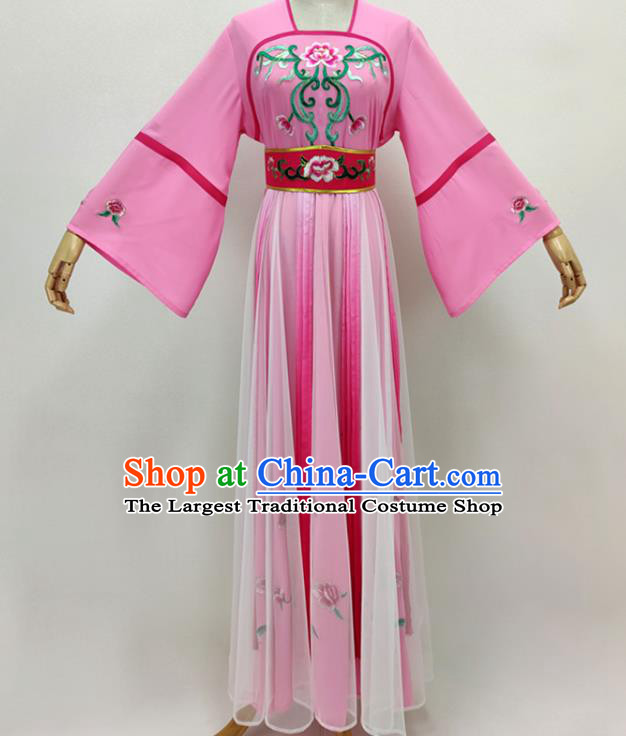
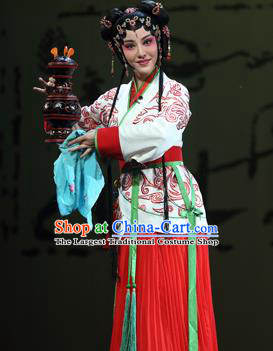
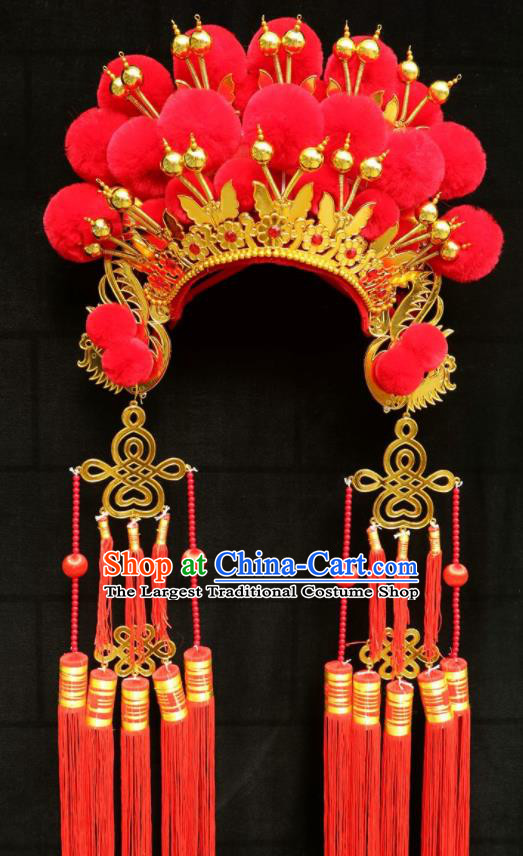
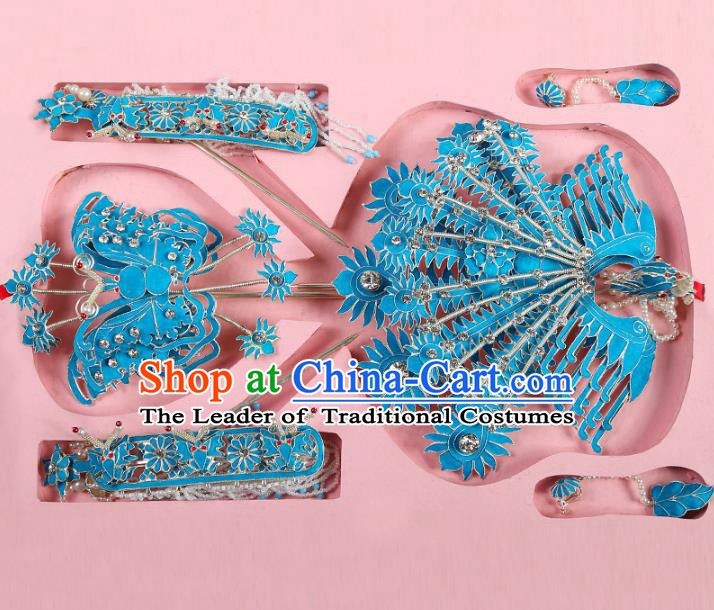
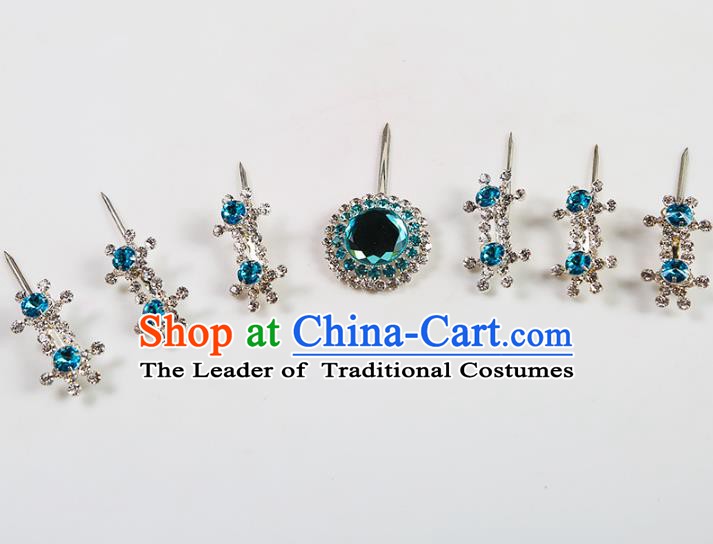
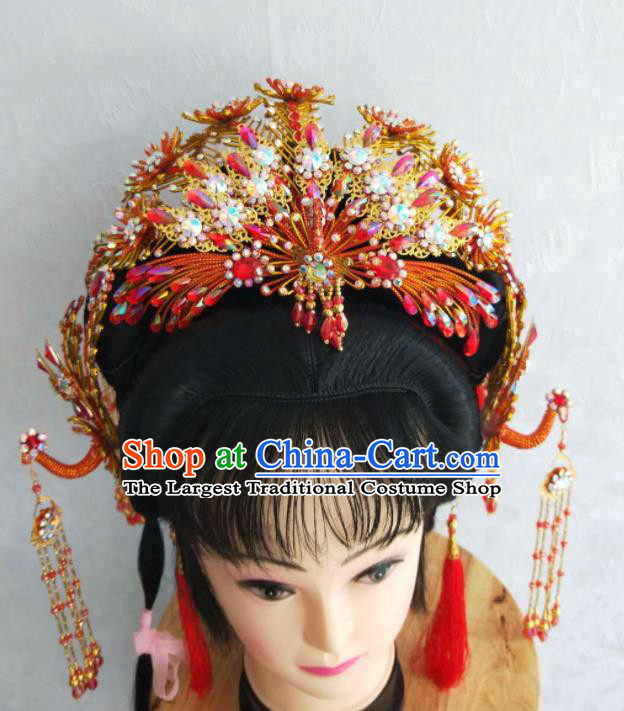
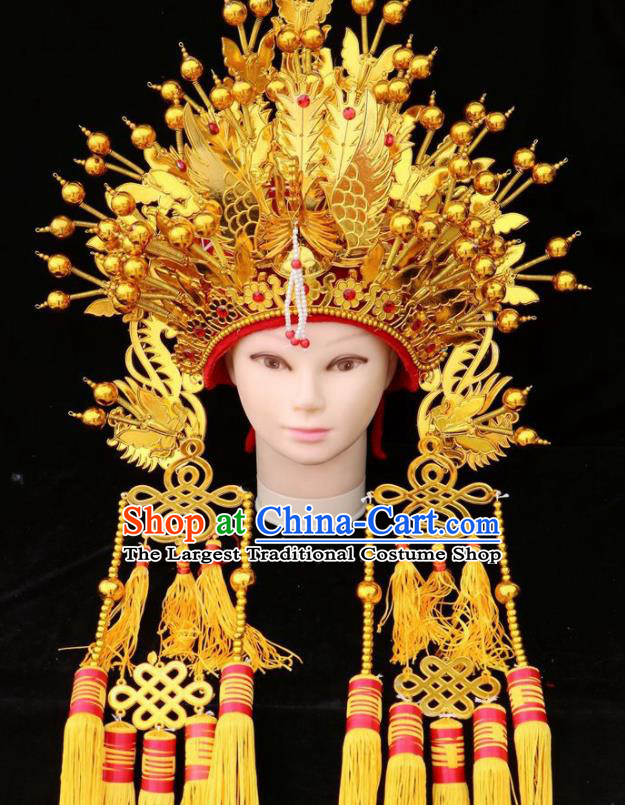
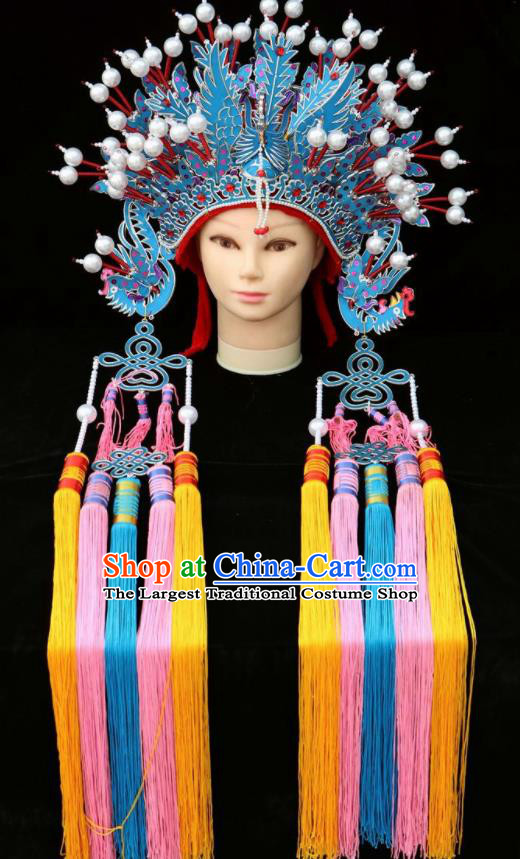
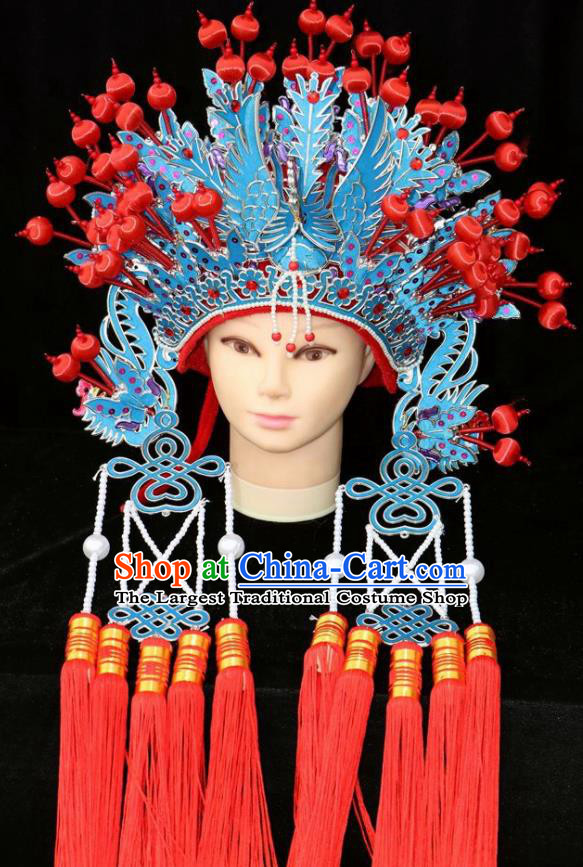
It has a rich history dating back to the late 18th century and is renowned for its elaborate costumes and headpieces.
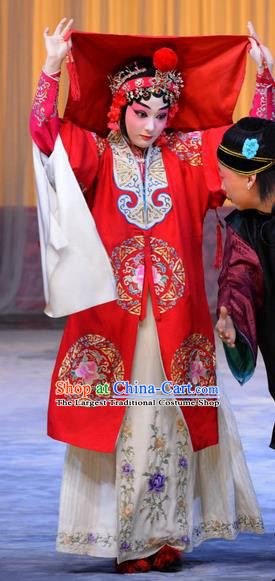
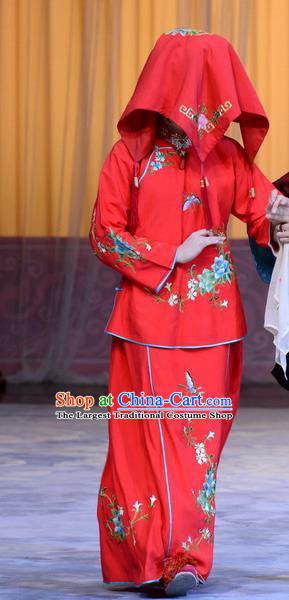
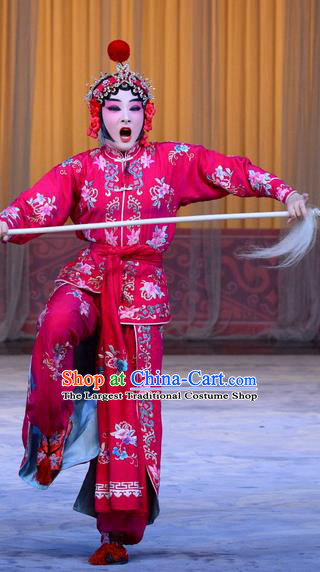
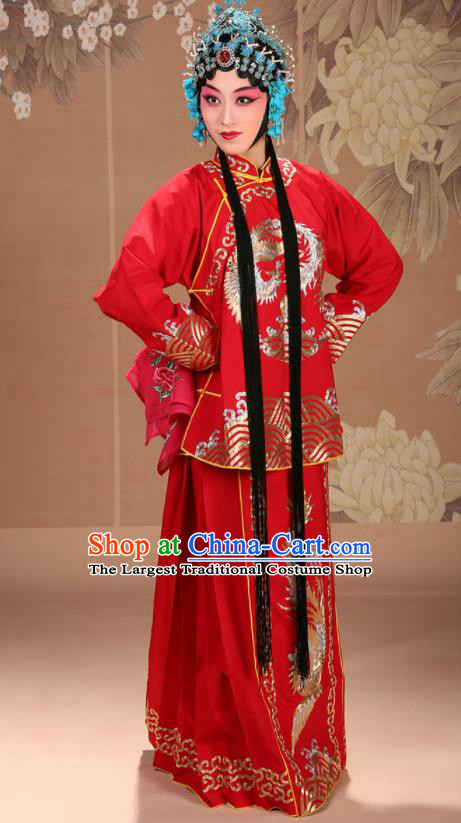
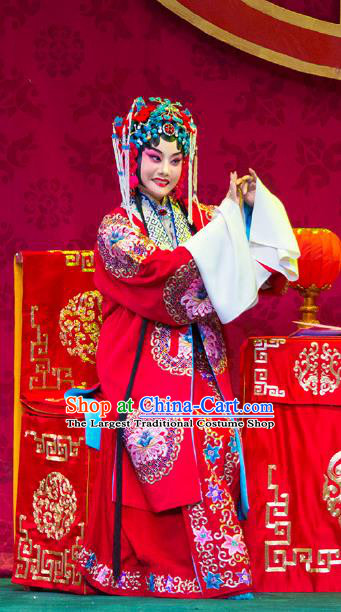
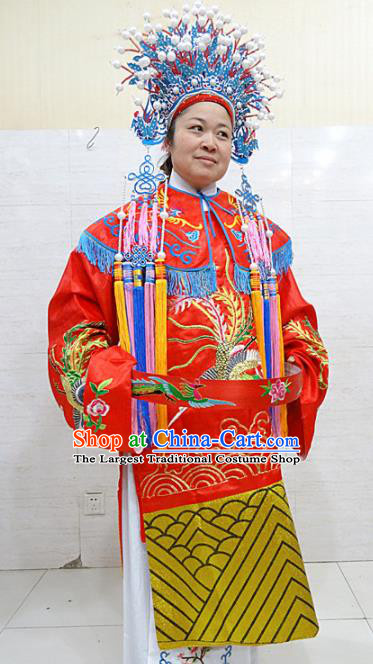
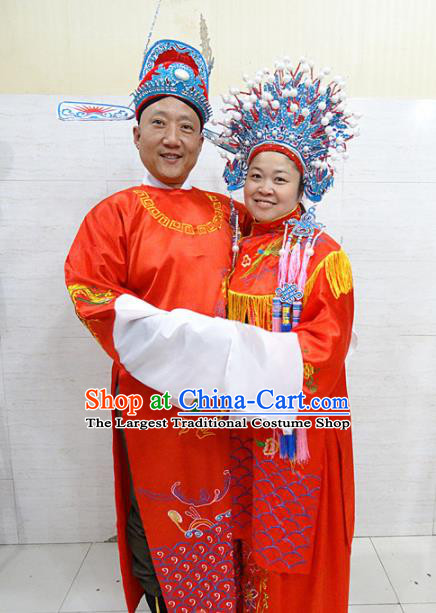
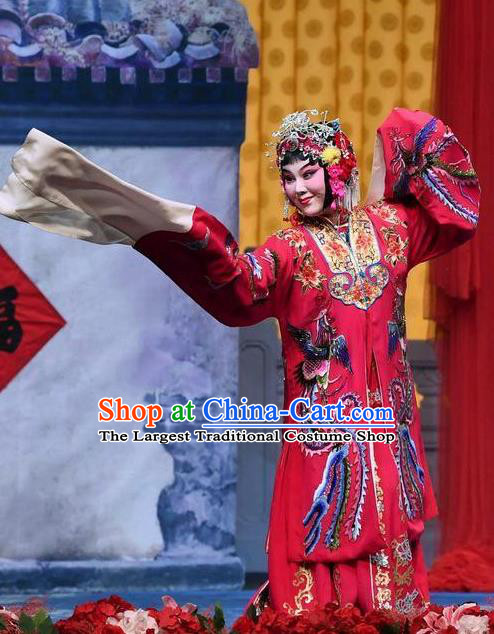
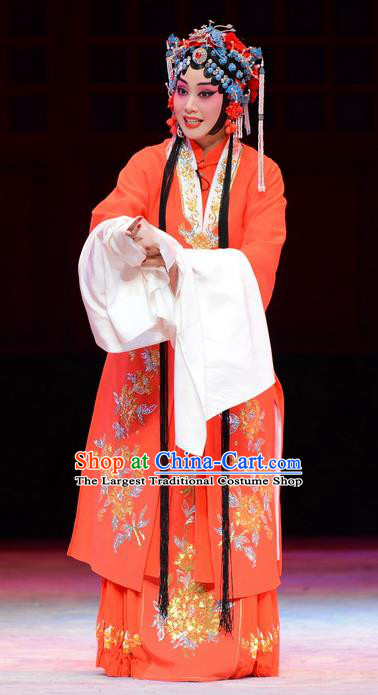
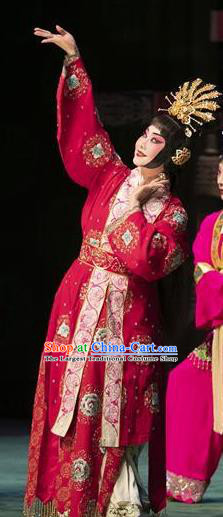
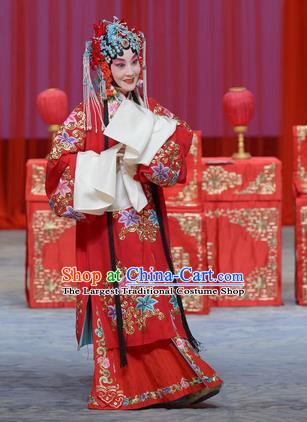
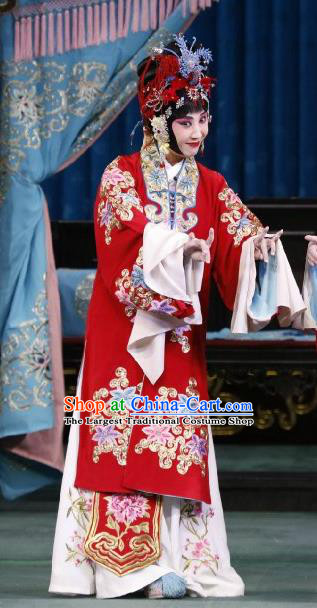
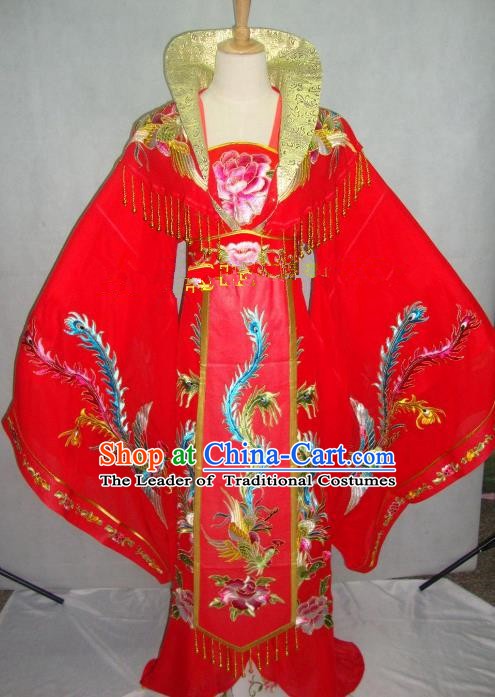
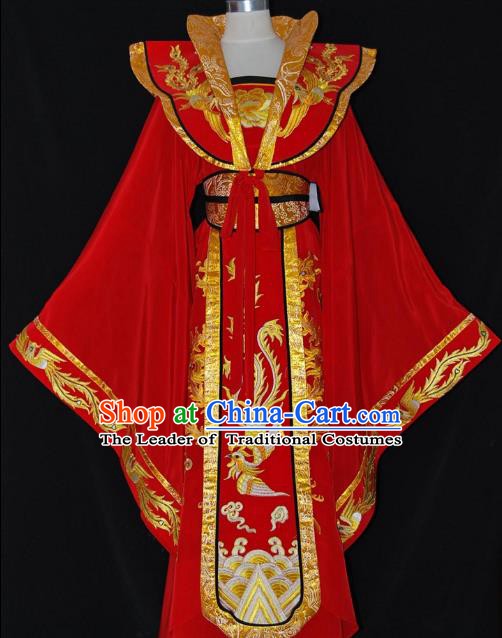
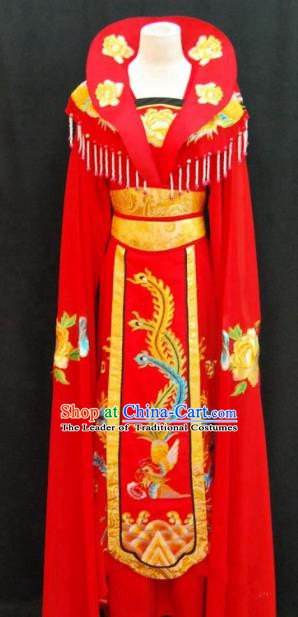
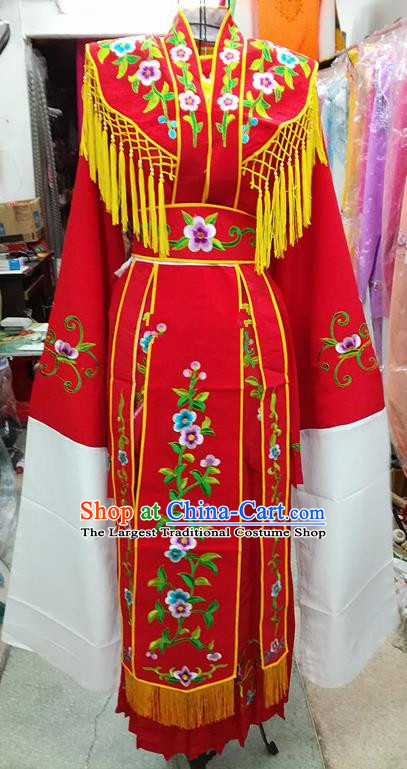
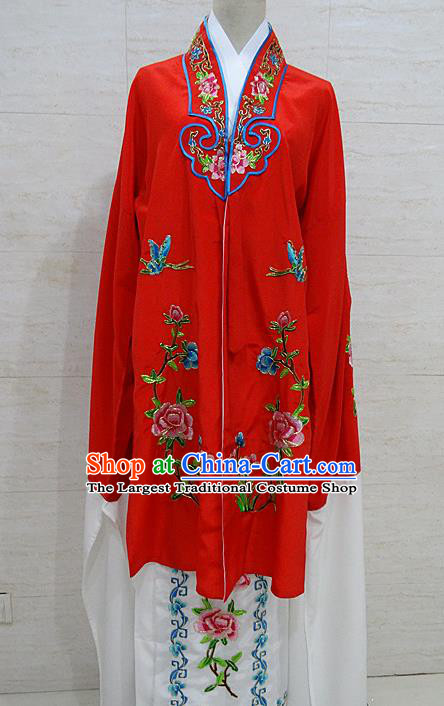
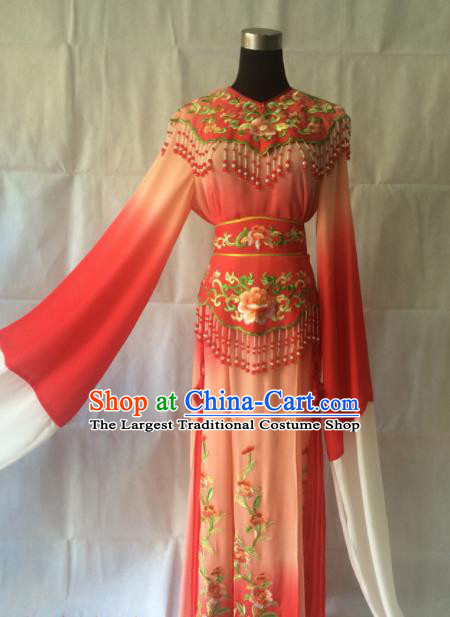
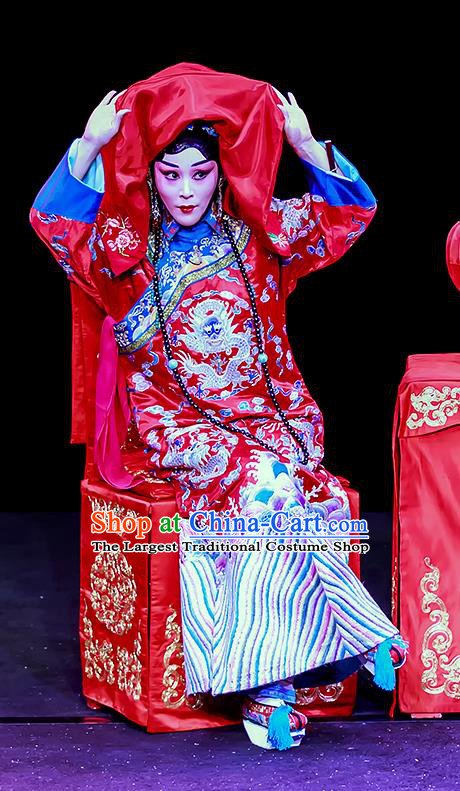
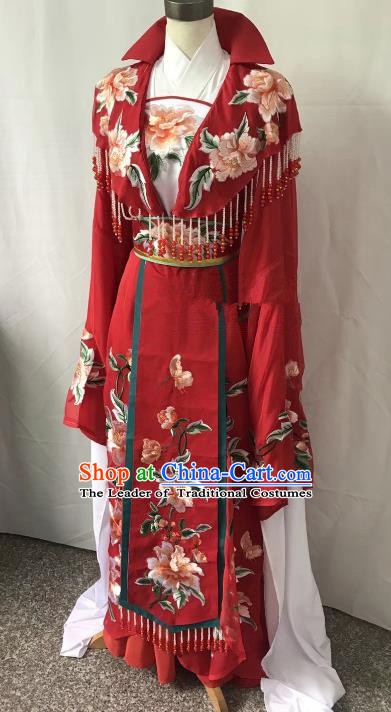
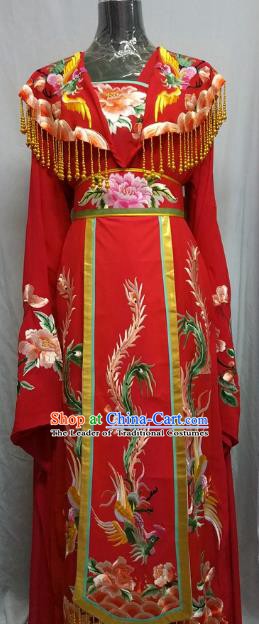
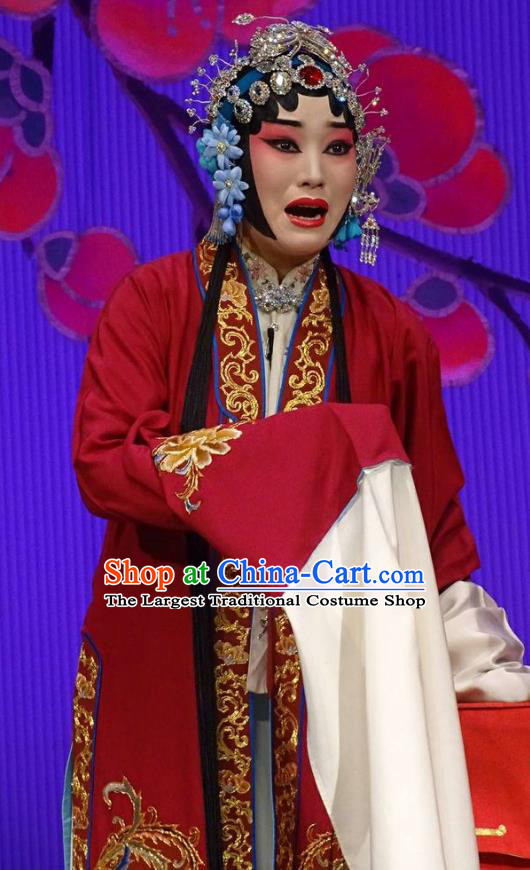
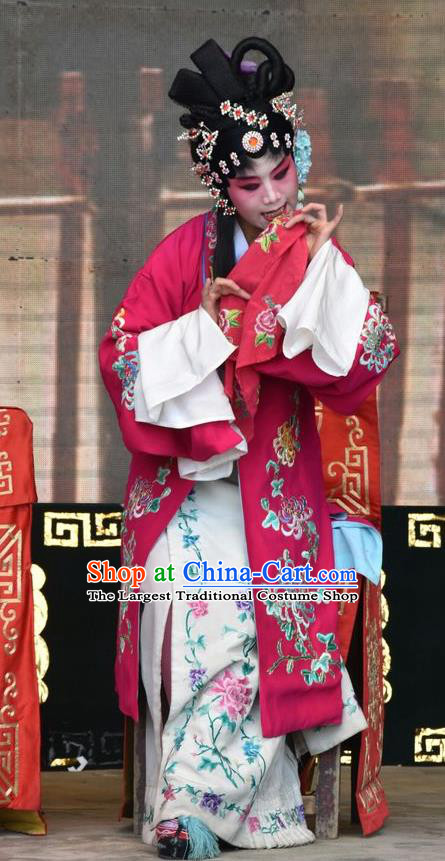
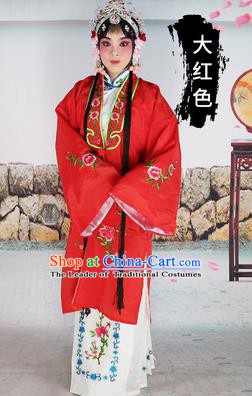
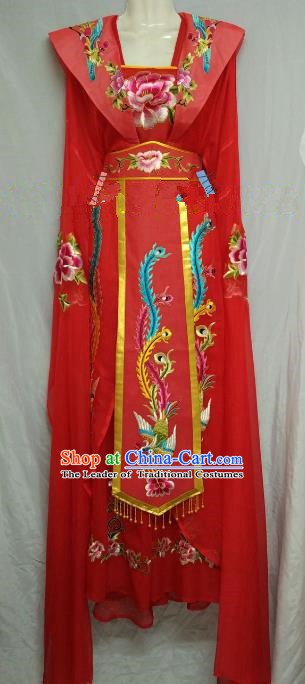
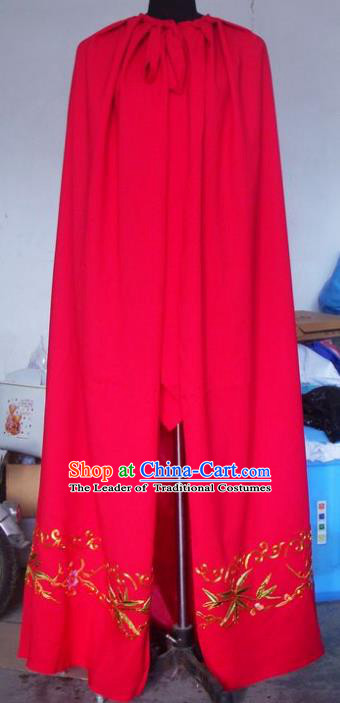
The bride's red attire in particular is a symbol of happiness and good fortune in Chinese culture.
The bride's red dress is made of silk or other luxurious materials and features intricate embroidery and beading.
It is often adorned with gold or silver threads and may have a high collar or long sleeves.
The dress is designed to reflect the bride's status and personality, and it is often worn during important events such as weddings or festivals.
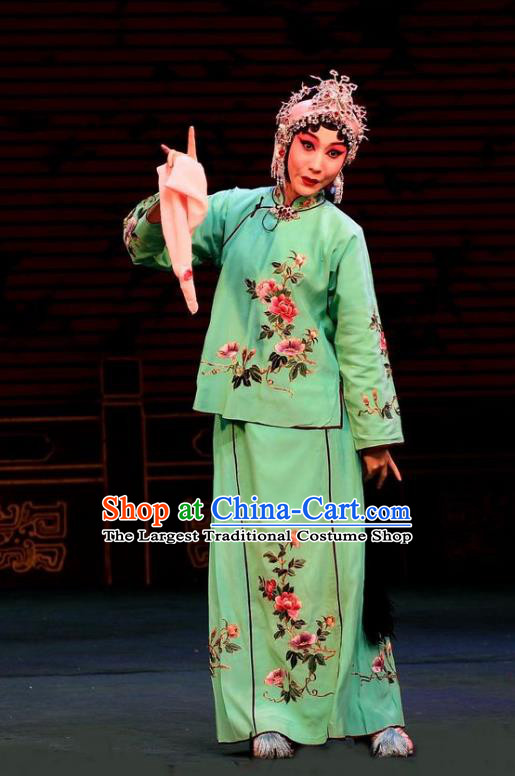
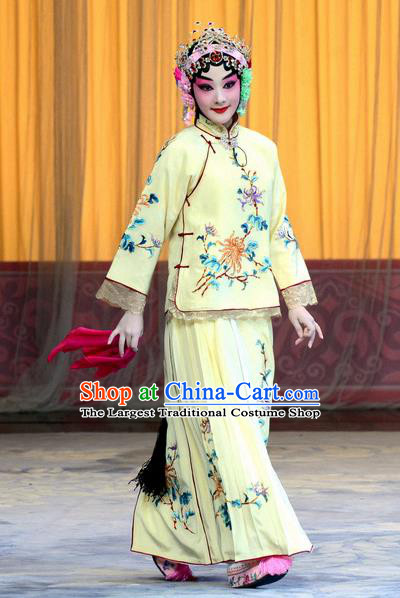
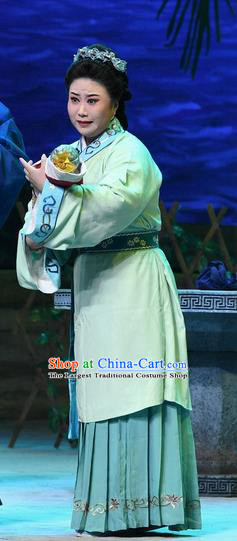
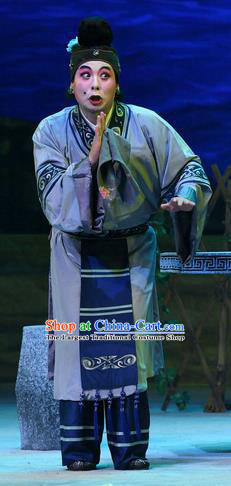
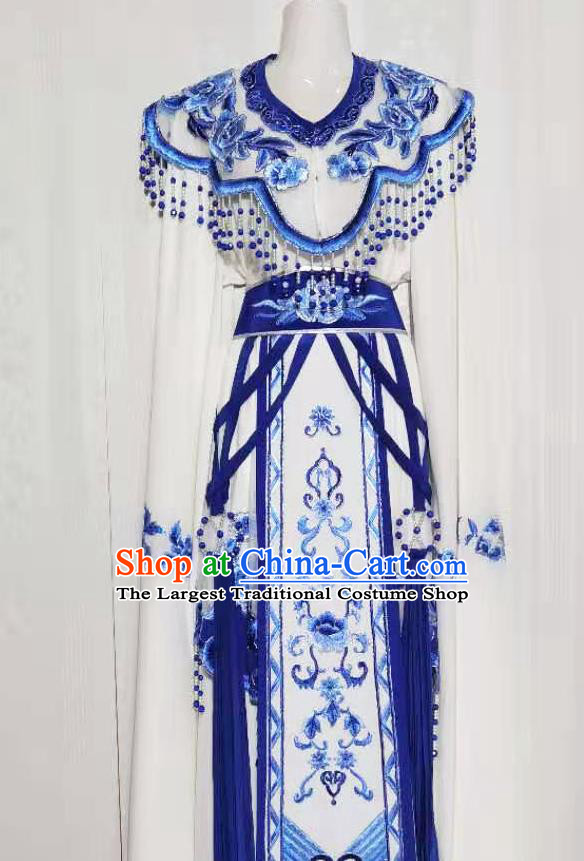
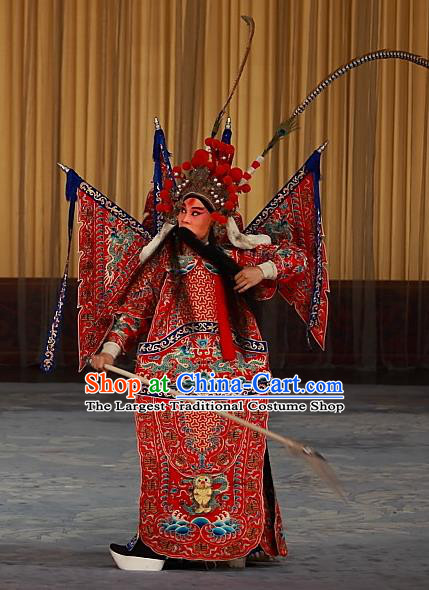
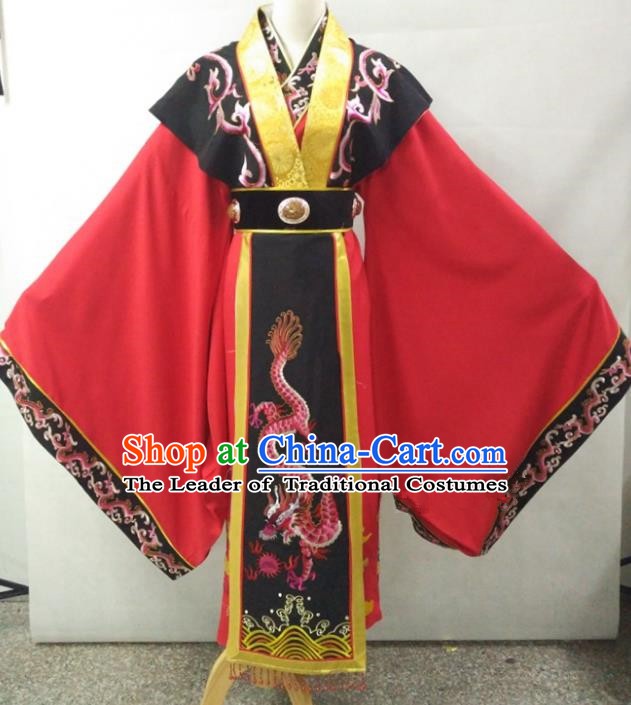
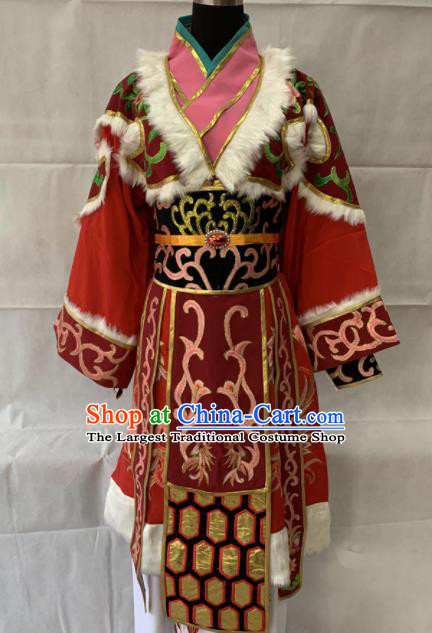
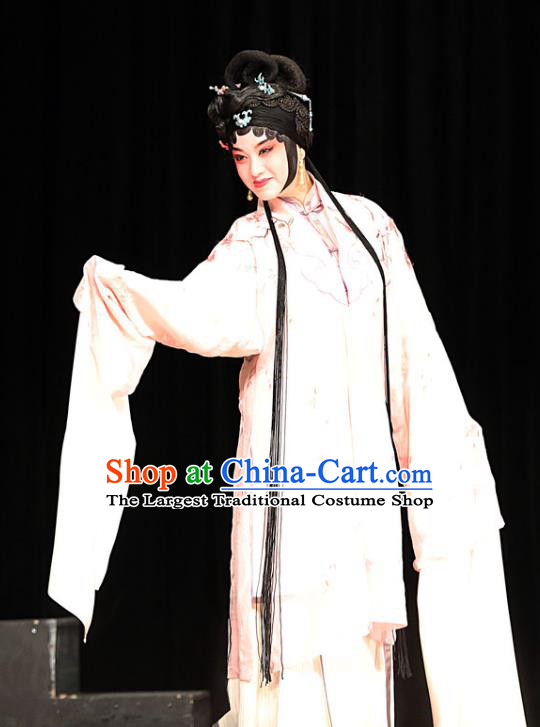
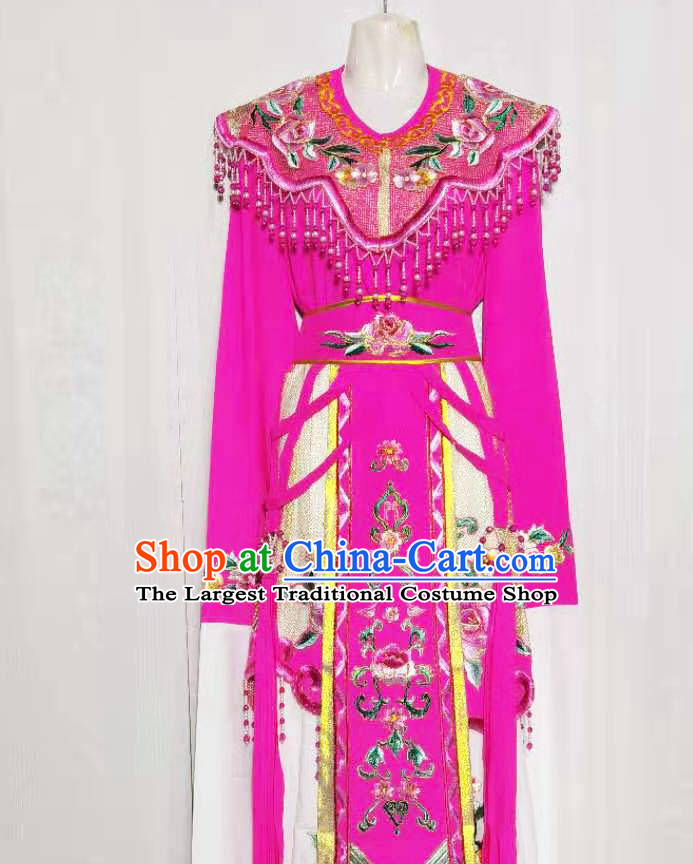
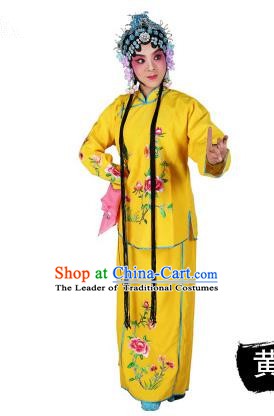
In addition to the bride's dress, there are many other traditional costumes and headpieces used in Peking Opera.
These include the changshan (a long robe), the qipao (a short dress), the chuanqi (a long coat), and the sanhuang (a three-layered hat).
Each costume has its own unique style and significance, reflecting the different roles and personalities of the characters in the opera.
Peking Opera is not only a visual feast but also a cultural treasure that embodies the essence of Chinese aesthetics and values.
Its performances are characterized by their beauty, grace, and emotional depth, and they have been enjoyed by generations of Chinese people.
Today, Peking Opera continues to thrive and evolve, attracting audiences from all over the world who appreciate its artistic excellence and cultural significance.