Click Related Pictures for More Audios:
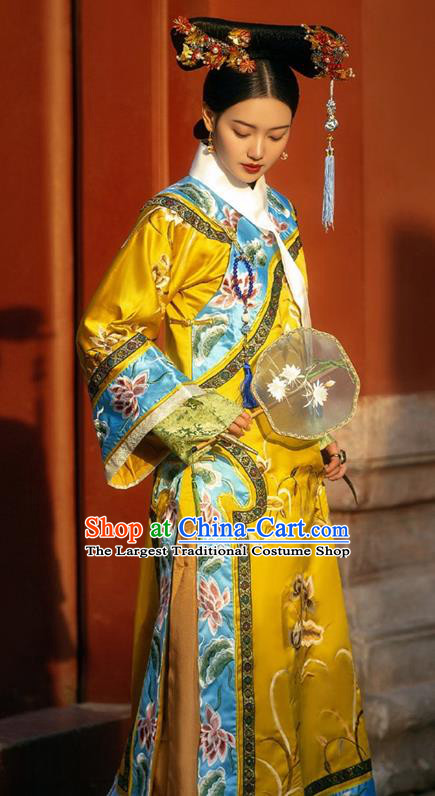
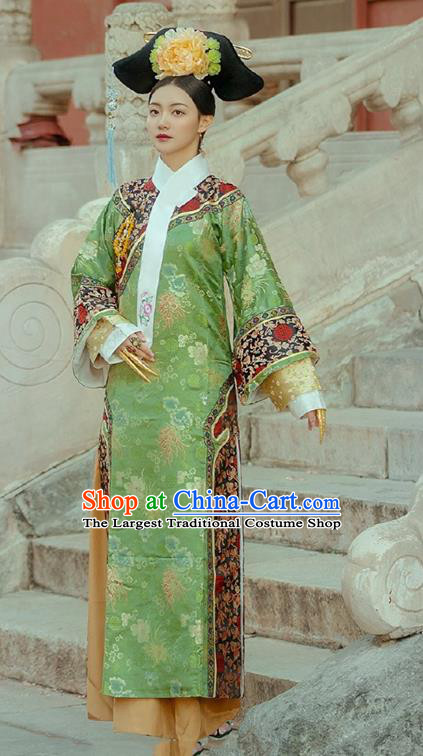
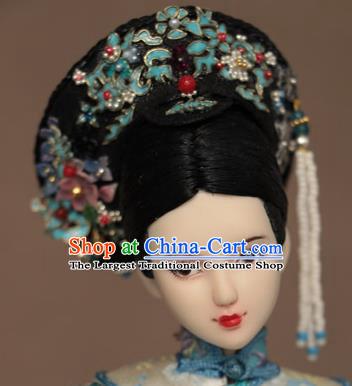
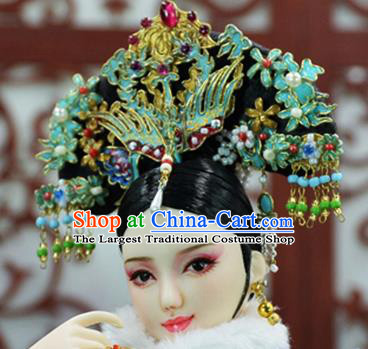
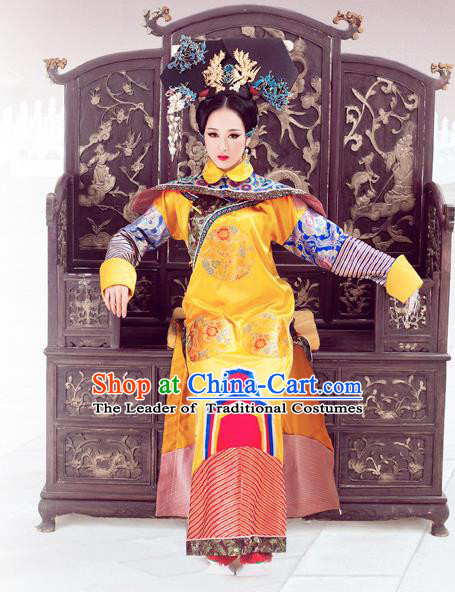
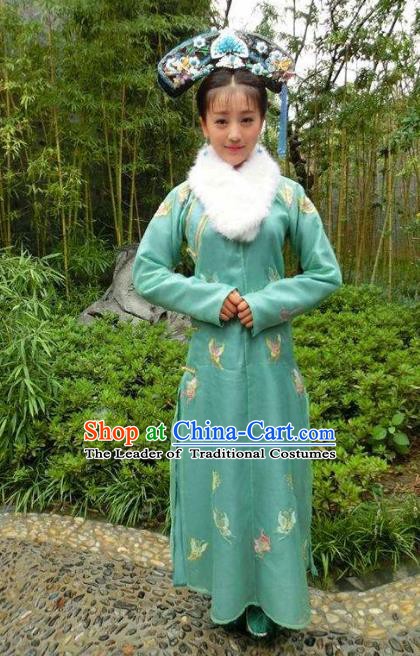
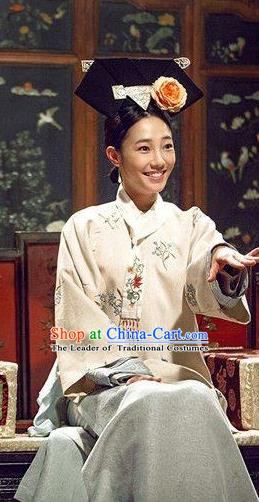
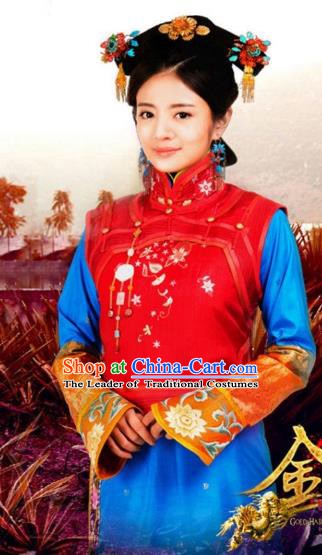
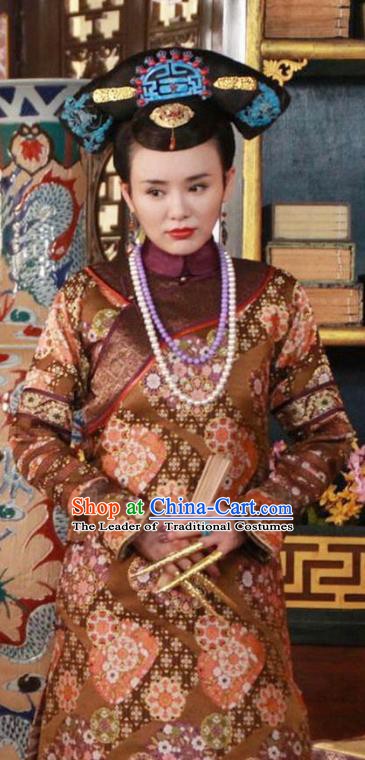
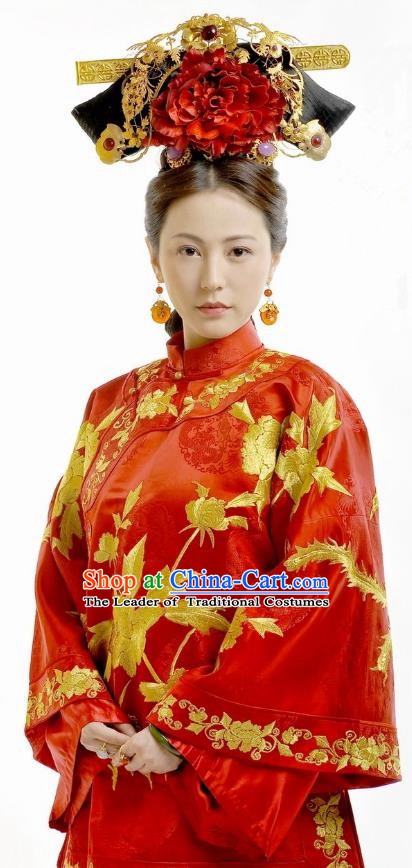
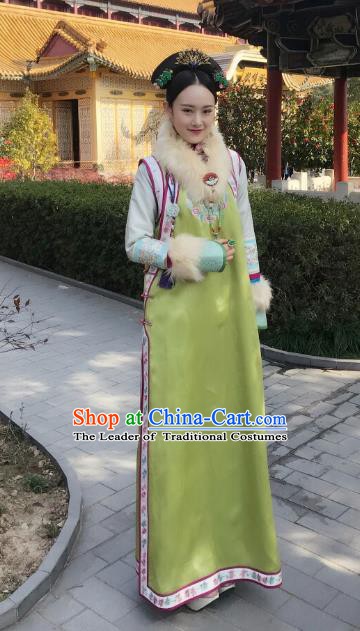
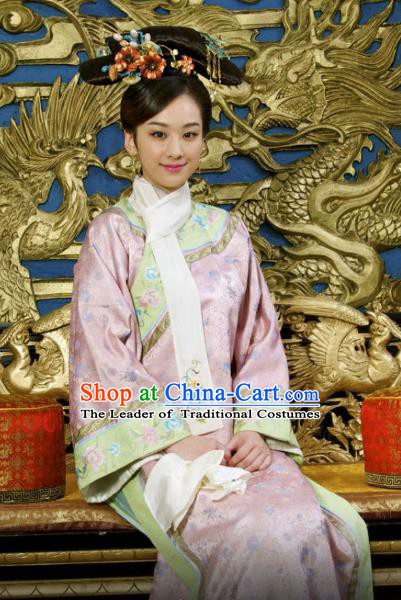
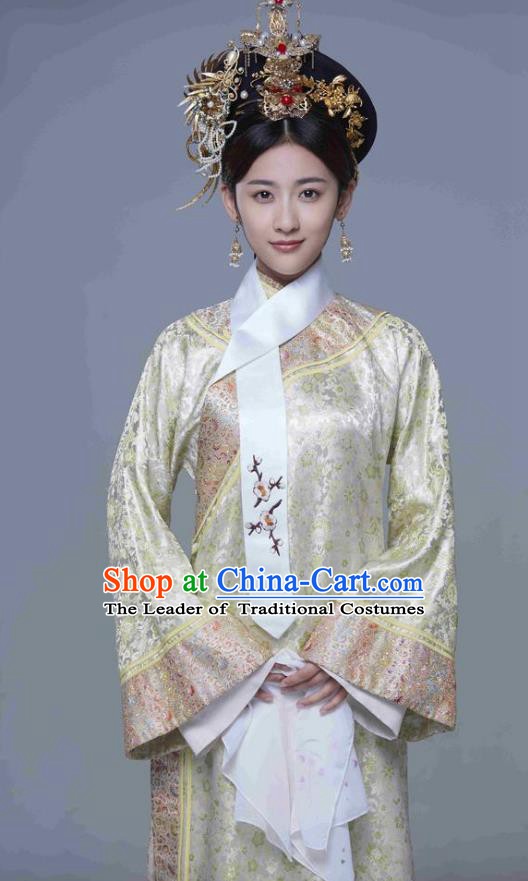
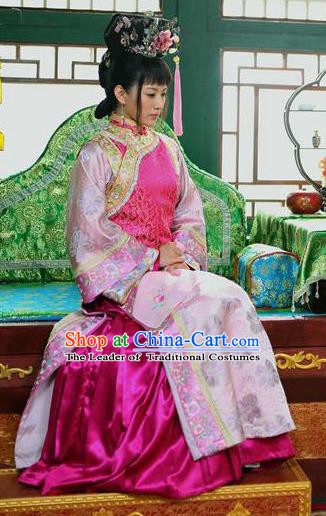
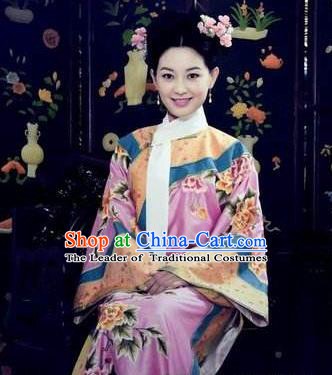
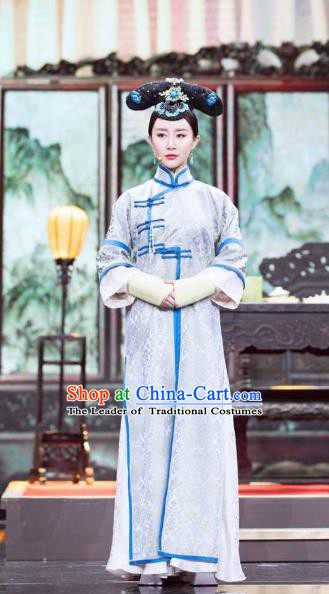
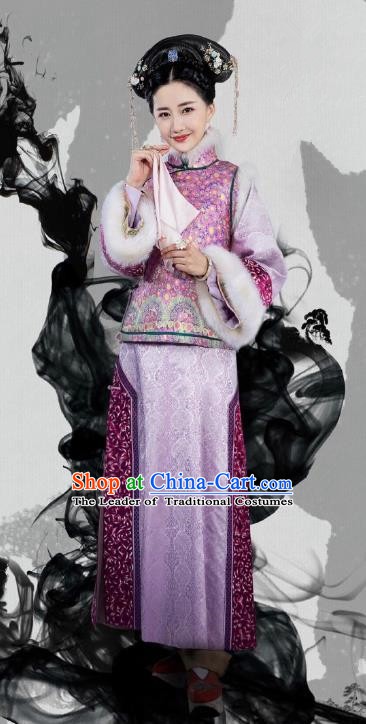
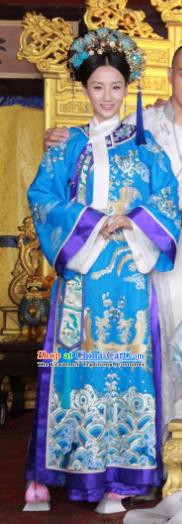
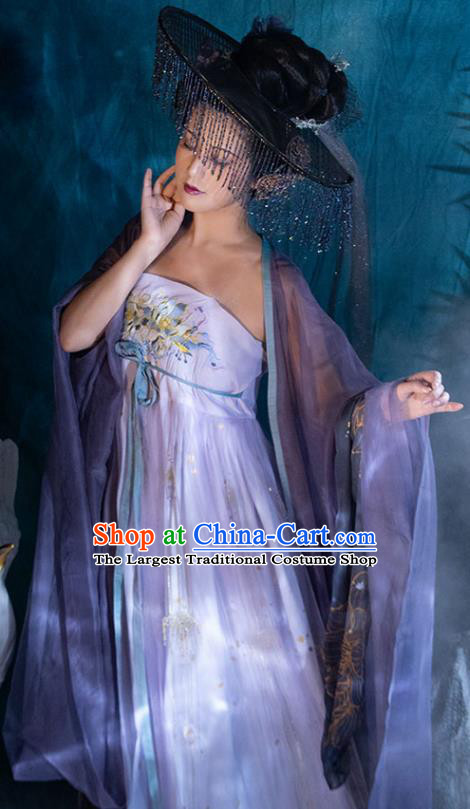
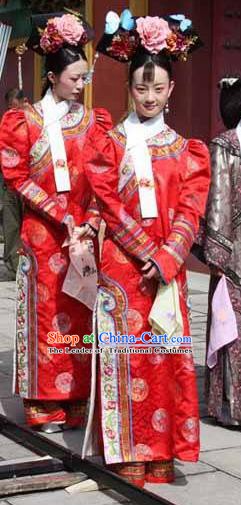
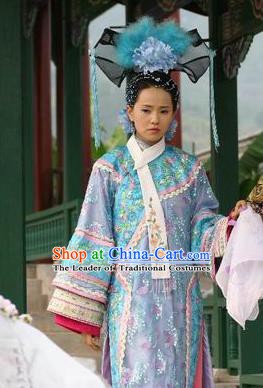
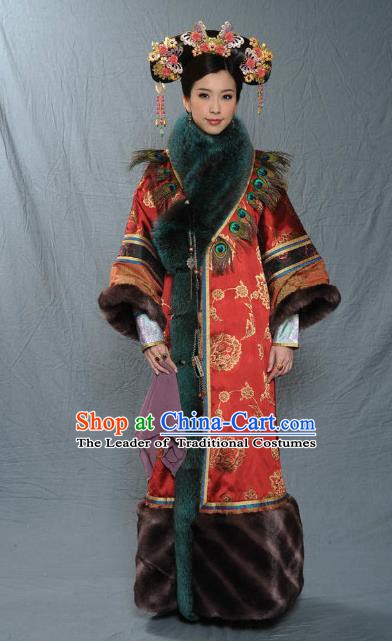
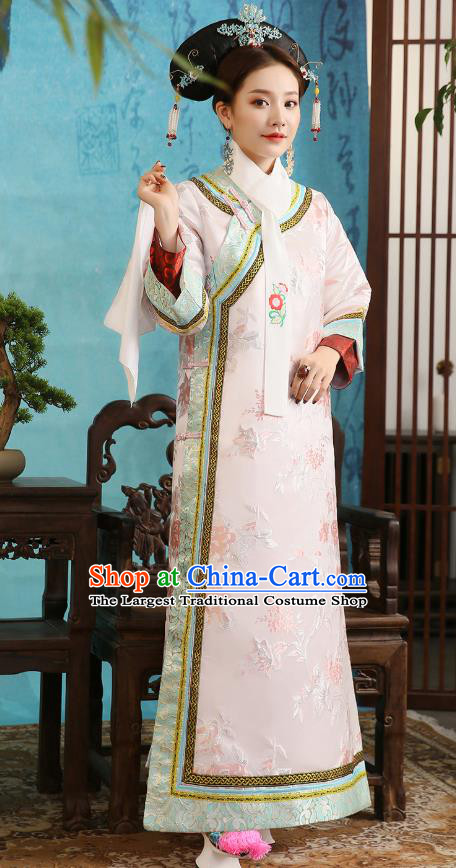
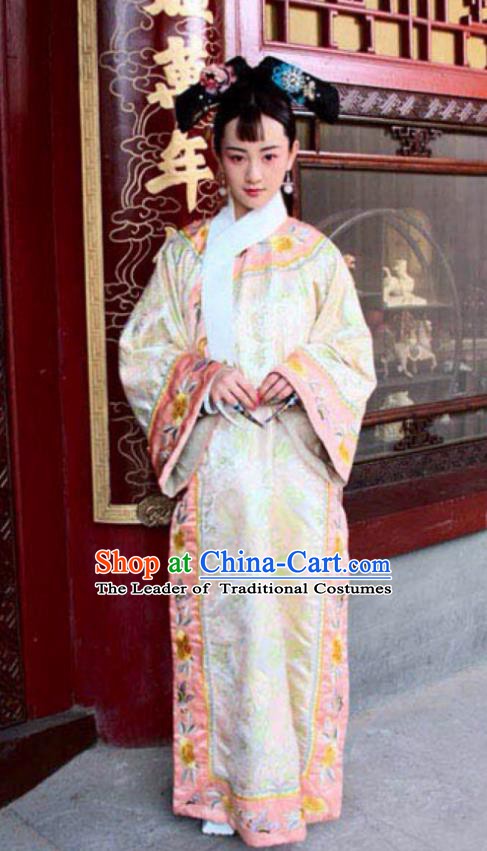
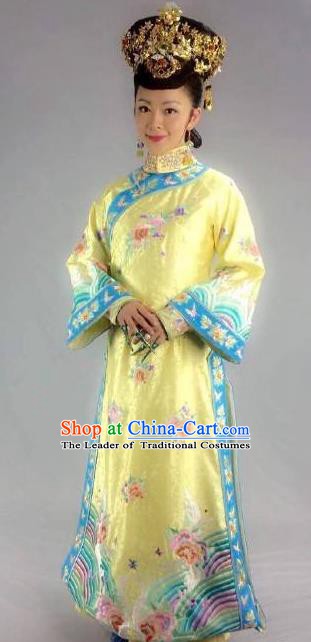
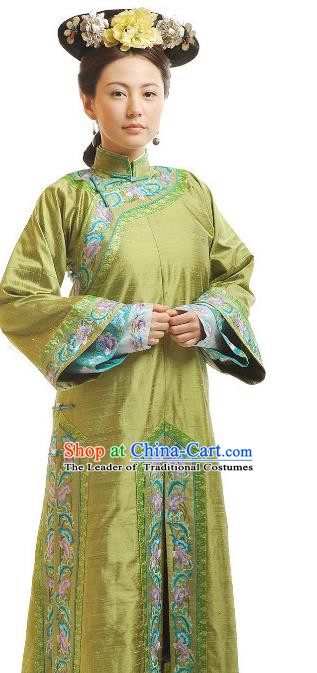
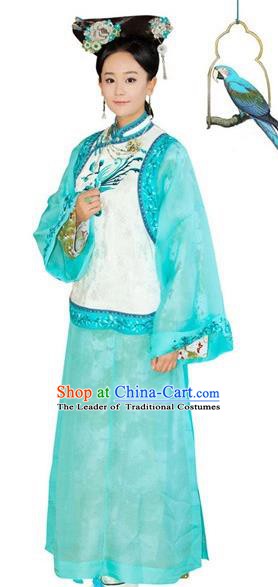
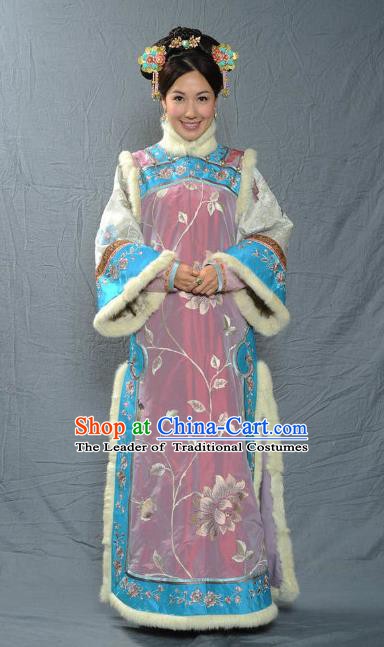
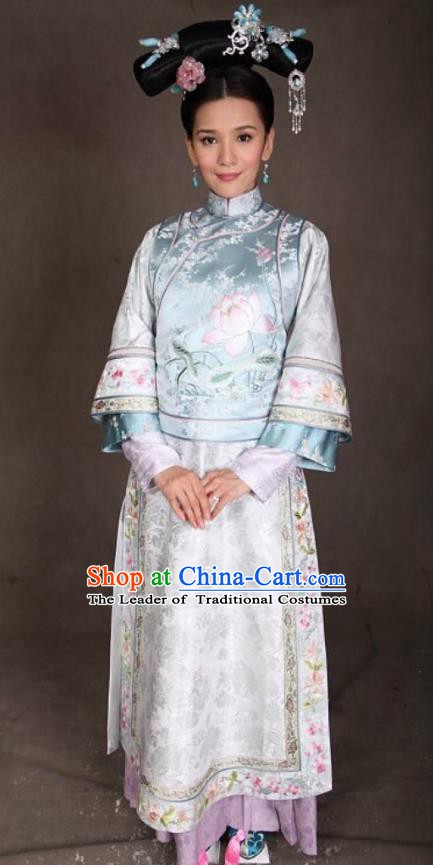
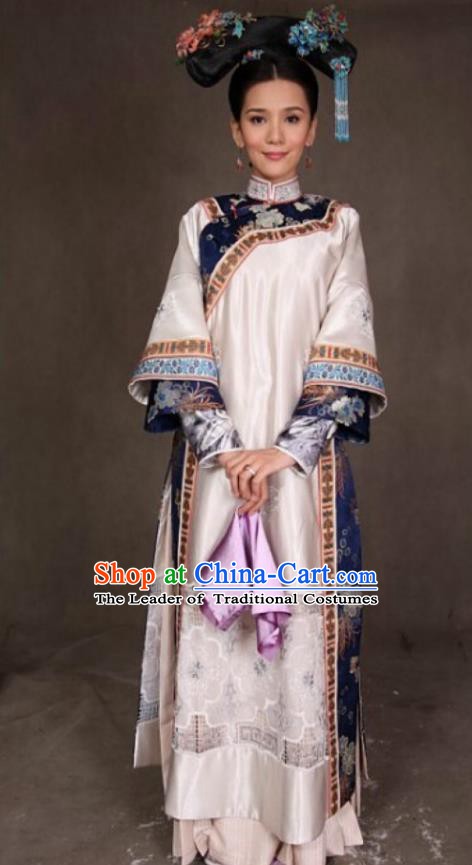
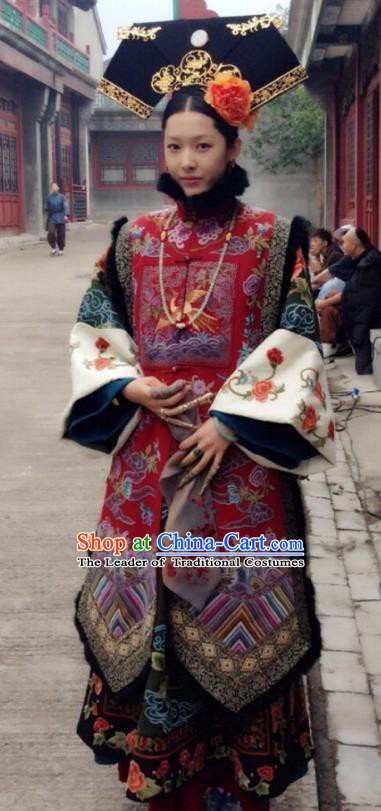
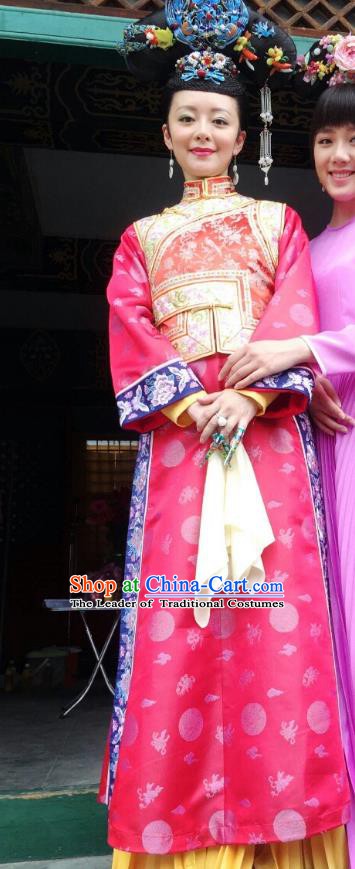
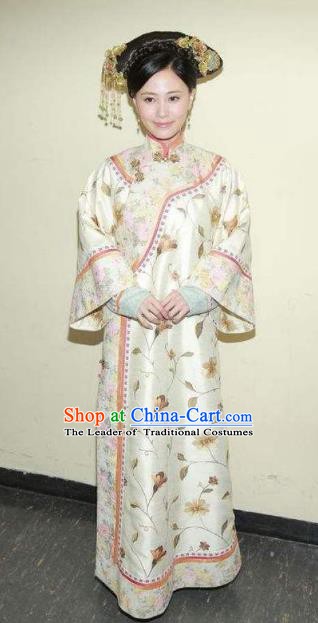
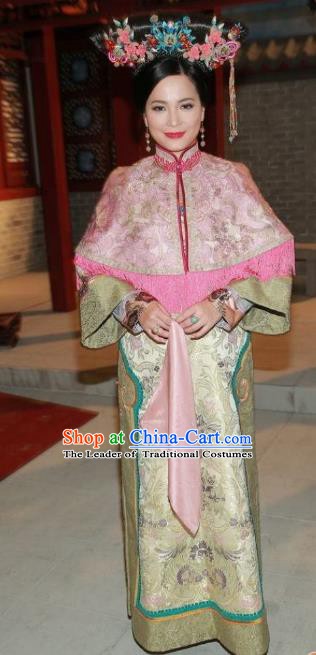
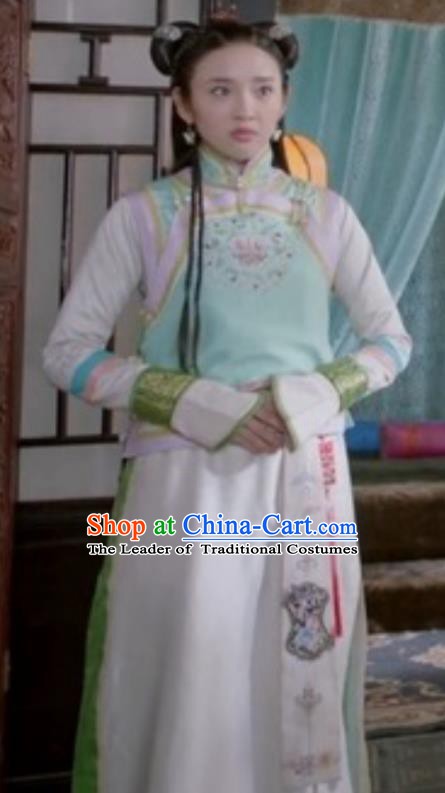
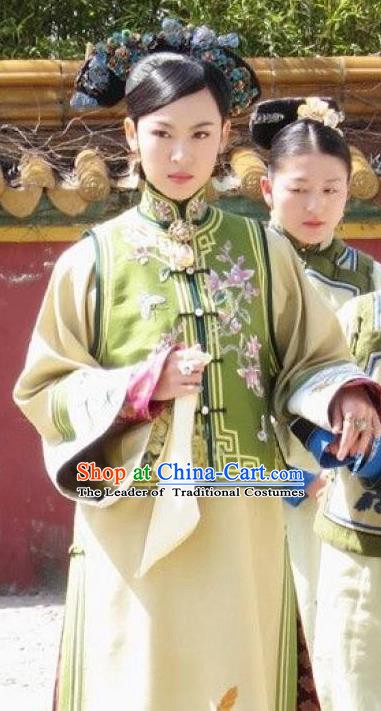
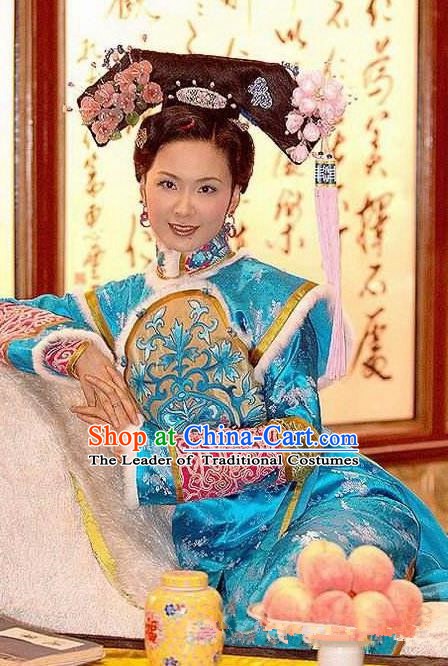
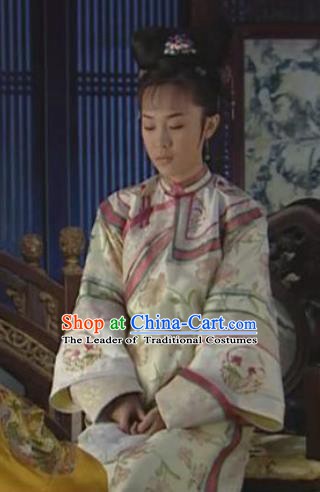
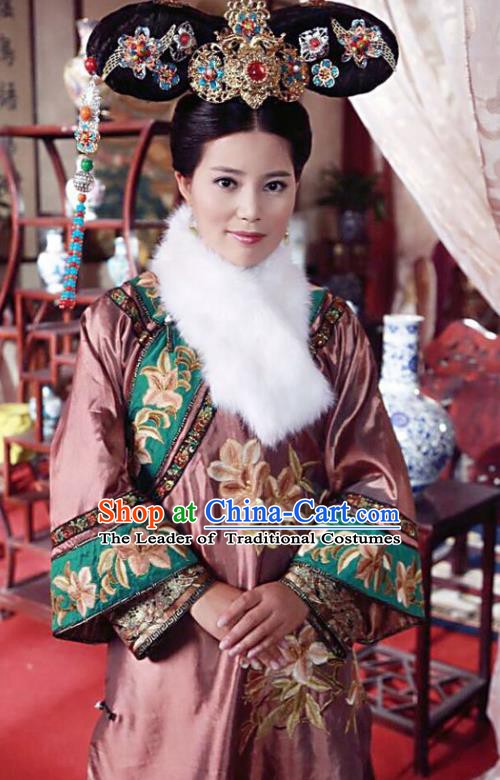
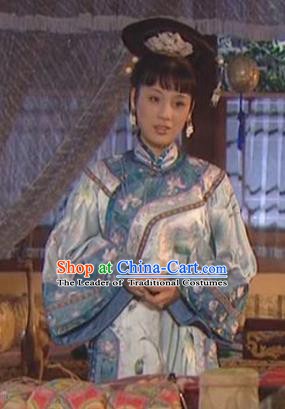
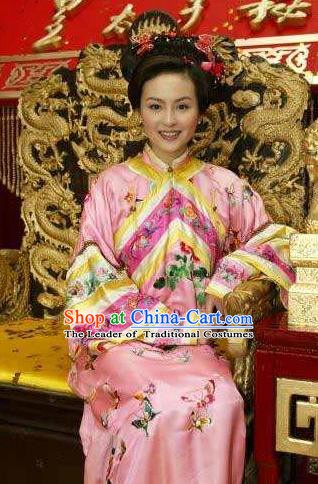
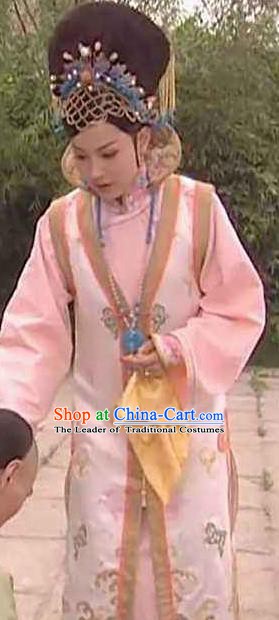
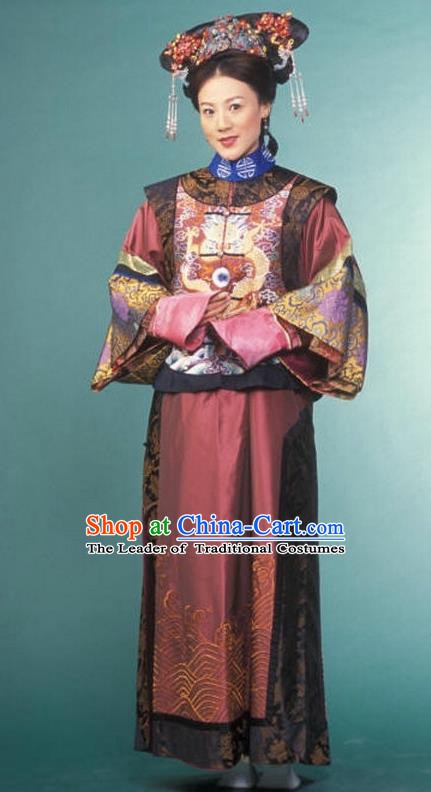
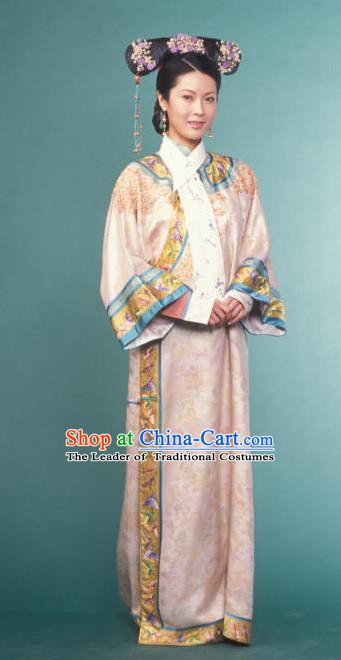
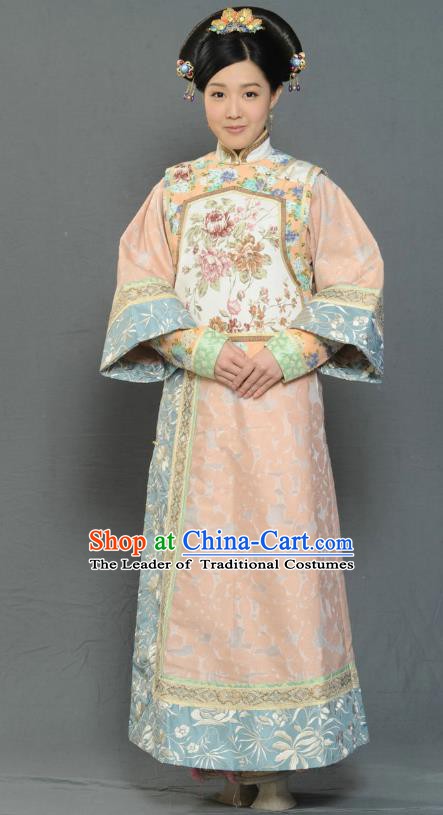
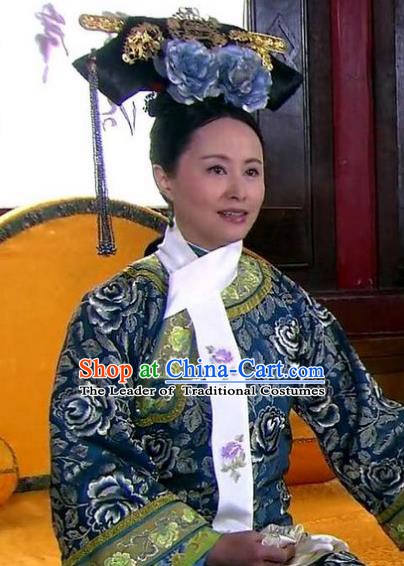
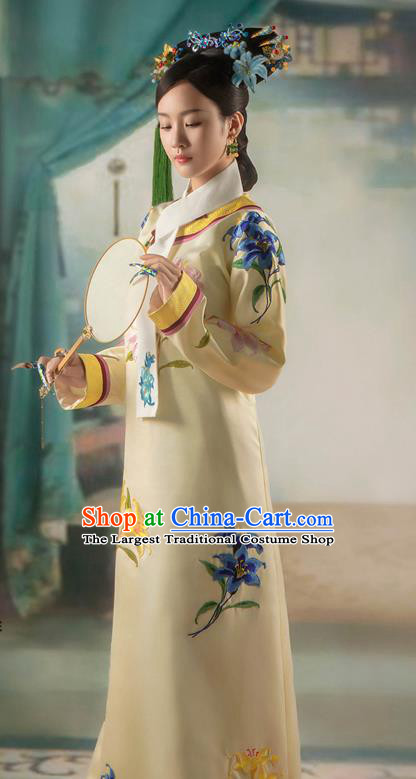
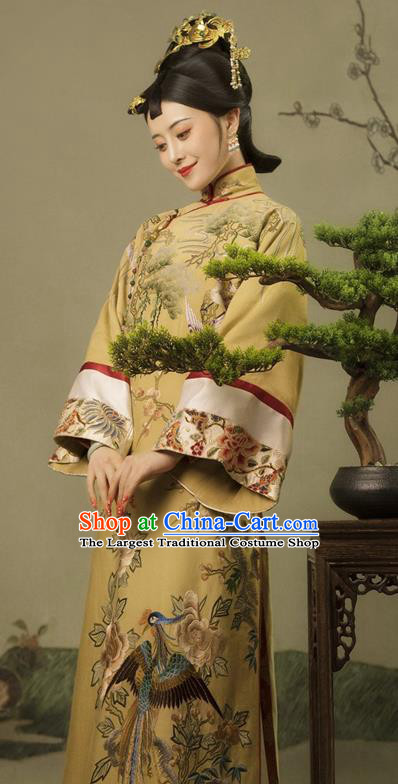
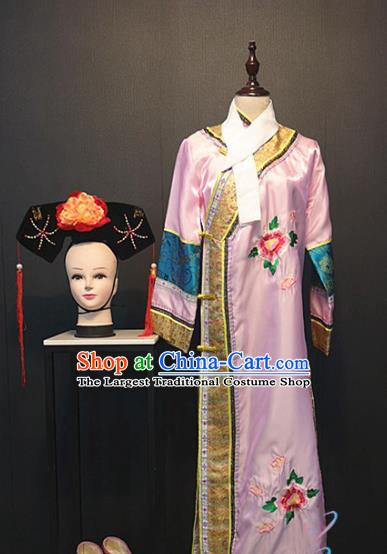
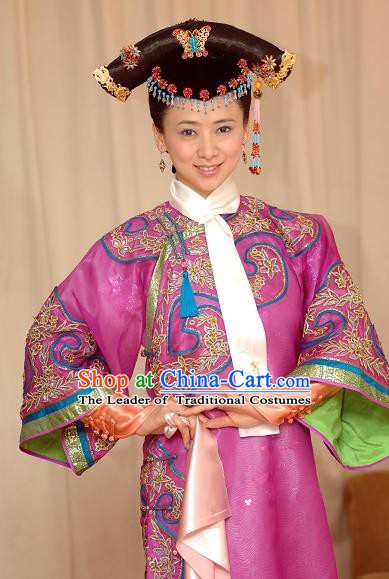
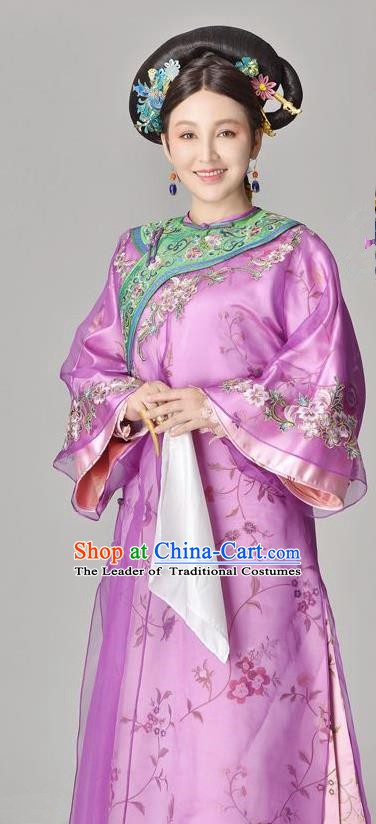
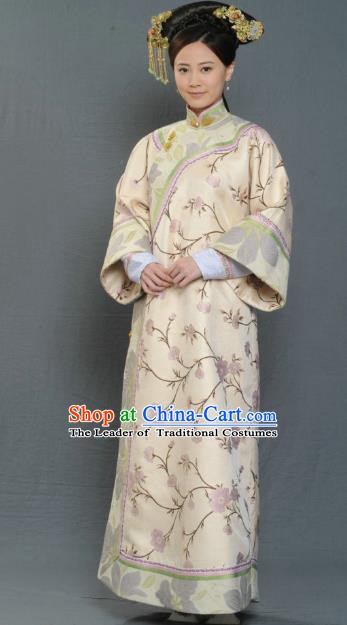
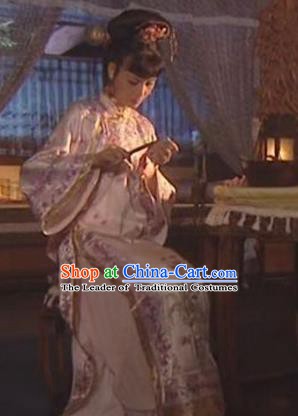
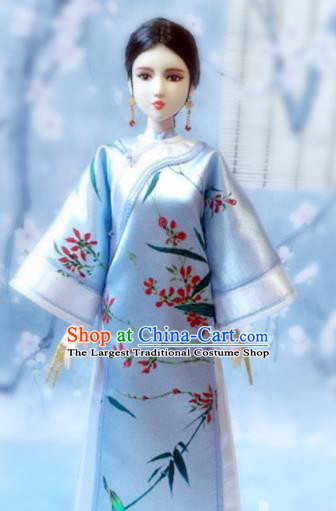
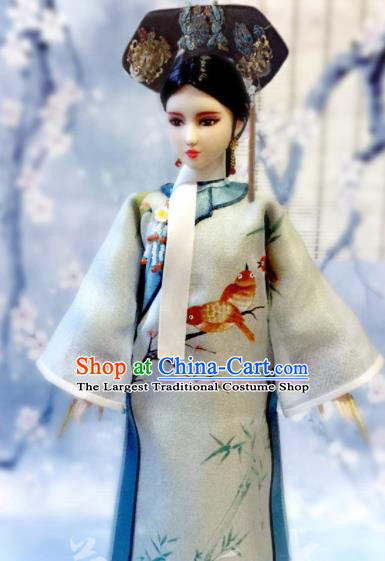
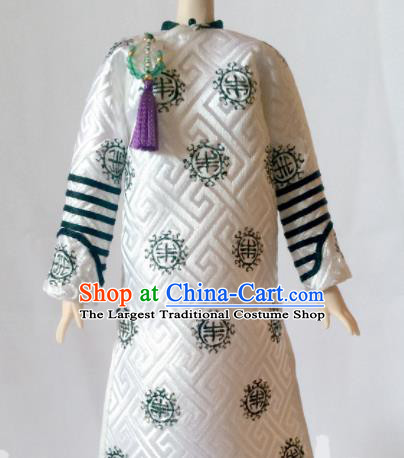
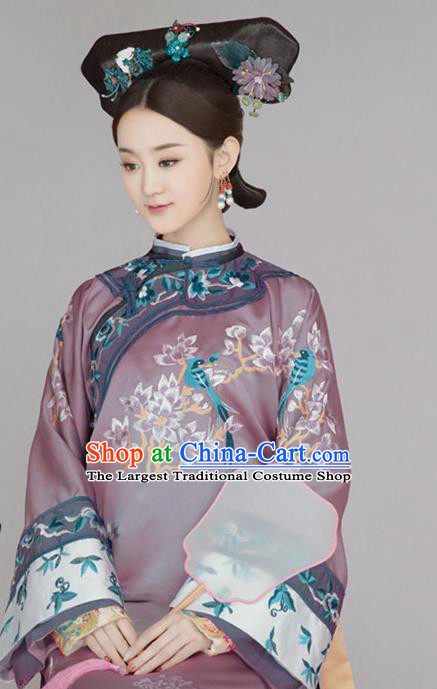
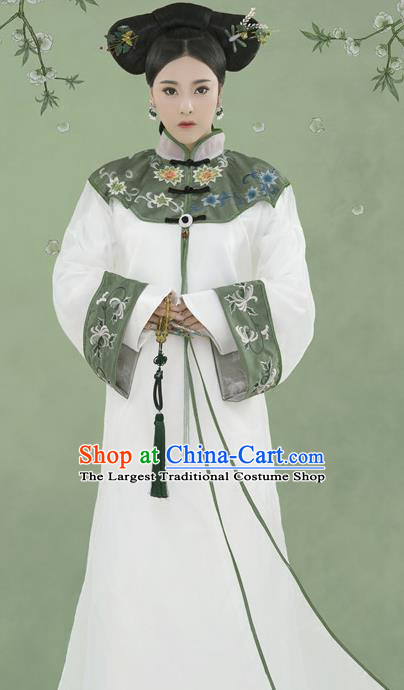
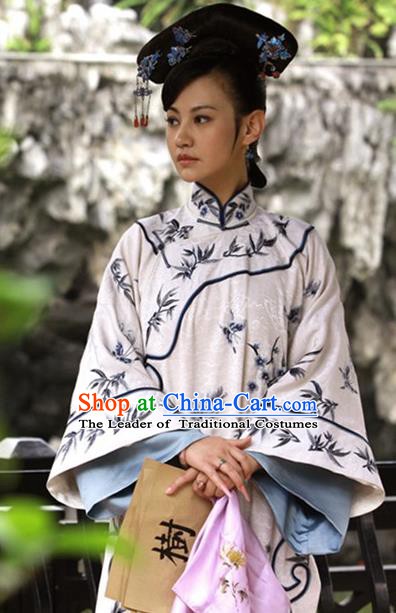
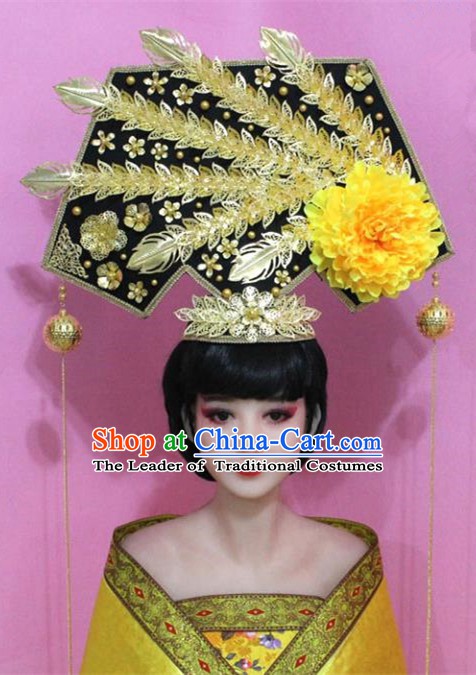
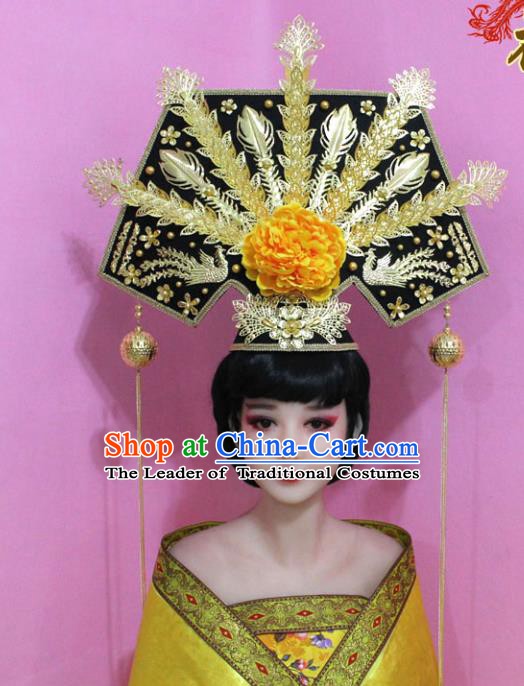
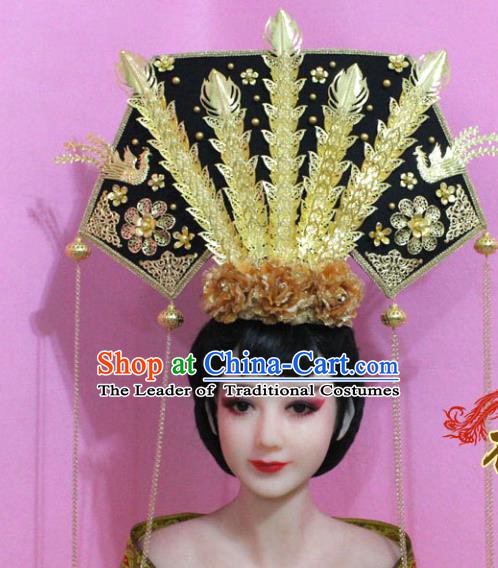
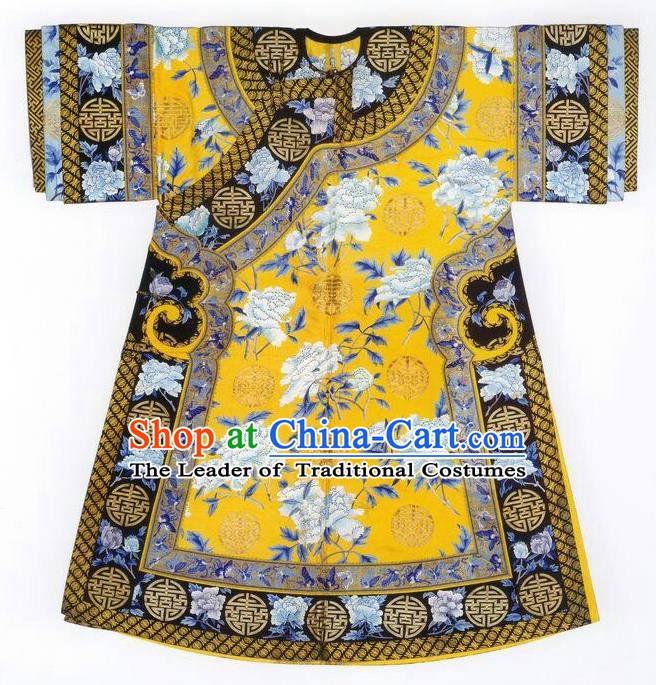
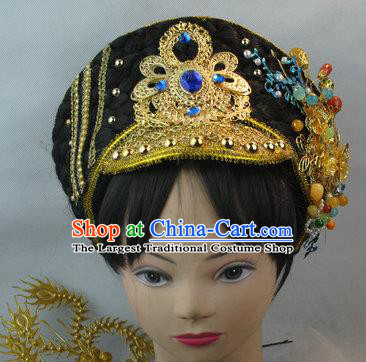
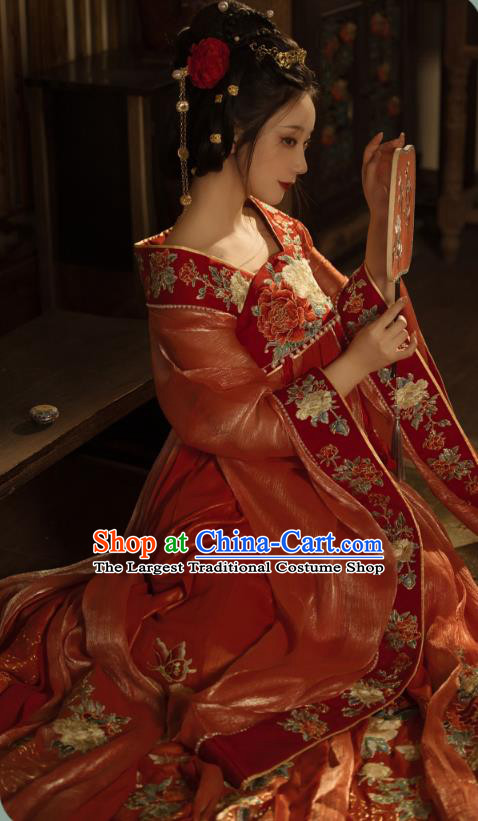
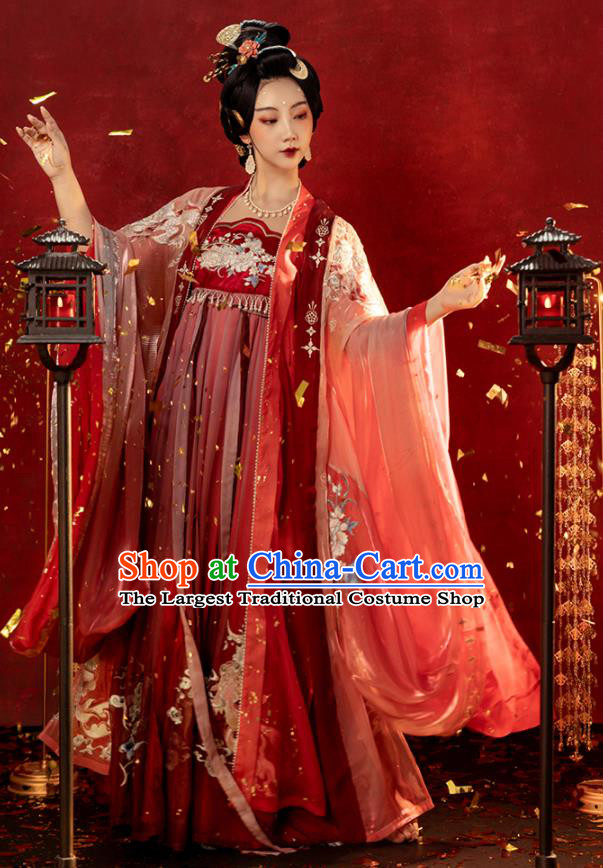
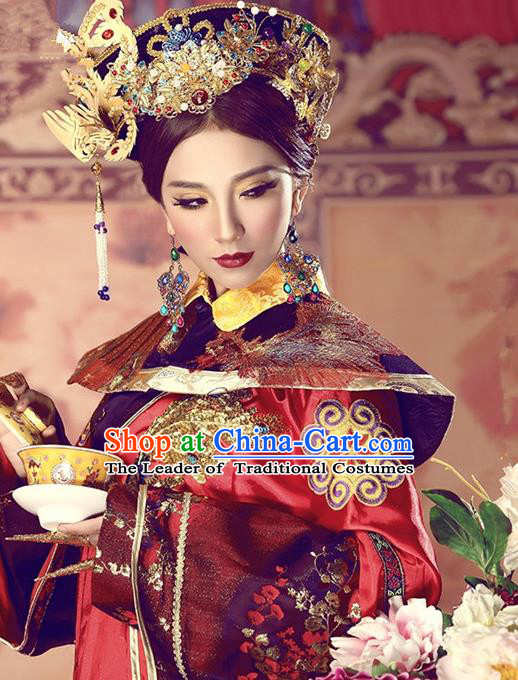
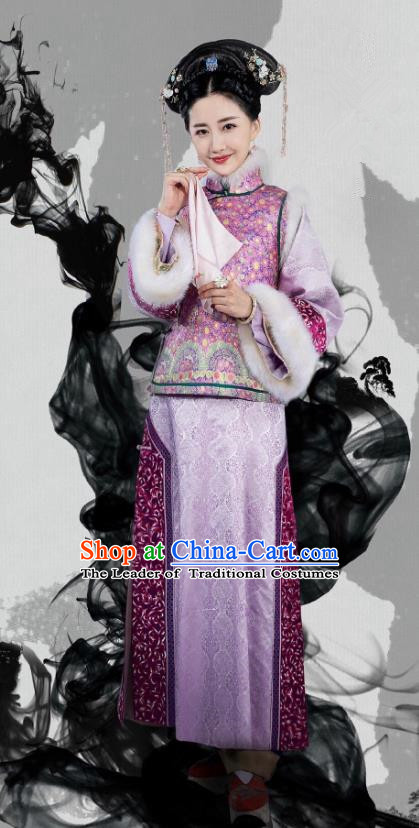
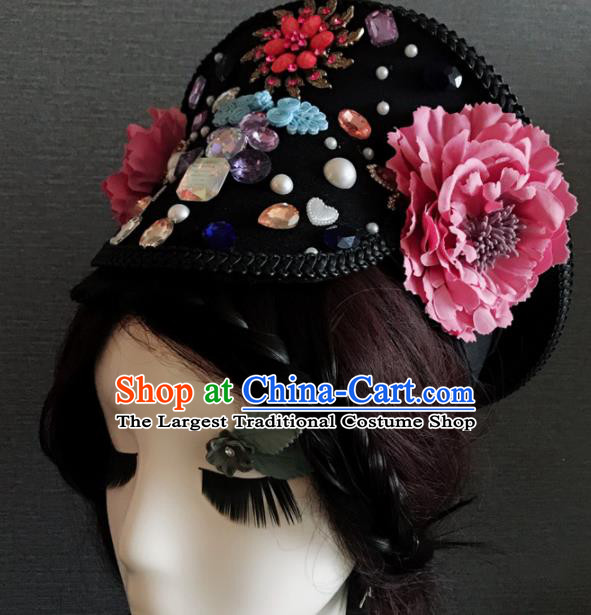
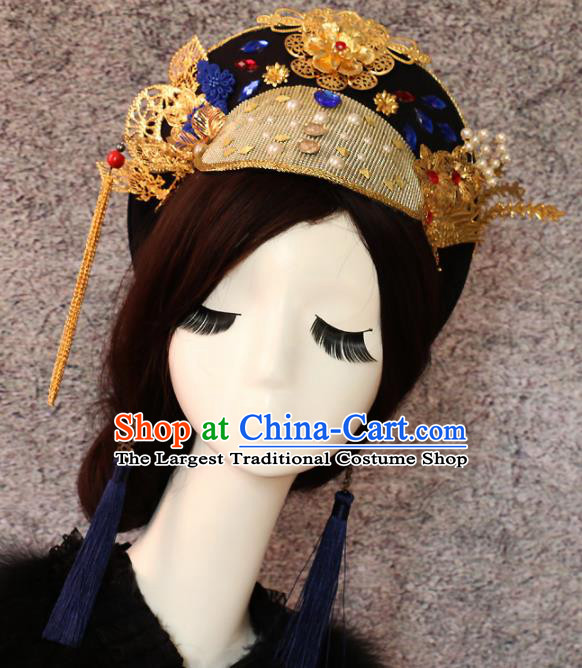
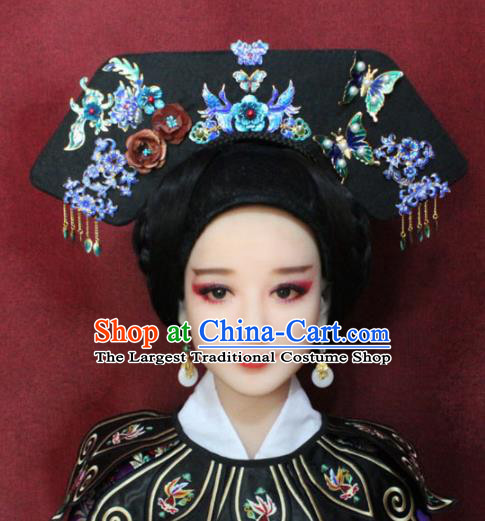
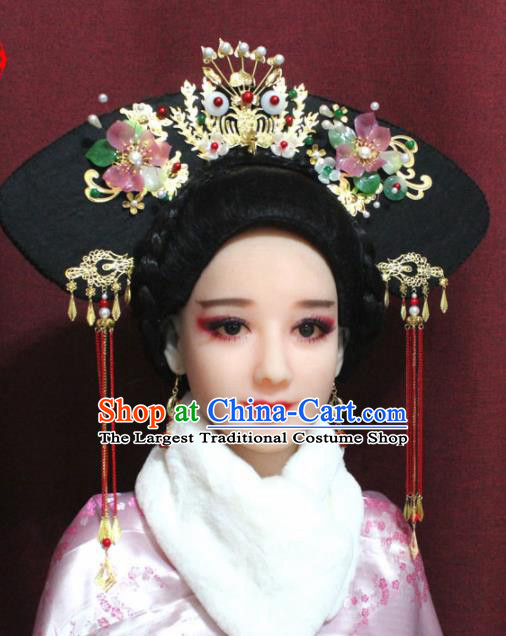
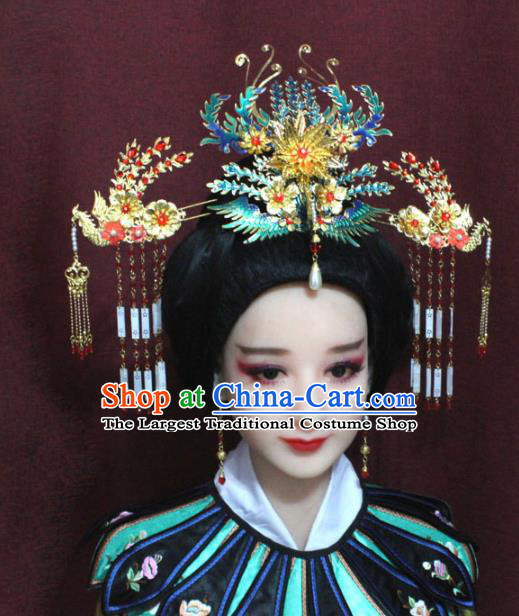
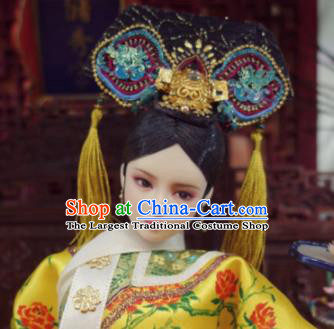
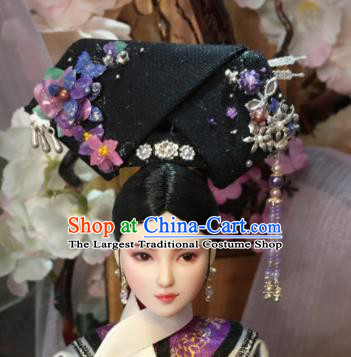
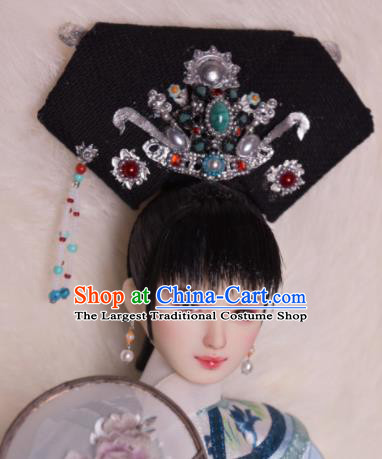
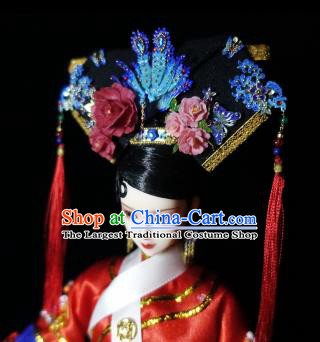
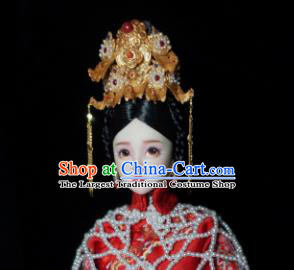
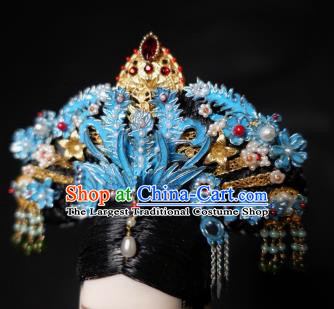
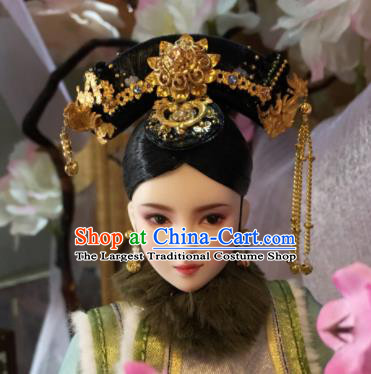
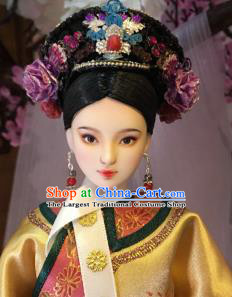
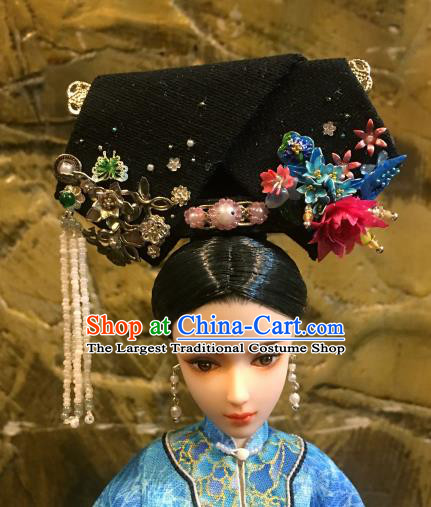
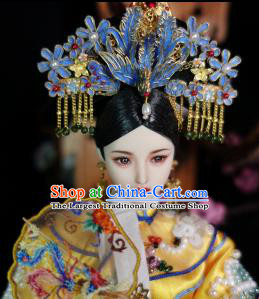
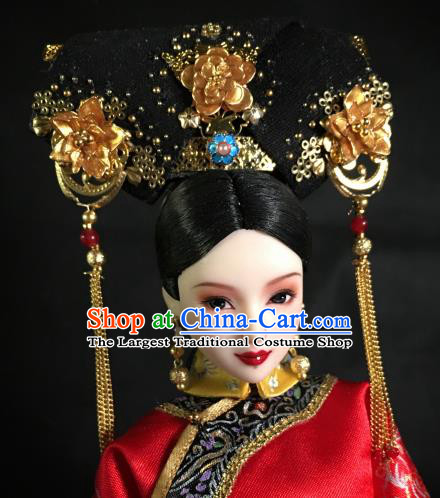
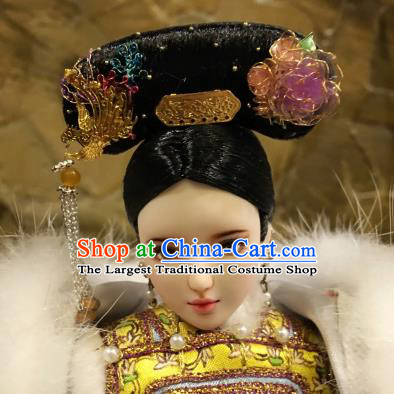
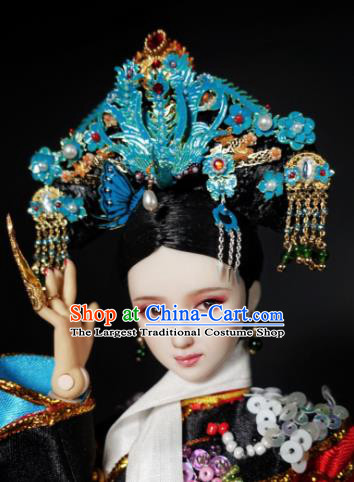
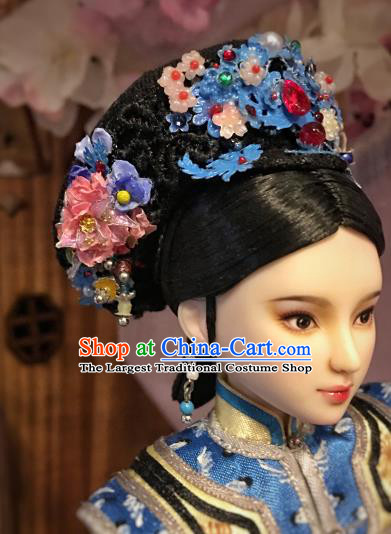
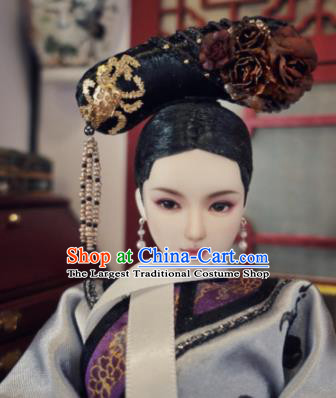
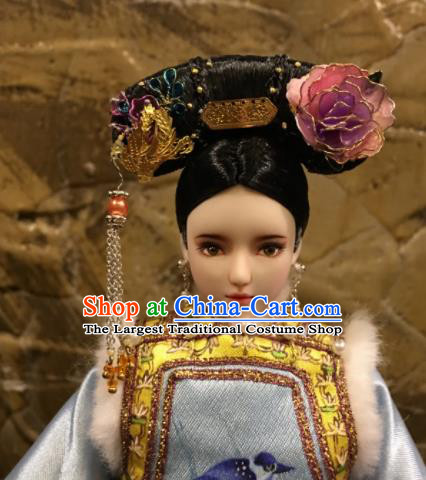
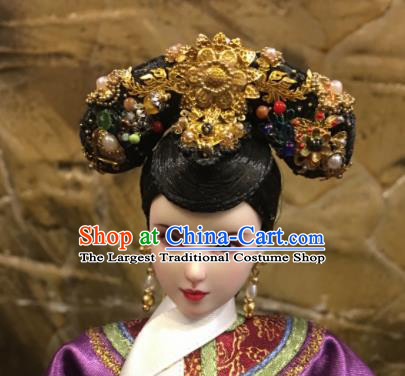
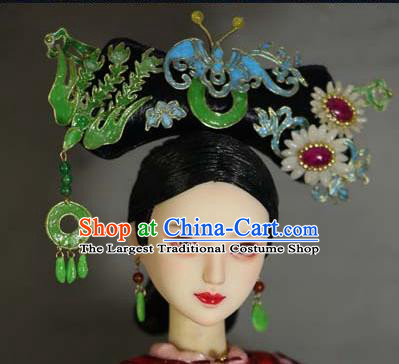
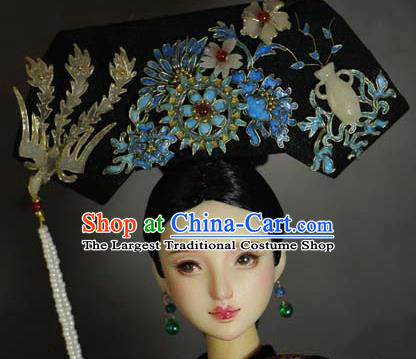
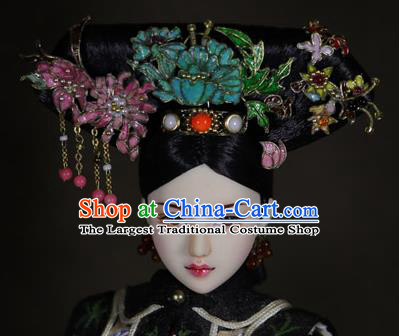
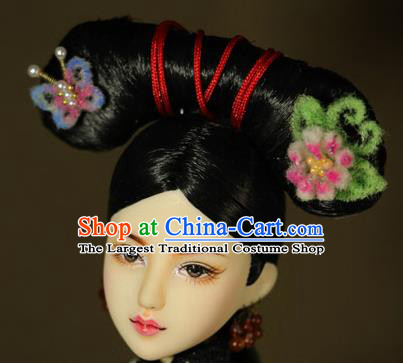
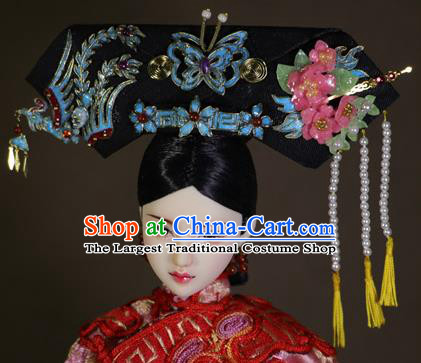
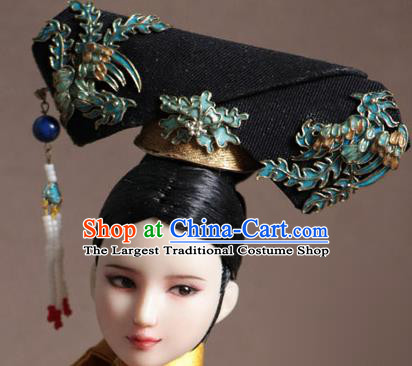
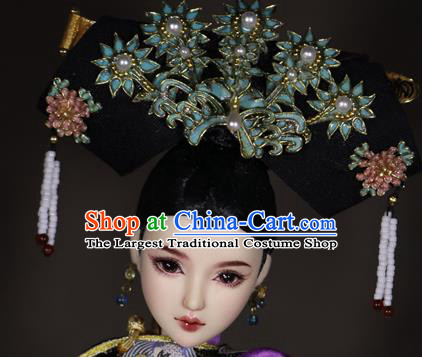
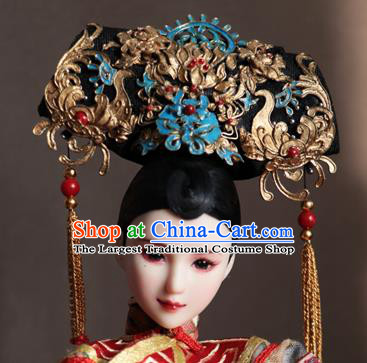
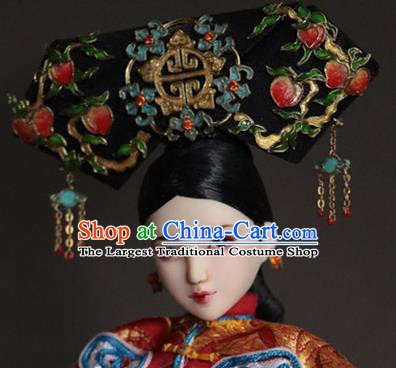
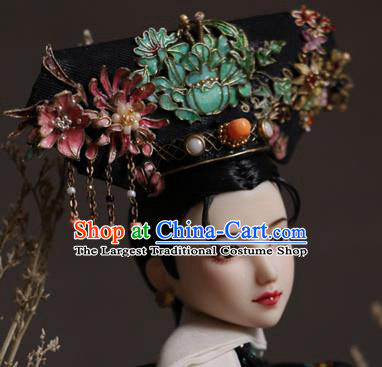
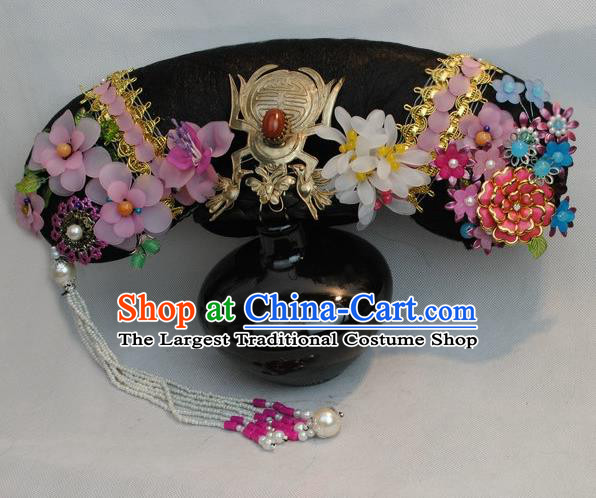
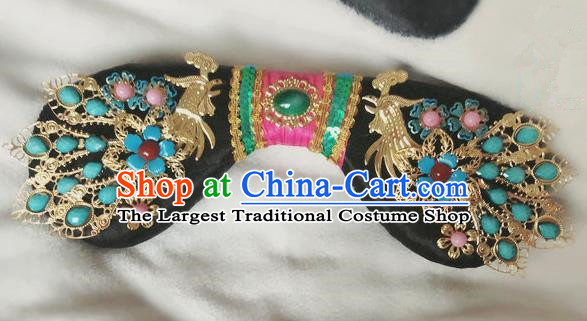
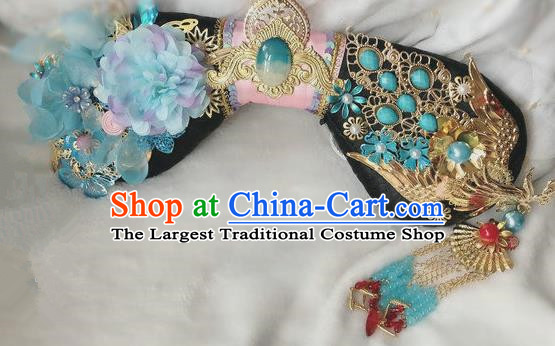
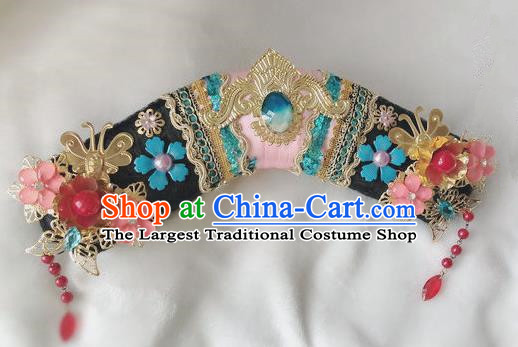
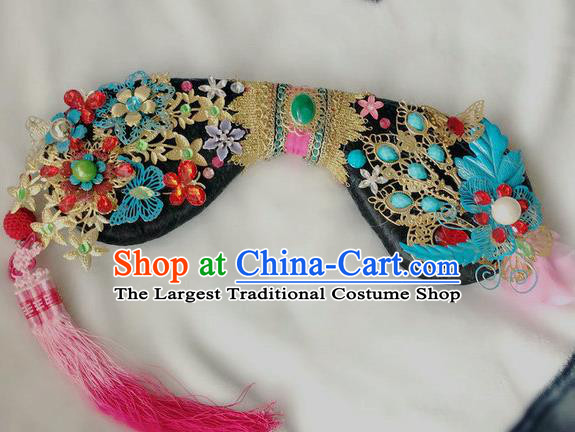
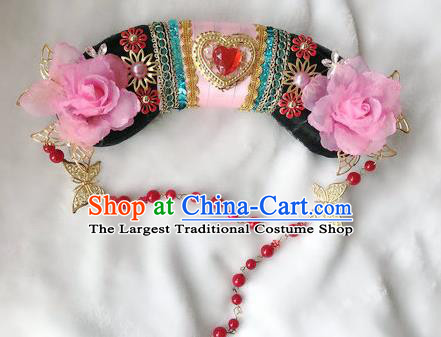
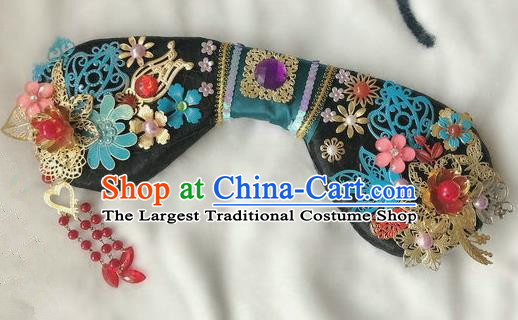
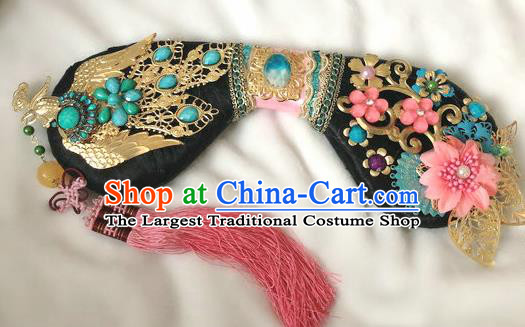
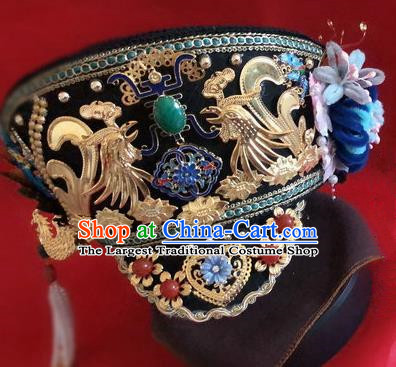
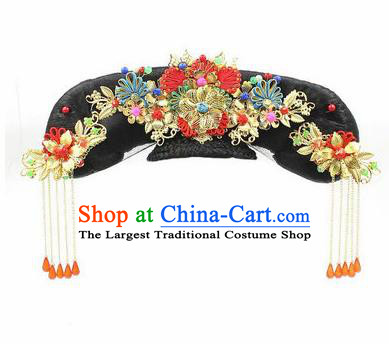
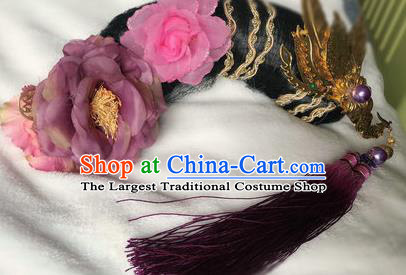
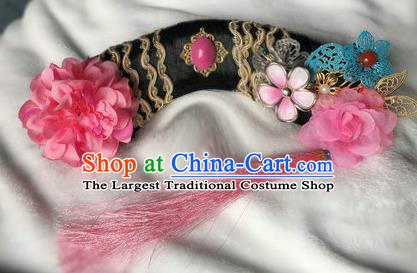
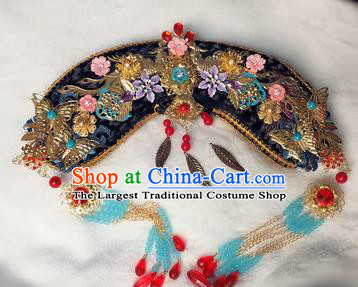
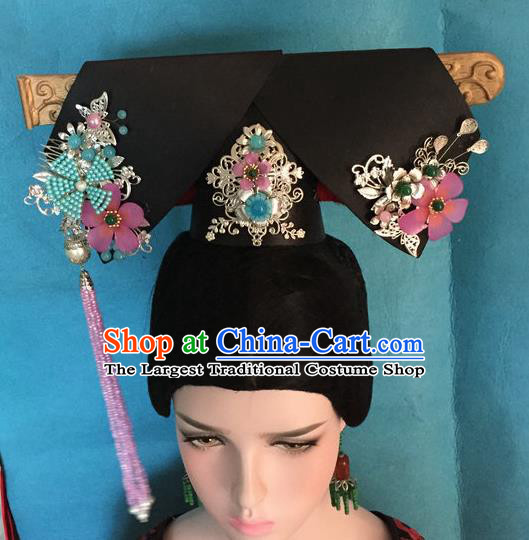
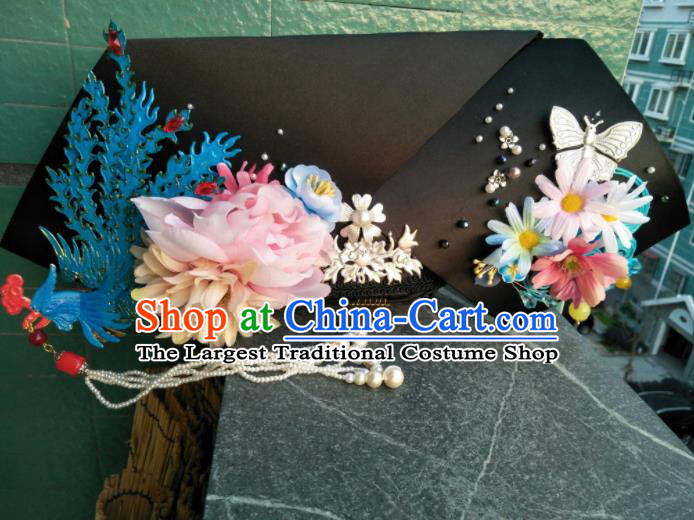
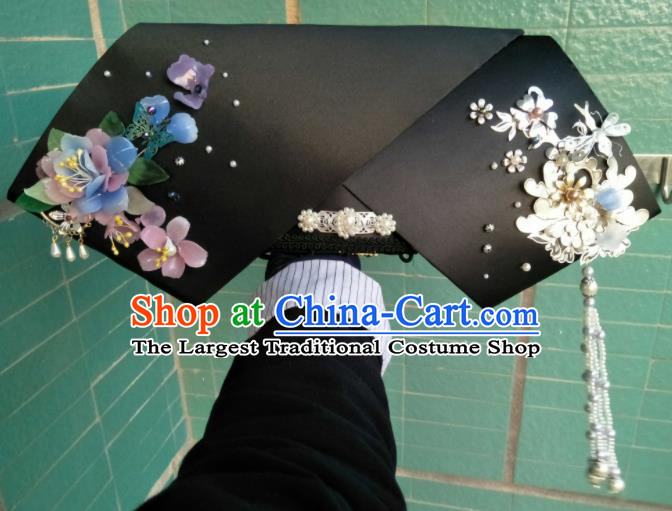
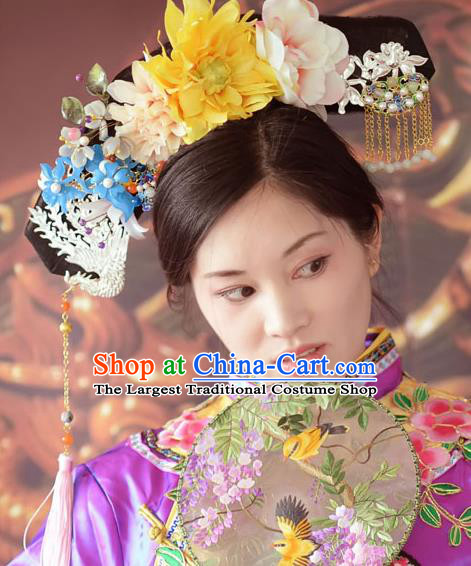
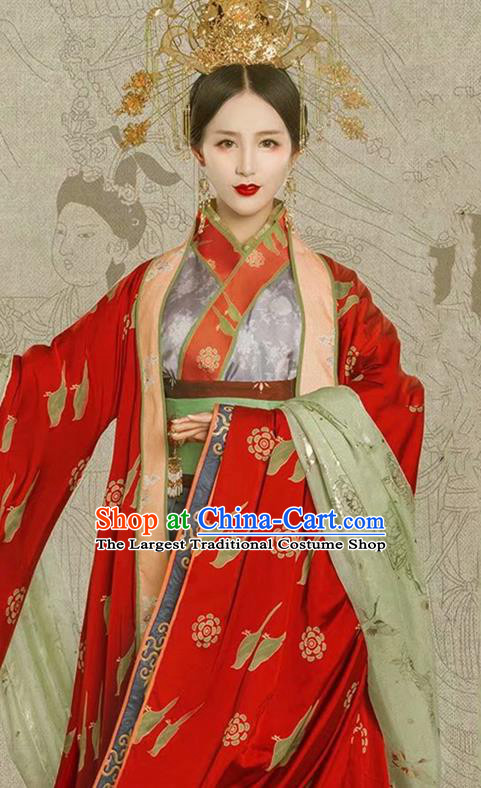
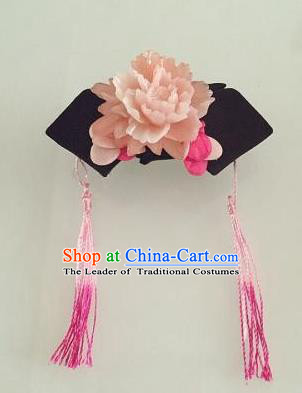
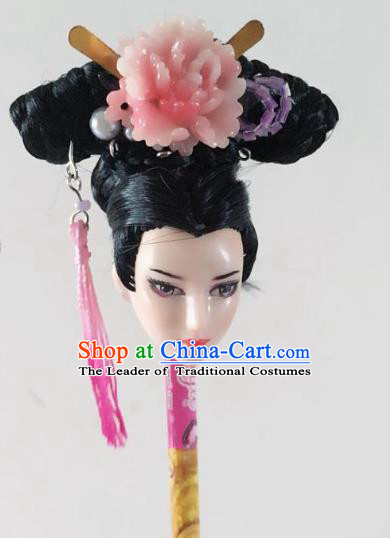
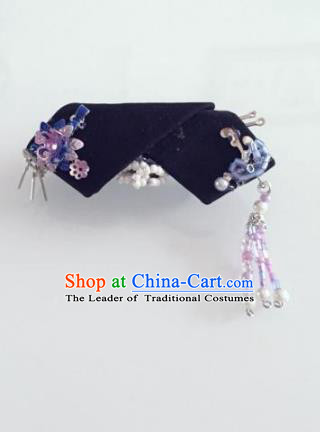
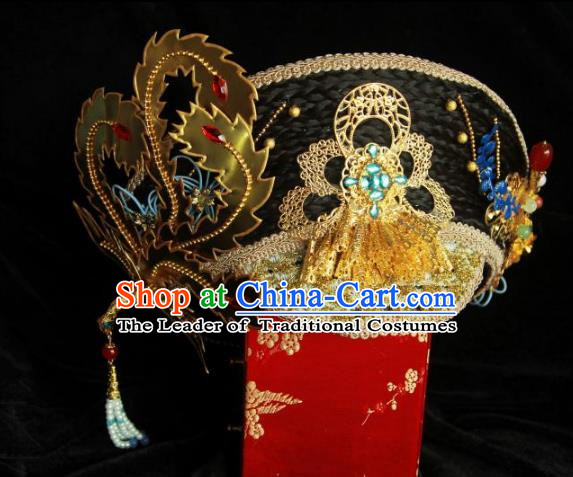
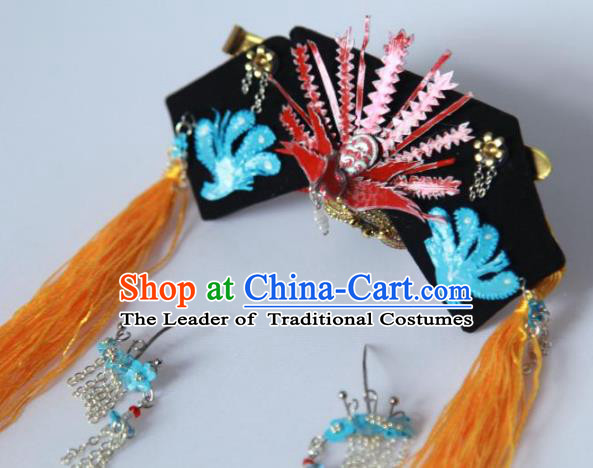
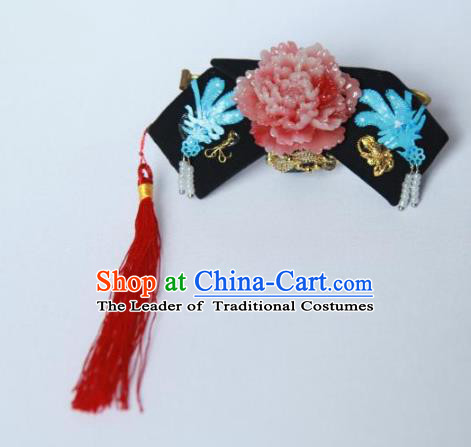
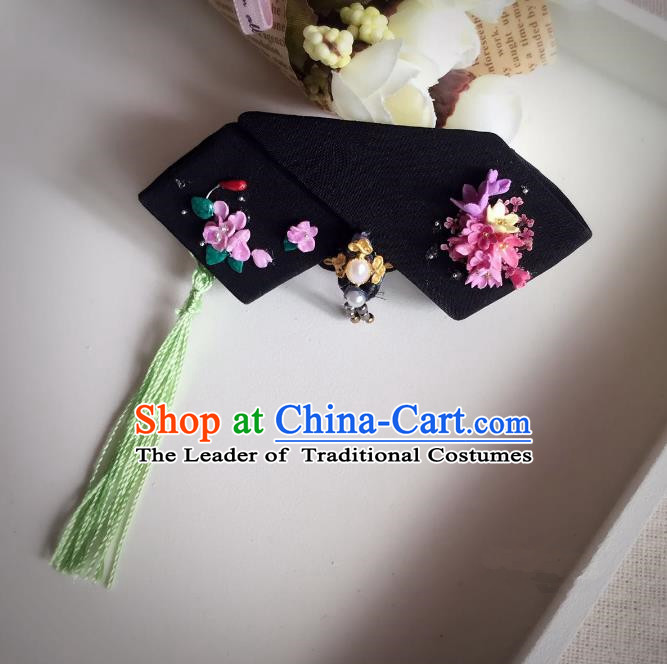
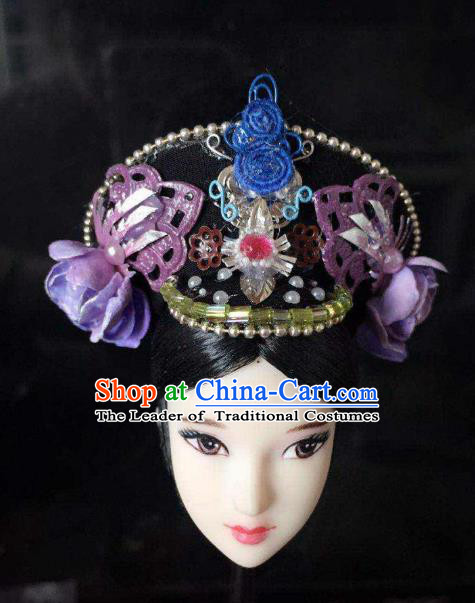
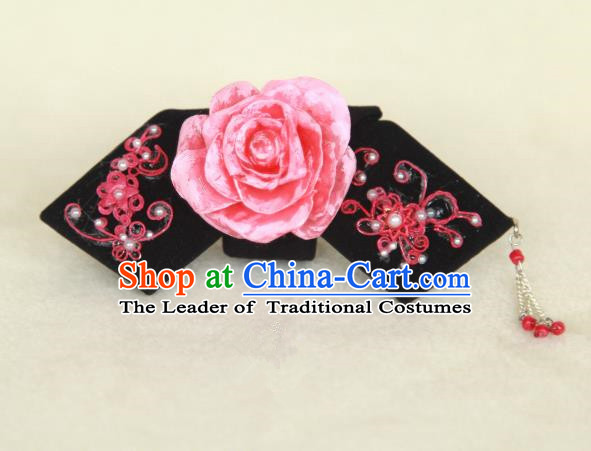
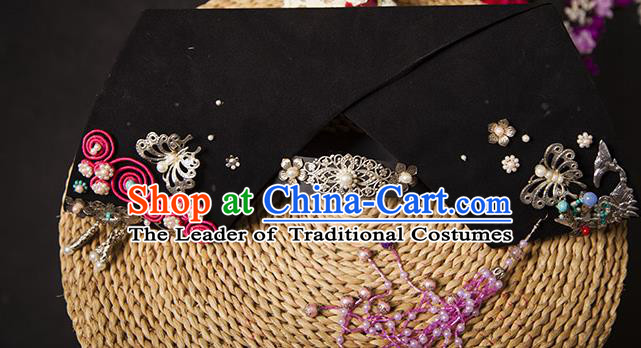
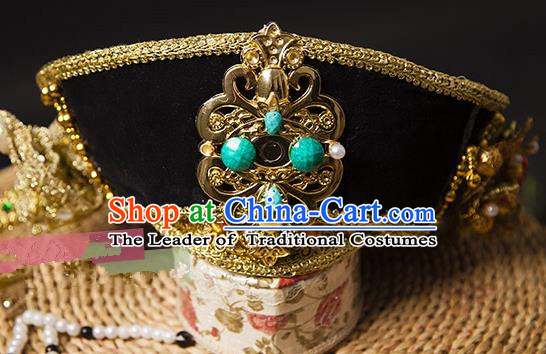
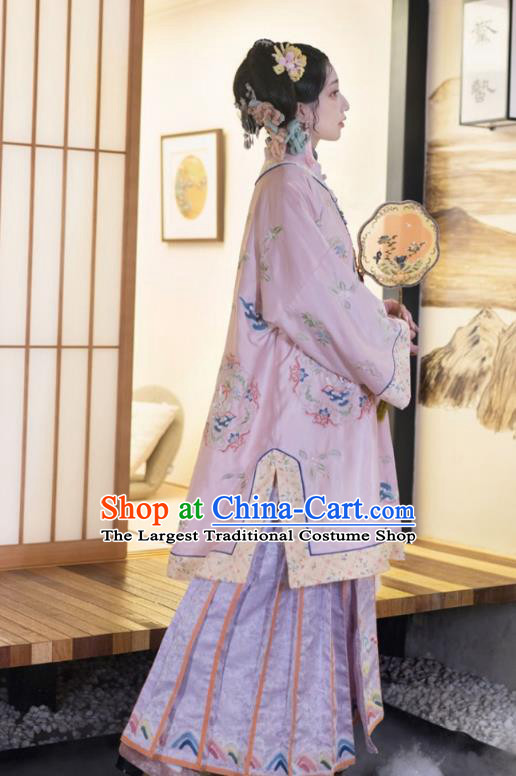
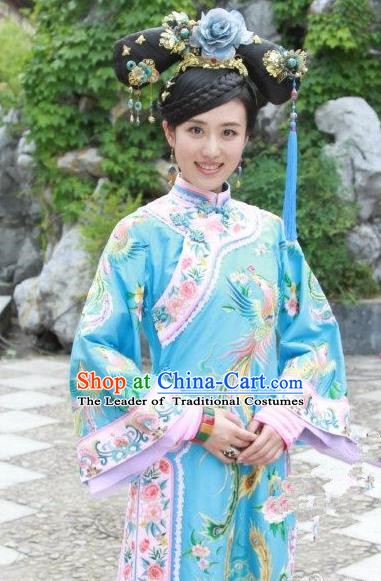
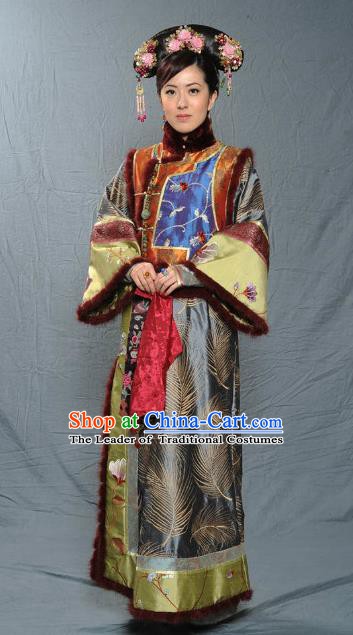
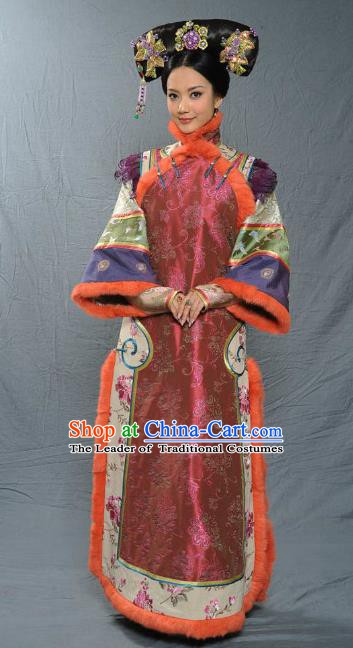
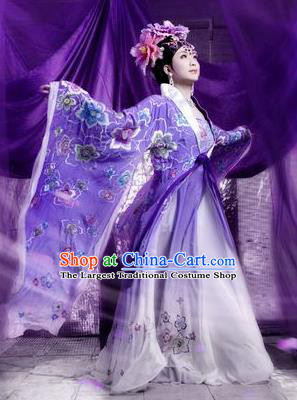
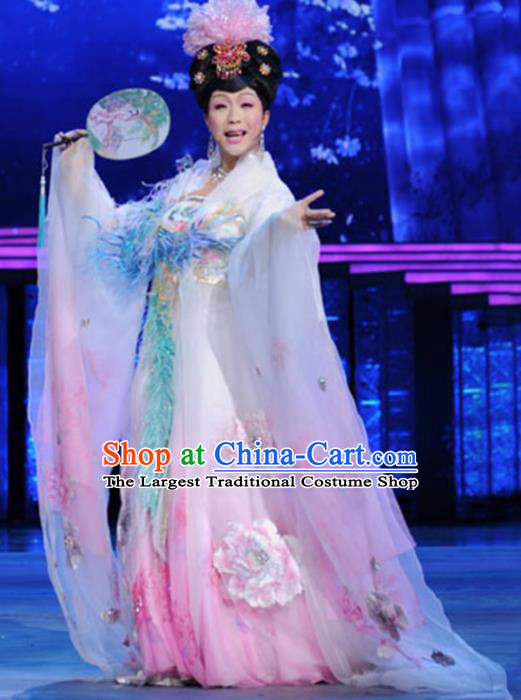
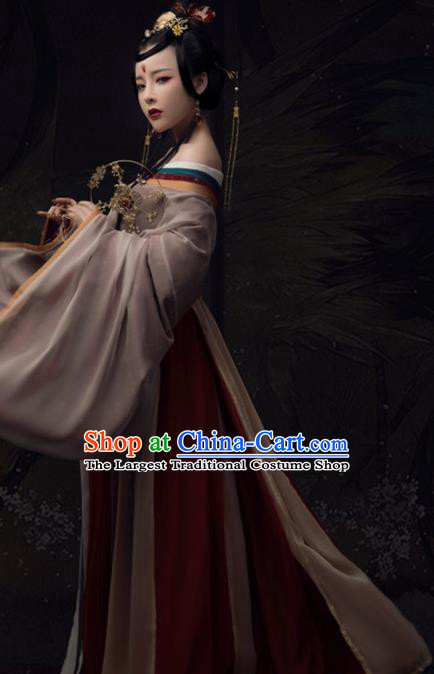
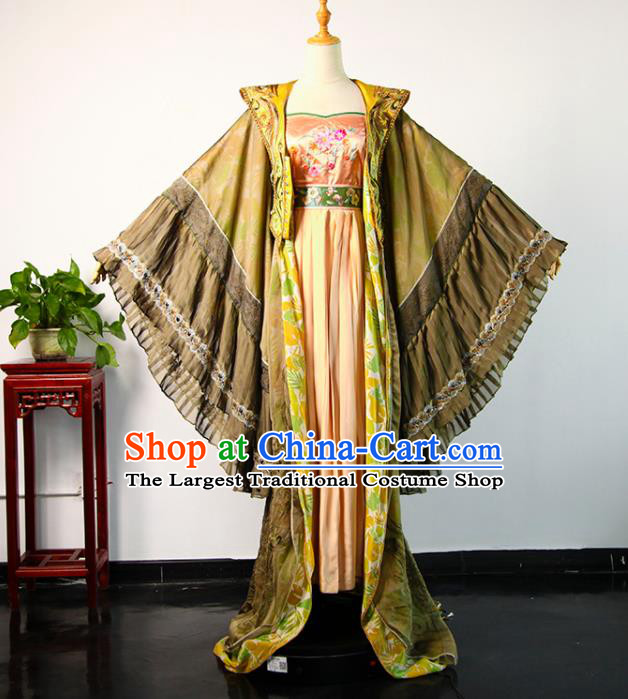
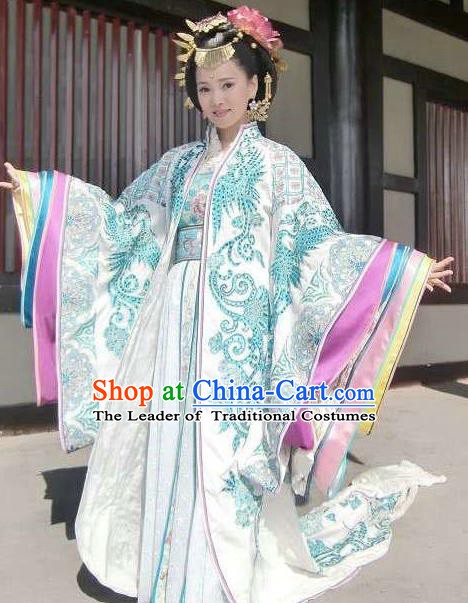
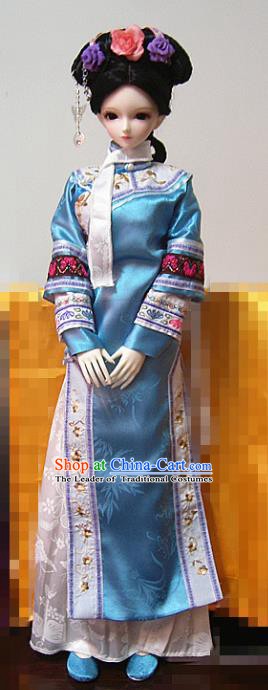
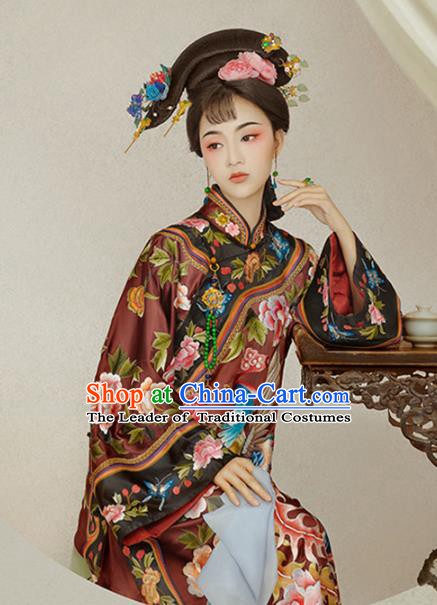
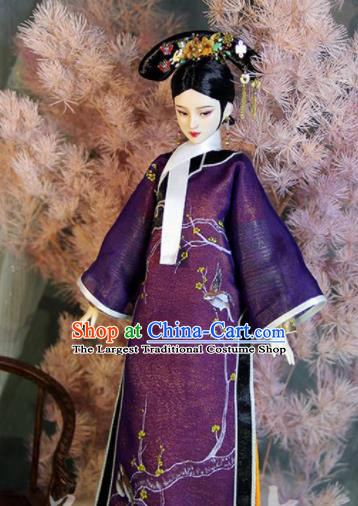
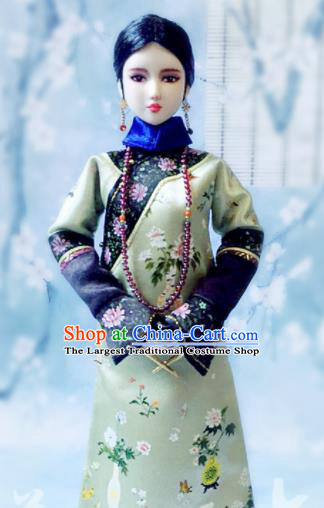
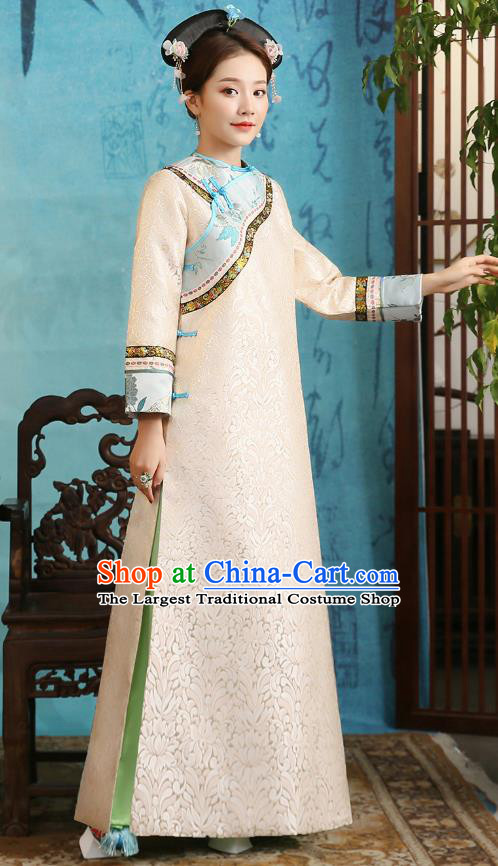
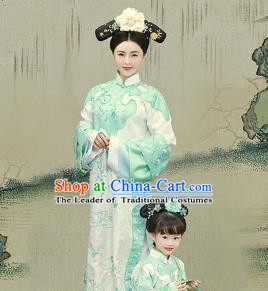
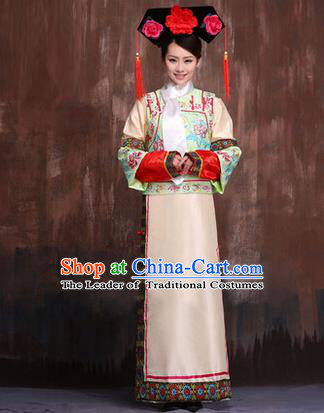
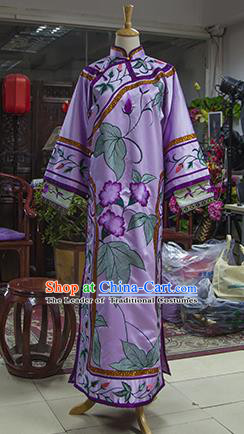
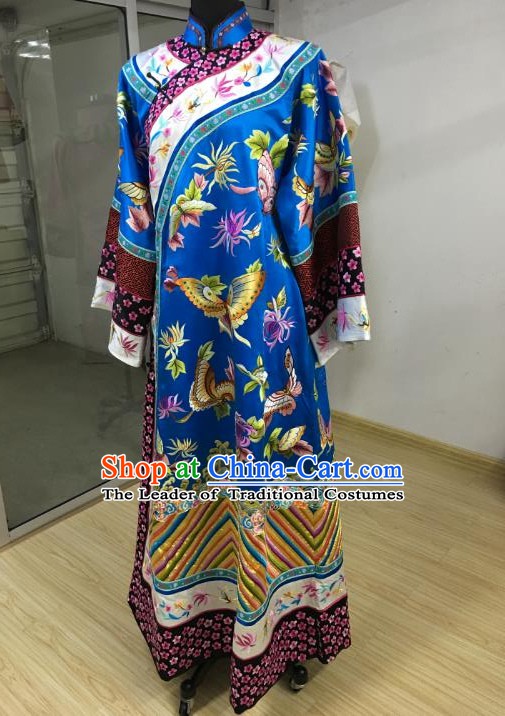
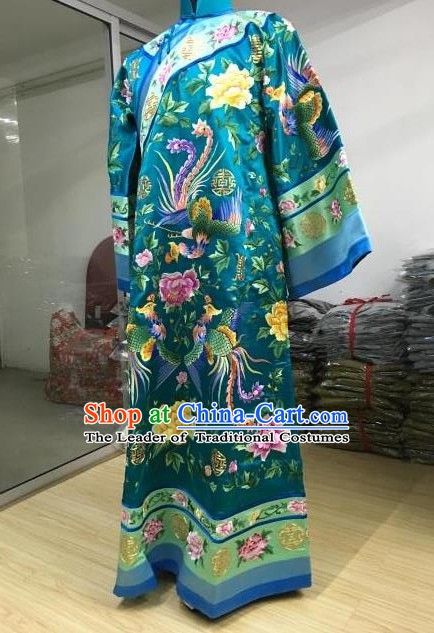
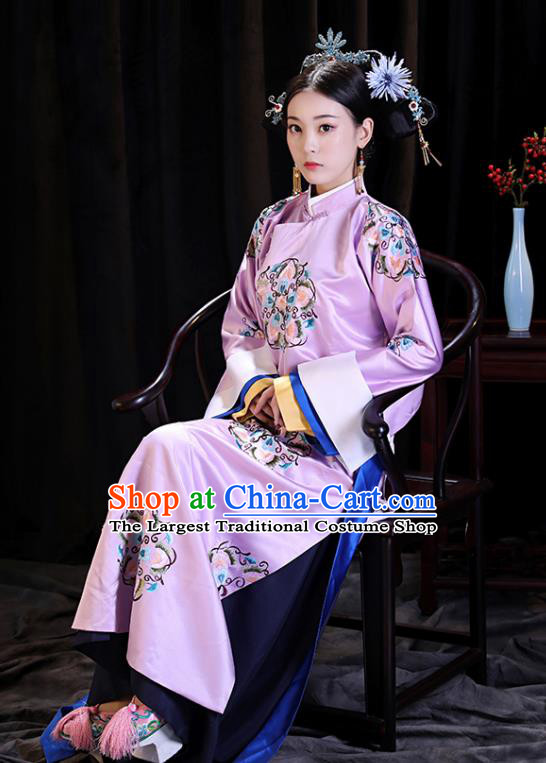
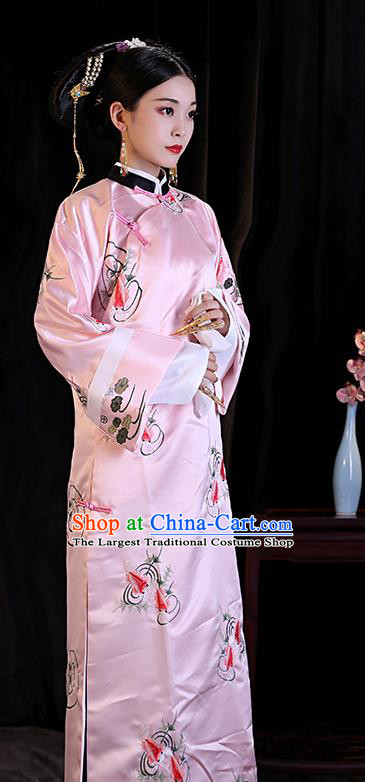
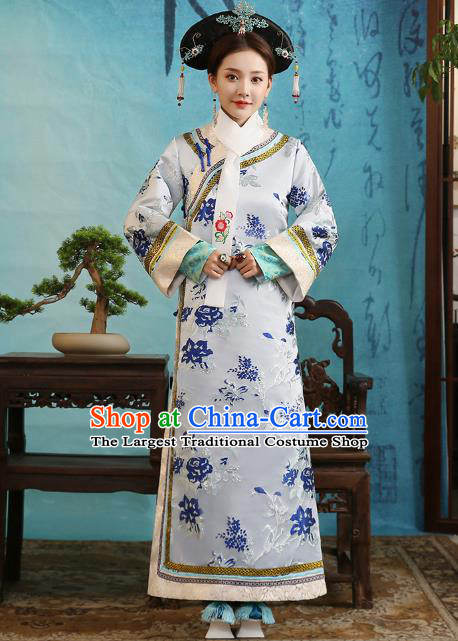
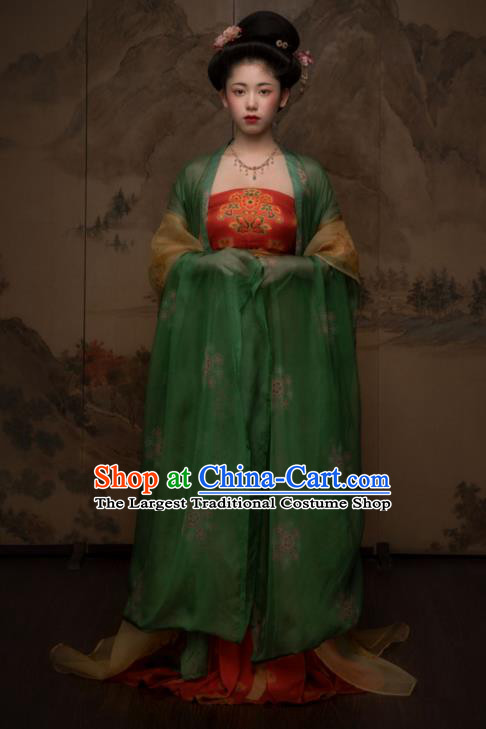
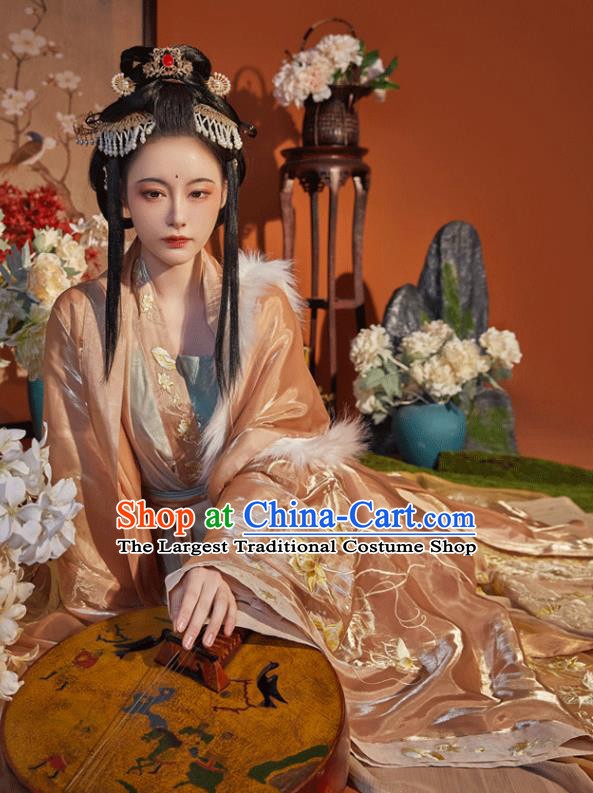
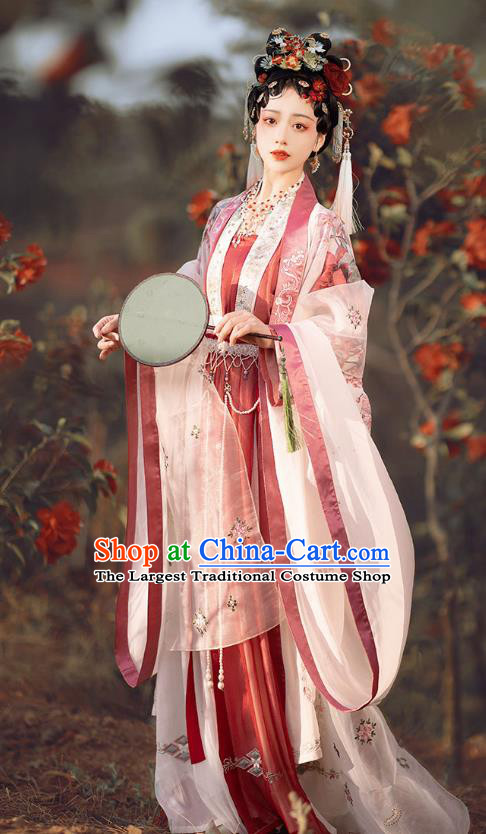
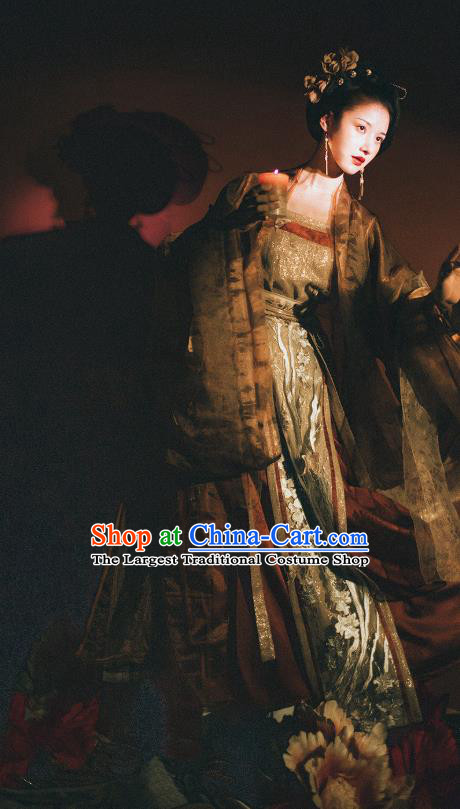
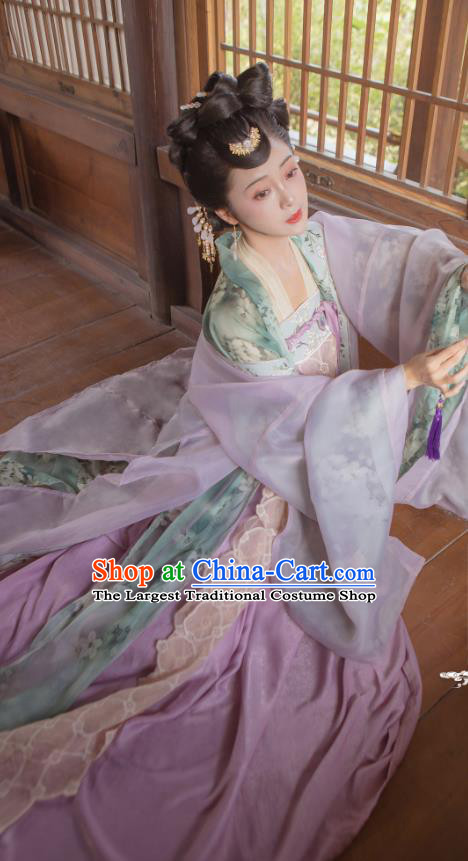
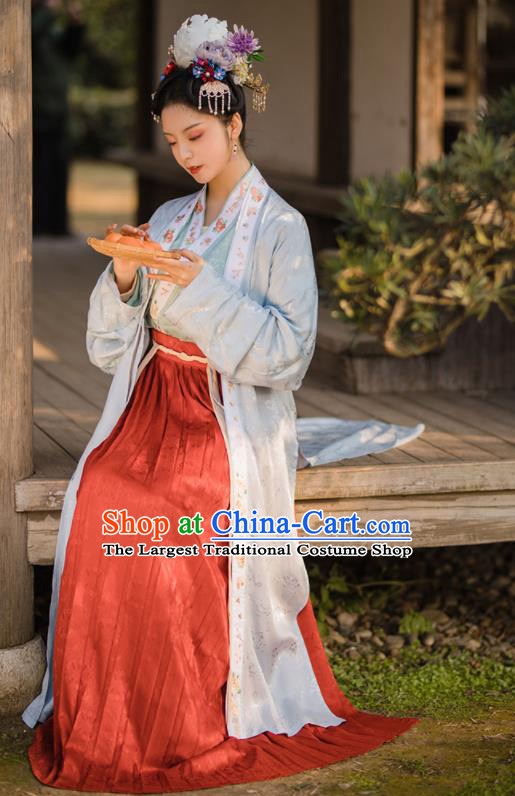
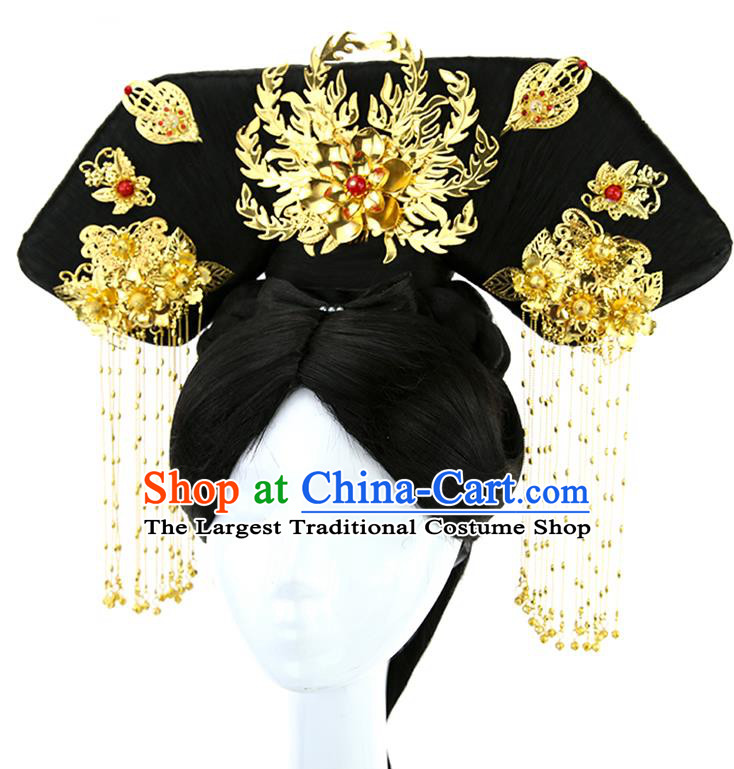
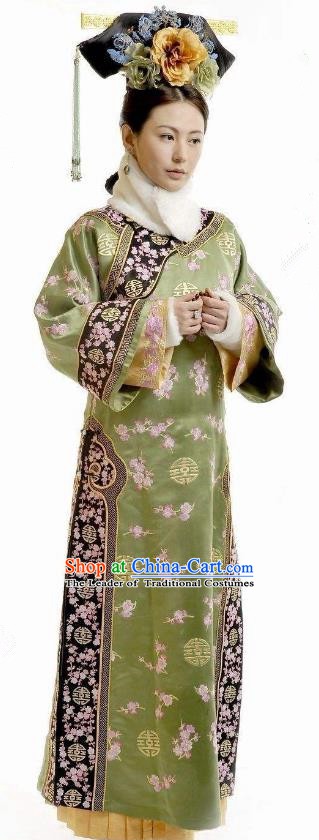
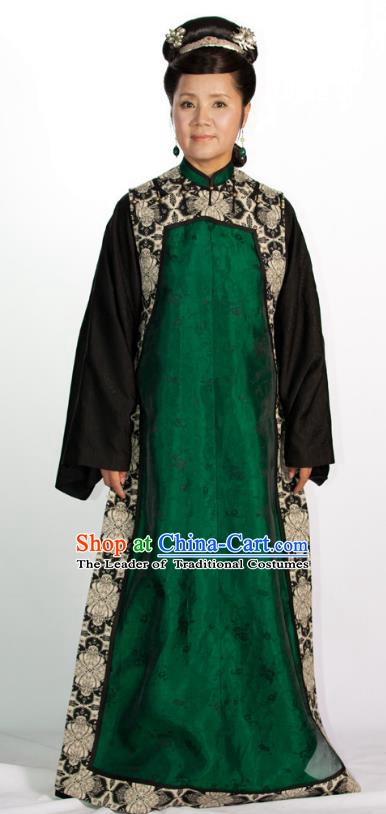
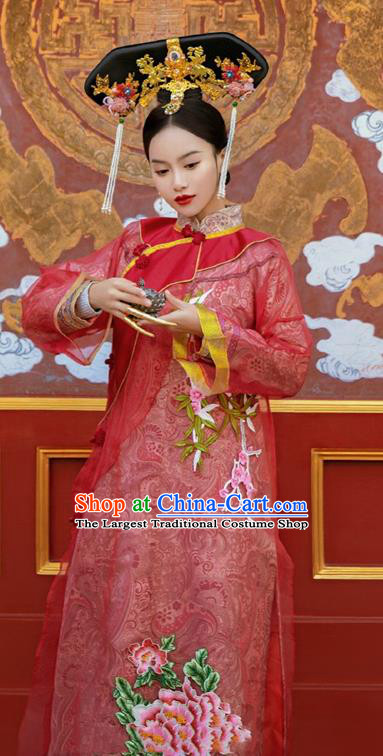
The traditional Chinese Qing Dynasty imperial concubine historical clothing, also known as the red dress, is a symbol of power and elegance in ancient China.
It was worn by the empresses and concubines of the Manchu court during the Qing dynasty, which lasted from 1644 to 1912.
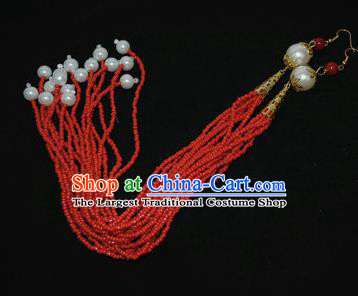
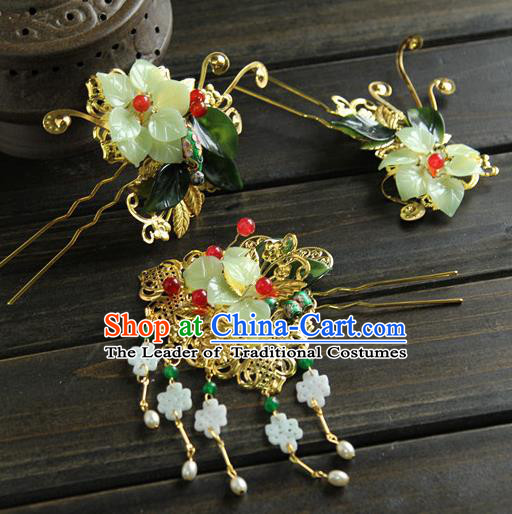
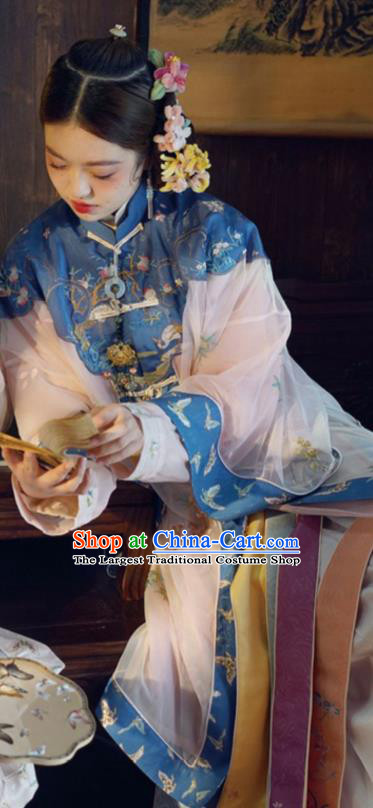
The red dress is made of silk or other high-quality materials and features intricate embroidery, beading, and other decorative elements.
It is often adorned with golden trims and precious stones, such as jade and pearls.
The historical significance of the red dress lies in its role as a representation of the wealth and status of the ruling class.
It was not only a symbol of beauty but also a means of showing off one's social standing and political influence.
The dress was also used to distinguish between different levels of rank within the court, with higher-ranking women wearing more elaborate and luxurious garments.
In addition to its aesthetic value, the red dress also had practical uses.
It provided protection from the sun and rain, as well as insulation against cold weather.
It was also designed to be comfortable to wear for long periods of time, with loose sleeves and a high collar that allowed for easy movement.
Despite its historical significance, the red dress has been largely forgotten in modern times.
However, it remains an important part of China's cultural heritage and continues to inspire artists and designers around the world.
Its intricate designs and rich history serve as a reminder of the beauty and complexity of traditional Chinese culture.