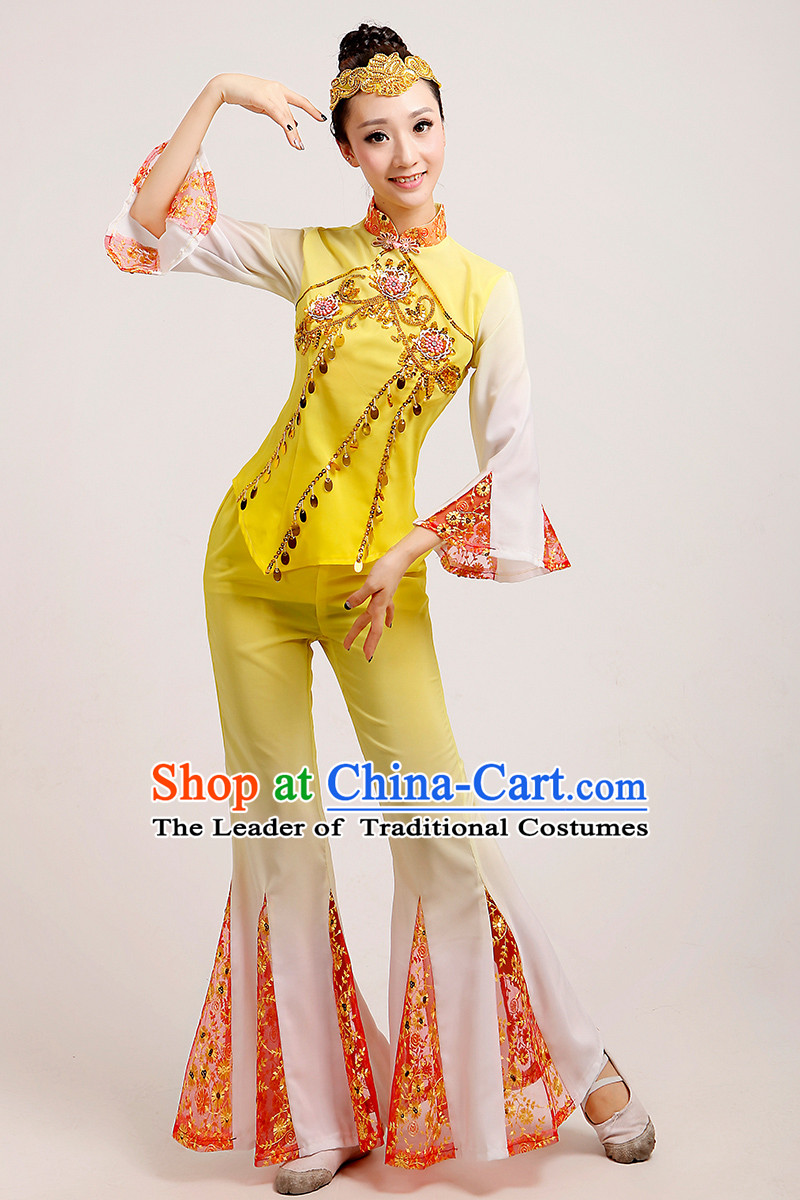
Click Related Pictures for More Audios:
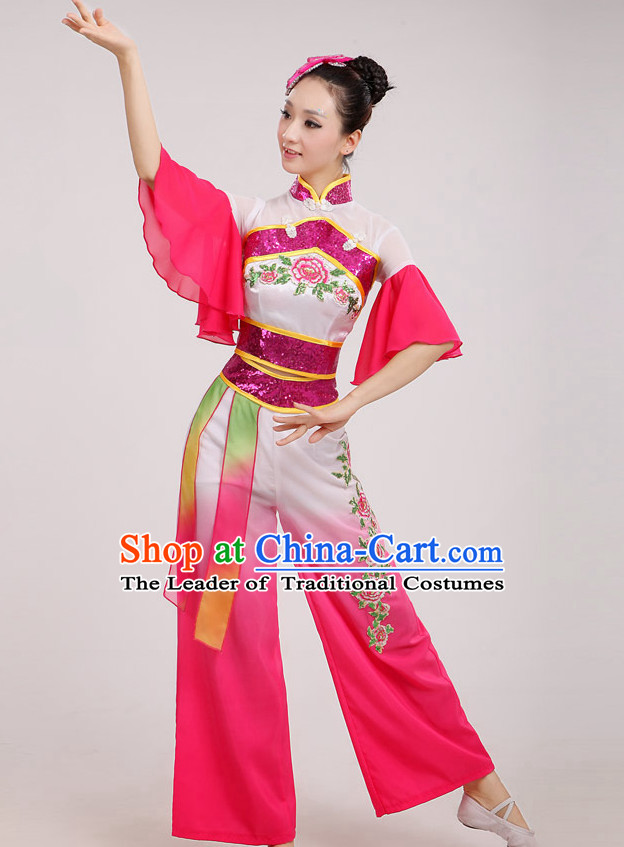
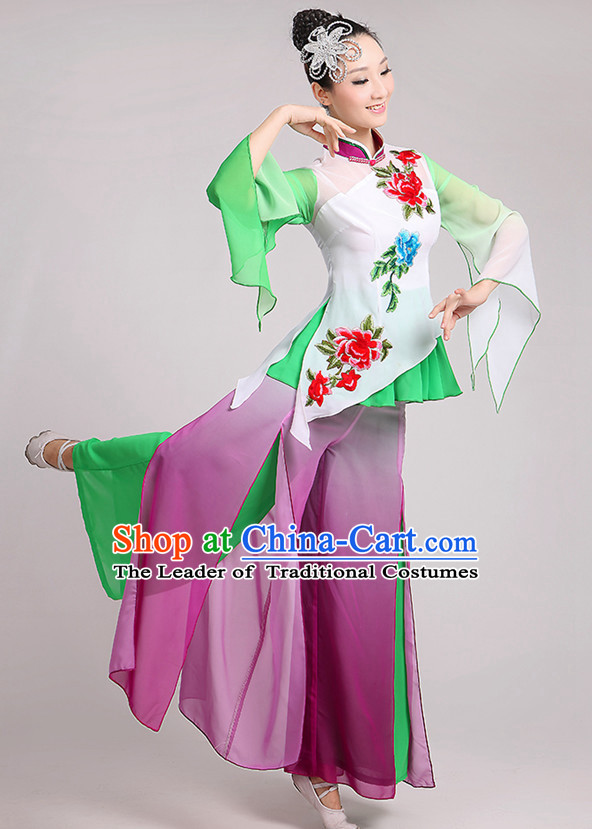
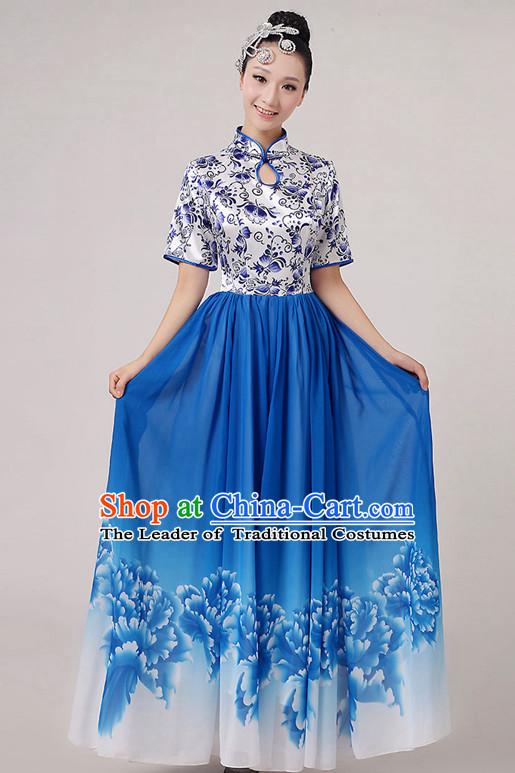
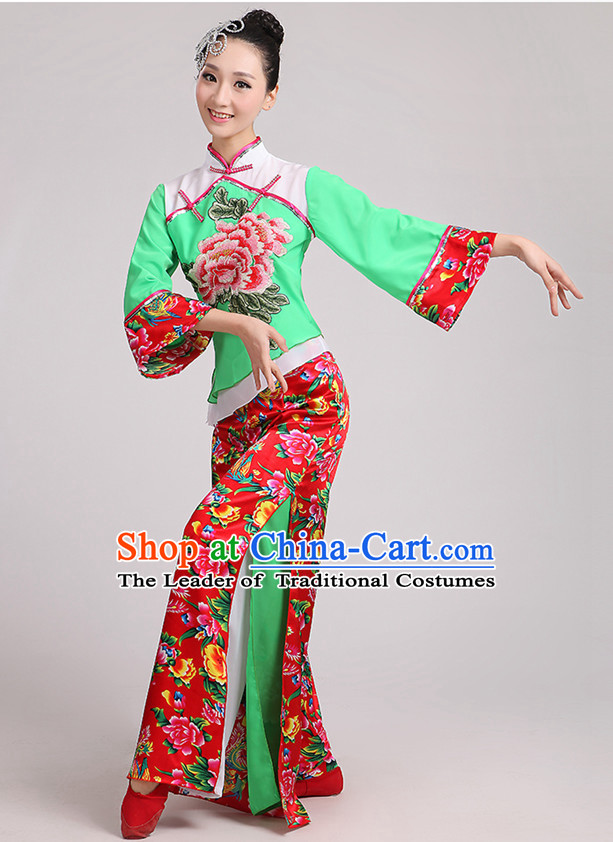
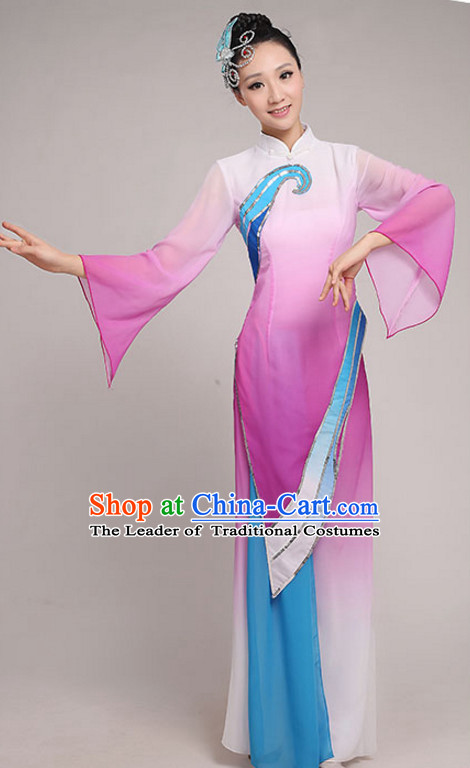
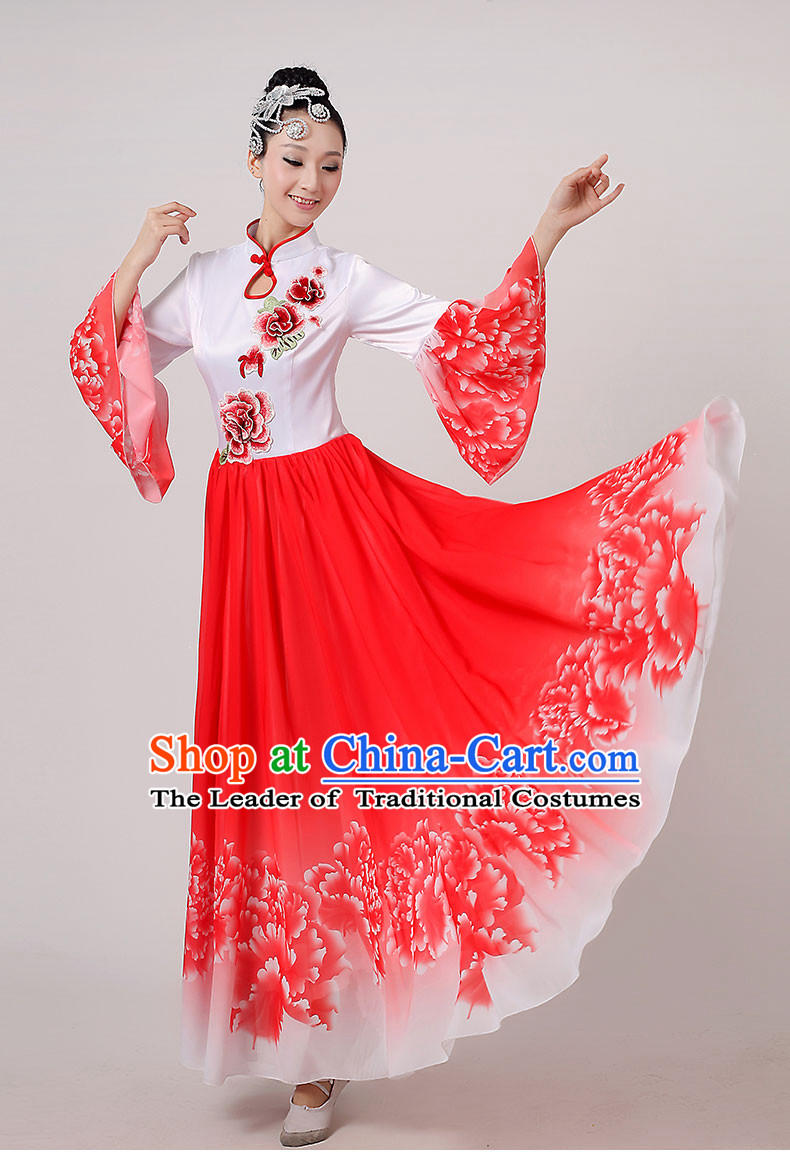
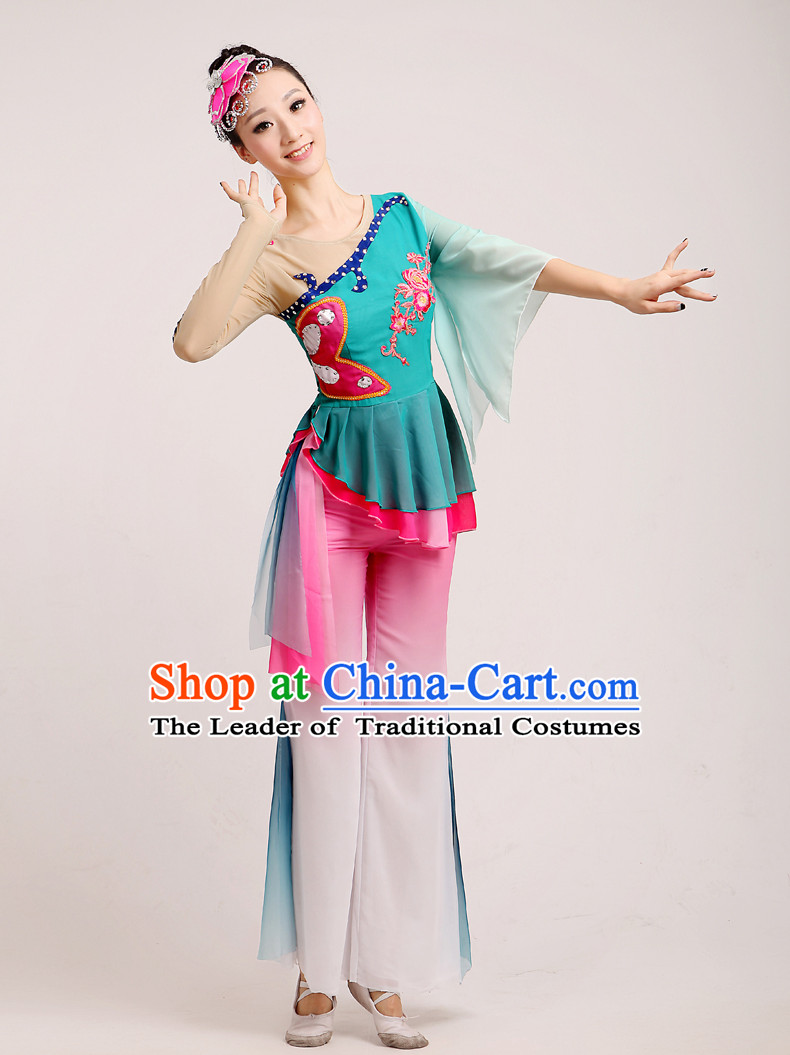
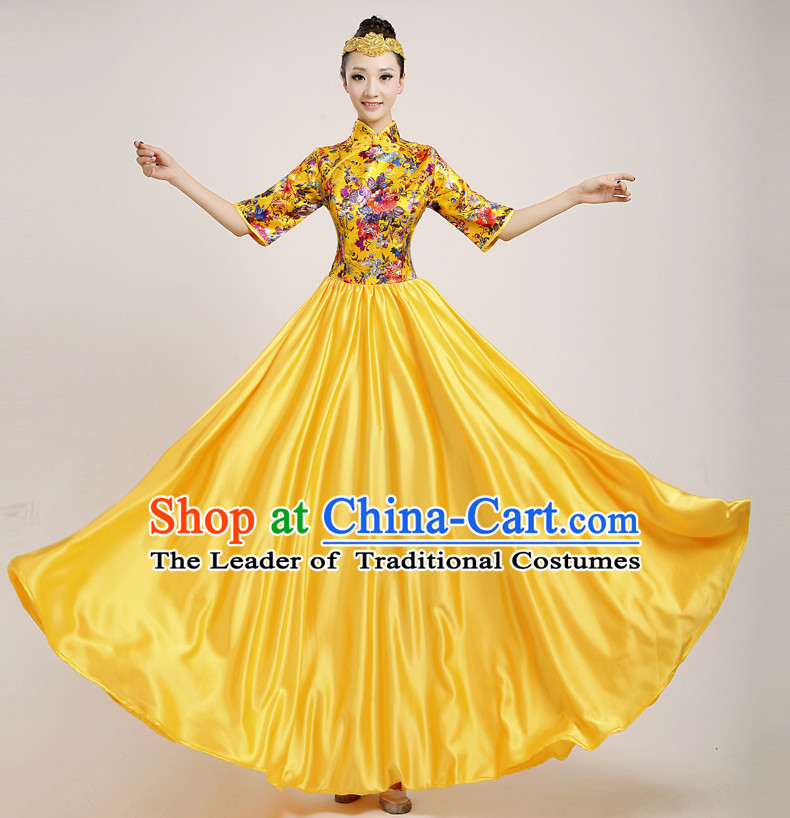
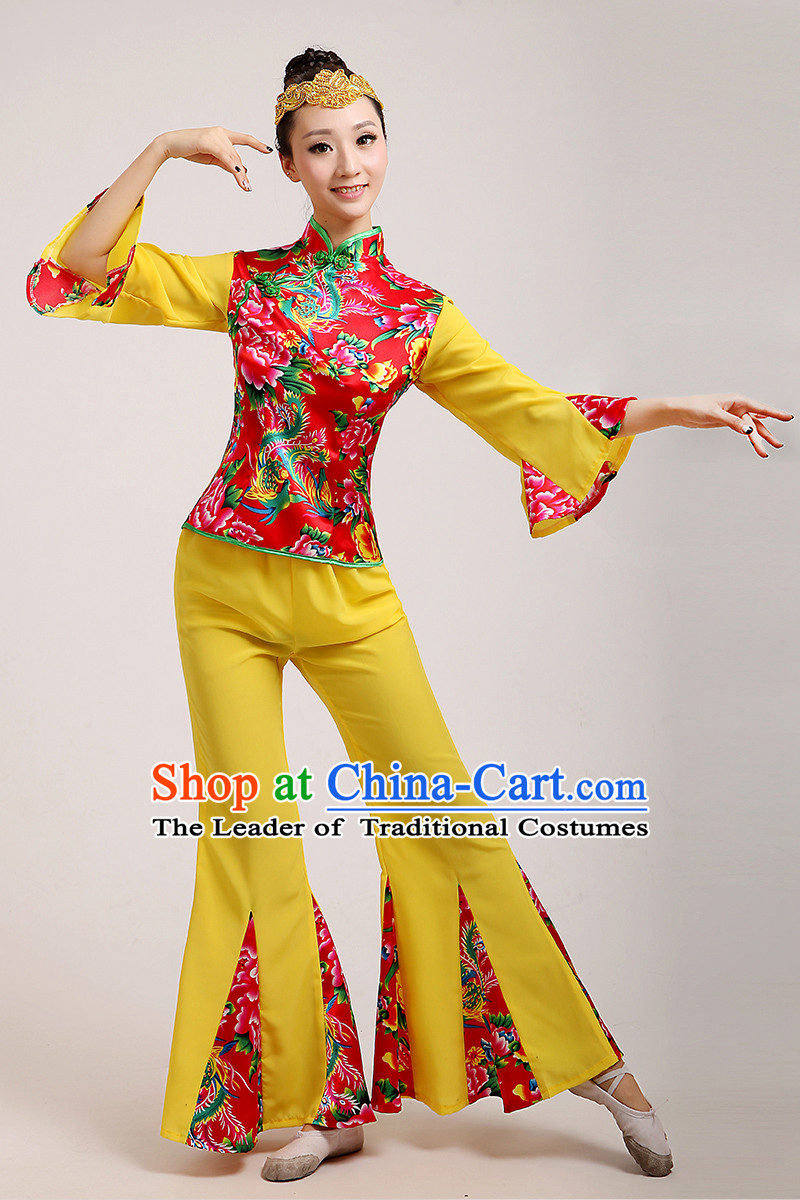
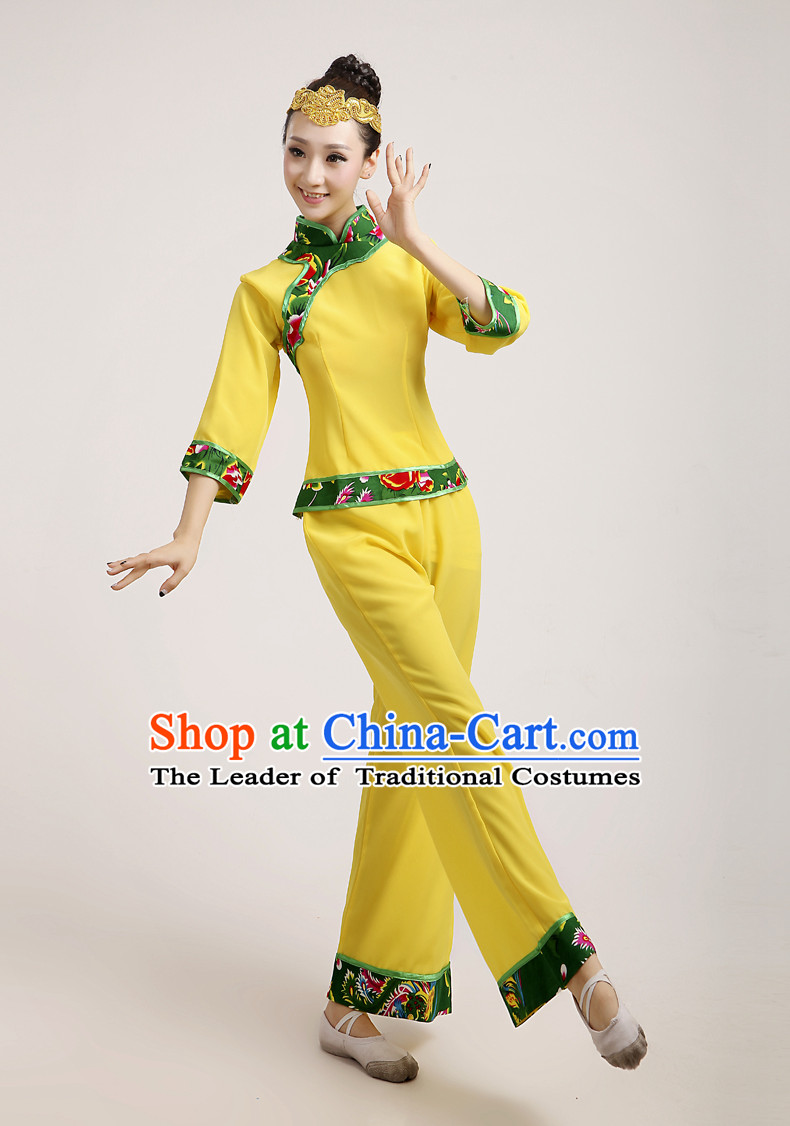
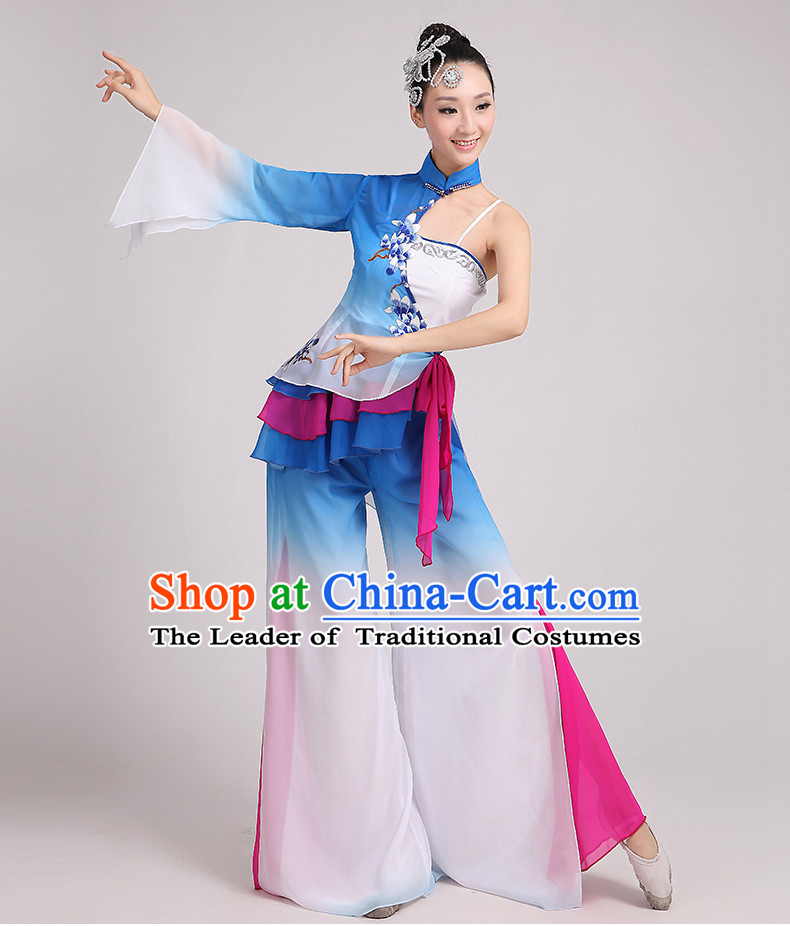
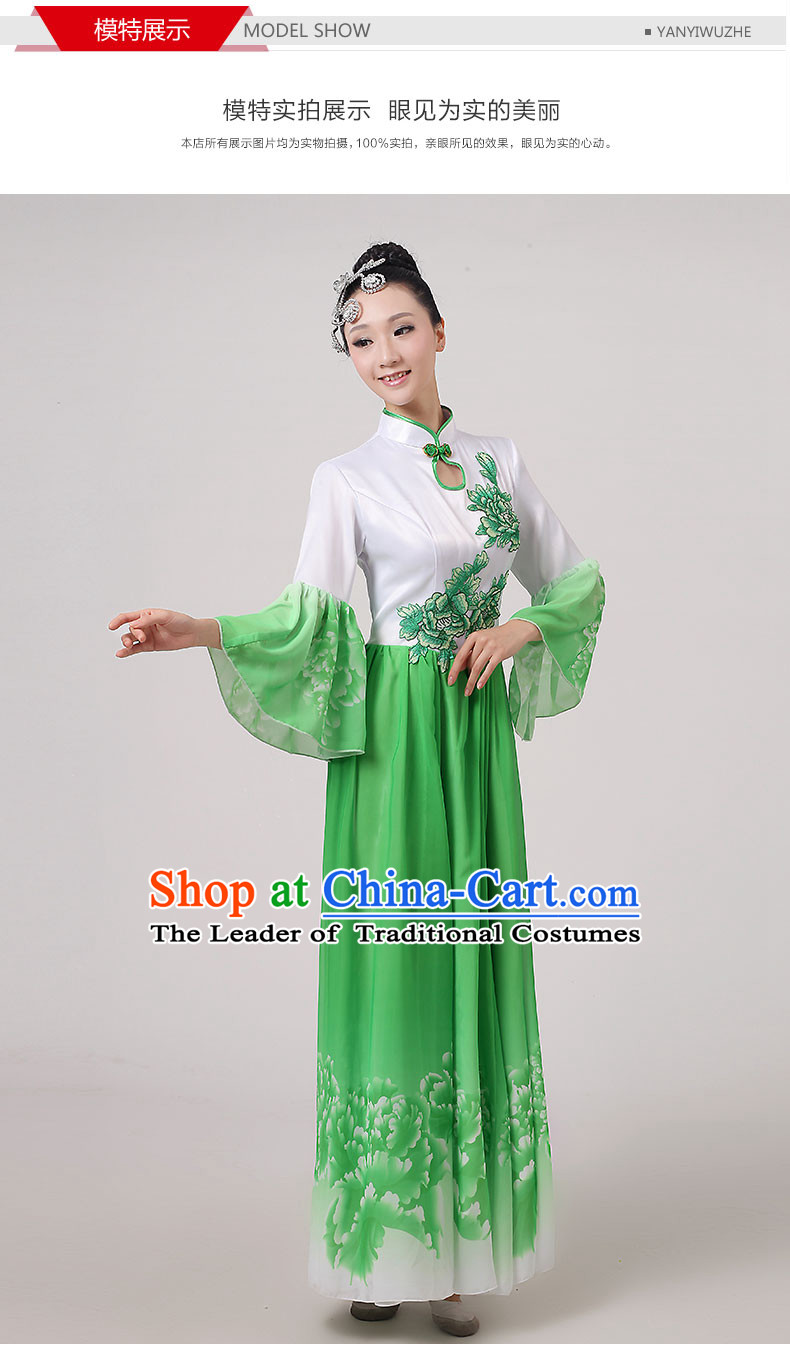
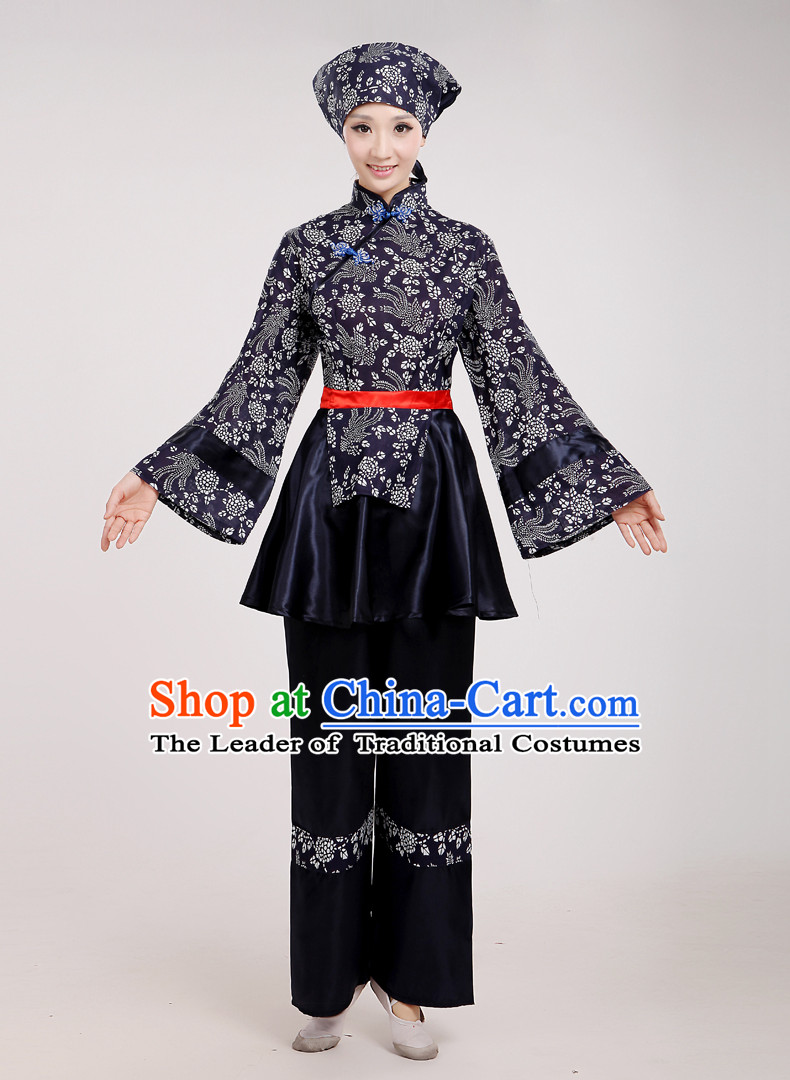
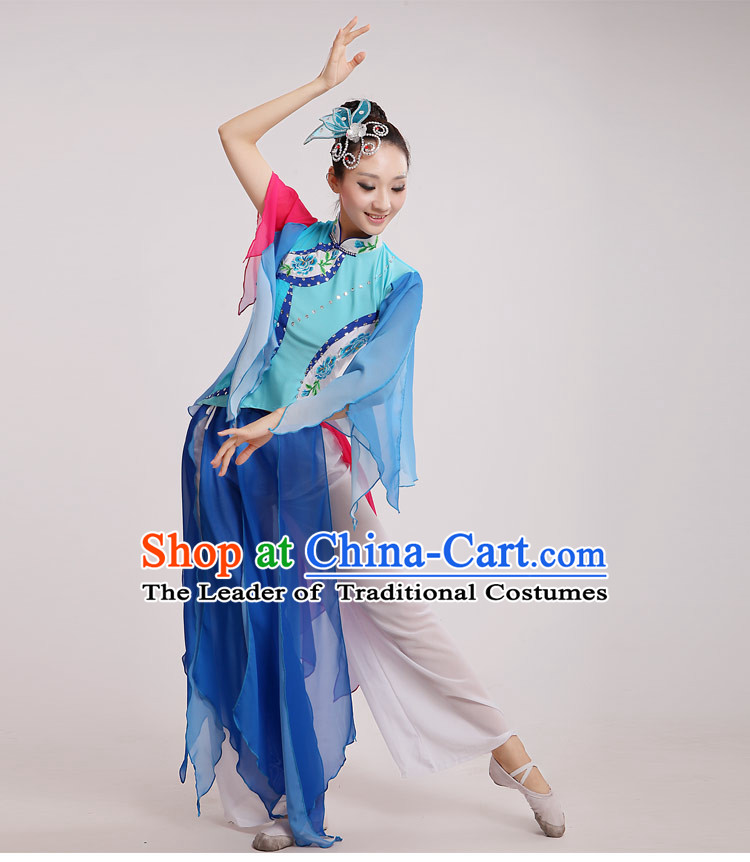
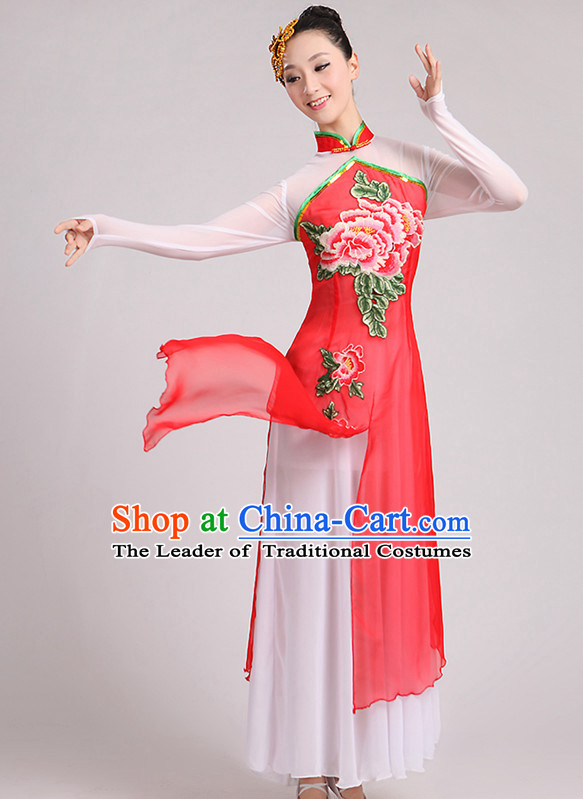
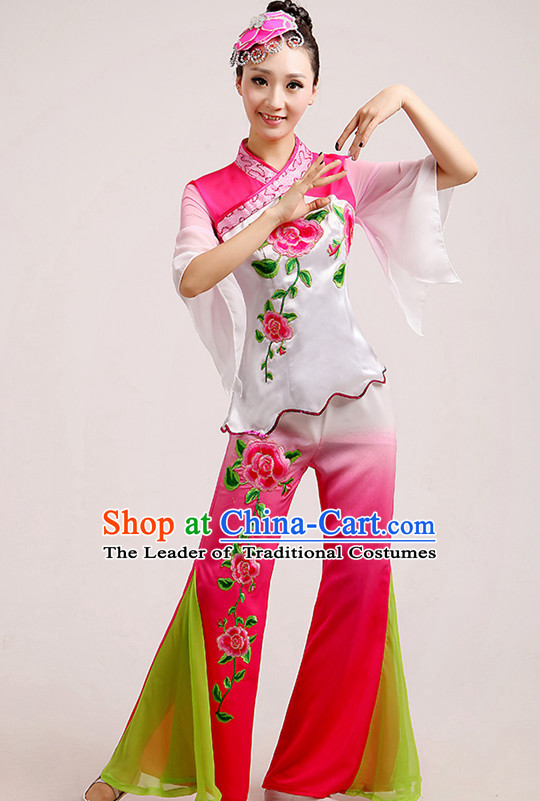
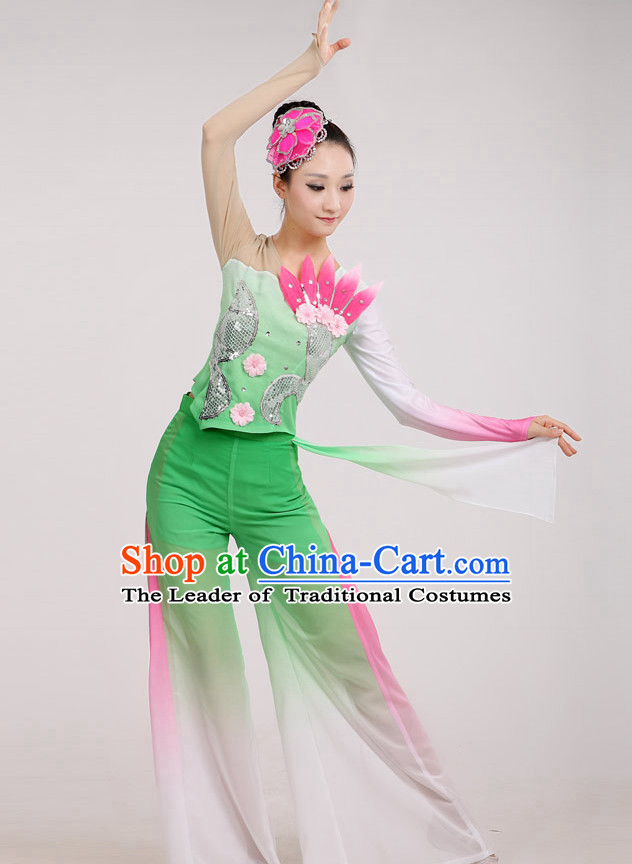
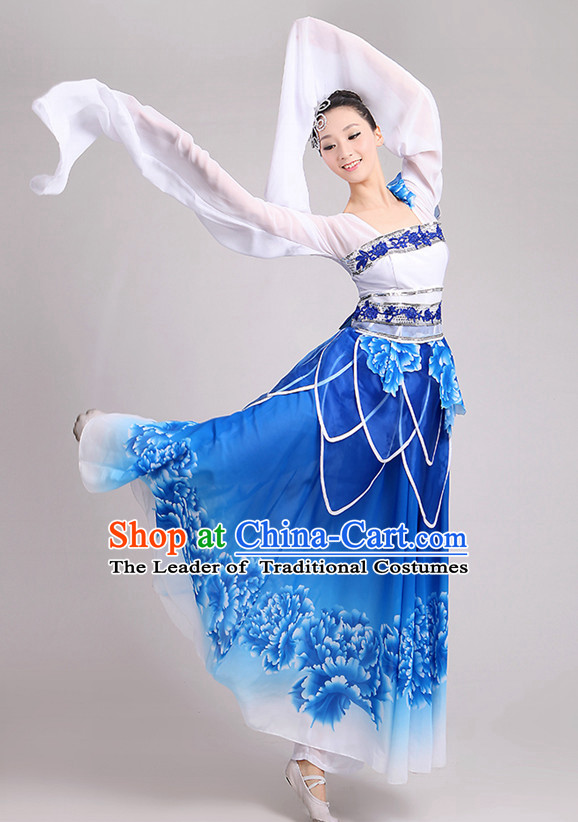
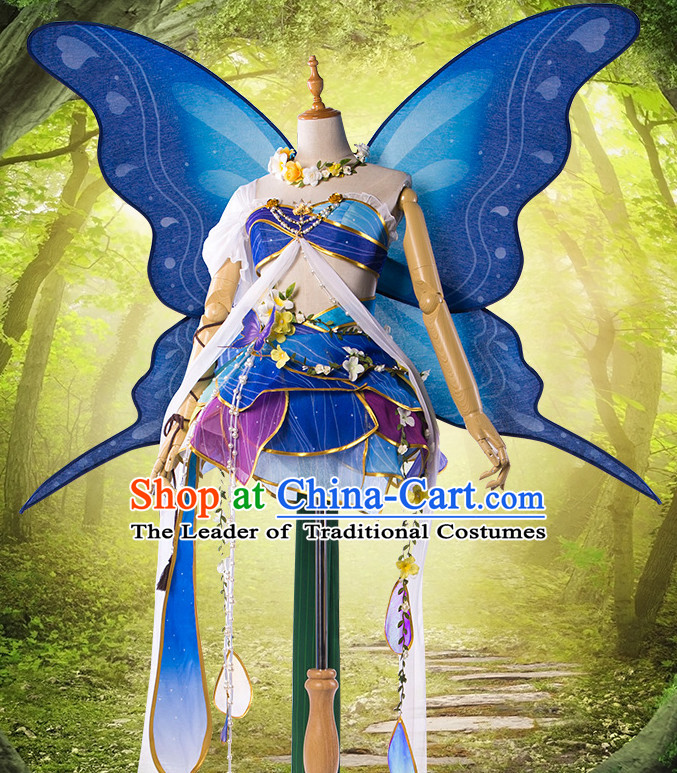
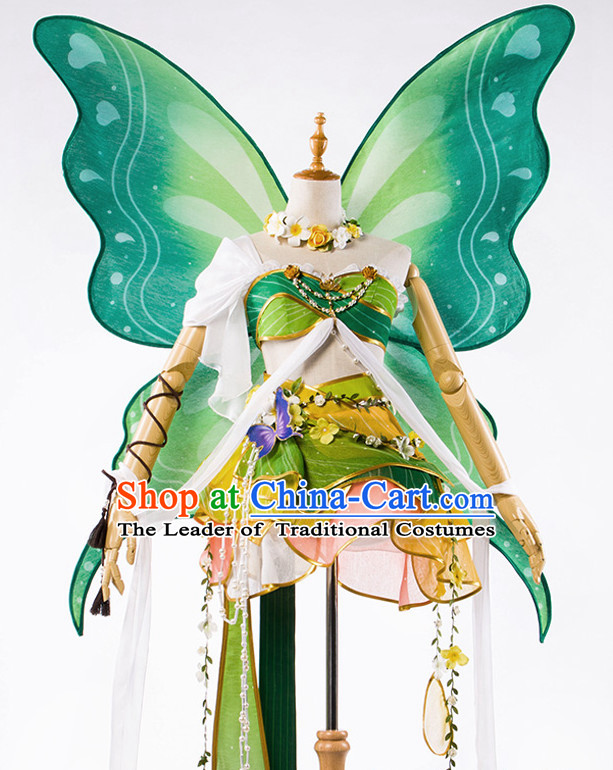
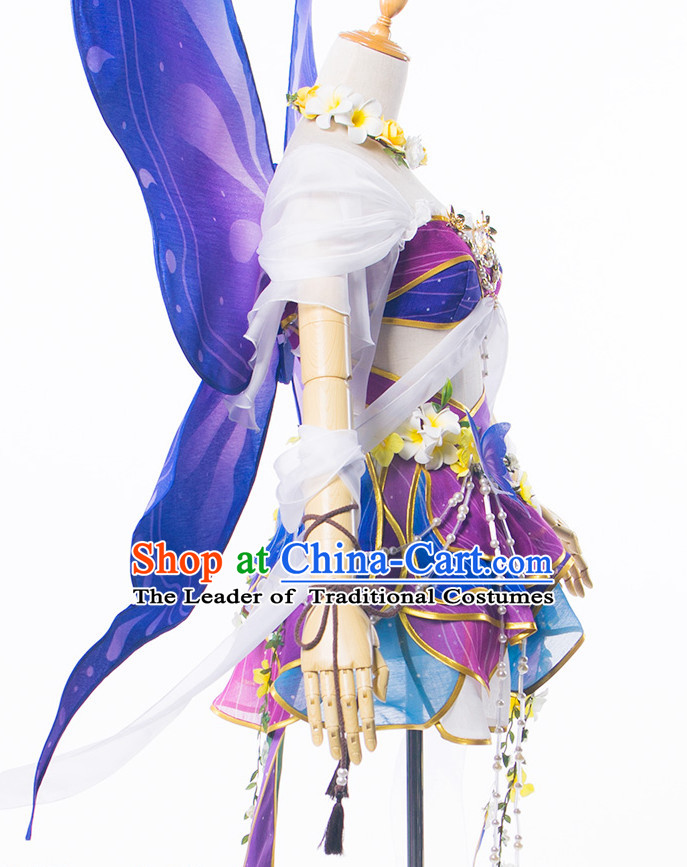
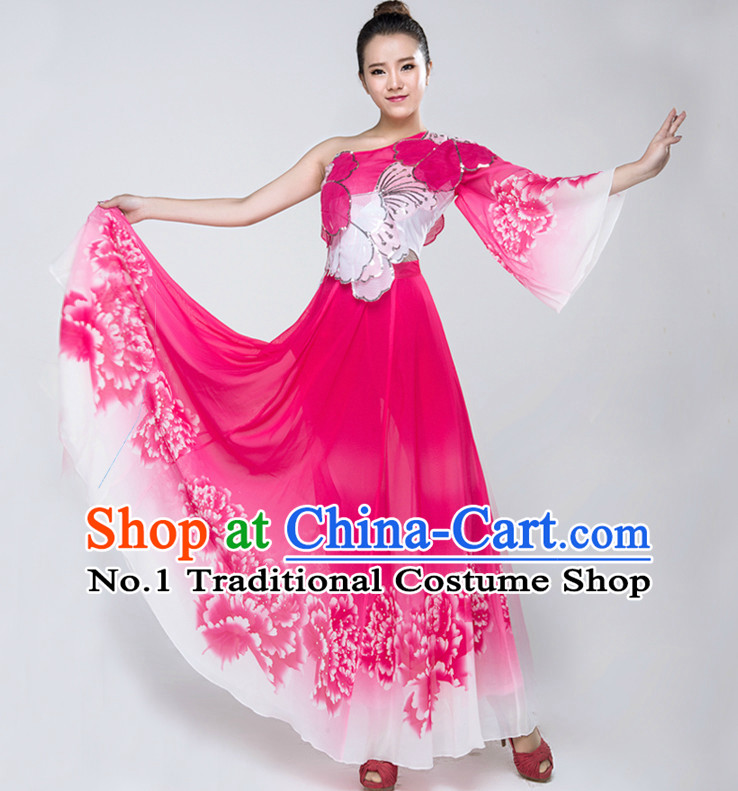
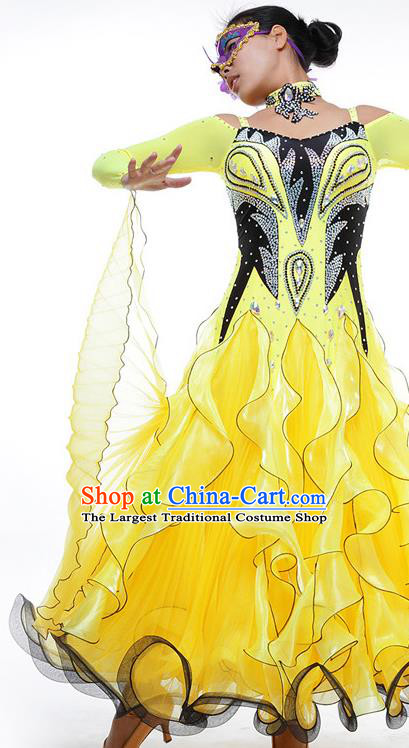
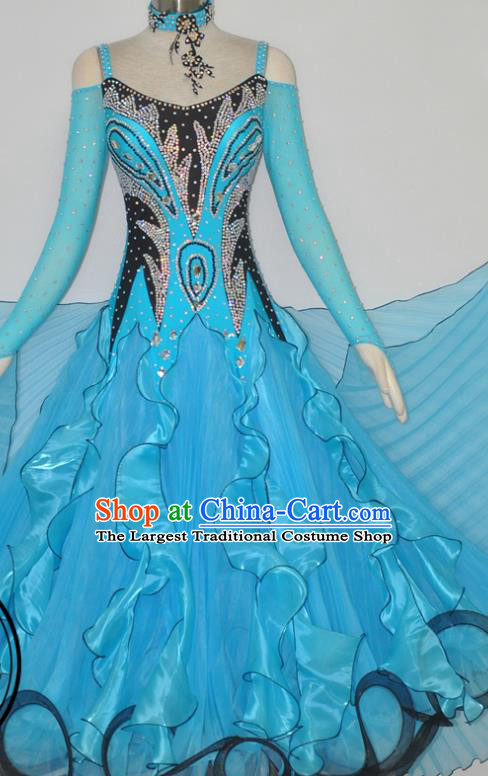
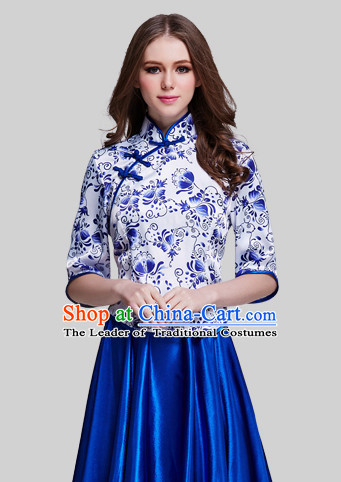
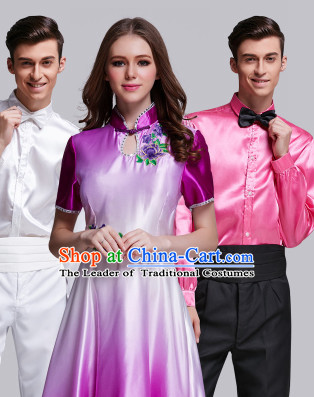
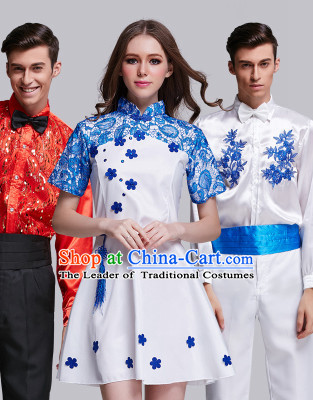
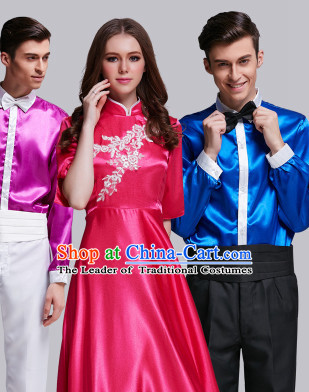
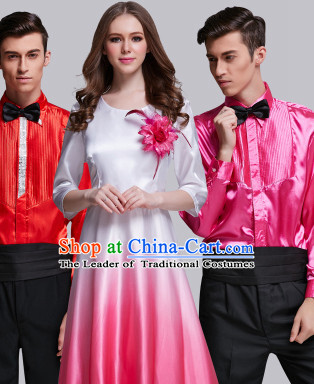
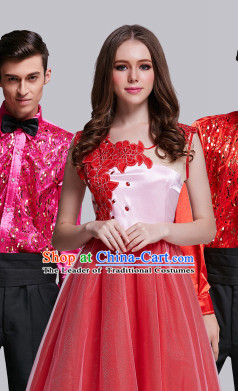
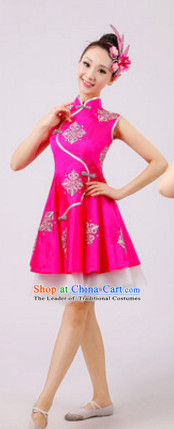
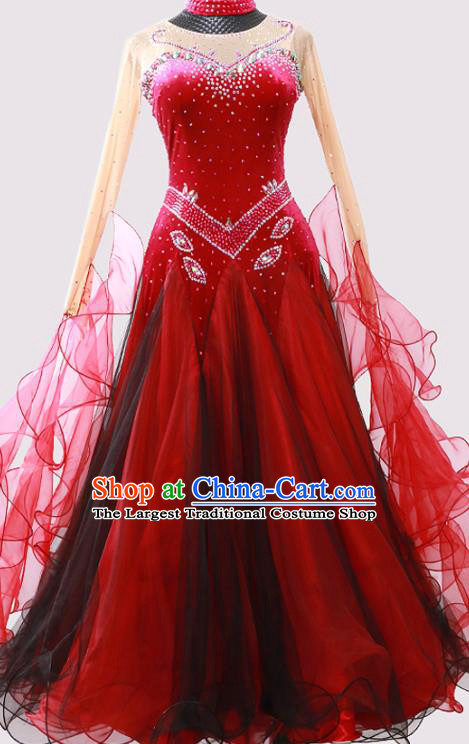
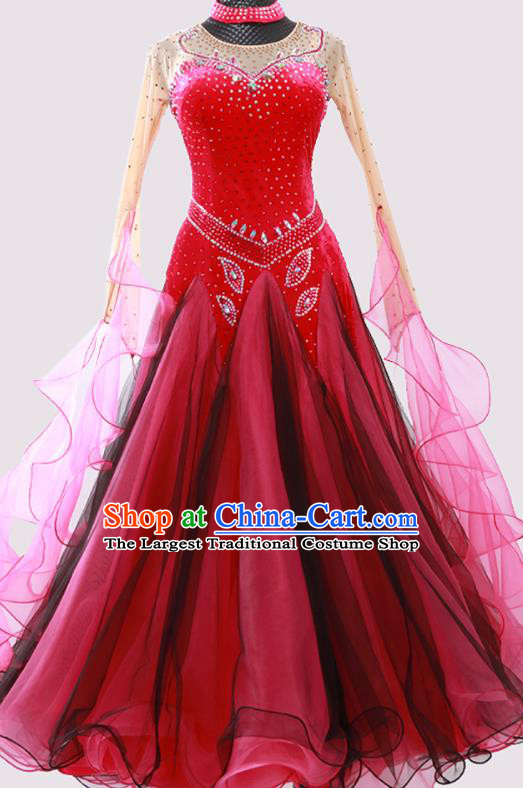
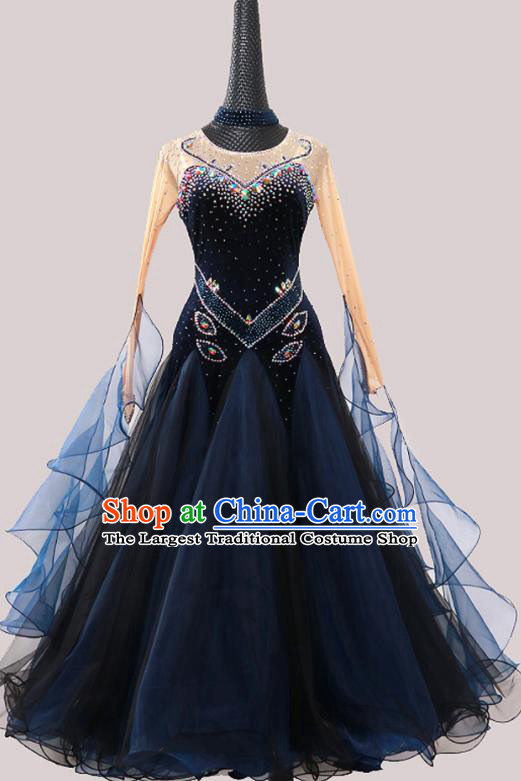
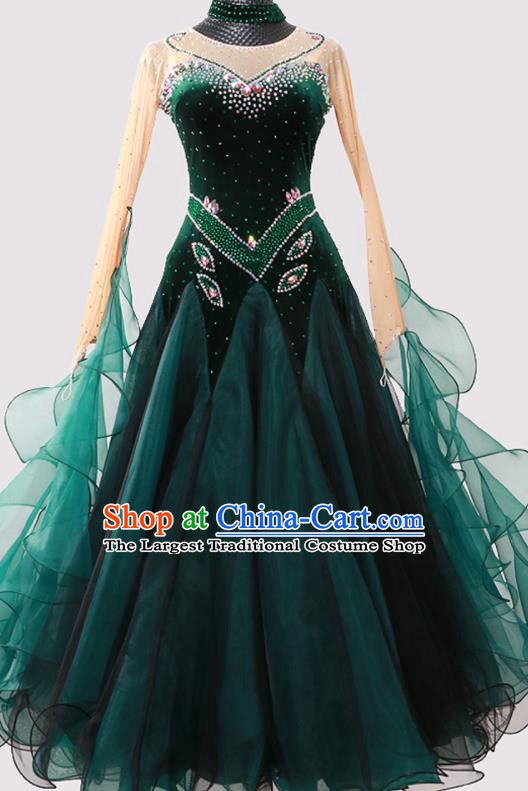
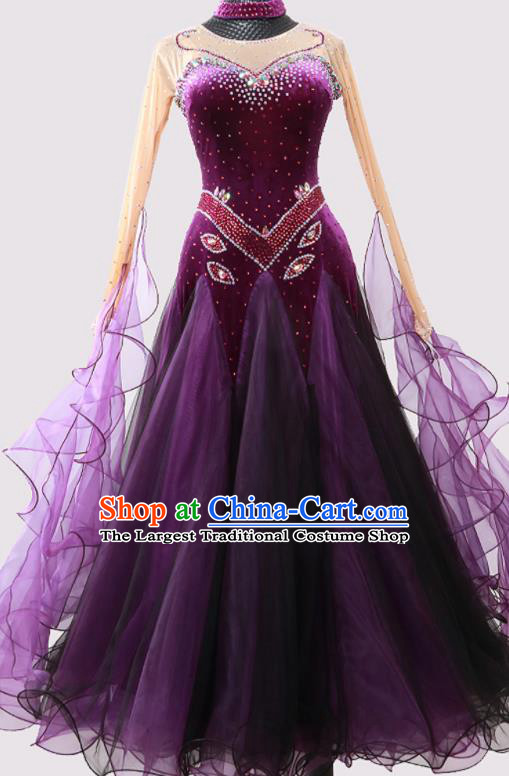
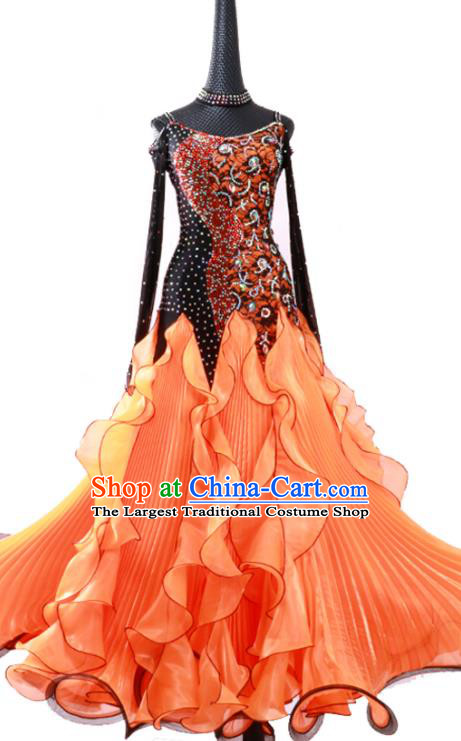
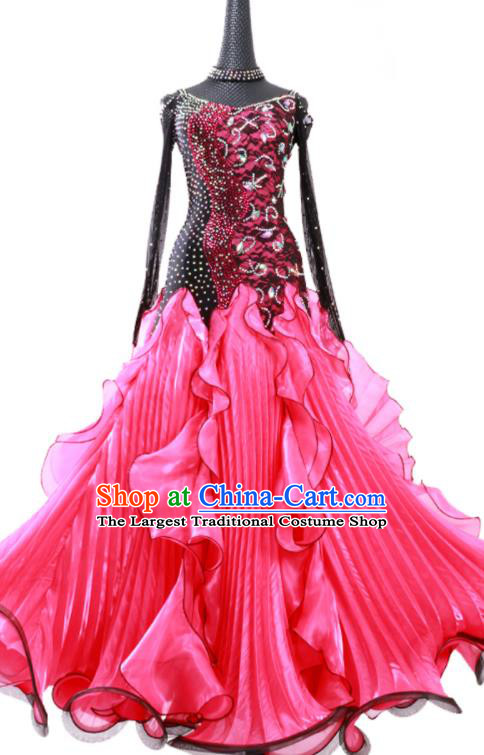
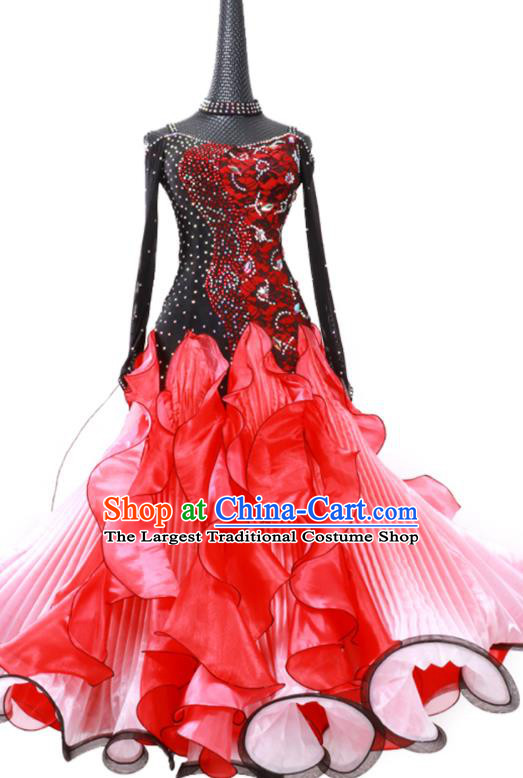
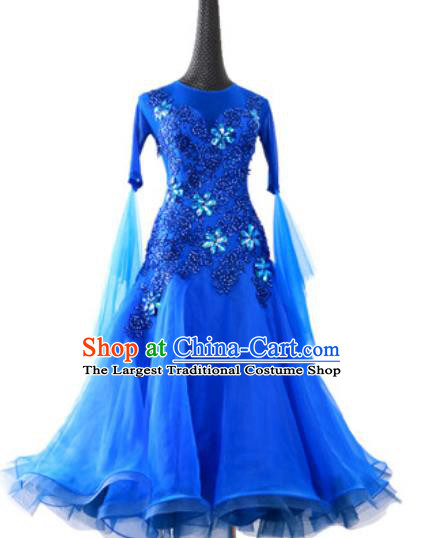
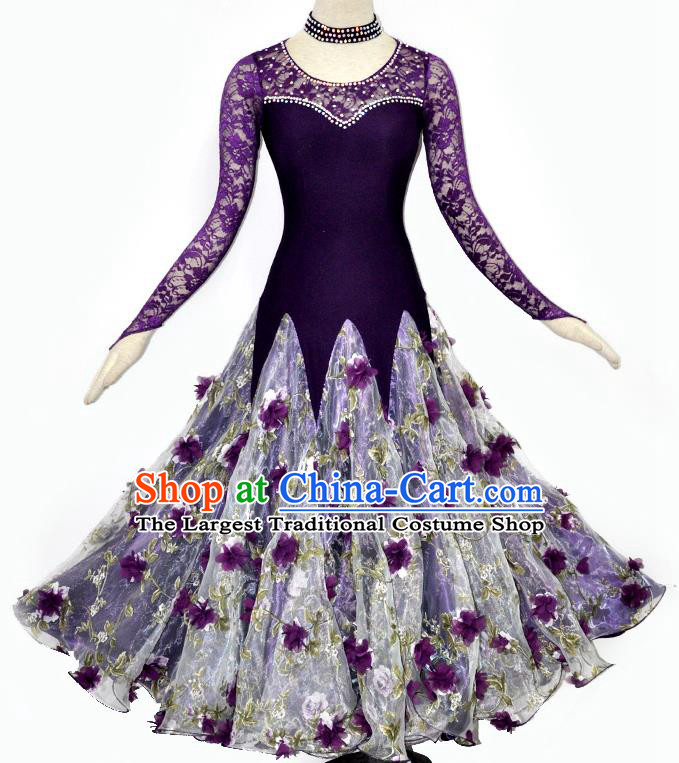
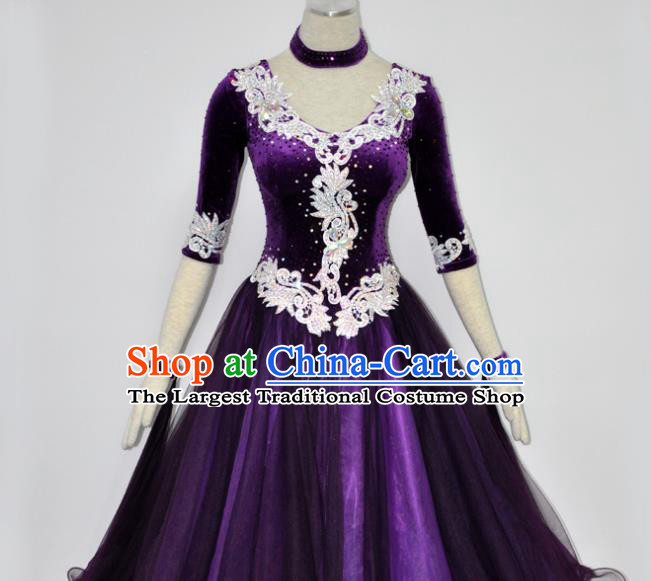
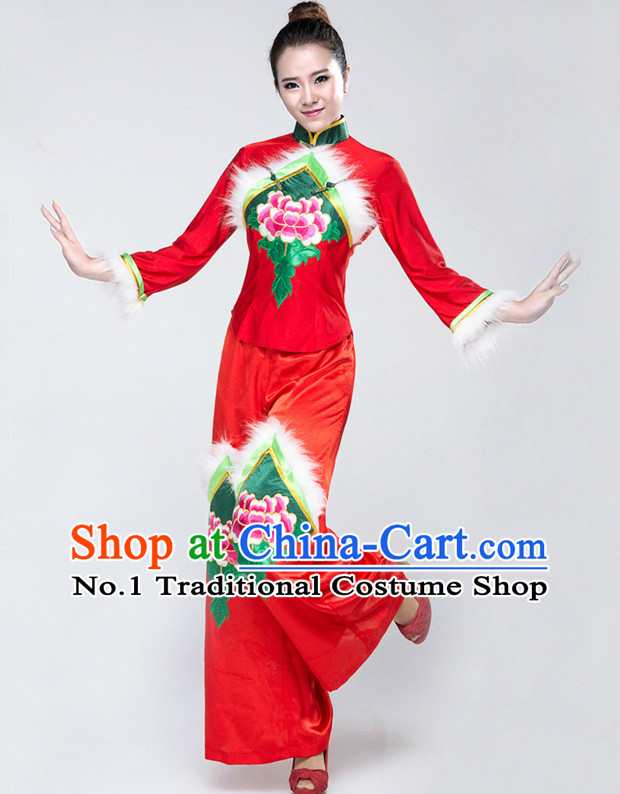
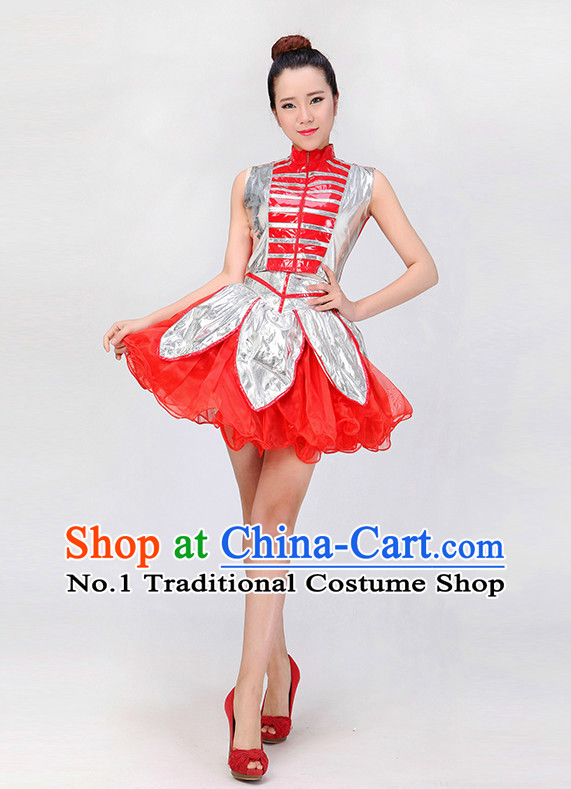
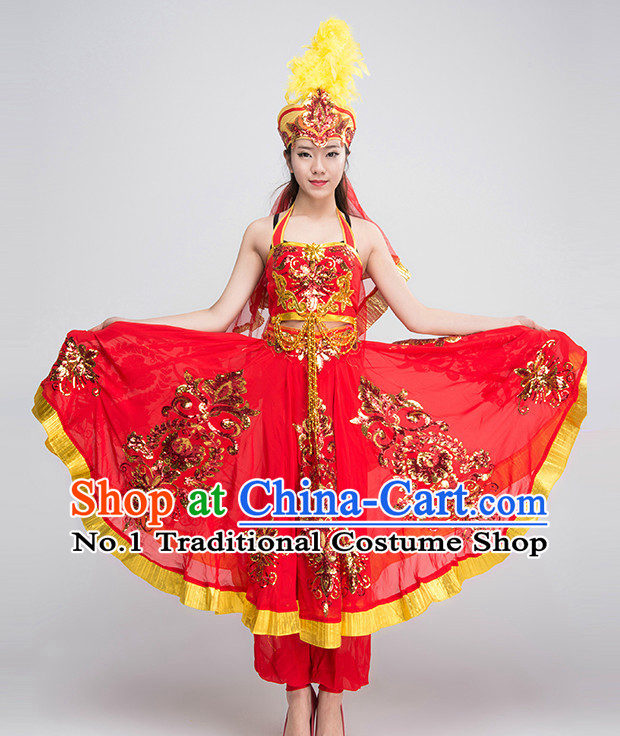
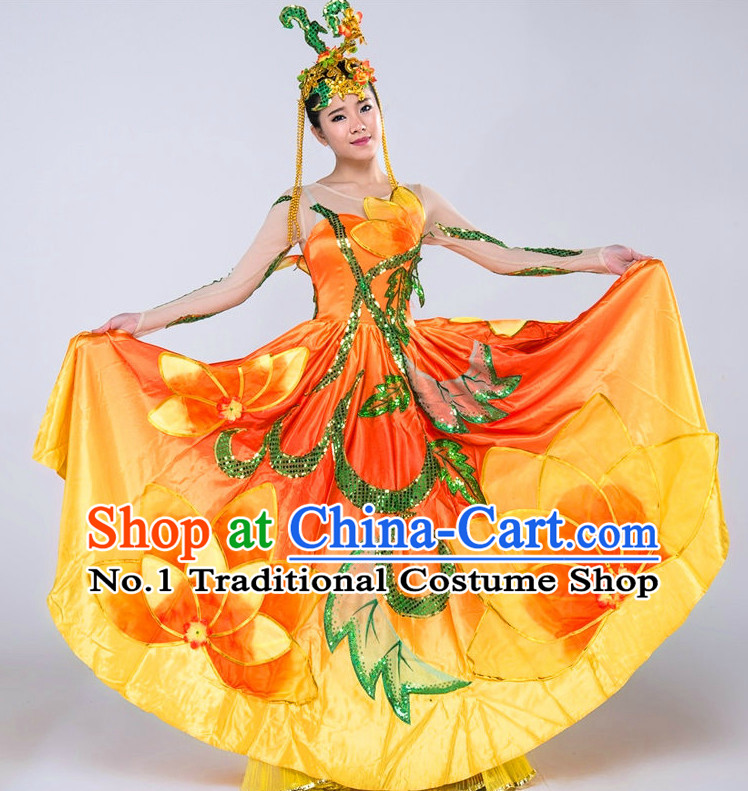
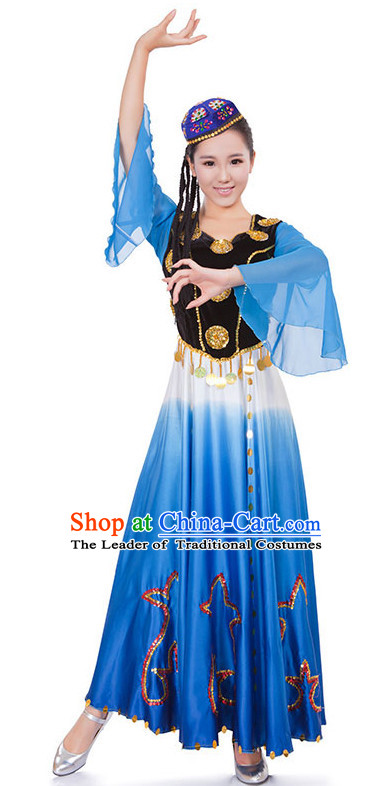
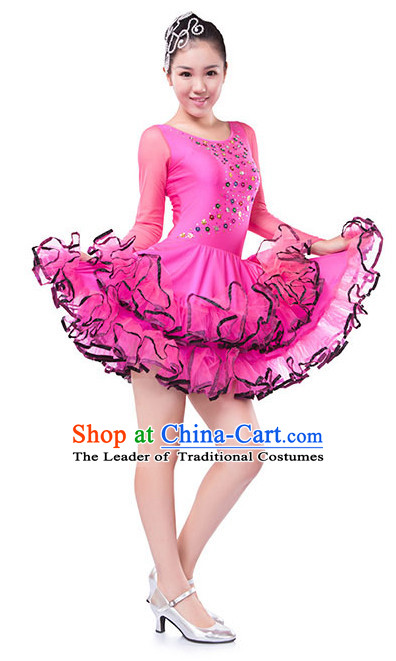
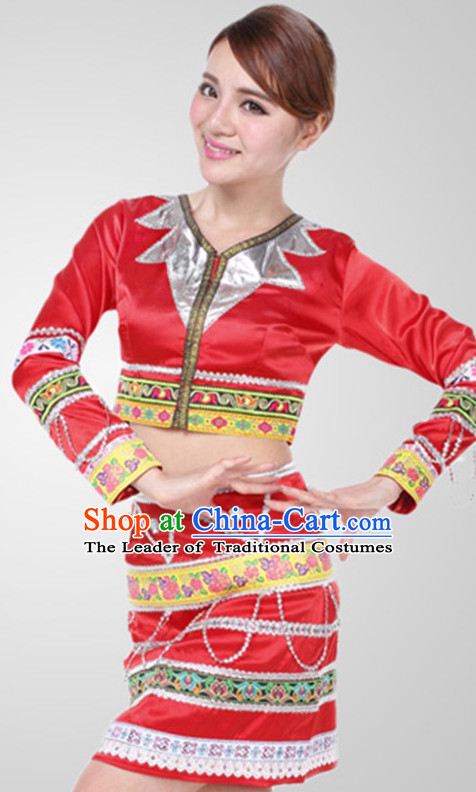
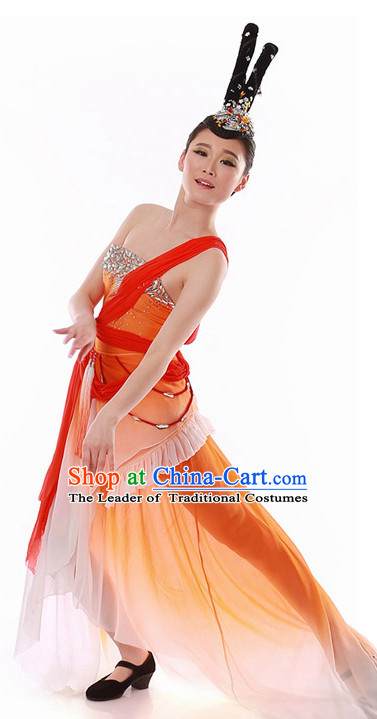
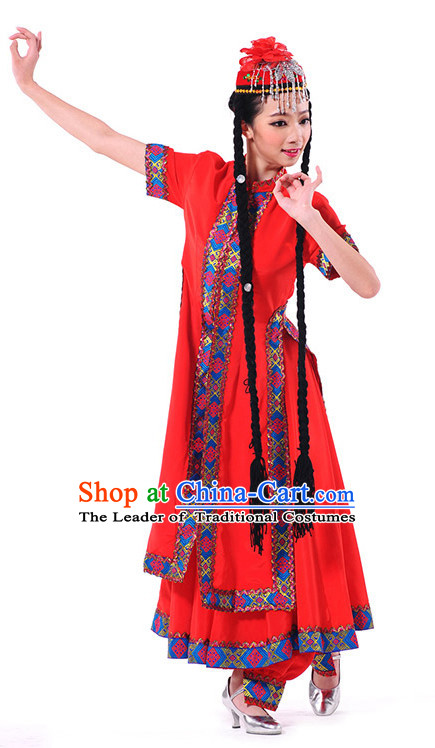
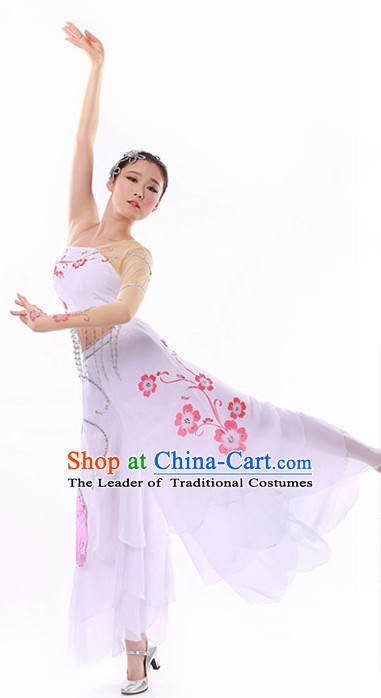
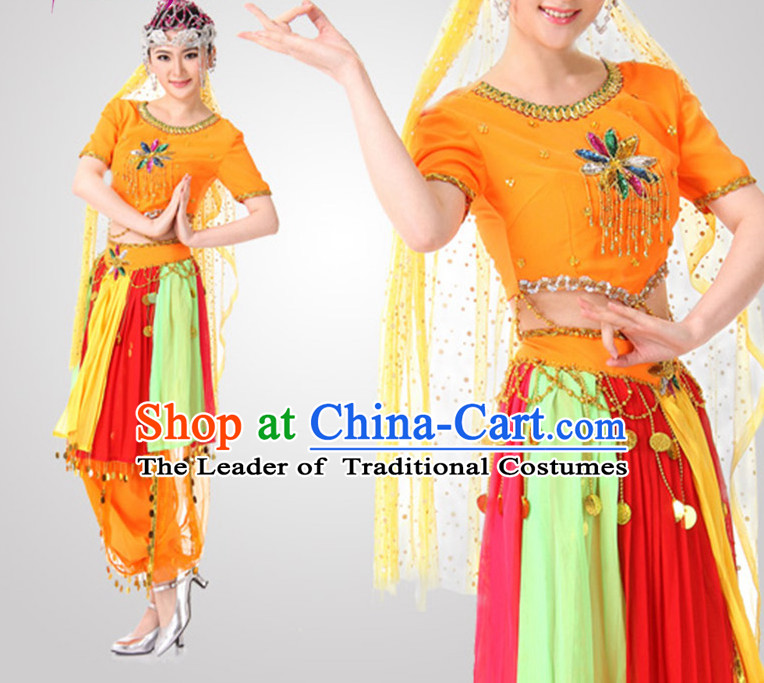
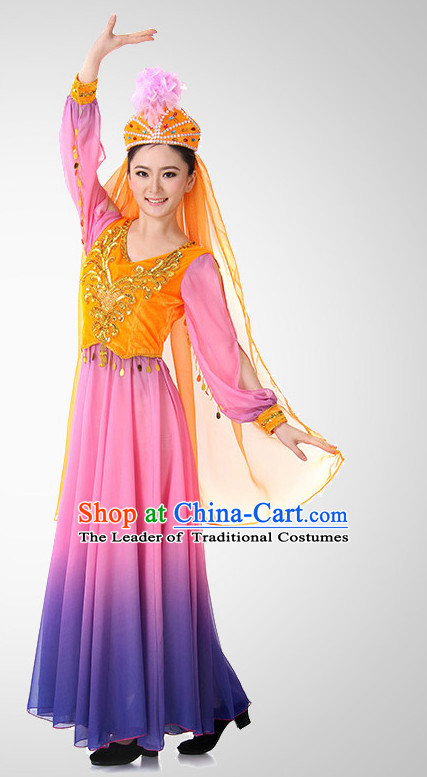
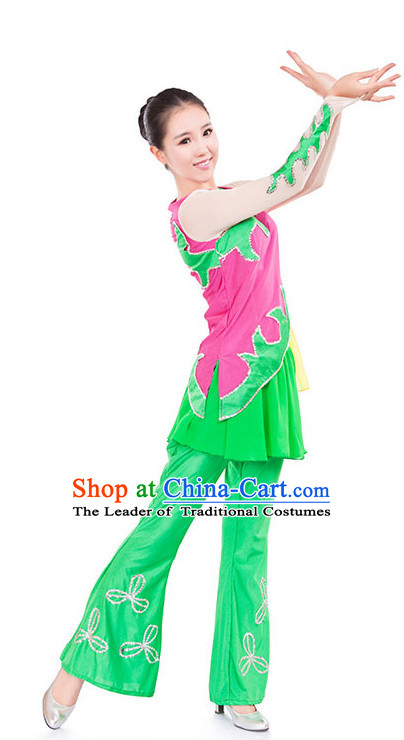
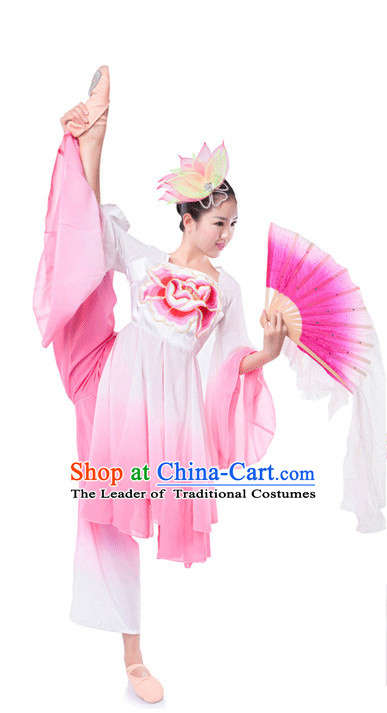
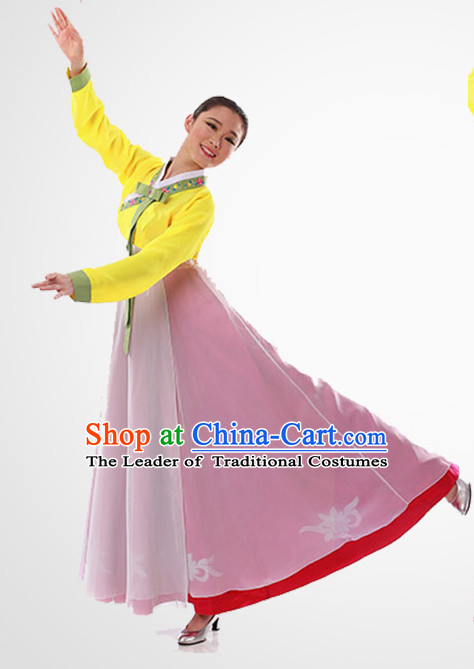
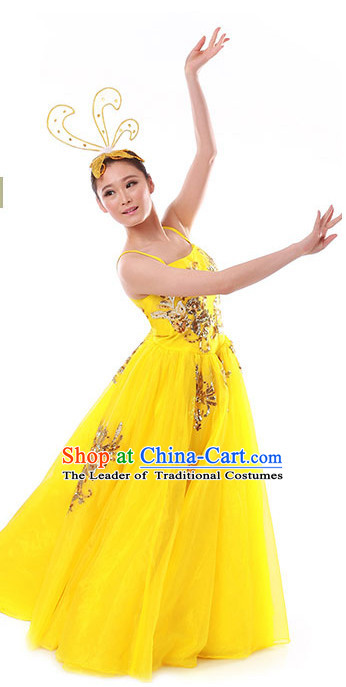
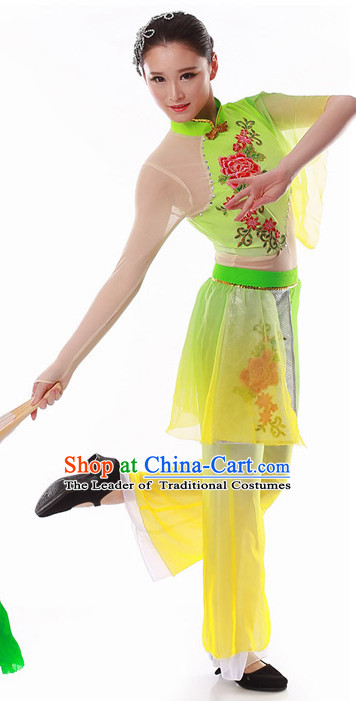
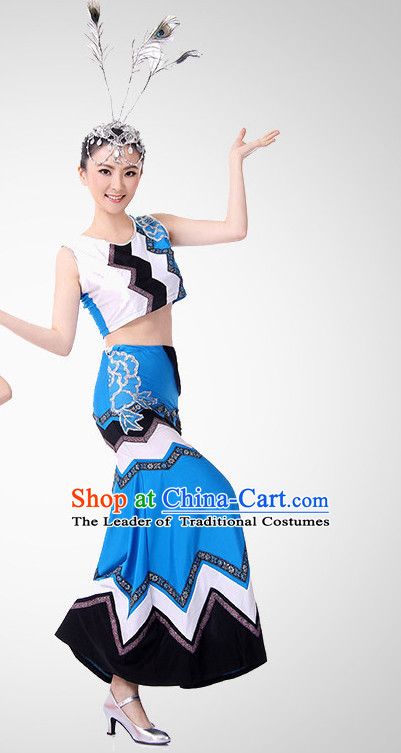
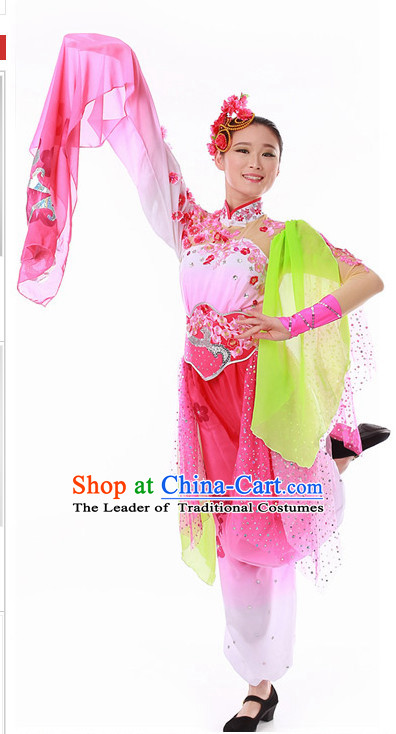
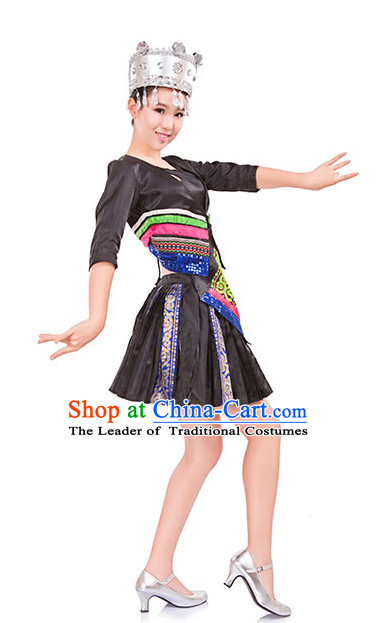
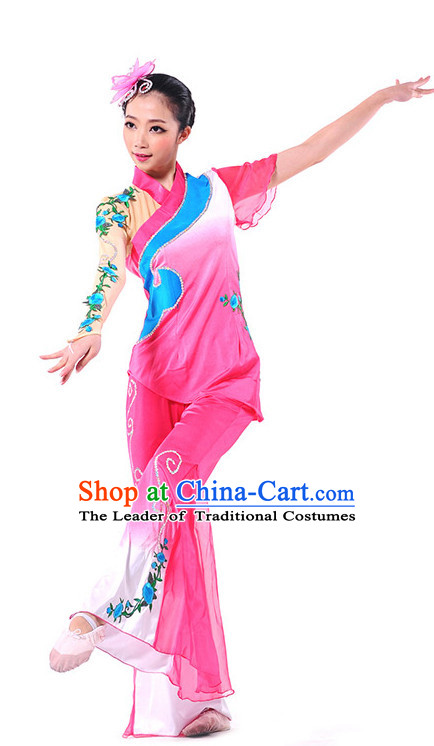
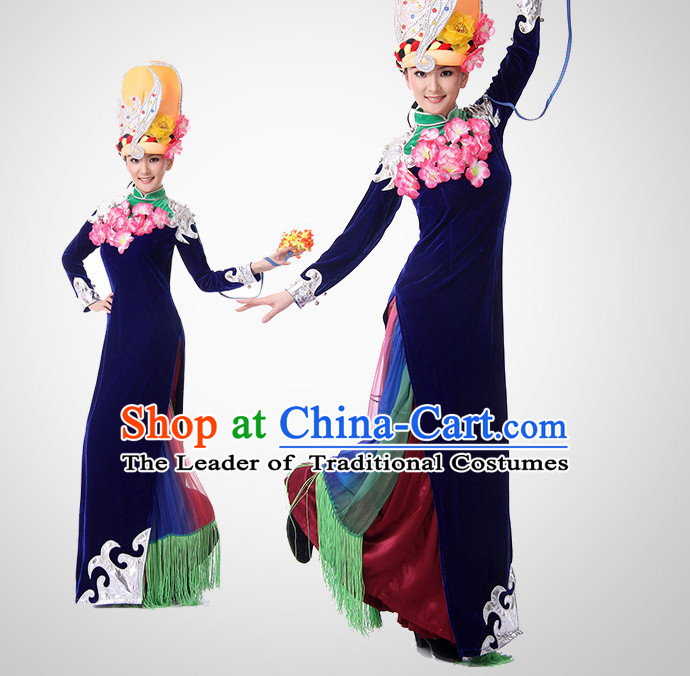
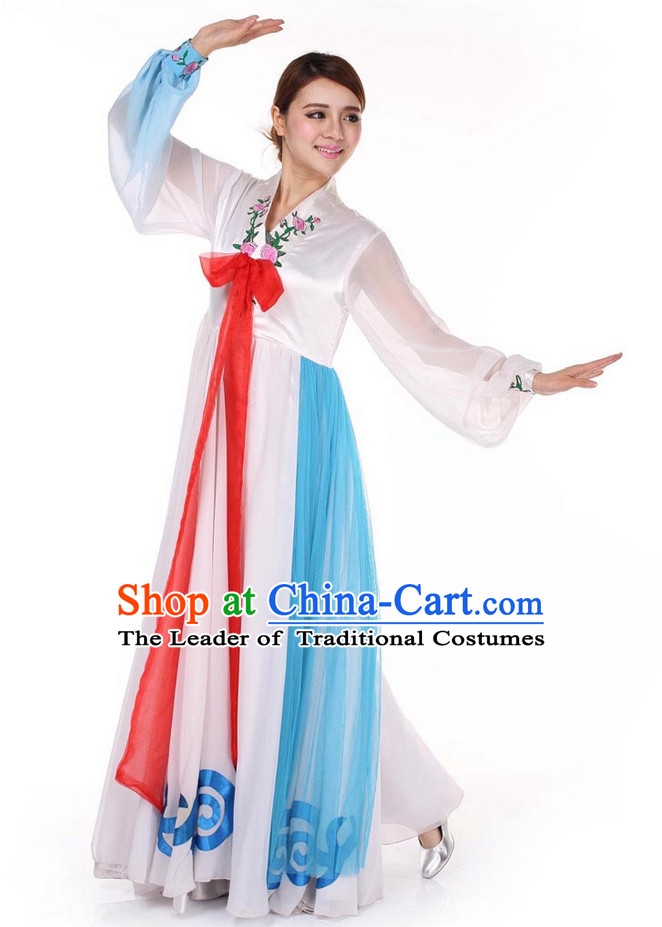
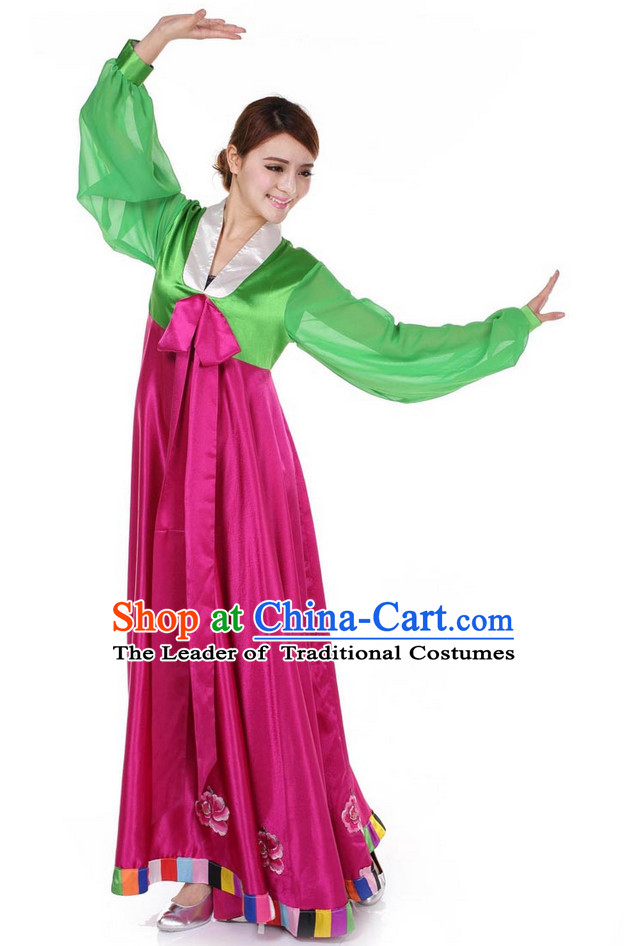
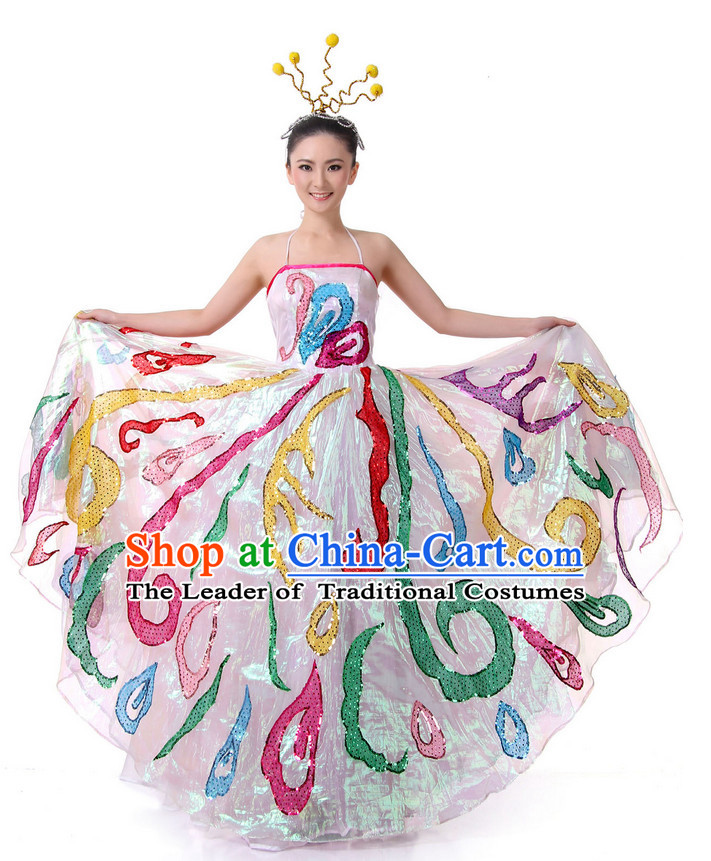
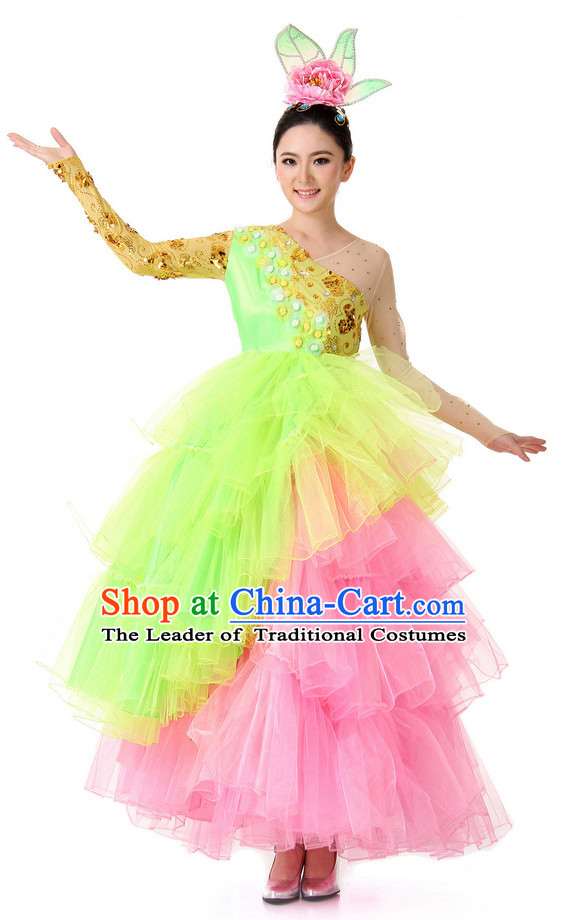
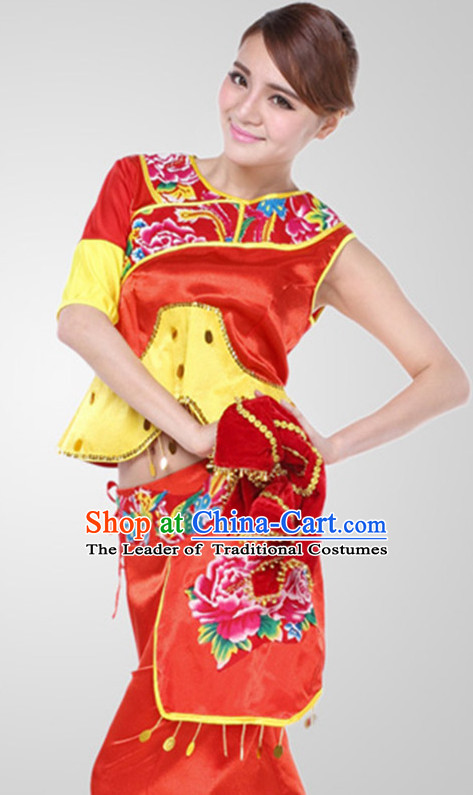
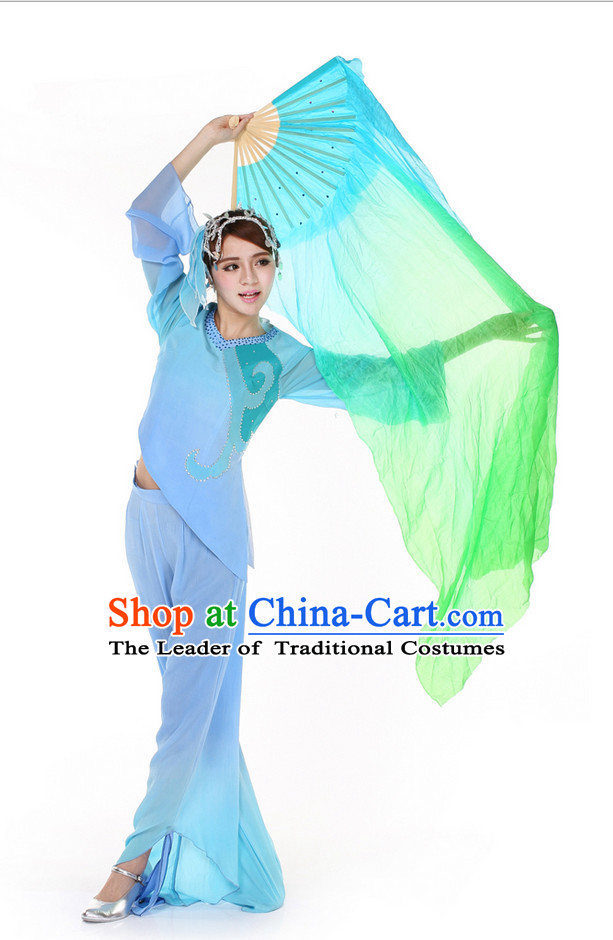
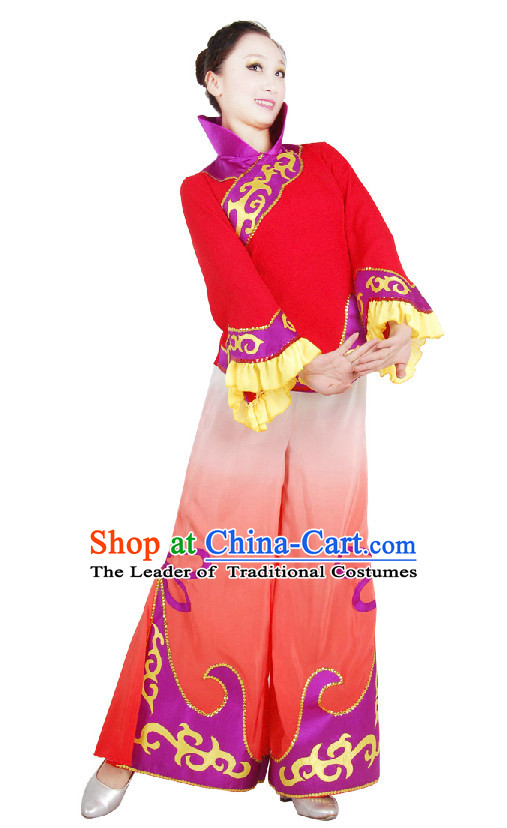
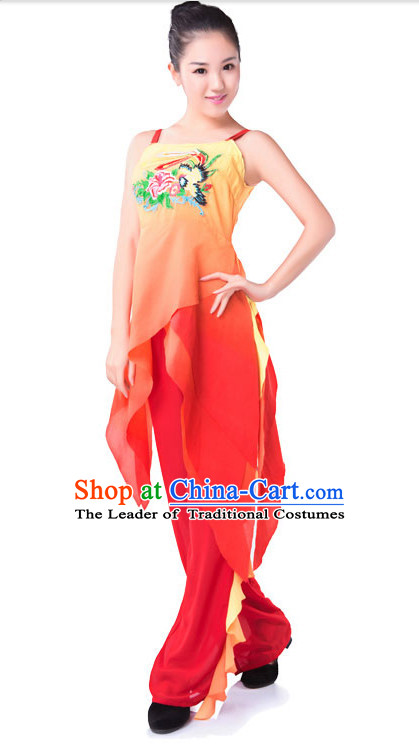
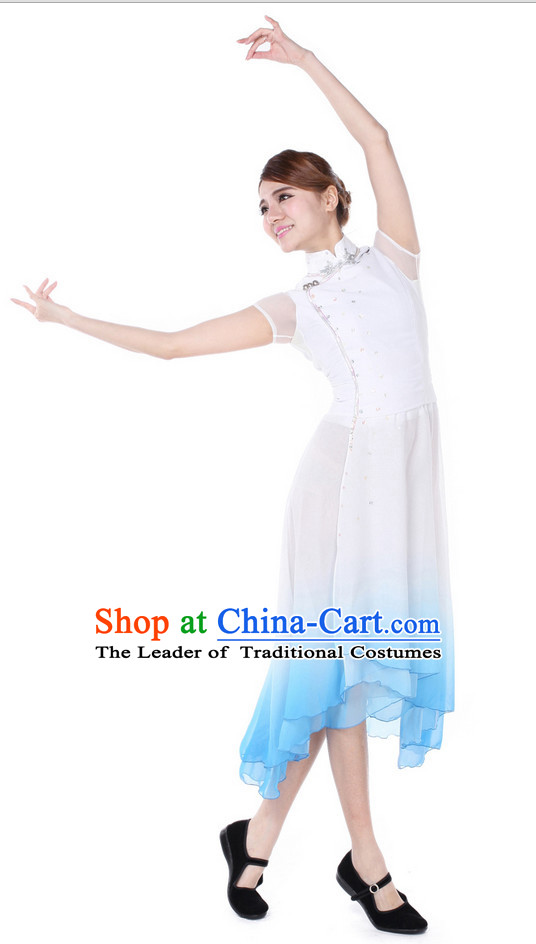
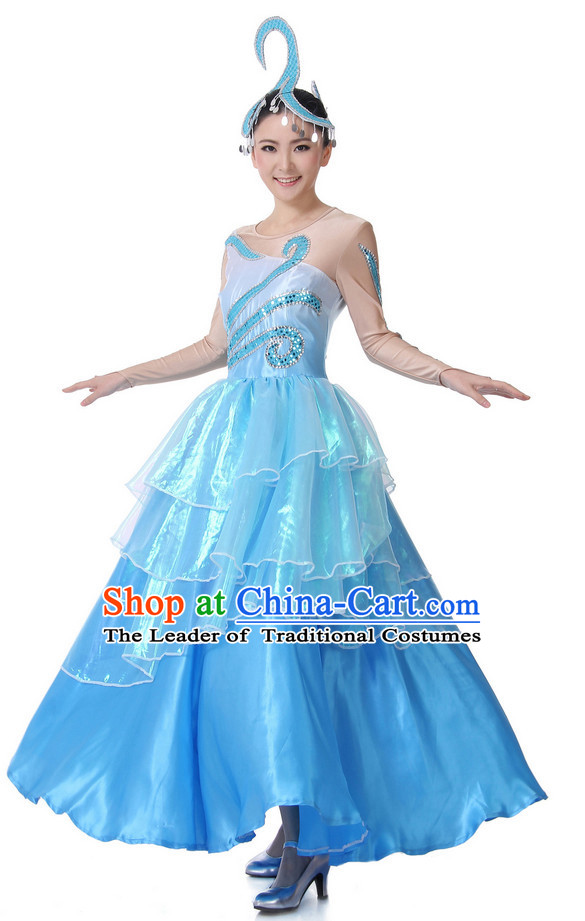
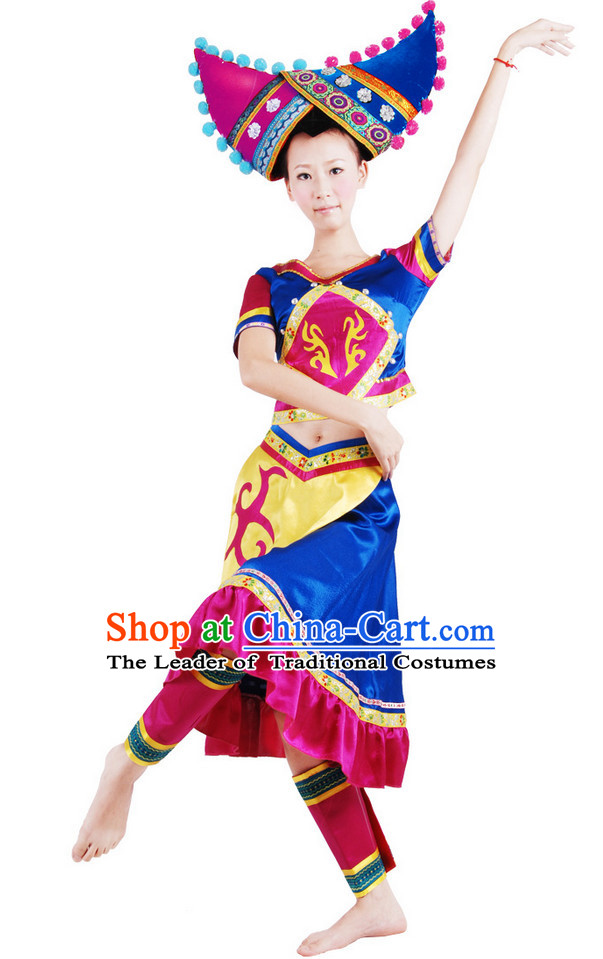
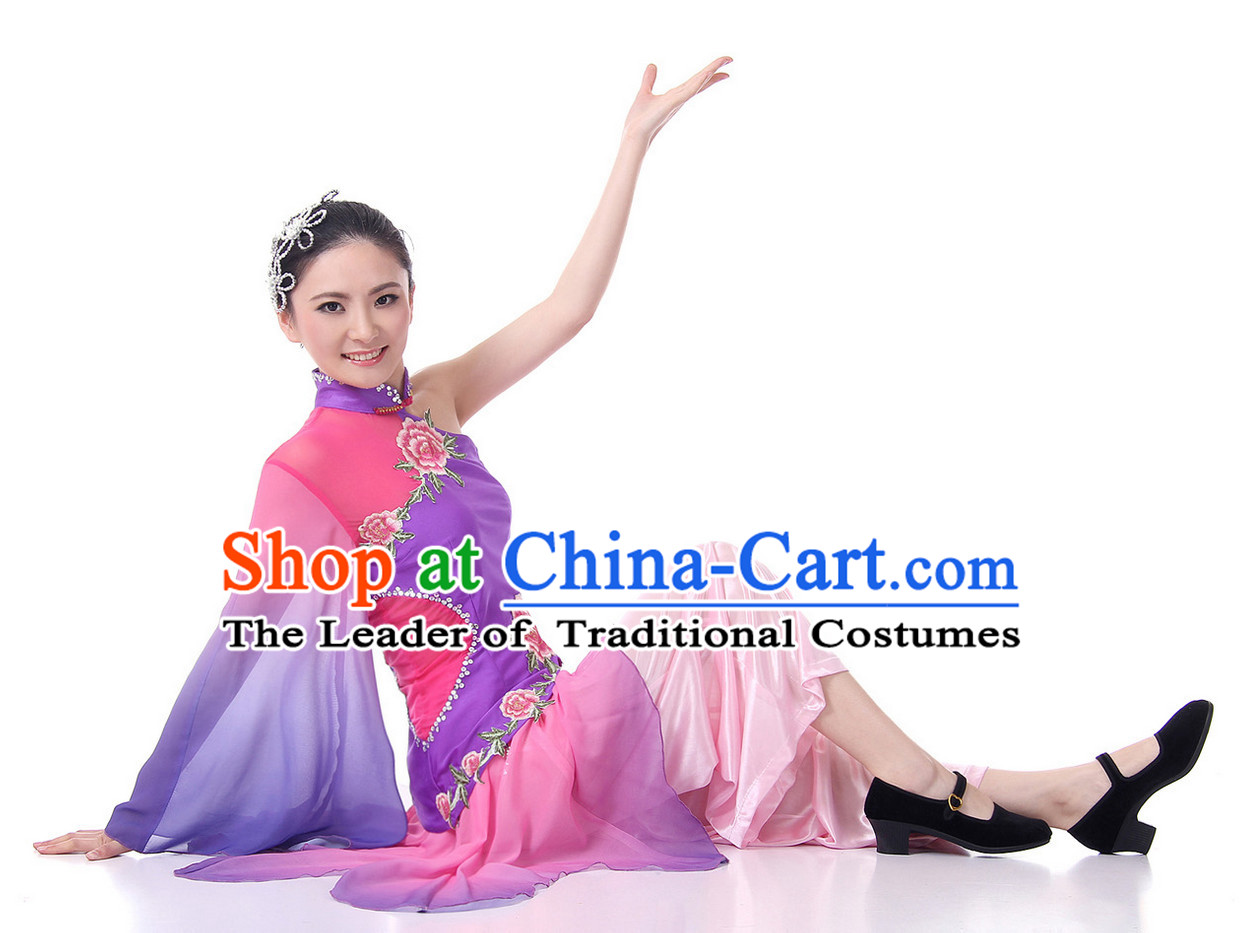
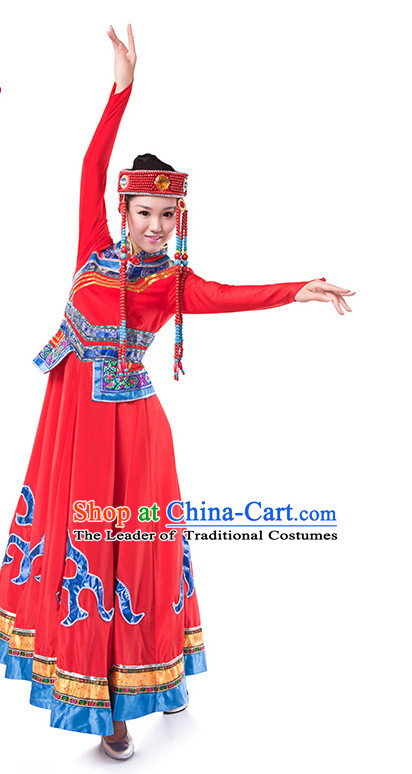
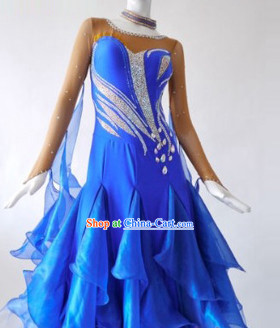
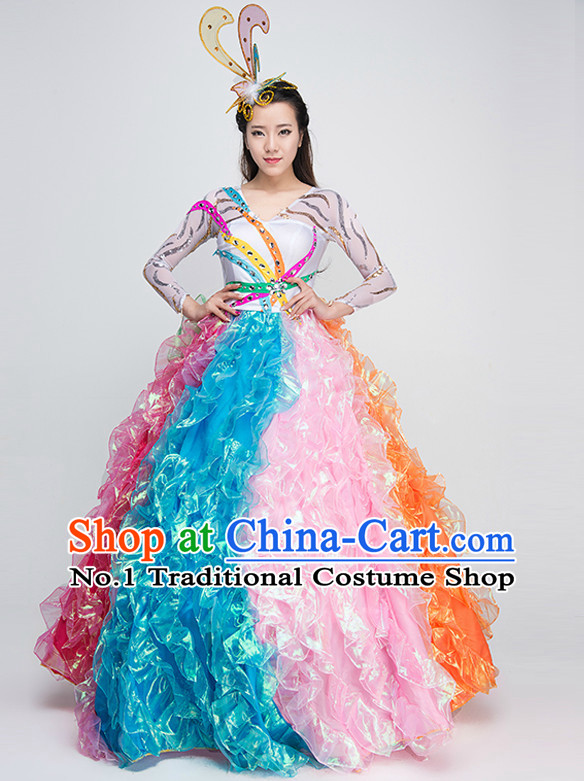
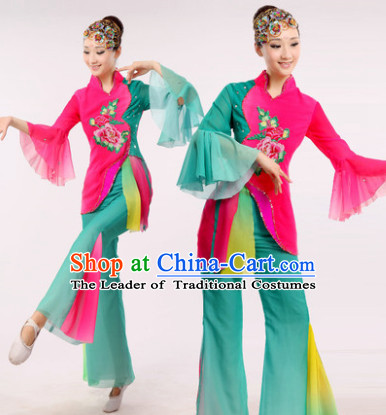
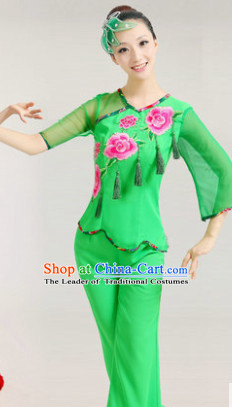
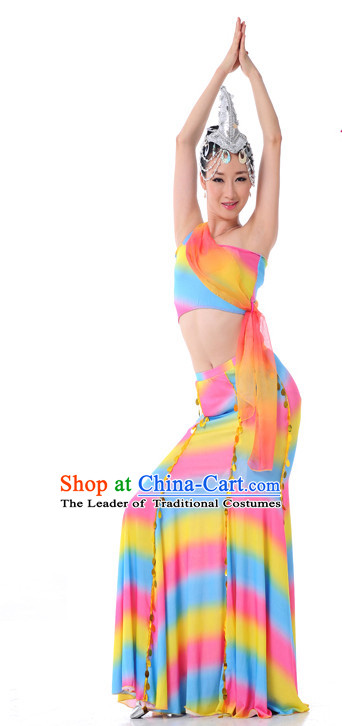
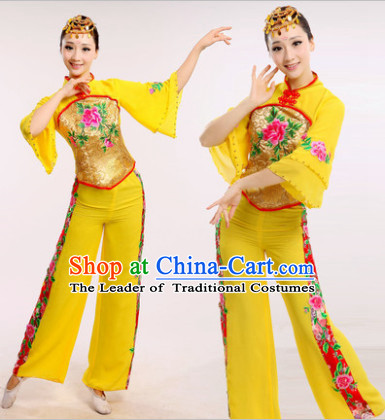
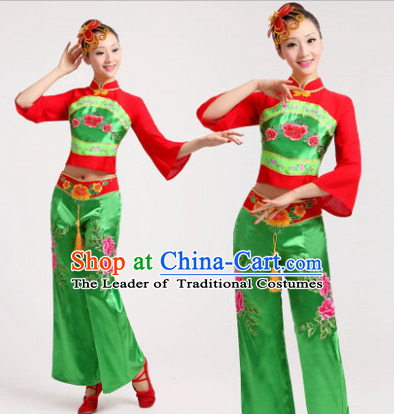
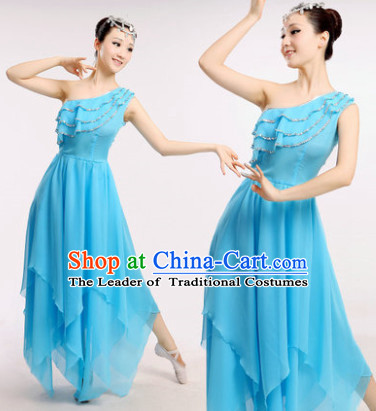
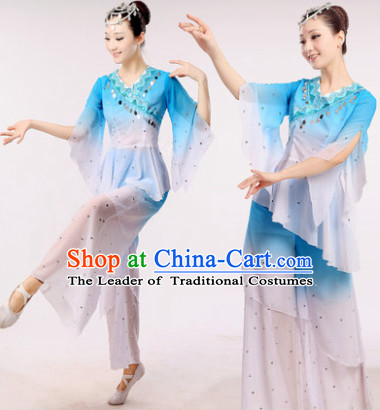
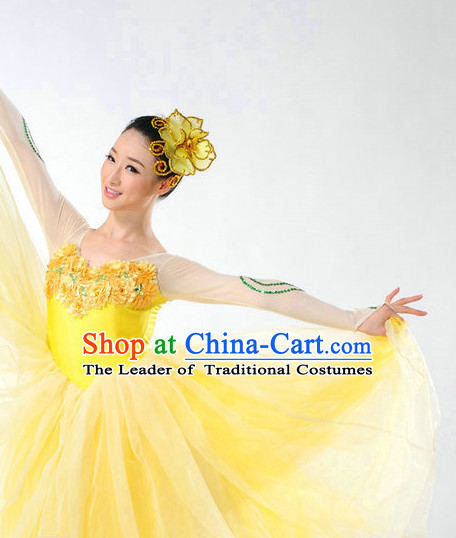
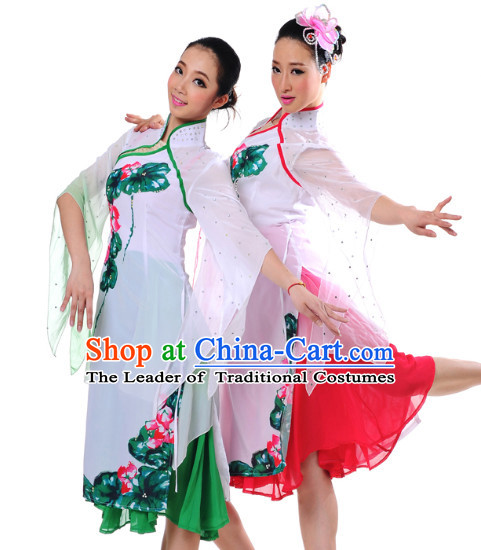
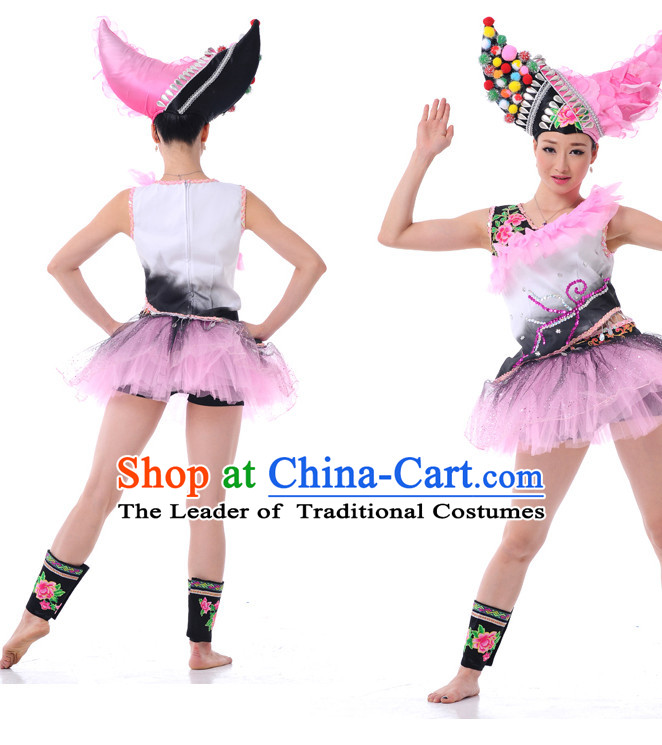
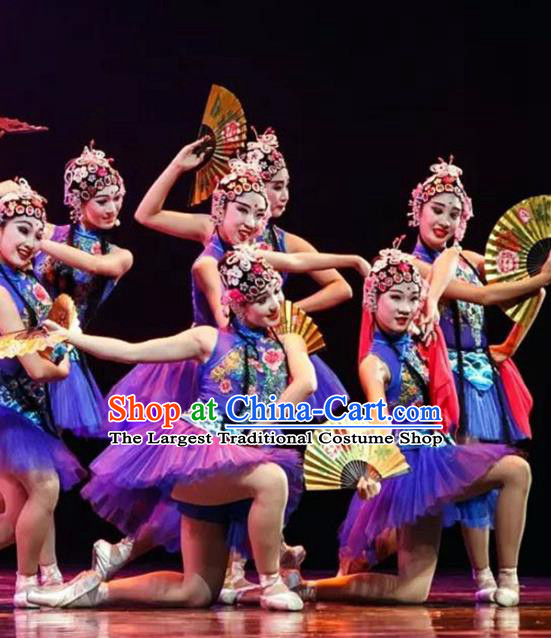
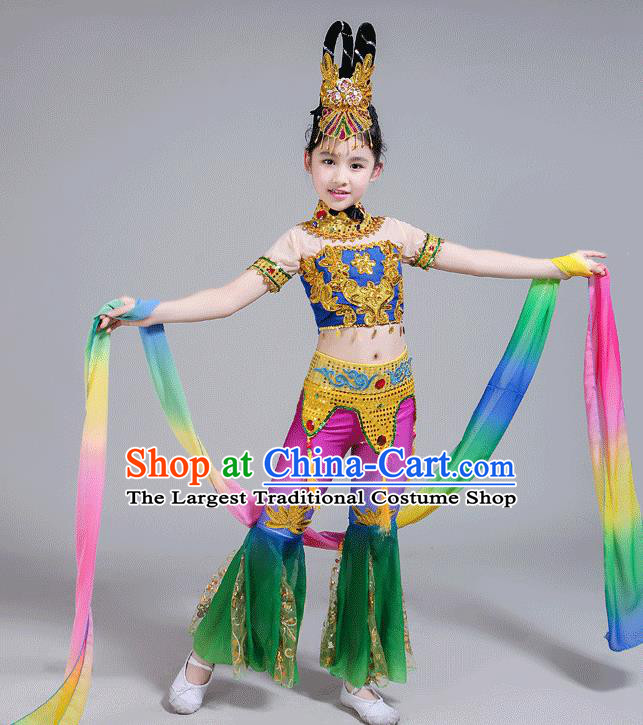
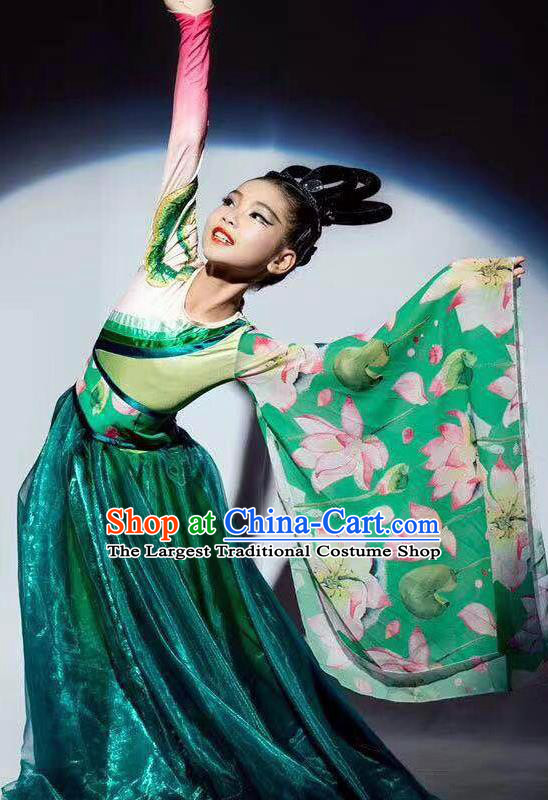
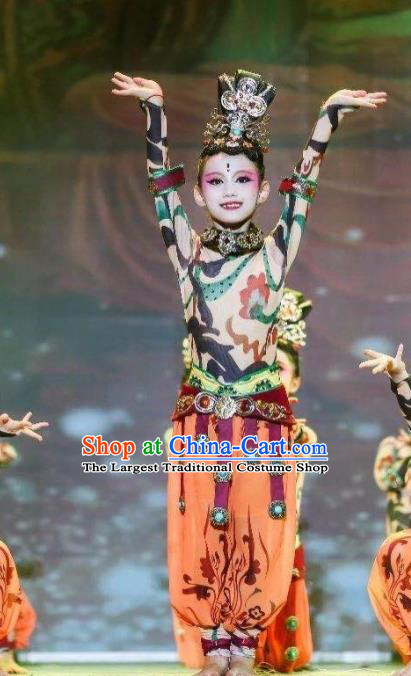
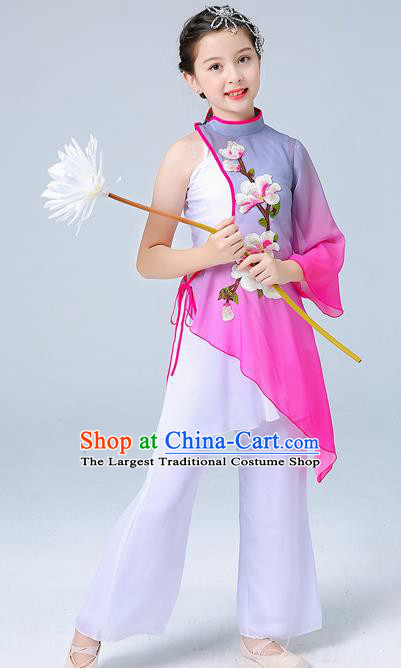
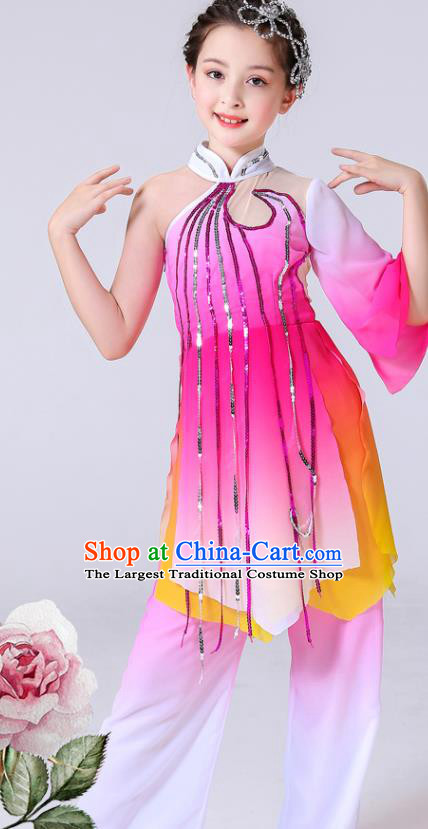
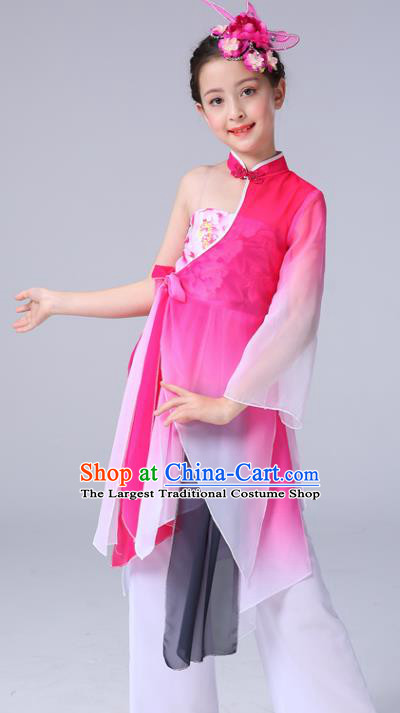
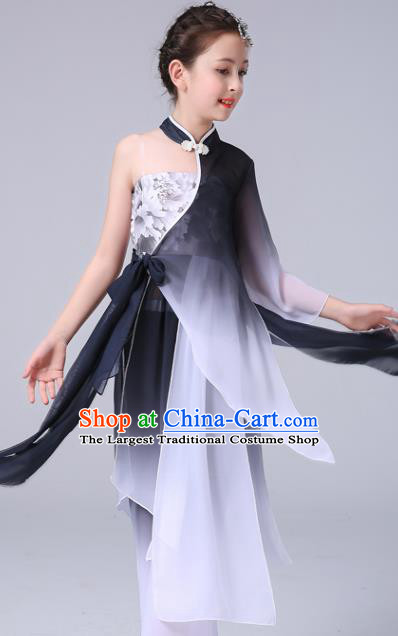
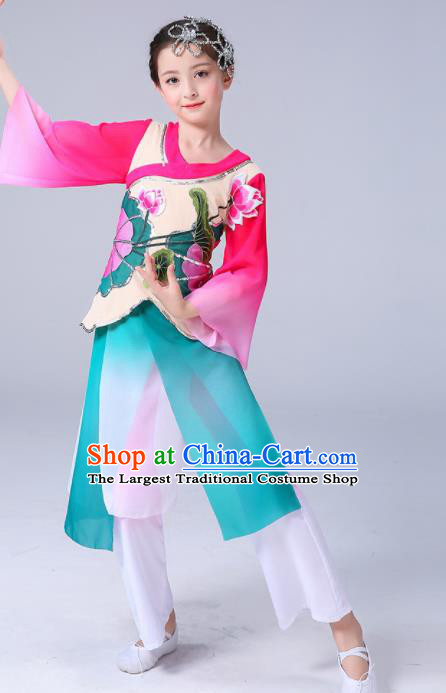
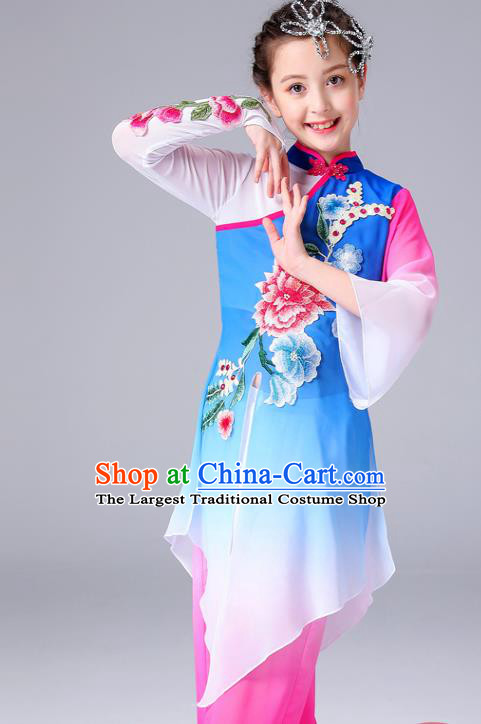
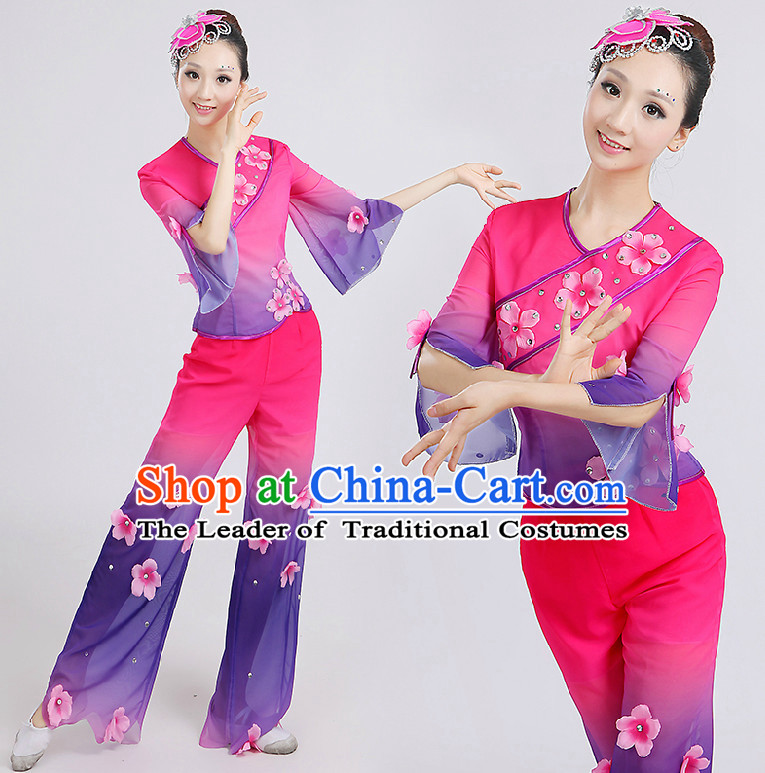
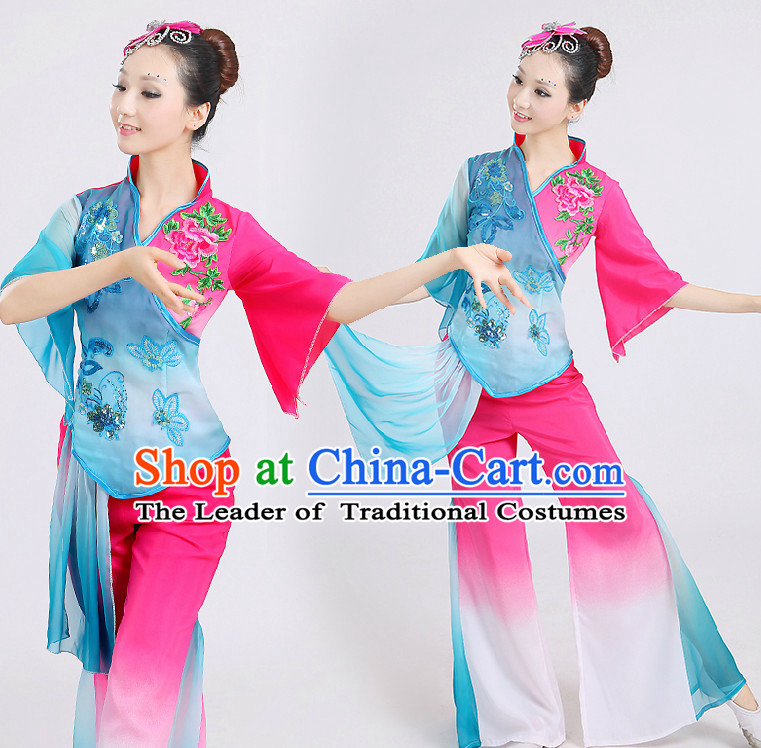
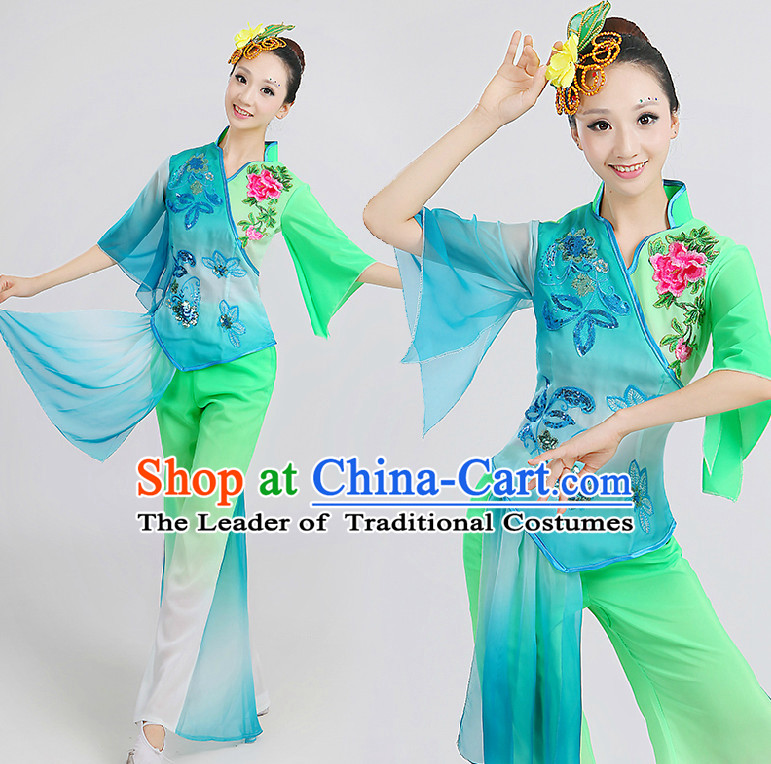
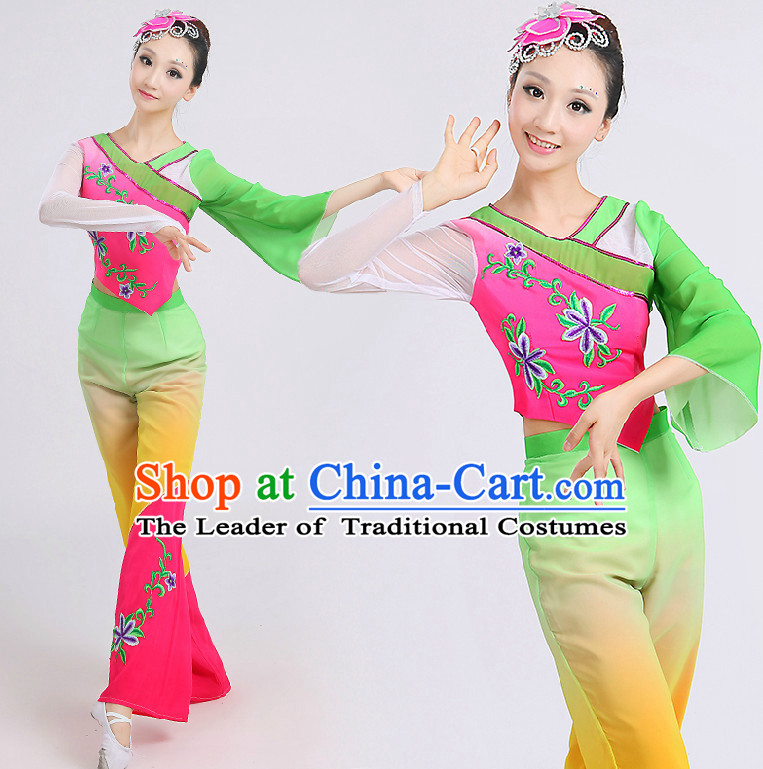
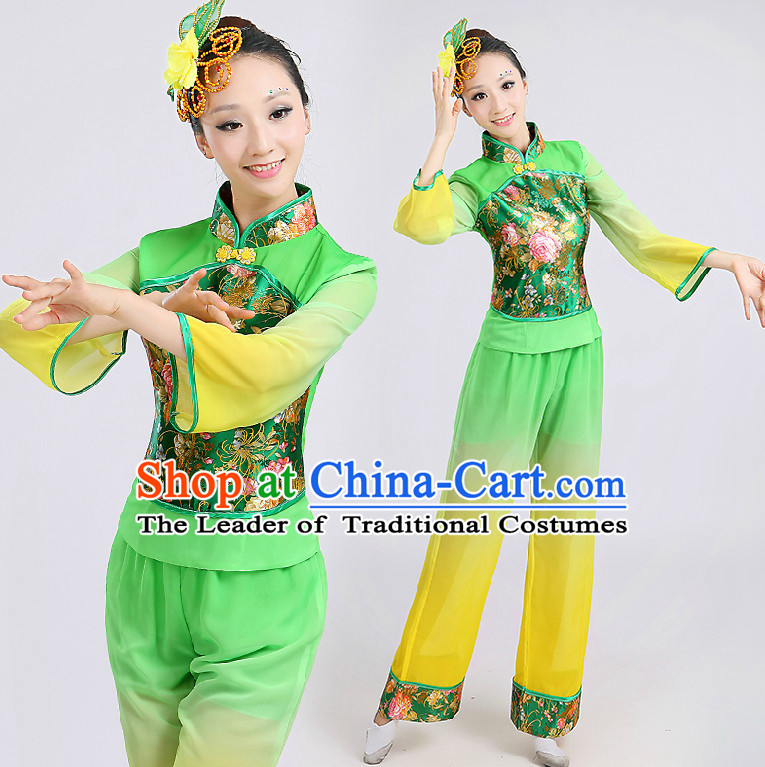
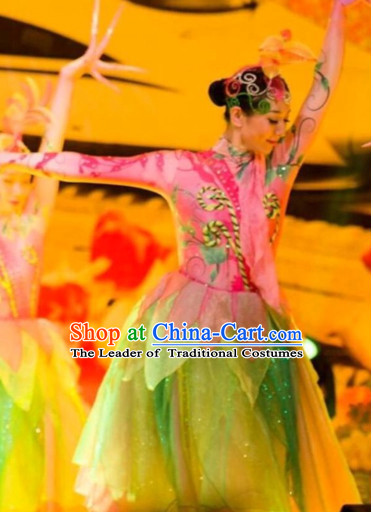
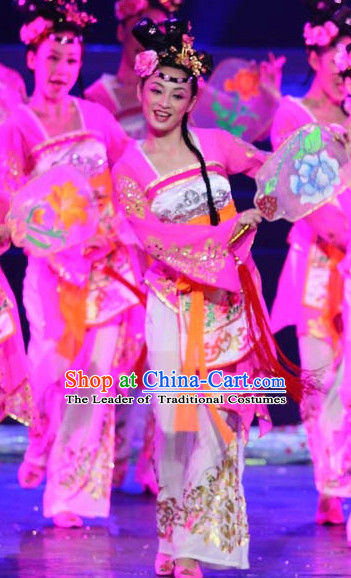
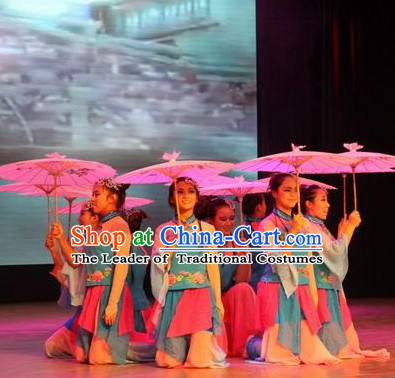
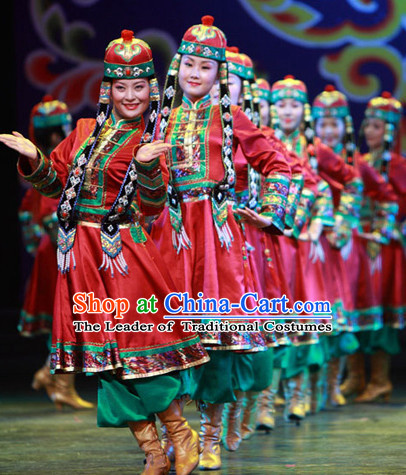
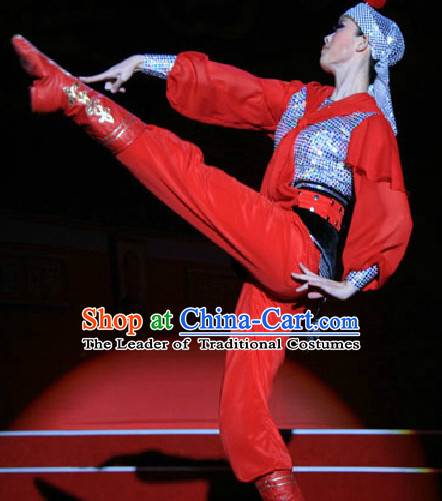
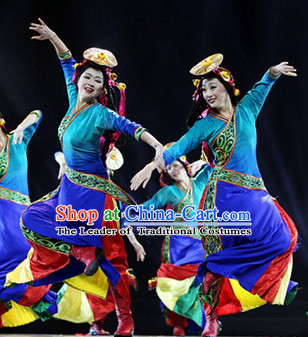
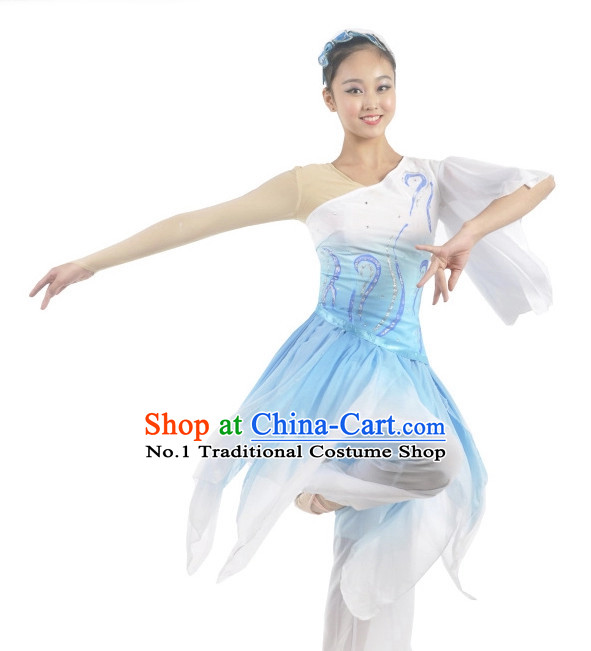
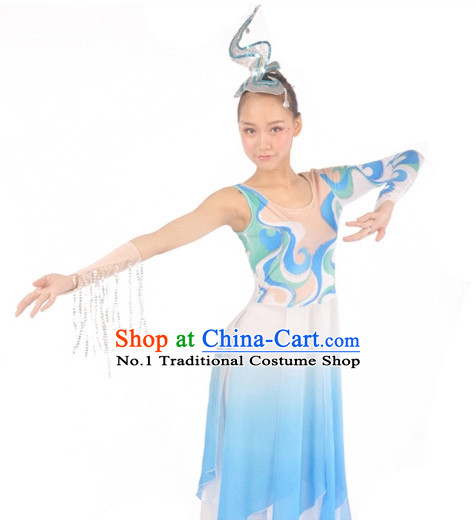
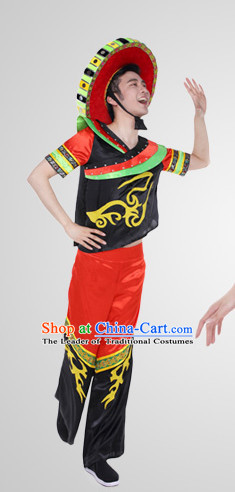
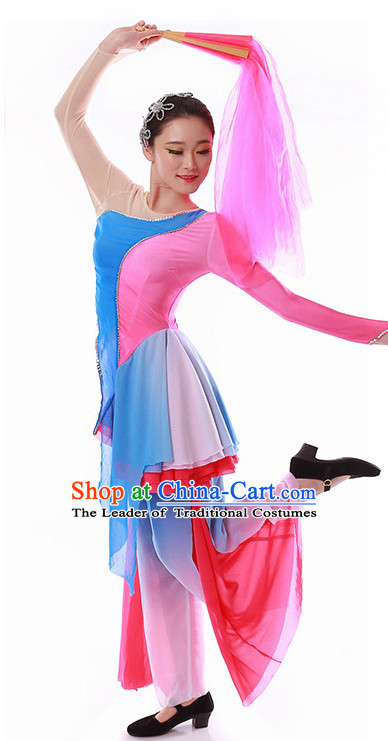
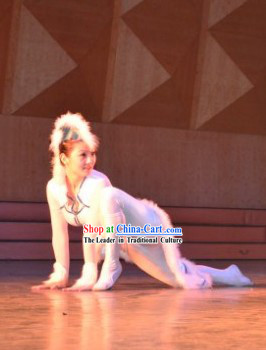
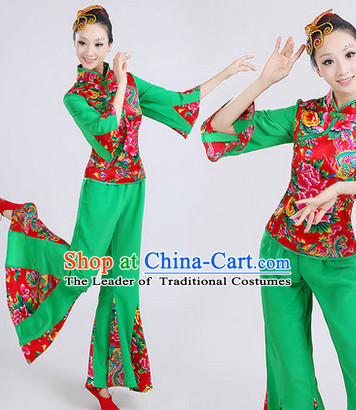
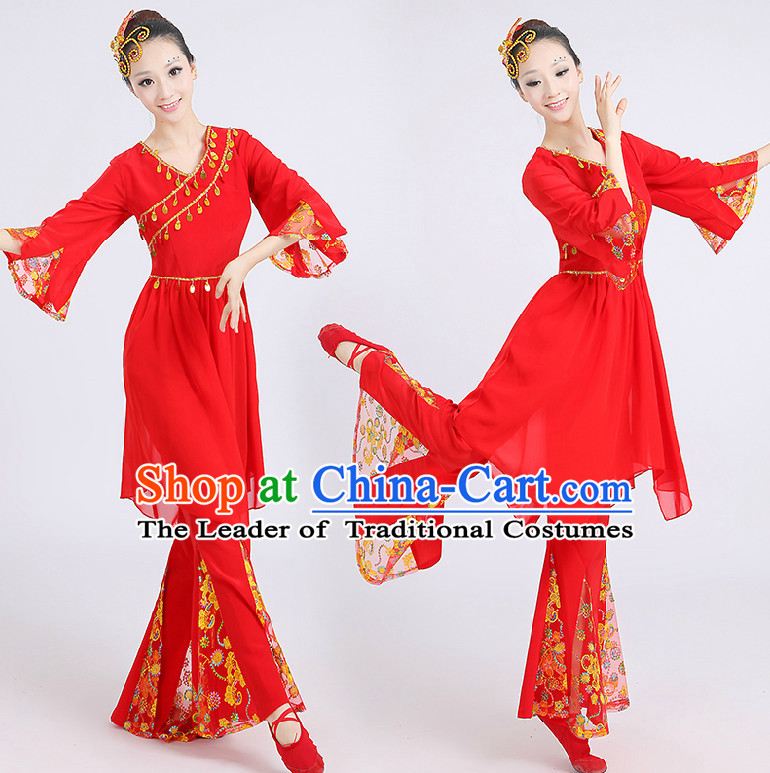
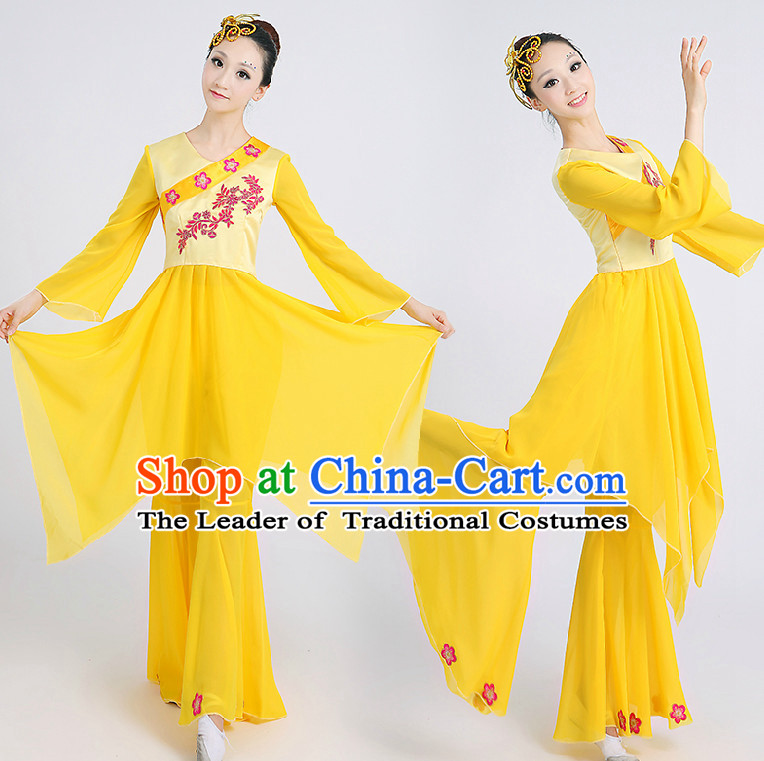
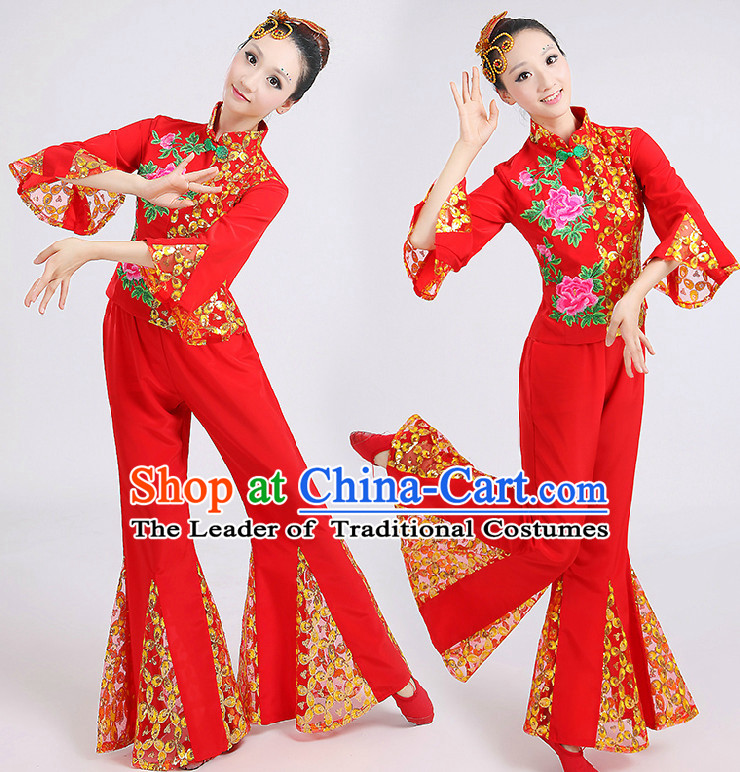
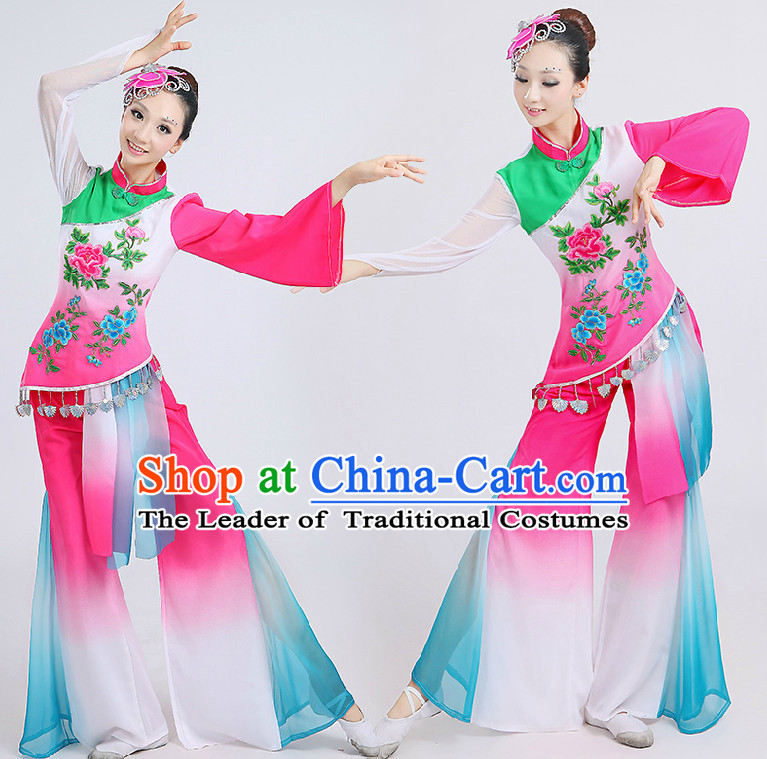
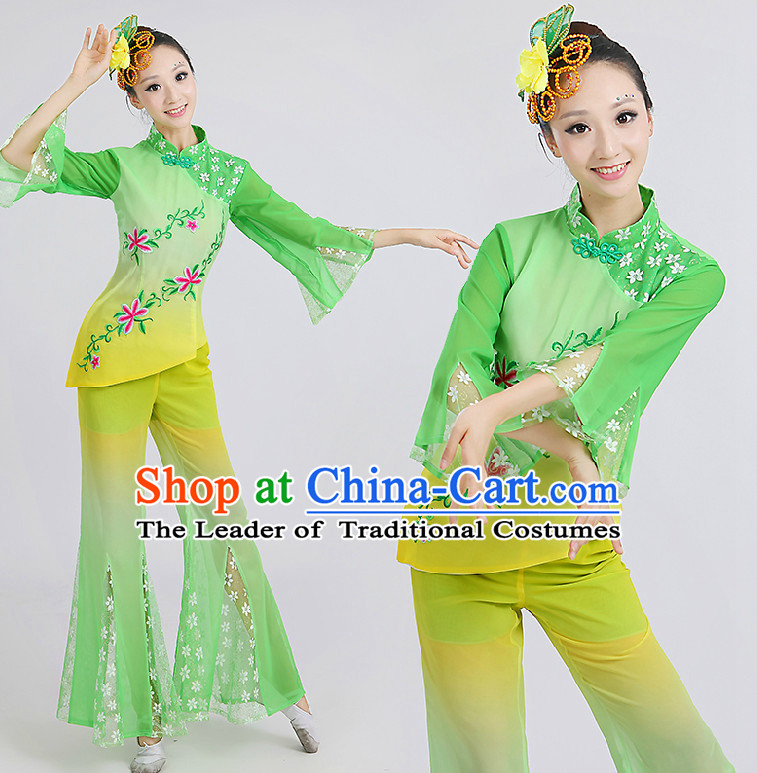
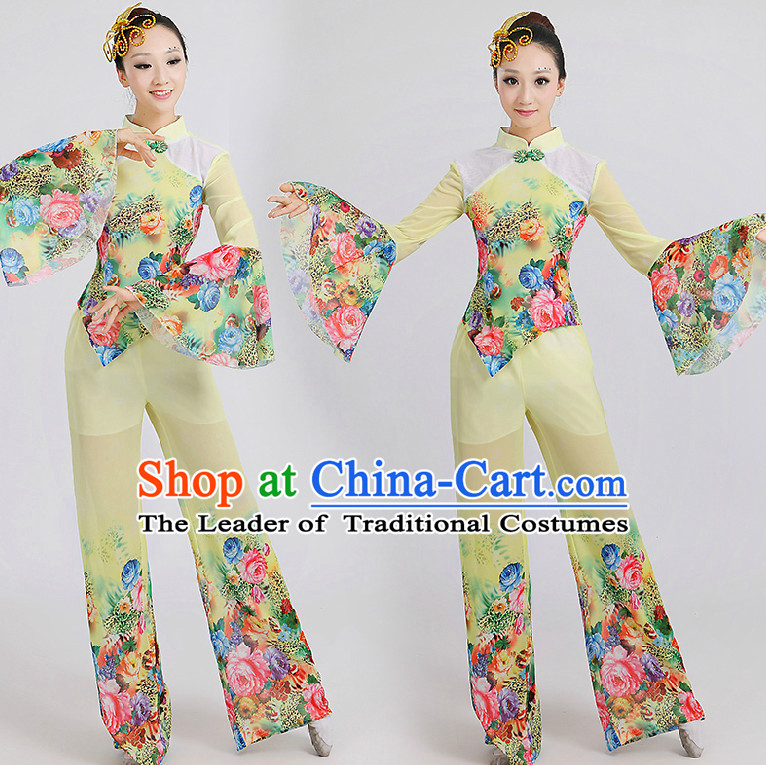
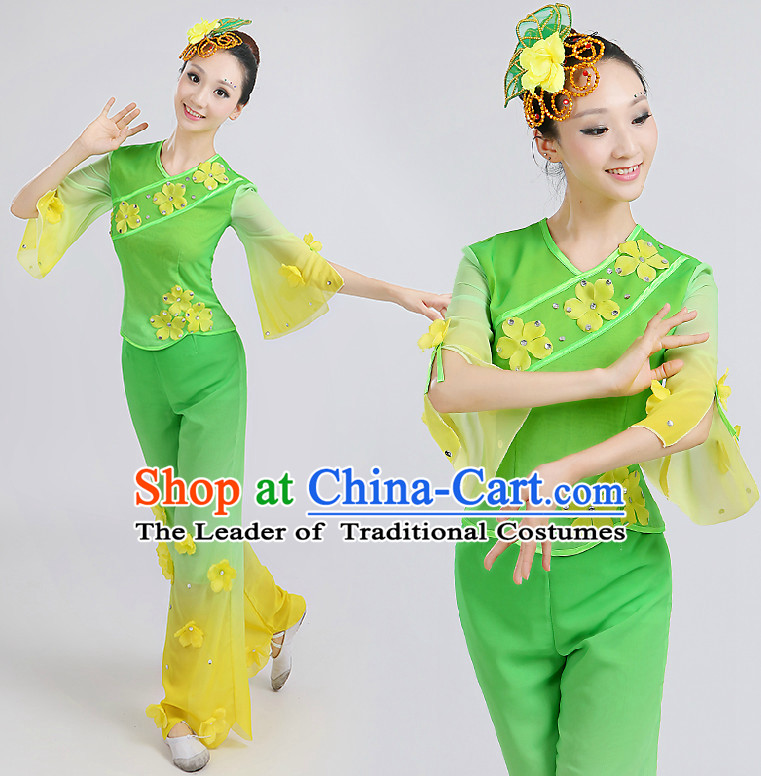
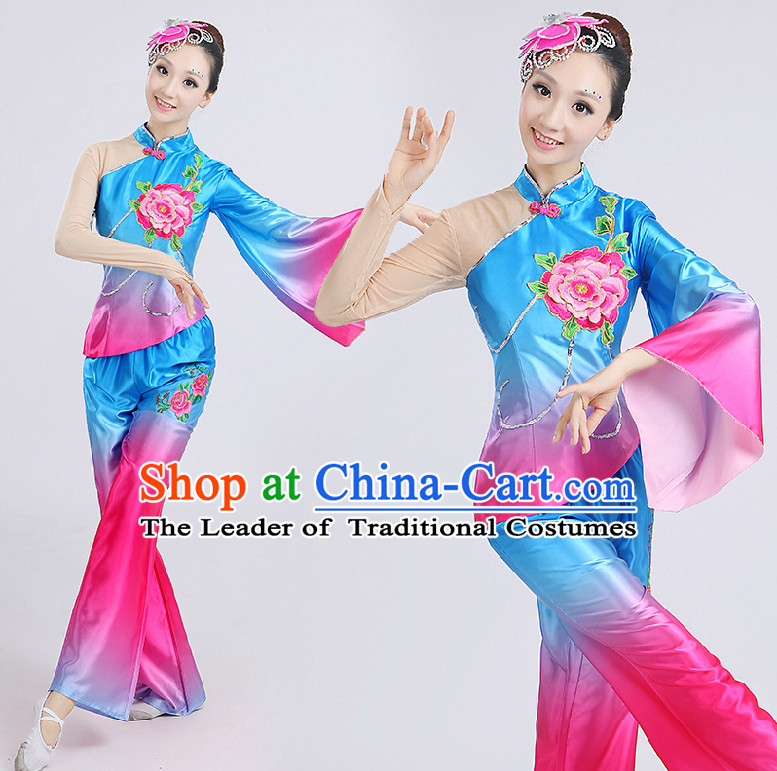
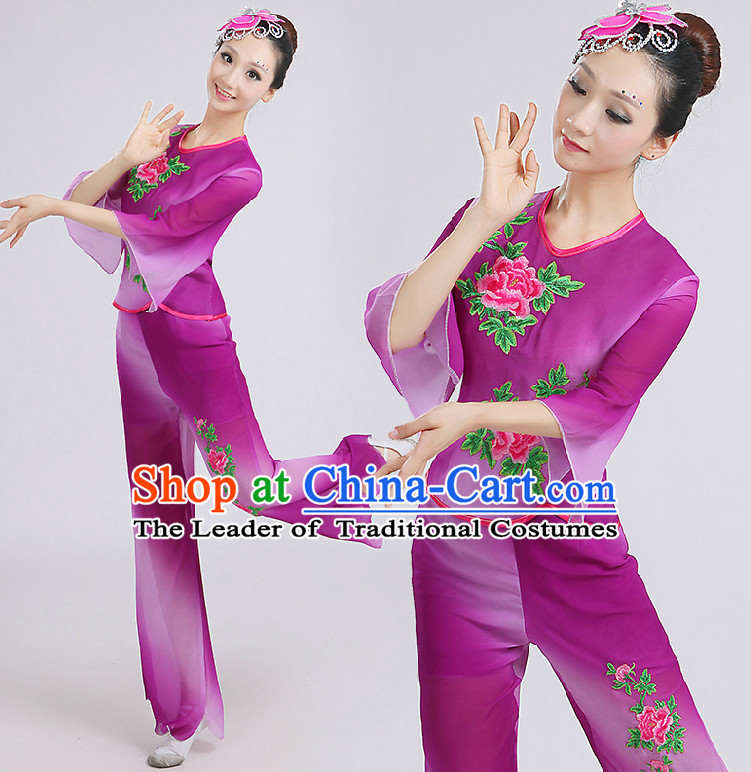
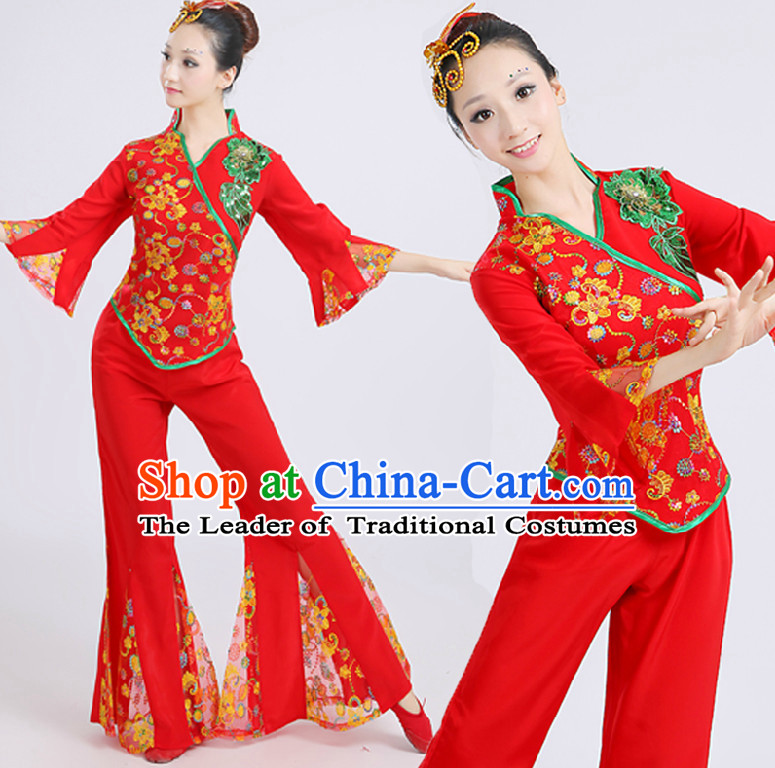
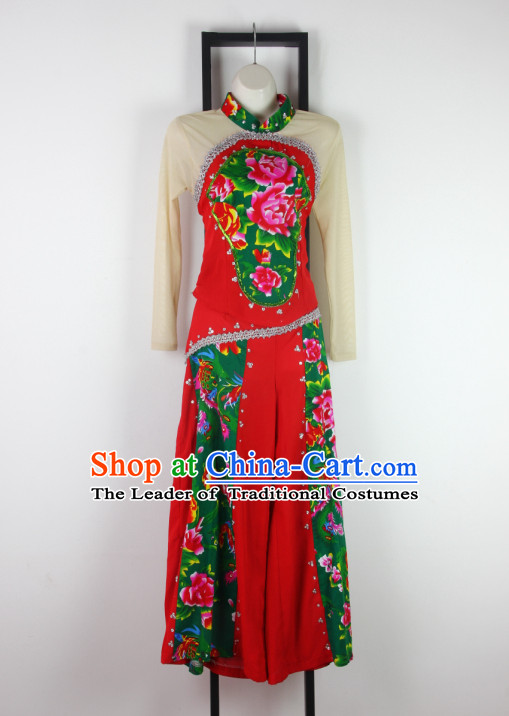
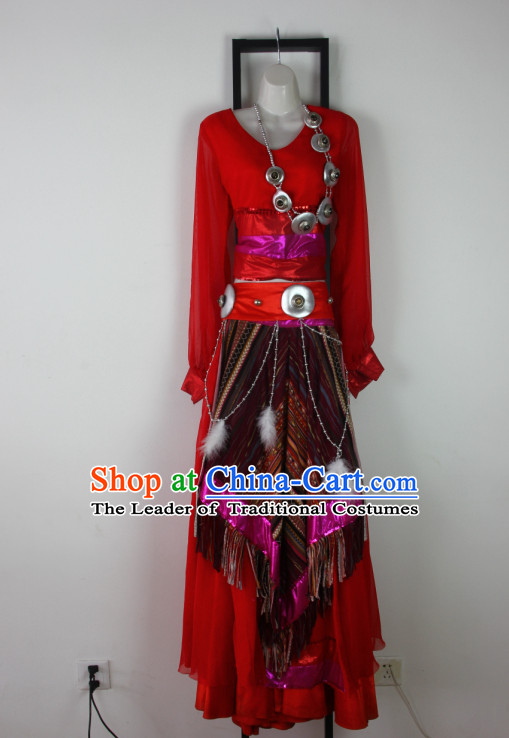
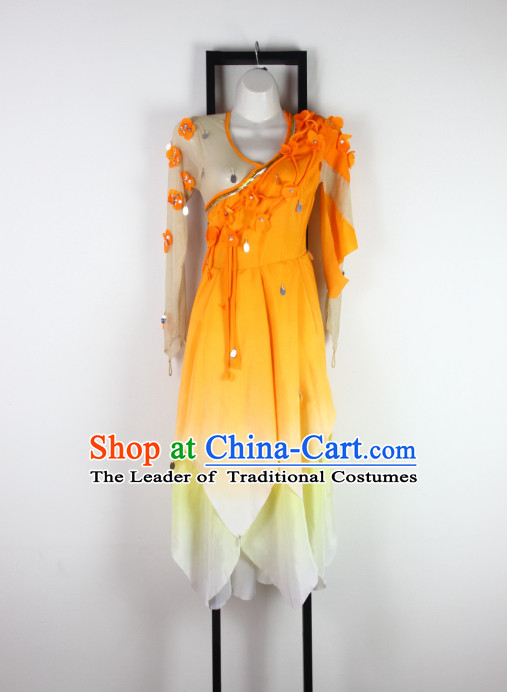
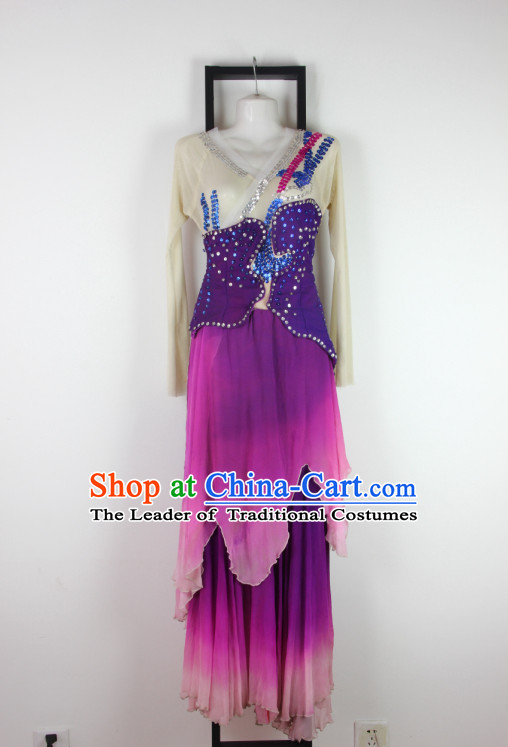
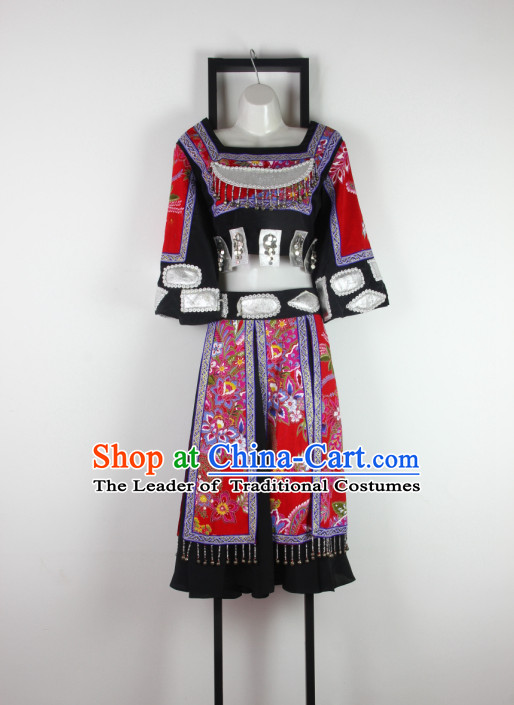
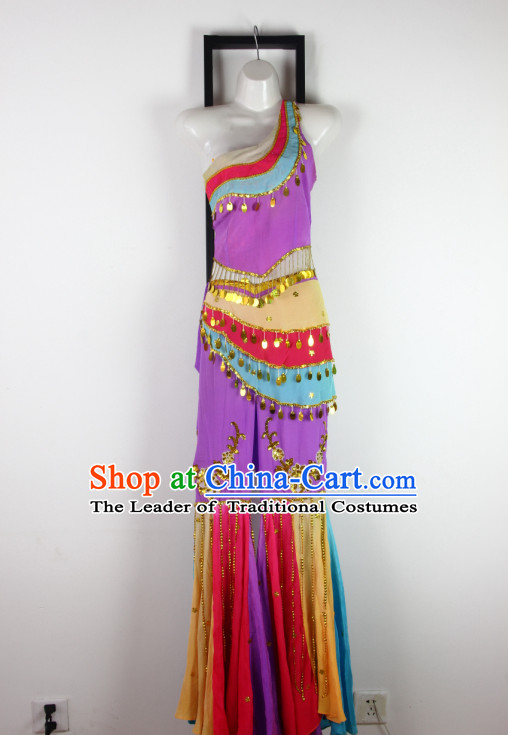
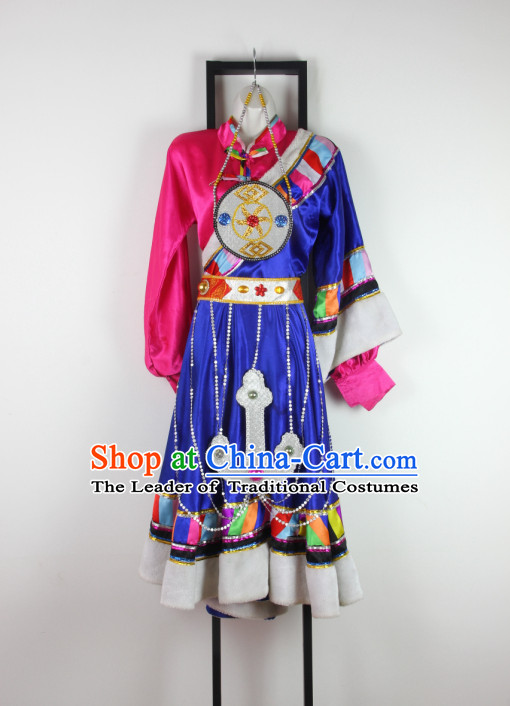
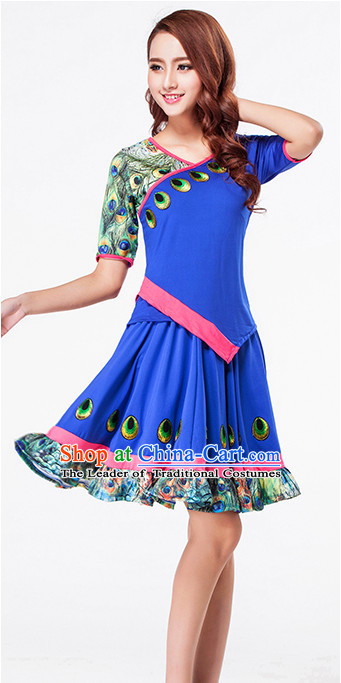
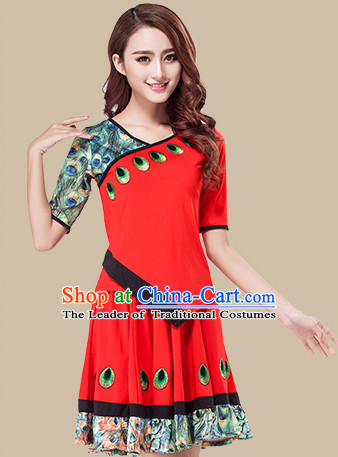
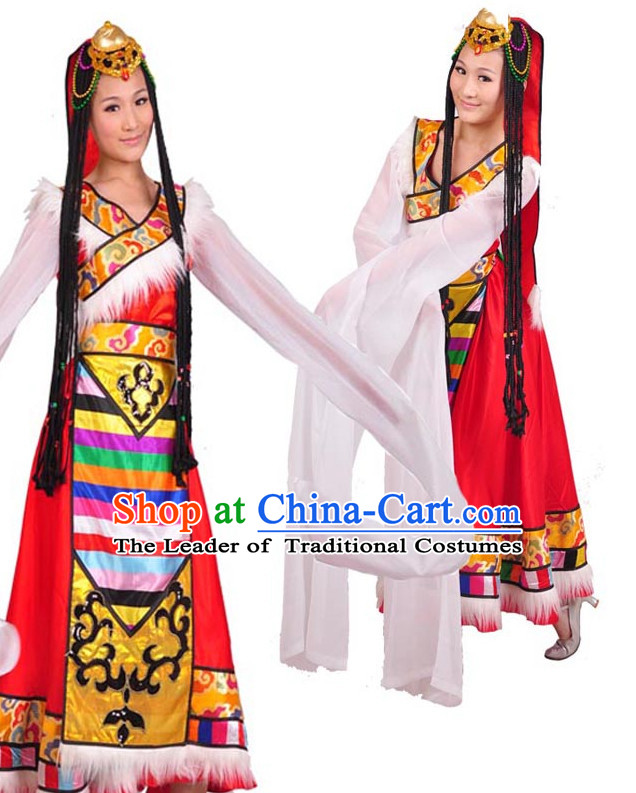
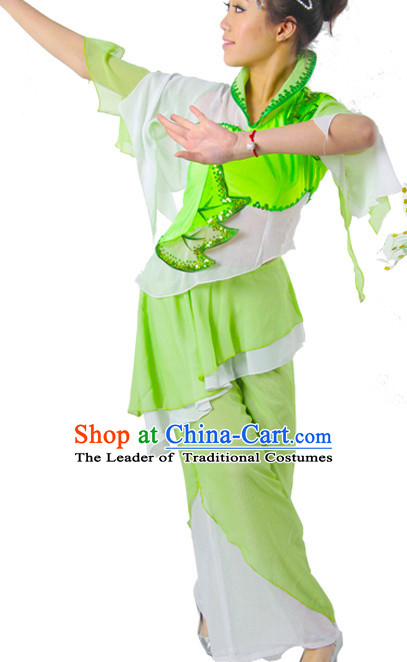
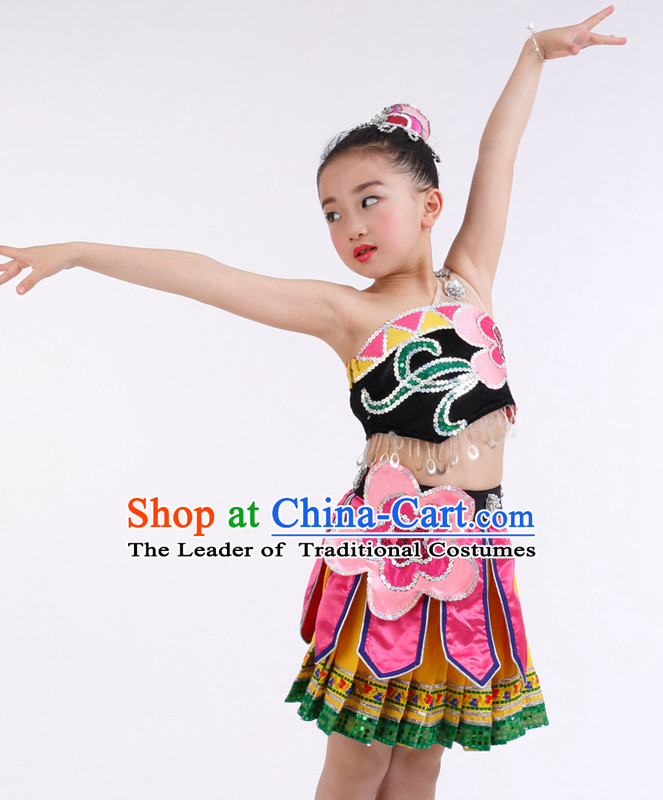
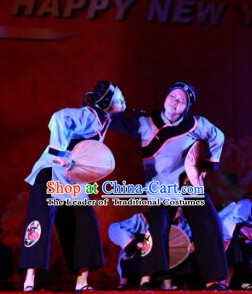
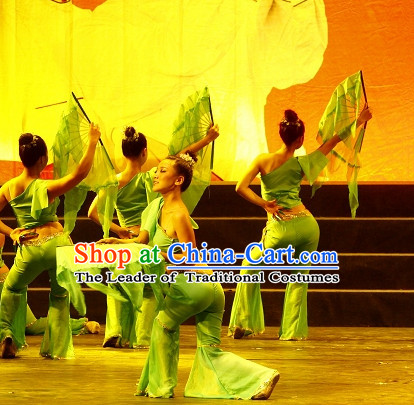
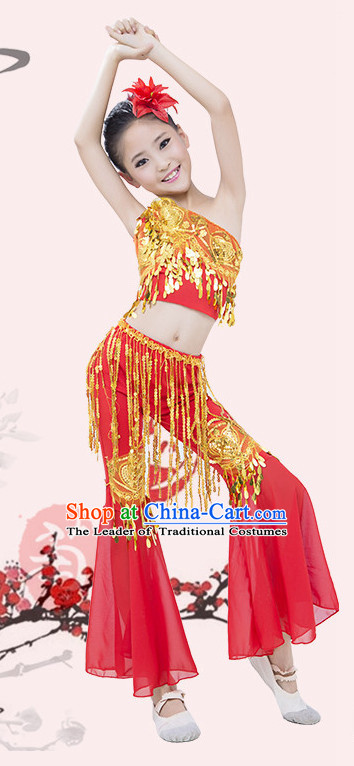
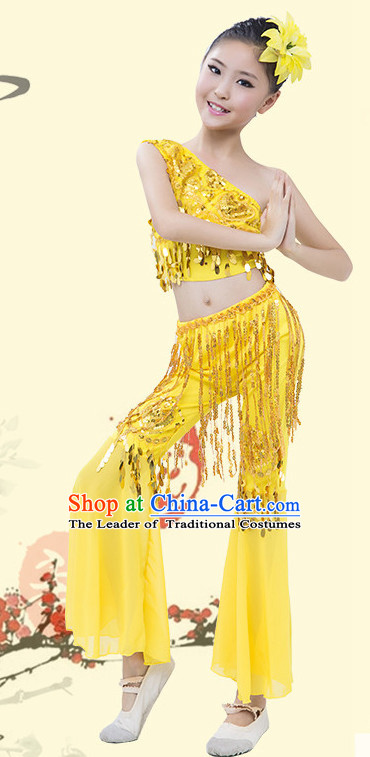
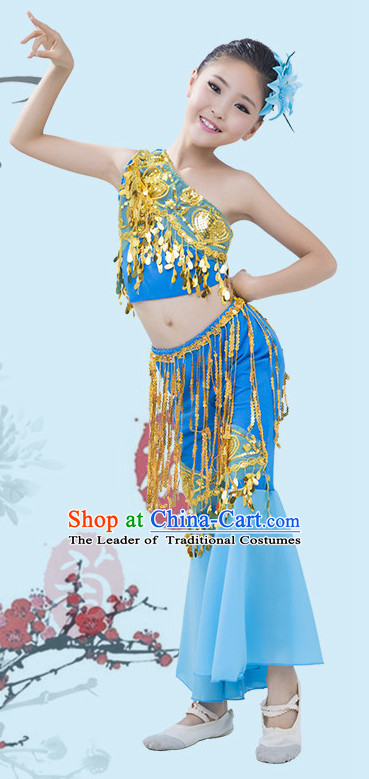
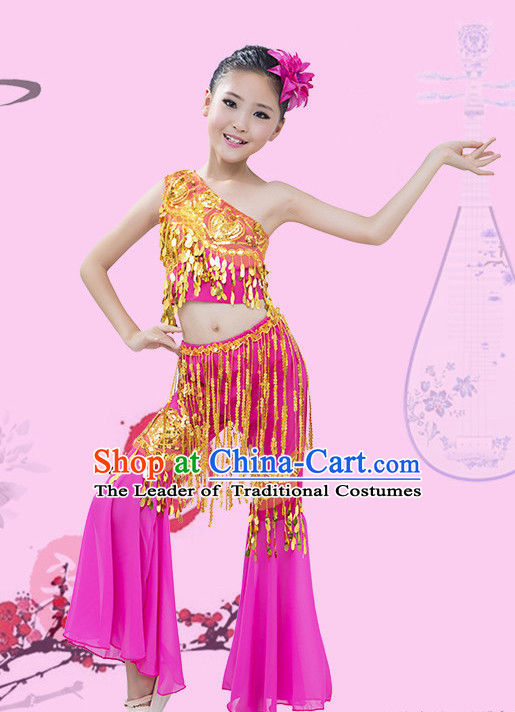
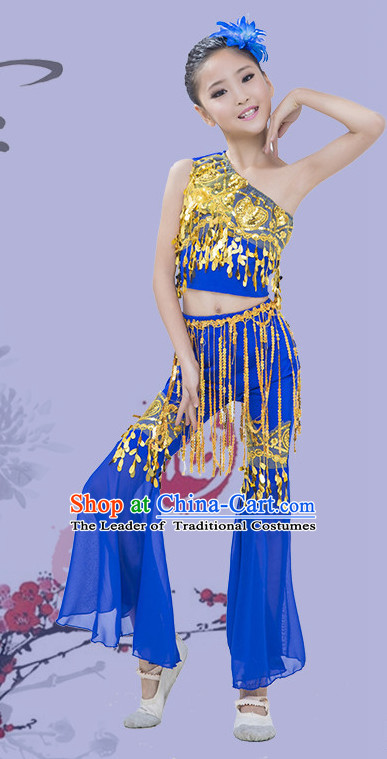
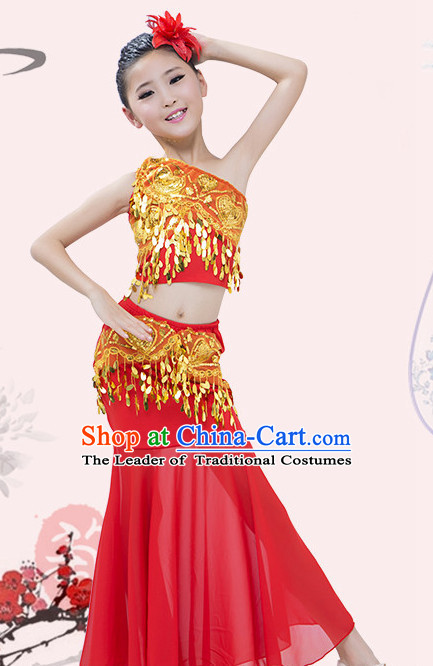
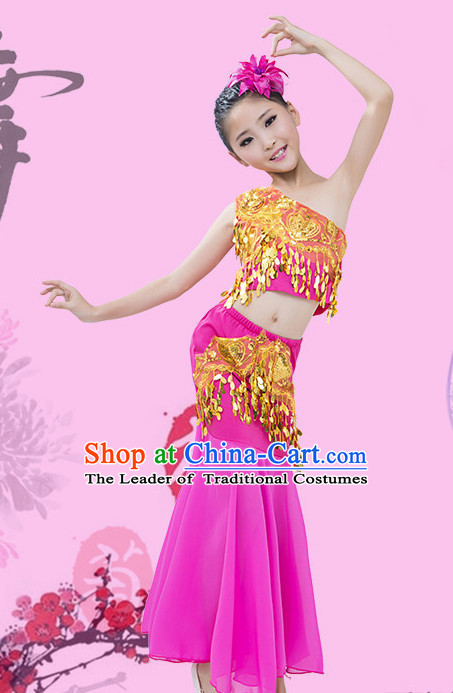
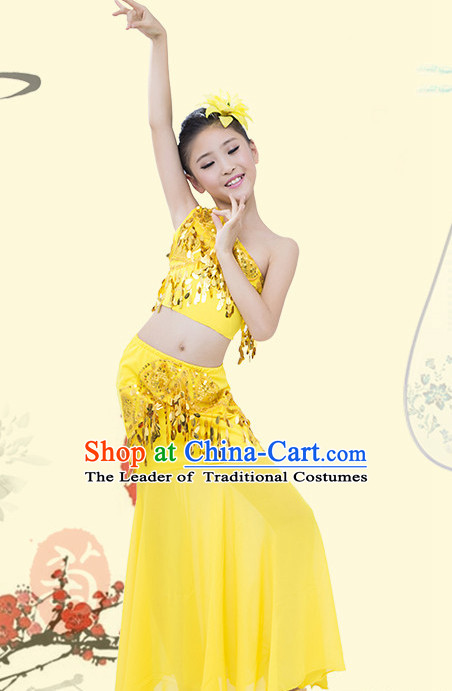
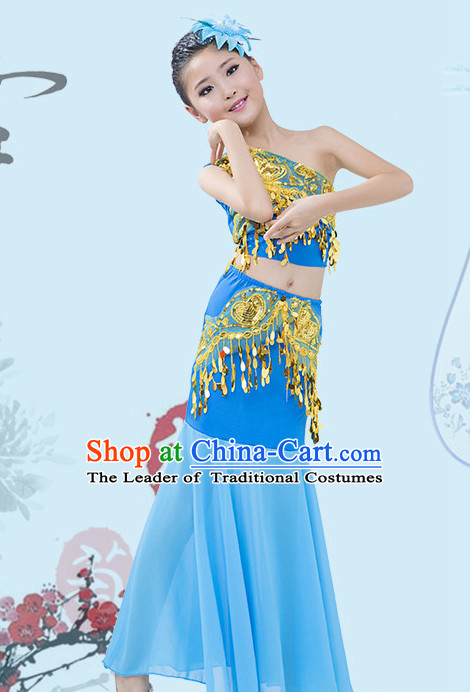
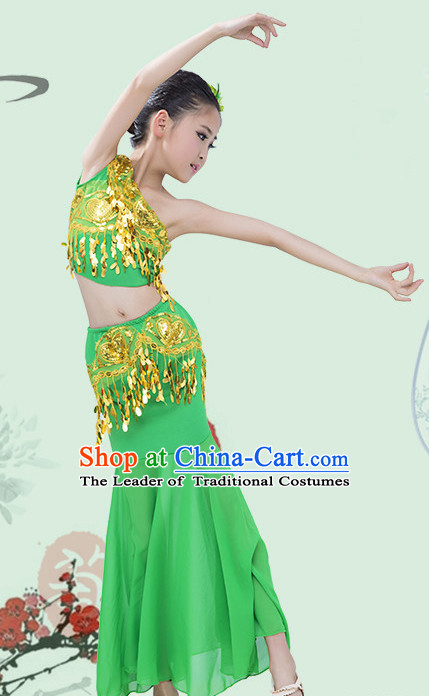
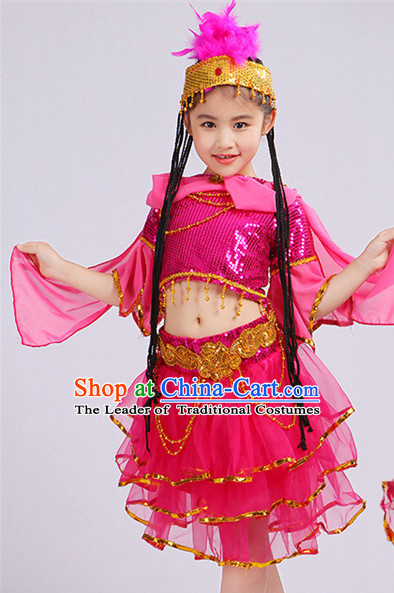
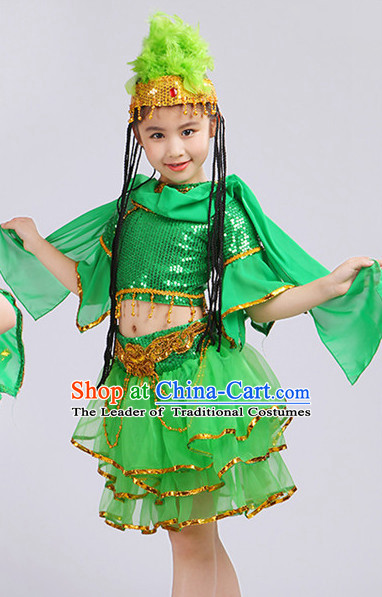
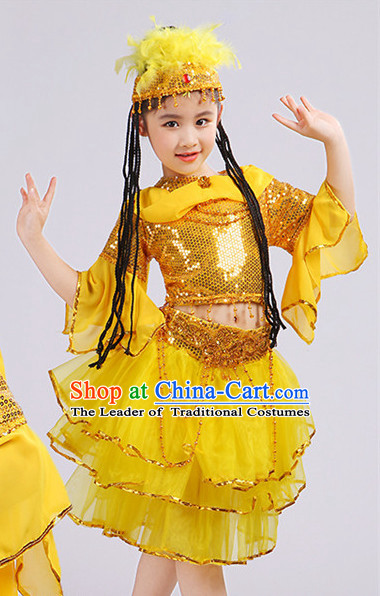
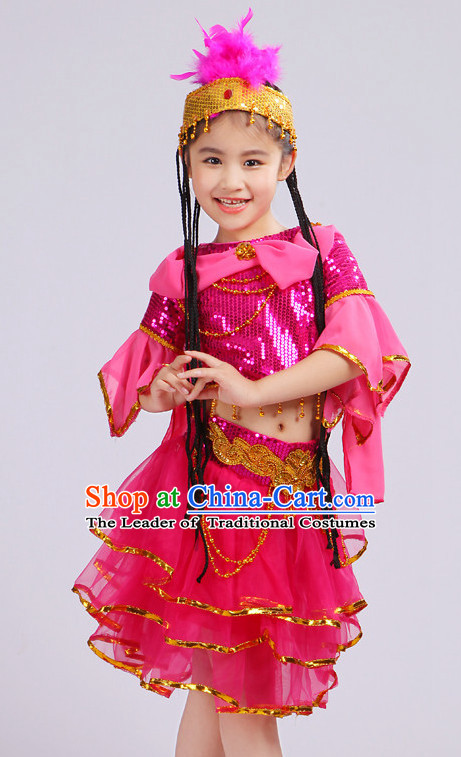
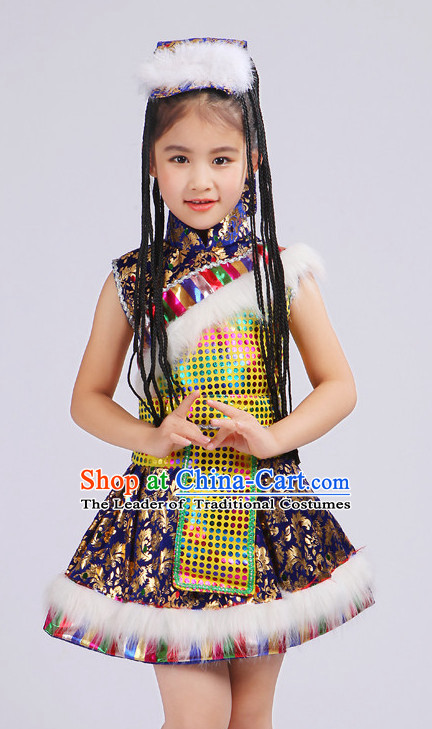
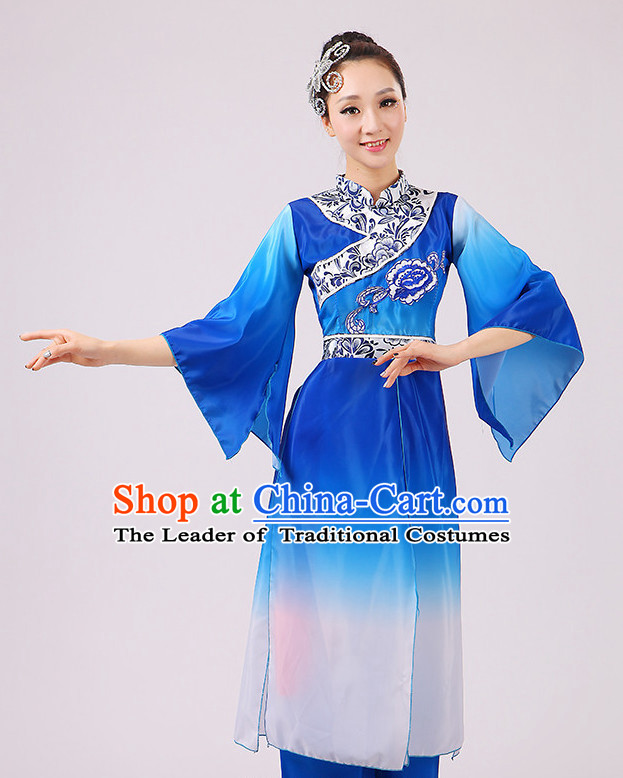
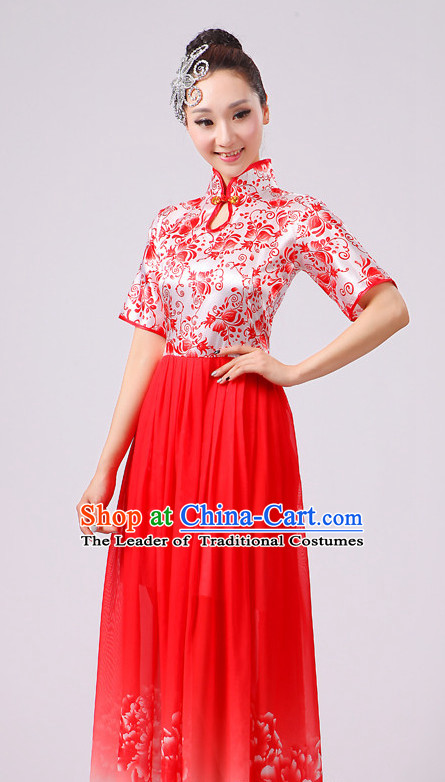
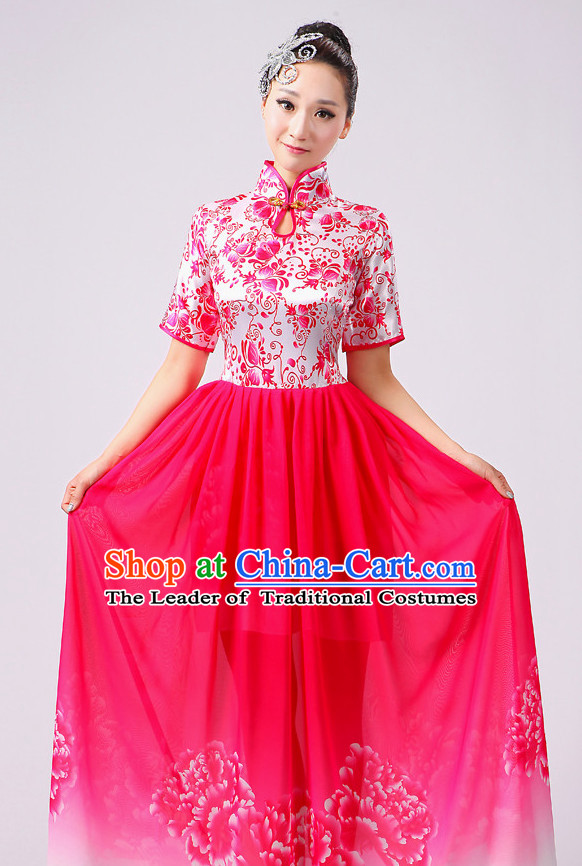
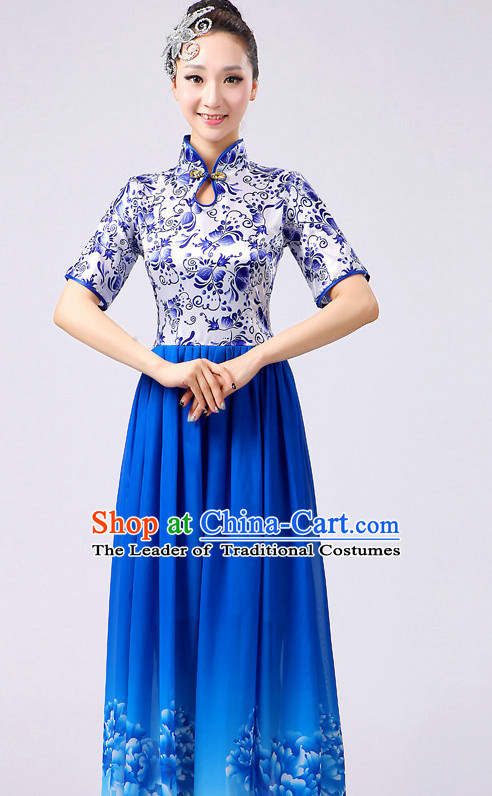
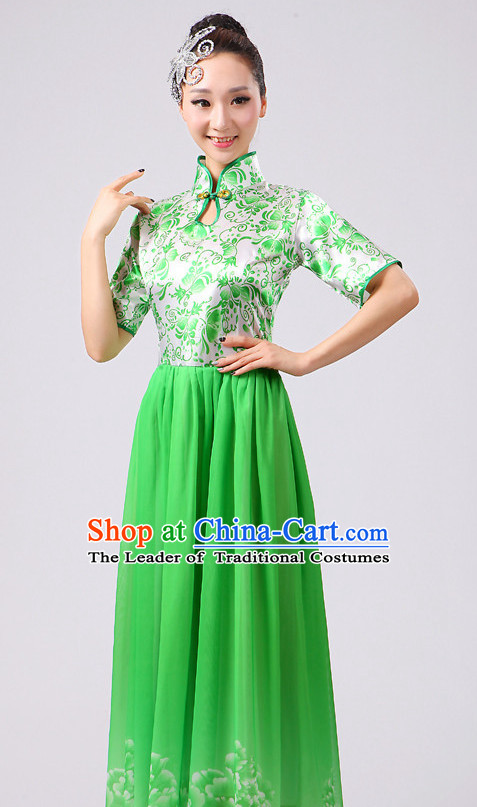
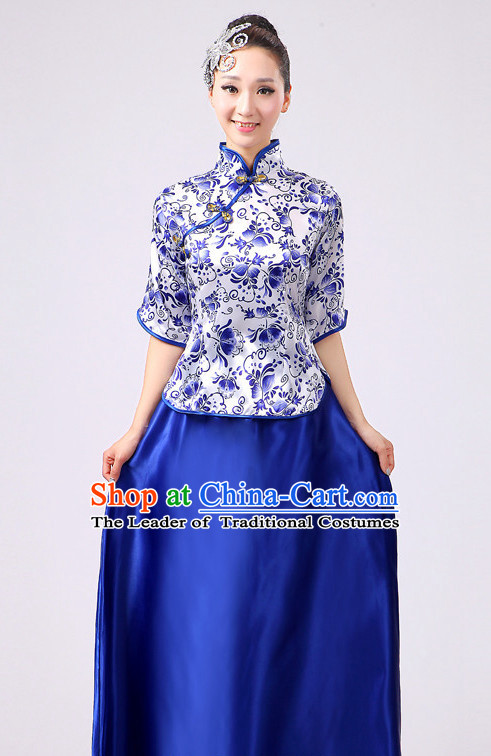
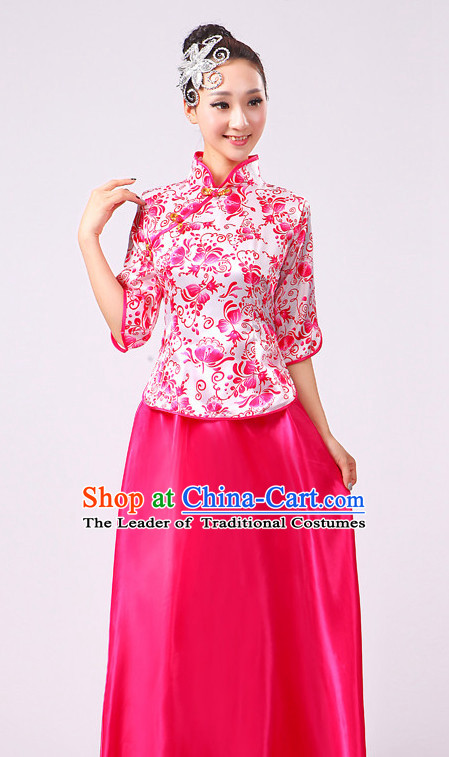
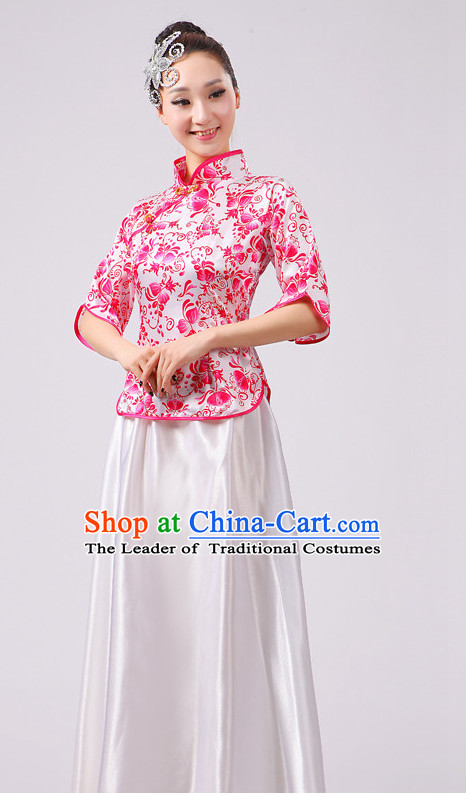
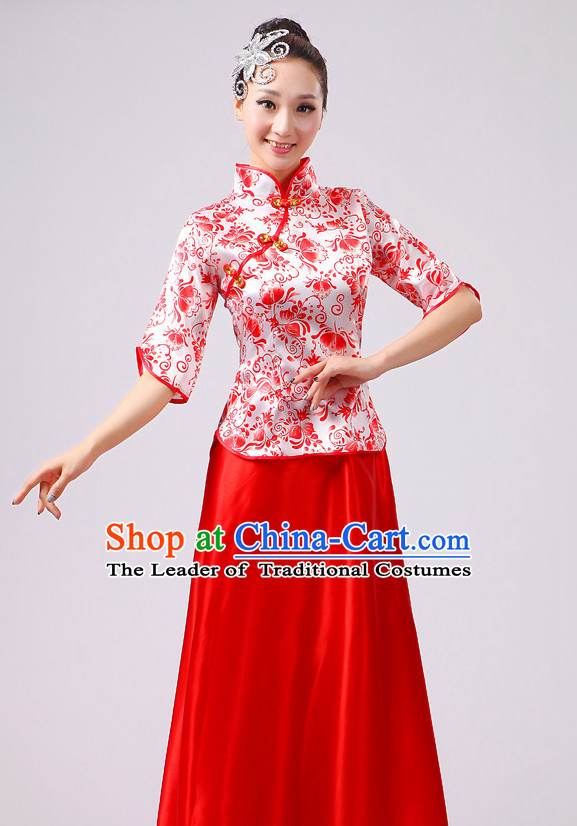
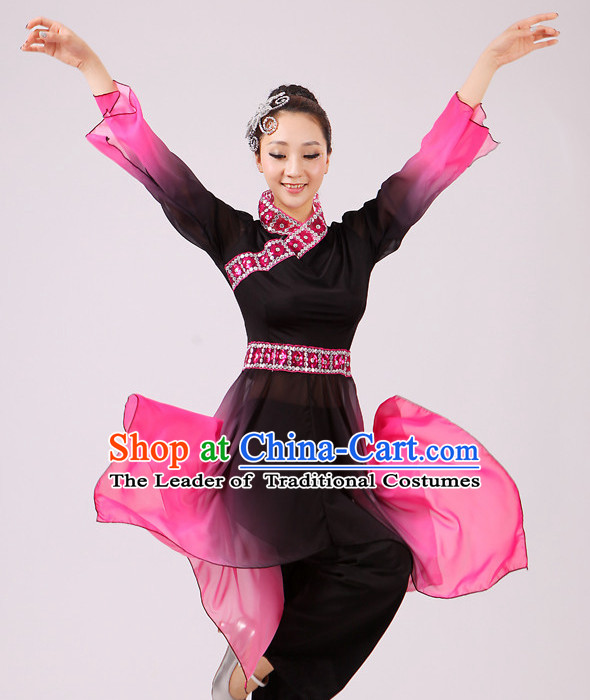
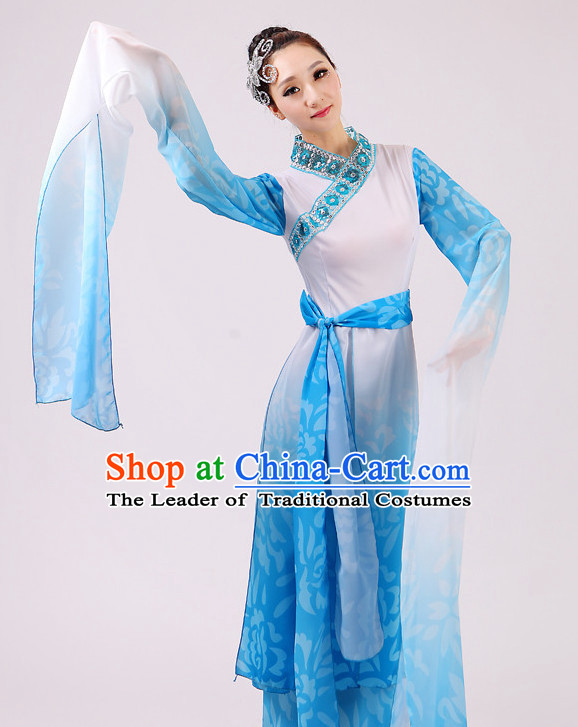
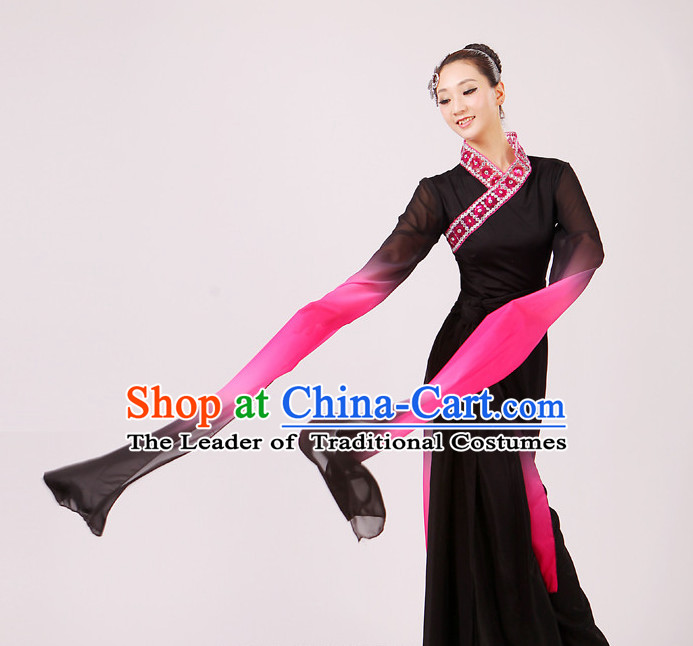
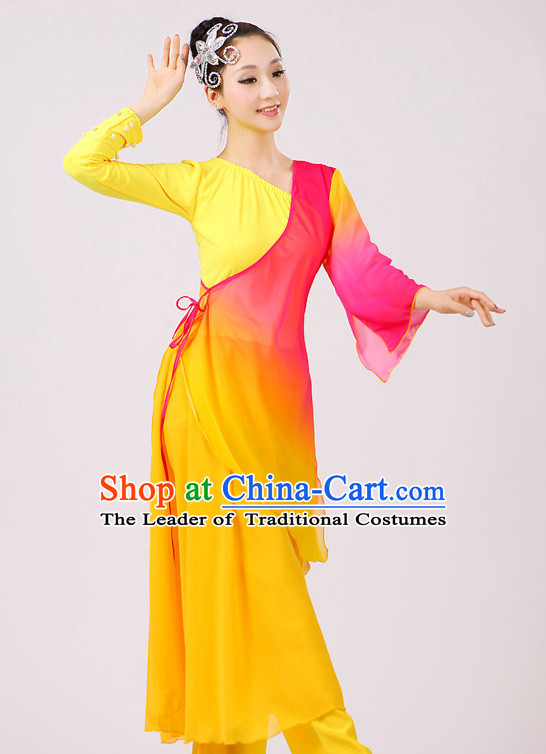
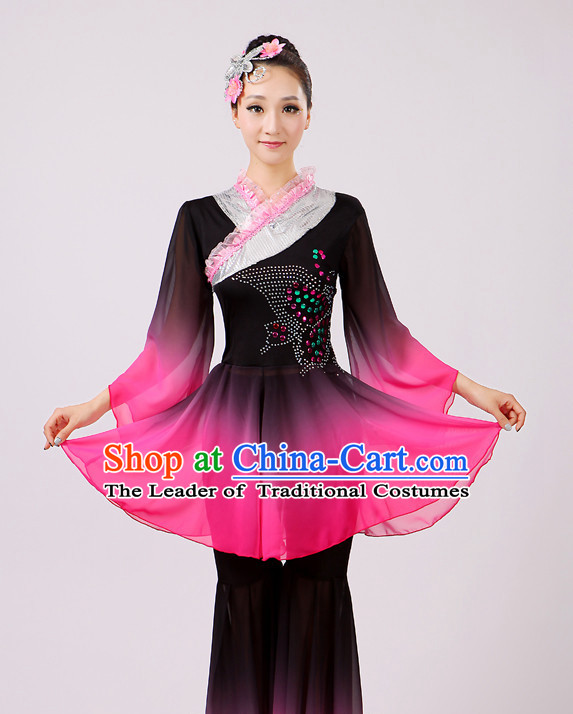
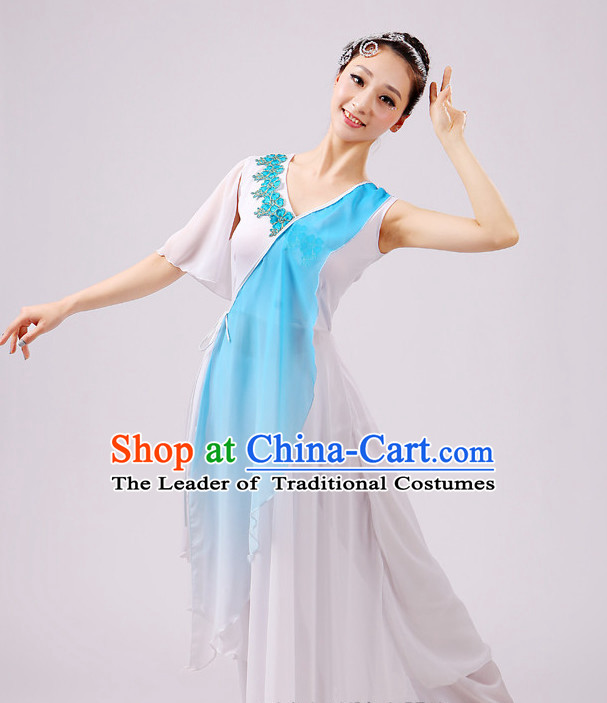
Traditional Chinese dance costumes, such as those worn by dancers in the styles of girl dancing, sentimental dancing, and ballet, carry rich spiritual and cultural significance.
These costumes not only showcase the elegance and refinement of ancient Chinese culture but also reflect the aesthetic concepts and styles of different periods and regions.
In ancient times, Chinese dance was considered an important art form that conveyed emotions and stories through body movements, expressions, and music.
Therefore, the design of dancer costumes often placed great emphasis on detail and craftsmanship to showcase the dancer's grace and strength.
For example, Tang Dynasty long skirt dance costumes were famous for their flowing lines and ornate decorations, which were typically made of silk and embroidered with intricate patterns and flowers.
Over time, Chinese dance evolved into a distinct art form that has influenced other cultures around the world.
In modern society, Chinese dance has become a popular form of artistic performance, widely used in various settings such as stage plays, movies, TV shows, and concerts.
As a result, modern Chinese dance costumes must also possess a sense of fashion and functionality to meet the demands of different contexts and environments.
In conclusion, traditional Chinese dance costumes are an essential part of Chinese culture, representing its essence and beauty.
Whether in ancient or modern times, these costumes have been an integral element of Chinese dance performances, showcasing the diversity and uniqueness of Chinese culture while providing us with a window into its history and traditions.