Click Related Pictures for More Audios:
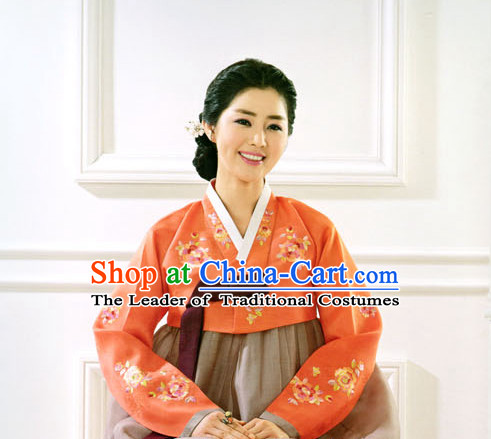
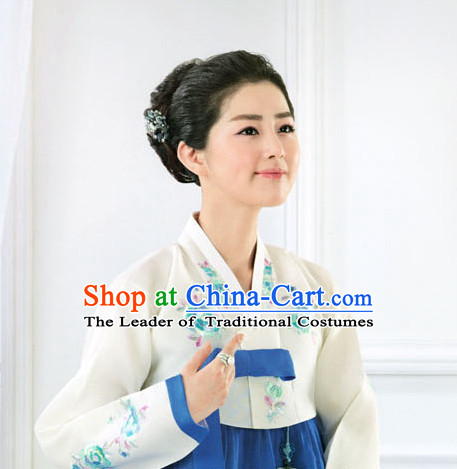
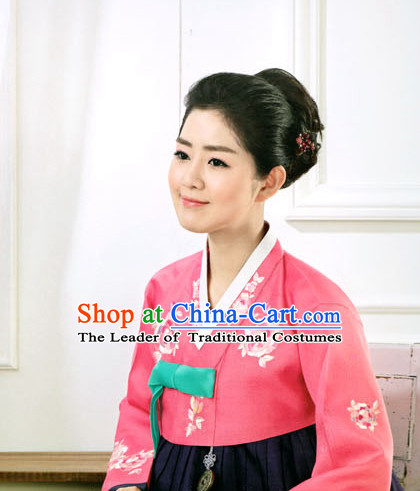
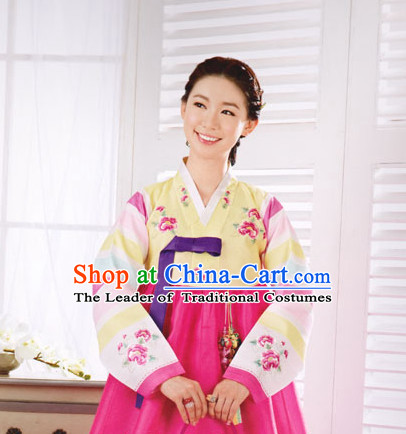
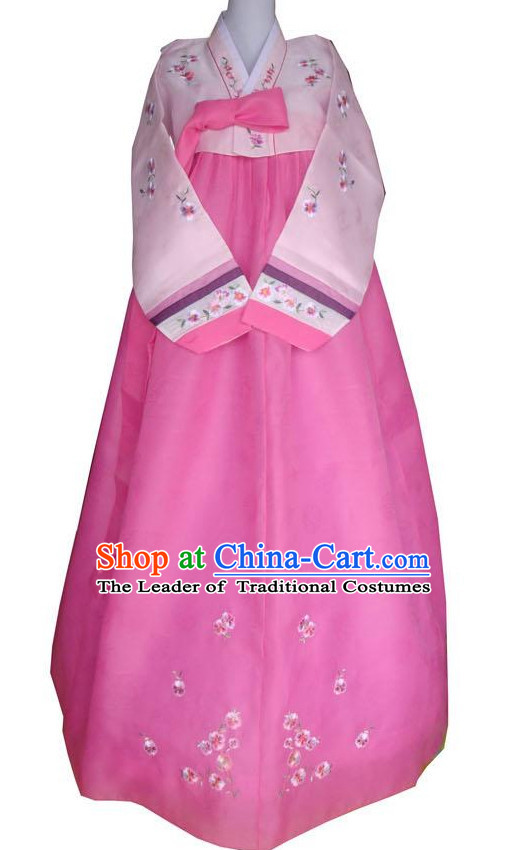
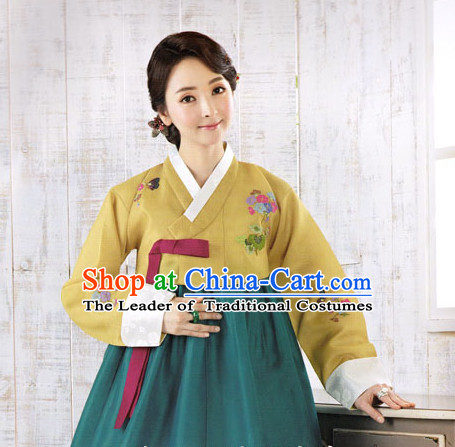
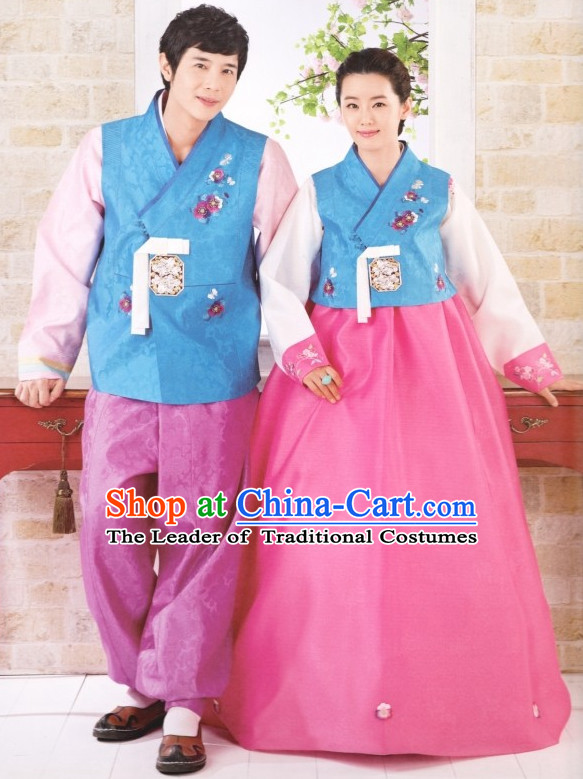
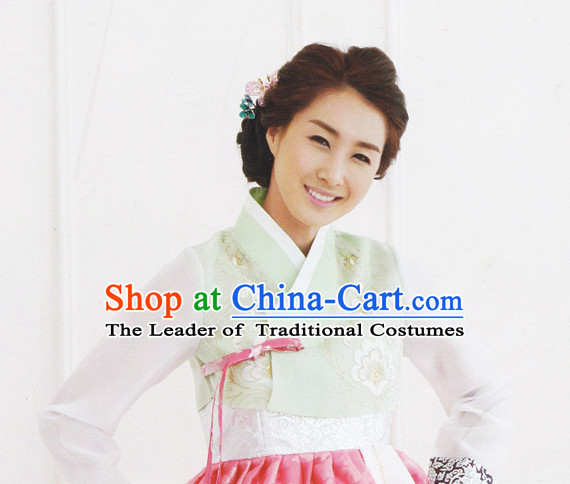
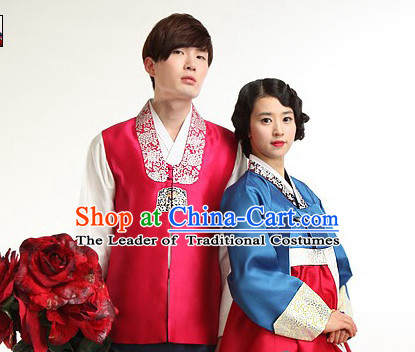
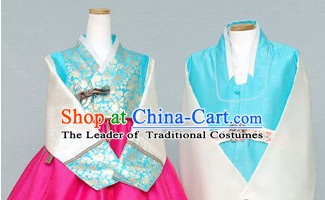
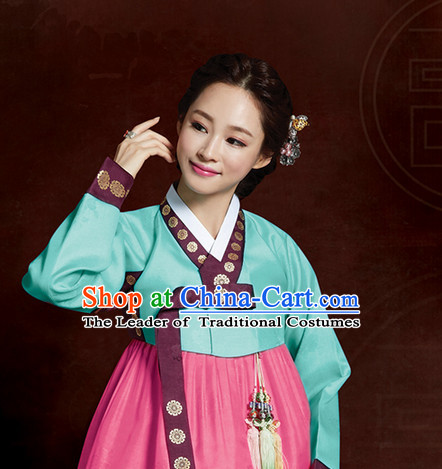
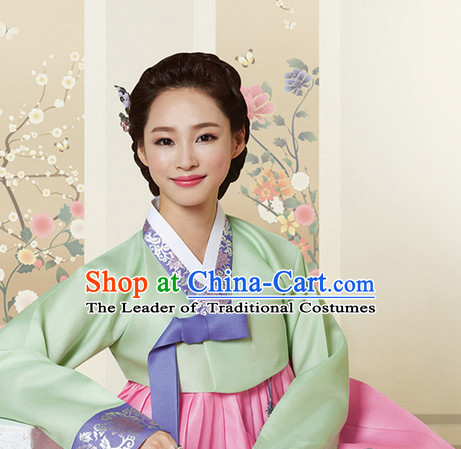
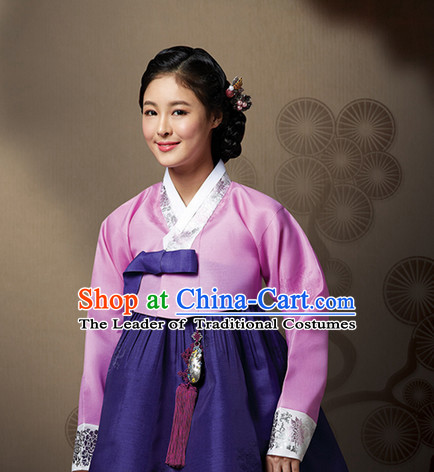
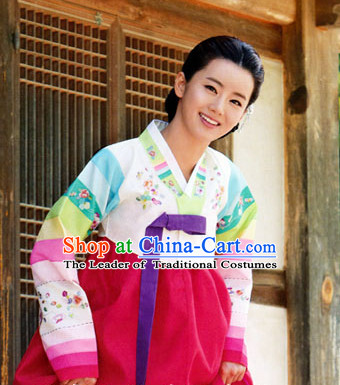
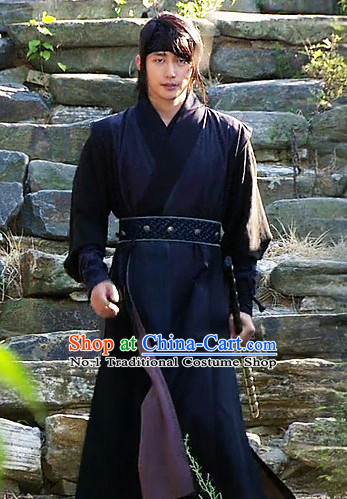

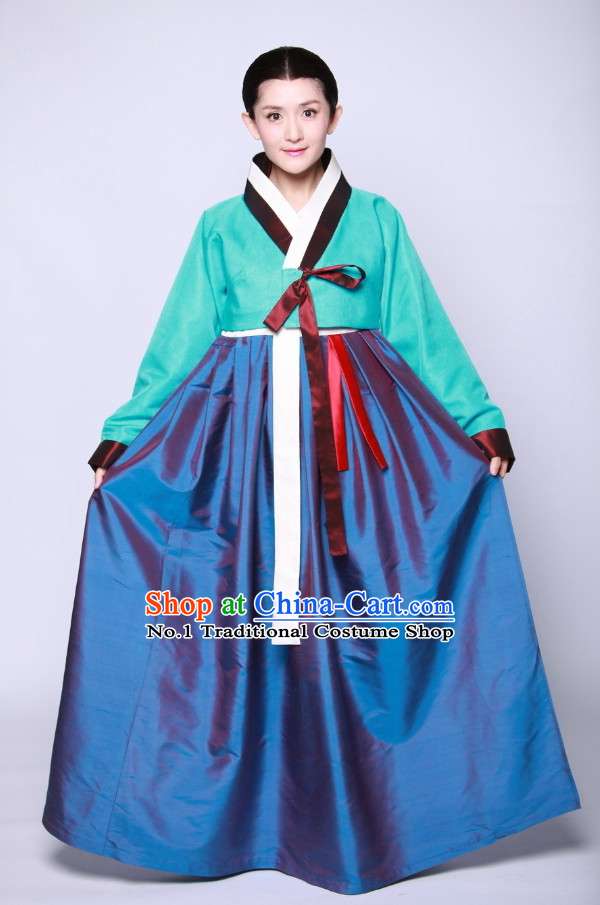
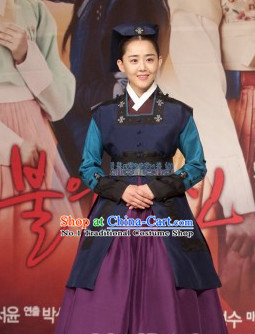
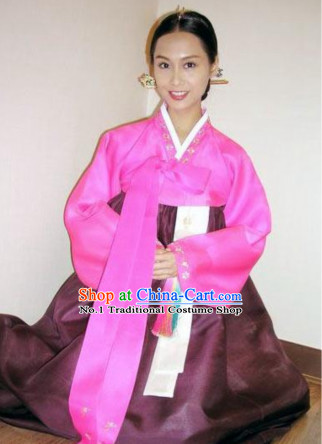
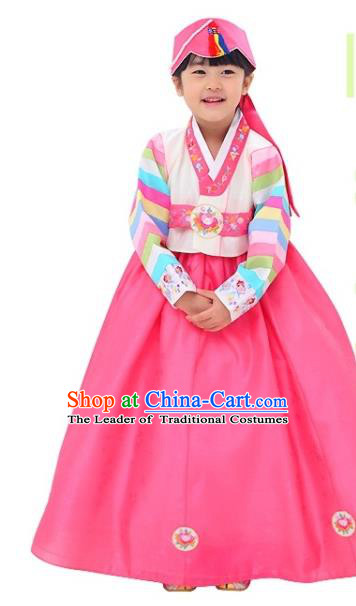
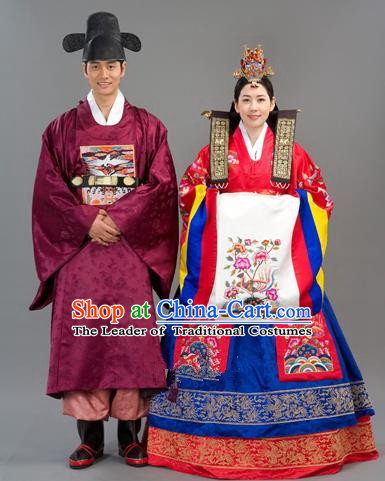
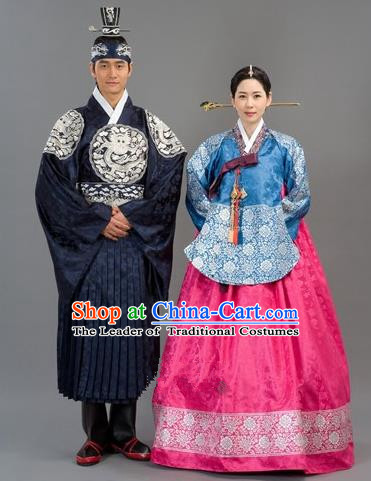
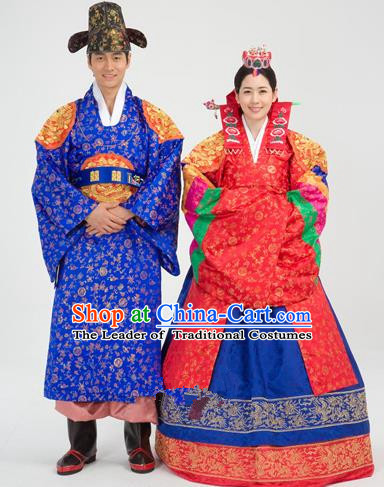
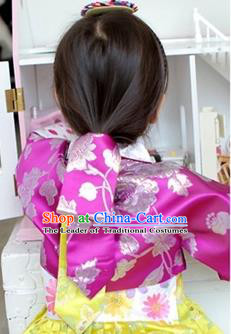
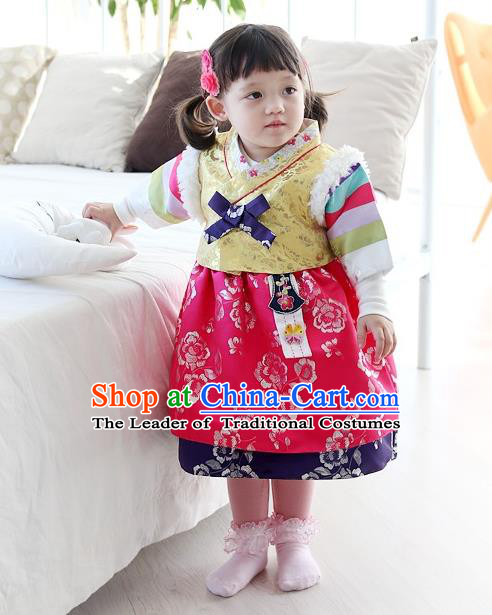
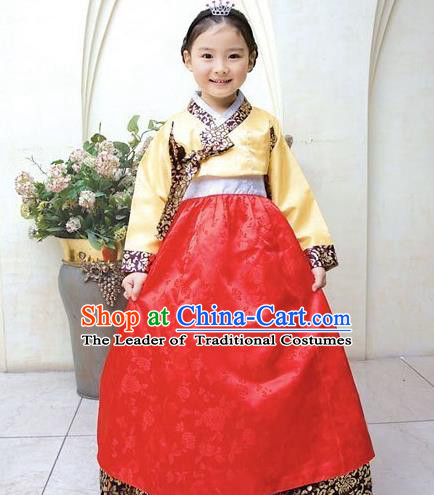
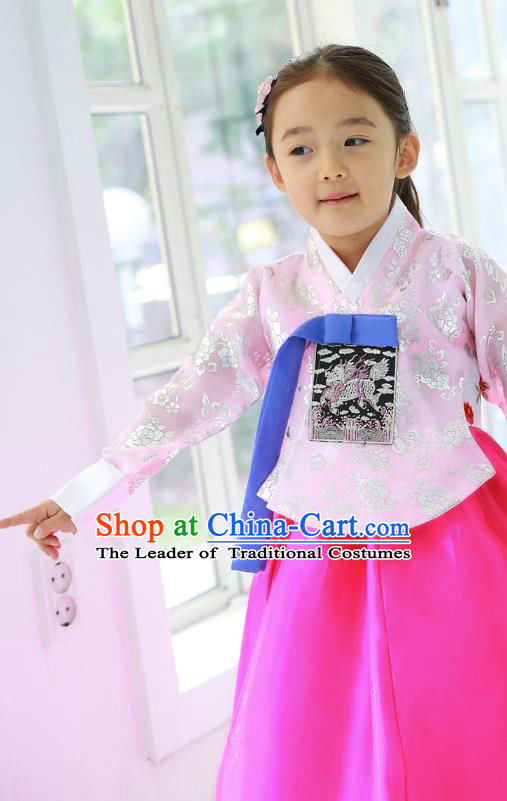
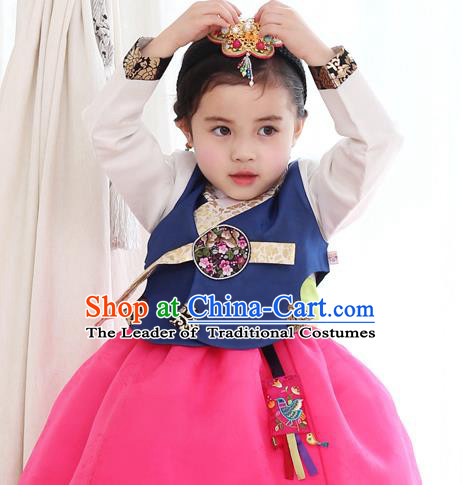
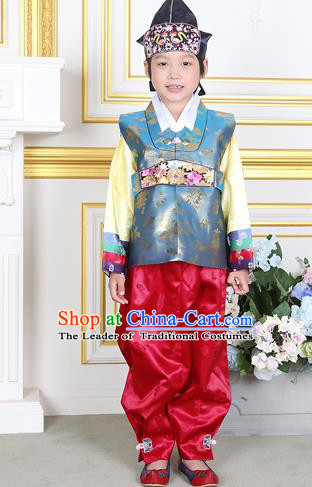
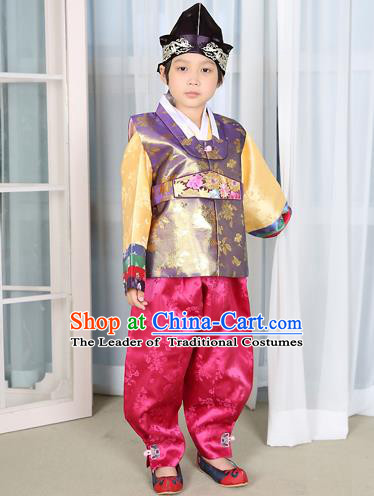
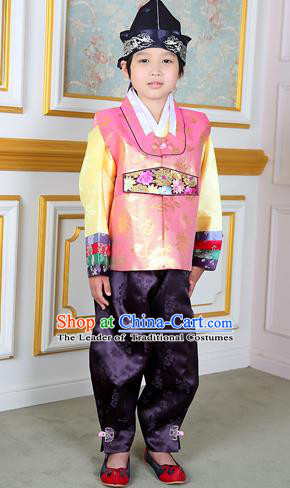
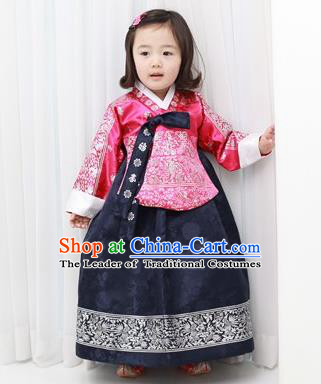
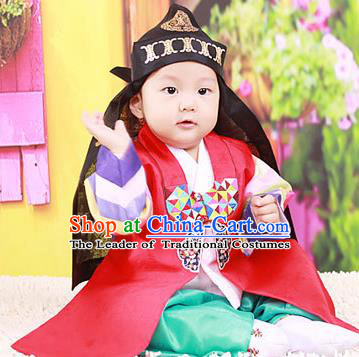
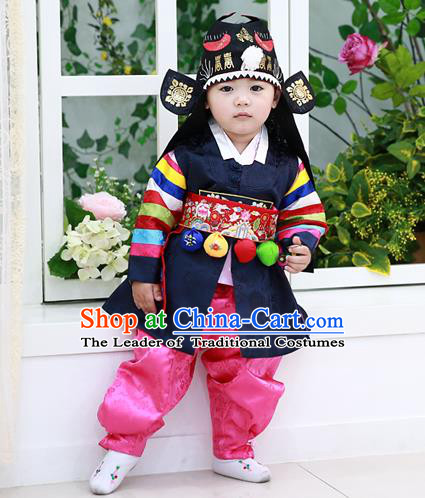
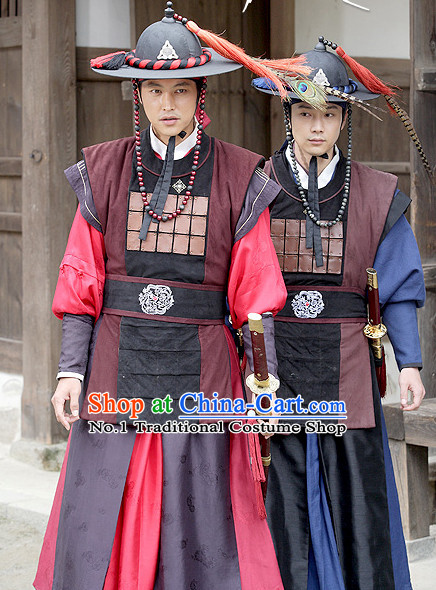
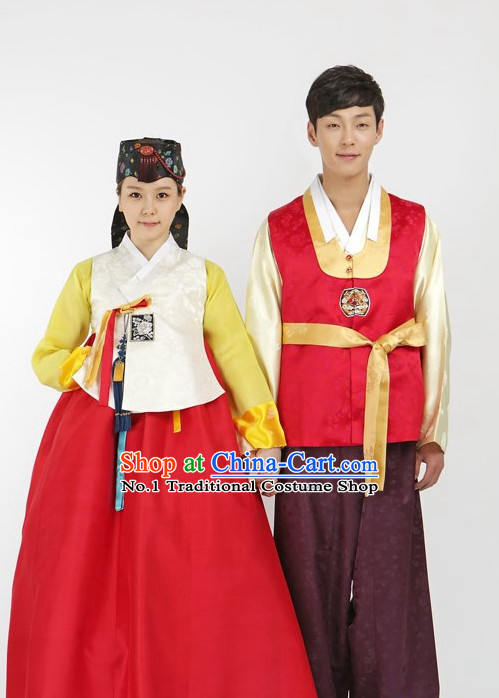
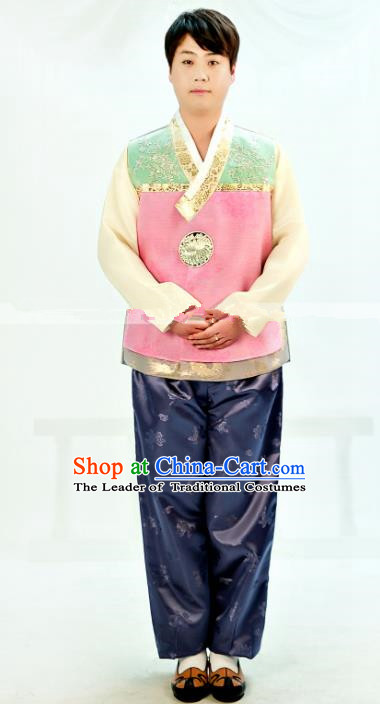
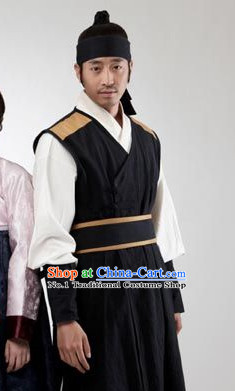
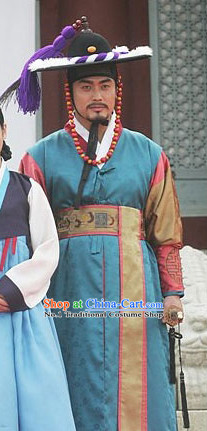
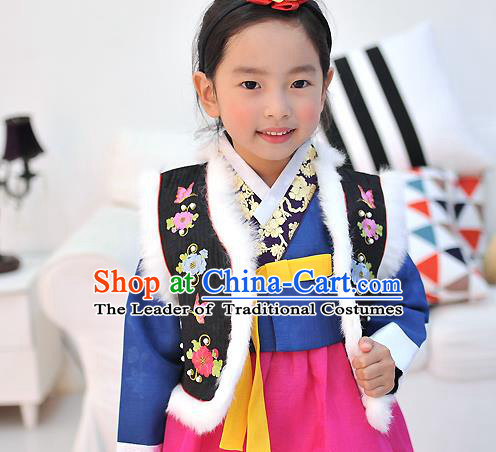
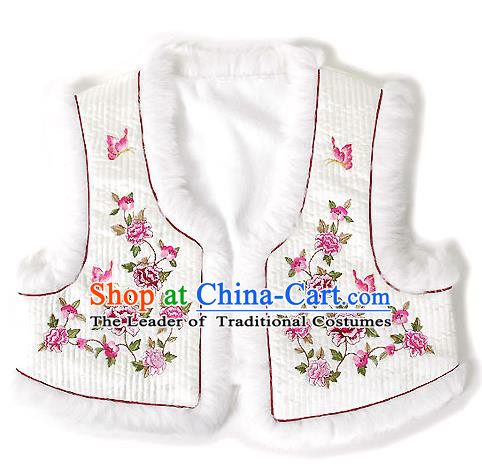
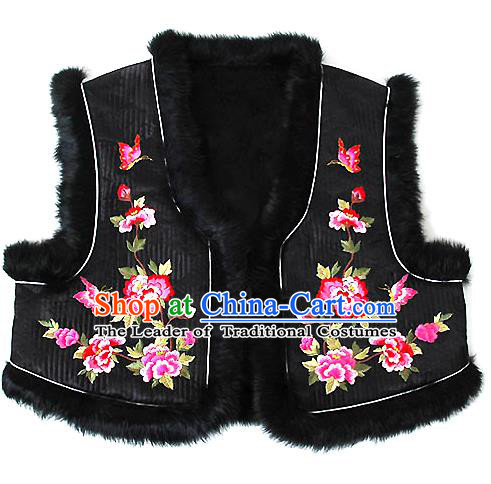
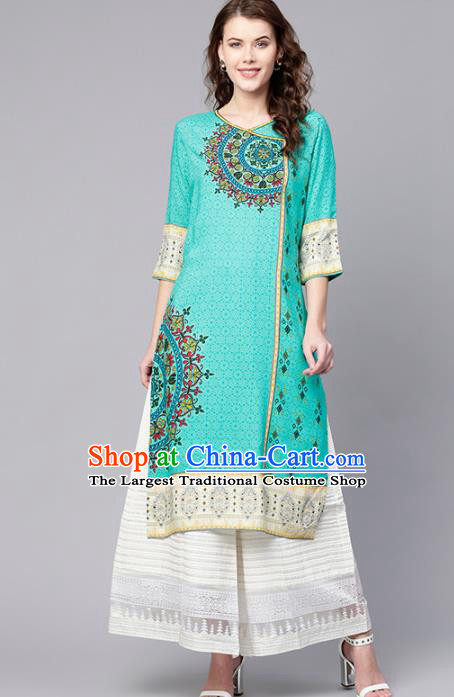
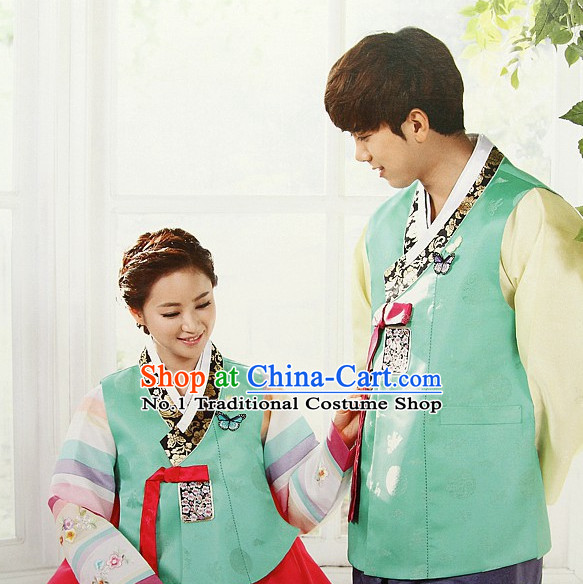
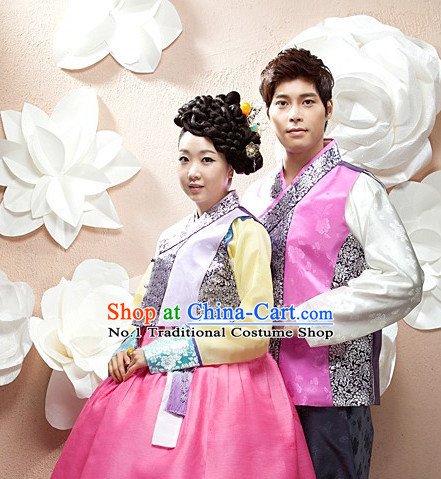
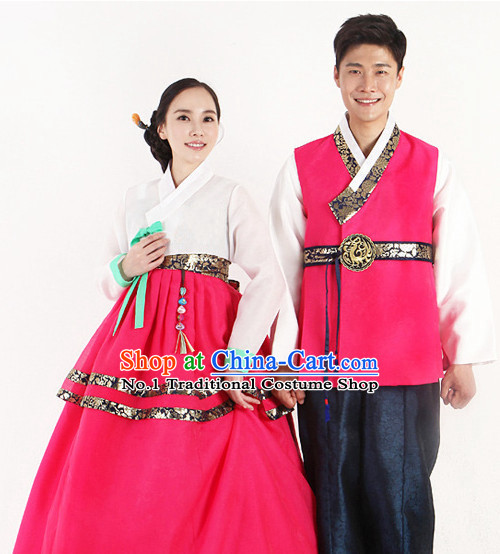
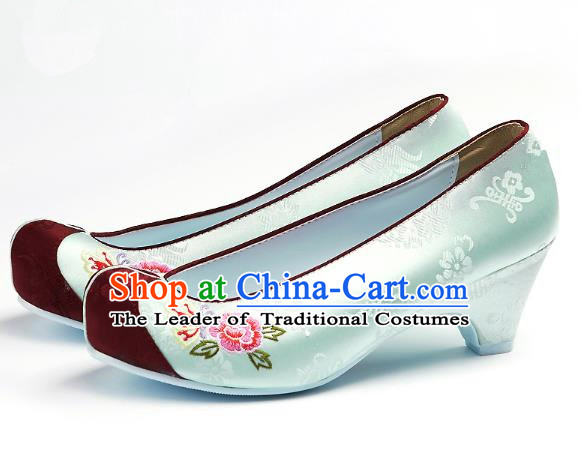
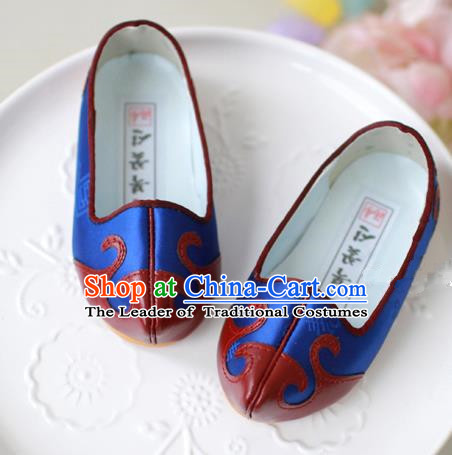
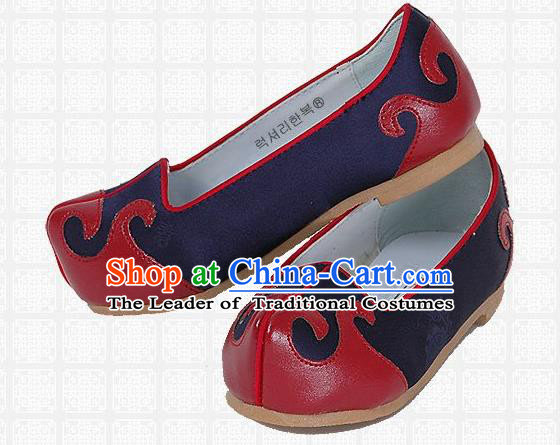
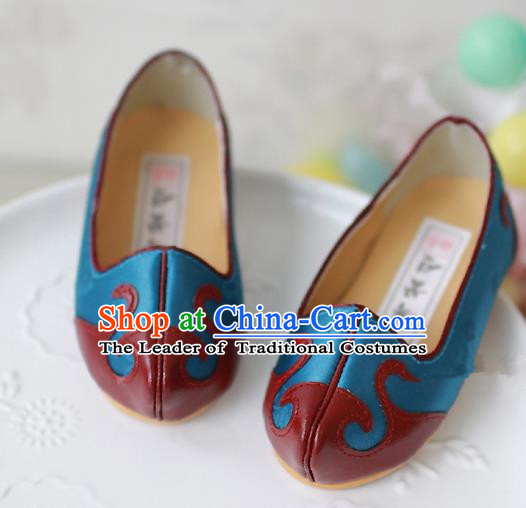
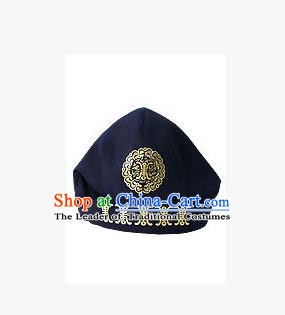
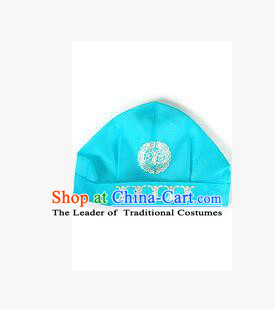
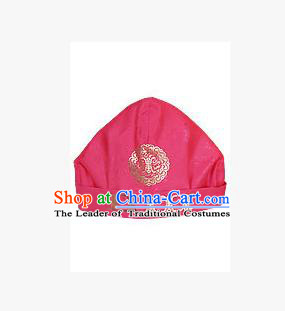
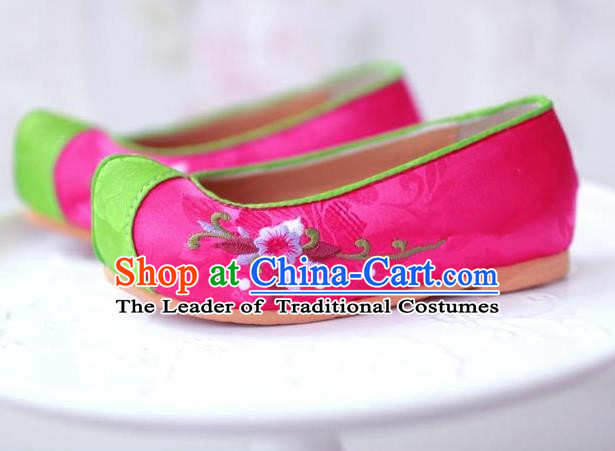
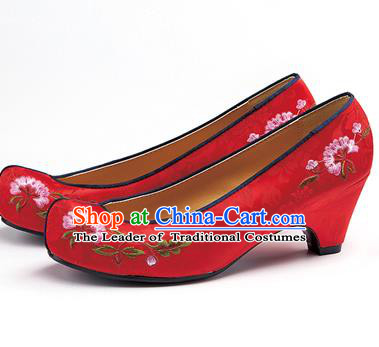
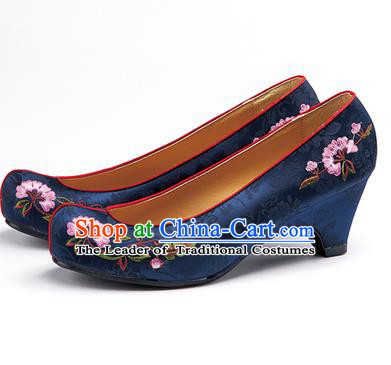
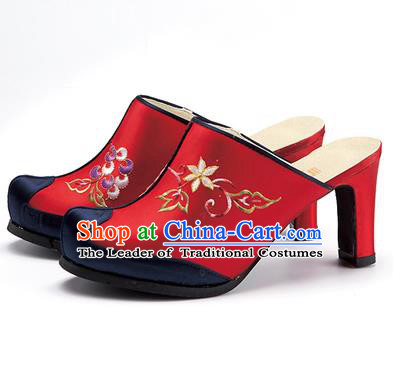
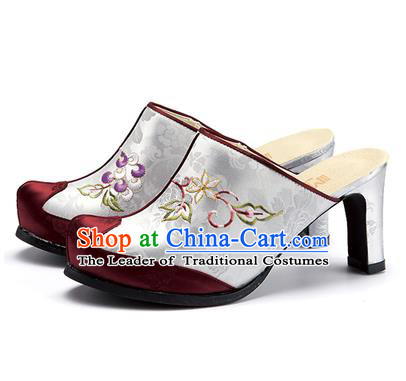
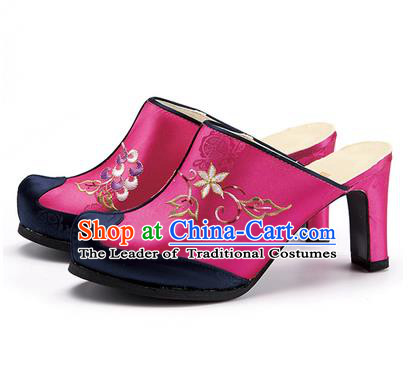
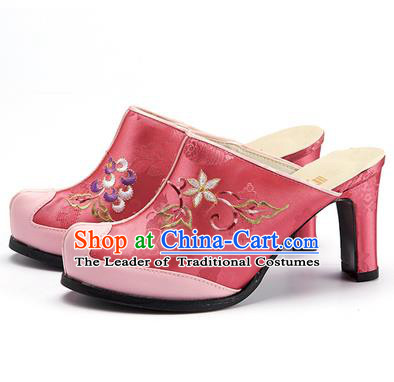
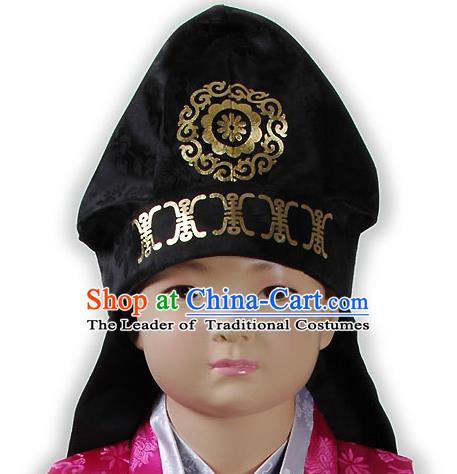
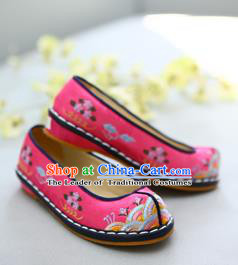
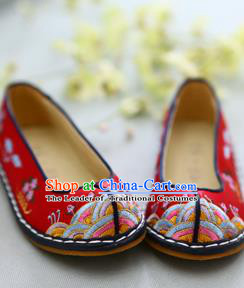
Korean traditional clothing is known for its unique design and exquisite craftsmanship.
It represents the rich cultural history of Korea and reflects the aesthetic values and beliefs of its people.
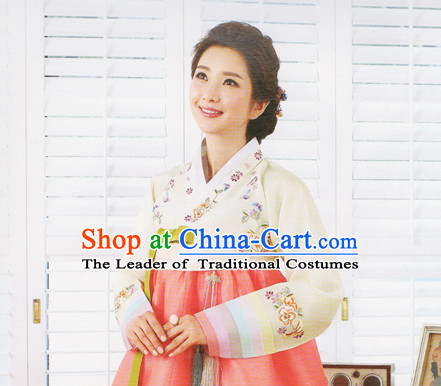
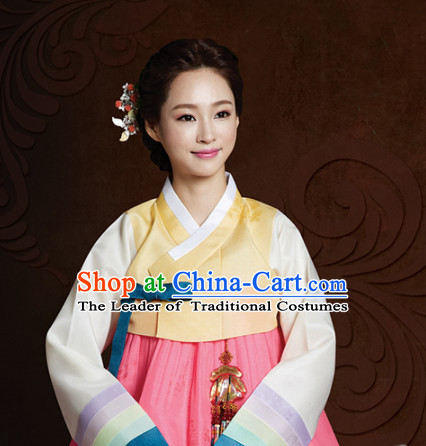
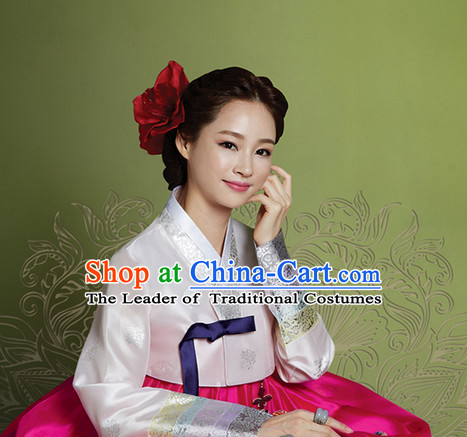
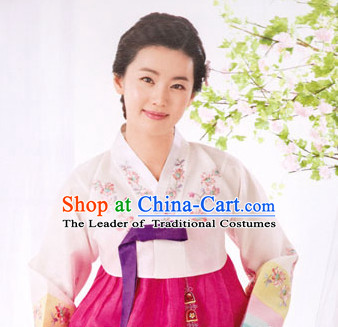
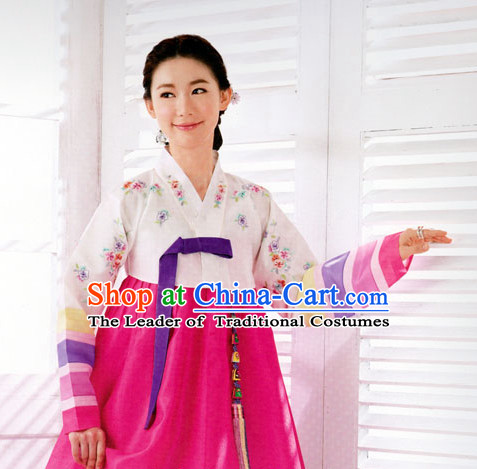
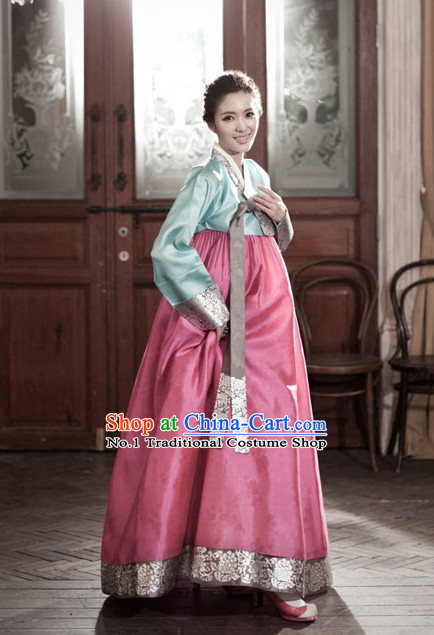
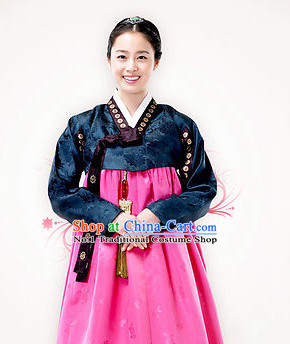
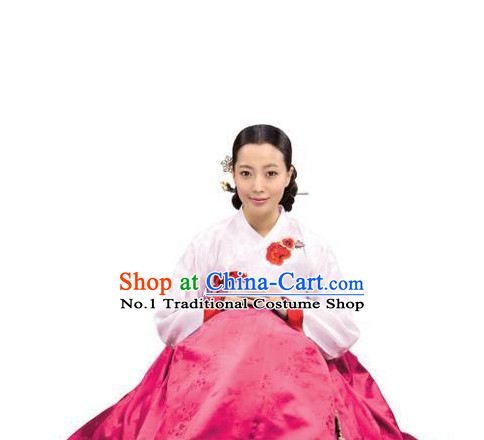
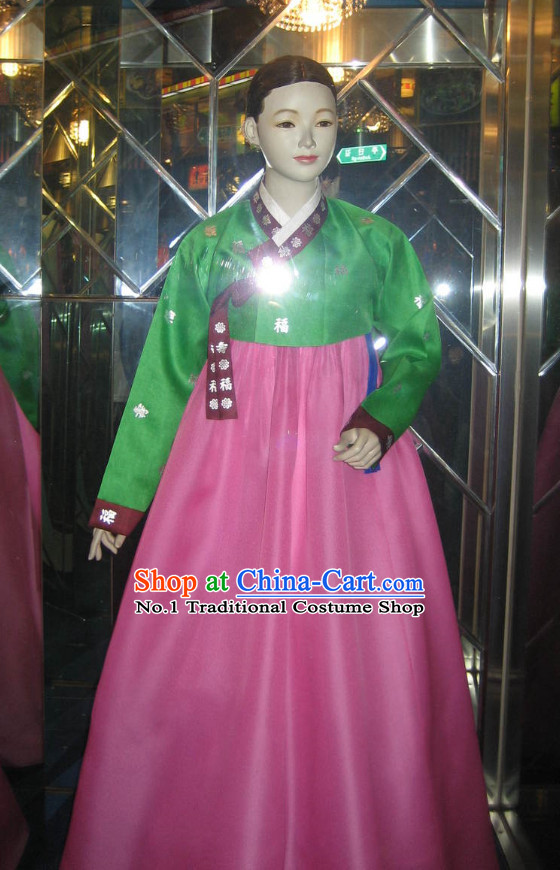
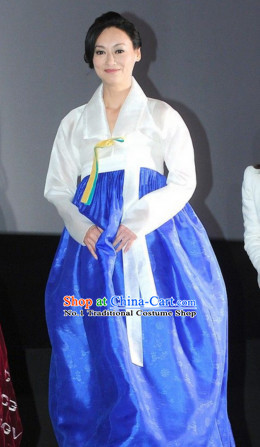
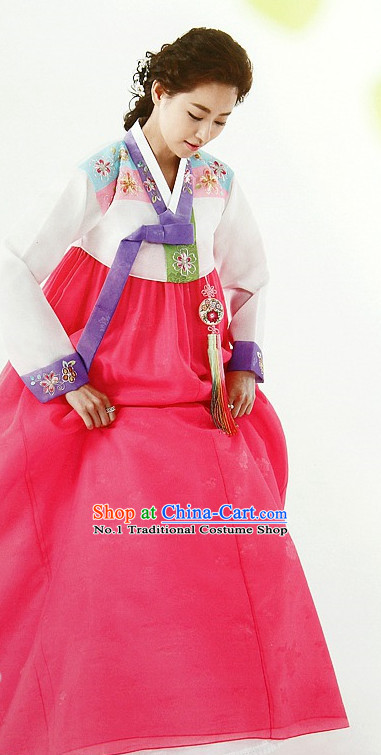
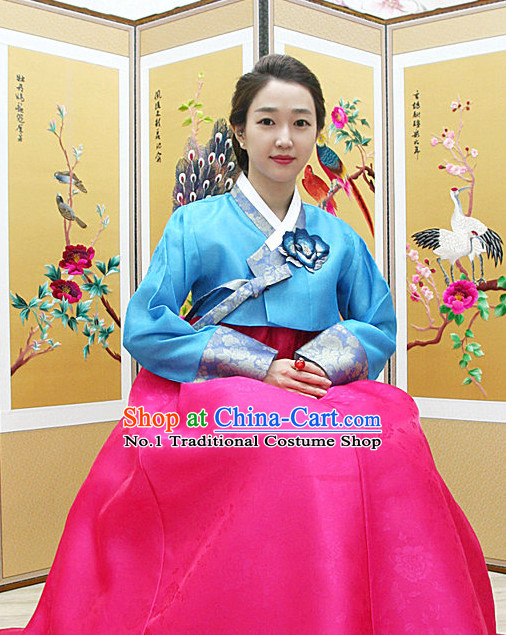
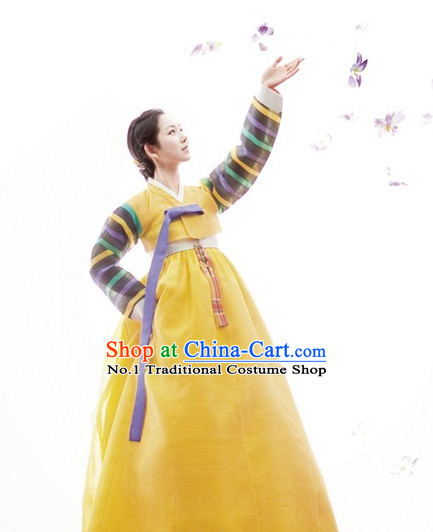
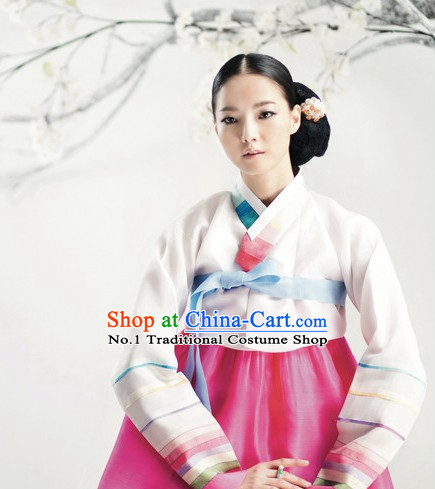
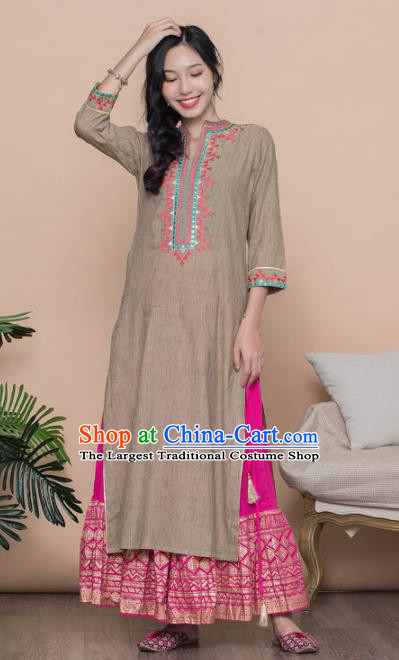
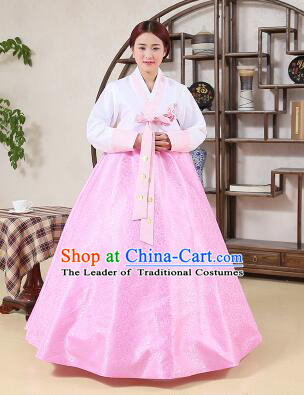
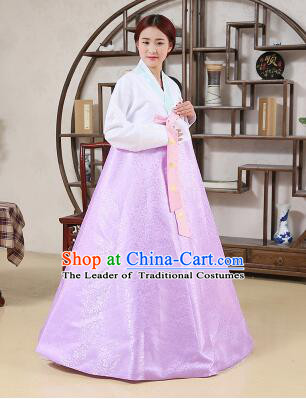
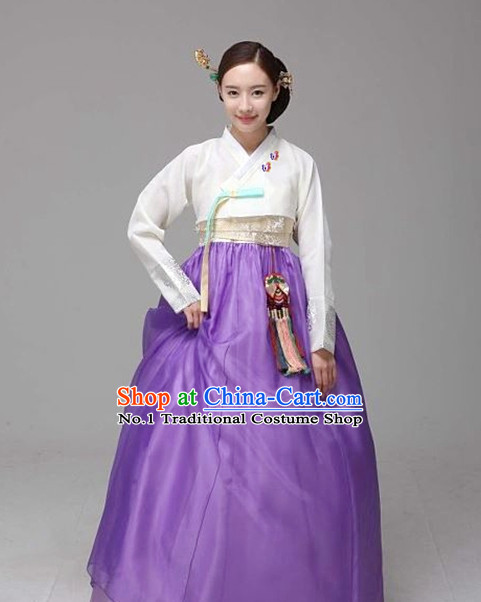
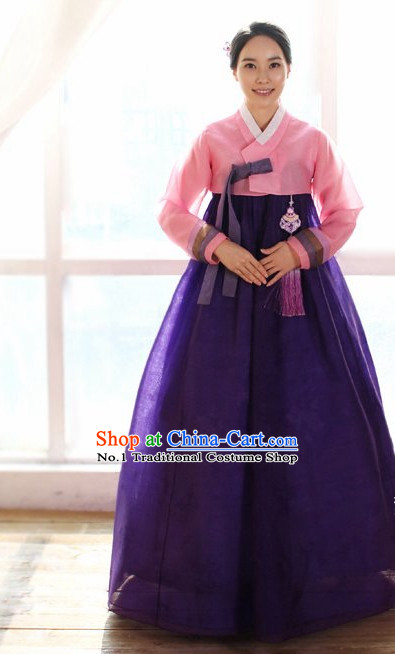
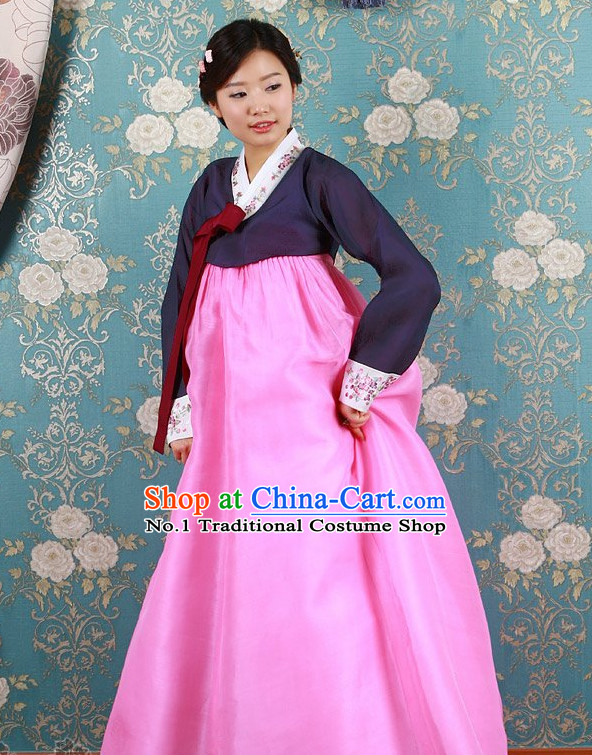
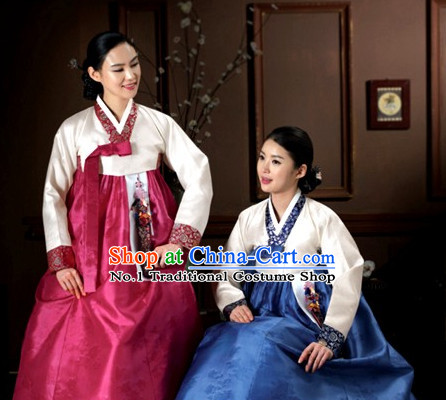
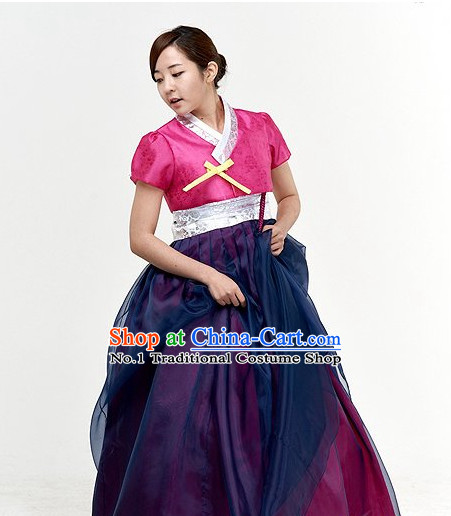
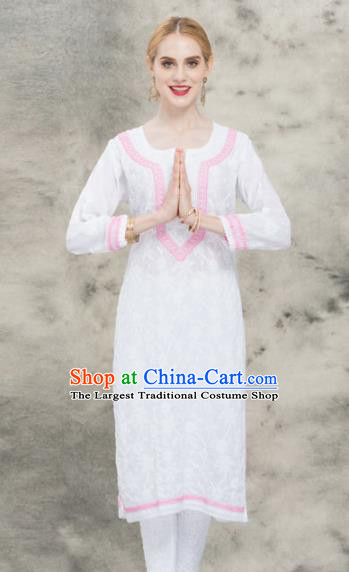
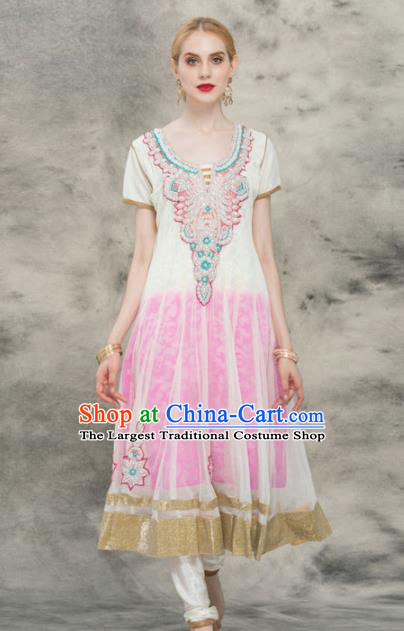
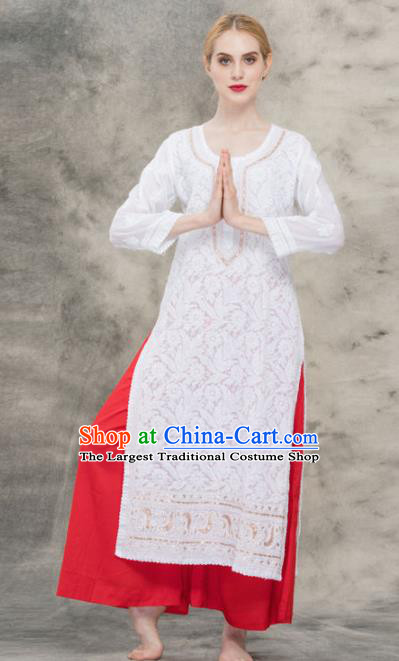
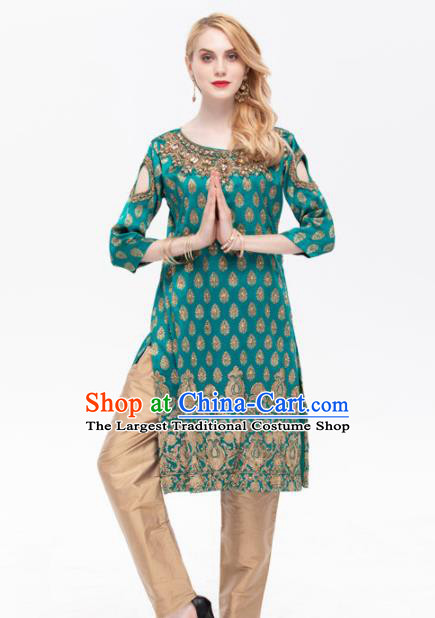
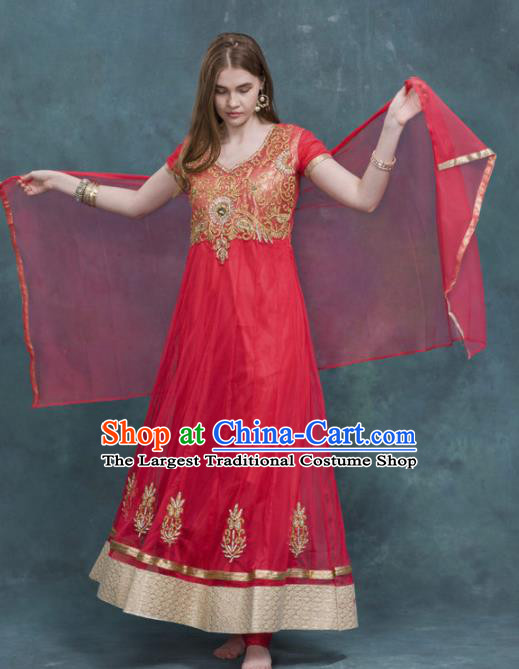
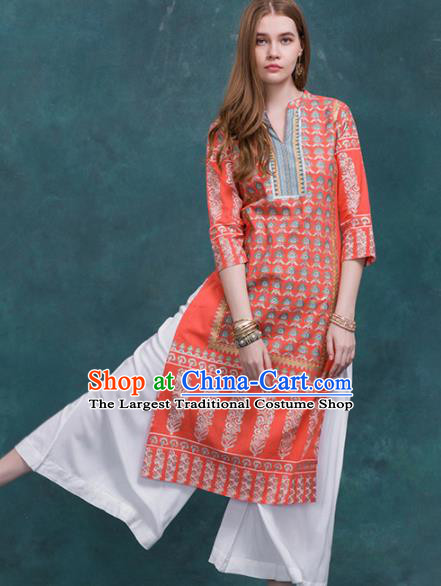
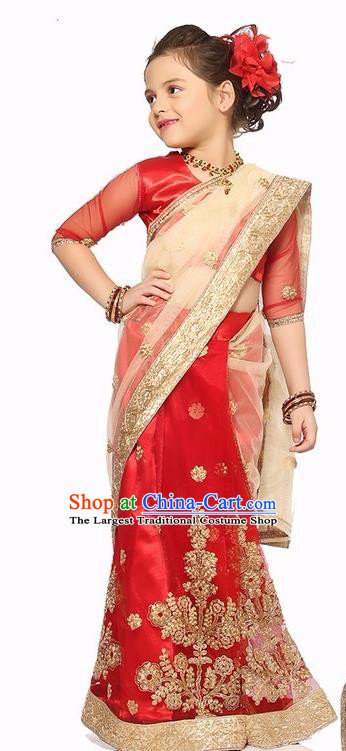
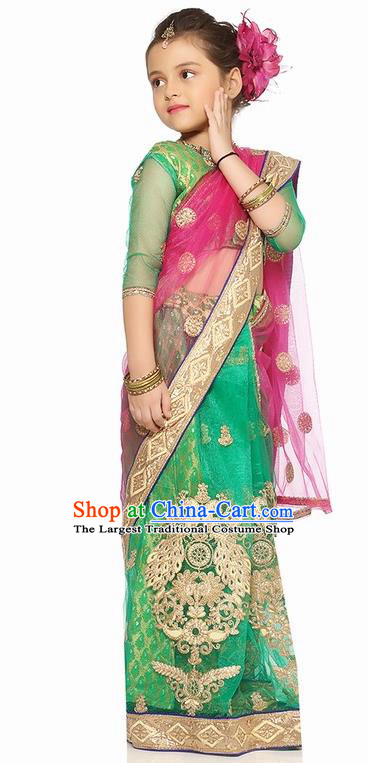
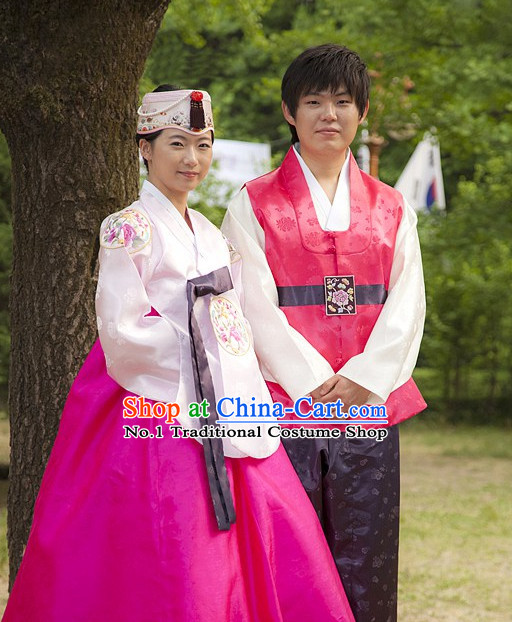
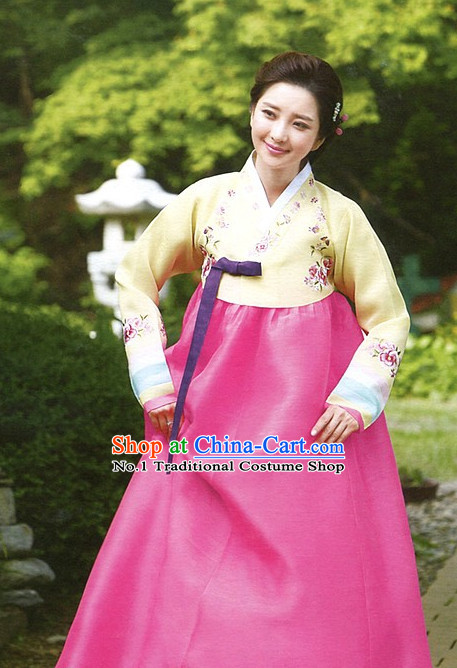
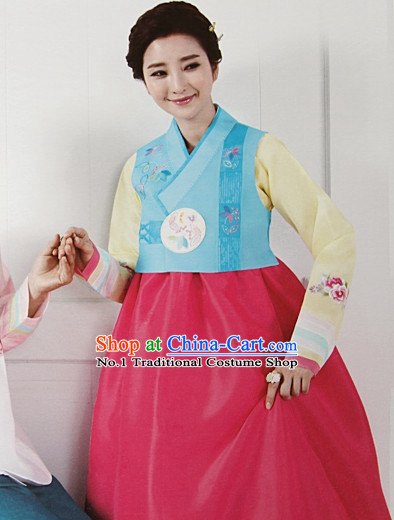
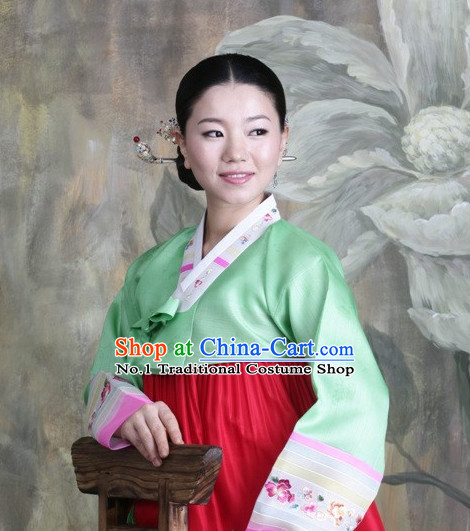
In this picture, a beautiful Asian woman is wearing traditional Korean clothing, showcasing her elegance and charm.
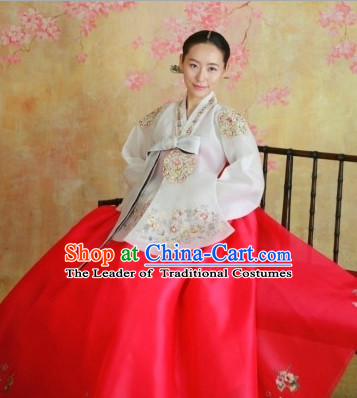
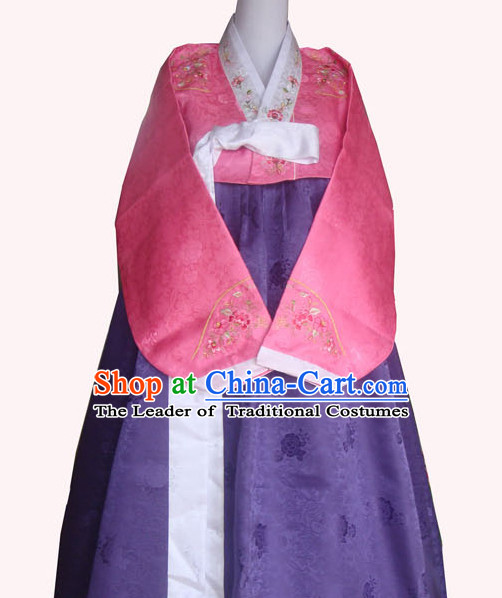
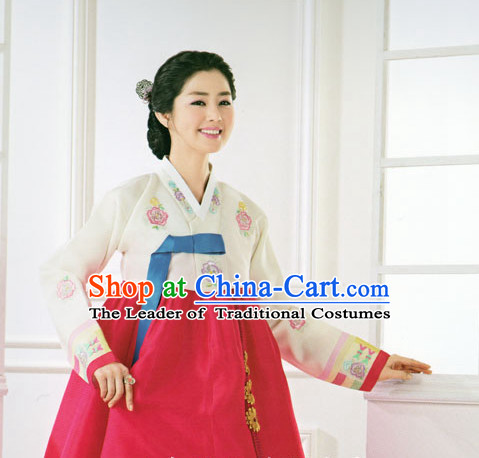
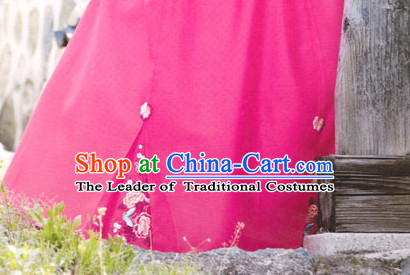
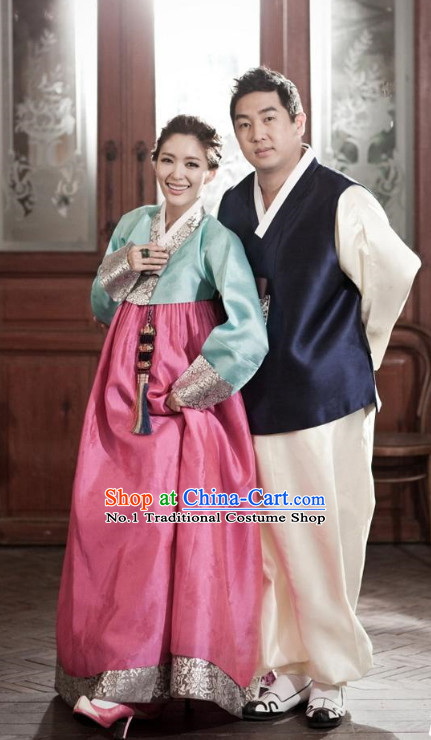
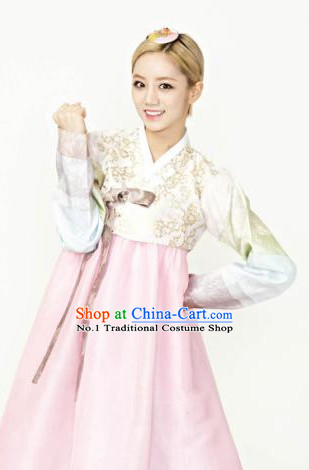
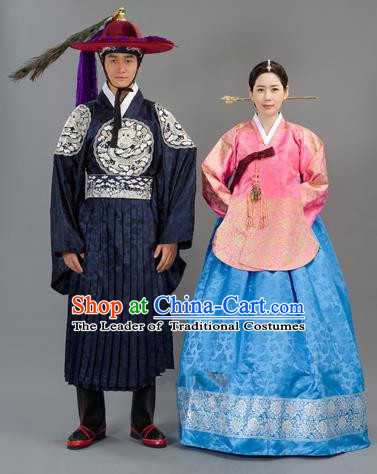
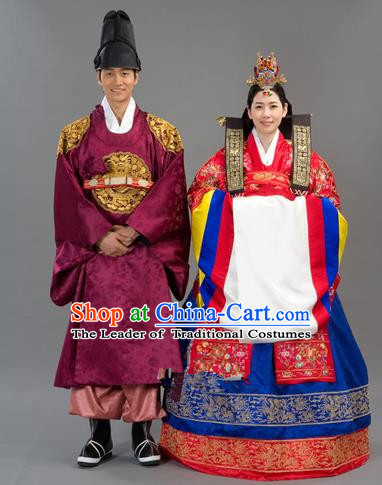
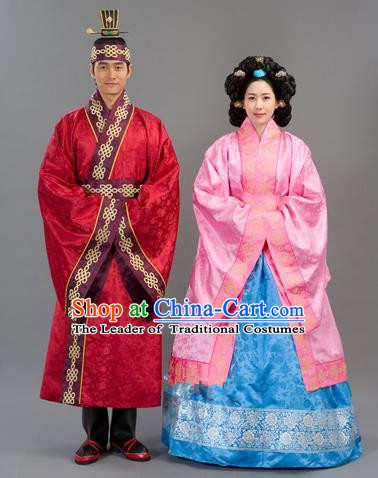
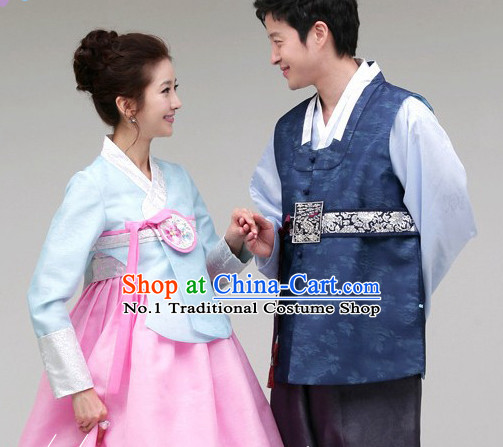
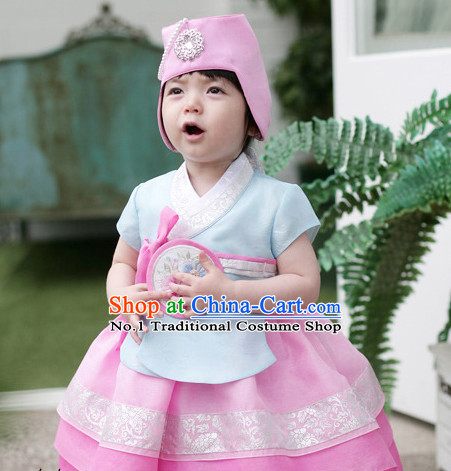
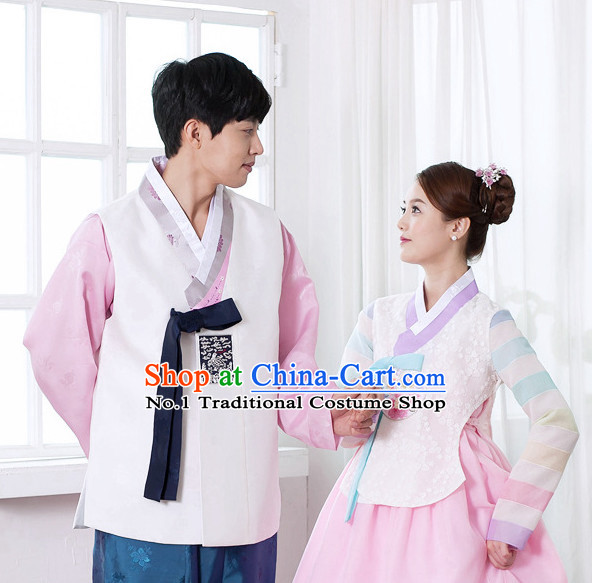
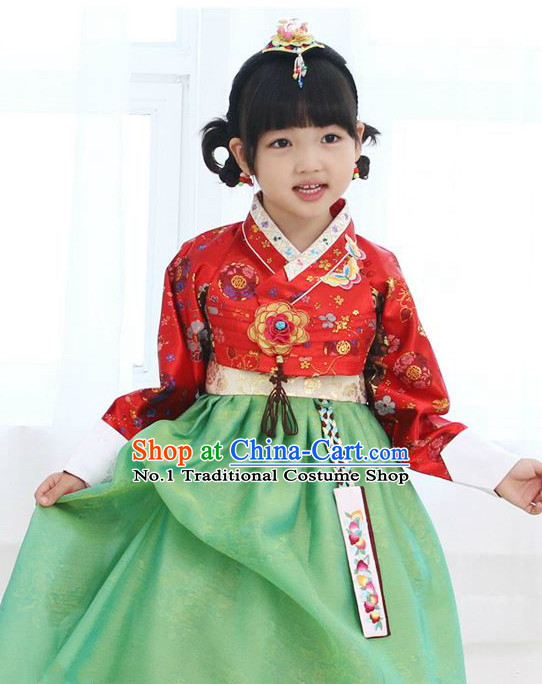
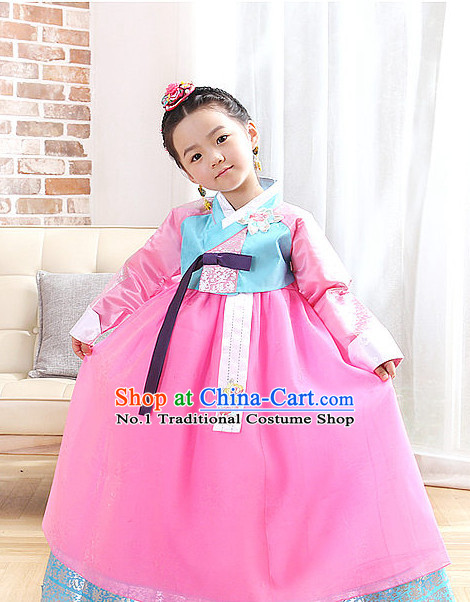
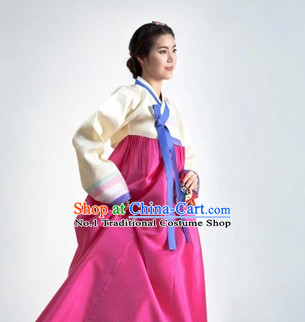
Korean traditional clothing, also known as hanbok, is made from silk, cotton, and other natural fibers.
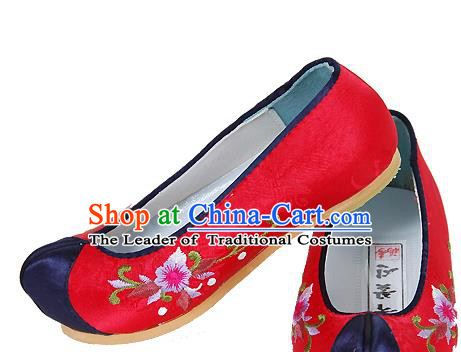
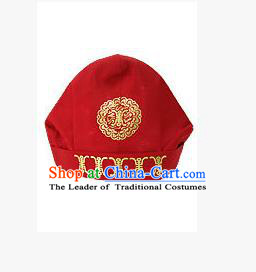
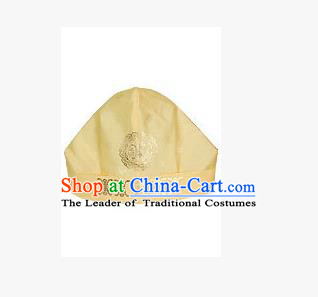
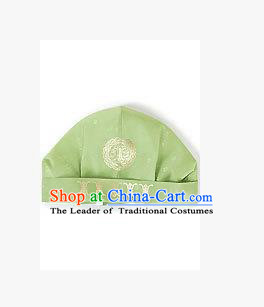
It typically features a multi-layered design that includes an upper garment, skirt, pants, and headwear.
The design emphasizes detail and symmetry to showcase the delicacy and beauty of the clothing.
The colors of Korean traditional clothing are usually bright, such as red, yellow, and blue, which symbolize happiness, prosperity, and good fortune.
In addition to its visual appeal, Korean traditional clothing has deep cultural significance.
It represents traditional Korean values and social norms.
For example, the long sleeves of Korean traditional clothing cover the arms to protect personal privacy and dignity.
Furthermore, Korean traditional clothing reflects the Korean people's respect and reverence for nature.
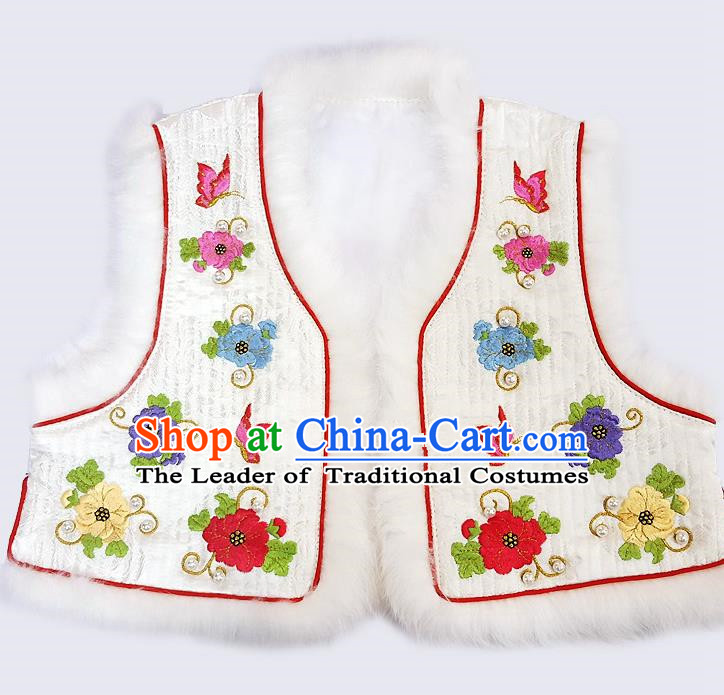
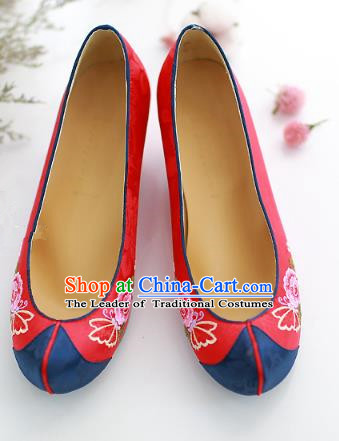
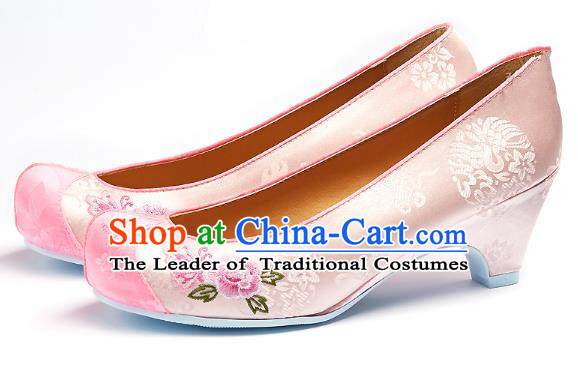
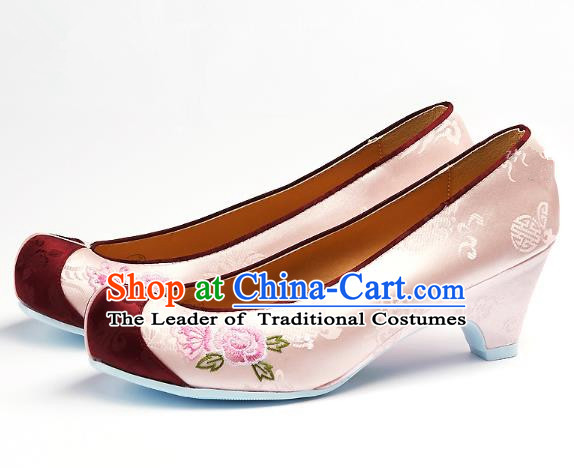
Many designs of Korean traditional clothing are inspired by nature, including elements such as flowers, trees, and animals.
In conclusion, Korean traditional clothing is an art form that is rich in artistic and cultural significance.
It not only showcases the aesthetic values and creativity of the Korean people but also reflects their understanding and respect for nature and social norms.
By appreciating and learning about Korean traditional clothing, we can gain a better understanding of Korea's history and culture.