Click Related Pictures for More Audios:
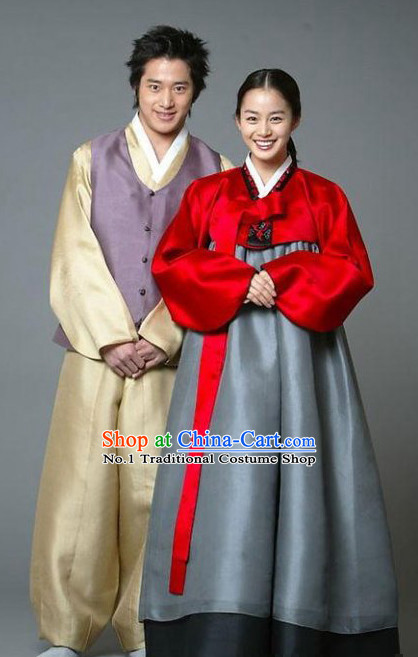
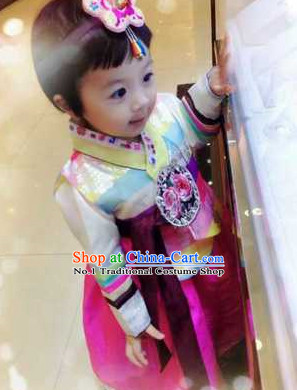
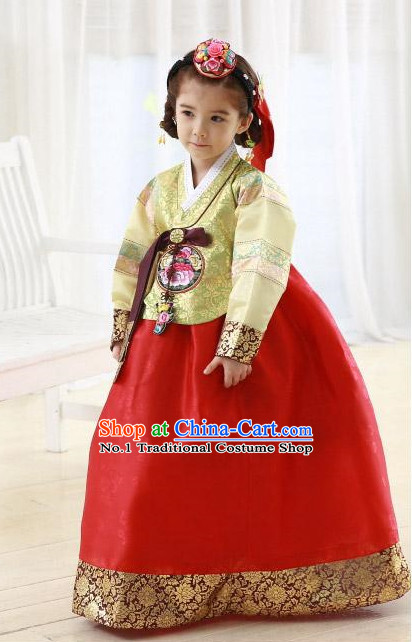
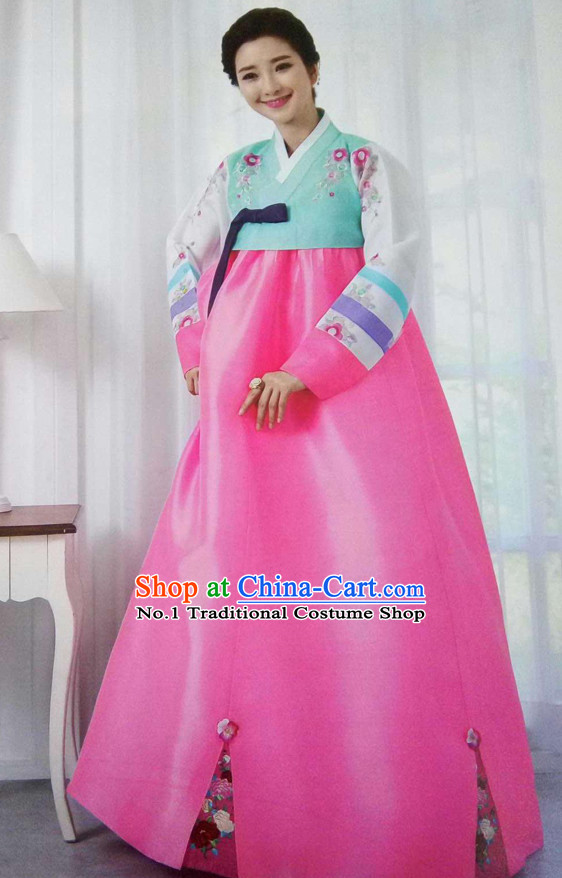
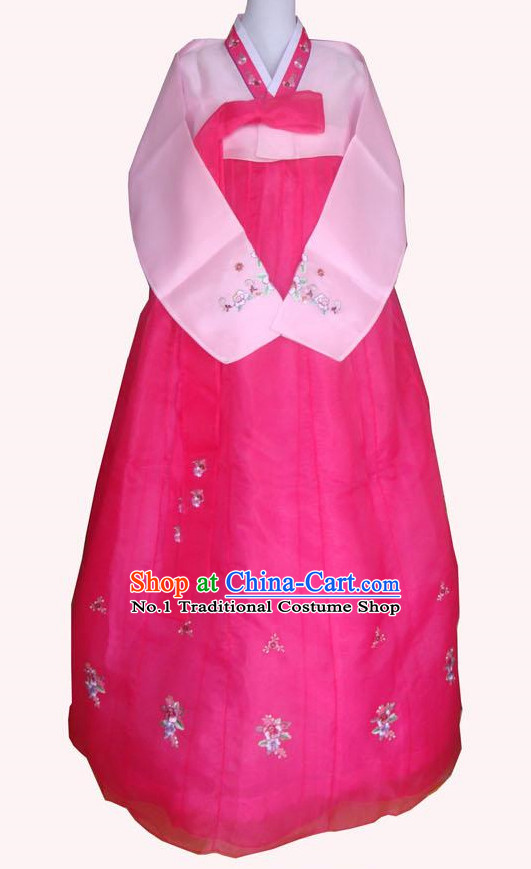
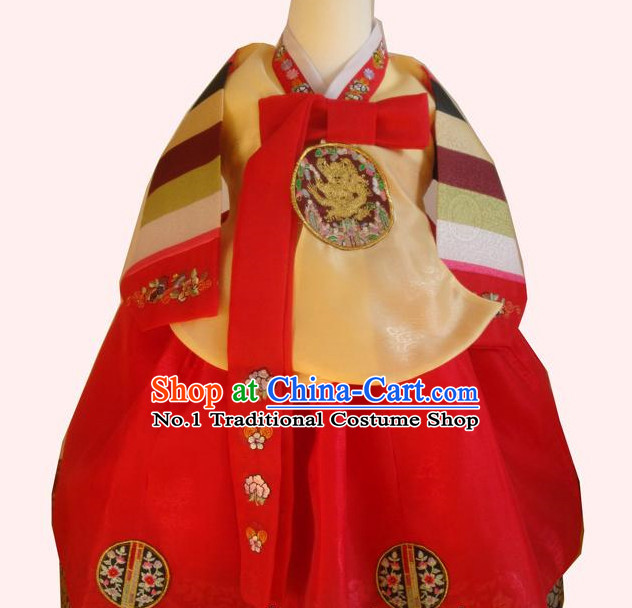
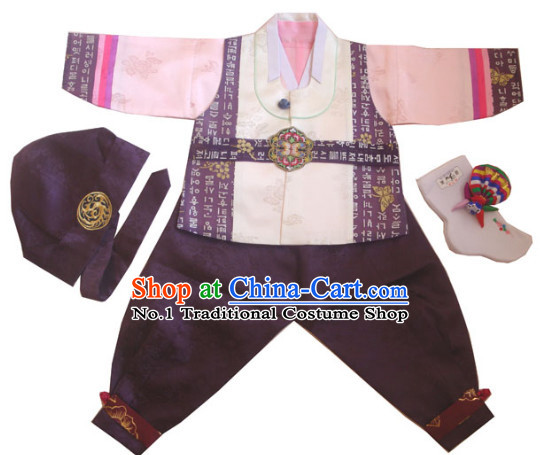
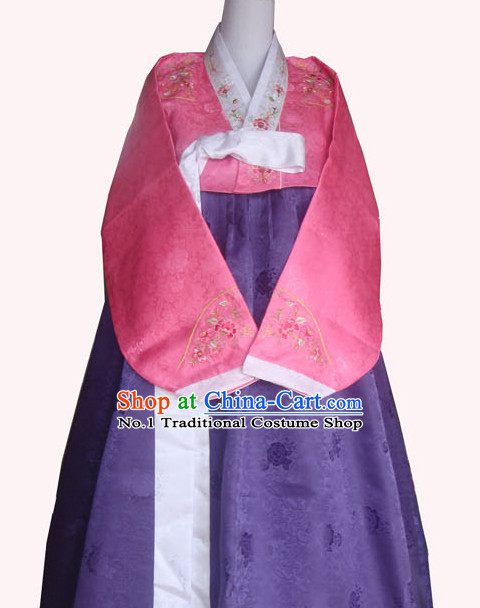
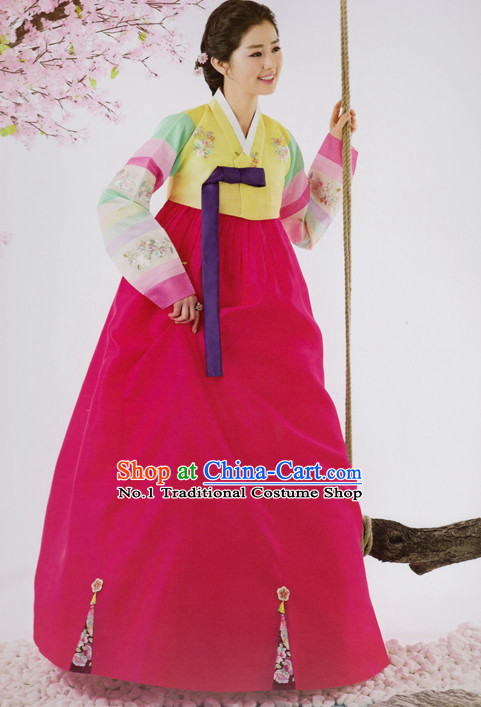
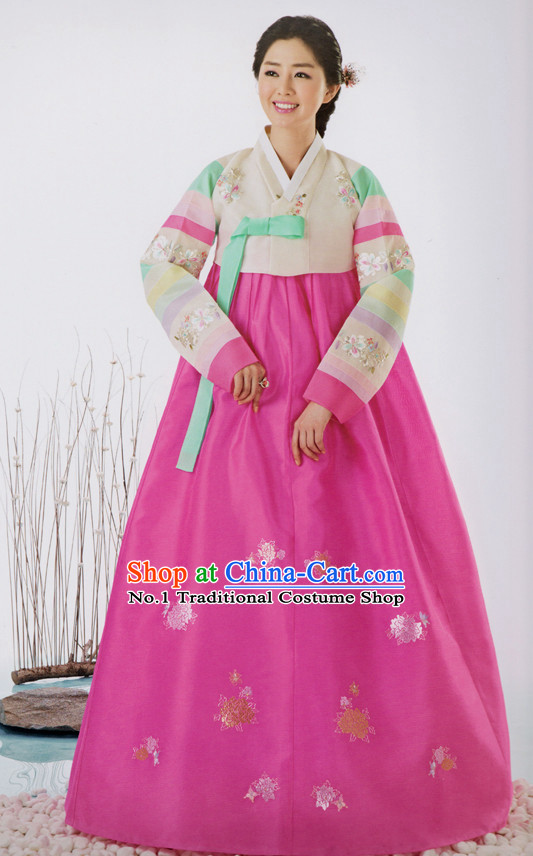
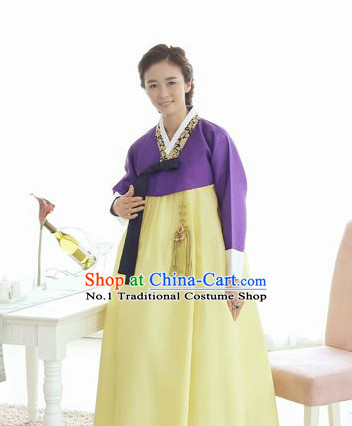
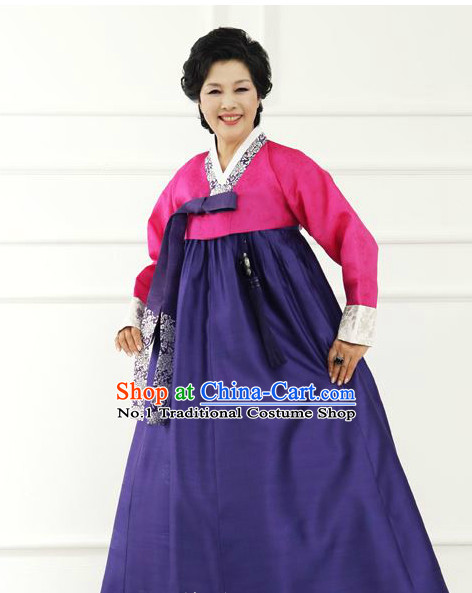
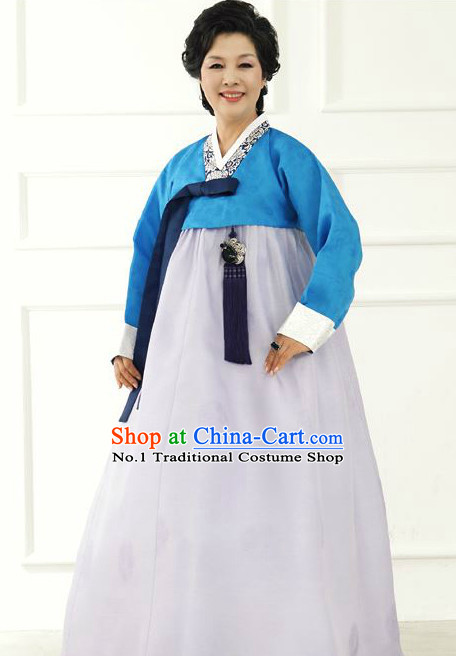
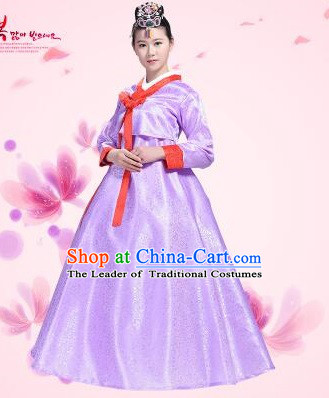
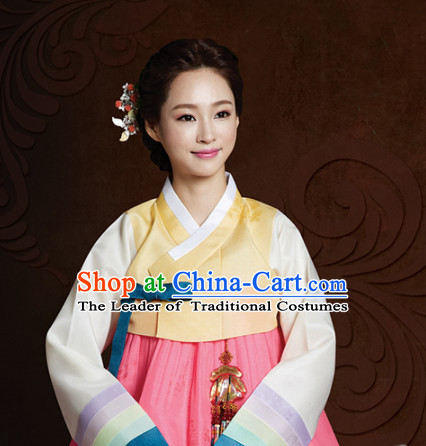
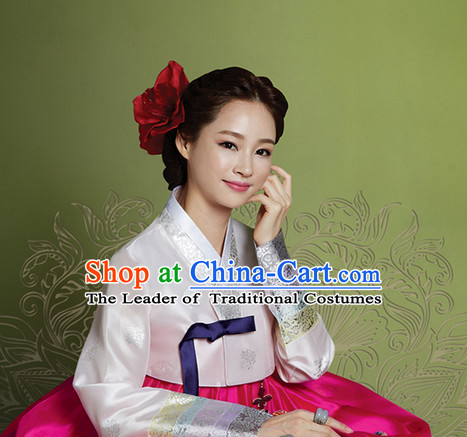
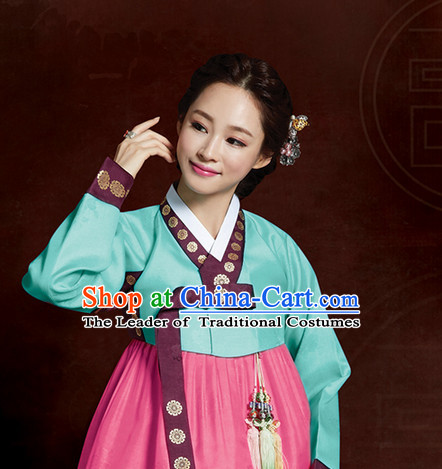
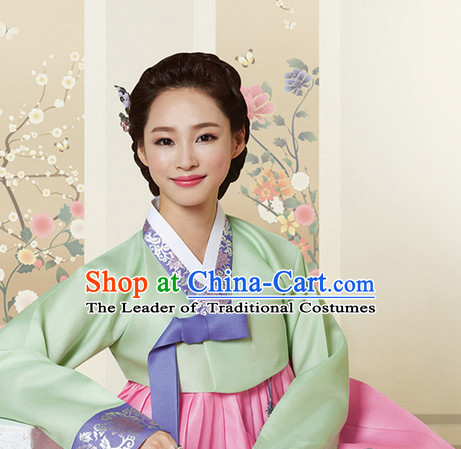
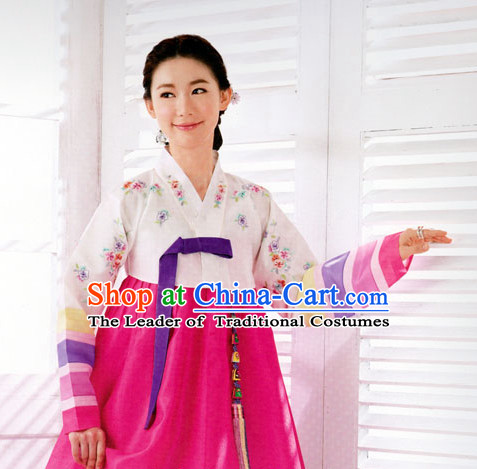
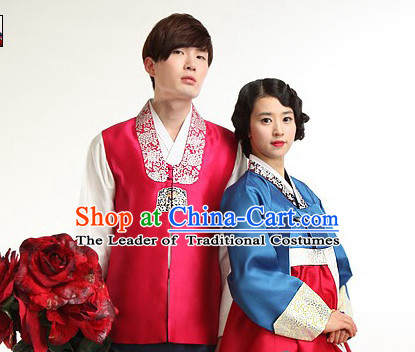
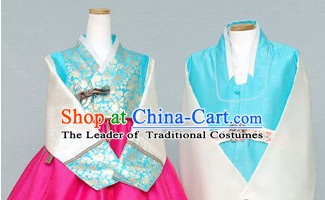
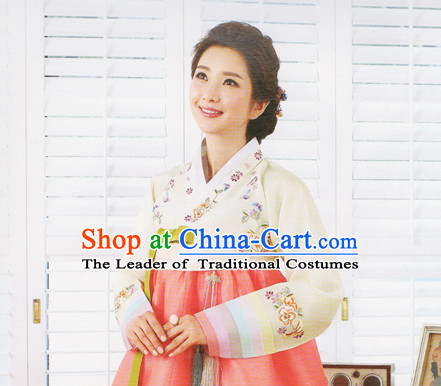
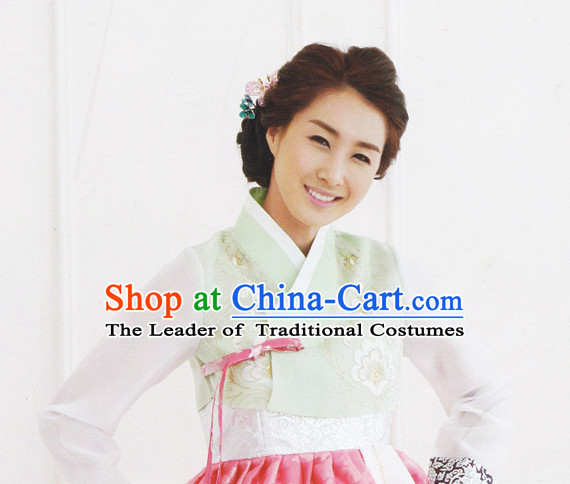
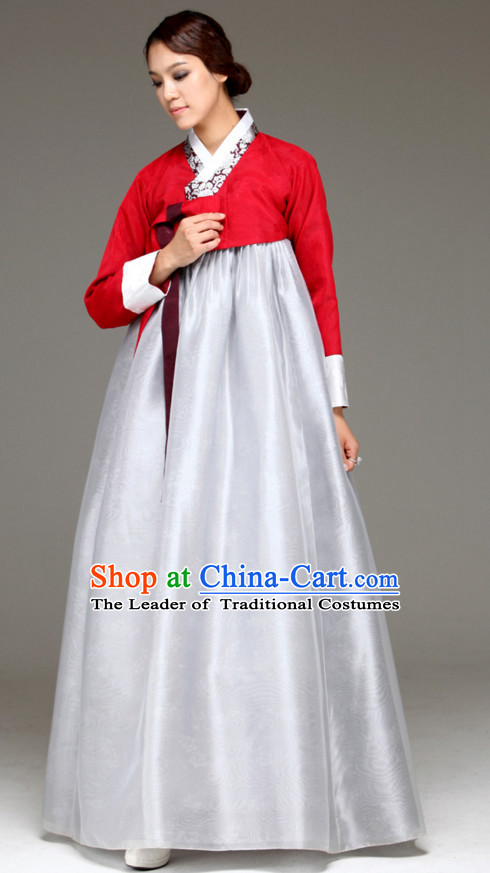
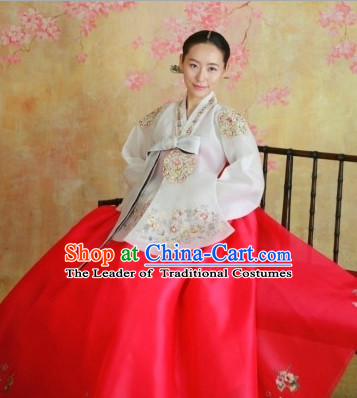
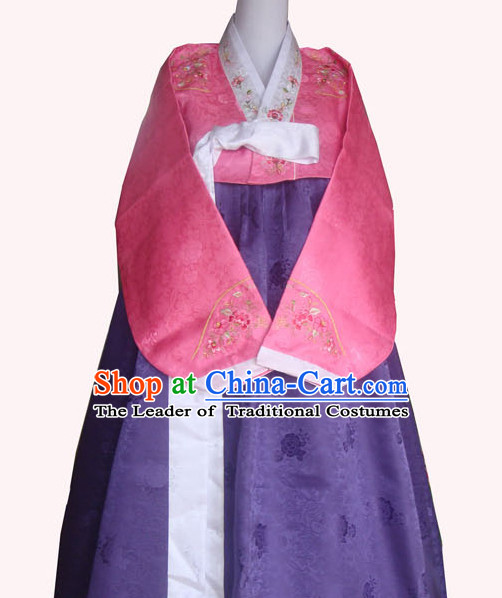
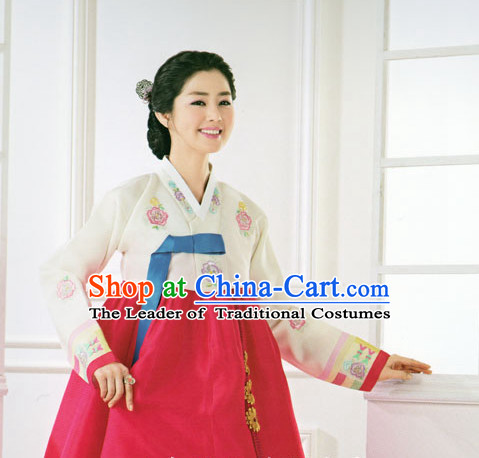
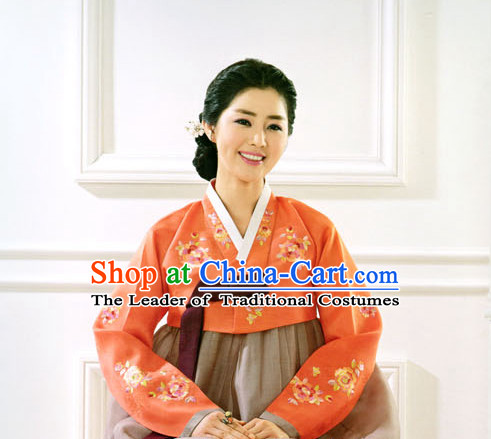
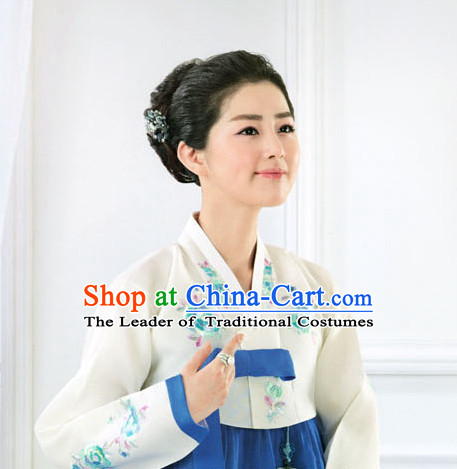
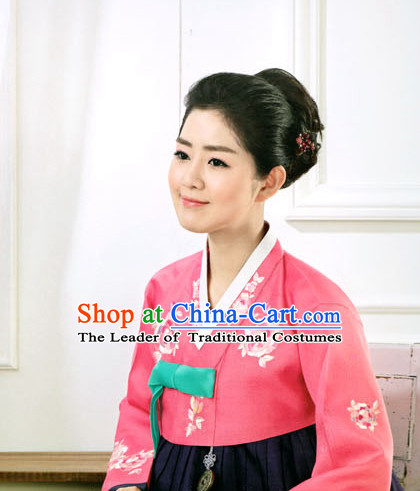
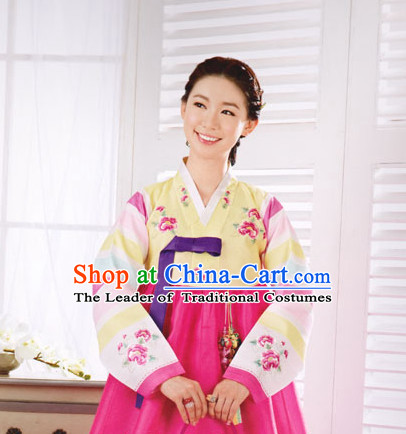
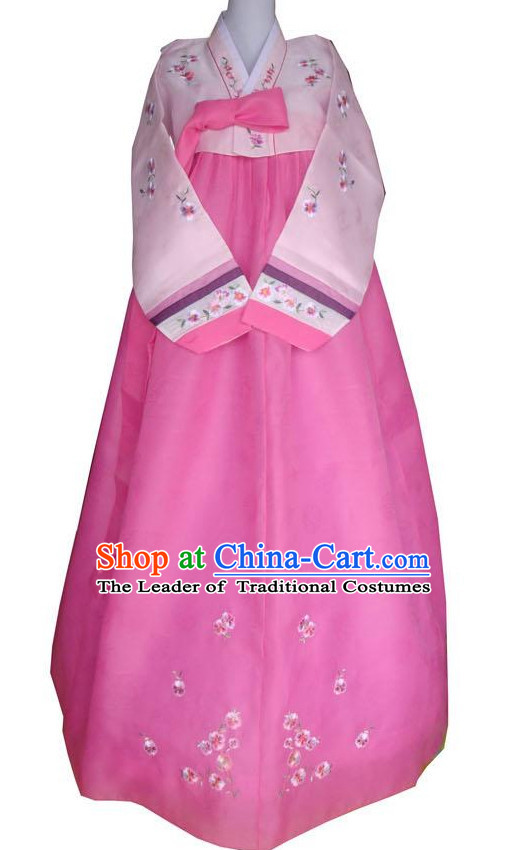
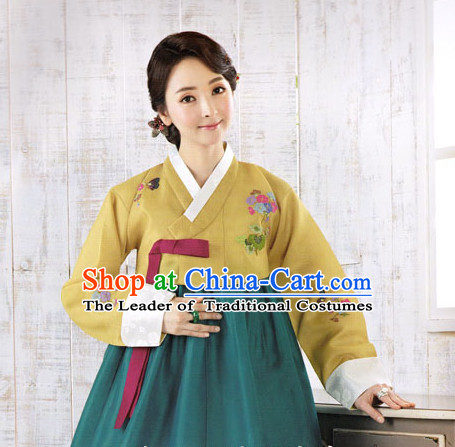
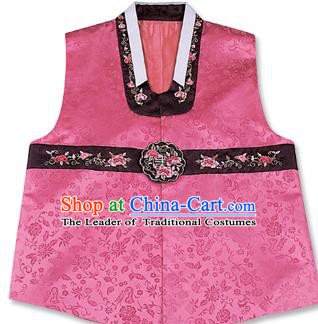
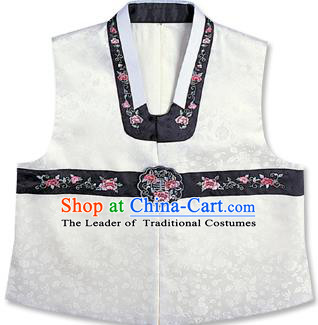
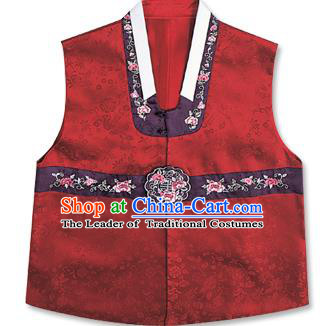
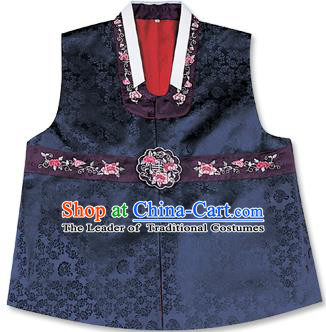
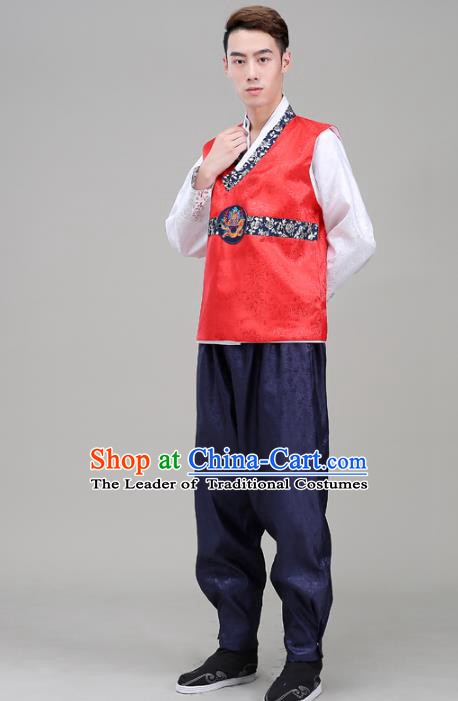
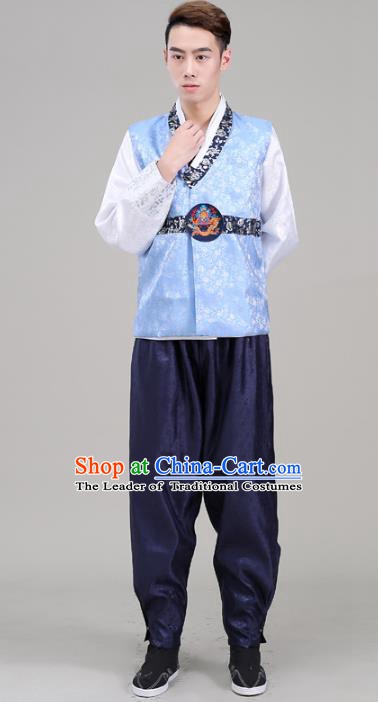
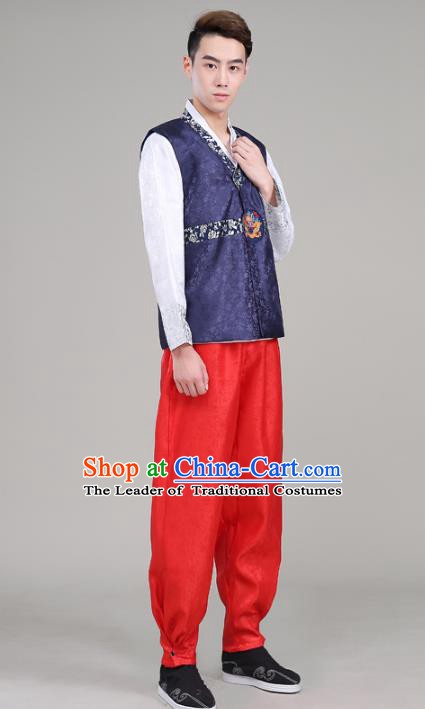
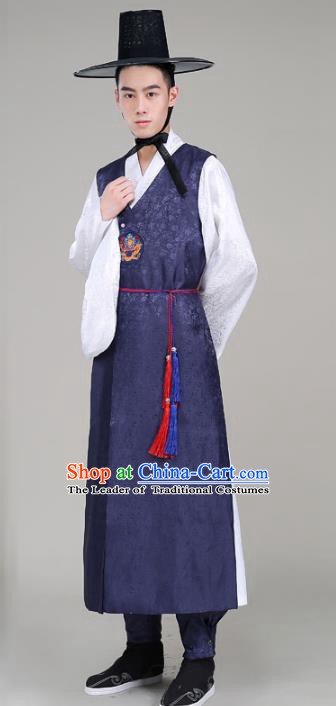
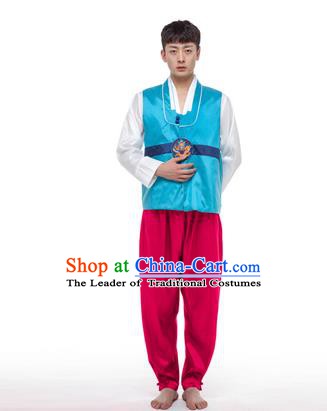
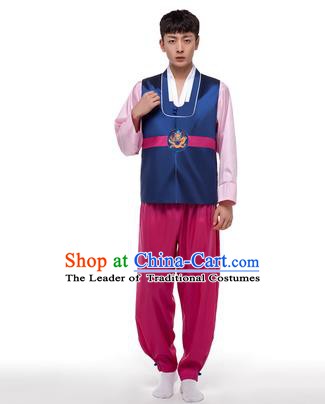
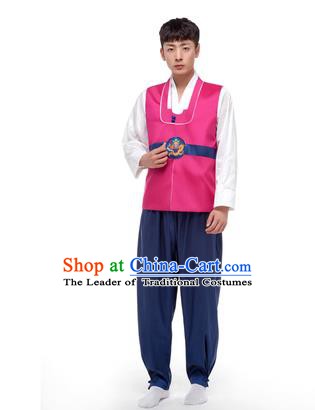
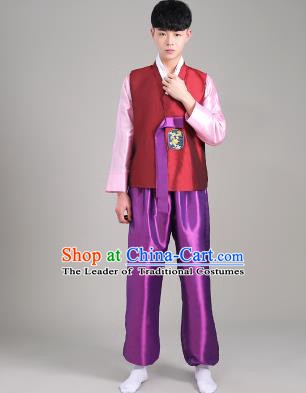
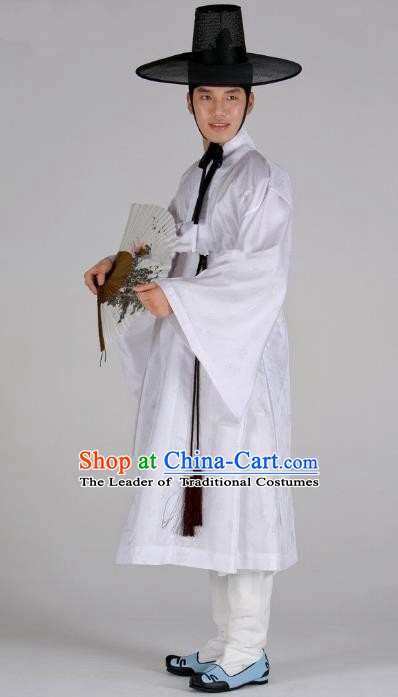
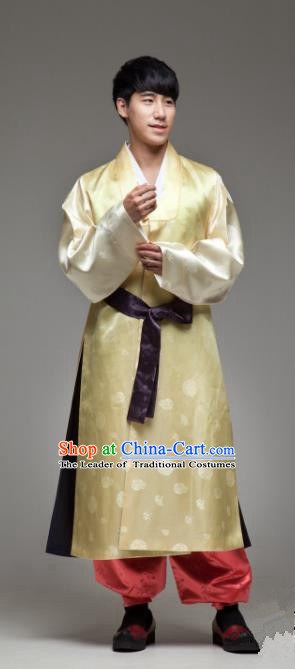
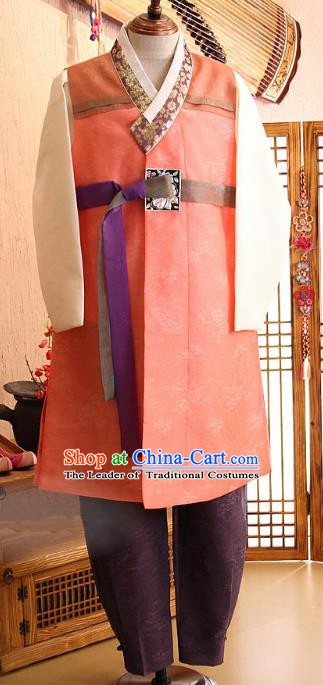
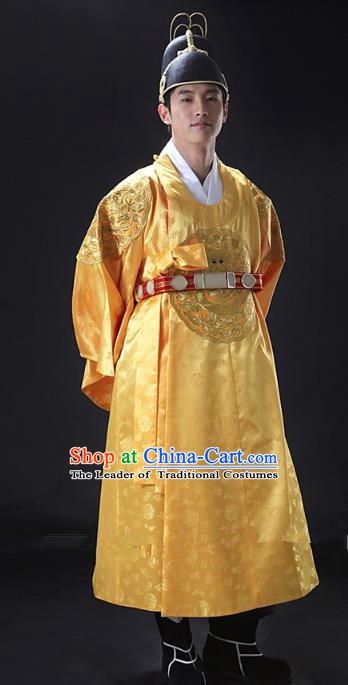
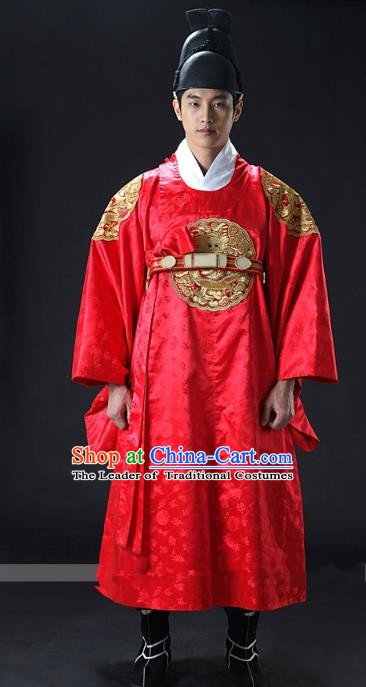
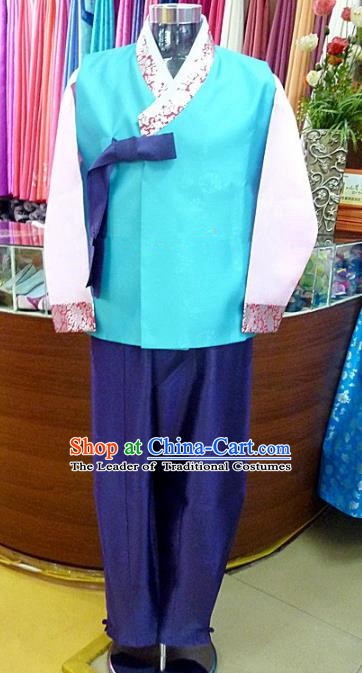
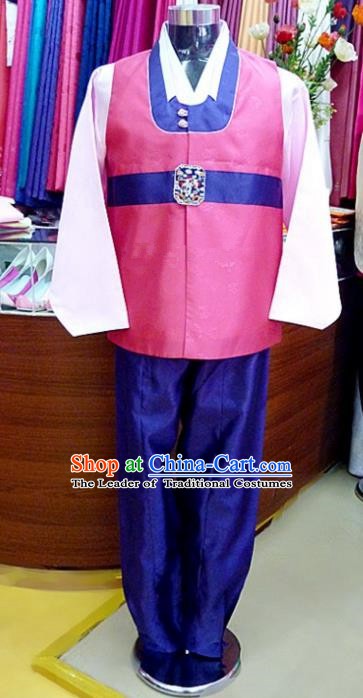
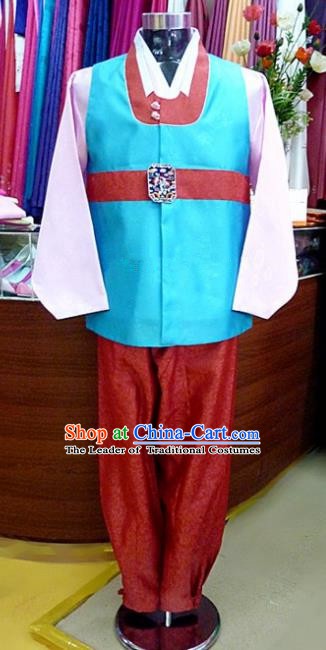
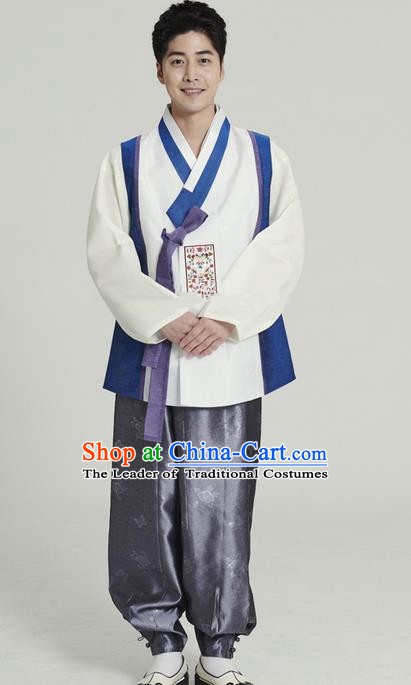
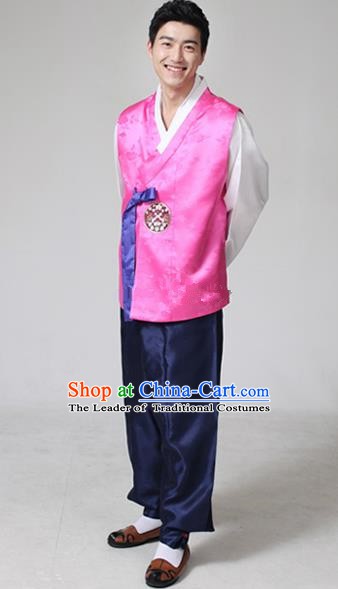
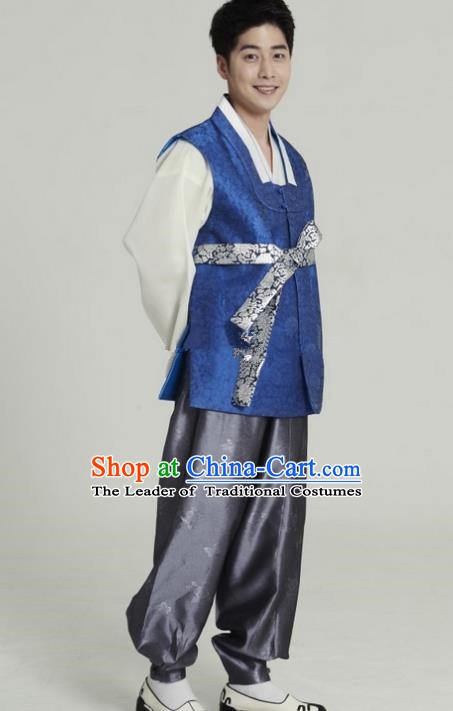
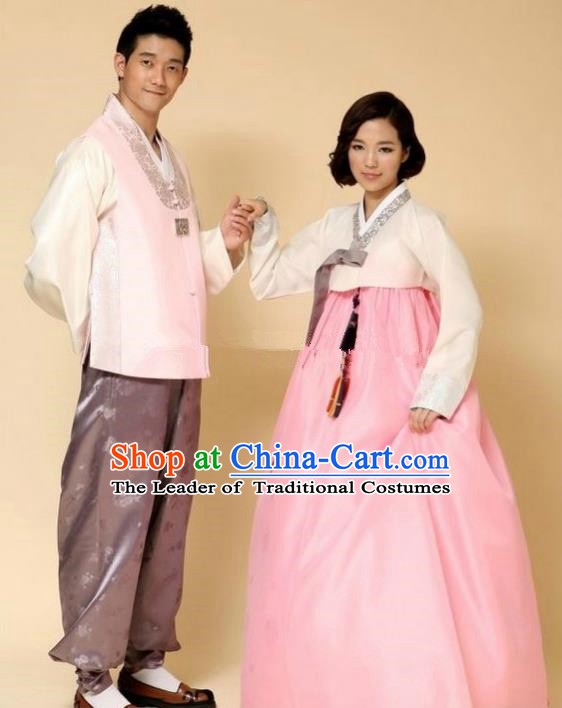
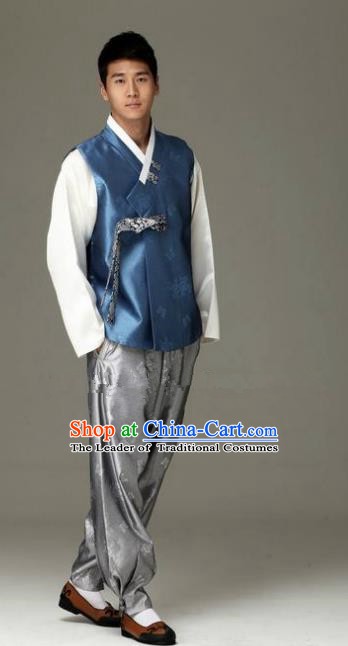
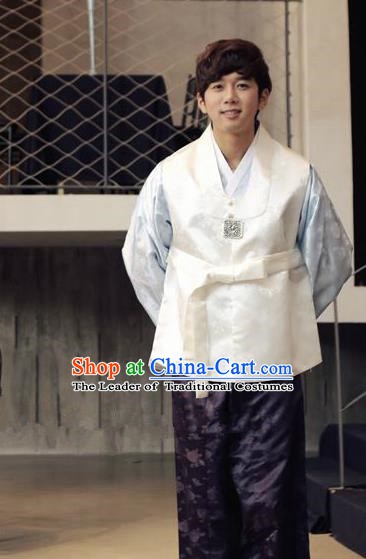
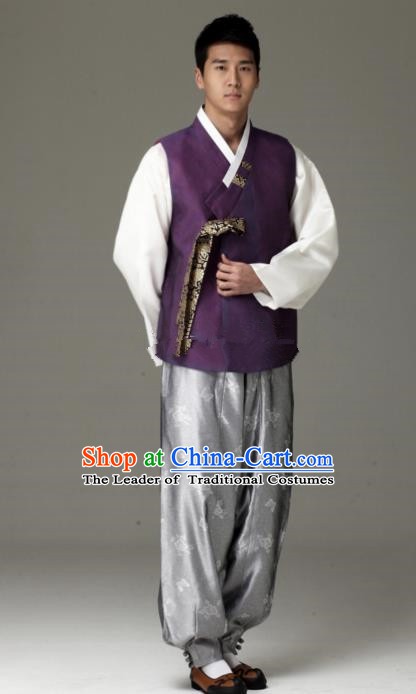
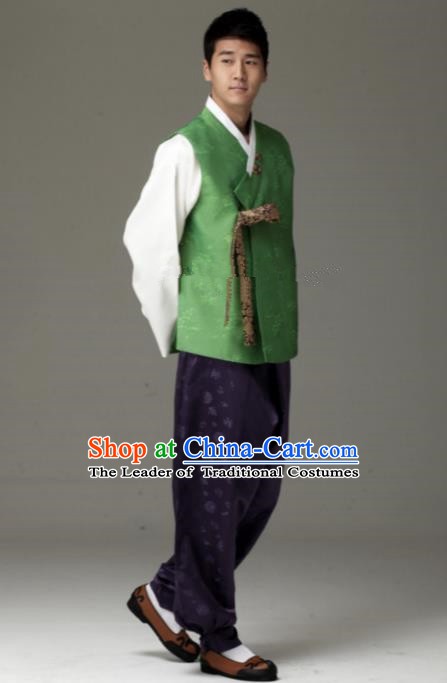
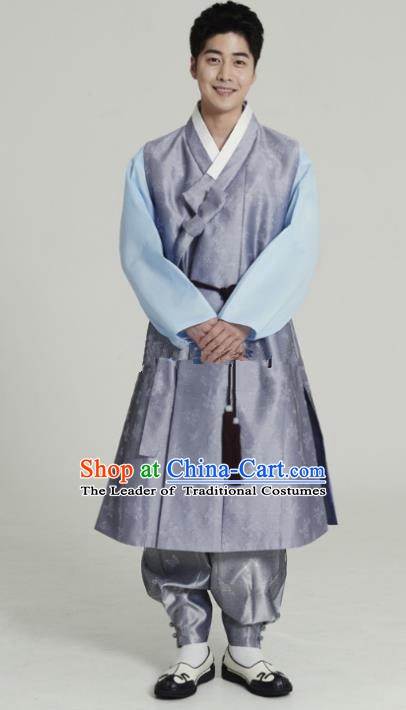
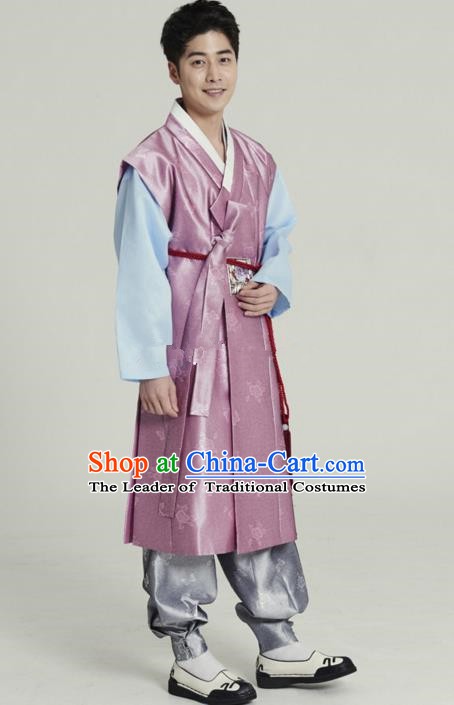
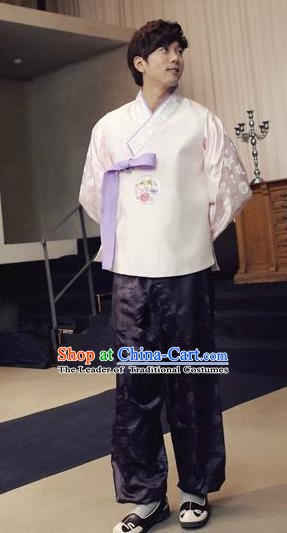
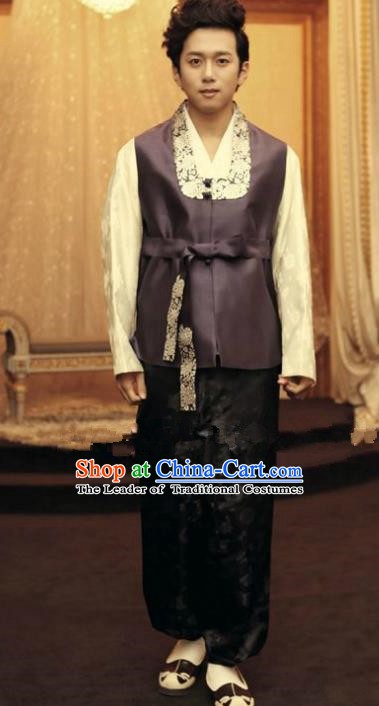
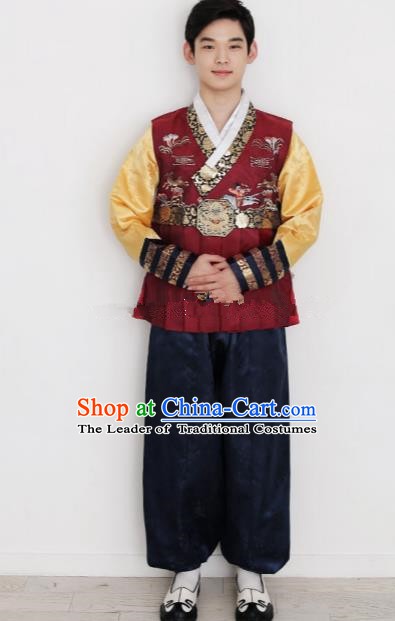
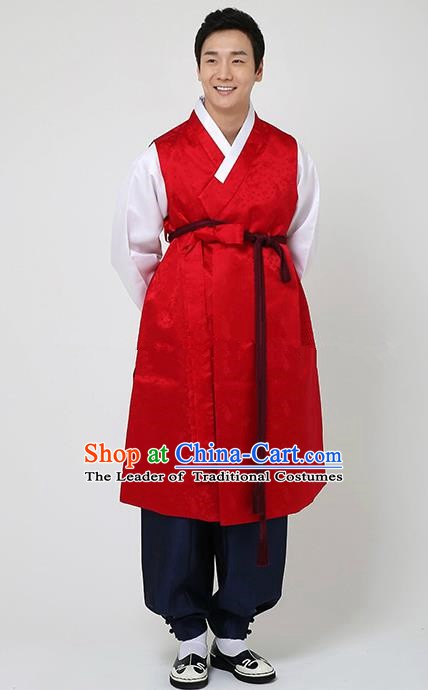
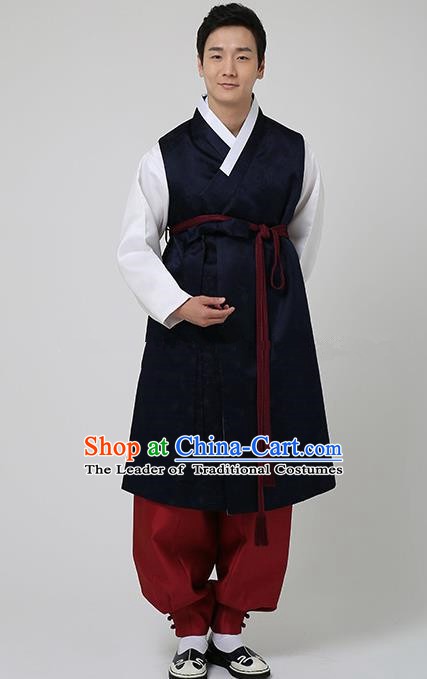
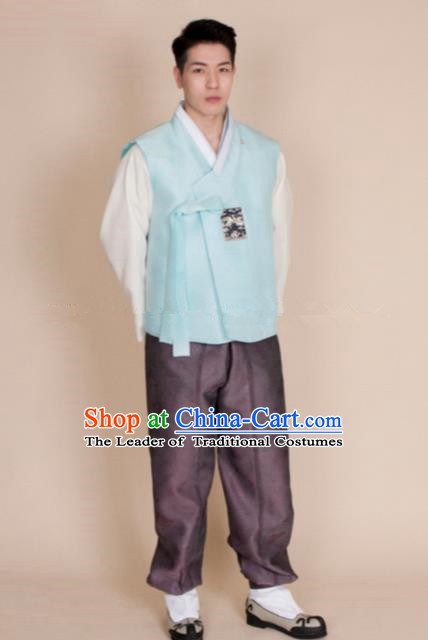
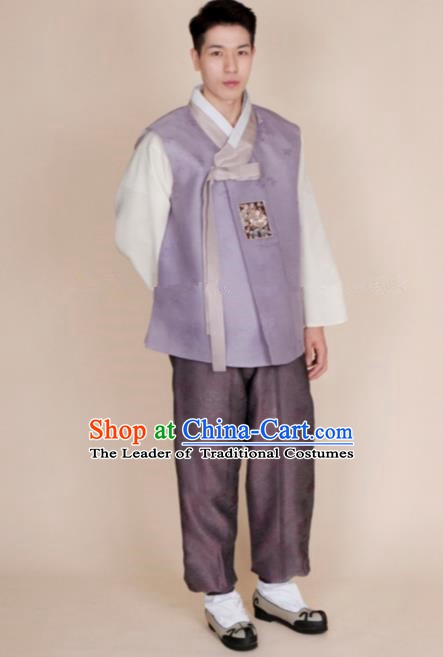
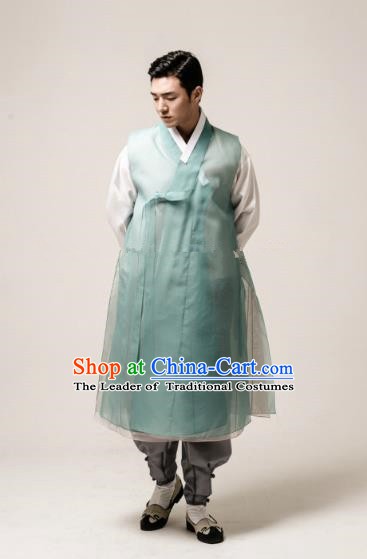
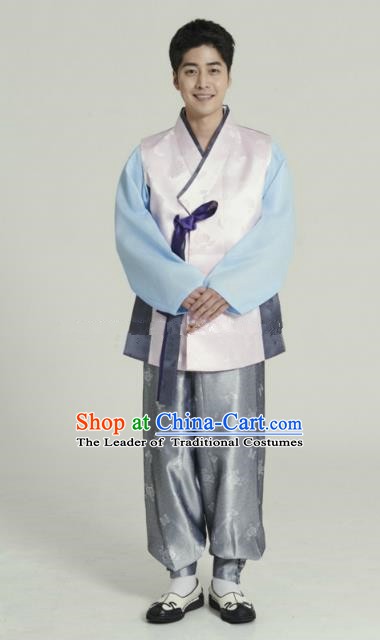
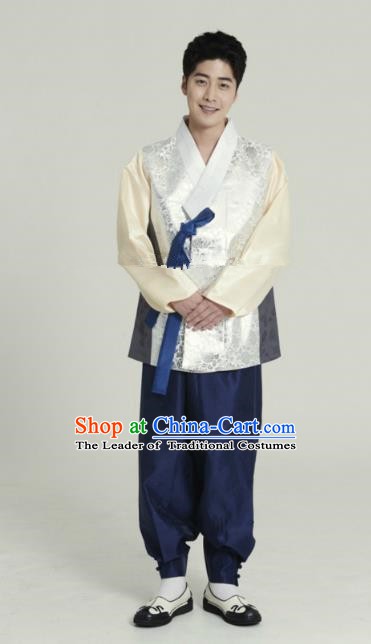
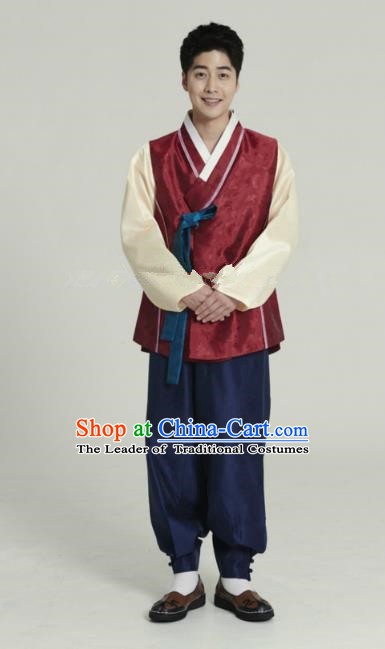
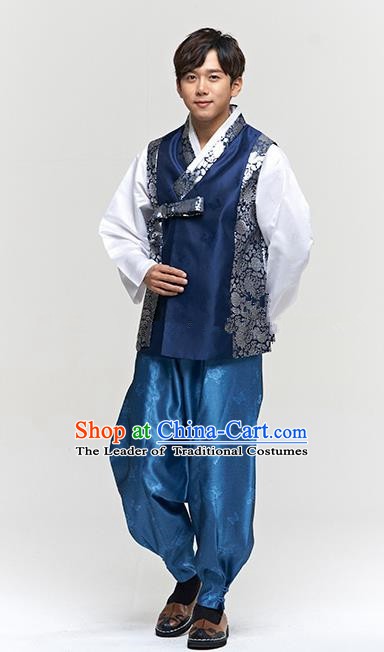
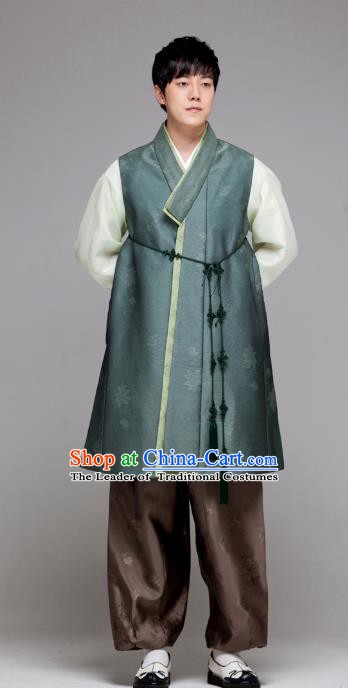
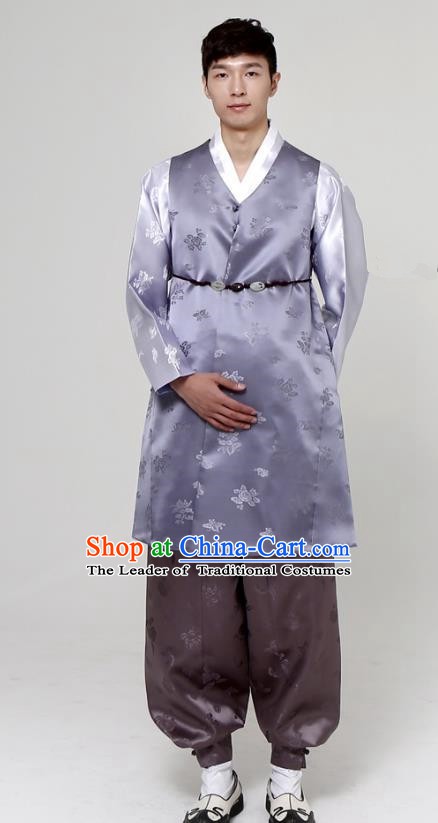
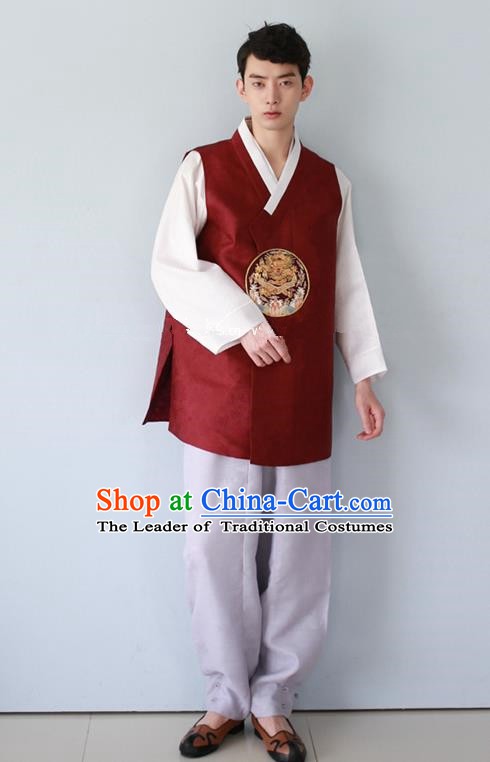
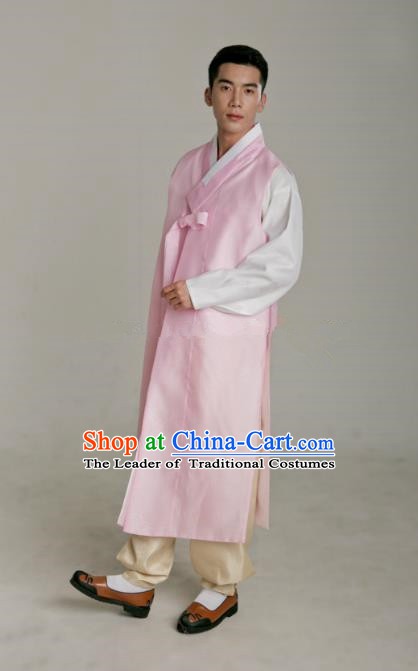
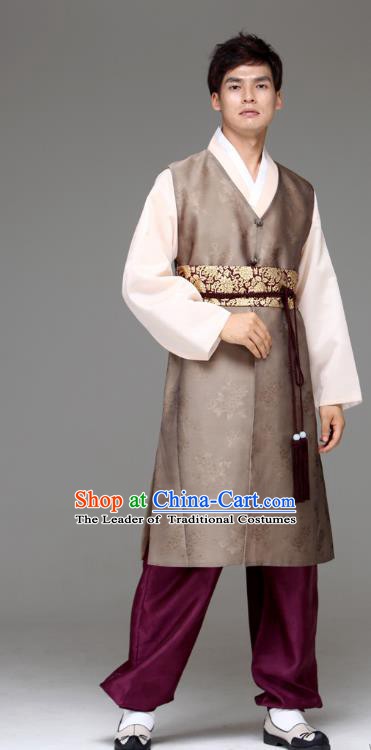
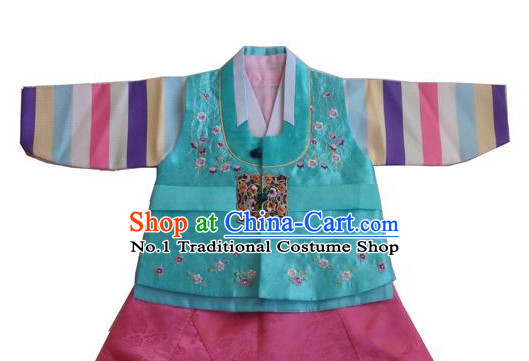
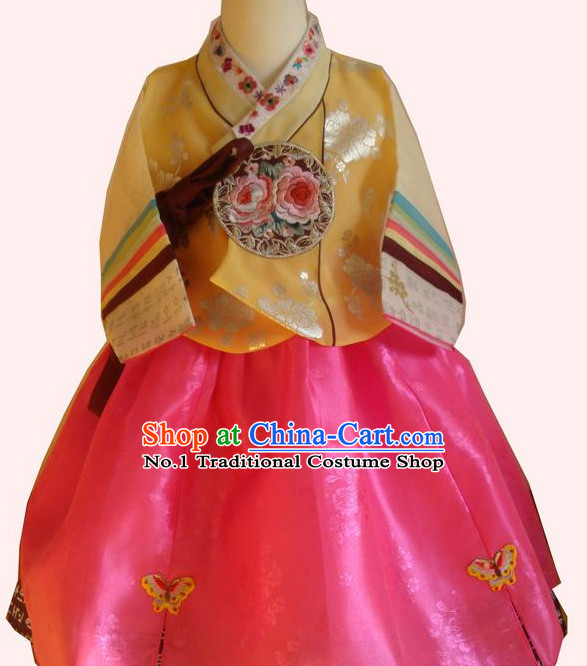
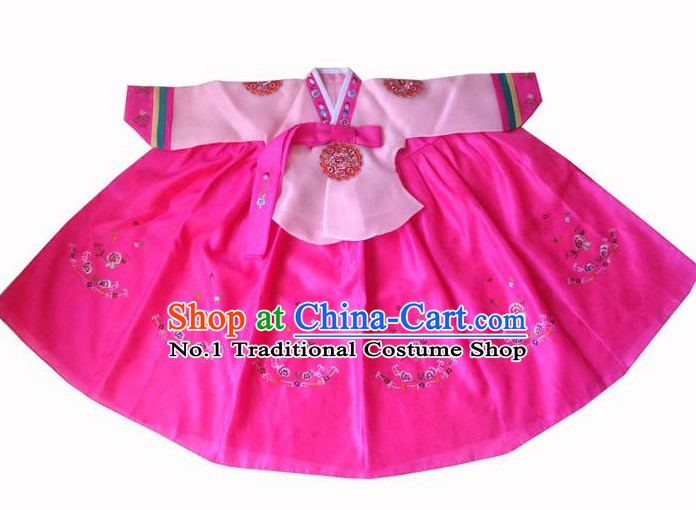
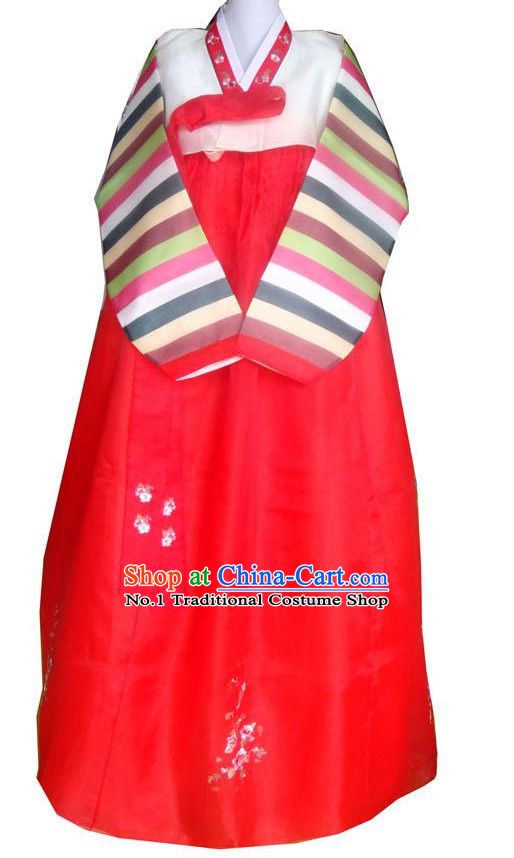
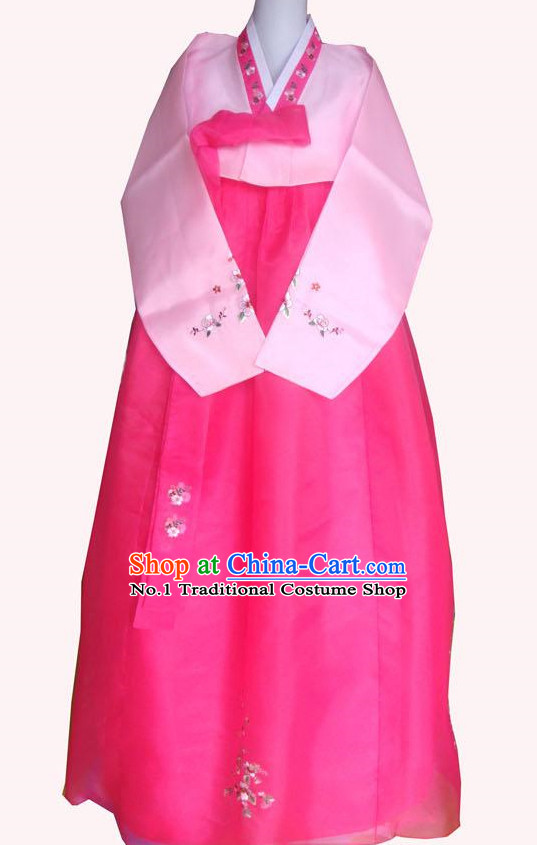
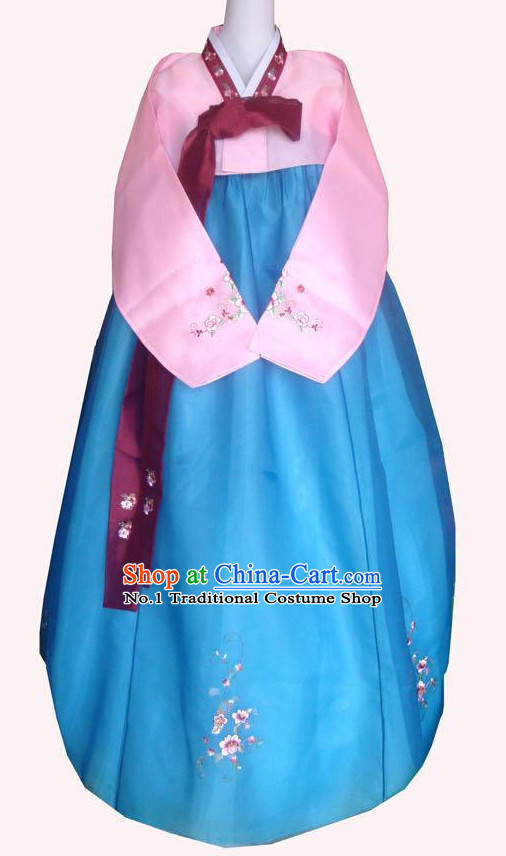
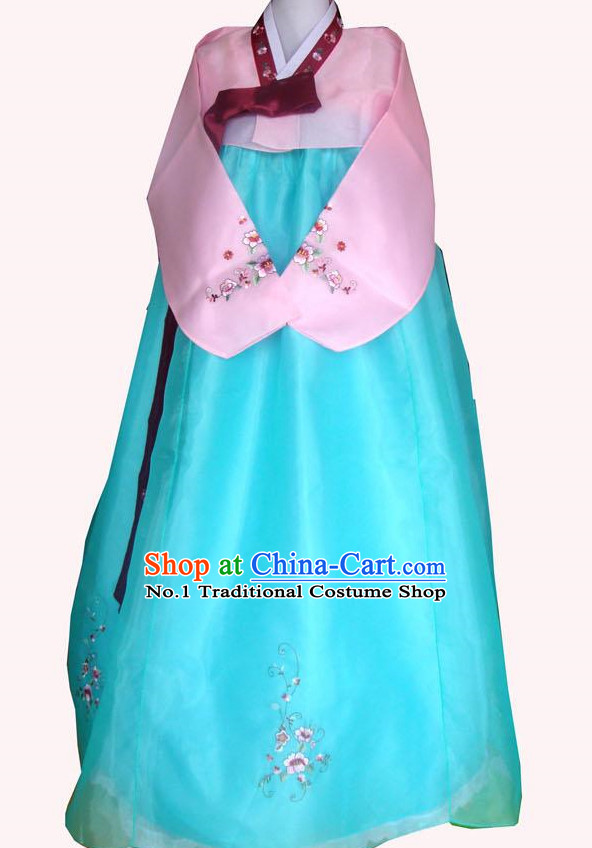
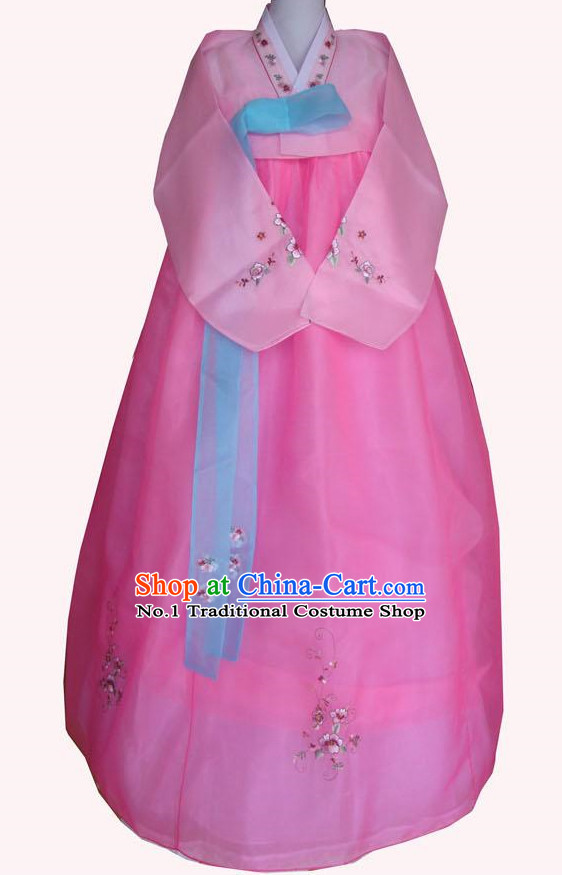
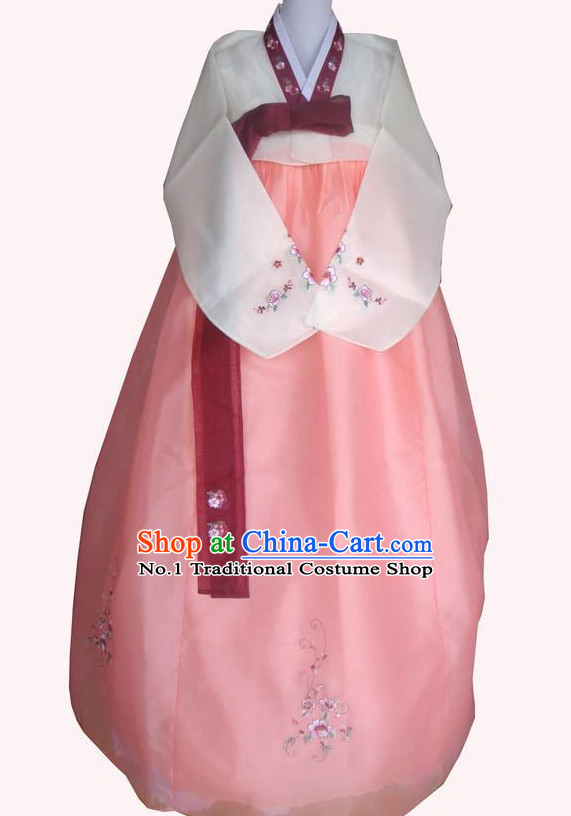
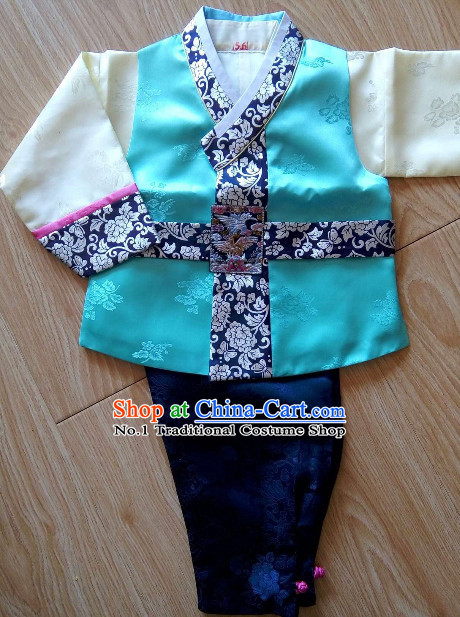
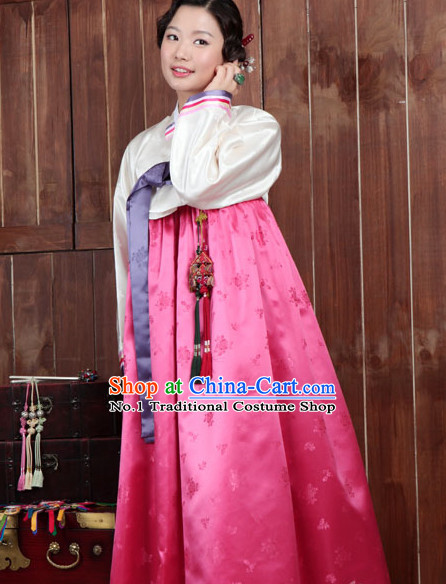
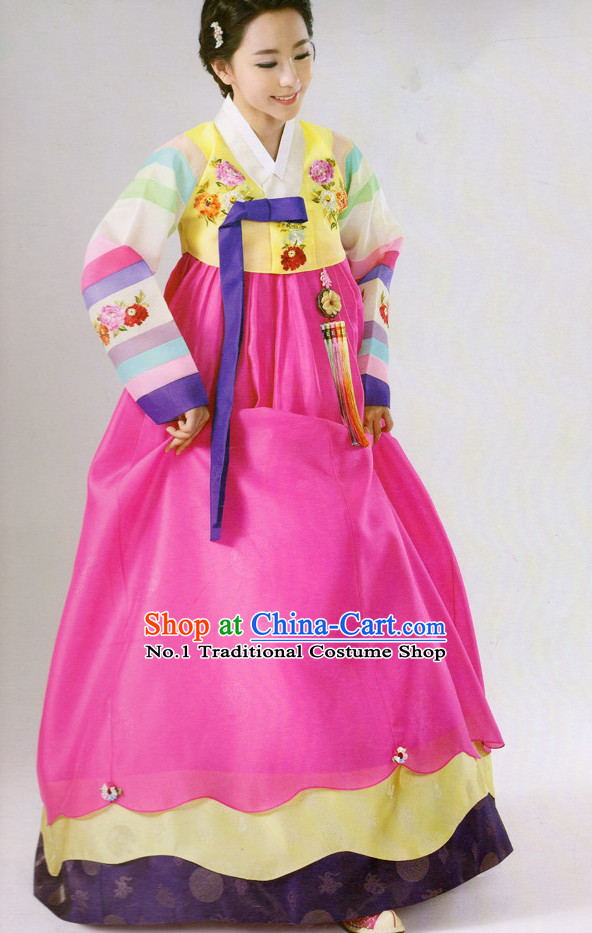
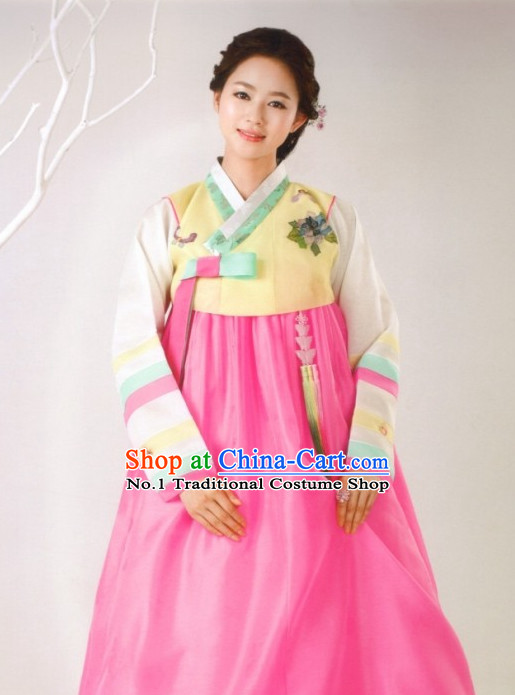
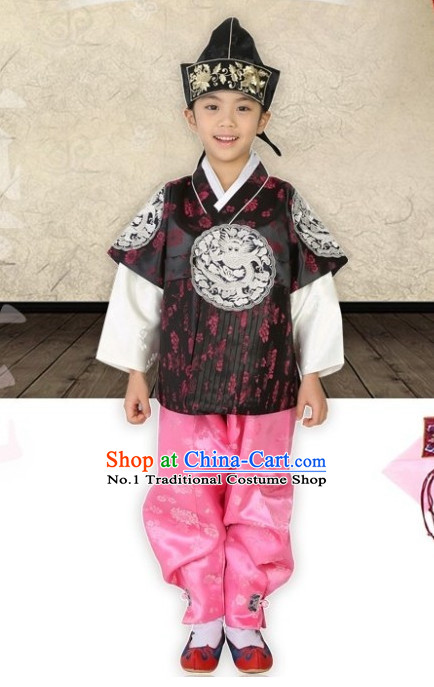
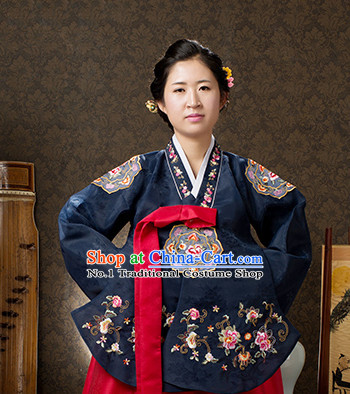
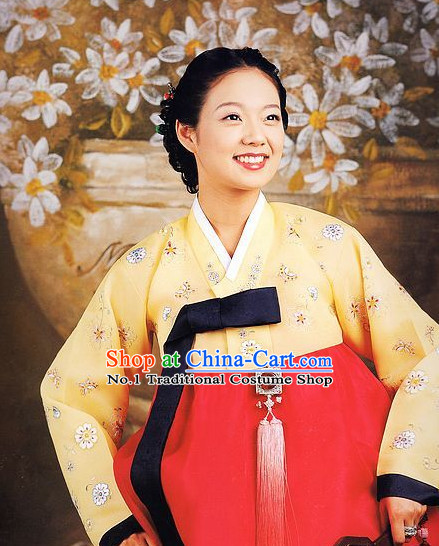
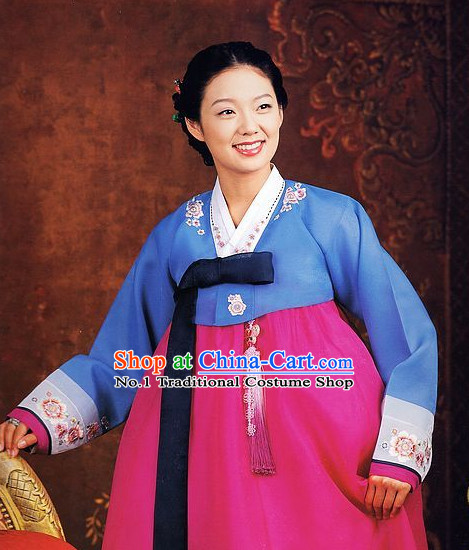
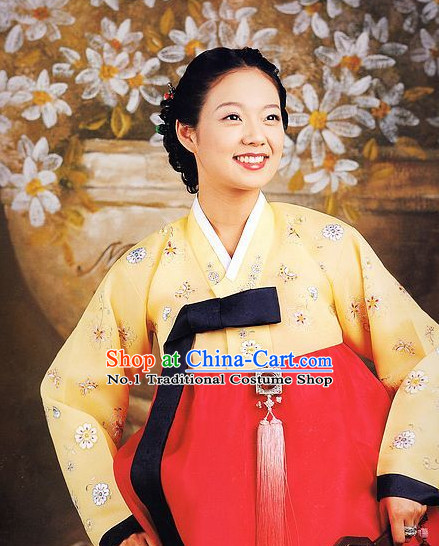
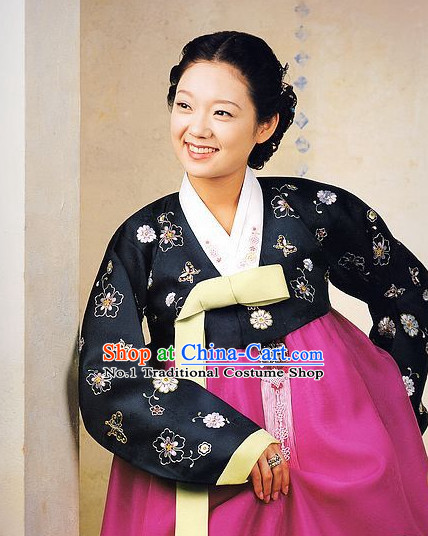
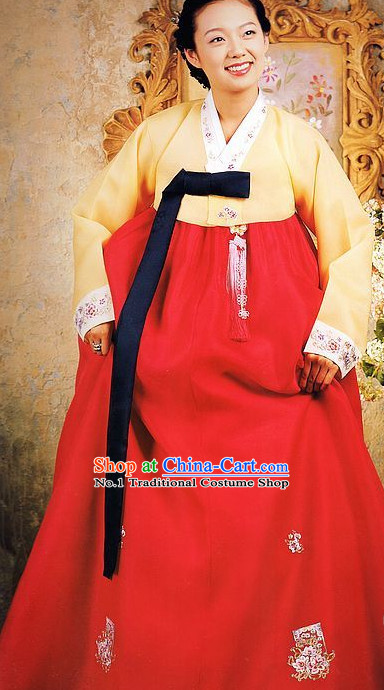
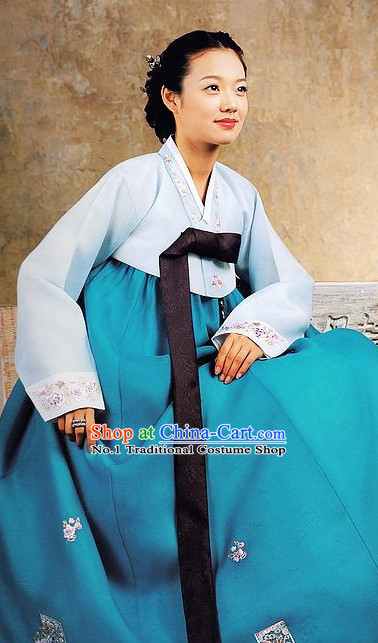
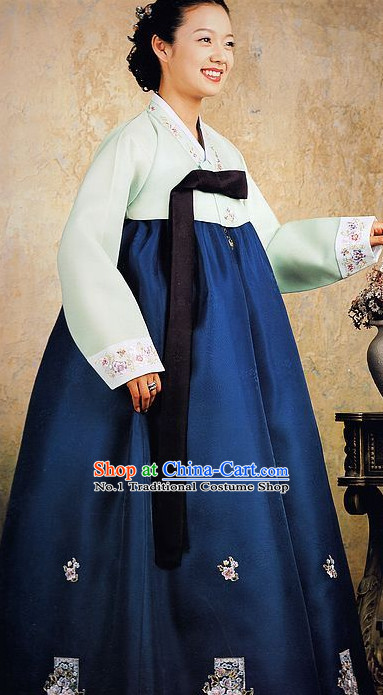
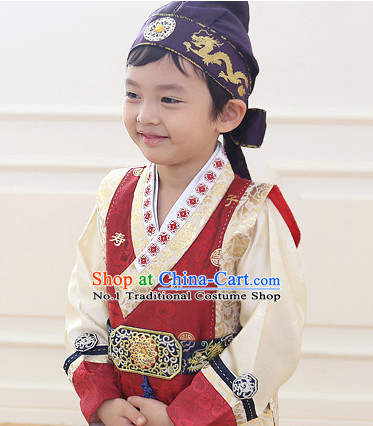
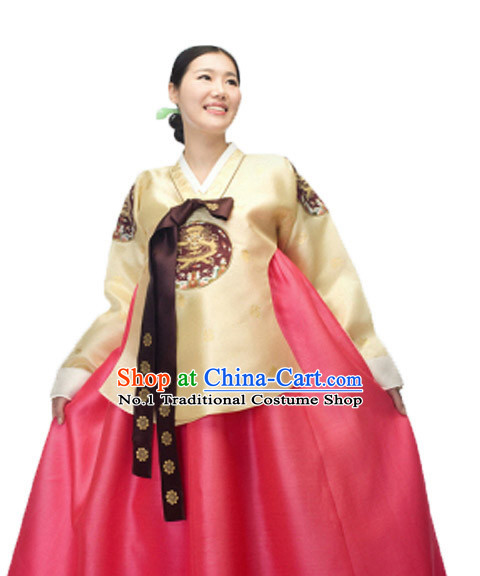
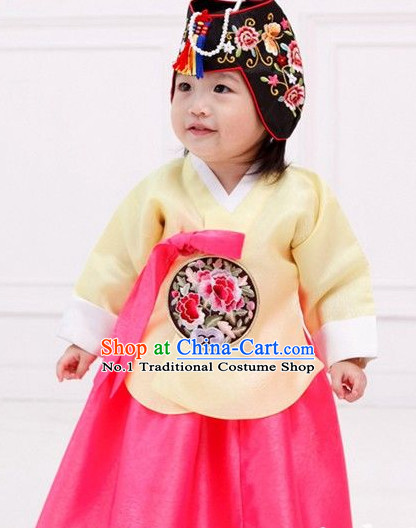
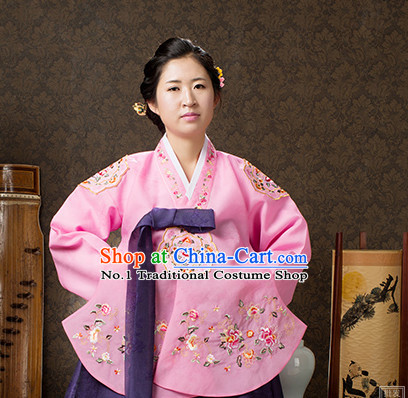
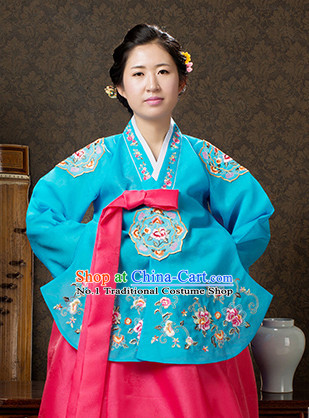
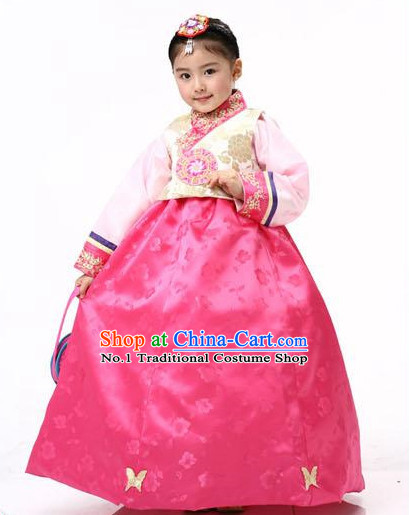
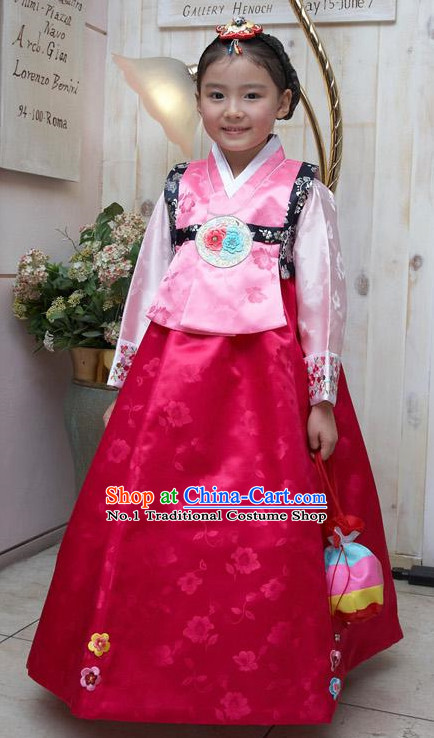
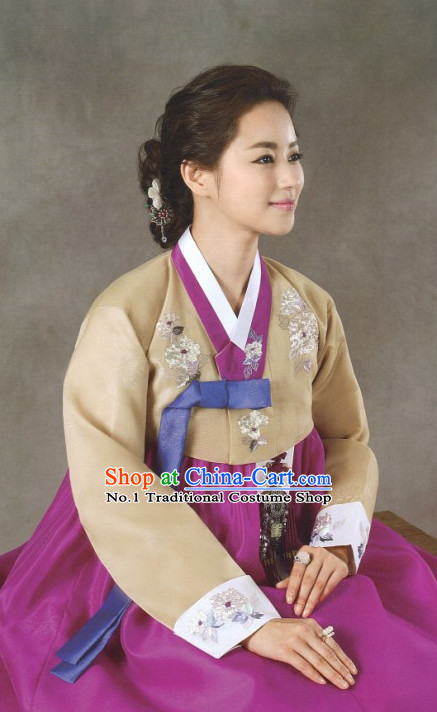
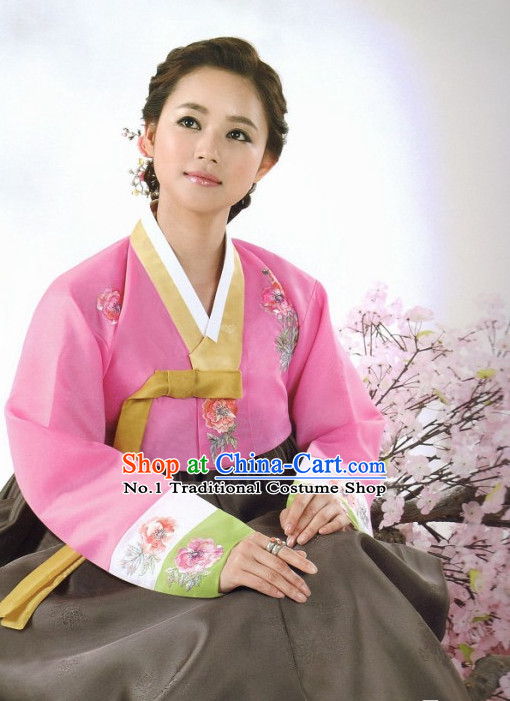
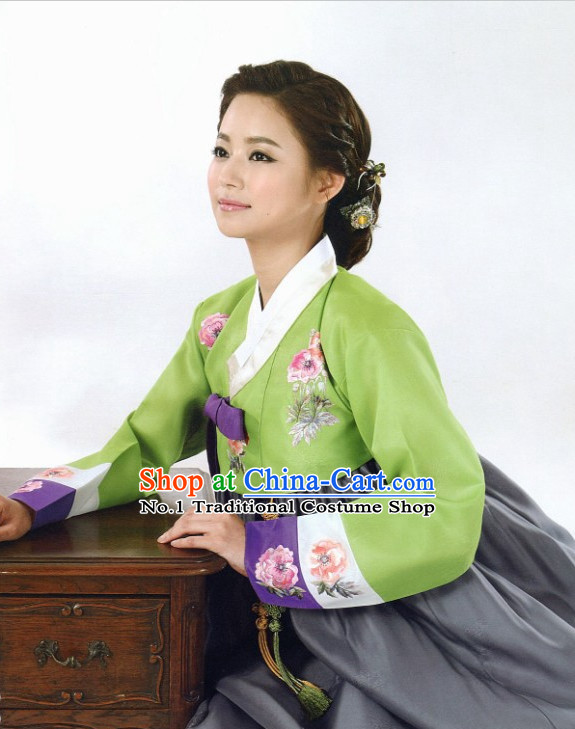
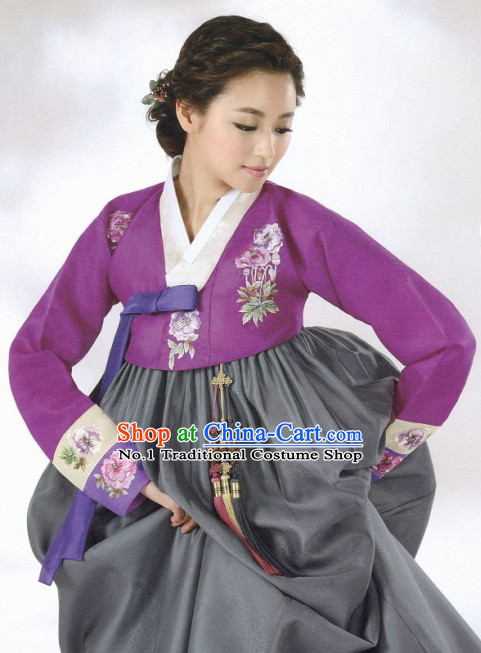
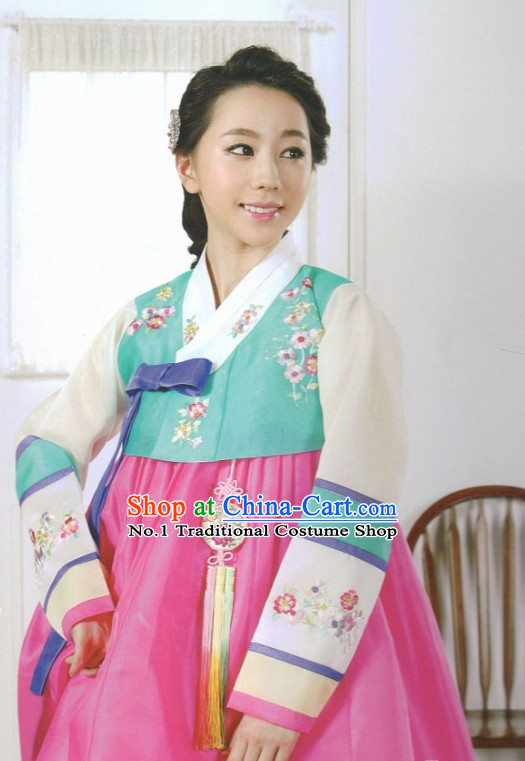
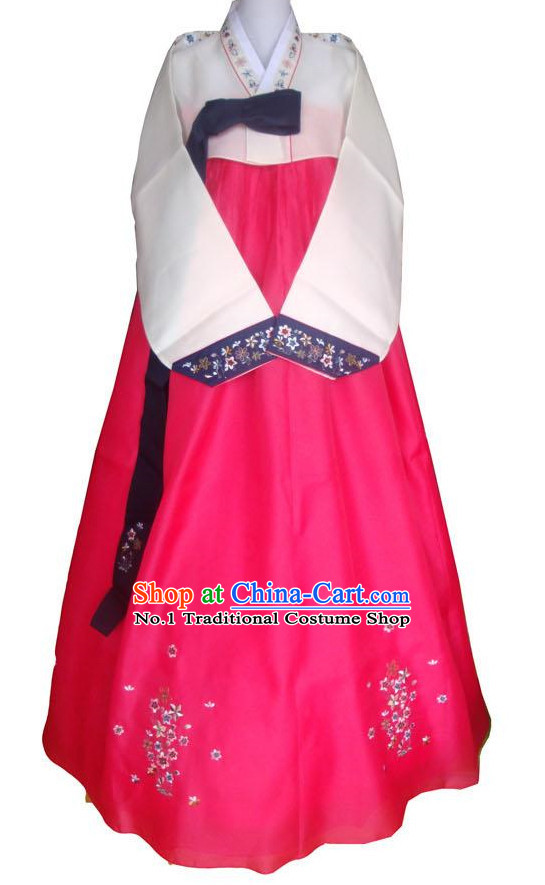
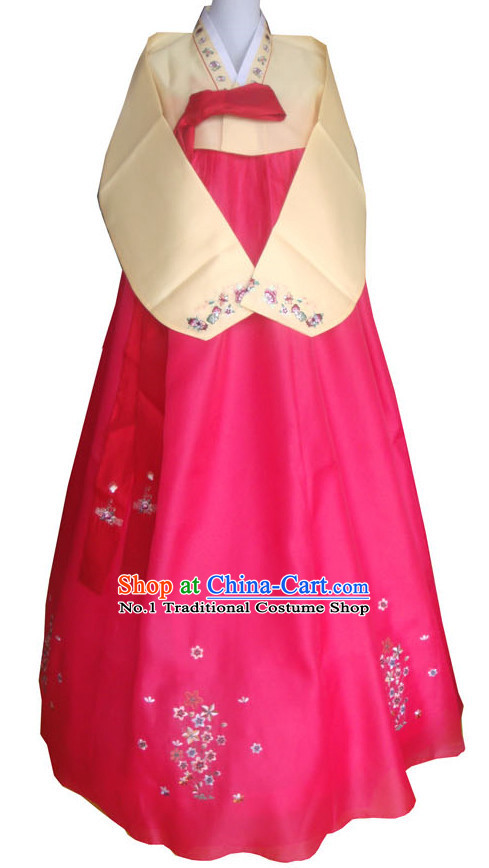
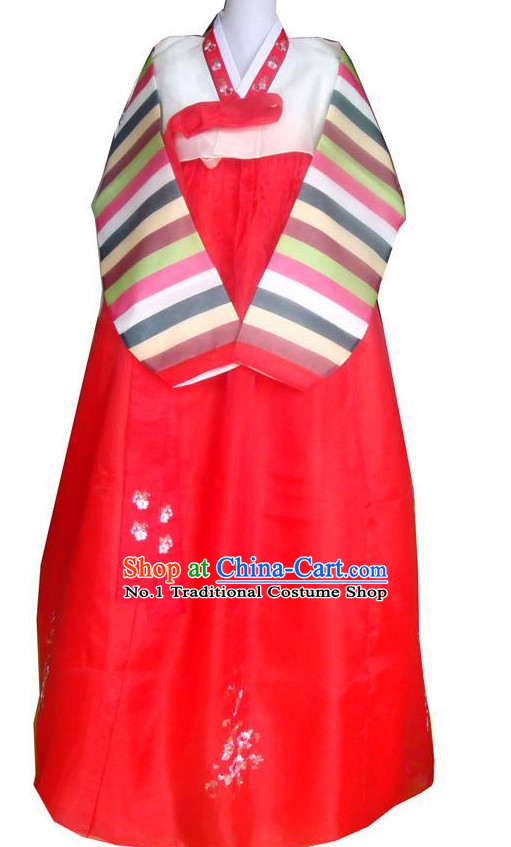
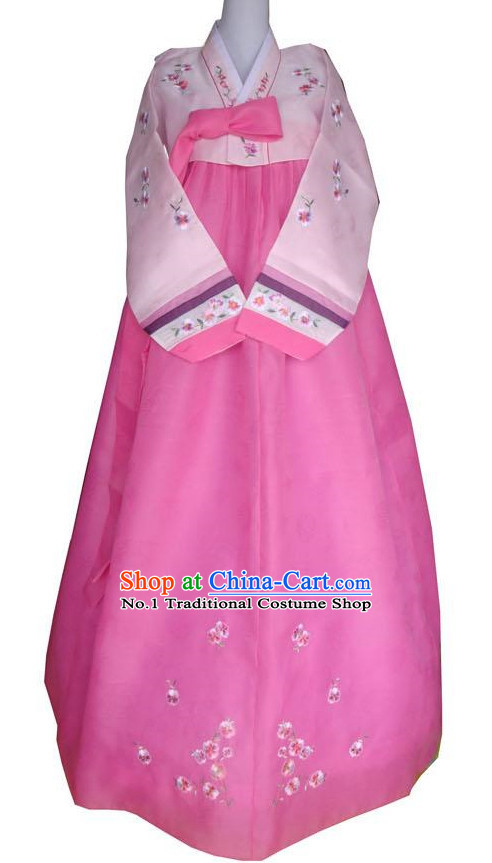
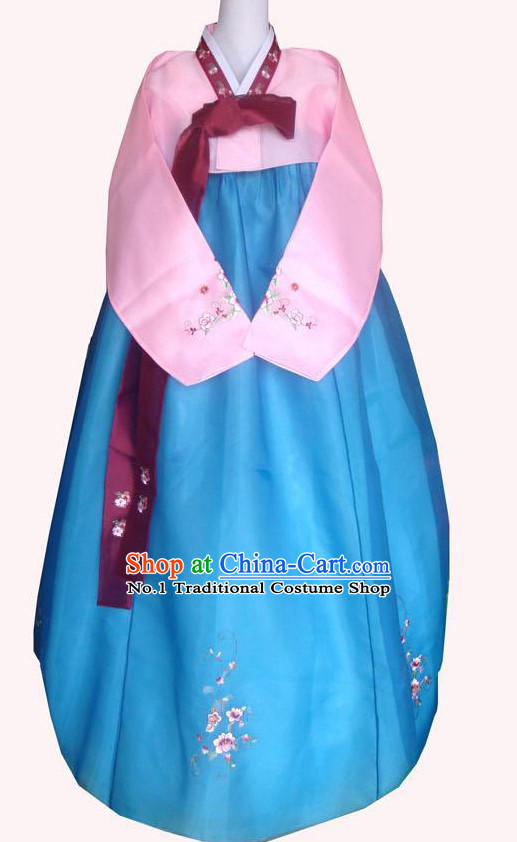
Korean traditional clothing is renowned for its unique design, exquisite craftsmanship, and rich cultural significance.
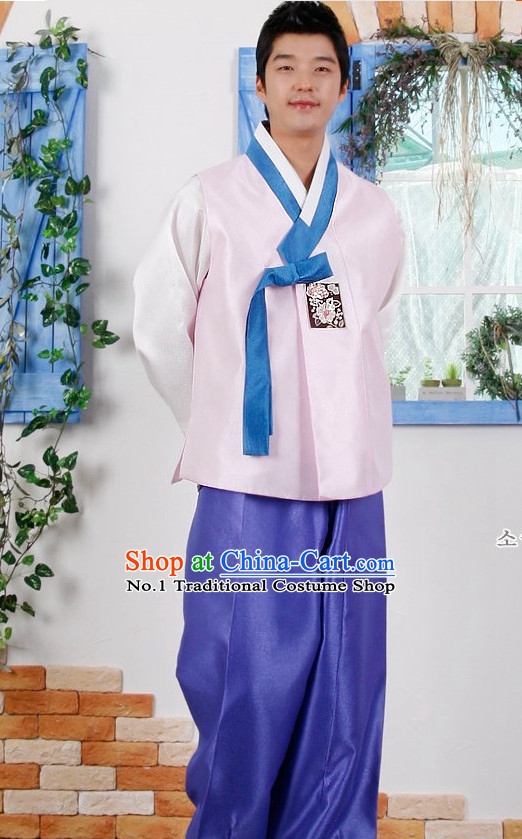
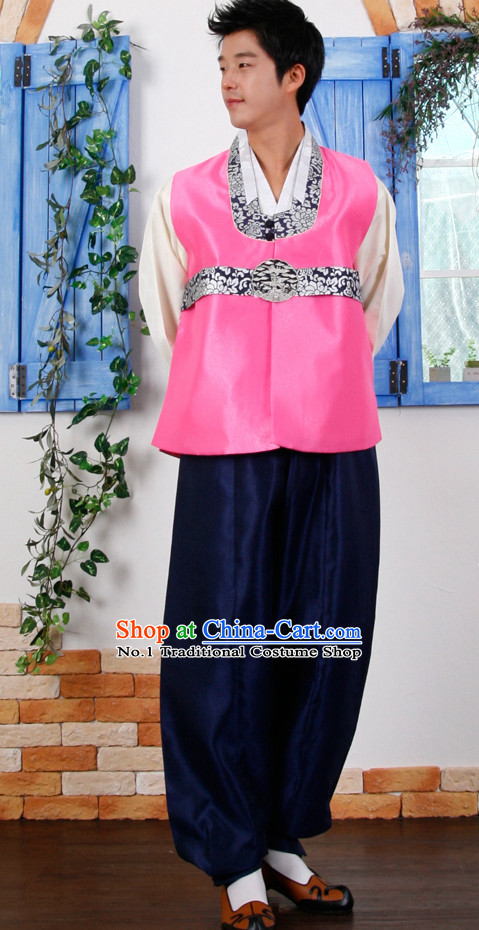
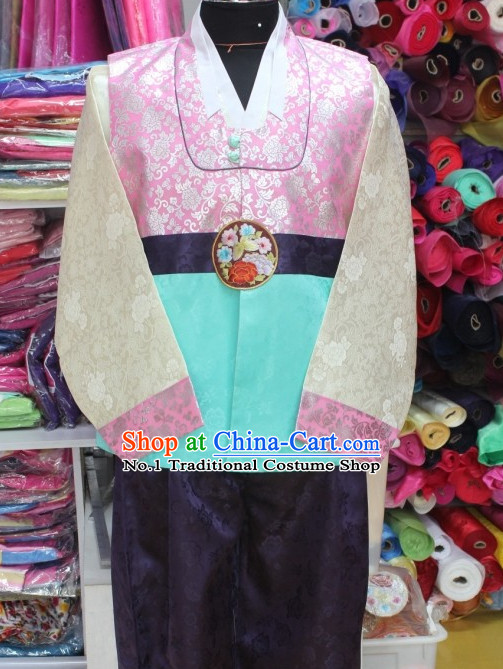
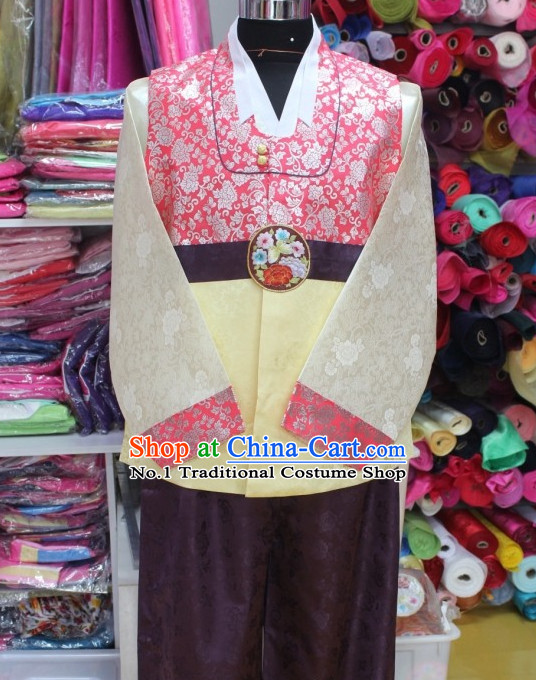
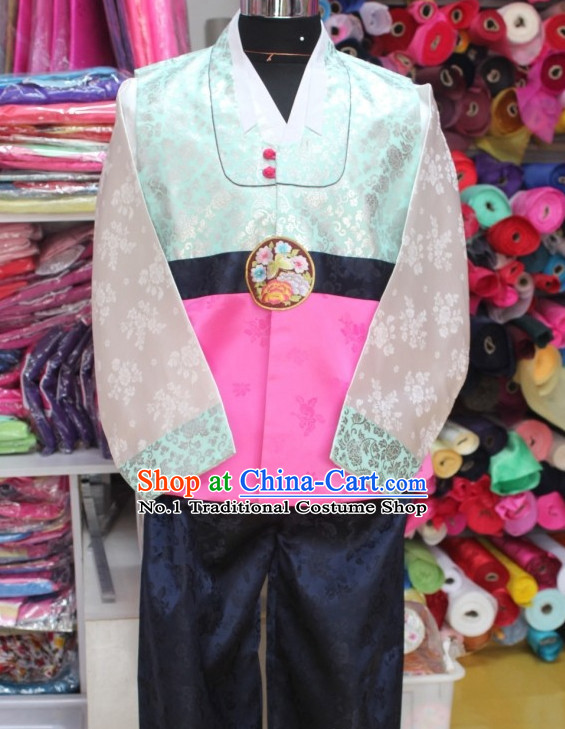
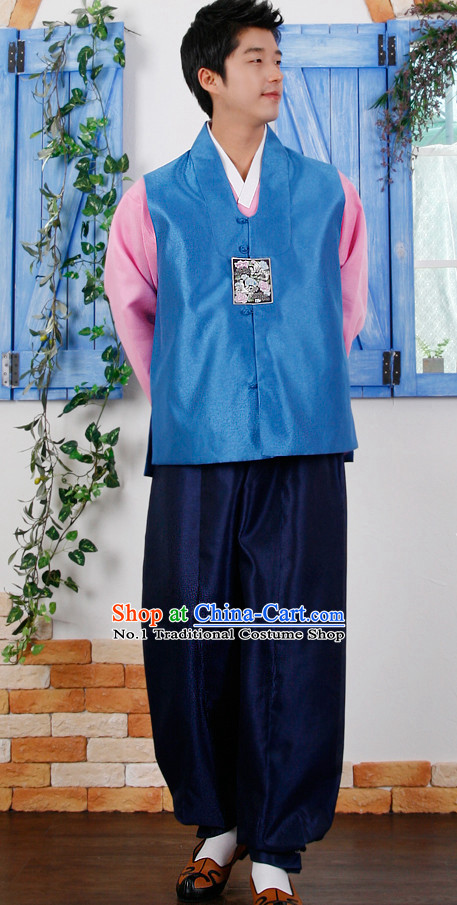
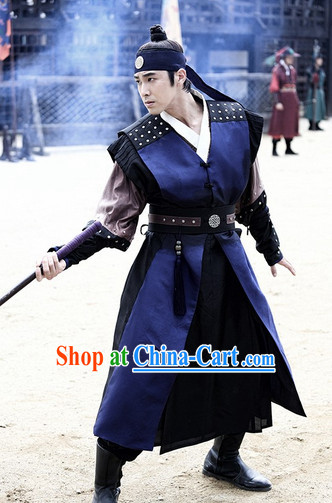
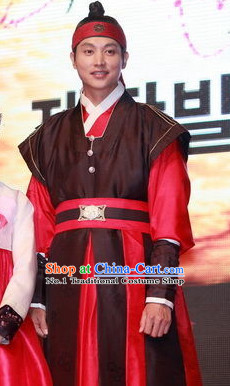
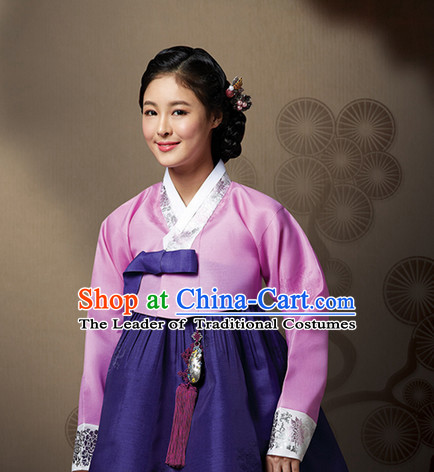
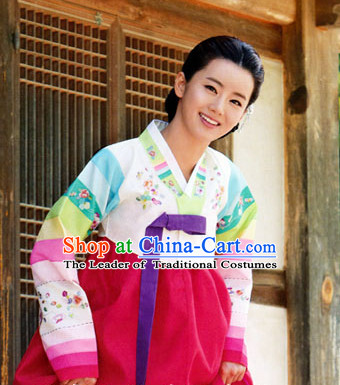
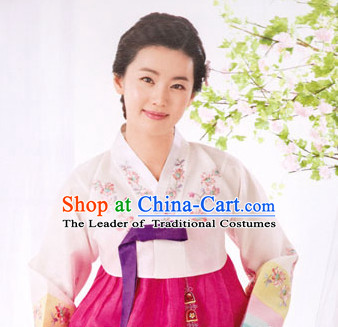
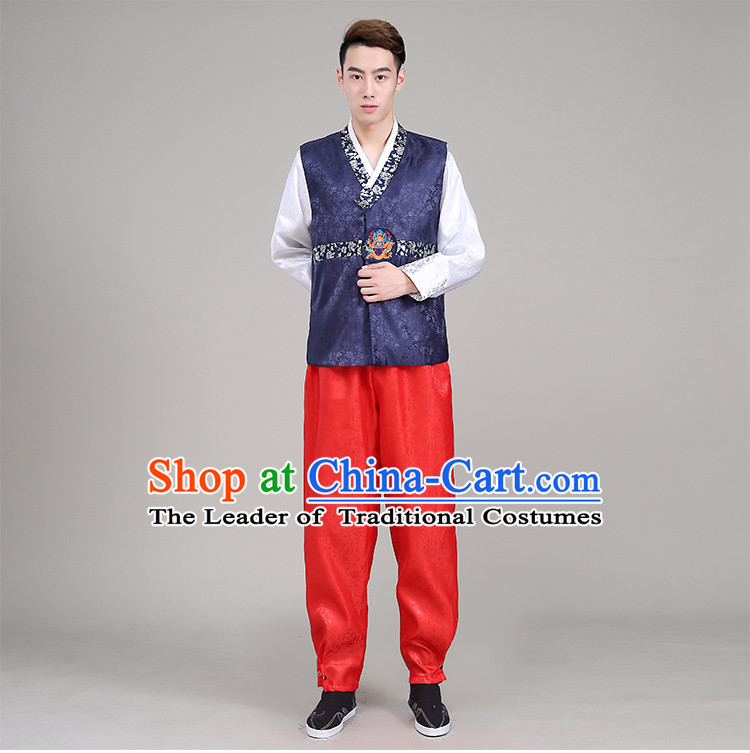
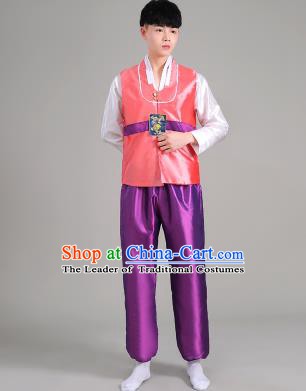
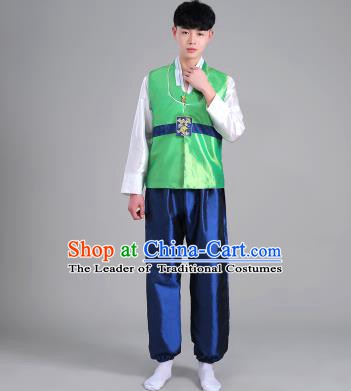
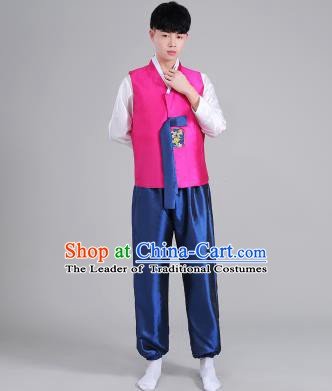
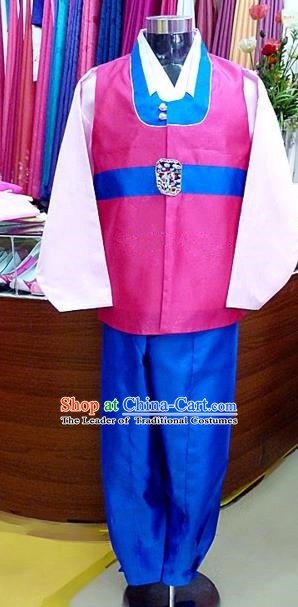
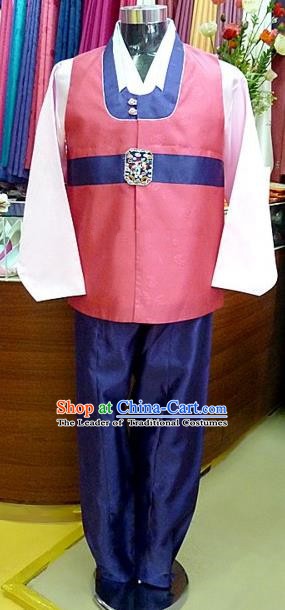
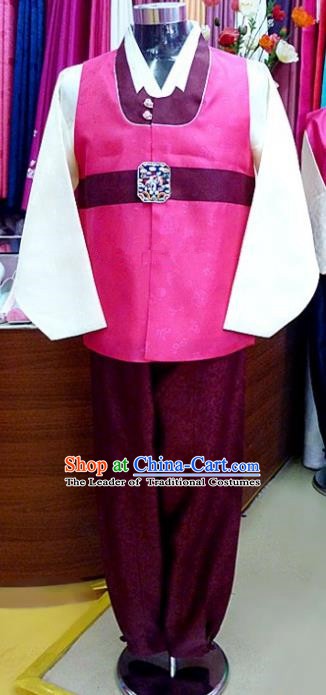
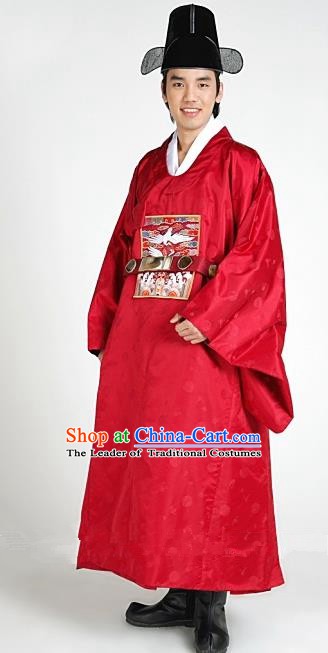
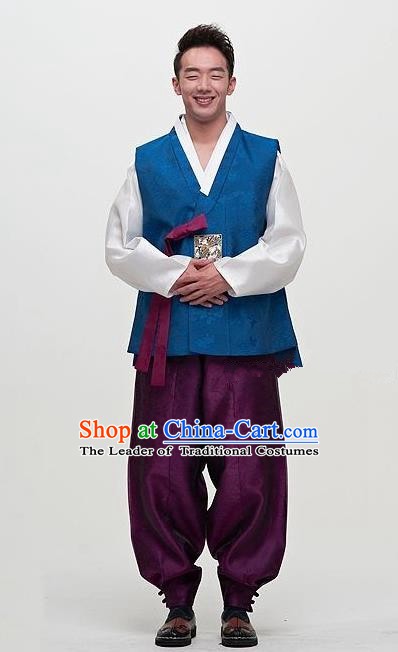
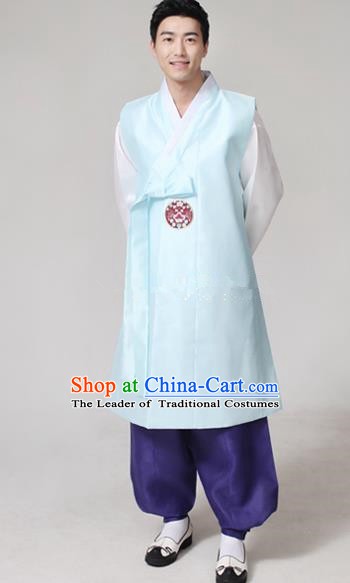
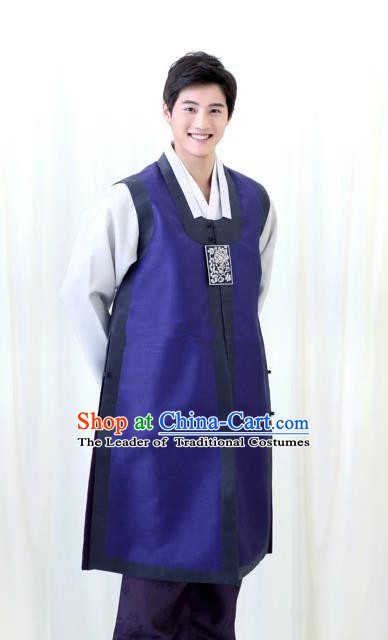
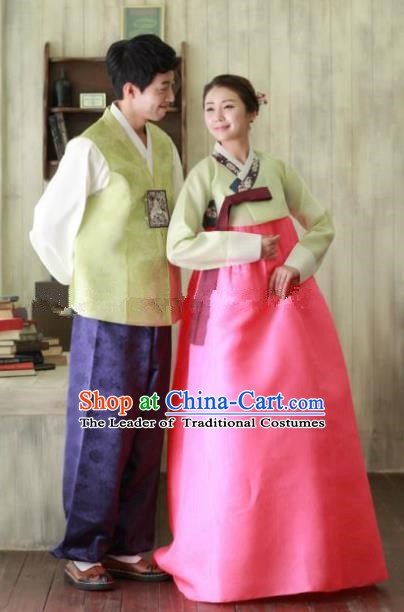
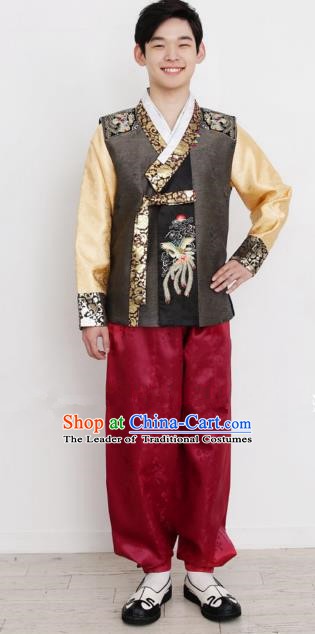
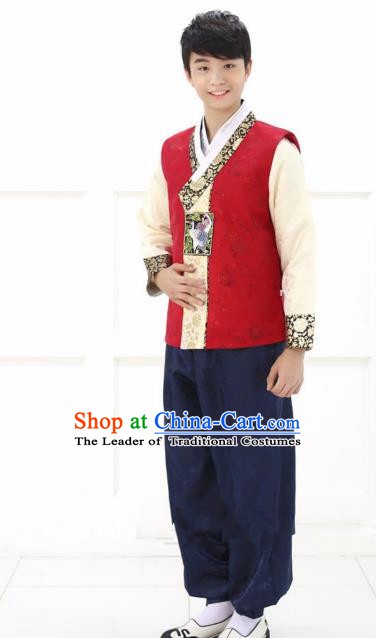
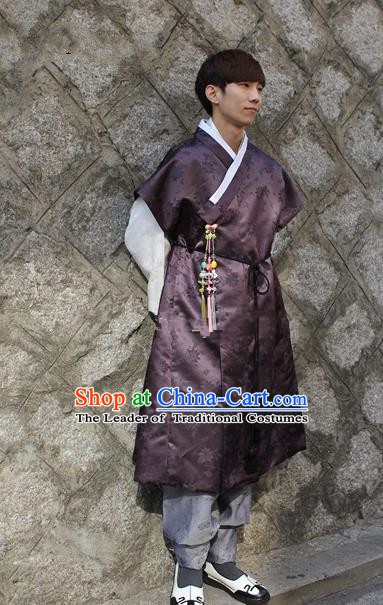
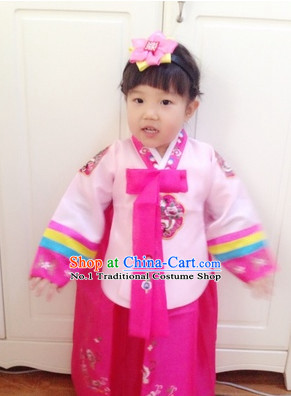
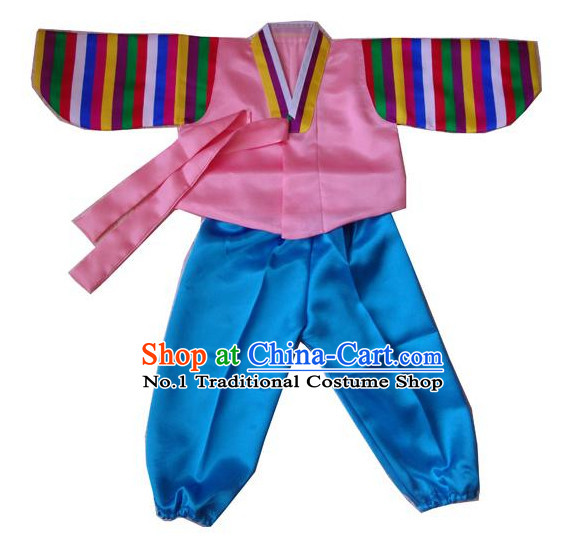
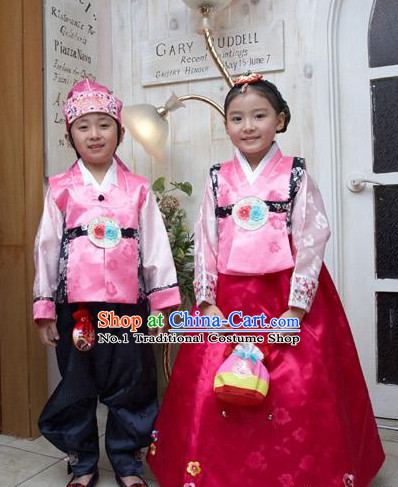
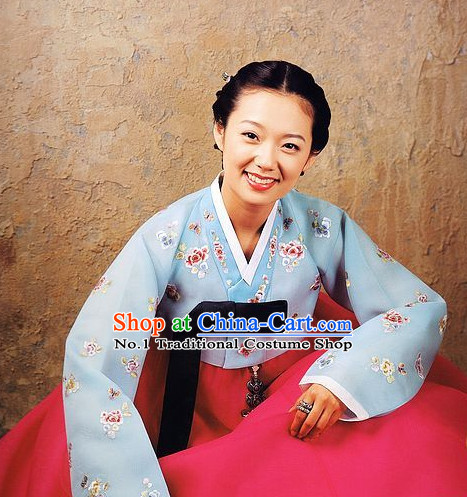
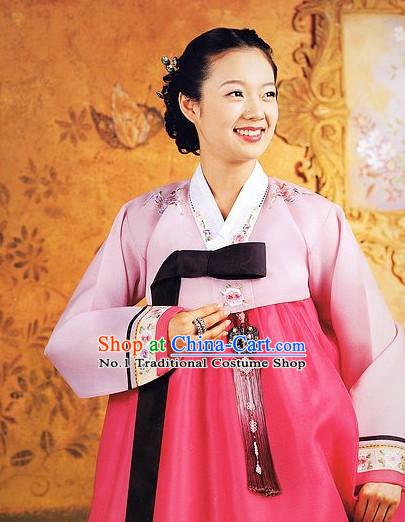
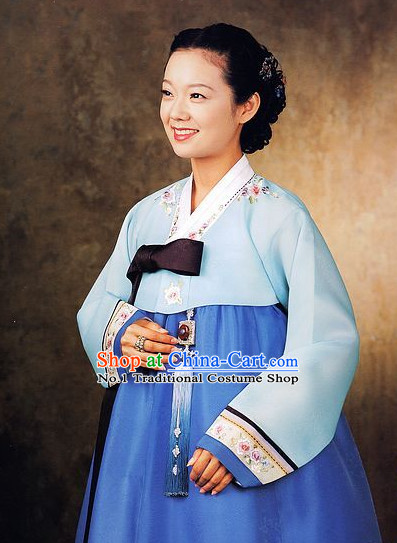
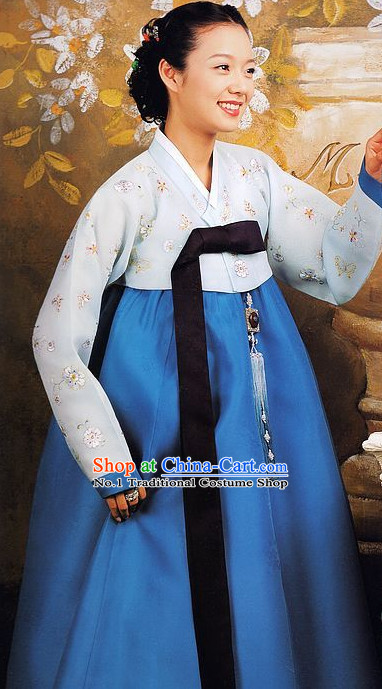
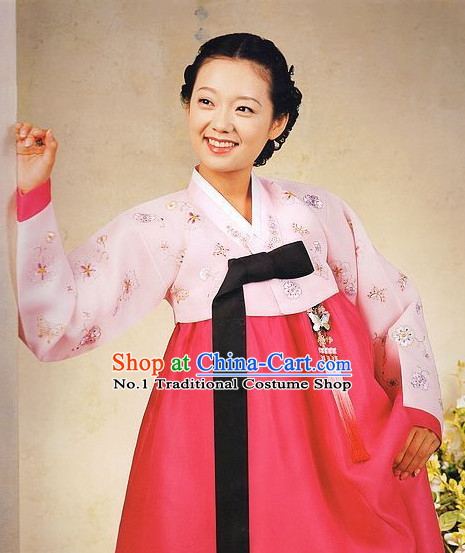
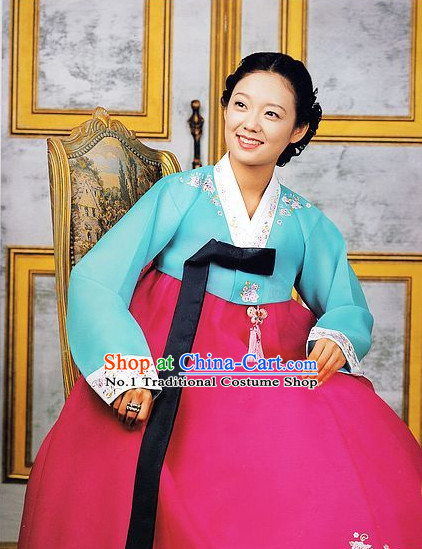
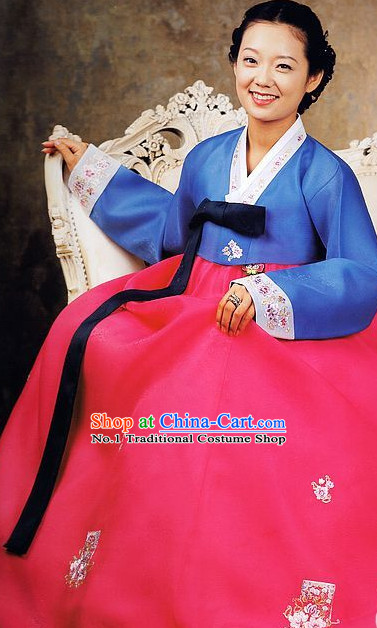
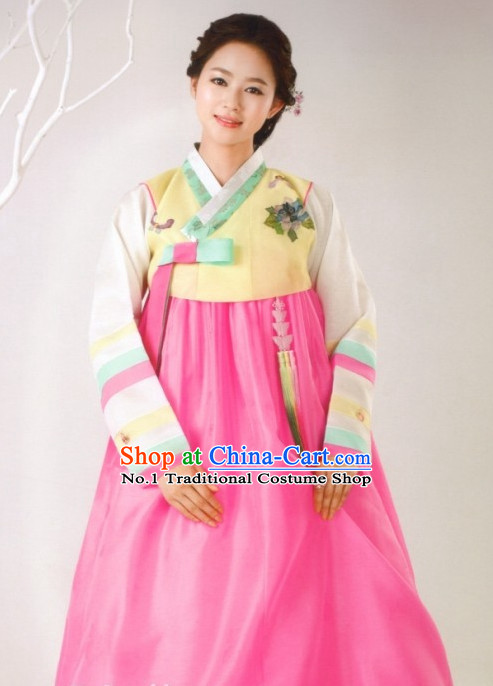
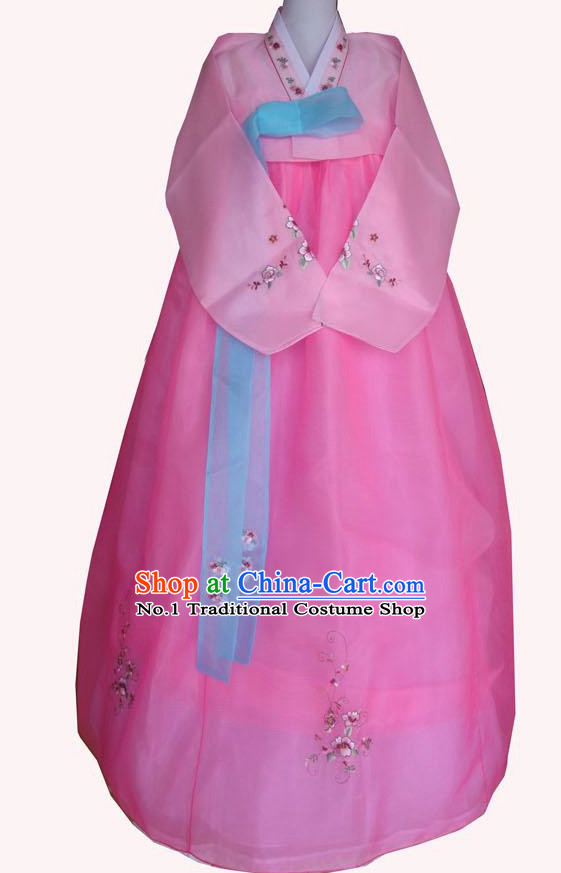
In this picture, we can see a young man wearing a traditional Korean outfit, which is made up of a pink and blue hanbok with a white belt tied around the waist.
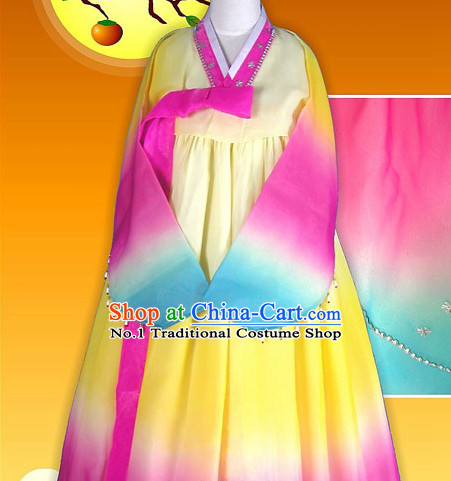
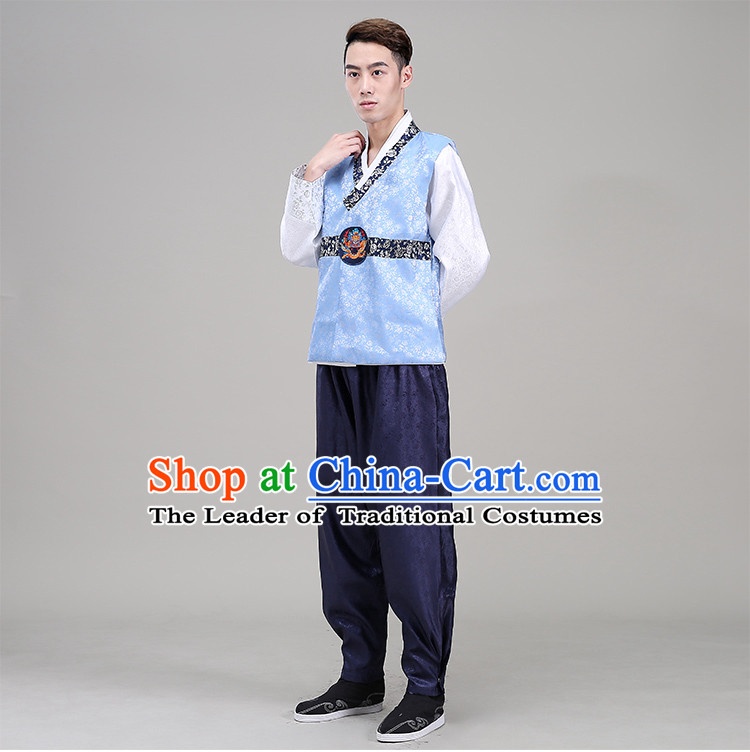
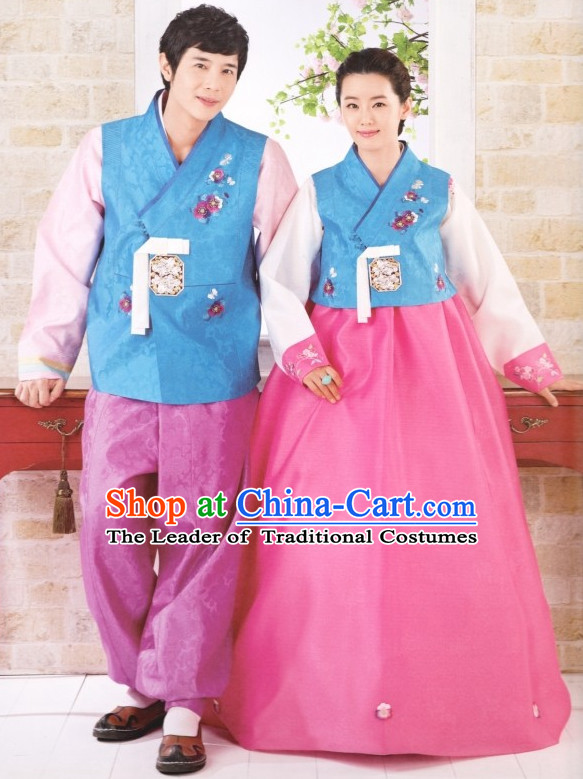
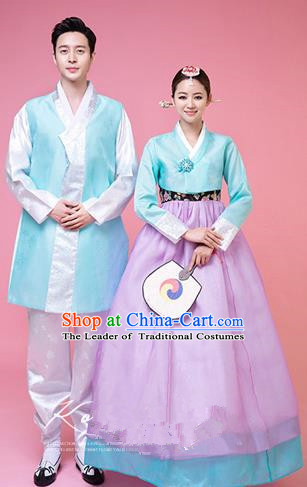
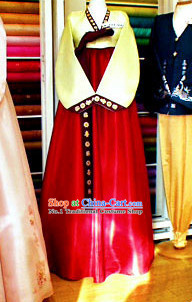
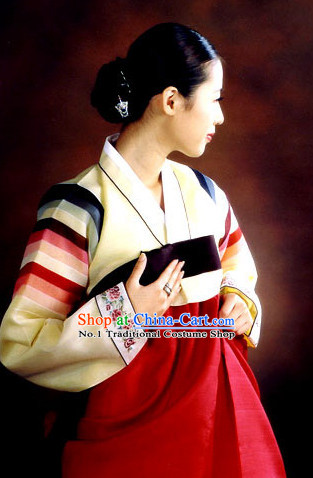
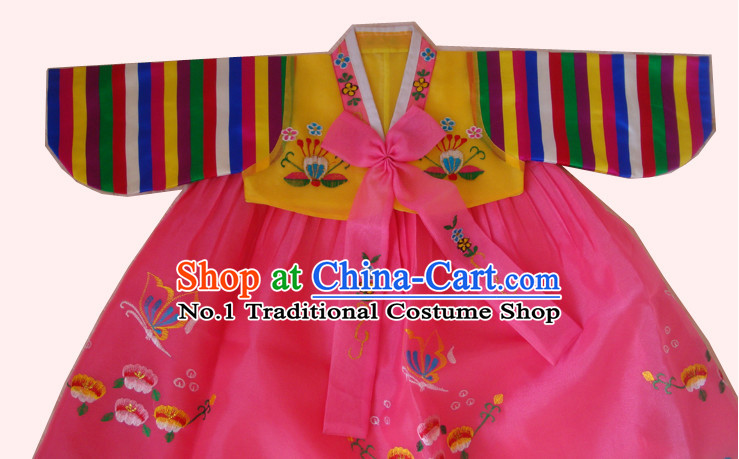
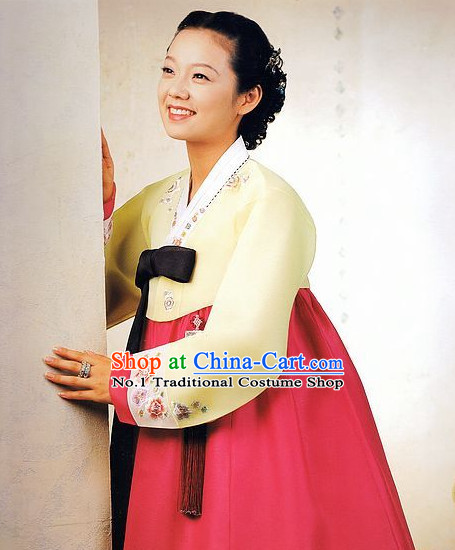
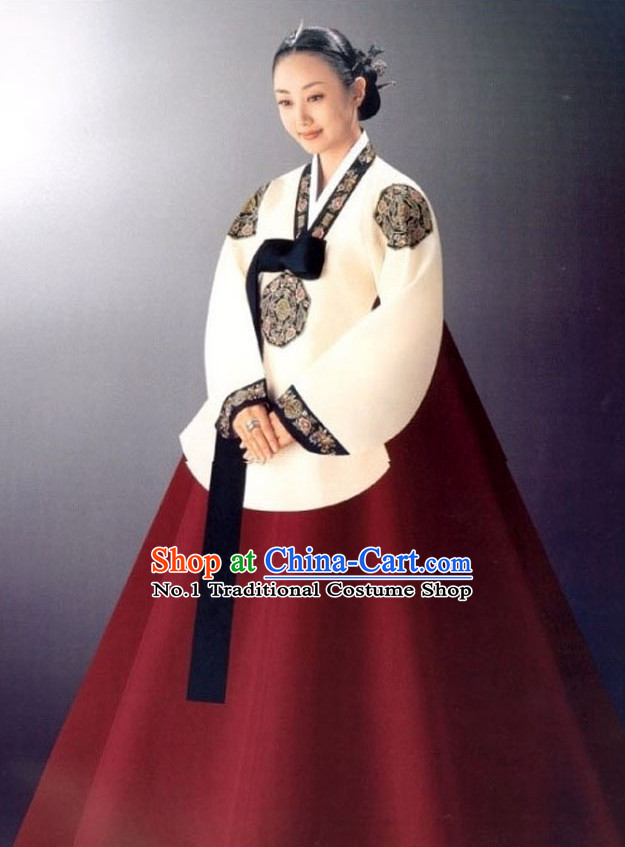
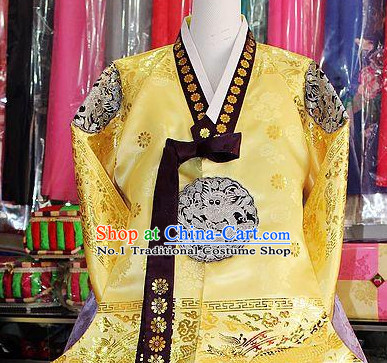
This type of hanbok is usually made of silk and features elegant curves and intricate details.
It is not only a fashionable accessory but also carries symbolic meanings of Korean history and culture.
The history of Korean traditional clothing dates back to 2333 BC when the three kingdoms on the Korean Peninsula were unified into the Goguryeo Kingdom.
Since then, the hanbok has been the official attire of the country.
Over time, the design and style of the hanbok have evolved, but its core elements remain unchanged: elegance, sophistication, and respect for traditional culture.
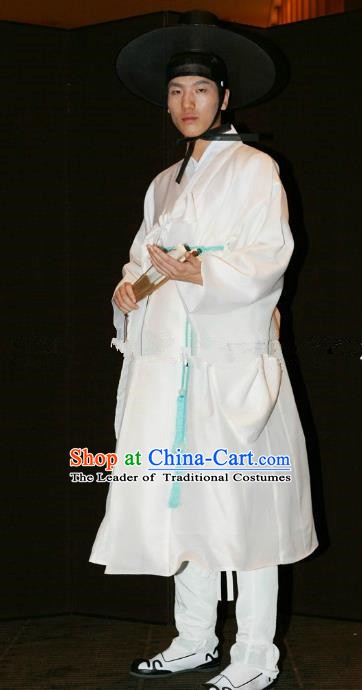
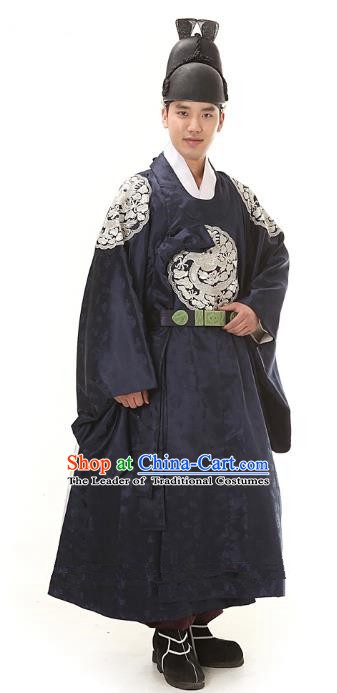
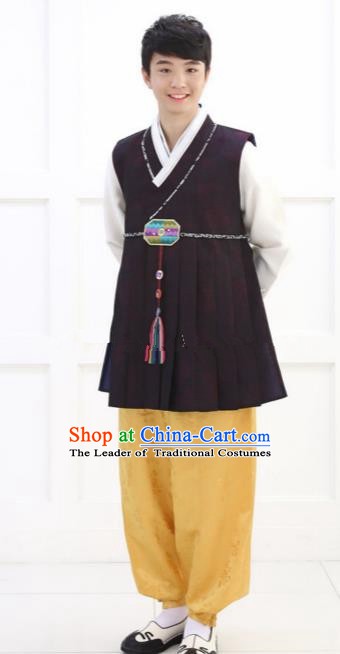
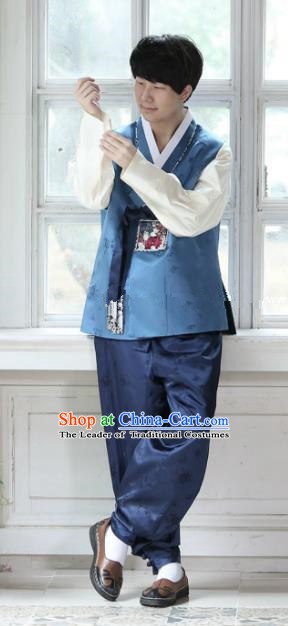
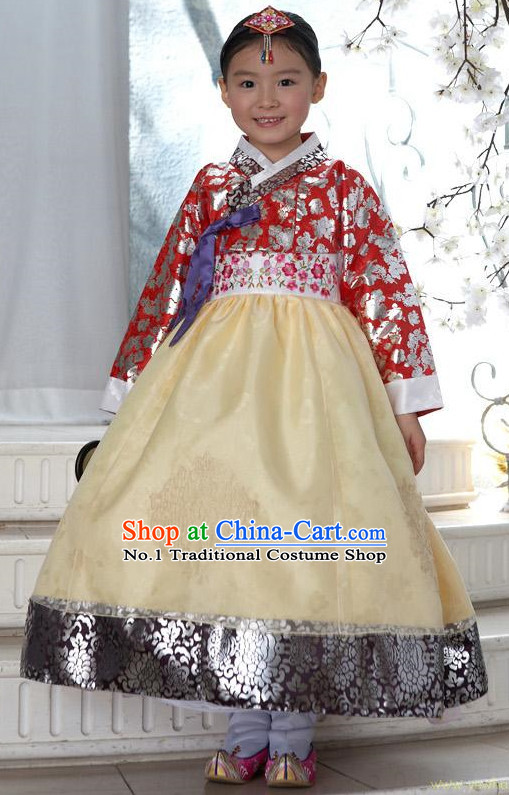
In this picture, we can see the young man standing in front of a brick wall, exuding an air of nobility and elegance in his hanbok.
This type of clothing is typically worn for formal occasions such as weddings, celebrations, and official events.
People who wear hanboks often accessorize with special items such as headpieces, belts, and shoes.
These accessories not only enhance the beauty of the clothing but also represent the uniqueness of Korean culture.
In conclusion, Korean traditional clothing is an art form that is rich in historical significance and cultural connotations.
It is not only a fashionable accessory but also represents the pride and respect that Korean people have for their traditional culture.
By appreciating and learning about this type of clothing, we can gain a better understanding of Korean history and culture and experience a pleasant and superior living atmosphere.